
Türkiye is continuing to make significant advances across four critical regions through a series of simultaneous defense and security diplomacy initiatives. The growing diplomatic engagement stretching from Somalia and Egypt to Pakistan and Syria is widely seen as a reflection of Ankara’s strategy to strengthen its role in the regional security architecture.
Day: July 23, 2026
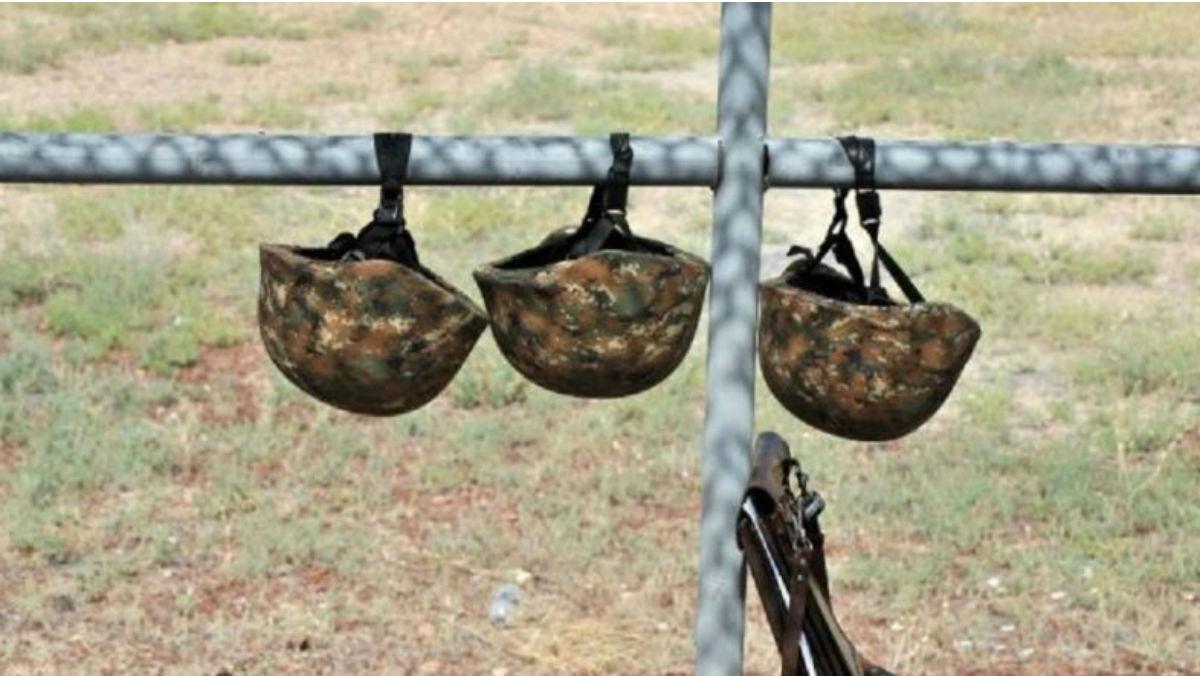
Death of soldier in the Armenian Armed Forces
A serviceman has died at an Armenian military base. Investigators found the body of 20-year-old conscript Narek Torosyan on July 21. The Investigative Committee released only limited information after the incident. It said authorities had opened a criminal case and launched an investigation.
The committee later charged two of Torosyan’s fellow servicemen with driving him to suicide through negligence. One is a junior sergeant and the other a private. Authorities have placed both men under arrest.
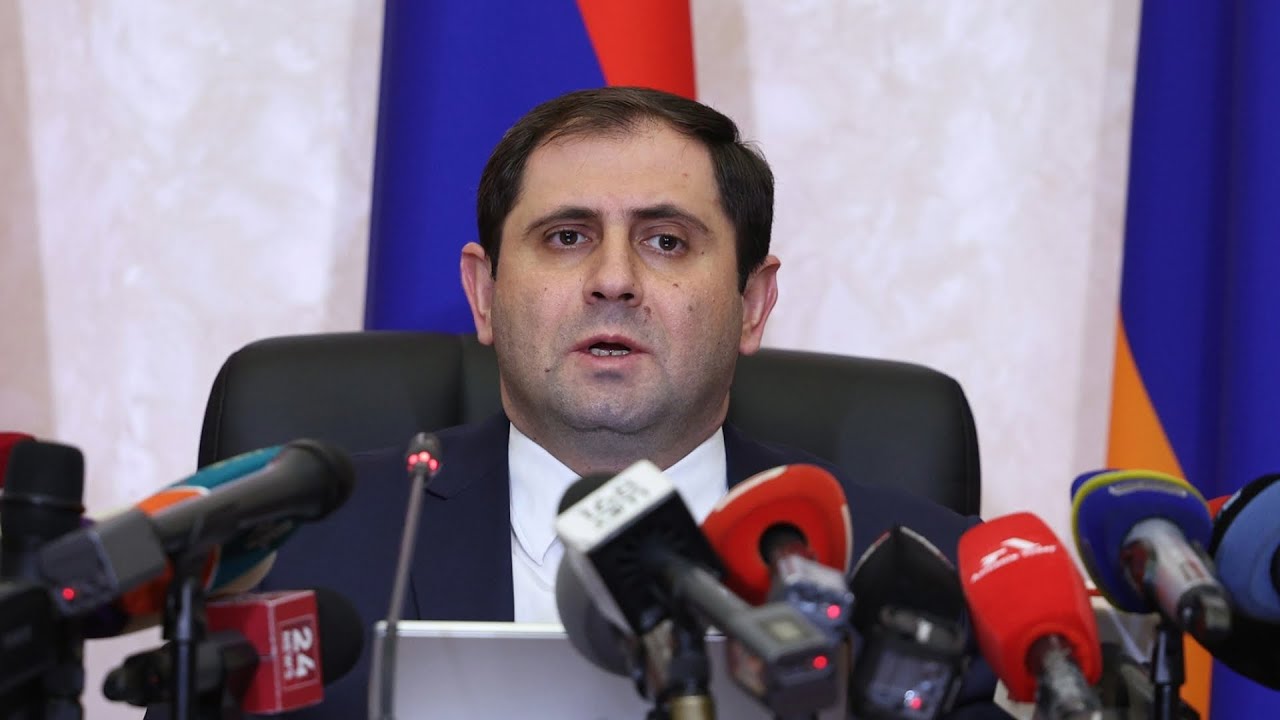
The Ministry of Defence has made no public statement about the soldier’s death. Human rights activists and politicians have condemned the ministry’s silence.
Among them was human rights defender Zhanna Aleksanyan, who regularly raises concerns about human rights violations in the armed forces. She wrote on social media that Defence Minister Suren Papikyan ultimately bears responsibility for the lives of servicemen.
“The minister remains strikingly detached when soldiers die. At the end of each year, he tries to downplay the numbers, but no genuine effort exists to reduce the death toll,” she said.
According to official figures, eight servicemen have died since the beginning of 2026.
- Armenia begins recruiting and training border guards for Azerbaijan border
- ‘New army, new weapons’: military parade in Yerevan marks Republic Day
- ‘Armenia must not be an attractive target for aggression,’ says Pashinyan on Army Day
What we know so far

Armenian media report that Narek came from the town of Charentsavan and was a fourth-year student at the Russian-Armenian University. He hoped to become a sports journalist. The army drafted him in January 2026. Shortly before the incident, he had gone home on leave and visited his family. Reports also identify Chambarak as his duty station.
Authorities have not disclosed where the incident took place or what exactly happened.
According to a version published by several local media outlets, other servicemen severely beat the soldier before he took his own life.
Charentsavan Mayor Hakob Shahgeldyan also told reporters that, according to the information available to him, Narek had died by suicide. However, the mayor provided no further details.
Comments
Human rights activist Zhanna Aleksanyan wrote:
“The Ministry of Defence remains silent about the death of 20-year-old serviceman Narek Torosyan.
The minister has still offered no explanation or clarification. Did he visit the military unit to find out what happened and why? I am certain he did not. He bears responsibility for the life of every serviceman, and he is accountable to both their families and society.
I cannot accept the ‘suicide’ version circulating in the media. Journalists may learn that a serviceman has died, but they cannot know the circumstances of his death. Law enforcement agencies often leak such versions to the press. They later use those same reports to support their own conclusion that it was ‘suicide.’
And in the army, most ‘suicides’ are in fact unsolved murders.”
Tigran Abrahamyan, an opposition MP from the I Have Honour alliance, wrote on social media:
“Soldier Narek Torosyan, who died following the incident at the Chambarak military base, was my student. […]
Narek was a kind, gentle person with outstanding personal qualities. Both students and lecturers respected and cared for him.
Given the sensitivity of the case, I do not want to comment on the different versions or discuss the information available to me.
One thing is clear, however. The state has failed to ensure proper discipline, maintain a healthy psychological environment in military units, and provide effective oversight. That failure ultimately leads to incidents like this.
The authorities must carry out an objective and comprehensive investigation and take steps to prevent similar tragedies in the future.”
Mané Tandilyan, founder of the Country to Live party, said:
“Do not say that incidents like this are inevitable in the army. We must not accept such an attitude. After so many losses, it is unacceptable that we continue to lose our young people in peacetime.
How do officers demonstrate accountability? How has violence and cruelty become so deeply rooted among 18- to 20-year-olds that it repeatedly leads to deaths? What is the army doing to foster mutual respect, discipline and responsibility?
What is especially alarming is that intolerance and aggression are becoming increasingly visible in society. And yes, much of the responsibility lies with the country’s top leadership, which speaks to society in a language that fuels division, hostility and hatred. That atmosphere eventually seeps into people’s everyday relationships.
We must overcome this nightmare. Let us each begin with the people around us.”
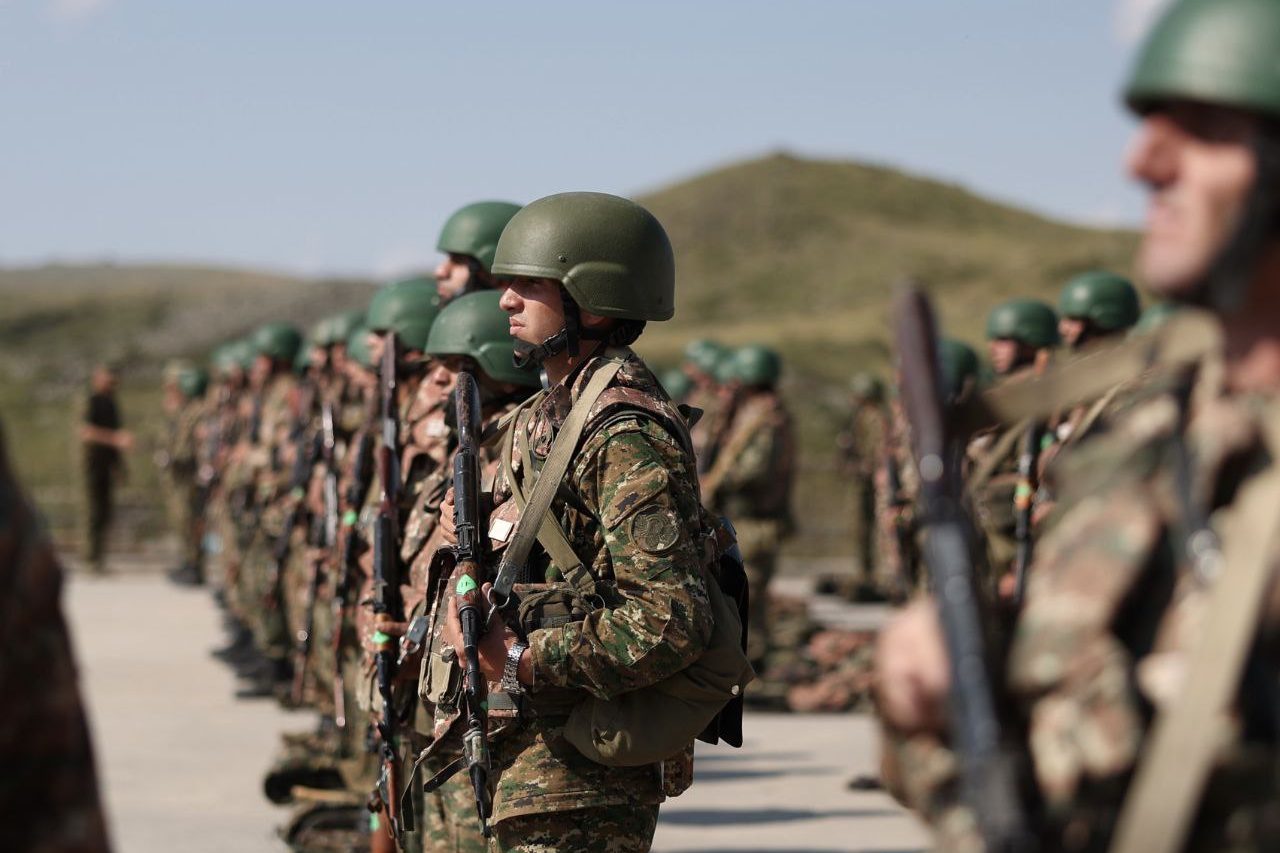
Death of soldier in the Armenian Armed Forces
The European Union has imposed a transaction ban on Georgia’s Kulevi oil refinery and crypto-related service platforms based in Georgia as part of its 21st Russia sanctions package adopted on July 23, in the first such major inclusion of Georgian entities in measures imposed in response to Russia’s full-scale invasion of Ukraine.
The transaction ban on Kulevi oil refinery, located at the Black Sea coast in Western Georgia and operated by Black Sea Petroleum, a company owned by Georgian businesswoman Maka Asatiani, is set to take effect in six months.
“The package creates the possibility to prohibit transactions with listed refineries in Russia and in third countries which process or refine Russian crude oil and petroleum products. In that framework, the EU is imposing a transaction ban – entering into force in six months – on a Georgian refinery trading and processing Russian oil in Kulevi,” the Council of the EU said in its press release.
According to the press release, the bloc “is also extending its transaction ban to 14 crypto-related service platforms based in Georgia, Panama, the UAE, the Marshall Islands, Kyrgyzstan, and Belarus.”
The Council said the 21st Russia sanctions package “includes harsh economic sanctions hitting the sectors that have the greatest impact on Russia’s economy and its ability to fuel its war of aggression against Ukraine, and the largest batch of individual listings of the last four years, totalling 218, of which 48 individuals and 170 entities.”
The inclusion of the refinery comes weeks after Black Sea Petroleum announced that it will begin refining “crude oil of entirely non-Russian origin” starting in August-September, saying the shift will “open doors to high-margin markets” for its products.
The Kulevi refinery, a project inaugurated in 2024 by Georgian officials as the largest private investment project in Georgia’s post-independence history, first drew controversy in October 2025, when Russian oil company Russneft supplied its first oil cargo to the facility.
The facility has since attracted scrutiny over its potential to serve as a channel for re-exporting Russian oil under a Georgian designation, with questions mounting amid journalistic investigations suggesting that Russian oil products may be reaching European countries through Georgia, particularly in light of the recorded spike in Georgia’s oil exports.
The controversy also extended to Kulevi port, which is owned and operated by Azerbaijan’s SOCAR. In March 2026, the European Union considered including the port in its proposed 20th sanctions package against Russia, but ultimately dropped the measure, citing “positive commitments” made by the Georgian authorities and the port operator.
The inclusion of Georgia-based entities in the EU’s Russia sanctions package also follows the change of government in Hungary after Viktor Orbán’s Fidesz party, a close ally of Georgia’s ruling Georgian Dream party, lost the election in April. Hungary under Orbán was known to use its veto power to hamper EU efforts to impose restrictive measures on Tbilisi.
Earlier, in May, the United Kingdom also announced sanctioning three Georgia-registered companies “operating Russia-focused exchanges seeking to evade sanctions” as part of its broader crackdown on crypto and illicit finance networks exploited by Russia to circumvent UK sanctions.
More to follow…
Also Read:
The European Union has imposed a transaction ban on Georgia’s Kulevi oil refinery and crypto-related service platforms based in Georgia as part of its 21st Russia sanctions package adopted on July 23, in the first such major inclusion of Georgian entities in measures imposed in response to Russia’s full-scale invasion of Ukraine.
The transaction ban on Kulevi oil refinery, located at the Black Sea coast in Western Georgia and operated by Black Sea Petroleum, a company owned by Georgian businesswoman Maka Asatiani, is set to take effect in six months.
“The package creates the possibility to prohibit transactions with listed refineries in Russia and in third countries which process or refine Russian crude oil and petroleum products. In that framework, the EU is imposing a transaction ban – entering into force in six months – on a Georgian refinery trading and processing Russian oil in Kulevi,” the Council of the EU said in its press release.
According to the press release, the bloc “is also extending its transaction ban to 14 crypto-related service platforms based in Georgia, Panama, the UAE, the Marshall Islands, Kyrgyzstan, and Belarus.”
The Council said the 21st Russia sanctions package “includes harsh economic sanctions hitting the sectors that have the greatest impact on Russia’s economy and its ability to fuel its war of aggression against Ukraine, and the largest batch of individual listings of the last four years, totalling 218, of which 48 individuals and 170 entities.”
The inclusion of the refinery comes weeks after Black Sea Petroleum announced that it will begin refining “crude oil of entirely non-Russian origin” starting in August-September, saying the shift will “open doors to high-margin markets” for its products.
The Kulevi refinery, a project inaugurated in 2024 by Georgian officials as the largest private investment project in Georgia’s post-independence history, first drew controversy in October 2025, when Russian oil company Russneft supplied its first oil cargo to the facility.
The facility has since attracted scrutiny over its potential to serve as a channel for re-exporting Russian oil under a Georgian designation, with questions mounting amid journalistic investigations suggesting that Russian oil products may be reaching European countries through Georgia, particularly in light of the recorded spike in Georgia’s oil exports.
The controversy also extended to Kulevi port, which is owned and operated by Azerbaijan’s SOCAR. In March 2026, the European Union considered including the port in its proposed 20th sanctions package against Russia, but ultimately dropped the measure, citing “positive commitments” made by the Georgian authorities and the port operator.
The inclusion of Georgia-based entities in the EU’s Russia sanctions package also follows the change of government in Hungary after Viktor Orbán’s Fidesz party, a close ally of Georgia’s ruling Georgian Dream party, lost the election in April. Hungary under Orbán was known to use its veto power to hamper EU efforts to impose restrictive measures on Tbilisi.
Earlier, in May, the United Kingdom also announced sanctioning three Georgia-registered companies “operating Russia-focused exchanges seeking to evade sanctions” as part of its broader crackdown on crypto and illicit finance networks exploited by Russia to circumvent UK sanctions.
More to follow…
Also Read: