
‘An army of fake accounts backs one of the prime ministerial candidates,’ Armenian fact-checkers say jam-news.net
Day: April 7, 2026
Fakes back Armenia PM candidate
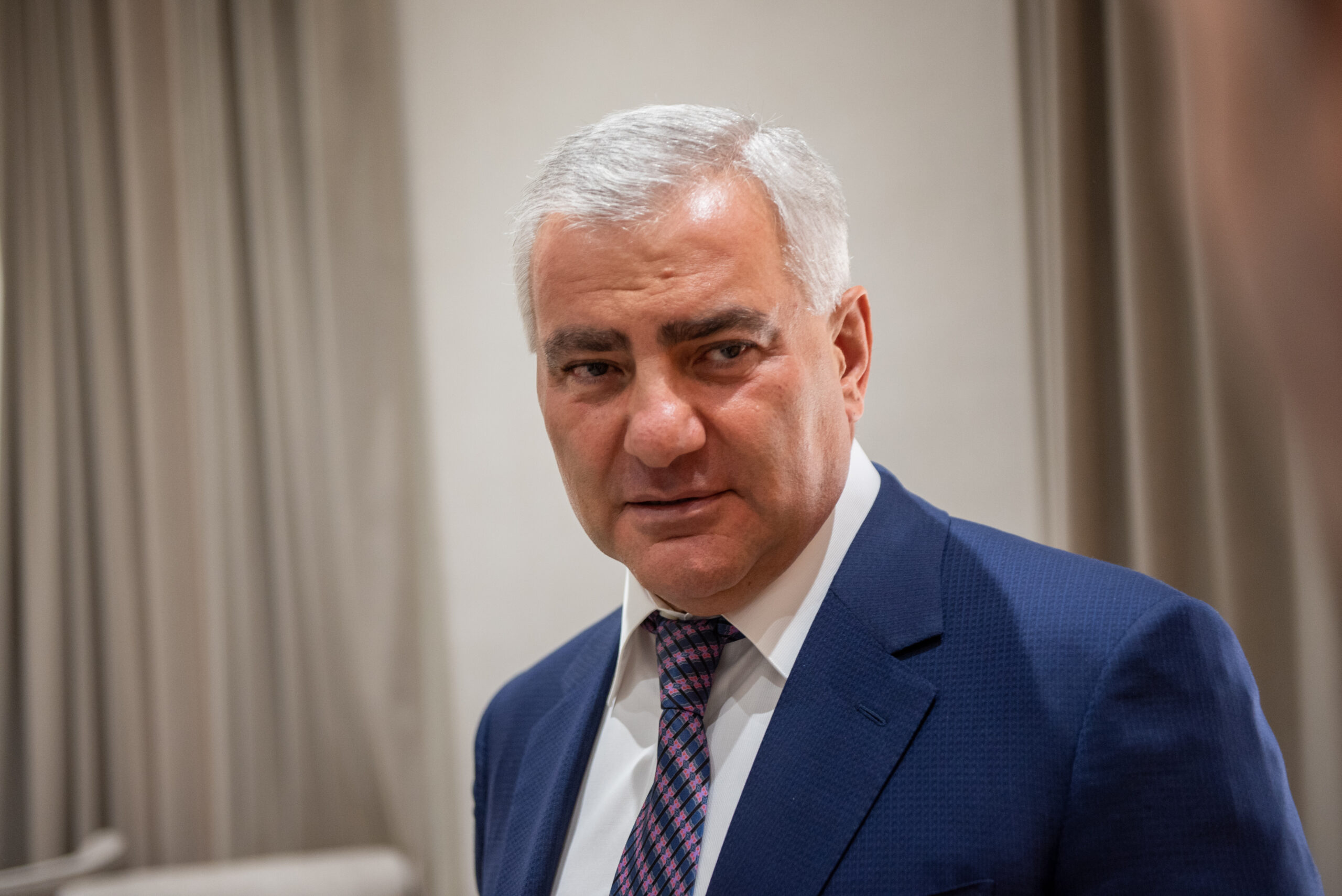
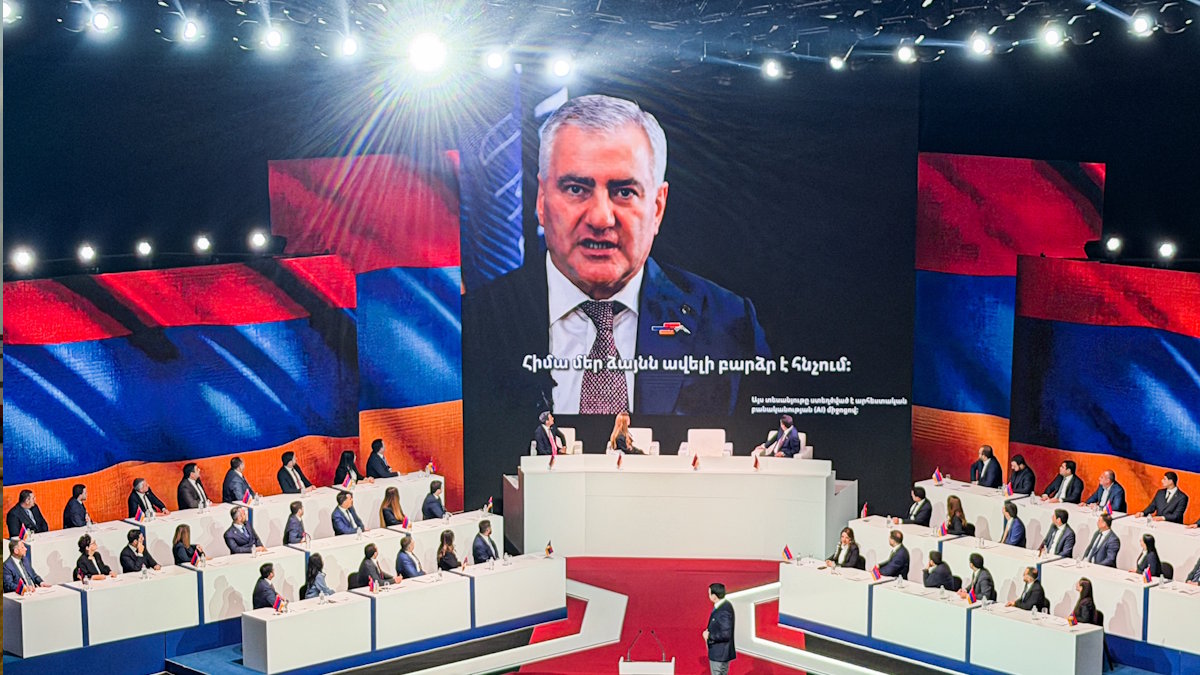
Armenian fact-checkers have identified an “army” of fake pages and accounts that create the impression of widespread support for a prime ministerial candidate. The candidate in question is Russian dollar billionaire Samvel Karapetyan. These fake pages actively promote the leader of the opposition party Strong Armenia and spread disinformation about members of the current government.
The fact-checking team at Media.am found that 17 Facebook pages were created on 18 February this year. These pages publish posts criticising the government and Prime Minister Nikol Pashinyan. They also spread disinformation about him personally and about members of his family.
Numerous fake accounts then amplify videos published on these pages. The fact-checkers identified 60 such accounts.
“Most fake accounts appear on each other’s friends lists. They actively support Samvel Karapetyan and his political force in comments under posts by various media outlets,” the journalists said.
Samvel Karapetyan is under house arrest on charges of calling for the seizure of power. The Strong Armenia party has nominated him as a candidate for prime minister. However, under Armenia’s constitution, he cannot hold the post, as he is a citizen not only of Armenia but also of Russia and Cyprus.
- ‘Russia trying to send tens of thousands of voters to Armenia’s elections’: debate in Yerevan
- ‘Opposition aims to take power by forming post-election coalition’ – Armenian parliament vice-speaker
- Opinion: oligarch Samvel Karapetyan’s party ‘Strong Armenia’ will represent Russian interests
Details about the fake pages
Fact-checkers list a number of fake Facebook pages created on 18 February, including Week/News Armenia, Lurer Aysor, Time News, Yerevan Times, BreakNews Arm, YerevanTimes, Voice.Yerevan, Liberty News Armenia, Tarm News, Hay News, Top News Arm, YVN Pulse, Arm Urban Voice, Armenia Pulse, Live Updates Armenia, Focus on Armenia and ArmeniaNow.
“It appears that these pages are run by a single person. The only differences are the names and profile images,” they say.
The pages, created almost simultaneously between 12:30 and 12:45, posted a video at nearly the same time. The video featured photos of the prime minister’s former wife, Anna Hakobyan. It claimed that she once wore earrings worth 5,000 drams ($13), but as the prime minister’s wife wore ones worth 2,500,000 drams ($6,666).
Notably, the pages did not share the video. Instead, they uploaded it directly to Facebook at almost the same time.
Based on their analysis, the fact-checkers say this points to a coordinated campaign to discredit the authorities, the current prime minister and members of his family.
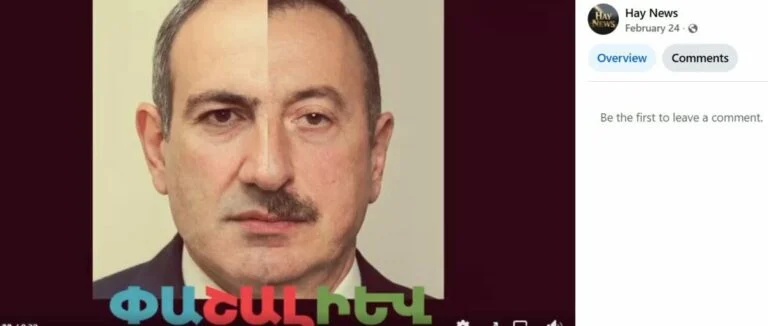
Journalists provide specific examples of the content circulated by the fake pages:
- A video showing Nikol Pashinyan’s book The Reverse Side of the Earth, with accompanying text implying “sexual deviance” on the part of the prime minister;
- A post urging people not to vote for Pashinyan, claiming he is “handing over Armenian territories to Azerbaijan”;
- A video allegedly featuring Pashinyan’s son, claiming he is “under the influence of drugs”, without any evidence;
- A post stating that by electing Nikol Pashinyan, people would effectively be voting for Azerbaijan’s President Ilham Aliyev;
- AI-generated videos discrediting Pashinyan by contrasting him with Samvel Karapetyan.
“A video created using AI was also circulated, showing Azerbaijani troops supposedly entering Yerevan,” the report says.
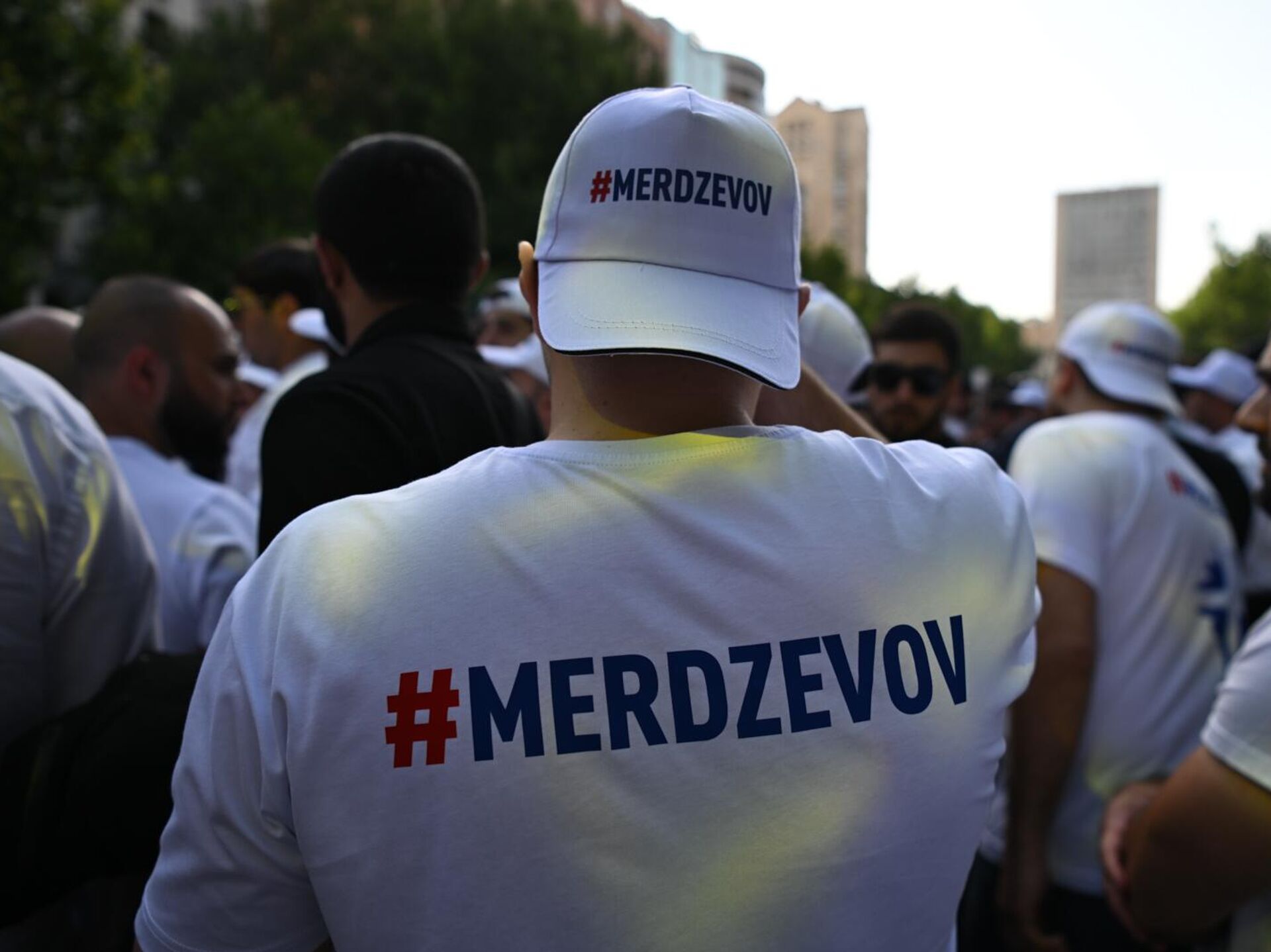
Dozens of users amplify content from fake pages
The fact-checking team also identified fake Facebook accounts that coordinated the spread of content from these pages.
These users also criticise the current government in their posts and express support for Samvel Karapetyan and the Strong Armenia party:
“The group includes more than 60 identified fake accounts. However, this is not a final figure. There may be many more.”
The investigation also found that most of these fake accounts were created in August–September 2023.
Analysis helped identify the real individuals behind many of the fake profiles — shown in the video.
“Their photos are mostly taken from Russian dating sites or adult (18+) platforms,” the report says.
Fakes back Armenia PM candidate
Election of a new Patriarch of Georgia
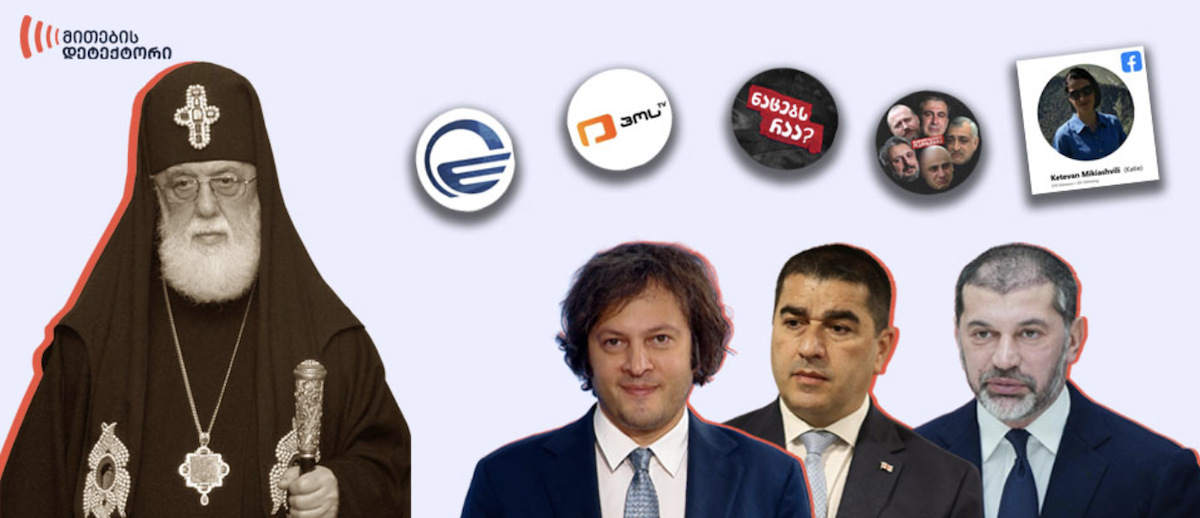
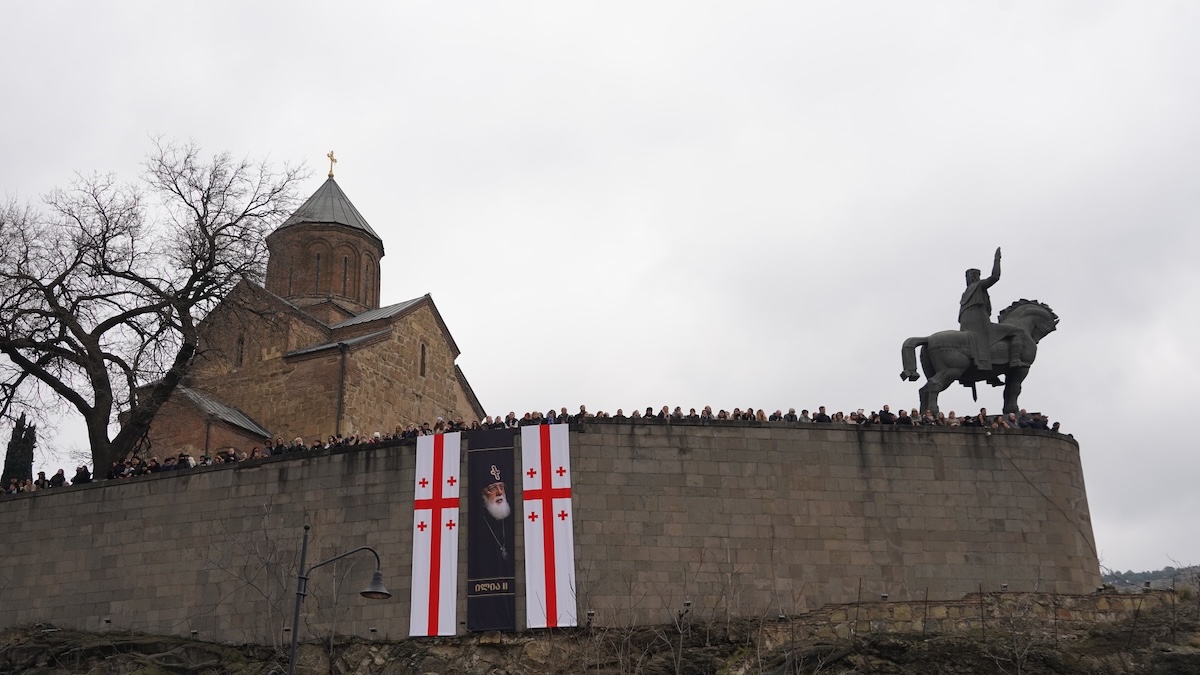
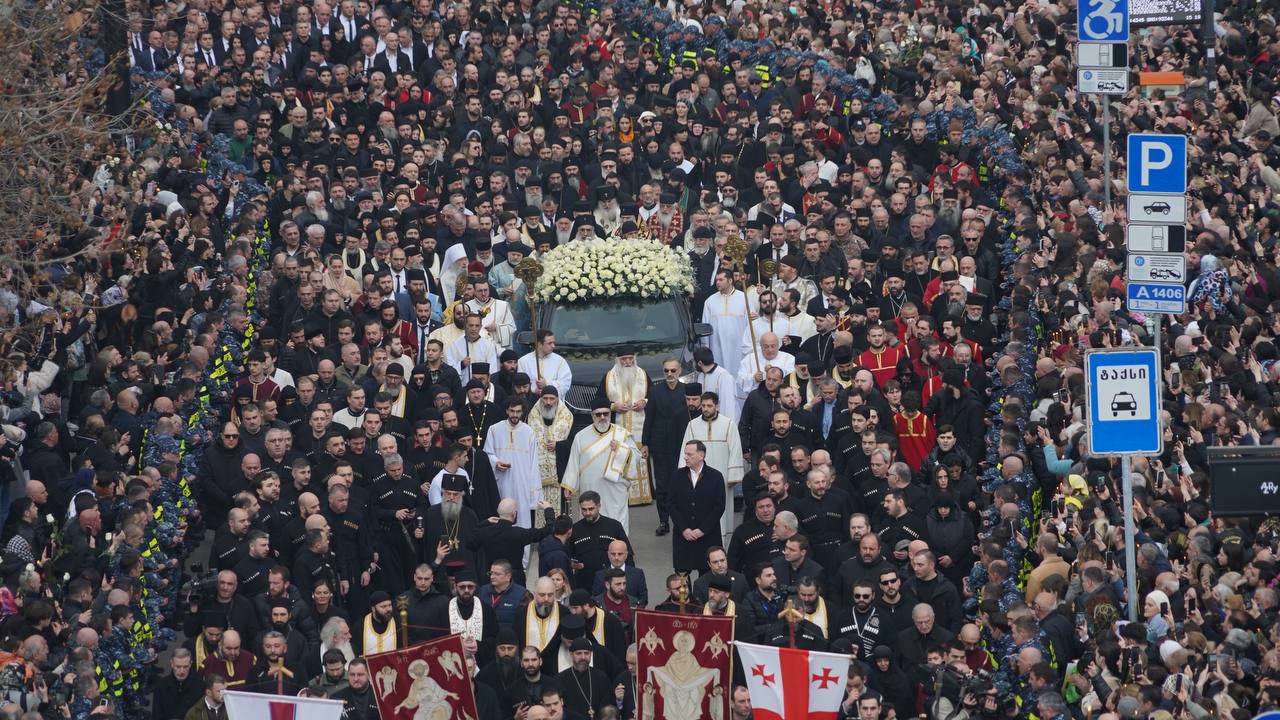
According to a study published by the organisation Myth Detector, following the death of Catholicos-Patriarch of All Georgia Ilia II, a campaign emerged in Georgia’s information space dividing society into two camps — the “mourning” and the “protesting”. This division not only reflected emotional reactions but also deliberately intensified confrontation.
In this context, politicians, journalists and citizens with critical views often became targets of discrediting campaigns. Their past statements and materials were circulated out of context to portray them as forces acting against the Church and the Patriarch.
Myth of ‘foreign influence‘
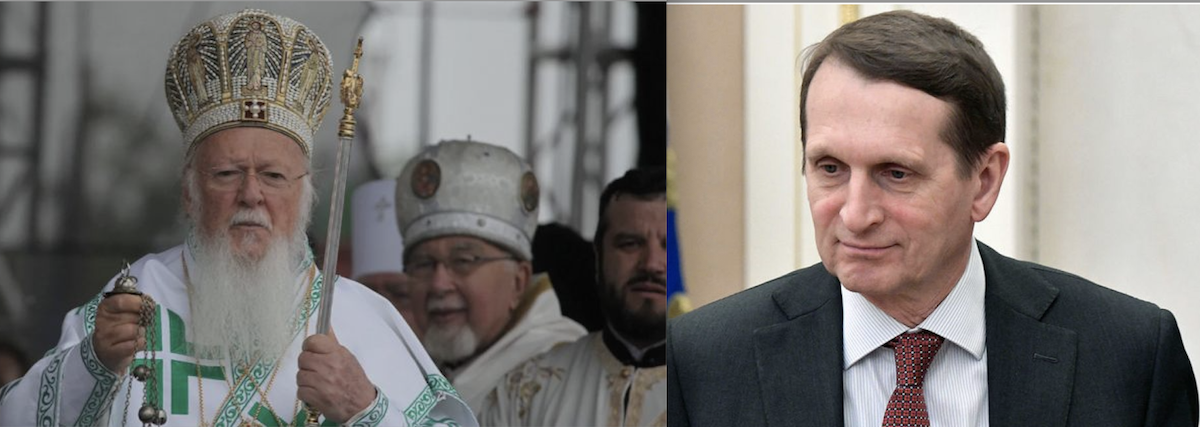
The study says one of the central narratives in the campaign framed attempts to discredit the Georgian Orthodox Church as a process organised by foreign forces — particularly the West. This narrative also suggested that external actors are now trying to gain influence over the Church and over the future Patriarch.
In this context, comparisons with a “Ukrainian scenario” were widely circulated. According to this claim, the West is attempting to interfere in the internal affairs of the Georgian Church, including the process of selecting a new Patriarch.
Debate around Metropolitan Shio
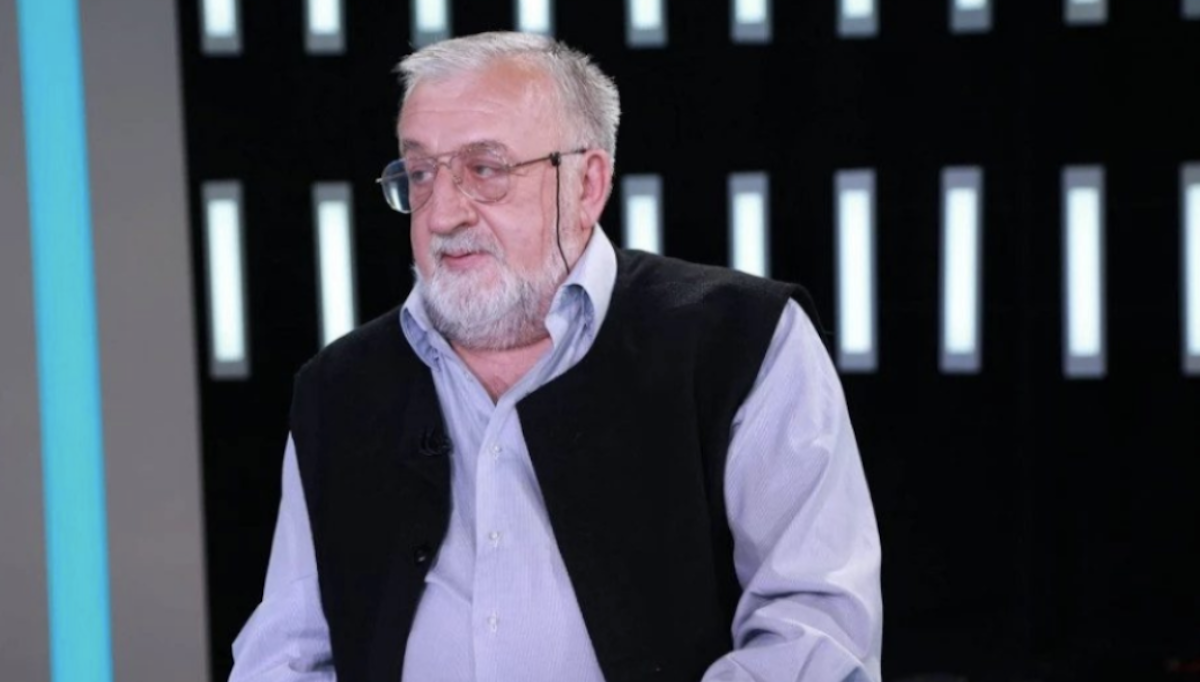
Particular attention was given to Metropolitan Shio, who is often mentioned as one of the leading candidates for Patriarch. The study says criticism directed at him was systematically framed not as an independent position but as a direct attack on the late Patriarch.
Within this narrative, respect for Ilia II was automatically linked to support for Shio, while criticism of him was portrayed as rejection of the Patriarch’s own choice. At the same time, views expressed against Shio were often described as part of a coordinated campaign by both domestic and foreign actors.
“Their assessments emphasise that because Shio is seen as one of the real contenders for Patriarch and a possible successor to Ilia II’s course, attempts to discredit him have intensified.
According to these actors, criticism of Shio is not driven by internal church issues but by political interests. They argue that the opposition seeks to align itself with public sentiment and use the Patriarch issue for its own purposes, while the campaign against Shio stems from fears that, as an independent figure, he would resist political influence and continue the Church’s current course,” the study says.
Actors and channels of propaganda
Monitoring by Myth Detector shows that these messages were spread by a wide range of actors. They included representatives of the ruling Georgian Dream party, journalists from pro-government media, various political groups and experts, as well as Kremlin-linked outlets and anonymous social media accounts.
The study says this diverse information flow produced a unified effect. It shifted public debate into a religious and emotional sphere and deepened political polarisation.
According to Myth Detector, such campaigns aim not only to discredit specific individuals or groups, but also to reshape public reality so that political confrontation appears as a conflict of values and identity.
Election of a new Patriarch of Georgia

Political analyst Gia Khukhashvili comments on the meeting between Azerbaijan’s President Ilham Aliyev and Bidzina Ivanishvili, the founder and honorary chairman of the ruling Georgian Dream party. He says no one in Georgia considers Prime Minister Irakli Kobakhidze to be the country’s real decision-maker, so the meeting revealed nothing new to the public.
Khukhashvili argues that by meeting Aliyev, Bidzina Ivanishvili effectively showed Kobakhidze his place. He adds that, in reality, Georgia has not had a genuine prime minister since Georgian Dream came to power, as Bidzina Ivanishvili has always been the one in control.
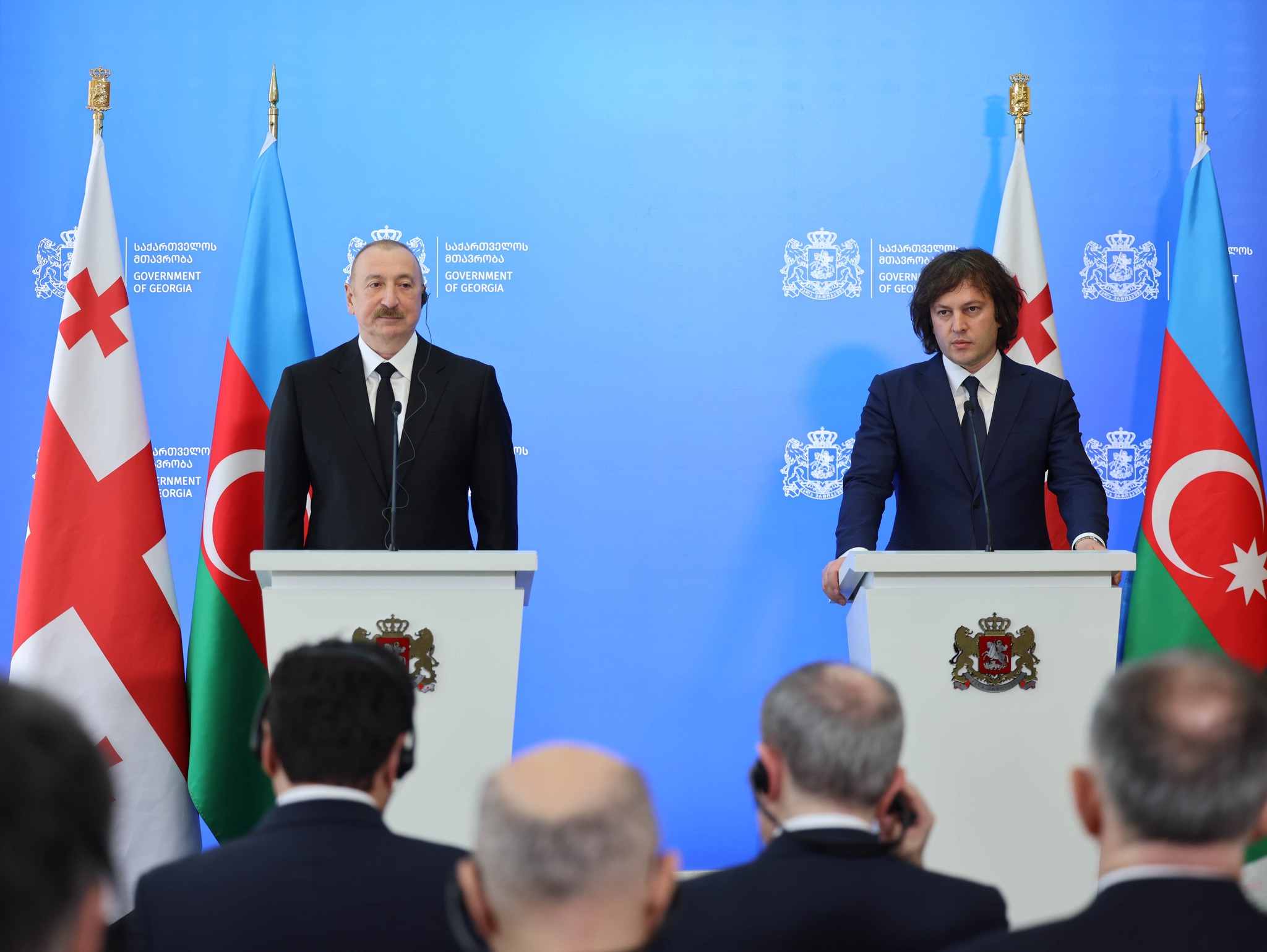
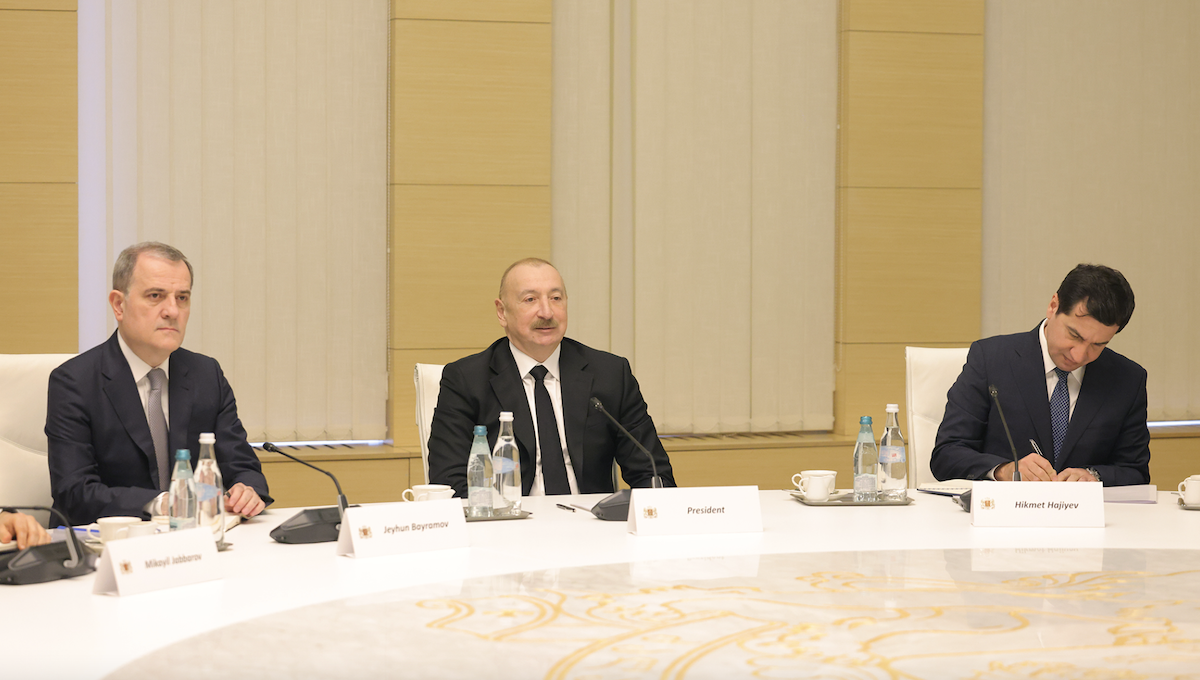
On 6 April, Azerbaijan’s President Ilham Aliyev visited Georgia. The main intrigue of the visit was his meeting with Bidzina Ivanishvili, about which little is known beyond what Georgian Dream published — silent footage from Ivanishvili’s residence and a brief, formal statement.
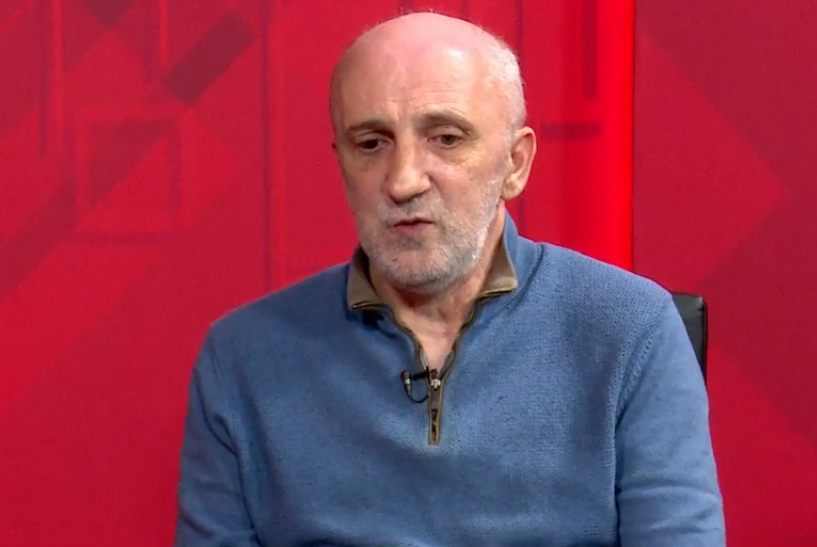
Gia Khukhashvili said:
“The picture is bleak. This figure [Irakli Kobakhidze] looks at his political patron, Bidzina Ivanishvili, and hates him, because he lives in his shadow, cannot escape it and cannot express his own will — so that hatred grows. I would advise Bidzina to be more careful — Kobakhidze might one day ‘raise his hand’ in a moment of rage. He is unstable, and he has reasons for resentment. Imagine being called prime minister while knowing you are nothing.
The meeting between Aliyev and Ivanishvili had a formal, protocol appearance, and it made clear who is in charge in this country. But why was Irakli Kobakhidze trailing behind them? He could have stayed aside, like staff. The problem is not only that the country has moved away from a democratic path towards an authoritarian one — many countries face similar issues. But there, leaders are institutionalised and hold official positions. The leader both makes decisions and takes responsibility. Here, Bidzina has created a model in which he makes decisions but bears no responsibility for them.”
“Ivanishvili has turned Georgia into an offshore company and registered it under a nominal figure. But if you look at the documents, the real owner is someone else. In this case, that nominal figure is Irakli Kobakhidze. Today, Georgia is a political offshore, with a nominal founder, while the real levers of power are in the hands of the man sitting in the ‘Glass Palace’.
Since Georgian Dream came to power, Bidzina Ivanishvili has always been the country’s real ruler, and no prime minister has been genuinely in charge.”
“The world is at a crucial stage, with growing interest in developing the South Caucasus corridor. Georgia and Azerbaijan form an inseparable link, bound by a shared geopolitical role. At the same time, the Azerbaijan–Turkey tandem is seeking to dominate this space alone.
We remember the discussions about the ‘3+3’ format, in which the South Caucasus countries, along with three regional powers — Turkey, Iran and Russia — were expected to assert their interests and redistribute influence in the region. Today, Iran has effectively dropped out of the game, while Russia maintains growing influence over Georgia but has lost leverage in Armenia and Azerbaijan.
In this situation, I do not believe the Azerbaijan–Turkey tandem will invite us as partners. We have missed the opportunity to secure dividends. We lack a deep-water port that would increase our value.
Security in the Black Sea remains a major issue for the West. Despite the presence of three NATO member states in the region, Russia still dominates, and none of these countries has the infrastructure needed to balance that dominance.”
Новости в Грузии