
Tourism warning after Novruz: Why 40% of bookings were cancelled and where is Azerbaijan losing out? JAMnews
Day: April 1, 2026
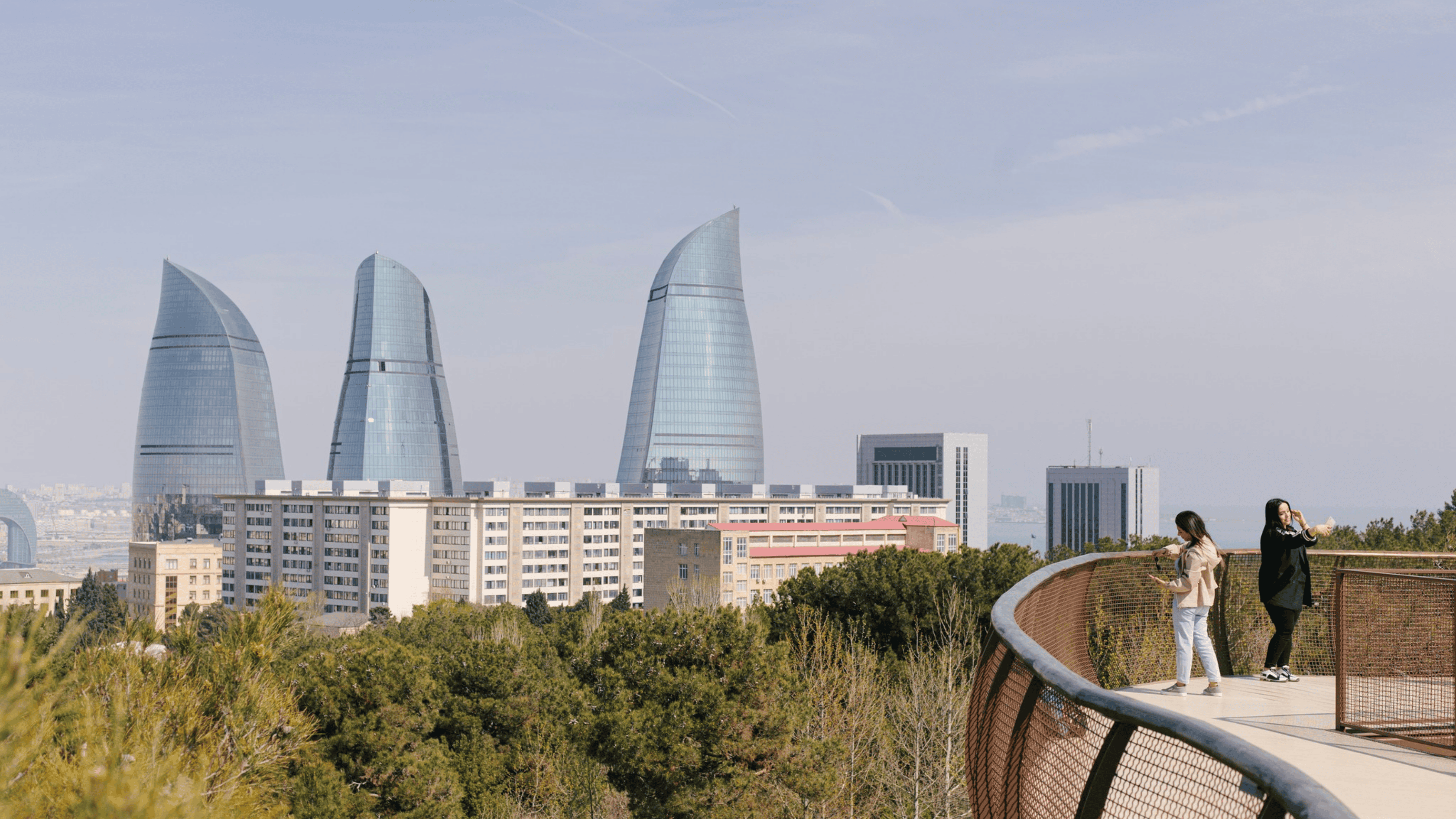
Tourism in Azerbaijan
The cancellation of around 40% of hotel bookings in Azerbaijan ahead of the Novruz holiday should not be seen as a seasonal fluctuation alone, but as a sign of deeper problems in the tourism market.
The figure suggests that even during a traditionally active period for domestic and regional travel, customers are changing their plans, reassessing their spending and choosing alternative destinations. In other words, the issue is that tourists either cannot reach the country due to logistical and cost barriers, or decide to cancel their trips at the last minute even after making arrangements.
The scale of cancellations points to a broader deterioration in the tourism sector. The reasons are interconnected and centre on three key factors: accessibility, pricing policy and risk perception.
Lack of low-cost flights
Tourist behaviour can be described simply: a trip begins with emotion, but often ends with the price of a ticket. The lack of low-cost flights—or more precisely, their limited availability and weak competition in this segment—restricts Azerbaijan’s tourism market from the outset. A potential traveller replaces the thought “I want to visit Azerbaijan” with the question “Is it worth the cost?”
This is not just about the appeal of cheap tickets. The low-cost model offers not only affordability, but also more options, greater scheduling flexibility and a stimulus for short-term travel.
When this mechanism weakens—especially during peak travel periods such as Novruz—risks for tourists increase. If tickets are expensive and prices continue to rise, travellers are more likely to delay decisions or choose alternative destinations.
Reports of rising airfare prices reinforce this trend: higher costs suppress demand, postpone travel plans and redirect tourist flows elsewhere.
As a result, the absence of low-cost flights reduces overall tourist numbers and, more importantly, limits diversification. Demand becomes concentrated in the higher-spending segment, making the market more vulnerable.
Lack of low-cost flights
Tourist behaviour can be described simply: a trip begins with emotion, but often ends with the price of a ticket. The lack of low-cost flights—or more precisely, their limited availability and weak competition in this segment—restricts Azerbaijan’s tourism market from the outset. A potential traveller replaces the thought “I want to visit Azerbaijan” with the question “Is it worth the cost?”
This is not just about the appeal of cheap tickets. The low-cost model offers not only affordability, but also more options, greater scheduling flexibility and a stimulus for short-term travel.
When this mechanism weakens—especially during peak travel periods such as Novruz—risks for tourists increase. If tickets are expensive and prices continue to rise, travellers are more likely to delay decisions or choose alternative destinations.
Reports of rising airfare prices reinforce this trend: higher costs suppress demand, postpone travel plans and redirect tourist flows elsewhere.
As a result, the absence of low-cost flights reduces overall tourist numbers and, more importantly, limits diversification. Demand becomes concentrated in the higher-spending segment, making the market more vulnerable.

High prices for hotels and tourist services
High prices in tourism are not always a negative signal. In some cases, they reflect a high level of quality. The problem arises when prices reflect limited competition and constrained choice rather than value. In Azerbaijan, high prices for hotels and tourist services affect decisions in exactly this context.
Ahead of the Novruz holidays, rising hotel prices in the regions appear predictable: higher demand pushes prices up. The key question, however, is whether this demand reflects healthy market growth or whether tourists face a lack of alternatives.
High prices affect not only foreign visitors but also domestic tourism. When a Novruz trip stops being part of the “holiday mood” and turns into a strain on the family budget, cancellations are no longer just individual decisions. They indicate that costs exceed expectations and that the level of service does not match the price.

Regional competition: the case of Georgia
The state of tourism in Azerbaijan becomes particularly clear when compared with neighbouring countries. Georgia offers a telling example: within the same region and over comparable distances, tourists encounter a fundamentally different experience—more convenient logistics, more affordable flights and more attractive pricing expectations.
After strict pandemic-era restrictions, Georgia reopened its land borders, restoring entry options. This revived natural regional mobility and created conditions for spontaneous travel.
A second advantage lies in the availability of low-cost airlines. Budget carriers such as Wizz Air play a key role in improving accessibility and making travel decisions easier.
The third factor is pricing expectations. Tourists typically compare the cost and quality of services within a region and choose what they see as the better-value destination. In this context, Georgia’s advantage lies not only in lower prices, but also in a greater sense of choice.

Official explanations and security arguments
Public debate around the prolonged closure of land borders often centres on security concerns: Russia’s war against Ukraine, tensions around Iran, the risk of refugee inflows, terrorism threats and other factors. Each of these can be seen as a real risk.
Official statements also stress that regional developments justify maintaining closed land borders.
However, a key contradiction remains. Authorities continue to cite COVID-19-related restrictions as the main reason. The cabinet says it has extended the special quarantine regime to prevent the spread of the virus.
This position is also reflected in entry rules published by the foreign ministry: while air travel remains open, land border crossings are restricted through a special permit system “due to the COVID-19 pandemic”.
As a result, the tourism market finds itself caught between two narratives—“security” on the one hand and “COVID-19” on the other. In such conditions of risk and tight restrictions, it becomes harder for tourists to plan trips, leading to cancellations.
Azerbaijan’s border policy appears particularly striking in a global context, as many countries have already lifted pandemic restrictions and are working to revive tourism.
Even highly closed countries such as North Korea have begun gradually restoring international mobility. After banning foreign tourists during the pandemic, the country has started easing restrictions, reopening flights and transport links.
Conclusion
Azerbaijan has significant tourism potential, but this potential does not automatically translate into revenue. Ease of entry and predictable costs are key to attracting tourist flows.
Without substantial changes, the country will continue to lose ground in regional competition. Tourist flows will shift towards more open, accessible and convenient destinations, and even during peak holiday periods the sector will face cancellations rather than expected demand.
A practical solution could involve a gradual, risk-based easing of land border restrictions. In addition, authorities need to improve market transparency and competition to prevent sharp price increases during peak seasons.
Measures could also focus on reducing airfare costs and creating conditions for more affordable carriers to operate.
Ultimately, entry rules and pricing must be clear and transparent. Tourists need confidence that travel to Azerbaijan is possible, affordable and predictable.
Tourism in Azerbaijan