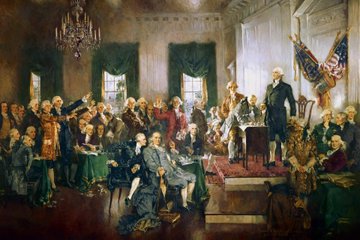
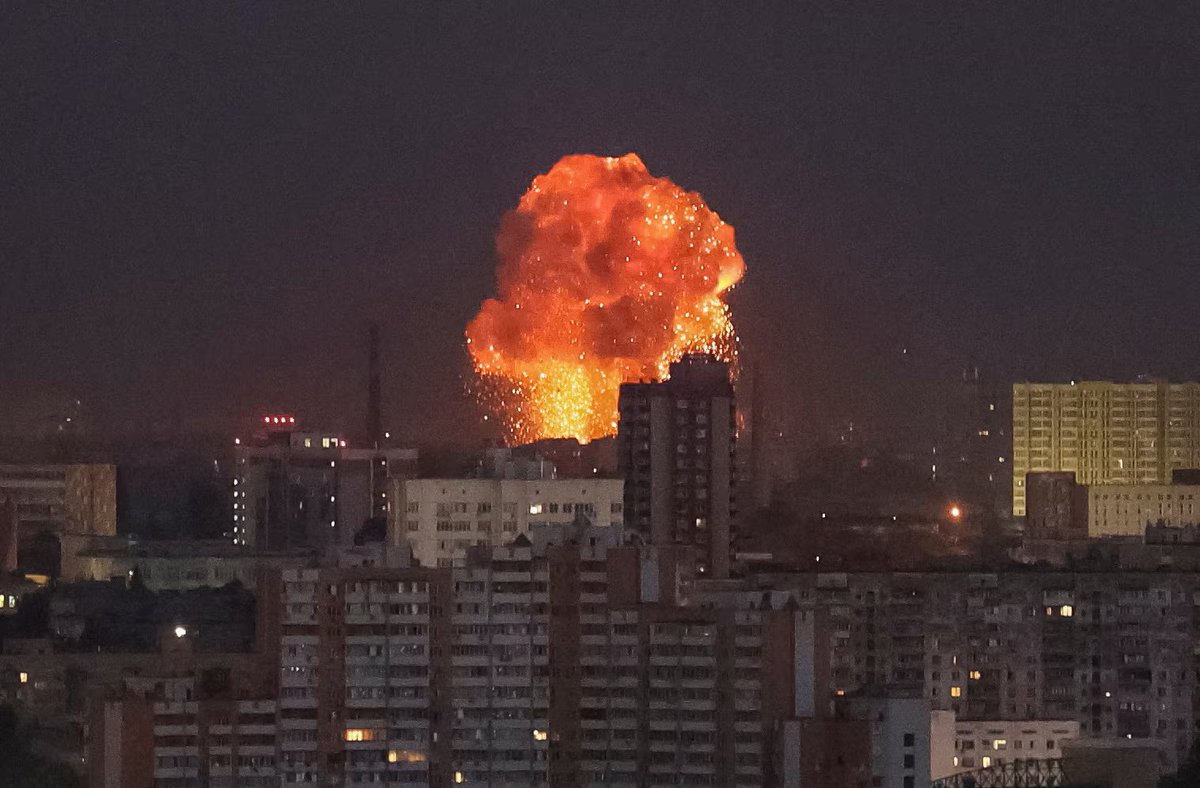
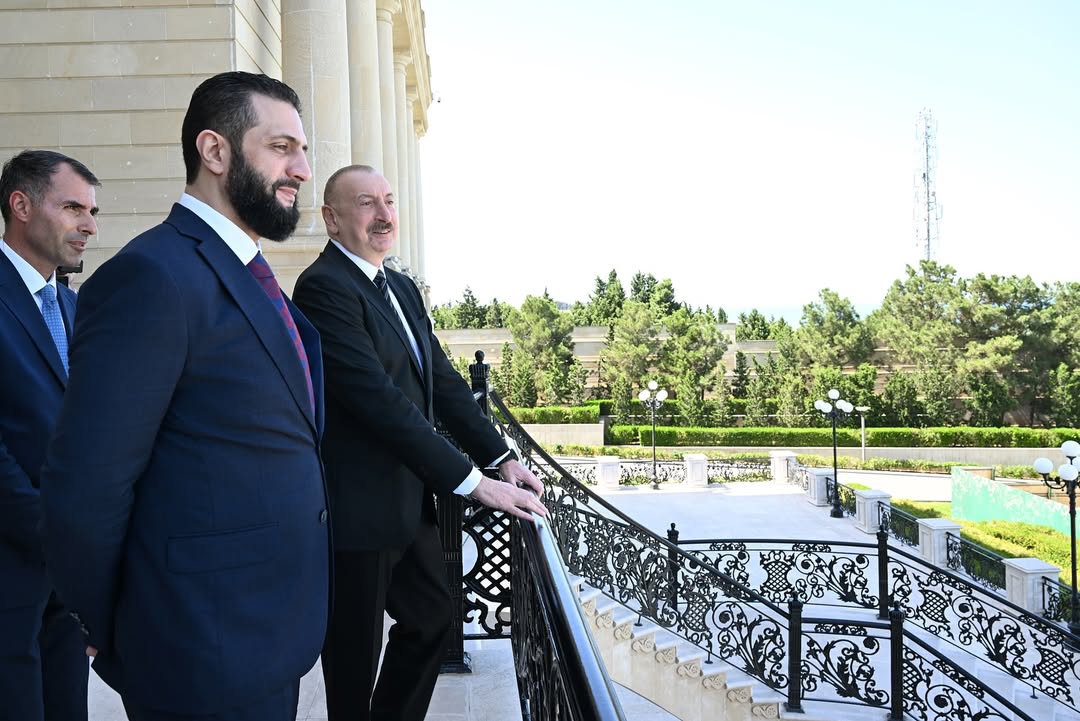
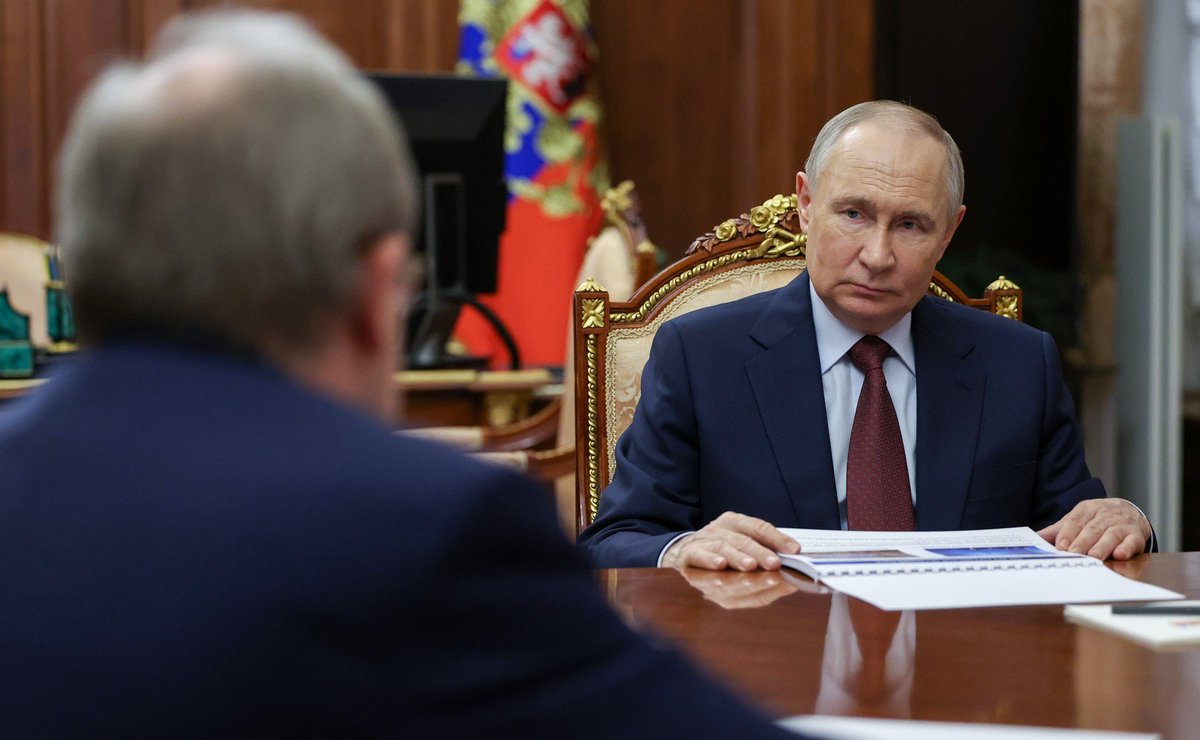
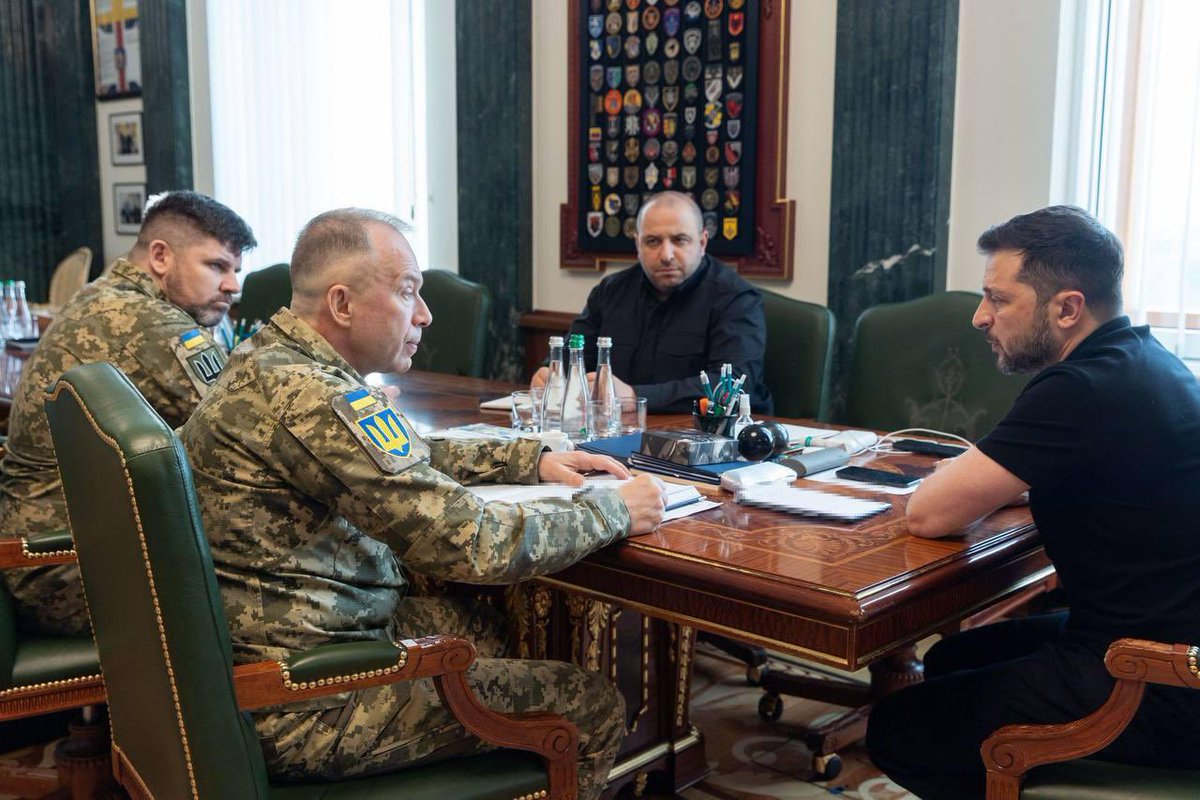
If Putin worries about the signatures (Validity) on the future agreement with Ukraine, the foreign leaders: Trump and the Europeans, as one of the, and very important, sources of Zelensky’s legitimacy, may to cosign these accords. Furthermore, the cosigners as the guarantors are appropriate when this war is seen by many as the one between Russia and the “collective West” and the NATO. If the agreement is acceptable to Zelensky, it will be acceptable to them. This situation also raises the issue of the “foreign support as one of the sources of the leaders legitimacy” in general.
Created with 2.5 Pro August 4, 2025 at 05:12 PM Published August 4, 2025 at 05:13 PM
Foreign Support: A Double-Edged Sword for Leader Legitimacy
Foreign support can be a critical lifeline for a nation’s leader, offering the resources to stabilize a country, stimulate economic growth, and enhance international standing. However, this external backing is a double-edged sword that can just as easily undermine a leader’s legitimacy, fostering perceptions of puppetry and eroding public trust.1 The impact of foreign support hinges on a delicate interplay of the type of aid, its source, the domestic context, and the perception of the citizenry.
Bolstering Legitimacy: The Upside of External Backing
Foreign support can significantly enhance a leader’s legitimacy in several key ways. Economic aid, for instance, can provide the capital for crucial infrastructure projects, improve public services, and create jobs, leading to tangible improvements in citizens’ quality of life. This can translate into increased approval for the incumbent leader, who is credited with delivering prosperity.
Military assistance can be vital for leaders facing internal insurgencies or external threats.2 By providing training, equipment, and intelligence, foreign partners can bolster a state’s security apparatus, enabling the leader to project an image of strength and competence in safeguarding the nation.
Diplomatic recognition from influential global powers and international organizations is a powerful tool for legitimization.3 It confers a sense of validity on a leader’s rule, especially after a contested election or a period of political instability. This international endorsement can strengthen a leader’s hand domestically and open doors to further cooperation and development.
A prime example of foreign support initially bolstering a leader’s legitimacy is the case of Hamid Karzai in Afghanistan. Following the U.S.-led intervention that ousted the Taliban in 2001, Karzai, with significant international backing, was seen by many as a unifying figure who could lead the country toward a more stable and democratic future. The influx of foreign aid and military support was crucial in establishing his government and initiating reconstruction efforts.
Undermining Legitimacy: The Perils of Foreign Dependence
Conversely, the very same mechanisms of support can severely damage a leader’s standing. The most significant risk is the perception of being a “puppet” of foreign powers. When a leader is seen as overly beholden to external benefactors, their decisions can be viewed as serving foreign interests rather than those of their own people. This narrative can be a potent weapon for political opponents and can lead to widespread public resentment.
The case of the Shah of Iran, Mohammad Reza Pahlavi, serves as a stark warning. His close ties to the United States and other Western powers, particularly after the 1953 coup that restored him to power, were a central grievance for the opposition. Critics portrayed him as a Western puppet, and this perception, coupled with his authoritarian rule, ultimately contributed to his overthrow in the 1979 Islamic Revolution.
Foreign aid often comes with conditions, such as economic austerity measures or political reforms, that can be deeply unpopular with the domestic population. When a leader implements these policies at the behest of foreign donors, it can fuel accusations of sacrificing national sovereignty and erode their popular support.
Military intervention, even when invited, can be a particularly fraught form of support. The presence of foreign troops on a country’s soil can be a powerful symbol of diminished sovereignty and can incite nationalist sentiment against the leader who permitted it. Over time, the association with a foreign military presence can tarnish a leader’s legitimacy, as was increasingly the case with Hamid Karzai, who in the later years of his presidency grew publicly critical of the international military presence in Afghanistan, in part to distance himself from his foreign backers and shore up his nationalist credentials.
The Decisive Role of Public Perception
Ultimately, the impact of foreign support on a leader’s legitimacy is filtered through the lens of public perception. If the population views foreign assistance as a genuine effort to help their country and trusts their leader to manage it effectively and in the national interest, it can be a significant political asset. However, if it is perceived as a tool of foreign domination or a source of corruption that benefits only the elite, it can become a powerful catalyst for dissent and a lasting stain on a leader’s claim to legitimate rule. The successful leader is one who can navigate this fine line, leveraging foreign support to deliver tangible benefits to their people while fiercely guarding their autonomy and the sovereignty of their nation.
Foreign support as one of the sources of the leaders legitimacy – GS
AI Overview
International actors and their support can indeed be a source of legitimacy for leaders, though the dynamics are complex and can have varied impacts
.
Here’s how foreign support can play a role in a leader’s legitimacy:
International Recognition: When a leader or their government receives formal recognition from other states and international organizations, it enhances their standing and perceived legitimacy on the global stage. This can open doors to diplomatic relations, treaties, and participation in international forums, further solidifying their position.
Foreign Aid and Development: Foreign assistance, whether for economic development or humanitarian relief, can be strategically leveraged by leaders to demonstrate their ability to provide for their population, thereby potentially bolstering their domestic legitimacy.
However, the impact of foreign support on a leader’s legitimacy isn’t always straightforward or positive:
Attribution Dilemma: If citizens perceive that crucial services are being primarily provided by foreign donors rather than their own government, it can undermine the perceived competence and relevance of the domestic government, potentially eroding legitimacy.
Risk of Undermining Democratic Processes: Some argue that foreign intervention or support can interfere with or distort democratic processes by favoring certain leaders or factions, potentially hindering the development of genuine, internally-derived legitimacy.
Dependence and Erosion of Sovereignty: Over-reliance on foreign support can raise concerns about a leader’s independence and autonomy in decision-making, potentially leading to a perception of external influence that might diminish their legitimacy in the eyes of their people.
Potential for Undeserved Blame: While leaders may claim credit for donor-provided services, they can also face blame for negative consequences or failures in aid delivery, even if they aren’t directly responsible.
In essence, while external backing can offer a leader avenues to strengthen their legitimacy, it’s a delicate balance. Effective leadership necessitates navigating these dynamics carefully, ensuring that foreign support is integrated in a way that maximizes benefits for the populace and reinforces, rather than erodes, the government’s perceived capacity and accountability.
5 hours ago
foreign support as one of the sources of the leaders legitimacy
Foreign support can play a role in
legitimizing a leader’s authority, both internationally and domestically.
Here’s how:
External Recognition: International recognition from other states or international organizations can confer legitimacy on a leader or government, according to law.unimelb.edu.au. This is particularly important for leaders seeking to participate in international affairs or secure their position on the global stage.
Foreign Aid and Assistance: Foreign aid can contribute to a leader’s legitimacy by supporting the provision of public services and infrastructure projects. When citizens attribute these improvements to their government, it can enhance their perception of the government’s competence and effectiveness. Some studies suggest this can happen even if the aid is channelled through non-governmental organizations, with citizens still attributing some credit to the government for attracting the aid.
Intervention and Support for Stability: In some cases, foreign intervention and assistance may be intended to establish or re-establish legitimate political authority in a country. Examples include the US’s emphasis on democracy-building in Iraq and Afghanistan, and the support for the French intervention in Mali to affirm democracy and effective government.
However
Risk of Undermining Legitimacy: If citizens perceive their government as overly reliant on foreign aid or if foreign aid projects are poorly managed, it can undermine the government’s legitimacy and be seen as a sign of weakness or incompetence.
Attribution and Expectations: The impact of foreign support on a leader’s legitimacy can depend on whether citizens accurately attribute credit for aid projects to the government and on their expectations regarding the government’s role in service provision.
Varying Effects Across Contexts: The effects of foreign support can vary depending on the specific circumstances of the recipient country, the type of foreign support, and the existing level of government legitimacy.
Netanyahu tries to turn the October 7 Defeat and the historical lapse of security, which is ultimately his responsibility, into the “Gaza victory”. He does not want the proper State Committee Investigation of October 7, because it will reveal the Putin’s hand in it. He wants the cover-ups and the whitewash.
Remove Netanyahu from power in the next election or earlier!
The Jewish People are not suited to be ruled by the wanna be dictators!
In a rare joint appeal, former Mossad, Shin Bet and IDF heads call for an immediate end to the Gaza war, warning it now serves “messianic and extremist goals” and is leading to “the loss of Israel’s security and its freedom”
Created with 2.5 Pro August 5, 2025 at 11:12 AM Published August 5, 2025 at 11:16 AM
Netanyahu’s Leadership Under Scrutiny Following Catastrophic October 7 Attacks
Jerusalem, Israel – The surprise and devastating attack by Hamas on southern Israel on October 7, 2023, has cast a long and critical shadow over the leadership of Prime Minister Benjamin Netanyahu.The events of that day, which resulted in the deaths of approximately 1,200 people and the abduction of around 250 others, have triggered a profound national crisis and led to intense scrutiny of the preparedness and policies of the Israeli government under his command.
In the immediate aftermath of the assault, a visibly shaken Netanyahu declared that Israel was “at war” and vowed to exact an “unprecedented price” from Hamas. He announced two primary objectives: the complete elimination of Hamas’s military and governmental capabilities and the return of all hostages.To oversee the conflict, a war cabinet was formed, bringing key political rivals into a unity government to project an image of national resolve.
However, as the initial shock has given way to a prolonged and grueling war in Gaza, questions surrounding the intelligence and operational failures that allowed the October 7 attack to occur have intensified. A civilian commission of inquiry, established to investigate the catastrophic events, has placed direct responsibility on Prime Minister Netanyahu for the failures leading up to the attack.The commission’s findings have added significant political pressure on the long-serving leader.
Parallel to the civilian probe, the Israeli military has conducted its own investigation, acknowledging a “complete failure” to anticipate and thwart the Hamas assault.The military’s report detailed a fundamental misunderstanding of the enemy’s intentions and capabilities, pointing to a systemic breakdown in intelligence assessment and border security.
The political and public fallout for Netanyahu has been substantial. His approval ratings have plummeted, and he has faced widespread protests demanding his resignation and calling for new elections. The families of the hostages have been a particularly vocal and potent force, holding regular demonstrations to pressure the government to secure the release of their loved ones. Recent images of emaciated hostages have further fueled public anger and increased the urgency for a resolution.
Internationally, Netanyahu’s government has faced mounting criticism for the scale of the military response in Gaza and the ensuing humanitarian crisis.The handling of the war has strained relations with key allies and led to a decline in global public support for Israel’s actions.
Despite the immense pressure, Netanyahu has remained defiant, insisting that he will continue to lead the country until “total victory” is achieved. The ongoing war, the unresolved hostage situation, and the damning conclusions of multiple inquiries have created a deeply precarious political landscape for one of Israel’s most dominant political figures. The full political and historical repercussions of October 7 on Benjamin Netanyahu’s legacy are still unfolding, but it is clear that the events of that day have irrevocably marked his premiership.
Netanyahu and October 7 https://x.com/haaretzcom/status/1952636944053317685
Netanyahu tries to turn the October 7 Defeat and historical lapse of security, which is ultimately his responsibility, into the “Gaza victory”. He does not want the proper State Committee investigation of October 7, because it will reveal Putin’s hand in it. He wants cover-ups and whitewash. Remove Netanyahu from power in the next election!
Netanyahu and the October 7 – GS
AI Overview
The October 7th attacks and Prime Minister Benjamin Netanyahu’s role, and the aftermath: Intelligence Failures and Warnings: There were significant intelligence failures leading up to the October 7th attacks by Hamas. Warnings about a potential attack were reportedly delivered to Netanyahu and other officials, but were not acted upon effectively. Netanyahu’s office acknowledged that his intelligence officer received a memo detailing suspicious Hamas activity hours before the attacks, but did not pass it on, according to The Times of Israel.
Netanyahu’s Response and Responsibility: Netanyahu has faced criticism for deflecting responsibility for the security failures, blaming intelligence and security chiefs. Public opinion polls indicate a majority of Israelis believe Netanyahu should take responsibility. There have been calls for an independent investigation into the events surrounding October 7th, but Netanyahu has resisted establishing a state commission of inquiry, claiming it would be biased.
Controversies and Allegations: A civilian commission of inquiry concluded that Netanyahu’s “quiet for cash” policy, which involved allowing Qatari money into Gaza, played a role in strengthening Hamas. The New York Times reports that Netanyahu ignored repeated warnings about a potential attack and deflected blame in the immediate aftermath of October 7th. His team reportedly moved to prevent the leak of potentially problematic conversations and altered official records of his earliest calls on that day. An aide to Netanyahu is reportedly being investigated by police over the timing of phone calls Netanyahu received as the attack was unfolding.
Political Implications: The October 7th attacks and their aftermath have significantly impacted Israeli politics, with public dissatisfaction and calls for accountability. Netanyahu’s government is perceived as having failed to protect the populace, shaking the confidence in the state’s ability to safeguard its citizens. The ongoing conflict and Netanyahu’s handling of the situation have led to increased scrutiny of his leadership.
International Response: Many countries condemned the Hamas attacks and supported Israel’s right to self-defense. However, there has been growing international alarm and condemnation of Israel’s military actions in Gaza, particularly concerning civilian casualties and the humanitarian crisis. Amnesty International, for example, concluded that Israel is committing genocide in Gaza.
–
AI Mode
Netanyahu and the October 7
Netanyahu and the October 7 attack: Fallout and responsibility
Following the devastating Hamas attacks on October 7, 2023, Israeli Prime Minister Benjamin Netanyahu has faced intense scrutiny and blame regarding Israel’s preparedness and response.
Key points of contention regarding Netanyahu’s role include:
Policy towards Hamas: Critics point to Netanyahu’s long-standing policy of containing and allowing Qatari funds into Gaza, which some argue enabled Hamas to strengthen and prepare for the attacks.
Ignoring warnings: Reports suggest Netanyahu ignored repeated intelligence warnings about a potential attack, particularly in the months leading up to October 7, according to a New York Times investigation.
Deflection of responsibility: Netanyahu has publicly deflected blame onto military and intelligence officials, claiming he wasn’t sufficiently informed or that security chiefs underestimated Hamas.
Delaying an official inquiry: Netanyahu has resisted establishing a state commission of inquiry into the failures surrounding the attacks, despite public pressure and the creation of an unofficial civilian inquiry.
Impact of judicial overhaul: Some argue that Netanyahu’s controversial judicial overhaul plan exacerbated divisions within Israeli society and weakened the military, potentially contributing to the perceived vulnerability that emboldened Hamas.
Responses and counterpoints:
Netanyahu acknowledges some responsibility: While initially deflecting blame, Netanyahu has acknowledged bearing some responsibility for the intelligence failures, according to ABC News.
Blaming security chiefs: Netanyahu’s office has stated that his intelligence officer received an alert hours before the attack but didn’t pass it on, implying a failure within the security establishment.
Shin Bet and military investigations: Investigations by Israel’s internal security agency (Shin Bet) and the military have acknowledged their own failures in anticipating the attack but also pointed to government policies as contributing factors.
Supporting an “objective” inquiry: Netanyahu has expressed support for an “objective” commission of inquiry while opposing what he terms a “biased” or “political” investigation.
Overall:
The October 7 attack remains a deeply sensitive and impactful event in Israel, with ongoing debates about accountability and the roles of various actors, including Prime Minister Netanyahu. Public opinion polls indicate that a significant majority of Israelis believe Netanyahu should take responsibility for the failures surrounding the attack. The long-term political ramifications for Netanyahu and Israel are still unfolding.
AI responses may include mistakes. Learn more
What were the main findings of the Shin Bet investigation regarding Netanyahu’s policies and actions before Oct 7?
What warnings did Netanyahu ignore before October 7th?
What are the main criticisms against a state commission of inquiry into the October 7 attacks?
Quote
Haaretz.com
@haaretzcom
·
In a rare joint appeal, former Mossad, Shin Bet and IDF heads call for an immediate end to the Gaza war, warning it now serves “messianic and extremist goals” and is leading to “the loss of Israel’s security and its freedom” https://haaretz.com/israel-news/2025-08-04/ty-article/.premium/a-futile-war-former-israeli-security-chiefs-warn-current-gaza-war-has-no-strategy/00000198-75bf-d0ce-a5de-f5bfc8650000
x.com/haaretzcom/sta… Netanyahu tries to turn the October 7 Defeat and historical lapse of security, which is ultimately his responsibility, into the “Gaza victory”. He does not want the proper State Committee investigation of October 7, because it will reveal Putin’s hand in…
Дания совместно с Европейским оборонным агентством (EDA) предоставит Украине доступ к безопасной и стабильной связи. Об этом сообщает пресс-служба Минобороны королевства на официальном сайте. «В…
x.com/front_ukrainia… The projected border between the new Ukraine-Russia and the old (post-Putin) Moscow Khanate. Putin’s Russia is the Mafia state of thieves and liars, intoxicated and inflated by the propaganda myth of their greatness.
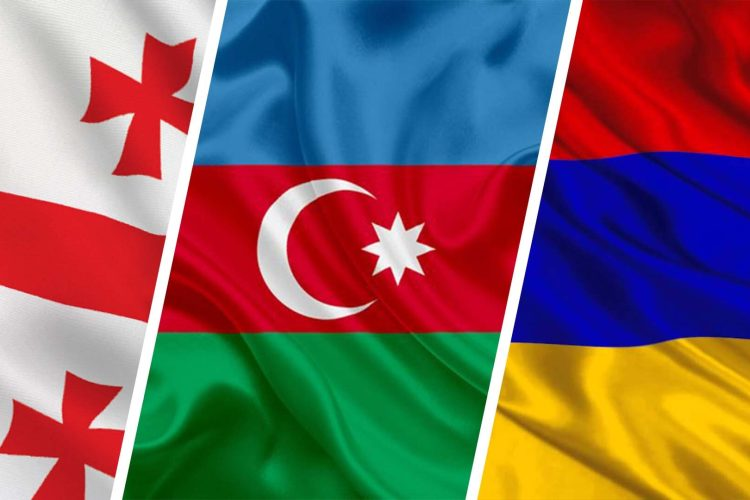
So many words and so little sense. Say it clearly and directly, as it is: the South Caucasus will be under the geopolitical and military control of the United States and Israel. The end of the story. – The South Caucasus is forming its own line: Farhad Mammadov on regional…
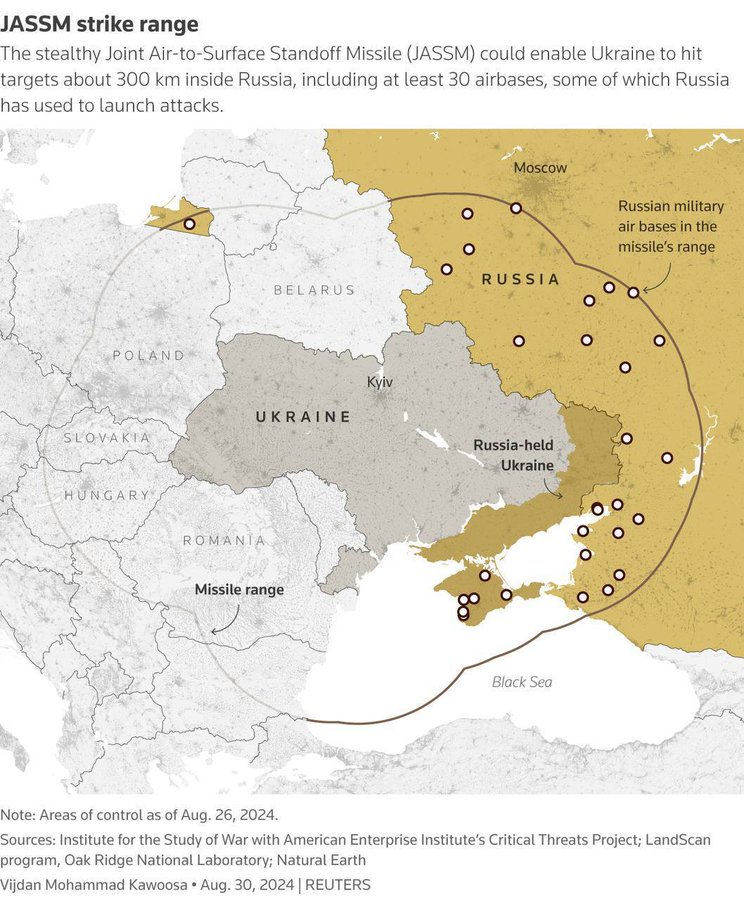
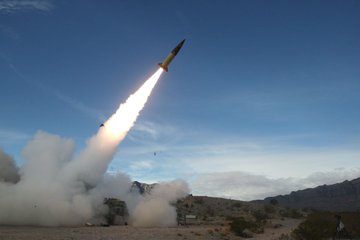
The long-distance strikes on Russia will be managed by NATO itself, via space communications – Google Search
AI Overview
. Some speculate about NATO’s potential role in managing such strikes, specifically through the use of space communications. However,Show more
❗️The Russian army has fallen far short of its command’s expectations for this summer, the Russian Armed Forces’ offensive is being choked — Zelensky The president said that units of the Ukrainian Defense Forces will continue to destroy Russian military personnel and do…
Ilham Aliyev must resign to reduce Russia’s influence in the South Caucasus. There have been no free elections in Azerbaijan since 1993. Aliyev’s government is illegitimate.
#FBI FBI:
I have a strong suspicion that the election campaign
and the political activities of NY Assemblyman Michael Novakhov (my son) are influenced and probably paid for by the former oligarch Gusinsky and by the Intelligence Services of Azerbaijan via my brother Alexey Novakhov and his relative on the part of his wife’s family, oligarch God Nisanov, who is a well known wheeler-dealer for the Russian and Azerbaijani Intelligence Services.
Please, investigate!
Thank you.
–
Who sponsors NY Assemblyman Michael Novakhov campaign? https://thenewsandtimes.blogspot.com/2025/07/who-sponsors-ny-assemblyman-michael.html