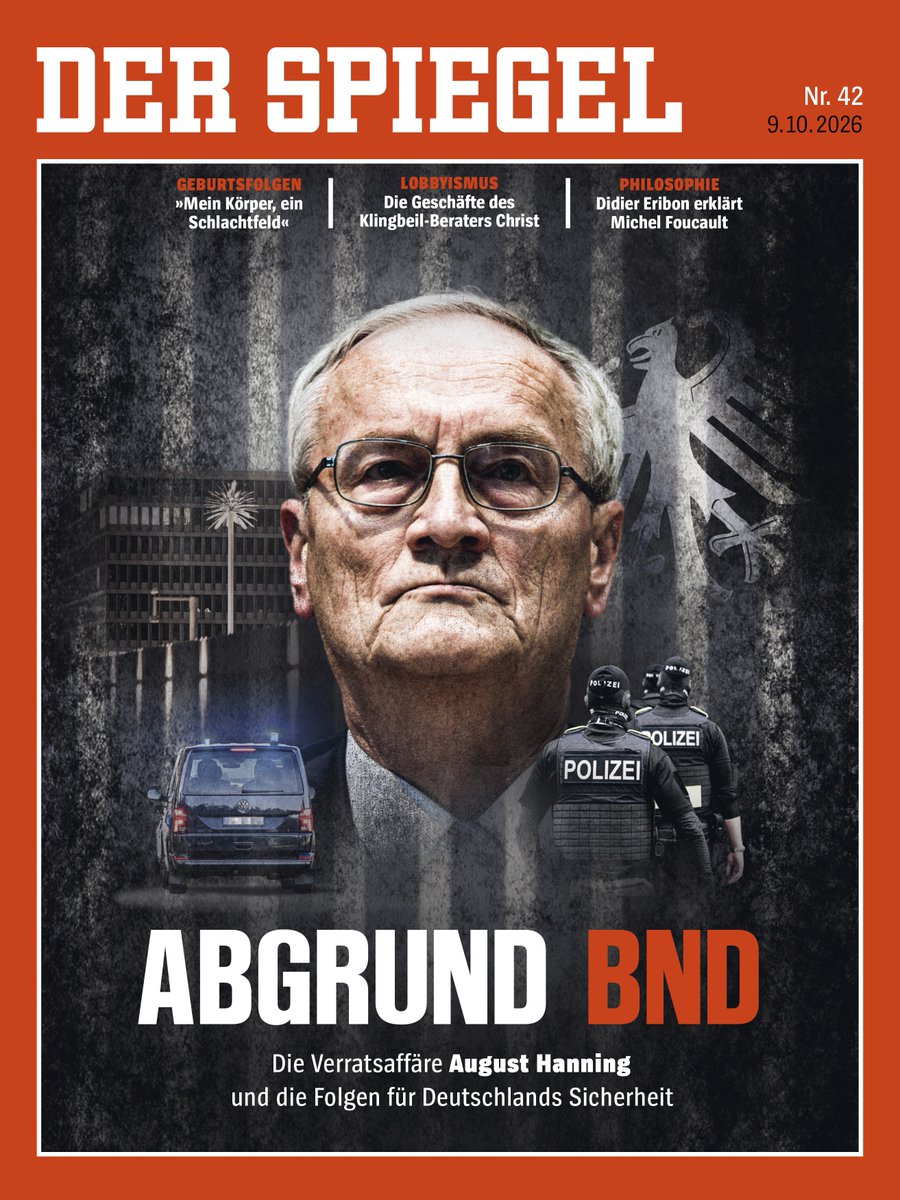
- The 9/11 Commission Report and FBI Investigation
- GERMANY’S STATE SUPPORT
- Severe Intelligence Oversight
- 9/11 WARNINGS ABOUT THE PILOTS TRAINING
- Motivations
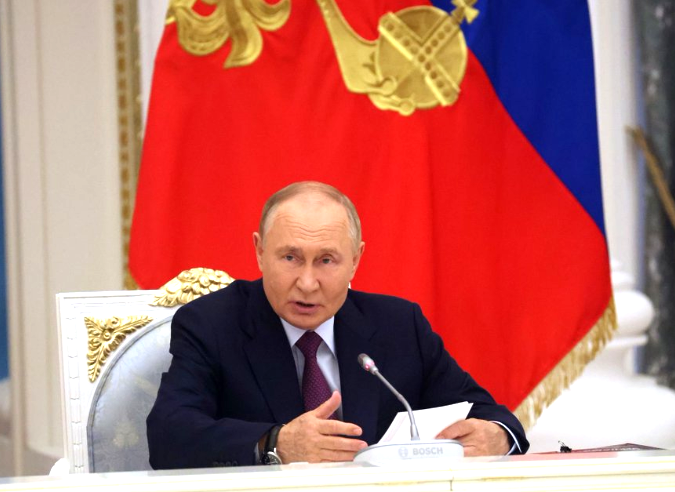
- Putin the Mastermind
- The Role of Russia
- WHO BENEFITED? The After Effects of 9/11
- REINVESTIGATE THE 9/11!
-
METHODOLOGY: The nature of the investigative hypotheses in the counterintelligence investigations of 9/11 attack.
-
The News And Times – Latest Posts
-
Michael Novakhov (@mikenov) / Twitter

The 9/11 Commission Report – Wikipedia en.wikipedia.org/wiki/The_9/11_
Criticism
Main article: Criticism of the 9/11 Commission
In a 2004 article titled, “Whitewash as Public Service: How the 9/11 Commission Report Defrauds the Nation”, Harper’s Magazine writer Benjamin DeMott wrote:
The plain, sad reality—I report this following four full days studying the work—is that The 9/11 Commission Report, despite the vast quantity of labor behind it, is a cheat and a fraud. It stands as a series of evasive maneuvers that infantilize the audience, transform candor into iniquity, and conceal realities that demand immediate inspection and confrontation. Because it is continuously engaged in scotching all attempts to distinguish better from worse leadership responses, the Commission can’t discharge its duty to educate the audience about the habits of mind and temperament essential in those chosen to discharge command responsibility during crises.[9]

#CIA CIA #FBI FBI #Mossad Mossad
The two co-chairs of the 9/11 Commission, Thomas Kean and Lee Hamilton, believe that the government established the 9/11 Commission in a way that ensured that it would fail.
…
“So there were all kinds of reasons we thought we were set up to fail”, Hamilton argues.
Criticism of the 9/11 Commission – Wikipedia
en.wikipedia.org/wiki/CriticismSEARCH: Criticism of the 9/11 Commission:
The 9/11 Commission has faced significant criticism from political figures, intelligence officials, civil liberties advocates, and families of the victims.

#CIA CIA #FBI FBI #Mossad Mossad
Google AI: “The FBI actively restricted, delayed, or classified critical pieces of evidence in investigation of 9/11.”
(My Opinion: Under the orders from ABOVE, pushing their lame “Al Qaeda” version.)
The claim that the Bush Administration and Robert Mueller’s FBI suppressed the 9/11 investigation is a subject of significant historical debate, involving documented political friction, institutional resistance, and subsequent declassifications rather than a blanket suppression. While official investigations did take place, multiple independent sources and former officials have detailed specific instances where the administration and the FBI actively restricted, delayed, or classified critical pieces of evidence.
The true, in depth 9/11 investigation was suppressed by the Bush Administration and Robert Mueller’s FBI – Google Search

Arguments Supporting the Suppression Claims
- Initial Opposition to the Commission: President George W. Bush initially opposed the creation of the independent 9/11 Commission, arguing that a lengthy public inquiry during wartime would distract from ongoing national security operations. [2, 3]
- Withheld Evidence and Redactions: Early critics highlighted the classification of 28 pages in a 2002 joint congressional inquiry that detailed potential foreign government ties to the hijackers. These pages remained classified for years, fueling suspicion.
- The “Phoenix Memo” and Internal Resistance: The FBI faced severe scrutiny for failing to act on internal warnings, such as a July 2001 memo from an Arizona field agent noting that an unusual number of Middle Eastern men were enrolling in flight schools. Critics argue that the bureau minimized these internal whistleblowers to protect its public standing. [3, 4, 5]
The Official Findings on Systemic Failures
- The PENTTBOM Investigation: Following the attacks, Director Robert Mueller launched the Pentagon/Twin Towers Bombing Investigation (PENTTBOM), which became the largest investigation in FBI history. The agency quickly identified the 19 hijackers and tracked their financial and logistical networks. [6, 7]
- Admission of Institutional Errors: Rather than denying mistakes, Mueller publicly testified before Congress and the 9/11 Commission, admitting that the FBI missed critical pre-attack clues. He pointed to strict legal and structural “walls” that then existed between foreign intelligence and domestic law enforcement, which legally blocked agents from sharing information effectively. [5, 8]
- Sweeping Bureau Reforms: Following the commission’s recommendations, the Bush administration and Congress overhauled the U.S. intelligence apparatus, prompting the FBI to pivot away from traditional domestic law enforcement and reorganize itself into a threat-focused national security agency. [5, 9]
1. Declassification of the “28 Pages”
- The Action: The Bush administration ordered these pages classified, citing national security and the need to protect ongoing investigations.
- The Reality: When the pages were finally declassified in 2016, they revealed that U.S. intelligence agencies had investigated potential links between Saudi government officials and some of the 9/11 hijackers. However, both the Joint Inquiry and the subsequent 9/11 Commission noted that these were leads rather than confirmed facts, concluding they found “no evidence that the Saudi government as an institution or senior Saudi officials individually funded the organization.” [2]
2. Resistance to the 9/11 Commission
- Delays and Funding: Once the commission was established by Congress, it faced bureaucratic hurdles, strict time limits, and initial funding limitations ($3 million compared to the $50 million allocated to investigate the Space Shuttle Columbia disaster).
- Access to Evidence: Commission members publicly complained about a lack of cooperation from executive agencies. For example, the Pentagon and the FAA initially provided inaccurate timelines of their response on the morning of September 11, which the Commission had to aggressively challenge to correct.
3. Robert Mueller’s FBI and “Operation Encore”
- Pre-9/11 Failures: The FBI was heavily criticized for failing to act on internal warnings, such as the famous “Phoenix memo” (warning that Osama bin Laden’s followers were training at U.S. flight schools) and the mishandling of the investigation into Zacarias Moussaoui. Critics argue the FBI under Mueller sought to minimize public exposure of these institutional failures to protect the bureau’s reputation.
- Operation Encore: This was a secret FBI probe launched in 2016 to investigate a suspected Saudi support network for the hijackers in Southern California. Revelations and subsequent declassifications via executive orders in 2021 showed that some FBI agents felt the bureau’s leadership had previously downplayed or prematurely closed leads regarding foreign state complications in the attacks to maintain diplomatic relations.
Summary

THE MISSING LINK: GERMANY’S STATE SUPPORT FOR THE HAMBURG CELL
Search:
GERMANY’S STATE SUPPORT FOR THE HAMBURG CELL
#CIA CIA #FBI FBI #Mossadd Mossad
The phrase “9/11: the missing link” refers to a prominent public theory and a series of high-profile statements made by August Hanning – News Review
thenewsandtimes.blogspot.com/2026/10/the-ph
My impression:
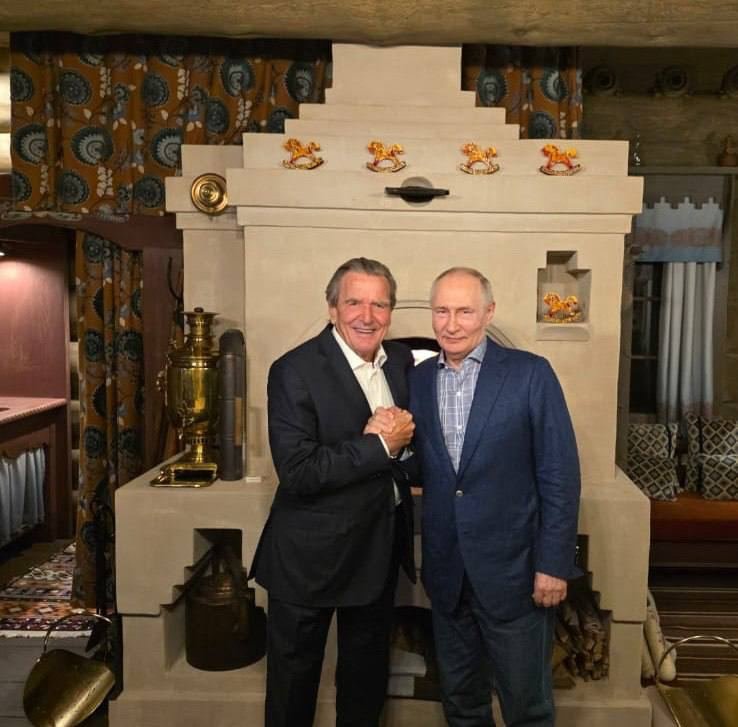
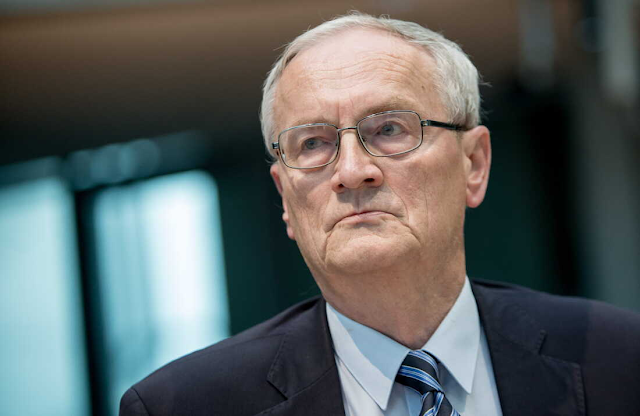
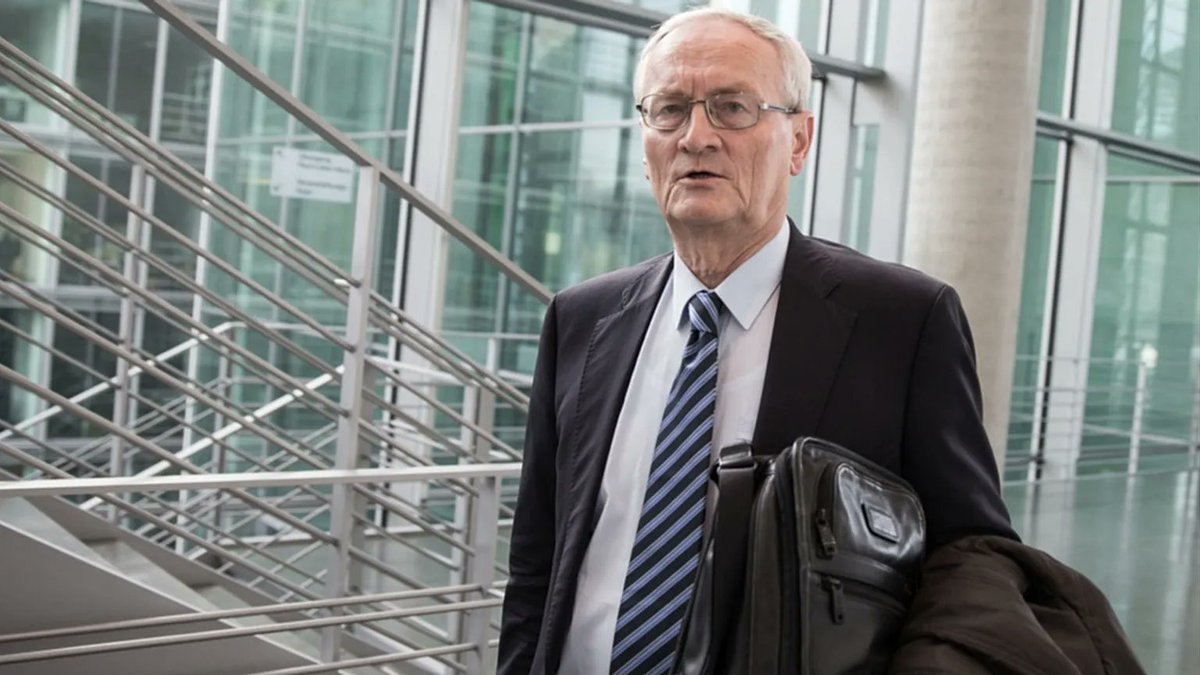
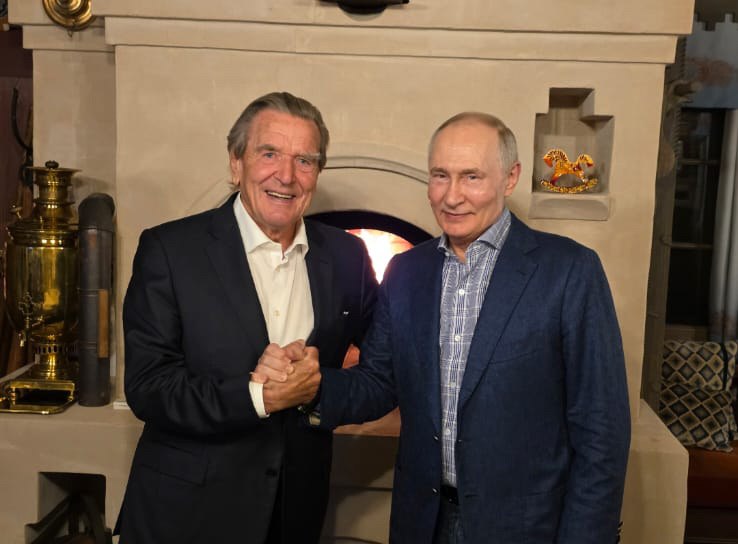
Hanning was on the right track with his “frequent” remarks about the role of the “STATE SUPPORT” for Hamburg cell, although it is unclear if he considered Germany itself in this role. It was a powerful opinion, at odds with the official version of the non-state Al Qaeda, and someone (the true culprits) probably did not like it, because it could lead directly to them. What followed, looks like a SETUP, the series of traps for Hanning, from his financial ruin (prearranged?) to his various unrelated private investigations which eventually lead to his arrest and current predicament. Now he is effectively shut off from the world and can talk only to his native BND. His former boss Gerhard Schroeder looks unconcerned about this, and, to the contrary, rather happy in his meeting with Putin: was this his birthday present?
It looks like the “STATE SUPPORT” for the Hamburg Cell, of which Hanning frequently spoke out, went directly from Gerhard Schroeder through his own channels, via the local Hamburg politicians, bypassing Hanning; otherwise Hanning would not speak about it so readily, risking to implicate himself and Germany.
The aim of this support was to help the future hijackers in their adaptation to the life in the western society, so they could fit seamlessly and unsuspiciously into the life in the US, while attending the pilots schools. At the same time, they were “egged on” and WEAPONIZED.
–
9/11: the missing link – August Hanning – Google AI Mode: The phrase “9/11: the missing link” refers to a prominent public theory and a series of high-profile statements made by August Hanning, the former head of Germany’s Federal Intelligence Service (BND), regarding the 2001 terrorist attacks. [1, 2] Hanning, who led the BND from 1998 to 2005, has frequently spoken out about a missing link in the official 9/11 investigations—specifically targeting the logistical and financial state support given to the Hamburg Al-Qaeda cell, which included lead hijacker Mohamed Atta.
Hanning has argued that the hijackers could not have lived and operated so seamlessly in Germany without structured, domestic assistance that went largely unmapped by the initial U.S. and German investigations. [1, 2]

9/11: the missing link – August Hanning – Google Search google.com/search?q=9%2F1
The Historical Investigation (August Hanning vs. The 9/11 Hamburg Cell)
Following the September 11, 2001 terrorist attacks, Hanning—acting as the BND chief—headed the German intelligence apparatus tasked with mapping how al-Qaeda pilots like Mohamed Atta operated undetected from Germany. [1, 2]
Operational Failures: The investigation revealed severe intelligence oversight. German authorities admitted they actually had members of the cell and their Marienstrasse apartment under surveillance in 1998 and 1999 due to a suspected bin Laden operative. However, the surveillance was abandoned when investigators failed to connect the students to an active threat. [1]
The Chechnya Pivot: Intelligence records compiled during the post-9/11 investigations showed that the Hamburg cell members initially intended to fight in Chechnya. A chance encounter on a German train with an extremist named Khalid Masri redirected them to a Mauritanian businessman, who subsequently introduced them to Osama bin Laden in Afghanistan, where they were recruited for the plane operation. [1]
Logistical Support: The intelligence findings mapped out how the cell utilized individuals like Said Bahaji and Mounir El Motassadeq to manage routine banking and university affairs while the primary pilots were away training in Afghanistan and the United States, allowing them to avoid drawing the suspicion of immigration officials. [1, 2]
The intersection of these two timelines created a massive political scandal in Germany, shifting August Hanning’s legacy from the man who investigated the 9/11 Hamburg terrorists to a suspect arrested because of a Hamburg police raid on his own home. [1, 2]
The results of Hanning’s investigation of the Hamburg cell: summary – Google Search
google.com/search?q=The+r

#Israel: “Do not train the Saudi pilots, they will turn against you!”
#Russia: ” Do not send your Saudi pilots to Chechnya, they will turn against you!”
#Germany: “Send these moronic pilots anywhere, we don’t care; bur not against us, we had had enough!”
The September 11 attacks shifted this dynamic by significantly modifying how both nations trained their pilots, and altering the structural military relationship between the United States and Saudi Arabia.
The role of the numbers of the well trained pilots in the military competition between Israel and Saudi Arabia: How 9/11 affected this balance? – Google Search
google.com/search?q=The+r

The Historical Investigation (August Hanning vs. The 9/11 Hamburg Cell)
Following the September 11, 2001 terrorist attacks, Hanning—acting as the BND chief—headed the German intelligence apparatus tasked with mapping how al-Qaeda pilots like Mohamed Atta operated undetected from Germany. [1, 2]
Operational Failures: The investigation revealed severe intelligence oversight. German authorities admitted they actually had members of the cell and their Marienstrasse apartment under surveillance in 1998 and 1999 due to a suspected bin Laden operative. However, the surveillance was abandoned when investigators failed to connect the students to an active threat. [1]
The Chechnya Pivot: Intelligence records compiled during the post-9/11 investigations showed that the Hamburg cell members initially intended to fight in Chechnya. A chance encounter on a German train with an extremist named Khalid Masri redirected them to a Mauritanian businessman, who subsequently introduced them to Osama bin Laden in Afghanistan, where they were recruited for the plane operation. [1]
Logistical Support: The intelligence findings mapped out how the cell utilized individuals like Said Bahaji and Mounir El Motassadeq to manage routine banking and university affairs while the primary pilots were away training in Afghanistan and the United States, allowing them to avoid drawing the suspicion of immigration officials. [1, 2]
The intersection of these two timelines created a massive political scandal in Germany, shifting August Hanning’s legacy from the man who investigated the 9/11 Hamburg terrorists to a suspect arrested because of a Hamburg police raid on his own home. [1, 2]
The results of Hanning’s investigation of the Hamburg cell: summary – Google Search
google.com/search?q=The+r
#Israel: “Do not train the Saudi pilots, they will turn against you!”
#Russia: ” Do not send your Saudi pilots to Chechnya, they will turn against you!”
#Germany: “Send these moronic pilots anywhere, we don’t care; bur not against us, we had had enough!”
The September 11 attacks shifted this dynamic by significantly modifying how both nations trained their pilots, and altering the structural military relationship between the United States and Saudi Arabia.
The role of the numbers of the well trained pilots in the military competition between Israel and Saudi Arabia: How 9/11 affected this balance? – Google Search
google.com/search?q=The+r
The number and exceptional preparation of combat pilots have historically formed the cornerstone of Israel’s Qualitative Military Edge (QME), a U.S.-mandated policy ensuring Israel maintains a regional technological and operational advantage. While Saudi Arabia historically possessed superior numbers of advanced airframes, it faced systemic challenges in building a massive, natively trained elite pilot corps, relying heavily on U.S.-led training pipelines. [1, 2, 3, 4]
The September 11 attacks (9/11) fundamentally altered this balance by introducing heavy vetting, deep political friction, and systemic restrictions on Saudi aviation pipelines, reinforcing Israel’s pilot-to-pilot dominance while inadvertently setting the stage for future strategic alignment.
Disruptions to the Saudi Pilot Training Pipeline
Because 15 of the 19 hijackers were Saudi nationals, the immediate aftermath of 9/11 shattered the seamless flow of Saudi military personnel into Western aviation programs. [5, 6]
- Intense Vetting Restrictions: Before 9/11, foreign nationals entered U.S. flight programs with minimal centralized database screening. Post-9/11, the U.S. implemented aggressive vetting protocols that slowed down and limited the onboarding of Saudi military flight students. [4, 6, 7]
- Operational Friction: Periodic geopolitical strain—compounded years later by insider incidents like the 2019 Pensacola NAS shooting—led to actual pauses and groundings of Saudi aviation students in the U.S.. This friction disrupted the continuity needed to build a pilot corps that could match Israel’s domestic, highly integrated training regime. [3]
- Intense Vetting Restrictions: Before 9/11, foreign nationals entered U.S. flight programs with minimal centralized database screening. Post-9/11, the U.S. implemented aggressive vetting protocols that slowed down and limited the onboarding of Saudi military flight students. [4, 6, 7]
- Operational Friction: Periodic geopolitical strain—compounded years later by insider incidents like the 2019 Pensacola NAS shooting—led to actual pauses and groundings of Saudi aviation students in the U.S.. This friction disrupted the continuity needed to build a pilot corps that could match Israel’s domestic, highly integrated training regime. [3]
Preservation of Israel’s Air Superiority
The tightening of U.S. training access ensured that while Saudi Arabia could purchase top-tier machinery, its human capital pipeline remained choked by geopolitical scrutiny.
- The “Absorptive Capacity” Gap: Military analysts frequently noted that while the Royal Saudi Air Force could buy advanced jets, it struggled with “absorptive capacity”—the ratio of qualified, high-hour tactical pilots available to fly those platforms.
- Israel’s Custom Independence: In contrast, Israel utilized its domestic training infrastructure and customized American acquisitions, such as the F-35I Adir, ensuring that its highly experienced pilots maintained structural superiority over any regional rival. [8]
- The “Absorptive Capacity” Gap: Military analysts frequently noted that while the Royal Saudi Air Force could buy advanced jets, it struggled with “absorptive capacity”—the ratio of qualified, high-hour tactical pilots available to fly those platforms.
- Israel’s Custom Independence: In contrast, Israel utilized its domestic training infrastructure and customized American acquisitions, such as the F-35I Adir, ensuring that its highly experienced pilots maintained structural superiority over any regional rival. [8]
The Shift from Rivals to Shared Security Concerns
Paradoxically, the post-9/11 era altered the competitive nature of Israel-Saudi relations. As the U.S. focus shifted toward global counter-terrorism and countering Iran, the perceived threat of a conventional air war between Israel and Saudi Arabia diminished. [9]
The two nations transitioned into a framework of tacit intelligence sharing and airspace coordination. This transformation became evident during civil aviation emergencies, such as the foiled flydubai hijacking attempt where both Israeli and Saudi air defense forces actively scrambled jets in a synchronized response to a mutual 9/11-style threat. [9, 10, 11]

Russia intended to stop further unravelling of the USSR by turning the tables on the Western sponsors of Chechen separatists, including the US, Saudi Arabia, and other Muslim countries, by forming the anti-American Al Qaeda as the cover.
Israel intended to ignite the intense hostilities between the Saudi Arabia, other Arab countries, and the US, in the hope of benefitting from it, and strengthening the alliance with the US.
Germany, namely Schroeder, found the way to express their post-WW2 hatred for the US and to affirm their short lived, post-German unification gratitude and closeness with Russia.
These are the large scale, strategic, long term motivations and plans, with 9/11 as the “appropriate” action.
The technical acumen of the Operation 9/11 points to the state sponsored operation, not the half-literate “Al Qaeda”.
All this is pretty much on the surface, and it does not require the deep digging.
What does, is the ease and readiness to be deceived on the part of the CIA, FBI, and other investigators.
The famous American group think and conformity may be the answers to this question.
#CIA CIA #FBI FBI #Mossad Mossad 9/11, the Second Intifada, and Mossad https://t.co/jEzcENFFal https://t.co/AVvhFblD8H https://t.co/kt9YF2NGUF https://t.co/oytNi7Z1Rf https://t.co/CKTJSdiA78 https://t.co/hG5QNZP3gd
— Michael Novakhov (@mikenov) October 12, 2026
Between 1998 and 2003, the relationship between Israel’s Mossad and Russian Intelligence services—primarily the SVR (Foreign Intelligence Service) and the FSB (Federal Security Service)—underwent a pragmatic transformation. Driven by the rise of Vladimir Putin (who took over the FSB in 1998 and the Russian presidency in 2000) and Efraim Halevy, who became the Director of Mossad in 1998, the agencies shifted from Cold War adversaries to cautious, transactional partners focused on shared geopolitical threats. [1, 2, 3, 4]
1. Counterterrorism and Islamic Extremism
The core driver of intelligence sharing during this window was a mutual concern over radical Islamist movements. [2, 5]
The Chechen-Palestinian Parallel: Following the outbreak of the Second Chechen War in 1999 and a wave of terrorist bombings in Russia, Russian leaders explicitly linked Chechen rebels to Middle Eastern extremist networks. Israeli officials drew parallels between these groups and Palestinian militant organizations. [5]
Intelligence Exchange: Mossad and Russian intelligence secretly shared operational data regarding financial pipelines, training camps, and the movement of foreign fighters traveling between the Middle East and the North Caucasus. [2, 5]
2. Monitoring Iran’s Weapons Programs
A major point of friction, but also engagement, was Russia’s relationship with Iran, particularly concerning the transfer of military and nuclear technology. [3, 6]
Direct Consultative Mechanisms: In March 1999, Israeli Prime Minister Benjamin Netanyahu met with Russian Prime Minister Yevgeny Primakov (himself a former chief of the SVR) to establish a direct, bilateral channel to address technology leaks to Iran. [6]
Mossad’s Role: Under Halevy, monitoring Iran’s nuclear program was Mossad’s top priority. Mossad frequently provided the SVR and FSB with actionable intelligence showing how Russian entities or scientists were being actively targeted or co-opted by Iranian procurement agents, prompting Moscow to tighten export controls. [3]
3. Managing Post-Soviet Transnational Organized Crime
The massive wave of over one million Soviet-Jewish immigrants arriving in Israel throughout the 1990s created an intrinsic domestic security link between Moscow and Tel Aviv. [2, 7]
The “Russian Mafia” Threat: The porous boundaries of the post-Soviet landscape allowed transnational Eurasian organized crime syndicates to expand their footprints into Israel. [2]
FSB-Mossad Cooperation: To counter money laundering, narcotics trafficking, and cybercrime, Mossad worked alongside Israel’s Shin Bet to establish joint informational networks with Russia’s FSB to track high-profile criminal figures moving assets across international lines. [2]
4. Defense Industry Collaboration
The era also laid the groundwork for robust military-technical intelligence agreements. Under a framework initialized in 1995, Israeli and Russian defense industries collaborated on upgrading older Soviet-era hardware (such as MiG fighter jets and tanks) for third-party export. [8]
This intelligence and technological proximity culminated in October 2003, when Israel and Russia finalized a landmark tripartite deal to supply India with specialized airborne early warning and control radar systems (PHALCON) integrated onto Russian aircraft bodies. [8]
Summary of the Dynamic
While both agencies maintained deep skepticism of one another—and actively monitored each other for domestic espionage—the 1998–2003 era proved that Mossad and Russian intelligence could compartments their geopolitical differences (such as Russia’s historic ties to Arab states) to exploit overlapping security interests in counterterrorism and global tracking. [2, 4]
[1]
foreignpolicy.org.tr[2] thegeopolitics.com
[3] mossad.gov.il
[4] youtube.com
[5] fdd.org
[6] jamestown.org
[7] youtube.com
[8] files.ethz.ch
Mossad and Russian Intelligence services: 1998 – 2003 – Google Search
google.com/search?q=MossaPic.: aljazeera.com/opinions/2026/
How 9/11 helped Israel sell its war on Palestinians to America At the time of the September 11 terrorist attacks in 2001, Israel was governed by Prime Minister Ariel Sharon and was deeply embroiled in the Second Intifada, a period of intense and violent conflict with Palestinians marked by frequent suicide bombings and military operations. [1, 2, 3]
Political Leadership and Domestic Context
The Prime Minister: Ariel Sharon of the right-wing Likud party took office in March 2001, replacing Ehud Barak after the collapse of the 2000 Camp David peace summit. [1, 4, 5, 6]
The Second Intifada: By September 2001, the Palestinian uprising had been raging for a year. Israel was experiencing severe security challenges, with frequent attacks on civilians in cities like Tel Aviv and Jerusalem. [2, 3]
Immediate Reaction to 9/11
Official Solidarity: Prime Minister Sharon immediately condemned the attacks, declared a national day of mourning, and offered to send specialized Israeli search-and-rescue teams to New York City. [7]
Public Outpouring: On September 12, thousands of Israelis lined up to donate blood for American victims. Years later, Israel built the 9/11 Living Memorial Plaza in Jerusalem, which remains the only memorial outside the United States to list the names of all 2,977 victims. [3, 7]
Strategic Security Actions: Fearing a broader global conflict or coordinated attacks, Israel immediately increased military alerts, closed its land borders, and temporarily grounded civilian airspace. [8]
Geopolitical Shifts and Diplomatic Tension
Framing Terrorism: Figures like Sharon and former Prime Minister Benjamin Netanyahu argued that the attacks proved the U.S. and Israel shared a “bond of spilled blood” and faced a common extremist enemy. Over the long term, 9/11 shifted American foreign policy toward a global “War on Terror,” which ultimately aligned U.S. counterterrorism strategies closely with Israeli military tactics.
Early Diplomatic Friction: In the immediate weeks following 9/11, temporary friction arose between Washington and Jerusalem. President George W. Bush’s administration sought to build a broad international coalition against Al-Qaeda that included Arab nations like Saudi Arabia and Syria. Fearing that the U.S. might make diplomatic concessions to Arab states at Israel’s expense, Sharon publicly stated that Israel would not “pay the price” to stabilize the region for Washington’s coalition. [8, 9, 10, 11]
Impact on the Palestinian Authority
PLO Chairman Yasser Arafat publicly deplored the 9/11 attacks and was filmed donating blood to American victims. However, scattered television broadcasts showing small groups of Palestinians celebrating the attacks in East Jerusalem and Nablus damaged global sympathy. Arafat quickly recognized that the Western perception of political violence had fundamentally changed, leading him to heavily suppress those celebrations and order armed groups to temporarily halt operations to avoid having the Palestinian movement branded as synonymous with Al-Qaeda. [2, 8]
[1]
en.wikipedia.org[2] npr.org
[3] facebook.com
[4] ebsco.com
[5] britannica.com
[6] gov.il
[7] en.wikipedia.org
[8] nytimes.com
[9] washingtoninstitute.org
[10] aljazeera.com
[11] theguardian.com
Google Search
google.com/search?q=Israe
Putin and Netanyahu: brethren in the arts of the geopolitical crimes, also known as the Special Intelligence Operations –
Vladimir Putin and Benjamin Netanyahu are frequently analyzed together by international relations experts, historians, and political scientists regarding their respective military and geopolitical strategies. Observers and critics often draw parallels between the Russian special military operation in Ukraine and Israel’s military operations in Gaza and the broader Middle East, particularly concerning international law, strategic goals, and political survival.
Major viewpoints and analyses from foreign policy analysts and human rights organizations highlight several key areas of comparison:
1. Justifications for Military Actions
State Security and Existential Threats: Kremlin leadership under Vladimir Putin has consistently framed its invasion of Ukraine as a necessary preemptive strike against NATO expansion and an existential threat to Russian sovereignty. Similarly, Prime Minister Benjamin Netanyahu and Israeli officials frame their intensive campaigns in Gaza and Lebanon as vital, existential defensive measures to eliminate Hamas and Hezbollah following the October 7 attacks.
Historical and Territorial Claims: Commentators note that both leaders frequently invoke historical rights and deep-seated cultural or religious narratives to justify their territorial and military objectives to their domestic populations.
2. International Legal Scrutiny and “Geopolitical Crimes”
International Criminal Court (ICC) Actions: A significant point of comparison arose when the ICC issued an arrest warrant for Vladimir Putin in 2023 over the unlawful deportation of Ukrainian children. In 2024, the ICC Prosecutor also requested arrest warrants for Benjamin Netanyahu (alongside Hamas leaders) for alleged war crimes and crimes against humanity in Gaza. Both Russia and Israel strongly reject the jurisdiction and findings of the ICC.
Allegations of Disproportionate Force: Human rights organizations (such as Amnesty International and Human Rights Watch) and various United Nations bodies have accused both administrations of violating international humanitarian law through the widespread destruction of civilian infrastructure, high civilian casualty rates, and siege tactics.
3. Intelligence Operations and Hybrid Warfare
Asymmetric and Cyber Warfare: Analysts point out that both nations heavily rely on sophisticated intelligence networks. Russia is widely documented using cyber warfare, disinformation campaigns, and political interference globally. Israel’s intelligence agencies (like Mossad and Shin Bet) are renowned for high-tech kinetic operations, targeted assassinations, and cyber-surveillance tools like Pegasus.
Intelligence Failures: Ironically, both leaders faced historic intelligence and security failures right before major conflicts: Russia severely underestimated Ukrainian resistance and Western unity in 2022, while Israel suffered a catastrophic intelligence blindspot during the October 7, 2023, incursions.
4. Domestic Political Survival
Consolidation of Power: Political analysts frequently argue that both leaders use ongoing state-of-war conditions to manage internal political vulnerabilities. For Putin, the war serves to suppress domestic political opposition and solidify state control. For Netanyahu, maintaining a strong wartime stance has been viewed by critics as a mechanism to preserve his governing coalition and navigate ongoing personal corruption trials.
Despite these structural and tactical comparisons, diplomatic historians emphasize that the two conflicts operate under entirely different historical, legal, and regional contexts—specifically noting Ukraine is a sovereign nation invaded by a global superpower, whereas Israel’s conflict involves non-state militant groups operating within territories whose legal status remains highly contested globally.
Would you like to explore a specific aspect of this comparison, such as how international law applies to these conflicts, the role of specific intelligence operations, or the diplomatic relations between Russia and Israel?

“The FBI and CIA had investigated potential leads connecting Saudi nationals and officials to some of the hijackers.”
Search: Were the “potential leads” of 9/11 to Russia, Germany, and Israel ADEQUATELY investigated?
Google AI: It remains a subject of historical debate …
My Opinion: The ADL frivolous accusations of antisemitism related to 9/11 Israel investigations are inappropriate.
“Mossad Role (False Claims): Claims that the Mossad or Israel orchestrated 9/11 are widely documented by organizations like the Anti-Defamation League (ADL) as antisemitic conspiracy theories and historical tropes lacking any factual or forensic backing.”
Search: “9/11 hijackers and Mossad”.
ADL is not the FBI to conduct the investigations.
Search: FBI and Anti-Defamation League (ADL)
Official government reviews—primarily conducted by the 9/11 Commission and the FBI (under the PENTTBOM investigation)—concluded that all substantial foreign connections and intelligence leads were pursued, though they acknowledged significant pre-attack intelligence-sharing failures across international networks. [1, 2, 3, 4]
Whether these investigations were “adequate” remains a subject of historical debate, but the official records detail how leads relating to Germany, Russia, and Israel were handled:
1. Germany and the Hamburg Cell
Leads in Germany received the most exhaustive investigation because it served as the primary operational base for the key hijackers. [1]
The Findings: The 9/11 Commission documented that three of the pilot hijackers—Mohamed Atta, Marwan al-Shehhi, and Ziad Jarrah—formed the core of an al-Qaeda cell in Hamburg, Germany. [1]
The Shortcomings: The investigation revealed that prior to 9/11, German intelligence (BKA) and the CIA had intercepted phone calls and monitored associates of the cell, such as Mohammed Haydar Zammar. However, both German and American authorities admitted post-9/11 that they failed to thoroughly connect these leads or discover the active hijacking plot before it occurred. [4]
Post-9/11 Action: Following the attacks, U.S. and German authorities cooperated extensively to dismantle the network, leading to high-profile prosecutions in German courts, such as the trial of cell associate Mounir el-Motassadeq.
2. Russia and Intelligence Warnings
Leads regarding Russia primarily focused on pre-attack warnings and international financial tracking.
The Warnings: The 9/11 Commission Report notes that Russia’s intelligence services were among multiple foreign governments that provided general, non-specific intelligence warnings to the U.S. during the spring and summer of 2001, stating that an al-Qaeda attack was imminent. [5]
Financial Investigations: Congressional and federal investigators tracked international shadow banking nodes to ensure terrorist funding channels were mapped. No evidence of state-sponsored Russian involvement in the execution or financing of the attacks was found. [2, 6, 7]
3. Israel and Advance-Knowledge Claims
Leads involving Israel were evaluated regarding shared intelligence and subsequent counterterrorism investigations.
The Warnings: Similar to Russia and Germany, Israeli intelligence services warned U.S. officials in 2001 that al-Qaeda was planning a large-scale assault inside the United States. [5]
The “Five Dancing Israelis” and Art Student Rumors: In the aftermath of 9/11, rumors circulated regarding a group of Israeli nationals detained in New Jersey on September 11 who were allegedly acting suspiciously, as well as separate reports of Israeli “art students” supposedly spying on federal facilities earlier that year.
The Outcome: The FBI thoroughly investigated these individuals. The intelligence community and the 9/11 Commission concluded that while some were working in the U.S. without proper visas or visas outside their stated intent, none had advance knowledge of or involvement in the 9/11 attacks. They were subsequently deported to Israel for immigration violations. Theories alleging Israeli government complicity have been uniformly rejected by mainstream intelligence and expert consensus. [7]
[1]
fbi.gov[2] britannica.com
[3] en.wikipedia.org
[4] en.wikipedia.org
[5] en.wikipedia.org
[6] congress.gov
[7] en.wikipedia.org Search:
The true, in depth 9/11 investigation was suppressed by the Bush Administration and Robert Mueller’s FBI – Google Search

1. The Psychodiagnostic Profile: “Expansionist Hostile Enforcer”
- Dominant/Controlling (The “Hostile” Component): He possesses a commanding demeanor and tough, unsentimental assertiveness. Dominant leaders enjoy the power to direct others, strictly enforcing obedience and respect. [1, 6]
- Ambitious/Self-Serving (The “Expansionist” Component): This manifests as a bold, competitive, and highly self-assured leadership style. He operates with a strong sense of entitlement, expecting secondary parties to recognize his and Russia’s special status. [6, 7]
- Conscientious/Dutiful (The “Enforcer” Component): This reflects his background as a meticulous, diligent, and technocratic bureaucrat. He pays micro-level attention to detail but often lacks the “retail” political skills of a visionary, populist leader. [6]
2. The Six Operational Identities
- The Statist: Driven by a core conviction to maintain a centralized, powerful Russian state authority.
- The History Man: Driven by a desire to preserve and restore Russia’s historical greatness, often viewing himself in the lineage of Russian Tsars.
- The Survivalist: Rooted in personal and national endurance, reacting strongly against perceived existential threats.
- The Outsider: Maintaining a personal detachment and distrust of political elites.
- The Free Marketeer: Utilizing capitalism and economic state-craft pragmatically to fund state power.
- The Case Officer (The Intelligence Operative): Approaching politics by analyzing human targets, exploiting vulnerabilities, manipulating information, and running calculated risks. [4, 7, 8, 9]
3. Core Leadership Strengths and Shortcomings
- Strengths: High level of discipline, a highly calculated and deliberative approach, supreme confident assertiveness, and an acute ability to identify and exploit the psychological weaknesses of his adversaries. [1, 2, 9]
- Shortcomings: Cognitive inflexibility, an intense lack of empathy, a highly suspicious or paranoid mindset, and a predisposition toward uncompromising intransigence. This rigidity often traps him in “active-negative” temperaments, where immense effort is poured into defensive or aggressive posturing regardless of changing realities. [1, 2, 3]
4. Public Persona vs. Reality
Core Traits and Psychological Assessments
- Expansionist Hostile Enforcer: Academic and psychodiagnostic evaluations using the Millon Inventory of Diagnostic Criteria (MIDC) characterize his primary behavioral patterns as dominant/controlling, ambitious/self-serving, and conscientious/dutiful. [3, 4]
- Calculated Introvert: Observers and biographers describe him as a reserved, cautious strategist (“man of deeds, not words”) who relies on a deliberative, high-dominance approach. [3, 5]
- Risk-Taker with Suspicious Features: Secondary traits include a capacity for calculated risk-taking paired with high levels of suspicion, distrust of external influences, and cognitive inflexibility. [3, 6]
The Six Personalities (Brookings Framework)
- The Statist: Views a strong, centralized state as essential to preventing chaos in Russia.
- The Man of History: Seeks to restore Russia’s historical status as a major global power.
- The Free Marketeer: Accepts market economics strictly as a tool to fund and empower the state.
- The Survivalist: Operates from a constant sense of threat, siege mentality, and personal/political survival.
- The Outsider: Retains the perspective of someone standing apart from the traditional Western-led international order.
- The Case Officer: Applies intelligence-gathering, manipulation, division of rivals, and covert pressure honed during his KGB career. [1, 7, 8]
Leadership and Governing Style
- Personalized Power: He rules over an authoritarian system where power is heavily concentrated around his office, marginalizing internal dissent and managing subordinates through division and loyalty. [2, 7, 9]
- Anti-Western Narrative: His public platform heavily emphasizes national sovereignty, traditional values, and resistance to Western expansion, which he frames as an existential challenge to Russia. [8, 9]

It is very unlikely that any documents on the true origins of 9/11 exist in principle – the matter is so sensitive and explosive. The plan was known to the very few people, presumably to Putin the Mastermind, his second, Bortnikov, likely, Schroeder, and probably some Mossad Chiefs. Hanning’s knowledge and tasks were likely limited by the Hamburg Cell. However, his ability to communicate with Russia and Israel, directly or via Azerbaijan, point to possibility of sharing this information and coordination. Hanning can disclose this and other information if he is given a good enough incentive in the process of further investigations.

While mainstream intelligence agencies and the 9/11 Commission report attribute the attacks strictly to Al-Qaeda operating out of Afghanistan and Pakistan, the testimonies of Litvinenko and Borovoy remain the foundation for theories that the Kremlin conducted a dangerous “double game” with the hijackers’ leadership.
The connection between Russia and the 9/11 attacks involving Ayman al-Zawahiri, Alexander Litvinenko, and Konstantin Borovoy centers on controversial allegations that Russian intelligence services maintained hidden ties to Al-Qaeda. While the official narrative highlights that Vladimir Putin was the first foreign leader to call President George W. Bush after 9/11 and even warned him beforehand that “something larger might be afoot,” defectors and dissidents have alleged a darker, covert Russian involvement. [1, 2, 3]
Ayman al-Zawahiri’s Detention in Russia
Long before becoming the co-conspirator of the 9/11 attacks and the leader of Al-Qaeda, Ayman al-Zawahiri was arrested by Russian authorities. In December 1996, Zawahiri and two companions were detained in Dagestan, a Russian republic bordering Chechnya, for entering the country illegally without visas. He spent roughly six months in Russian custody. Despite being a highly sought-after radical Islamic militant, Russian authorities claimed they failed to recognize him, and he was released in May 1997.
Alexander Litvinenko’s Allegations
The late Alexander Litvinenko, a former Lieutenant Colonel in Russia’s Federal Security Service (FSB), publicly alleged that Zawahiri’s time in Russia was far from an accidental oversight. [4]
The FSB Training Claim: In a July 2005 interview with Poland’s Rzeczpospolita newspaper, Litvinenko claimed that Zawahiri was actively recruited and trained by the FSB during his 1996–1997 detention. [1, 4]
A Kremlin Proxy: Litvinenko stated: “Ayman al-Zawahiri trained at a Federal Security Service base in Dagestan in 1998 [sic]. He was then transferred to Afghanistan where he became Osama bin Laden’s deputy… Zawahiri was not the only link between the FSB and Al-Qaeda.” [1, 4]
The Implication: Litvinenko’s allegations insinuated that Russian intelligence retained operational influence over Al-Qaeda’s second-in-command prior to the September 11 attacks. Litvinenko was famously assassinated in London with radioactive polonium-210 in November 2006. [4, 5, 6]
Konstantin Borovoy’s Corroboration
Konstantin Borovoy, a prominent Russian politician, former member of the State Duma, and longtime critic of the Kremlin, has echoed and expanded upon these claims. [7]
Warnings Ignored: Borovoy asserted that he attempted to pass information to U.S. authorities regarding Russian intelligence ties to radical networks before the attacks.
The “Double Game”: Alongside researchers of Soviet-era active measures, Borovoy has argued that Russia historically weaponized and infiltrated international terrorist organizations to serve its geopolitical interests—specifically utilizing them as leverage against Western powers. [6, 7]
While mainstream intelligence agencies and the 9/11 Commission report attribute the attacks strictly to Al-Qaeda operating out of Afghanistan and Pakistan, the testimonies of Litvinenko and Borovoy remain the foundation for theories that the Kremlin conducted a dangerous “double game” with the hijackers’ leadership. [4, 6]
–

AI Overview
The connection between Russia, the September 11 attacks, Ayman al-Zawahiri, and figures like Alexander Litvinenko centers around disputed claims and allegations regarding the Russian security apparatus (FSB) and its alleged past contact with al-Qaeda leadership. [1]
Ayman al-Zawahiri’s 1997 Visit to Russia
The Claim: In 1997, Ayman al-Zawahiri—then a leader of Egyptian Islamic Jihad and later a top architect of al-Qaeda alongside Osama bin Laden—travelled to Dagestan in the North Caucasus region of Russia. [1, 2, 3]
The Arrest: Zawahiri and two companions were arrested by Russian authorities in Dagestan for entering the country without valid permits and carrying false documents. [3]
The Mystery: After spending several months in a Makhachkala prison, Zawahiri was mysteriously released by a Russian court and deported or allowed to leave rather than being handed over to Egypt or held indefinitely. Critics and defectors later alleged this release happened because he made a deal or caught the attention of Russian intelligence services. [1, 3]
Alexander Litvinenko’s Allegations
The Defector: Alexander Litvinenko was a former officer of the Russian Federal Security Service (FSB) who defected to the United Kingdom and became a fierce critic of Russian President Vladimir Putin. He was later assassinated in London in 2006 via polonium poisoning. [4, 5]
The Accusation: In his writings and public statements (such as his book Blowing up Russia), Litvinenko claimed that the FSB had maintained operational or supervisory ties with radical Islamists. [1]
Zawahiri Connection: Litvinenko alleged that when Ayman al-Zawahiri was detained in Dagestan in 1997, he was managed or shielded by FSB contacts. Litvinenko and other critics used this narrative to claim that
Konstantin Borovoy
Political Role: Konstantin Borovoy was a Russian liberal politician, entrepreneur, and former member of the Russian State Duma (1995–2000). [6]
Context to the Narrative: Borovoy was part of the Russian democratic/opposition ecosystem during the late 1990s and 2000s that frequently challenged the official accounts of the FSB’s actions, the Chechen wars, and internal Russian security operations. While Borovoy and other independent Russian politicians raised alarms about the dark methods and untransparent operations of the Russian security services, claims linking the FSB directly to foreknowledge or orchestration of 9/11 or Zawahiri remain part of speculative or dissident literature rather than substantiated historical consensus. [1, 6]
Broader Context of Russia and 9/11
Putin’s Reaction: Following the September 11, 2001 attacks, Russian President Vladimir Putin was among the first foreign leaders to call U.S. President George W. Bush to express condolences, and Russia provided vital intelligence sharing and logistics (such as opening Central Asian airspace and bases) for the U.S. campaign in Afghanistan. [7, 8, 9]
Divergence: While initial post-9/11 cooperation brought Moscow and Washington closer, strategic alignment quickly frayed over the U.S. invasion of Iraq and differing views on Middle Eastern and post-Soviet security. [9, 10]
– Google Search
google.com/search?q=Russi
THE RIGHTIST REALIGNMENT:
9/11 caused a global shift to the Right, in tune with Putin’s “conservatism”.
Mission accomplished!
Search:
How did Israel benefit geopolitically from 9/11?
How did Schroeder’s Germany change politically and geopolitically after 9/11?
How did Putin’s Russia change politically and geopolitically after 9/11?
Political shift to the Right in US after 9/11
RIGHTIST REALIGNMENT after 9/11
Putin’s conservatism
Convergence of the Counter-Terrorism Narrative
- Alignment with the “War on Terror”: Political scientists note that the post-9/11 era allowed Israel to successfully reframe its ongoing conflict with Palestinian militant groups. Instead of being viewed purely through the lens of a regional nationalist struggle, the conflict was increasingly perceived in Western capitals as part of the global fight against radical Islamist extremism. [1, 2, 3]
- Shifts in Public Opinion: In the years following the attacks, Israeli political figures, including Benjamin Netanyahu, observed that the shared experience of terrorism swung American public opinion and political policy more firmly in Israel’s favor. [4, 5]
Deepened Strategic and Intelligence Cooperation
- Security Integration: The United States dramatically expanded its intelligence sharing, joint military training, and counter-terrorism funding with Israel. Israeli expertise in urban warfare, surveillance technologies, and homeland security became highly sought after by U.S. agencies. [3]
- Legitimization of Military Tactics: Academic critics and civil rights organizations argue that the post-9/11 environment provided Israel with the diplomatic cover to implement harsher counter-insurgency measures and expand infrastructure, such as West Bank barriers, under the universal justification of national security. [3, 6]
Neutralization of Regional Adversaries
- The Overthrow of Saddam Hussein: The geopolitical ripple effects of 9/11 directly led to the 2003 U.S. invasion of Iraq. The removal of Saddam Hussein eliminated a major Arab military power that had historically funded anti-Israel militancy and posed a conventional military threat to Israel’s eastern flank.
- Pressure on Hostile Regimes: The U.S. focus on state sponsors of terrorism intensified international diplomatic and financial pressure on other regional rivals of Israel, such as Syria and Iran. [7]
Counter-Arguments and Diplomatic Friction
Political Changes: Domestic Security and Coalition Strain
- The Proclamation of “Unlimited Solidarity”: Immediately after the attacks, Schröder declared Germany’s “unlimited solidarity” (uneingeschränkte Solidarität) with the United States. This was a massive psychological pivot for a nation deeply anchored in post-war pacifism.
- The 2001 Vote of Confidence: To fulfill his promise of military support in Afghanistan, Schröder faced fierce resistance from fundamentalist factions within his own center-left SPD-Green coalition. To force compliance, he tied the deployment of 3,900 Bundeswehr troops to a vote of confidence in November 2001. He narrowly won, consolidating his leadership but exposing deep ideological rifts on the German left.
- Domestic Anti-Terror Legislation: Domestically, Germany enacted sweeping security reforms. Prompted by the discovery that the “Hamburg cell” (including Mohamed Atta) had used Germany as a launching pad, the government passed the “Otto Schily” anti-terror packages. These laws banned extremist religious associations, enhanced intelligence sharing, and tightened immigration and border surveillance.
- The 2002 Electoral Rescue: Defying poor economic forecasts, Schröder weaponized his evolving foreign policy during the 2002 federal election. His strict, popular refusal to join the upcoming U.S. campaign in Iraq rallied his base and saved his coalition from defeat.
Geopolitical Changes: A Sovereign and Independent Foreign Policy
- Breaking Post-WWII Military Taboos: Following its 1999 intervention in Kosovo, Germany further shed its historic “culture of restraint” by sending troops to Afghanistan. It eventually became one of the largest troop contributors to the International Security Assistance Force (ISAF), signaling that German security was now to be defended far beyond its borders.
- The Transatlantic Rift (The “German Way”): While 9/11 initially drew Berlin and Washington closer, the relationship fractured over the 2003 Iraq War. Schröder forcefully opposed the U.S.-led invasion, arguing it would jeopardize the global anti-terror coalition. For the first time since 1945, Germany openly defied a major American military initiative.
- The Paris-Berlin-Moscow Axis: Rejecting Washington’s unilateralism, Schröder oriented German geopolitics toward a diplomatic axis with Jacques Chirac’s France and Vladimir Putin’s Russia. 9/11 catalyzed a “partnership for modernization” with Moscow, as Schröder used the anti-terror paradigm to soften criticisms of Russia’s actions in Chechnya, paving the way for deep energy dependencies like the Nord Stream pipeline agreement.
Geopolitical Transformations
- The Westward Pivot and Tactical Partnership: Putin was the first foreign leader to call U.S. President George W. Bush after the attacks, offering immediate condolences and strategic alignment. Overruling heavy pushback from his own military and security apparatus, Putin announced a five-point support program for the U.S. military campaign in Afghanistan. This included sharing intelligence, opening Russian airspace for humanitarian flights, and giving the green light for U.S. forces to utilize military bases in former Soviet Central Asian republics. [2, 3, 4]
- Reframing the Chechen War: Domestically, Russia had been fighting a brutal civil war against Chechen rebels, whom the Kremlin previously labeled as “bandits” or regional separatists. After 9/11, Putin successfully reframed the conflict to the international community as a front-line battle against global Islamic terrorism. This effectively shielded Russia from Western criticism regarding human rights abuses in Chechnya and legitimized his “strongman” political identity. [5, 6, 7]
- The Souring of Relations: The post-9/11 geopolitical alignment was brief. Moscow expected a quid pro quo that respected Russia’s pre-eminence and sphere of influence in the former Soviet space. Instead, the U.S. unilaterally withdrew from the Anti-Ballistic Missile (ABM) Treaty in 2002, expanded NATO into the Baltic states, and invaded Iraq in 2003 despite fierce opposition from Russia, France, and Germany. By 2002–2003, Putin’s brief experiment with Western integration gave way to deep disappointment, laying the groundwork for a highly aggressive, anti-Western foreign policy. [4, 7, 8, 9, 10]
Political and Domestic Transformations
- Authoritarian Consolidation: Putin utilized the global focus on anti-terrorism to justify the systematically top-down restructuring of the Russian state. Over the years that followed—further catalyzed by domestic tragedies like the 2004 Beslan school siege—the Kremlin eliminated the direct election of regional governors, heavily tightened its grip on mass media, and severely restricted political opposition. [7, 9, 10]
- Marginalization of the Oligarchs: To unify the state, Putin dismantled the political influence of the 1990s oligarchs. He made it clear that their wealth and corporate standings were strictly conditional upon absolute personal loyalty to the Kremlin and total abstention from domestic politics. [7]
- National-Patriot Narrative: The political landscape shifted from the chaotic, nascent democracy of the Yeltsin era toward a highly nationalistic, sovereign model. Putin successfully blended economic modernization with a narrative of state survival, gradually shifting his rhetoric to portray Western institutions not as potential partners, but as existential threats seeking to encircle and weaken Russia. [5, 7, 9, 11]

The order of importance:
Putin – FSB – Russia – Israel – Germany, each of whom had their own goals
The miserable Arab “culprits” are just the patsies and the SCAPEGOATS!
The blame for MISINVESTIGATION of 9/11 is on Bush administration, FBI at that time, and Robert Mueller.
REINVESTIGATE THE 9/11!
Kash Patel, please add it to your list of the FBI historical mistakes, on the number 1 slot.
1. State Sponsorship vs. Autonomous Network Support
- Foreign State Facilitation: The FBI’s massive PENTTBOM investigation and subsequent congressional inquiries heavily evaluated whether elements within foreign governments provided logistical, financial, or intelligence support to the hijackers. This included intensive vetting of figures like Omar al-Bayoumi to determine if they acted as foreign intelligence assets helping the hijackers embed in the U.S. [2, 4, 5]
- Financial Intelligence: Investigators tested hypotheses concerning insider trading and illicit international banking systems. The 9/11 Commission Report ultimately concluded that while unusual pre-9/11 market transactions occurred, they lacked an intelligence-linked nexus to advance knowledge of the attacks. [6, 7]
2. The Hijackers’ Counterintelligence and OPSEC Tradecraft
- Calculated Deception: Counterintelligence assessments found that al-Qaeda’s leadership did not rely on irrational fanaticism, but on highly disciplined operational security. [1]
- Operational Discipline: Operatives strictly adhered to methodical communication protocols, used open-source information to exploit aviation weaknesses, and altered their lifestyles to blend seamlessly into Western environments. As documented by the Joint Inquiry into Intelligence Community Activities, the conspirators committed zero major slip-ups in operational security, actively denying U.S. agencies any easy tactical entry point. [1, 3, 8]
3. Tactical Disconnects and the “Overseas” Threat Bias
- The Overseas Bias: From 1998 up to the summer of 2001, the intelligence community operated under the strong hypothesis that al-Qaeda’s primary threat vector was directed against U.S. interests overseas, such as embassies or military assets. [8]
- Dismissal of Infiltration Indicators: Because of this bias, individual counterintelligence indicators from field offices—such as the FBI Phoenix memo warning that Osama bin Laden was sending students to U.S. flight schools, or the arrest of Zacarias Moussaoui—were treated as isolated anomalies rather than a coordinated domestic plot. [9, 10]
4. Systemic Vulnerabilities and the Intelligence “Wall”
- The Information Barrier: Legal interpretations in the 1990s built a rigid “wall” preventing foreign intelligence investigators from sharing data with domestic criminal investigators. [12, 13]
- Tracking Failures: The investigative hypothesis confirmed that this separation caused systemic communication failures. For instance, though the CIA and NSA possessed data regarding hijackers Nawaf al-Hazmi and Khalid al-Mihdhar, the information was not successfully integrated into FBI domestic counterintelligence operations until it was too late. [12, 14, 15]
1. The Operational Security (OPSEC) and Counter-Espionage Hypothesis
- The “Zero Lapses” Premise: Investigators evaluate how the 19 hijackers maintained stringent operational security over 20 months in the United States. [1, 2]
- Tradecraft Assessment: Counterintelligence personnel form hypotheses regarding whether the operatives received formal intelligence training. For 9/11, subsequent investigations—including testimony to the 9/11 Joint Inquiry—concluded that the conspirators executed highly effective defensive counterintelligence tradecraft, showing no major operational slips that would tip off federal agencies. [1, 2, 3]
2. The Foreign State Sponsorship and Facilitation Hypothesis
- Logistical Support Networks: Investigators look for anomalies in funding, travel documentation, and housing to hypothesize whether foreign intelligence officers or diplomatic staff aided the cells.
- State vs. Non-State Dynamics: In the context of 9/11, massive investigative resources were dedicated to exploring potential institutional links to foreign governments, specifically examining whether foreign intelligence entities provided safe passage, funding, or strategic cover.
3. The “Insider Threat” and Penetration Hypothesis
- Information Asymmetry: When an adversary successfully evades a multi-billion dollar intelligence apparatus, CI investigators must rule out whether the adversary had access to classified leaks, compromised sources, or active double agents within the government.
- The “Wall” Analysis: Investigators scrutinize whether systemic barriers were natural bureaucratic failures or intentionally manipulated. For 9/11, the Joint Inquiry and the 9/11 Commission Report ultimately disproved the insider threat hypothesis, finding instead that institutional “walls” between foreign intelligence (CIA) and domestic law enforcement (FBI) caused natural, catastrophic information blockages. [4, 5]
4. Deception and Diversion Hypotheses
- Signaling and Noise: Prior to 9/11, the Intelligence Community captured immense “chatter” indicating an impending, spectacular attack.
- The Hypothesis of Diversion: CI analysts had to investigate whether highly visible threats pointed toward overseas targets (such as in the Middle East or Europe) were intentional deception operations designed to divert defensive attention away from the U.S. homeland. [4]
Methodological Characteristics of CI Hypotheses
- The Absence of Evidence Problem: In CI, a lack of suspicious activity or a perfectly clean record can itself be a hypothesis for highly sophisticated adversary penetration.
- Alternative Explanations for Failure: Analysts constantly weigh whether intelligence gaps are due to organic institutional incompetence (e.g., permeable borders, poor communication) or deliberate exploitation by an adversary’s aggressive intelligence apparatus. [4, 6]

The News And Times
Updates daily

1 hrs ago
The phrase “9/11: the missing link” refers to a prominent public theory and a series of high-profile statements made by August Hanning
DER SPIEGEL@derspiegel·3hTranslated from German”Disgrace,” “Bear’s Service to Peace,” “Miracle Cure à la Rasputin”: German politicians condemn Gerhard Schröder’s participation in …

18 hrs ago
August Hanning on the official Hamburg Cell investigations: The missing piece is THE STATE SUPPORT. – Selected Tweets
August Hanning on the official Hamburg Cell investigations: The missing piece is THE STATE SUPPORT. Selected Tweets What he did not say or did not know was, that this “State Suppo…

19 hrs ago
If Russia isn’t defeated in Ukraine, we will have to fight and defeat it elsewhere. Let’s help Ukraine finish the job …
Articles and TweetsX3hRT by @mikenov: If Russia isn’t defeated in Ukraine, we will have to fight and defeat it elsewhere. Let’s help Ukraine finish the job by seizing and transfer…

Get updates to your inbox
22 hrs ago
If Russia, Israel, and Germany are behind 9/11, here are their hypothetical motivations.
Russia, Israel, Germany, and 9/11If Russia, Israel, and Germany are behind 9/11, here are their hypothetical motivations. Russia intended to stop further unravelling of the USSR …

1 day ago
Azerbaijan is reportedly behind the corruption of the former German intelligence chief
Articles and TweetsX8h#CIA CIA #FBI FBI #Mossad Mossad Reinvestigate 9/11 in the light of August Hanning’s arrest and investigation! – Tweets Reviewx1d@mikenov: CORRUPTION IS THE …
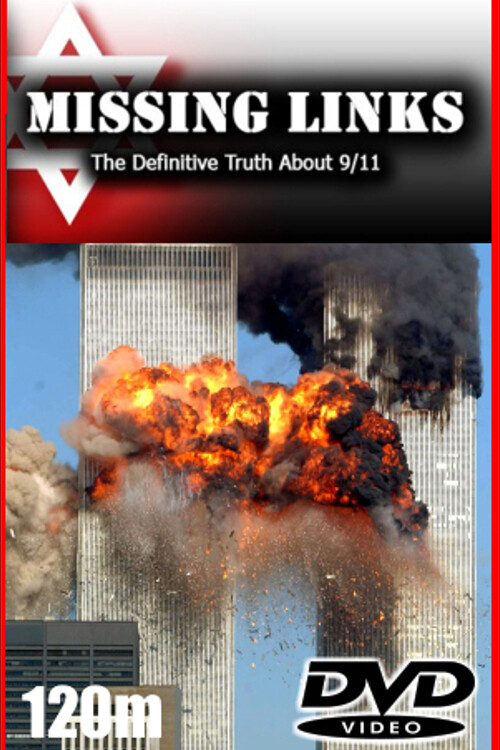
1 day ago
Reinvestigate 9/11 in the light of August Hanning’s arrest and investigation!
#CIA CIA #FBI FBI #Mossad Mossad August Hanning’s communications implicate both Israel and Russia in the hypothetical origins of 9/11 – Google Search https://google.com/search?q=Au…

3 days ago
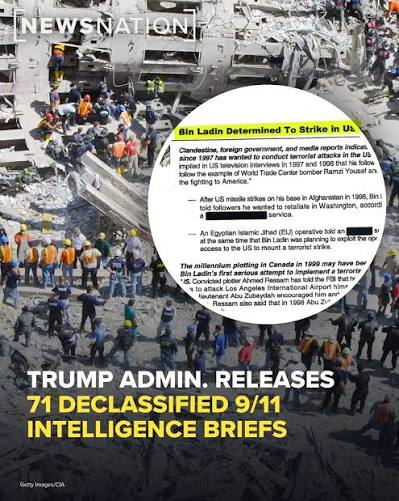
Analyzing 9/11 PDBs and Deception Hypotheses Quote: “A significant portion of the intelligence regarding Al-Qaeda’s intentions came from foreign liaison services (including British, French, German, Russian, and Israeli intelligence)”. My opinion: If “German, Russian, and Israeli
Articles and TweetsX32m#CIA #NineEleven #PDB Analyzing 9/11 PDBs and Deception Hypotheses Quote: “A significant portion of the intelligence regarding Al-Qaeda’s intentions came fr…
5 days ago
Audio Post – News Review: Using the FBI to settle personal grievances … Weaponization of the FBI … Trump, Patel, Miller, and the FBI … Arrest of Albanian Intelligence Chief
Mike Nova 2 · Using the FBI to settle personal grievances … Weaponization of the FBI … Trump, Patel, Miller, and the FBI … Arrest of Albanian Intelligence Chief Pic.: The 19…

5 days ago
AUDIO POST – News Review: Putin aims to break Ukraine by terrorizing the civilian population … Russia Turns to Striking Kyiv’s Bridges, Threatening a Vital Lifeline … Merz in Kyiv … Albanian Spy Chief’s Arrest ‘Highlighted Failure of Intelligence Governance’
Mike Nova 2 · News Review: Putin aims to break Ukraine by terrorizing the civilian population News Review – 8:24 AM 10/4/2026Putin aims to break Ukraine by terrorizing the civili…

6 days ago
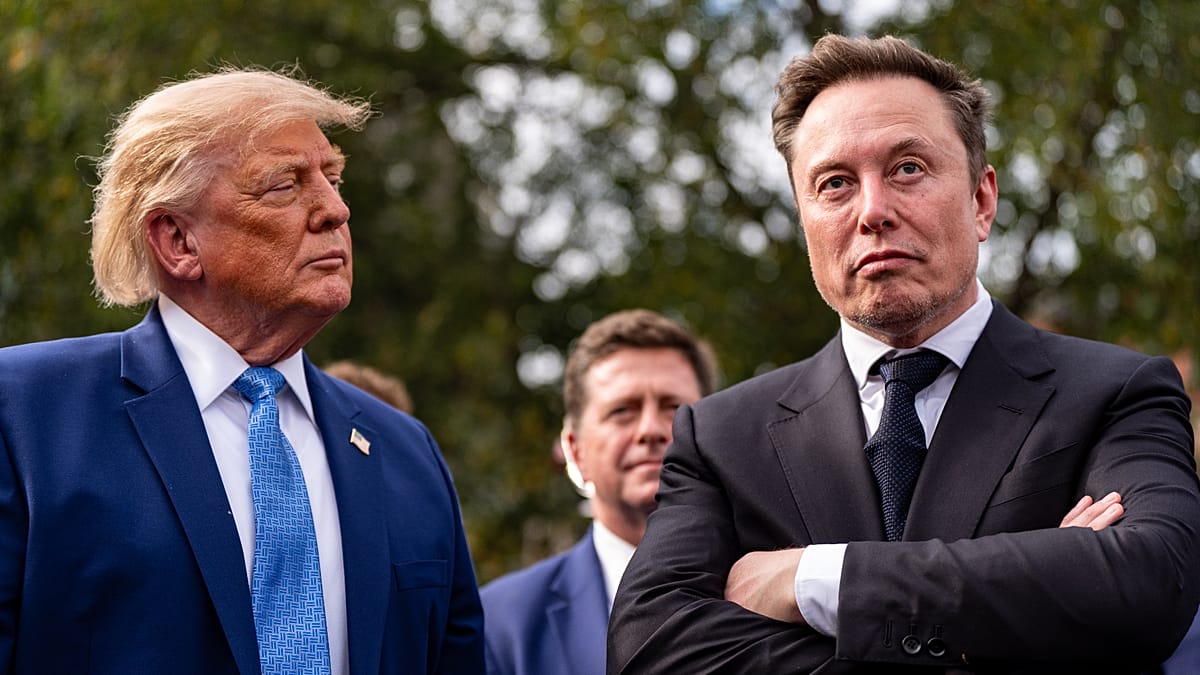
Musk returns to Trump administration to co-lead Pentagon war study – News Review
Articles and Tweetseuronews1dMusk returns to Trump administration to co-lead Pentagon war studyMusk, who in 2024 threw his support behind Trump and helped his return to the White H…
6 days ago
Super Intelligence – News Review
Articles and TweetsX19msuper intelligenceX1hRT by @mikenov: RT by @mikenov: Putin orders military leaders to target civilians and nuclear facilities, Zelensky warns: ‘No rules now’…

Michael Novakhov (@mikenov) / Twitter
Updates daily
Michael Novakhov (@mikenov) / Twitter
26 min ago
42 min ago
1 hrs ago
Get updates to your inbox
1 hrs ago
1 hrs ago
2 hrs ago
2 hrs ago
3 hrs ago
@mikenov: The phrase “9/11: the missing link” refers to a prominent public theory and a series of high-profile statements made by August Hanning, the former head of Germany’s Federal Intelligence Service (BND), regarding the 2001 terrorist attacks. [1,
The phrase “9/11: the missing link” refers to a prominent public theory and a series of high-profile statements made by August Hanning, the former head of Germany’s Federal Intelli…
9 hrs ago
11 hrs ago
17 hrs ago
17 hrs ago
17 hrs ago
18 hrs ago
18 hrs ago
19 hrs ago
19 hrs ago
19 hrs ago
19 hrs ago
20 hrs ago
20 hrs ago
20 hrs ago
21 hrs ago
21 hrs ago
23 hrs ago
@mikenov: If Russia, Israel, and Germany are behind 9/11, here are their hypothetical motivations.
If Russia, Israel, and Germany are behind 9/11, here are their hypothetical motivations. thenewsandtimes.blogspot.com…
23 hrs ago
23 hrs ago
1 day ago
1 day ago
1 day ago
1 day ago
1 day ago
1 day ago
1 day ago
1 day ago
1 day ago
1 day ago
1 day ago
1 day ago
1 day ago
1 day ago
1 day ago
1 day ago
1 day ago
1 day ago
1 day ago
1 day ago
1 day ago
1 day ago
1 day ago
1 day ago
1 day ago
1 day ago
1 day ago
@mikenov: August Hanning’s communications implicate both Israel and Russia in the hypothetical origins of 9/11 – Google Search
August Hanning’s communications implicate both Israel and Russia in the hypothetical origins of 9/11 – Google Search google.com/search?q=August+H…
1 day ago
1 day ago
1 day ago
@mikenov: August Hanning and Russia – Google Search
August Hanning and Russia – Google Search google.com/search?q=August+H…
1 day ago
1 day ago
1 day ago
@mikenov: Is August Hanning Jewish? NO. – Google Search
Is August Hanning Jewish? NO. – Google Search google.com/search?q=Is+Augus…
1 day ago
1 day ago
1 day ago
1 day ago
1 day ago
1 day ago
1 day ago
1 day ago
1 day ago
1 day ago
1 day ago
1 day ago
@Newsweek: RT by @mikenov: California Governor Gavin Newsom called for Trump to be removed from office after his comment about Iran bombing San Diego and LA.
California Governor Gavin Newsom called for Trump to be removed from office after his comment about Iran bombing San Diego and LA. newsweek.com/25th-amendment-…
1 day ago
1 day ago
1 day ago
1 day ago
1 day ago
@mikenov: #Mossad August #Hanning arrested: Trail leads to #Israel – Google Search
#Mossad August #Hanning arrested: Trail leads to #Israel – Google Search google.com/search?q=August+H…
1 day ago
2 days ago
2 days ago
2 days ago
2 days ago
2 days ago
@mikenov: August Hanning and 9/11 – Google Search
August Hanning and 9/11 – Google Search google.com/search?q=August+H…
2 days ago
2 days ago
2 days ago
2 days ago
@mikenov: August Hanning and Russia – Google Search
August Hanning and Russia – Google Search google.com/search?q=August+H…
2 days ago
2 days ago
2 days ago
2 days ago
2 days ago
2 days ago
2 days ago
2 days ago
2 days ago
2 days ago
2 days ago
2 days ago
2 days ago
2 days ago
2 days ago
2 days ago
2 days ago
2 days ago
2 days ago
2 days ago
2 days ago
@mikenov: August Hanning is suspected to prepare an analysis for an alleged Azerbaijani intelligence contact – Google Search
August Hanning is suspected to prepare an analysis for an alleged Azerbaijani intelligence contact – Google Search google.com/search?num=10&new…
2 days ago
2 days ago
@mikenov: RT @ferozwala: #BREAKING #Germany strips former Chancellor #GerhardSchroeder of official privileges over #Russia ties: parliament EU la…
RT @ferozwala: #BREAKING #Germany strips former Chancellor #GerhardSchroeder of official privileges over #Russia ties: parliament EU la…
2 days ago
2 days ago
2 days ago
2 days ago
2 days ago
2 days ago
2 days ago
2 days ago
2 days ago
2 days ago
2 days ago
2 days ago
2 days ago
2 days ago
2 days ago
2 days ago
@mikenov: August Hanning and Gerhard Schroeder – Google Search
August Hanning and Gerhard Schroeder – Google Search google.com/search?q=August+H…
3 days ago
3 days ago
3 days ago
@mikenov: 9/11: the missing link – August Hanning – Google Search
9/11: the missing link – August Hanning – Google Search google.com/search?q=9%2F11%3…
3 days ago
3 days ago
3 days ago
3 days ago
3 days ago
3 days ago
3 days ago
@lrozen: RT by @mikenov: “According to prosecutors, August Hanning, who once headed Germany’s domestic intelligence service, allegedly approached Peri, now owner of the Israeli consulting firm CGI Group, to organize a team of Israeli operatives for th
“According to prosecutors, August Hanning, who once headed Germany’s domestic intelligence service, allegedly approached Peri, now owner of the Israeli consulting firm CGI Group, t…
3 days ago
3 days ago
3 days ago
3 days ago
3 days ago
3 days ago
@mikenov: August Hanning and Mossad – Google Search
August Hanning and Mossad – Google Search google.com/search?q=August+H…
3 days ago
@mikenov: RT @aborealis940: Law enforcement officers have detained an #FSB agent who guided massive missile and drone strikes on #Kyiv between Septem…
RT @aborealis940: Law enforcement officers have detained an #FSB agent who guided massive missile and drone strikes on #Kyiv between Septem…
3 days ago
3 days ago
@mikenov: August Hanning and Russian Intelligence – Google Search
August Hanning and Russian Intelligence – Google Search google.com/search?q=August+H…
3 days ago
3 days ago
3 days ago
3 days ago
3 days ago
3 days ago
3 days ago
@mikenov: August Hanning and 9/11 Intelligence
August Hanning and 9/11 Intelligence share.gemini.google/WIuPAYUu…
3 days ago
3 days ago
3 days ago
3 days ago
3 days ago
3 days ago
3 days ago
@mikenov: Global News Headlines for Today
Global News Headlines for Today share.gemini.google/kMSfHeRM…
3 days ago
3 days ago
3 days ago
3 days ago
3 days ago
3 days ago
3 days ago
3 days ago
3 days ago
3 days ago
3 days ago
3 days ago
3 days ago
3 days ago
3 days ago
3 days ago
3 days ago
3 days ago
3 days ago
@mikenov: news live – YouTube
news live – YouTube youtube.com/results?search_q…
3 days ago
3 days ago
@mikenov: news – YouTube
news – YouTube youtube.com/results?search_q…
3 days ago
3 days ago
3 days ago
3 days ago
3 days ago
3 days ago
3 days ago
3 days ago
3 days ago
3 days ago
3 days ago
3 days ago
3 days ago
3 days ago
3 days ago
@mikenov: Declassified 9/11 President’s Daily Briefs
Declassified 9/11 President’s Daily Briefs share.gemini.google/IXeNARSQ…
4 days ago
@mikenov: Analyzing 9/11 PDBs and Deception Hypotheses
Analyzing 9/11 PDBs and Deception Hypotheses share.gemini.google/FSOJS3Gk…
4 days ago
4 days ago
4 days ago
4 days ago
4 days ago
4 days ago
4 days ago
@mikenov: Today’s Top News Roundup – 9 AM
Today’s Top News Roundup – 9 AM share.gemini.google/nJDvE8zS…
4 days ago
4 days ago
4 days ago
4 days ago
4 days ago
4 days ago
4 days ago
4 days ago
4 days ago
4 days ago
4 days ago
4 days ago
4 days ago
@mikenov: Current Global and Domestic News – 12:09 PM
Current Global and Domestic News – 12:09 PM share.gemini.google/QFqN3hn5…
4 days ago
@mikenov: Global News and Current Events
Global News and Current Events share.gemini.google/QSHSWKw8…
4 days ago
4 days ago
4 days ago
5 days ago
5 days ago
@mikenov: ‘Using the FBI to settle personal grievances … Weaponization of the FBI … Trump, Patel, Miller, and the FBI … Arrest of Albanian Intelligence Chief’ is on #SoundCloud
‘Using the FBI to settle personal grievances … Weaponization of the FBI … Trump, Patel, Miller, and the FBI … Arrest of Albanian Intelligence Chief’ is on #SoundCloud on.so…
5 days ago
5 days ago
5 days ago
5 days ago
@mikenov: ‘News Review: Putin aims to break Ukraine by terrorizing the civilian population’ is on #SoundCloud
‘News Review: Putin aims to break Ukraine by terrorizing the civilian population’ is on #SoundCloud on.soundcloud.com/Suq0QsFnuw…
5 days ago
5 days ago
5 days ago
5 days ago
5 days ago
5 days ago
5 days ago
5 days ago
5 days ago
5 days ago
5 days ago
5 days ago
@mikenov: RT @OlenaWave: Fascist #Russia to increase military spending to a record 35% of the budget in 2027 In 2027, Russia plans to allocate 17.1…
RT @OlenaWave: Fascist #Russia to increase military spending to a record 35% of the budget in 2027In 2027, Russia plans to allocate 17.1…
5 days ago
5 days ago
5 days ago
5 days ago
5 days ago
5 days ago
5 days ago
5 days ago
5 days ago
5 days ago
5 days ago
@mikenov: At the Baku Security Forum, one chief spy less: the Albanian Vlora Hyseni was arrested – Google Search
At the Baku Security Forum, one chief spy less: the Albanian Vlora Hyseni was arrested – Google Search google.com/search?q=At+the+B…
5 days ago
5 days ago
@mikenov: Baku, Azerbaijan international conference of intelligence service chiefs – Google Search
Baku, Azerbaijan international conference of intelligence service chiefs – Google Search google.com/search?q=Baku%2C+…
5 days ago
@Doommmood: RT by @mikenov: RT by @mikenov: Most likely pledging…
Most likely pledging…
5 days ago
5 days ago
@mikenov: Arrest of Albanian Intelligence Chief
Arrest of Albanian Intelligence Chief share.gemini.google/c5Nofkce…
5 days ago
5 days ago
5 days ago
@mikenov: the arrest of the head of Albania’s State Intelligence Service – Google Search
the arrest of the head of Albania’s State Intelligence Service – Google Search google.com/search?q=the+arre…
6 days ago
6 days ago
6 days ago
6 days ago
6 days ago
6 days ago
6 days ago
6 days ago
@mikenov: Weaponization of the FBI
Weaponization of the FBI share.gemini.google/XNXonpss…
6 days ago
6 days ago
6 days ago
6 days ago
6 days ago
6 days ago
@mikenov: Trump, Patel, Miller, and the FBI
Trump, Patel, Miller, and the FBI share.gemini.google/BfC7kJaS…
6 days ago
6 days ago
6 days ago
6 days ago
6 days ago
6 days ago
6 days ago
6 days ago
6 days ago
6 days ago
6 days ago
6 days ago
6 days ago
6 days ago
6 days ago
6 days ago
6 days ago
6 days ago
6 days ago
6 days ago
@mikenov: News – Google Search
News – Google Search google.com/search?q=News&num…
6 days ago
6 days ago
6 days ago
6 days ago
6 days ago
6 days ago
6 days ago
6 days ago
6 days ago
6 days ago
6 days ago
6 days ago
6 days ago
6 days ago
6 days ago
6 days ago
@mikenov: Midterm Election 2026 and Elon Musk – Google Search
Midterm Election 2026 and Elon Musk – Google Search google.com/search?q=Midterm+…
6 days ago
@mikenov: Midterm Election 2026 and Elon Musk – Google Search
Midterm Election 2026 and Elon Musk – Google Search google.com/search?q=Midterm+…
6 days ago
6 days ago
6 days ago
6 days ago
@mikenov: TRUMP and MUSK – Google Search
TRUMP and MUSK – Google Search google.com/search?q=TRUMP+an…
6 days ago
7 days ago
@mikenov: Trump-Musk Alliance in 2026 Midterms
Trump-Musk Alliance in 2026 Midterms share.gemini.google/lCBpjxc0…
7 days ago
7 days ago
7 days ago
@mikenov: Trump and Musk Reconcile
Trump and Musk Reconcile share.gemini.google/K3LTsDAs…
7 days ago
7 days ago
7 days ago
@mikenov: Putin blackmails the west, as usually – Google Search
Putin blackmails the west, as usually – Google Search google.com/search?q=Putin+bl…
7 days ago
7 days ago
7 days ago
@mikenov: Vladimir Putin warns West over Kaliningrad threats Putin – Google Search
Vladimir Putin warns West over Kaliningrad threats Putin – Google Search google.com/search?q=putin&nu…
7 days ago
7 days ago
7 days ago
7 days ago
@mikenov: Crimea and Kaliningrad Geopolitical Analogy
Crimea and Kaliningrad Geopolitical Analogy share.gemini.google/LAtS4bUj…
7 days ago
7 days ago
7 days ago
7 days ago
7 days ago
7 days ago
7 days ago
7 days ago
7 days ago
7 days ago
7 days ago
7 days ago
7 days ago
7 days ago
7 days ago
7 days ago
7 days ago
7 days ago
7 days ago
7 days ago
7 days ago
7 days ago
7 days ago
7 days ago
7 days ago
@mikenov: #FBI FBI John Anthony Proia, III – Google Search
#FBI FBIJohn Anthony Proia, III – Google Search google.com/search?q=John+Ant…Federal Cyberstalking Indictment of Proia share.gemini.google/IWHtp7xA…
7 days ago
@mikenov: Federal Cyberstalking Indictment of Proia
Federal Cyberstalking Indictment of Proia share.gemini.google/IWHtp7xA…
7 days ago
7 days ago
7 days ago
7 days ago
7 days ago
7 days ago
7 days ago
7 days ago
7 days ago
7 days ago
7 days ago
7 days ago
7 days ago
7 days ago
7 days ago
7 days ago
7 days ago
@mikenov: news – Google Search
news – Google Search google.com/search?q=news&num…
7 days ago
7 days ago
7 days ago
7 days ago
7 days ago
7 days ago
7 days ago
7 days ago
7 days ago
7 days ago
7 days ago
7 days ago
8 days ago
8 days ago
8 days ago
8 days ago
8 days ago
8 days ago
8 days ago
8 days ago
8 days ago
8 days ago
8 days ago
8 days ago
8 days ago
8 days ago
8 days ago
–


![August Hanning investigation of the Hamburg cell As the head of Germany's Federal Intelligence Service (BND) from 1998 to 2005, August Hanning oversaw the extensive and highly controversial investigation into the Hamburg cell, the al-Qaeda network that planned and executed the September 11 attacks. [1, 2, 3, 4] The Intelligence Failure & Initial Investigation Prior to September 11, 2001, key hijackers including Mohamed Atta, Marwan al-Shehhi, and Ziad Jarrah lived and studied in Hamburg completely undetected by German authorities. Following the attacks, Hanning and the BND faced intense pressure from both domestic critics and U.S. counter-terrorism officials for failing to identify the cell](https://pbs.twimg.com/media/HUKGpwWWcAEbBOQ.jpg)