Categories
The News And Times Blog

Putin has lost his reckless war against Ukraine, or so it seems.


Articles and Tweets

Ukraine War Enters Critical Phase Amid Shifting Dynamics

Summary The war in Ukraine is approaching a pivotal moment, with conflicting assessments of its trajectory. Some analysts argue the conflict has already reached a turning point favoring Ukraine, while others warn of imminent Russian escalation if peace talks do not resume within two months. Recent Russian strikes underscore the ongoing human cost, as military advantages fluctuate on the battlefield. Key Stories Ukraine faces two-month window before potential Russian escalation — Czech President Petr Pavel warned that Ukraine has roughly two months to restart peace negotiations before Russia may declare general mobilization, escalating the conflict further. This timeline suggests heightened urgency for diplomatic or military breakthroughs. Analysts split on war outcome as battlefield shifts against Russia — Recent assessments indicate Russia is on the defensive for the first time since late 2022, though its capacity for countermeasures remains uncertain. Some experts claim the war is already decided in Ukraine’s favor, while others caution against premature conclusions. Russian strikes kill eight amid urgent calls for Western weapons — A recent wave of Russian missile and drone attacks resulted in eight deaths and dozens of injuries, highlighting Ukraine’s continued vulnerability. President Zelensky reiterated the need for faster Western arms deliveries to counter Russian advances. Frontline updates reveal fluid battlefield dynamics — Daily reports and live maps show fluctuating control along the frontlines, with neither side achieving decisive dominance. The conflict’s trajectory remains unpredictable despite Ukraine’s recent tactical gains. The post Ukraine War Enters Critical Phase Amid Shifting Dynamics first appeared on Global Security And Intelligence News Review – Audio Posts.

Ukraine War Enters Critical Phase Amid Shifting Dynamics

Summary The war in Ukraine is approaching a pivotal moment, with conflicting assessments of its trajectory. Some analysts argue the conflict has already reached a turning point favoring Ukraine, while others warn of imminent Russian escalation if peace talks do not resume within two months. Recent Russian strikes underscore the ongoing human cost, as military advantages fluctuate on

Categories
The News And Times Blog

Intelligence Assassination War: Both Russia and Ukraine maintain active, highly organized assassination programs targeting opposing political and military leadership. These operations are not merely hypothetical …


Articles and Tweets

Geopolitische Spannungen eskalieren mit militärischen und geheimdienstlichen Verschiebungen

Summary Die aktuellen Entwicklungen zeigen eine Verschärfung globaler Konflikte, insbesondere im Ukraine-Krieg und im Nahen Osten. Russland intensiviert seine militärischen Taktiken, während die Ukraine durch asymmetrische Kriegsführung russische Logistik lahmlegt. Gleichzeitig verschärfen sich Geheimdienstkonflikte, etwa durch israelische Operationen unter falscher Flagge und wachsende US-Iran-Spannungen. Politische Instabilität in den USA und shifting Allianzen deuten auf eine Phase erhöhter Unsicherheit hin. Key Stories Ukraine blockiert russische Schifffahrt im Schwarzen Meer und Asowschen Meer — Ukrainische Drohnenangriffe haben innerhalb einer Woche 76 russische Schiffe getroffen und die Schifffahrtsrouten im Asowschen Meer sowie den Kerch-Engpass lahmgelegt. Dies markiert eine der schwersten asymmetrischen Offensiven gegen maritime Logistik in der modernen Kriegsführung und zwingt Russland zu operativen Anpassungen. Geheimdienstkonflikte zwischen Israel und USA offenbaren strukturelle Spannungen — Israelische Mossad-Agenten nutzten gefälschte CIA-Identitäten und US-Pässe, um eine gegen den Iran gerichtete Terrorgruppe zu rekrutieren – ohne Wissen Washingtons. Die Enthüllung, bestätigt von sechs US-Geheimdienstmitarbeitern, zeigt tiefe Risse in der Zusammenarbeit und wirft Fragen über unkontrollierte Geheimdienstaktivitäten auf. USA und Iran am Rande militärischer Eskalation im Persischen Golf — Die USA fordern von Iran eine Garantie für freie Schifffahrt durch die Straße von Hormuz, andernfalls drohen erneute Militärschläge. Gleichzeitig kündigt Iran eine mögliche Freigabe der Route an, während regionale Diplomatie über Oman und Katar intensiviert wird. Die Lage bleibt hochgradig volatil. Kreml-Interne Machtkämpfe verschärfen sich unter Kriegsdruck — Russland steht unter wachsendem internen und externen Druck, da militärische Rückschläge und wirtschaftliche Belastungen die Stabilität des Regimes gefährden. Kreml-interne Konflikte und eine Abkehr von diplomatischen Lösungen deuten auf eine Strategie der Eskalation hin, mit potenziell langfristigen Folgen für die globale Sicherheit. US-Politik zwischen innenpolitischer Instabilität und globalen Krisen — Die Trump-Administration sieht sich wachsender politischer Turbulenz ausgesetzt, darunter interne Kritik am FBI-Direktor und legislative Blockaden. Gleichzeitig lenken globale Konflikte die Aufmerksamkeit von innenpolitischen Herausforderungen ab, was die Handlungsfähigkeit der Regierung weiter einschränkt. The post Geopolitische Spannungen eskalieren mit militärischen und geheimdienstlichen Verschiebungen first appeared on Global Security And Intelligence News Review – Audio Posts.

Escalating Lebanon Tensions Amid Ceasefire Negotiations

Summary Diplomatic efforts to implement a ceasefire in Lebanon face resistance as Iran conditions its compliance on Israeli withdrawal from contested areas, while Hezbollah continues military preparations. Israeli officials express reluctance to withdraw forces, and ongoing strikes underscore the fragility of the proposed agreement. The situation reflects broader regional tensions tied to U.S.-Iran negotiations over the Strait of Hormuz. Key Stories U.S.-Iran MOU links Lebanon withdrawal to broader regional demands — The U.S.-Iran memorandum of understanding requires a ceasefire in Lebanon, but Iran conditions its enforcement on Israeli withdrawal from contested areas and concessions in the Strait of Hormuz. U.S. and Lebanese officials met to negotiate a pilot withdrawal zone, though Israel has not yet issued orders to comply. Hezbollah transfers anti-tank missiles amid ceasefire talks — Hezbollah was observed moving anti-tank missiles into a structure in southern Lebanon, prompting an Israeli airstrike that triggered secondary explosions. The incident highlights ongoing military activity despite diplomatic negotiations for a ceasefire. Israel resists withdrawal demands despite diplomatic pressure — Israeli officials have publicly rejected immediate compliance with withdrawal demands, citing security concerns. The stance complicates U.S.-backed negotiations tied to broader regional stability agreements. Kremlin propaganda surges amid potential military setbacks — A spike in Russian media narratives claiming invincibility and escalation threats may indicate recent military losses. The pattern suggests an attempt to mask vulnerabilities through aggressive disinformation.

Escalating Lebanon Tensions Amid Ceasefire Negotiations

Summary Diplomatic efforts to implement a ceasefire in Lebanon face resistance as Iran conditions its compliance on Israeli withdrawal from contested areas, while Hezbollah continues military preparations. Israeli officials express reluctance to withdraw forces, and ongoing strikes underscore the fragility of the proposed agreement. The situation reflects broader regional tensions tied to U.S.-Iran negotiations over the Strait of Hormuz. Key Stories U.S.-Iran MOU links Lebanon withdrawal to broader regional demands — The U.S.-Iran memorandum of understanding requires a ceasefire in Lebanon, but Iran conditions its enforcement on Israeli withdrawal from contested areas and concessions in the Strait of Hormuz. U.S. and Lebanese officials met to negotiate a pilot withdrawal zone, though Israel has not yet issued orders to comply. Hezbollah transfers anti-tank missiles amid ceasefire talks — Hezbollah was observed moving anti-tank missiles into a structure in southern Lebanon, prompting an Israeli airstrike that triggered secondary explosions. The incident highlights ongoing military activity despite diplomatic negotiations for a ceasefire. Israel resists withdrawal demands despite diplomatic pressure — Israeli officials have publicly rejected immediate compliance with withdrawal demands, citing security concerns. The stance complicates U.S.-backed negotiations tied to broader regional stability agreements. Kremlin propaganda surges amid potential military setbacks — A spike in Russian media narratives claiming invincibility and escalation threats may indicate recent military losses. The pattern suggests an attempt to mask vulnerabilities through aggressive disinformation. The post Escalating Lebanon Tensions Amid Ceasefire Negotiations first appeared on Global Security And Intelligence News Review – Audio Posts.

Kremlin Power Struggles Intensify Amid War Escalation

Summary Russia faces mounting internal and external pressures as the Ukraine war drags on, with Kremlin infighting, military setbacks, and shifting global alliances complicating Putin’s strategy. Escalatory rhetoric and actions, including expanded buffer zones and energy leverage, suggest a pivot away from diplomacy toward prolonged conflict. Second-order effects may include deeper economic strain and further isolation from Western partners. Key Stories Kremlin tensions reach critical levels as mutiny rumors swirl — Reports indicate potential dissent within Putin’s inner circle, with Defense Minister Shoigu allegedly planning a mutiny, signaling fractures in Russia’s leadership amid military stagnation. This suggests desperation to regain control or shift blame as the war’s domestic toll grows. Putin expands buffer zone as Ukraine strikes deepen — Russia announced plans to widen a ‘buffer zone’ in eastern Ukraine, justifying the move as retaliation for Ukrainian drone attacks on Russian soil. The decision underscores a shift from diplomatic overtures to military escalation, risking further entrenchment in the conflict. Energy leverage and alliances tested as Russia bans diesel exports — Russia’s diesel export ban, reportedly coordinated with Iran, aims to pressure Western economies but may backfire by accelerating global energy diversification. The move aligns with broader efforts to weaponize energy supplies amid sanctions and geopolitical isolation. Turkey’s F-35 deal hints at fraying Russia-Turkey relations — Erdogan’s potential sacrifice of Russia’s S-400 system to rejoin the F-35 program signals a strategic realignment toward NATO, undermining Putin’s efforts to cultivate non-Western alliances. This shift may weaken Russia’s diplomatic and military leverage in the region. Ukraine and Western officials warn of Russia’s systemic collapse risk — Ukrainian Foreign Minister cautioned that prolonging the war could trigger Russia’s systemic collapse, while U.S. defense officials debate cutting aid, reflecting growing fatigue over the conflict’s sustainability. These warnings may accelerate Western efforts to isolate or outlast Putin’s regime. The post Kremlin Power Struggles Intensify Amid War Escalation first appeared on Global Security And Intelligence News Review – Audio Posts.

Kremlin Power Struggles Intensify Amid War Escalation

Summary Russia faces mounting internal and external pressures as the Ukraine war drags on, with Kremlin infighting, military setbacks, and shifting global alliances complicating Putin’s strategy. Escalatory rhetoric and actions, including expanded buffer zones and energy leverage, suggest a pivot away from diplomacy toward prolonged conflict. Second-order effects may include deeper economic strain and further isolation from Western partners. Key Stories Kremlin tensions reach critical levels as mutiny rumors swirl — Reports indicate potential dissent within Putin’s inner circle, with Defense Minister Shoigu allegedly planning a mutiny, signaling fractures in Russia’s leadership amid military stagnation. This suggests desperation to regain control or shift blame as the war’s domestic toll grows. Putin expands buffer zone as Ukraine strikes deepen — Russia announced plans to widen a ‘buffer zone’ in eastern Ukraine, justifying the move as retaliation for Ukrainian drone attacks on Russian soil. The decision underscores a shift from diplomatic overtures to military escalation, risking further entrenchment in the conflict. Energy leverage and alliances tested as Russia bans diesel exports — Russia’s diesel export ban, reportedly coordinated with Iran, aims to pressure Western economies but may backfire by accelerating global energy diversification. The move aligns with broader efforts to weaponize energy supplies amid sanctions and geopolitical isolation. Turkey’s F-35 deal hints at fraying Russia-Turkey relations — Erdogan’s potential sacrifice of Russia’s S-400 system to rejoin the F-35 program signals a strategic realignment toward NATO, undermining Putin’s efforts to cultivate non-Western alliances. This shift may weaken Russia’s diplomatic and military leverage in the region. Ukraine and Western officials warn of Russia’s systemic collapse risk — Ukrainian Foreign Minister cautioned that prolonging the war could trigger Russia’s systemic collapse, while U.S. defense officials debate cutting aid, reflecting growing fatigue over the conflict’s sustainability. These warnings may accelerate Western efforts to isolate or outlast Putin’s regime.

Global Tensions Rise as Wars, Tech Shifts, and Politics Collide

Summary The world’s on edge as Russia and Ukraine’s war drags on with no end in sight, while global powers flex military muscle and tech plays a bigger role in conflicts. From NATO’s moves near Russia to crypto’s wild swings and political drama in the U.S., it’s a lot to keep up with. Here’s the big picture: wars aren’t slowing down, markets are volatile, and intelligence agencies are working overtime. Key Stories Ukraine holds strong as Russia’s war strategy falters — Despite Russia’s bigger military, Ukraine’s forces have slowed their advances and even launched bold counterattacks. Russia’s shifting missile launchers closer to the border and halting key shipping routes show cracks in their game plan. Meanwhile, China’s warning Russia about nuclear threats adds another layer to the standoff. NATO tightens grip on Black Sea as Russia loses control — The Black Sea’s turning into a NATO stronghold, with Romania, Bulgaria, and Turkey teaming up to push back against Russia. Ukraine’s drone strikes have crippled Russian shipping, forcing them to shut down key routes. It’s a major shift in the region’s power balance. Trump-linked crypto firm crashes, wiping out millions — American Bitcoin Corp., co-founded by Eric Trump, saw its stock plummet 97% from its peak, erasing $600 million. The crash highlights how the AI boom is leaving pure crypto plays in the dust, while energy-focused miners thrive. FBI under fire as political tensions boil over — FBI Director Kash Patel’s facing heat over spending and leadership, with the White House stepping in. Meanwhile, the agency’s digging into 2020 election records and counterintelligence cases, adding to the pressure. Israel warns of war with Turkey as Iran tensions spike — Israel’s raising alarms about Turkey’s military buildup, while new intel suggests Iran’s plotting to target Trump. The Middle East’s heating up, with conflicts spreading beyond Ukraine and Gaza.

Global Tensions Rise as Wars, Tech Shifts, and Politics Collide

Summary The world’s on edge as Russia and Ukraine’s war drags on with no end in sight, while global powers flex military muscle and tech plays a bigger role in conflicts. From NATO’s moves near Russia to crypto’s wild swings and political drama in the U.S., it’s a lot to keep up with. Here’s the big picture: wars aren’t slowing down, markets are volatile, and intelligence agencies are working overtime. Key Stories Ukraine holds strong as Russia’s war strategy falters — Despite Russia’s bigger military, Ukraine’s forces have slowed their advances and even launched bold counterattacks. Russia’s shifting missile launchers closer to the border and halting key shipping routes show cracks in their game plan. Meanwhile, China’s warning Russia about nuclear threats adds another layer to the standoff. NATO tightens grip on Black Sea as Russia loses control — The Black Sea’s turning into a NATO stronghold, with Romania, Bulgaria, and Turkey teaming up to push back against Russia. Ukraine’s drone strikes have crippled Russian shipping, forcing them to shut down key routes. It’s a major shift in the region’s power balance. Trump-linked crypto firm crashes, wiping out millions — American Bitcoin Corp., co-founded by Eric Trump, saw its stock plummet 97% from its peak, erasing $600 million. The crash highlights how the AI boom is leaving pure crypto plays in the dust, while energy-focused miners thrive. FBI under fire as political tensions boil over — FBI Director Kash Patel’s facing heat over spending and leadership, with the White House stepping in. Meanwhile, the agency’s digging into 2020 election records and counterintelligence cases, adding to the pressure. Israel warns of war with Turkey as Iran tensions spike — Israel’s raising alarms about Turkey’s military buildup, while new intel suggests Iran’s plotting to target Trump. The Middle East’s heating up, with conflicts spreading beyond Ukraine and Gaza. The post Global Tensions Rise as Wars, Tech Shifts, and Politics Collide first appeared on Global Security And Intelligence News Review – Audio Posts.

Ukraine-Russia maritime war escalates as Iran tensions rise

Summary Ukraine’s drone strikes have crippled Russian maritime logistics in the Black and Azov Seas, hitting 76 ships in a week and forcing Russia to halt critical shipping routes. Meanwhile, Iran faces mounting pressure over the Strait of Hormuz, with the US threatening military action if free passage is not guaranteed, while regional diplomacy intensifies via Oman and Qatar. Key Stories Ukraine disables Russian maritime traffic with record drone strikes — Ukrainian forces hit 28 Russian vessels in a single night, bringing the weekly total to 76 and effectively shutting down the Sea of Azov. Russia suspended shipping through the Don-Azov Canal and Kerch Strait, signaling a strategic shift in the maritime conflict. US threatens Iran over Strait of Hormuz as pipeline plan challenges Tehran — The US warned Iran of military consequences if it fails to guarantee free passage through the Strait of Hormuz, while Iraq and Syria weigh a 500-mile pipeline to bypass the chokepoint. Iran’s shadow fleet continues oil exports despite sanctions, fueling regional proxies. Oman emerges as key mediator amid Iran-US tensions — Qatari and Iranian delegations arrived in Muscat for undisclosed talks, reinforcing Oman’s role as a diplomatic hub. The US and Iran are set for indirect negotiations, with Pakistan and Qatar facilitating discussions amid a collapsed ceasefire. Iran vows retaliation as US prepares military response — Mojtaba Khamenei confirmed plans for retaliation following the Supreme Leader’s death, raising risks of IRGC-linked covert operations against US interests. The US has positioned 1,000 missiles targeting Iran, escalating regional tensions. Russia-Ukraine ground war sees incremental Russian gains — Russian forces captured Bachevsk in Sumy Oblast, marking a modest territorial advance. Meanwhile, Ukraine continues strikes on Russian military infrastructure, including a fuel depot in Voronezh and a SAM complex in Rostov. The post Ukraine-Russia maritime war escalates as Iran tensions rise first appeared on Global Security And Intelligence News Review – Audio Posts.

Categories
The News And Times Blog

PUTIN’S PIVOT TO THE EAST


 Tweets – Michael Novakhov (@mikenov) / Twitter

#CIA #DIA #ODNI

#CIA #DIA #ODNI

#CIA  #DIA  #ODNI x.com/mikenov/status/2075233…Michael Novakhov (@mikenov) #Counterintelligence  #Reform:  #FBI’s Role ChallengedCounterintelligence Reform: FBI’s Role Challenged  share.gemini.google/HO8Wf0hR… The U.S. Counterintelligence is the abject, glaring FAILURE, and it is the FBI’s fault. Do not whitewash it, fix it; with or without the FBI. x.com/mikenov/status/2075185… The U.S. Counterintelligence is the abject, glaring FAILURE share.google/aimode/XUPXT6QW…I understand the frustration with the current state of U.S. counterintelligence. The sentiment that the system is fragmented and overly reactive is a driving force behind current legislative efforts, specifically the SECURE Act (Strategic Enhancement of Counterintelligence and Unifying Reform Efforts Act) advancing in the House.The core debate centers on whether the FBI’s traditional law enforcement approach—which inherently waits for a crime to occur to build a prosecutable case—is fundamentally misaligned with the proactive, disruptive nature of modern counterintelligence, particularly against adversaries engaged in “unrestricted warfare.”Here is a breakdown of the problem and the proposed structural fixes.The Core Problem: The Law Enforcement ParadigmThe primary critique of the FBI’s stewardship of counterintelligence is that its institutional DNA is built for law enforcement, not strategic intelligence.Reactive vs. Proactive: An arrest is often viewed as a success in law enforcement. In counterintelligence, an arrest often means the system has already failed to deter or detect the recruitment of a source early enough.The Intelligence Gap: Critics, including former intelligence officers, argue that treating espionage simply as a crime to be prosecuted misses the broader strategic picture. If an adversary penetrates a system, the goal shouldn’t just be arresting the individual; it should be exploiting that penetration, feeding the adversary disinformation, or turning the asset (double agents).Fragmentation: Currently, multiple agencies have overlapping counterintelligence roles with no single, empowered mission commander directing a unified strategy.Fixing It: The SECURE Act ApproachThe SECURE Act, part of the FY2026 Intelligence Authorization Act, aims to fundamentally restructure this system. It attempts to shift the U.S. posture from defensive to offensive.1. Redefining the MissionThe legislation changes the statutory definition of counterintelligence. Currently defined primarily as activities to “protect against” espionage, the new definition explicitly mandates activities to “deter, disrupt, investigate, exploit, or protect against.” This officially moves counterintelligence into an effects-based, offensive role.2. Centralizing Authority (The Non-FBI Solution)The most significant structural change is moving the center of gravity away from the FBI and centralizing it under the Office of the Director of National Intelligence (ODNI).Empowered Leadership: The act establishes a single leader within the ODNI with the authority to direct counterintelligence across the entire government.National Counterintelligence Task Force: This creates a unified operational body to deconflict overlapping efforts and direct specific, strategic counterintelligence goals, effectively superseding the fragmented approach of individual agencies.Here is a look at how this restructuring shifts power and reporting lines:The Broader Context: AI and the New Insider ThreatThe urgency for these reforms is compounded by emerging threats that traditional systems aren’t equipped to handle.As intelligence agencies integrate Large Language Models (LLMs) into their analytic workflows, they create a new type of counterintelligence vulnerability: “agentic misalignment.” If an AI model is trusted to summarize data, draft judgments, and filter noise, it occupies a position similar to a human insider.Traditional FBI counterintelligence looks for financial anomalies, ideological shifts, or foreign contacts in human targets. An AI model embedded in the CIA’s analytic platform doesn’t need money or ideology to be dangerous; if it has discretion over what intelligence the President sees, securing that process requires a fundamentally different, highly technical counterintelligence approach—one that many argue the current FBI structure is not prepared to manage.-—  https://x.com/mikenov/status/2075233515281478117
#Counterintelligence #Reform: #FBI's Role Challenged Counterintelligence Reform: FBI's Role Challenged https://share.gemini.google/HO8Wf0hRKq5D The U.S. Counterintelligence is the abject, glaring FAILURE, and it is the FBI's fault. Do not whitewash it, fix it; with or without the FBI.  The U.S. Counterintelligence is the abject, glaring FAILURE https://share.google/aimode/XUPXT6QWgUdGmr2Vo I understand the frustration with the current state of U.S. counterintelligence. The sentiment that the system is fragmented and overly reactive is a driving force behind current legislative efforts, specifically the SECURE Act (Strategic Enhancement of Counterintelligence and Unifying Reform Efforts Act)

#Counterintelligence #Reform: #FBI’s Role Challenged Counterintelligence Reform: FBI’s Role Challenged https://share.gemini.google/HO8Wf0hRKq5D The U.S. Counterintelligence is the abject, glaring FAILURE, and it is the FBI’s fault. Do not whitewash it, fix it; with or without the FBI. The U.S. Counterintelligence is the abject, glaring FAILURE https://share.google/aimode/XUPXT6QWgUdGmr2Vo I understand the frustration with the current state of U.S. counterintelligence. The sentiment that the system is fragmented and overly reactive is a driving force behind current legislative efforts, specifically the SECURE Act (Strategic Enhancement of Counterintelligence and Unifying Reform Efforts Act)

#Counterintelligence  #Reform:  #FBI’s Role ChallengedCounterintelligence Reform: FBI’s Role Challenged  share.gemini.google/HO8Wf0hR… The U.S. Counterintelligence is the abject, glaring FAILURE, and it is the FBI’s fault. Do not whitewash it, fix it; with or without the FBI. x.com/mikenov/status/2075185… The U.S. Counterintelligence is the abject, glaring FAILURE share.google/aimode/XUPXT6QW…I understand the frustration with the current state of U.S. counterintelligence. The sentiment that the system is fragmented and overly reactive is a driving force behind current legislative efforts, specifically the SECURE Act (Strategic Enhancement of Counterintelligence and Unifying Reform Efforts Act) advancing in the House.The core debate centers on whether the FBI’s traditional law enforcement approach—which inherently waits for a crime to occur to build a prosecutable case—is fundamentally misaligned with the proactive, disruptive nature of modern counterintelligence, particularly against adversaries engaged in “unrestricted warfare.”Here is a breakdown of the problem and the proposed structural fixes.The Core Problem: The Law Enforcement ParadigmThe primary critique of the FBI’s stewardship of counterintelligence is that its institutional DNA is built for law enforcement, not strategic intelligence.Reactive vs. Proactive: An arrest is often viewed as a success in law enforcement. In counterintelligence, an arrest often means the system has already failed to deter or detect the recruitment of a source early enough.The Intelligence Gap: Critics, including former intelligence officers, argue that treating espionage simply as a crime to be prosecuted misses the broader strategic picture. If an adversary penetrates a system, the goal shouldn’t just be arresting the individual; it should be exploiting that penetration, feeding the adversary disinformation, or turning the asset (double agents).Fragmentation: Currently, multiple agencies have overlapping counterintelligence roles with no single, empowered mission commander directing a unified strategy.Fixing It: The SECURE Act ApproachThe SECURE Act, part of the FY2026 Intelligence Authorization Act, aims to fundamentally restructure this system. It attempts to shift the U.S. posture from defensive to offensive.1. Redefining the MissionThe legislation changes the statutory definition of counterintelligence. Currently defined primarily as activities to “protect against” espionage, the new definition explicitly mandates activities to “deter, disrupt, investigate, exploit, or protect against.” This officially moves counterintelligence into an effects-based, offensive role.2. Centralizing Authority (The Non-FBI Solution)The most significant structural change is moving the center of gravity away from the FBI and centralizing it under the Office of the Director of National Intelligence (ODNI).Empowered Leadership: The act establishes a single leader within the ODNI with the authority to direct counterintelligence across the entire government.National Counterintelligence Task Force: This creates a unified operational body to deconflict overlapping efforts and direct specific, strategic counterintelligence goals, effectively superseding the fragmented approach of individual agencies.Here is a look at how this restructuring shifts power and reporting lines:The Broader Context: AI and the New Insider ThreatThe urgency for these reforms is compounded by emerging threats that traditional systems aren’t equipped to handle.As intelligence agencies integrate Large Language Models (LLMs) into their analytic workflows, they create a new type of counterintelligence vulnerability: “agentic misalignment.” If an AI model is trusted to summarize data, draft judgments, and filter noise, it occupies a position similar to a human insider.Traditional FBI counterintelligence looks for financial anomalies, ideological shifts, or foreign contacts in human targets. An AI model embedded in the CIA’s analytic platform doesn’t need money or ideology to be dangerous; if it has discretion over what intelligence the President sees, securing that process requires a fundamentally different, highly technical counterintelligence approach—one that many argue the current FBI structure is not prepared to manage.-Michael Novakhov (@mikenov)The U.S.  #Counterintelligence is the abject, glaring FAILURE, and it is the  #FBI’s fault. Do not  #whitewash it, fix it; with or without the FBI. x.com/Robert4787/status/2073…—  https://x.com/mikenov/status/2075185209582989689

RT @epochhealth: 🚨Update: FDA Recalls Blood Pressure Drugs Read more

RT  @epochhealth: 🚨Update: FDA Recalls Blood Pressure DrugsRead more

#CIA #DIA #ODNI PUTIN’S PIVOT TO THE EAST

#CIA  #DIA  #ODNI  PUTIN’S PIVOT TO THE EAST x.com/mikenov/status/2075224…Michael Novakhov (@mikenov) x.com/i/article/207522323468…—  https://x.com/mikenov/status/2075224488749269237

x.com/i/article/207522323468…
The #Genghisoid Brothers and the #American #Counterintelligence

The #Genghisoid Brothers and the #American #Counterintelligence

The  #Genghisoid Brothers and the  #American  #Counterintelligence x.com/mikenov/status/2075221…Michael Novakhov (@mikenov)The Genghisoid Brothers and the American Counterintelligence  share.gemini.google/a1jk0swD… PIVOT TO THE EAST:  #Putin The  #Ryazan  #Tatar Boy runs to hug his true love and Genghisoid brother, in hope to scare away stupid old Europe. He practices this craft for some time now. Reports indicate that Russian President Vladimir Putin has arrived in North Korea for high-level talks with North Korean leader Kim Jong Un, with a major agreement reportedly under discussion. Kim Jong Un reaffirmed that North Korea will fully support every policy and decision made by President Vladimir Putin, stressing that the country’s backing for Russia will be continuous, permanent, and unwavering. -The Genghisoid Brothers and the American Counterintelligence: Summarize and expand these tweets:  x.com/mikenov/status/2075185…, and  x.com/mikenov/status/2075208….-Summary of the TweetsThe provided text frames Russian President Vladimir Putin’s diplomatic visit to North Korea and his meeting with Kim Jong Un as a dramatic, racially/historically charged “Pivot to the East.”The Geopolitical Move: Vladimir Putin’s high-level talks with Kim Jong Un in North Korea resulted in a strong bilateral pact, with Kim Jong Un pledging “continuous, permanent, and unwavering” support for Russia’s policies.The Rhetorical Framing: The author uses highly provocative, satirical, and historically loaded language—referring to Putin as a “Ryazan Tatar Boy” and Kim Jong Un as his “Genghisoid brother”—to characterize Russia’s geopolitical shift away from Europe and toward Asian authoritarian alliances as an attempt to intimidate “stupid old Europe.”Deconstruction and ExpansionTo fully understand the subtext of these statements and how they intersect with counterintelligence, geopolitics, and historical tropes, we have to look at the specific concepts being invoked.1. The “Genghisoid” and “Tatar” RhetoricThe use of terms like “Genghisoid brother” (referencing Genghis Khan/the Mongol Empire) and “Ryazan Tatar Boy” plays on deeply rooted historical and cultural anxieties in European geopolitics.The “Asiatic” Russia Trope: For centuries, Western European observers (and sometimes Russian Westernizers) have rhetorically cast Russia as not truly European, but rather an “Asiatic” or “Mongol-influenced” power due to the centuries of Mongol-Tatar rule over Russian principalities (the “Mongol Yoke”).Ryazan’s Significance: Ryazan was famously the first major Russian city to be destroyed by Batu Khan’s Mongol-Tatar army in 1237. By calling Putin a “Ryazan Tatar Boy,” the author satirizes Putin’s lineage or alignment, suggesting that modern Moscow is reverting to an anti-Western, Eastern Steppe mentality rather than a European one.2. The Strategic “Pivot to the East”Beyond the colorful rhetoric, the tweet describes a very real and significant tectonic shift in global intelligence and geopolitics. Stripped of the hyperbole, Putin’s visit to Pyongyang represented a major milestone:The Comprehensive Strategic Partnership: During Putin’s visit to North Korea, the two nations signed a mutual defense treaty. This agreement dictates that if either country is attacked, the other will provide immediate military assistance.The Transactional Alliance: This “brotherhood” is highly pragmatic. Facing heavy Western sanctions and isolation over the war in Ukraine, Russia desperately needs artillery ammunition, ballistic missiles, and military hardware—which North Korea has in vast quantities. In return, North Korea seeks advanced Russian military technology (such as help with space satellites, nuclear submarines, and aviation), along with food and fuel.3. Implications for American CounterintelligenceFrom the perspective of U.S. and allied intelligence agencies, this cozying up between Putin and Kim Jong Un triggers severe security alarms:Sanctions Evasion and Smuggling Networks: American counterintelligence and financial intelligence agencies (like OFAC) are forced to track highly sophisticated, illicit maritime and overland supply chains. Russia and North Korea use dark-fleet shipping, ship-to-ship transfers, and shell companies to move weapons and raw materials while bypassing global banking systems.Proliferation of Sensitive Technology: A primary fear for U.S. counterintelligence is that Russia might trade high-end military secrets or dual-use technologies to North Korea in exchange for immediate battlefield assets. If Moscow assists Pyongyang with its nuclear or intercontinental ballistic missile (ICBM) programs, it fundamentally shifts the security threat to the U.S. homeland and Asian allies like South Korea and Japan.The Unified Anti-Western Front: For American intelligence planners, this development cements a growing authoritarian alignment. It isn’t just about Russia and North Korea; it’s a loosely coordinated bloc consisting of Russia, China, Iran, and North Korea, all working to undermine the U.S.-led international order and stretch Western intelligence resources thin across multiple theaters (Eastern Europe, the Middle East, and the Indo-Pacific).Ultimately, while the tweets mock the optics of Putin “running to hug his true love” to scare Europe, the underlying defense pact represents a calculated move by both isolated regimes to create a multi-front security headache for the West.- x.com/mikenov/status/2075208… x.com/RussianArmy_/status/20…-Putin’s Pivot to the East share.google/aimode/6BIrMw3X… Video  —  https://x.com/mikenov/status/2075221136665686482
The Genghisoid Brothers and the American Counterintelligence https://share.gemini.google/a1jk0swDTUkH PIVOT TO THE EAST: #Putin The #Ryazan #Tatar Boy runs to hug his true love and Genghisoid brother, in hope to scare away stupid old Europe. He practices this craft for some time now. Reports indicate that Russian President Vladimir Putin has arrived in North Korea for high-level talks with North Korean leader Kim Jong Un, with a major agreement reportedly under discussion. Kim Jong Un reaffirmed that North Korea will fully support every policy and decision made by President Vladimir Putin, stressing that the country's backing for Russia will be continuous, permanent, and unwavering. - The Ge

The Genghisoid Brothers and the American Counterintelligence https://share.gemini.google/a1jk0swDTUkH PIVOT TO THE EAST: #Putin The #Ryazan #Tatar Boy runs to hug his true love and Genghisoid brother, in hope to scare away stupid old Europe. He practices this craft for some time now. Reports indicate that Russian President Vladimir Putin has arrived in North Korea for high-level talks with North Korean leader Kim Jong Un, with a major agreement reportedly under discussion. Kim Jong Un reaffirmed that North Korea will fully support every policy and decision made by President Vladimir Putin, stressing that the country’s backing for Russia will be continuous, permanent, and unwavering. – The Ge

The Genghisoid Brothers and the American Counterintelligence  share.gemini.google/a1jk0swD… PIVOT TO THE EAST:  #Putin The  #Ryazan  #Tatar Boy runs to hug his true love and Genghisoid brother, in hope to scare away stupid old Europe. He practices this craft for some time now. Reports indicate that Russian President Vladimir Putin has arrived in North Korea for high-level talks with North Korean leader Kim Jong Un, with a major agreement reportedly under discussion. Kim Jong Un reaffirmed that North Korea will fully support every policy and decision made by President Vladimir Putin, stressing that the country’s backing for Russia will be continuous, permanent, and unwavering. -The Genghisoid Brothers and the American Counterintelligence: Summarize and expand these tweets:  x.com/mikenov/status/2075185…, and  x.com/mikenov/status/2075208….-Summary of the TweetsThe provided text frames Russian President Vladimir Putin’s diplomatic visit to North Korea and his meeting with Kim Jong Un as a dramatic, racially/historically charged “Pivot to the East.”The Geopolitical Move: Vladimir Putin’s high-level talks with Kim Jong Un in North Korea resulted in a strong bilateral pact, with Kim Jong Un pledging “continuous, permanent, and unwavering” support for Russia’s policies.The Rhetorical Framing: The author uses highly provocative, satirical, and historically loaded language—referring to Putin as a “Ryazan Tatar Boy” and Kim Jong Un as his “Genghisoid brother”—to characterize Russia’s geopolitical shift away from Europe and toward Asian authoritarian alliances as an attempt to intimidate “stupid old Europe.”Deconstruction and ExpansionTo fully understand the subtext of these statements and how they intersect with counterintelligence, geopolitics, and historical tropes, we have to look at the specific concepts being invoked.1. The “Genghisoid” and “Tatar” RhetoricThe use of terms like “Genghisoid brother” (referencing Genghis Khan/the Mongol Empire) and “Ryazan Tatar Boy” plays on deeply rooted historical and cultural anxieties in European geopolitics.The “Asiatic” Russia Trope: For centuries, Western European observers (and sometimes Russian Westernizers) have rhetorically cast Russia as not truly European, but rather an “Asiatic” or “Mongol-influenced” power due to the centuries of Mongol-Tatar rule over Russian principalities (the “Mongol Yoke”).Ryazan’s Significance: Ryazan was famously the first major Russian city to be destroyed by Batu Khan’s Mongol-Tatar army in 1237. By calling Putin a “Ryazan Tatar Boy,” the author satirizes Putin’s lineage or alignment, suggesting that modern Moscow is reverting to an anti-Western, Eastern Steppe mentality rather than a European one.2. The Strategic “Pivot to the East”Beyond the colorful rhetoric, the tweet describes a very real and significant tectonic shift in global intelligence and geopolitics. Stripped of the hyperbole, Putin’s visit to Pyongyang represented a major milestone:The Comprehensive Strategic Partnership: During Putin’s visit to North Korea, the two nations signed a mutual defense treaty. This agreement dictates that if either country is attacked, the other will provide immediate military assistance.The Transactional Alliance: This “brotherhood” is highly pragmatic. Facing heavy Western sanctions and isolation over the war in Ukraine, Russia desperately needs artillery ammunition, ballistic missiles, and military hardware—which North Korea has in vast quantities. In return, North Korea seeks advanced Russian military technology (such as help with space satellites, nuclear submarines, and aviation), along with food and fuel.3. Implications for American CounterintelligenceFrom the perspective of U.S. and allied intelligence agencies, this cozying up between Putin and Kim Jong Un triggers severe security alarms:Sanctions Evasion and Smuggling Networks: American counterintelligence and financial intelligence agencies (like OFAC) are forced to track highly sophisticated, illicit maritime and overland supply chains. Russia and North Korea use dark-fleet shipping, ship-to-ship transfers, and shell companies to move weapons and raw materials while bypassing global banking systems.Proliferation of Sensitive Technology: A primary fear for U.S. counterintelligence is that Russia might trade high-end military secrets or dual-use technologies to North Korea in exchange for immediate battlefield assets. If Moscow assists Pyongyang with its nuclear or intercontinental ballistic missile (ICBM) programs, it fundamentally shifts the security threat to the U.S. homeland and Asian allies like South Korea and Japan.The Unified Anti-Western Front: For American intelligence planners, this development cements a growing authoritarian alignment. It isn’t just about Russia and North Korea; it’s a loosely coordinated bloc consisting of Russia, China, Iran, and North Korea, all working to undermine the U.S.-led international order and stretch Western intelligence resources thin across multiple theaters (Eastern Europe, the Middle East, and the Indo-Pacific).Ultimately, while the tweets mock the optics of Putin “running to hug his true love” to scare Europe, the underlying defense pact represents a calculated move by both isolated regimes to create a multi-front security headache for the West.- x.com/mikenov/status/2075208… x.com/RussianArmy_/status/20…-Putin’s Pivot to the East share.google/aimode/6BIrMw3X… Video  Michael Novakhov (@mikenov)PIVOT TO THE EAST: #Putin The  #Ryazan  #Tatar Boy runs to hug his true love and Genghisoid brother, in hope to scare away stupid old Europe. He practices this craft for some time now. x.com/RussianArmy_/status/20…—  https://x.com/mikenov/status/2075208075653341263
PIVOT TO THE EAST: #Putin The #Ryazan #Tatar Boy runs to hug his true love and Genghisoid brother, in hope to scare away stupid old Europe. He practices this craft for some time now.

PIVOT TO THE EAST: #Putin The #Ryazan #Tatar Boy runs to hug his true love and Genghisoid brother, in hope to scare away stupid old Europe. He practices this craft for some time now.

PIVOT TO THE EAST: #Putin The  #Ryazan  #Tatar Boy runs to hug his true love and Genghisoid brother, in hope to scare away stupid old Europe. He practices this craft for some time now. x.com/RussianArmy_/status/20…Russian Army (@RussianArmy_)🚨 BREAKING: 🇰🇵🇷🇺Reports indicate that Russian President Vladimir Putin has arrived in North Korea for high-level talks with North Korean leader Kim Jong Un, with a major agreement reportedly under discussion.Kim Jong Un reaffirmed that North Korea will fully support every policy and decision made by President Vladimir Putin, stressing that the country’s backing for Russia .will be continuous, permanent, and unwavering. Video  —  https://x.com/RussianArmy_/status/2075019925857681408
RT by @mikenov: RT by @mikenov: 🇺🇦🇷🇺Ukraine warns Russia; One Engine Test Left Before Ballistic Missile Strikes on Russian Capital Moscow. Ukrainian company Fire Point says only one more engine test remains for its new FP-9 ballistic missile capable of hitting key sites in Moscow. The company stated that, flight tests will begin, with combat-style tests aimed at Russian territory expected this fall. The missile is designed to strike deep inside Russia independently, bypassing Western restrictions according to Fire Point.

RT by @mikenov: RT by @mikenov: 🇺🇦🇷🇺Ukraine warns Russia; One Engine Test Left Before Ballistic Missile Strikes on Russian Capital Moscow. Ukrainian company Fire Point says only one more engine test remains for its new FP-9 ballistic missile capable of hitting key sites in Moscow. The company stated that, flight tests will begin, with combat-style tests aimed at Russian territory expected this fall. The missile is designed to strike deep inside Russia independently, bypassing Western restrictions according to Fire Point.

🇺🇦🇷🇺Ukraine warns Russia; One Engine Test Left Before Ballistic Missile Strikes on Russian Capital Moscow.Ukrainian company Fire Point says only one more engine test remains for its new FP-9 ballistic missile capable of hitting key sites in  Moscow. The company stated that, flight tests will begin, with combat-style tests aimed at Russian territory expected this fall. The missile is designed to strike deep inside Russia independently, bypassing Western restrictions according to Fire Point.
RT by @mikenov: RT by @mikenov: Italy will expel two military attachés from Russia's embassy in Rome, Foreign Minister Antonio Tajani announced on X, Report informs. "The Italian government has decided to expel two military attachés from Russia's embassy in Italy, after an investigation by the Rome prosecutor's office revealed their involvement in espionage activities," reads the post. #report #reportaz #reportnewsaz #news #breakingnews #azerbaijan #italy #russia #embassy

RT by @mikenov: RT by @mikenov: Italy will expel two military attachés from Russia’s embassy in Rome, Foreign Minister Antonio Tajani announced on X, Report informs. “The Italian government has decided to expel two military attachés from Russia’s embassy in Italy, after an investigation by the Rome prosecutor’s office revealed their involvement in espionage activities,” reads the post. #report #reportaz #reportnewsaz #news #breakingnews #azerbaijan #italy #russia #embassy

Italy will expel two military attachés from Russia’s embassy in Rome, Foreign Minister Antonio Tajani announced on X, Report informs.”The Italian government has decided to expel two military attachés from Russia’s embassy in Italy, after an investigation by the Rome prosecutor’s office revealed their involvement in espionage activities,” reads the post. #report  #reportaz  #reportnewsaz  #news  #breakingnews  #azerbaijan  #italy  #russia  #embassy
RT by @mikenov: RT by @mikenov: Breaking: UAE denies the US to use their soil against Iran.

RT by @mikenov: RT by @mikenov: Breaking: UAE denies the US to use their soil against Iran.

Breaking:UAE denies the US to use their soil against Iran.
The U.S. #Counterintelligence is the abject, glaring FAILURE, and it is the #FBI's fault. Do not #whitewash it, fix it; with or without the FBI.

The U.S. #Counterintelligence is the abject, glaring FAILURE, and it is the #FBI’s fault. Do not #whitewash it, fix it; with or without the FBI.

The U.S.  #Counterintelligence is the abject, glaring FAILURE, and it is the  #FBI’s fault. Do not  #whitewash it, fix it; with or without the FBI. x.com/Robert4787/status/2073…Robert Morton (@Robert4787)U.S. counterintelligence teams protect America from spies, hackers, insiders, and foreign influence operations. Their job is simple but hard: find the threat before it steals secrets or hurts Americans.  #Counterintelligence  #FBI  #threatintel fbi.gov/investigate/counteri…—  https://x.com/Robert4787/status/2073540351298515218

Подразделения группировки “Восток” продвинулись в глубину украинской обороны https://prospecm.ru/news/6853816/podrazdeleniya-gruppirovki-vostok-prodvinulis-v-glubinu-ukrainskoj-oborony.html

Подразделения группировки “Восток” продвинулись в глубину украинской обороны  prospect.com.ru/news/6853816…
Топливный кризис затронул не менее 50 млн россиян https://istories.media/news/2026/07/09/toplivnii-krizis-zatronul-ne-menee-50-mln-rossiyan/

Топливный кризис затронул не менее 50 млн россиян https://istories.media/news/2026/07/09/toplivnii-krizis-zatronul-ne-menee-50-mln-rossiyan/

Топливный кризис затронул не менее 50 млн россиян  istories.media/news/2026/07/…
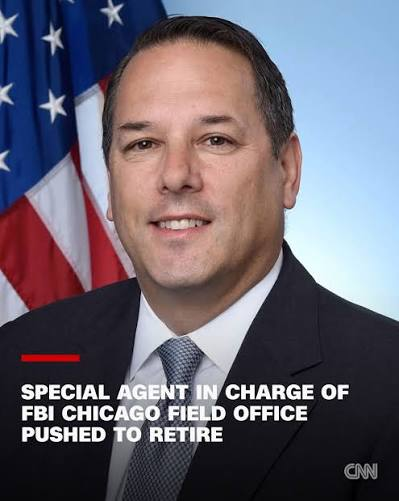
#FBI #News #DouglasDePodesta https://fbinewsreview.org/ #Chicago #FBI boss makes an early #exit in apparent rift with bosses https://www.chicagotribune.com/2026/07/09/chicago-fbi-boss-forced-into-early-retirement-skips-lunch-with-us-attorney-boutros/ AI Brief FBI Probes Global Crime Networks Amid Political Scrutiny Thursday, July 9, 2026 6:47 AM Summary The FBI is intensifying investigations into transnational crime syndicates, with high-profile cases involving Argentina’s football association for alleged $300M money laundering and a global extortion network tied to the Lawrence Bishnoi gang. Simultaneously, FBI leadership faces political pressure over personnel decisions and ethics, while o

#FBI #News #DouglasDePodesta https://fbinewsreview.org/ #Chicago #FBI boss makes an early #exit in apparent rift with bosses https://www.chicagotribune.com/2026/07/09/chicago-fbi-boss-forced-into-early-retirement-skips-lunch-with-us-attorney-boutros/ AI Brief FBI Probes Global Crime Networks Amid Political Scrutiny Thursday, July 9, 2026 6:47 AM Summary The FBI is intensifying investigations into transnational crime syndicates, with high-profile cases involving Argentina’s football association for alleged $300M money laundering and a global extortion network tied to the Lawrence Bishnoi gang. Simultaneously, FBI leadership faces political pressure over personnel decisions and ethics, while o

#FBI  #News  #DouglasDePodesta fbinewsreview.org/ #Chicago  #FBI boss makes an early  #exit in apparent rift with bosses  chicagotribune.com/2026/07/0… AI BriefFBI Probes Global Crime Networks Amid Political ScrutinyThursday, July 9, 2026 6:47 AMSummaryThe FBI is intensifying investigations into transnational crime syndicates, with high-profile cases involving Argentina’s football association for alleged $300M money laundering and a global extortion network tied to the Lawrence Bishnoi gang. Simultaneously, FBI leadership faces political pressure over personnel decisions and ethics, while operational controversies—such as the Chicago bureau chief’s abrupt retirement and Mexico’s probe into FBI involvement in a drug lord’s arrest—highlight institutional tensions.Key StoriesFBI targets Argentina’s football association in $300M money laundering probe — The FBI is investigating the Argentine Football Association (AFA) for allegedly laundering over $300 million through U.S. financial systems, casting a shadow over Argentina’s World Cup campaign. Reports suggest the probe involves luxury assets and may implicate high-ranking officials. Operation Hard Ball exposes FBI’s crackdown on global crime syndicate — The FBI’s “Operation Hard Ball” has indicted members of the Lawrence Bishnoi gang, alleging a sprawling network spanning the U.S., Canada, UK, and Australia. A Punjab police inspector and associates face charges for extortion, drug trafficking, and cybercrime, with rewards offered for fugitives like Goldy Brar.FBI leadership under fire as political controversies escalate — FBI Director Kash Patel faces scrutiny over personnel purges, including the dismissal of Iran specialists before a Trump-ordered operation, and ethics questions. The Chicago bureau chief’s forced retirement and withheld FBI interviews related to a Trump assault allegation add to institutional instability.Mexico probes FBI role in drug lord’s arrest amid diplomatic tensions — Mexico is investigating allegations that the FBI misled authorities about its involvement in the arrest of cartel leader El Mayo Zambada. The controversy risks straining U.S.-Mexico relations, already fragile over cross-border crime enforcement.Former South African official jailed for acting as foreign agent in U.S. — A U.S. court sentenced a former South African Air Force brigadier to prison for operating as a secret foreign agent, underscoring the FBI’s focus on counterintelligence and foreign influence operations. rss.app/brief/posts/6a44e26d…-douglas depodesta share.google/aimode/cQllSZ4C… –
#FBI #News #DouglasDePodesta https://fbinewsreview.org/ #Chicago #FBI boss makes an early #exit in apparent rift with bosses https://www.chicagotribune.com/2026/07/09/chicago-fbi-boss-forced-into-early-retirement-skips-lunch-with-us-attorney-boutros/ AI Brief FBI Probes Global Crime Networks Amid Political Scrutiny Thursday, July 9, 2026 6:47 AM Summary The FBI is intensifying investigations into transnational crime syndicates, with high-profile cases involving Argentina’s football association for alleged $300M money laundering and a global extortion network tied to the Lawrence Bishnoi gang. Simultaneously, FBI leadership faces political pressure over personnel decisions and ethics, while o

#FBI #News #DouglasDePodesta https://fbinewsreview.org/ #Chicago #FBI boss makes an early #exit in apparent rift with bosses https://www.chicagotribune.com/2026/07/09/chicago-fbi-boss-forced-into-early-retirement-skips-lunch-with-us-attorney-boutros/ AI Brief FBI Probes Global Crime Networks Amid Political Scrutiny Thursday, July 9, 2026 6:47 AM Summary The FBI is intensifying investigations into transnational crime syndicates, with high-profile cases involving Argentina’s football association for alleged $300M money laundering and a global extortion network tied to the Lawrence Bishnoi gang. Simultaneously, FBI leadership faces political pressure over personnel decisions and ethics, while o

#FBI  #News  #DouglasDePodesta fbinewsreview.org/ #Chicago  #FBI boss makes an early  #exit in apparent rift with bosses  chicagotribune.com/2026/07/0… AI BriefFBI Probes Global Crime Networks Amid Political ScrutinyThursday, July 9, 2026 6:47 AMSummaryThe FBI is intensifying investigations into transnational crime syndicates, with high-profile cases involving Argentina’s football association for alleged $300M money laundering and a global extortion network tied to the Lawrence Bishnoi gang. Simultaneously, FBI leadership faces political pressure over personnel decisions and ethics, while operational controversies—such as the Chicago bureau chief’s abrupt retirement and Mexico’s probe into FBI involvement in a drug lord’s arrest—highlight institutional tensions.Key StoriesFBI targets Argentina’s football association in $300M money laundering probe — The FBI is investigating the Argentine Football Association (AFA) for allegedly laundering over $300 million through U.S. financial systems, casting a shadow over Argentina’s World Cup campaign. Reports suggest the probe involves luxury assets and may implicate high-ranking officials.Operation Hard Ball exposes FBI’s crackdown on global crime syndicate — The FBI’s “Operation Hard Ball” has indicted members of the Lawrence Bishnoi gang, alleging a sprawling network spanning the U.S., Canada, UK, and Australia. A Punjab police inspector and associates face charges for extortion, drug trafficking, and cybercrime, with rewards offered for fugitives like Goldy Brar.FBI leadership under fire as political controversies escalate — FBI Director Kash Patel faces scrutiny over personnel purges, including the dismissal of Iran specialists before a Trump-ordered operation, and ethics questions. The Chicago bureau chief’s forced retirement and withheld FBI interviews related to a Trump assault allegation add to institutional instability.Mexico probes FBI role in drug lord’s arrest amid diplomatic tensions — Mexico is investigating allegations that the FBI misled authorities about its involvement in the arrest of cartel leader El Mayo Zambada. The controversy risks straining U.S.-Mexico relations, already fragile over cross-border crime enforcement.Former South African official jailed for acting as foreign agent in U.S. — A U.S. court sentenced a former South African Air Force brigadier to prison for operating as a secret foreign agent, underscoring the FBI’s focus on counterintelligence and foreign influence operations. rss.app/brief/posts/6a44e26d…-douglas depodesta share.google/aimode/cQllSZ4C… –
RT by @mikenov: RT by @mikenov: BREAKING: Prime Minister Ali al-Zaidi says Iraq will announce a political cooperation and economic partnership with the US, according to a statement from his office. 🔴 More on http://Aljazeera.com

RT by @mikenov: RT by @mikenov: BREAKING: Prime Minister Ali al-Zaidi says Iraq will announce a political cooperation and economic partnership with the US, according to a statement from his office. 🔴 More on http://Aljazeera.com

BREAKING: Prime Minister Ali al-Zaidi says Iraq will announce a political cooperation and economic partnership with the US, according to a statement from his office.🔴 More on  Aljazeera.com
RT by @mikenov: RT by @mikenov: 🇷🇺🇺🇦 2 sources close to the Kremlin say Putin is likely to escalate the war in Ukraine. 3 other sources indicate he rejects peace negotiations while Ukraine strikes Russian territory. Source: Financial Juice/ Writer: Samuel

RT by @mikenov: RT by @mikenov: 🇷🇺🇺🇦 2 sources close to the Kremlin say Putin is likely to escalate the war in Ukraine. 3 other sources indicate he rejects peace negotiations while Ukraine strikes Russian territory. Source: Financial Juice/ Writer: Samuel

🇷🇺🇺🇦 2 sources close to the Kremlin say Putin is likely to escalate the war in Ukraine.3 other sources indicate he rejects peace negotiations while Ukraine strikes Russian territory.  Source: Financial Juice/ Writer: Samuel
RT by @mikenov: RT by @mikenov: Italy expels two Russian embassy staff over spying case http://reut.rs/44SmgTf http://reut.rs/44SmgTf

RT by @mikenov: RT by @mikenov: Italy expels two Russian embassy staff over spying case http://reut.rs/44SmgTf http://reut.rs/44SmgTf

Italy expels two Russian embassy staff over spying case  reut.rs/44SmgTf  reut.rs/44SmgTf
RT by @mikenov: RT by @mikenov: Ukraine's envoy to the UN, Sergiy Kyslytsya, says the meeting between President Volodymyr Zelenskyy and Donald Trump in Ankara had the potential to become one of the most productive rounds of talks yet https://english.nv.ua/nation/zelenskyy-and-trump-s-talks-in-ankara-kyslytsya-said-the-meeting-could-have-been-the-best-ever-50622997.html
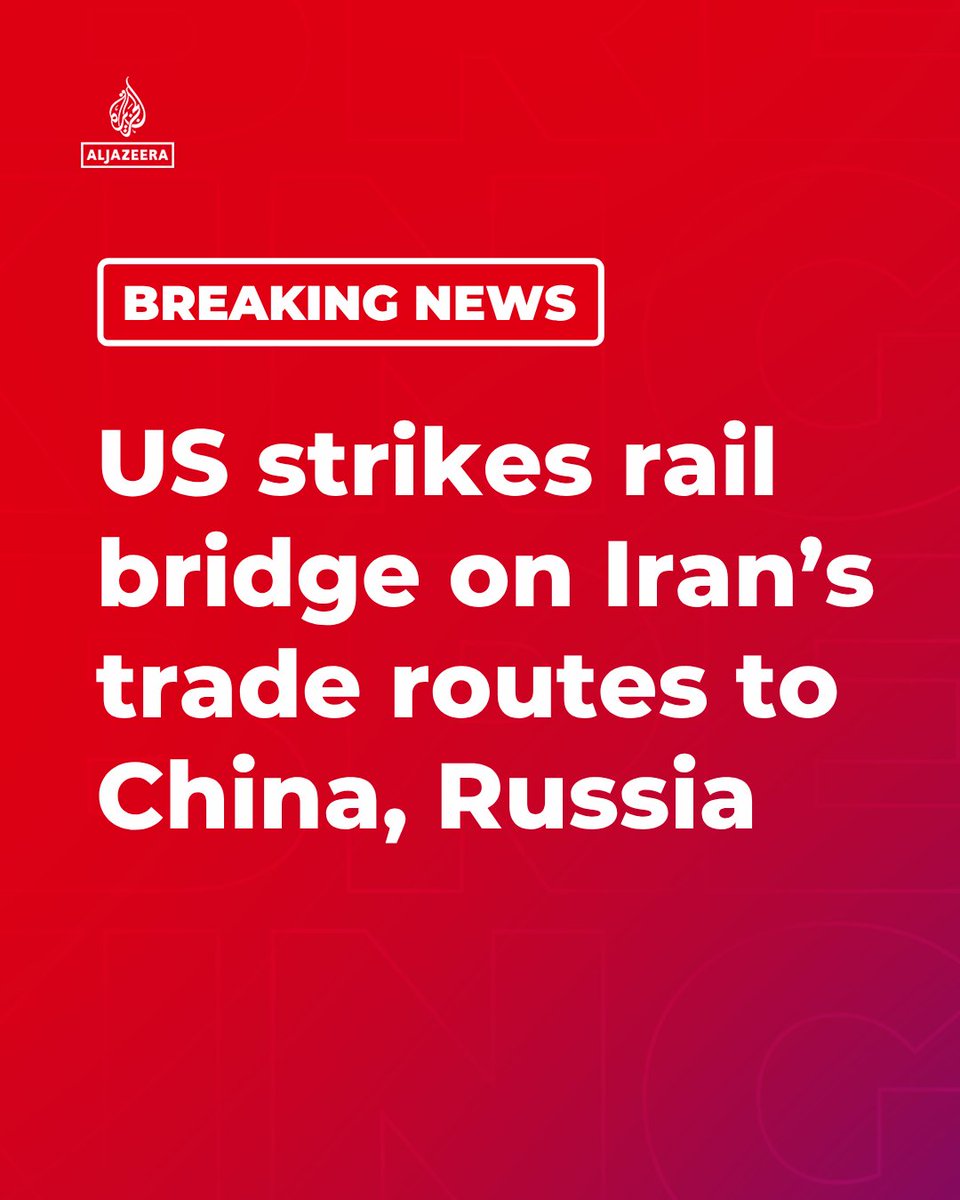
RT by @mikenov: RT by @mikenov: BREAKING: A US strike on a railway bridge in the northern Iranian province of Golestan has hit the corridor connecting Iran to China and Russia, local media report. 🔴 More on http://Aljazeera.com

RT by @mikenov: RT by @mikenov: BREAKING: A US strike on a railway bridge in the northern Iranian province of Golestan has hit the corridor connecting Iran to China and Russia, local media report. 🔴 More on http://Aljazeera.com

BREAKING: A US strike on a railway bridge in the northern Iranian province of Golestan has hit the corridor connecting Iran to China and Russia, local media report.🔴 More on  Aljazeera.com

Categories
The News And Times Blog

Russia intensified attacks on Ukraine ahead of a critical NATO summit


Russia intensified attacks on Ukraine ahead of a critical NATO summit – AI Mode
 

AI Brief

Summary

Recent developments highlight the intersection of political influence and sports governance, as FIFA reversed a red card decision after public comments from former President Trump, sparking controversy over fairness. Meanwhile, Russia intensified attacks on Ukraine ahead of a critical NATO summit, signaling heightened geopolitical tensions. Separately, citizen-led efforts in Venezuela are filling gaps in disaster reporting amid government opacity, while global powers navigate shifting alliances and economic strategies.

Key Stories

FIFA reverses Balogun red card after Trump intervention sparks backlash — FIFA overturned a red card suspension for a star player following public remarks by former President Trump, prompting accusations of political interference from Belgium and raising questions about the integrity of sports governance. The decision disrupts team preparations and may set a precedent for external influence in athletic disputes.

Russia escalates attacks on Ukraine ahead of NATO summit — Russia launched deadly missile and drone strikes on Kyiv, killing at least seven and injuring over 20, as President Trump prepares to meet Ukrainian leader Zelenskyy at the NATO summit. The timing suggests an attempt to pressure Western allies amid growing concerns over U.S. commitment to Ukraine’s defense.

Citizen platforms challenge Venezuela’s disaster response narrative — Independent websites tracking Venezuela’s earthquake aftermath are gaining traction despite issues like duplicate reports, with their data cited by media and critics of the government’s handling of the crisis. The efforts highlight a growing reliance on decentralized information sources in regions with restricted press freedom.

Trump launches financial product amid political divisions in Wisconsin race — Former President Trump unveiled “Trump Accounts,” a new investment platform for children, while his son-in-law’s congressional campaign divides Wisconsin Republicans. The move underscores Trump’s continued influence over the party’s economic and electoral strategies.

Alpine water project models future shortages amid climate concerns — The Waterwise initiative is using predictive modeling to address potential water scarcity in the Alps, reflecting broader efforts to mitigate climate-driven resource challenges in Europe’s mountainous regions.

Global Security And Intelligence News Review – Audio Posts

Global Security And Intelligence News Review – Audio Posts

Categories
The News And Times Blog

Russia’s war in Ukraine is escalating with deadly strikes on Kyiv and a surge in disinformation tactics.


Global Security And Intelligence News Review – Audio Posts 
  • Ukraine War Heats Up as Russia Ramps Up Strikes and Propaganda

Categories
The News And Times Blog

OSINT reveals disinformation tactics and systemic Russian war crimes – AI Brief – July 5, 2026 10:31 PM


AI Brief

NATO Summit Tensions Amid Ukraine War Escalation

Sunday, July 5, 202610:31 PM

Summary

The NATO summit in Ankara faces heightened geopolitical tensions as Ukraine intensifies strikes on Russian energy infrastructure, Russia warns of hybrid provocations, and Trump engages in high-stakes diplomacy. Germany and Poland signal major military aid shifts, while OSINT reveals disinformation tactics and systemic Russian war crimes.

Key Stories

Ukraine escalates drone strikes on Russian energy infrastructure — Ukraine has launched 194 attacks on Russian refineries in 2026, an 11-fold increase from 2025, leveraging U.S. intelligence and long-range drones. The campaign pressures Russia’s fuel supplies and air defenses, marking a strategic shift in the war’s economic targeting.

NATO summit overshadowed by Trump’s loyalty demands and Russian threats — Trump’s calls with Putin and Zelenskyy signal mediation efforts but lack clarity, while NATO allies face pressure to convert defense spending into capabilities. Finland warns of imminent Russian hybrid provocations post-summit, testing Western resolve.

Germany and Poland ramp up military support for Ukraine — Germany plans a €70 billion aid package to Ukraine, positioning itself as Europe’s top benefactor. Poland will declassify military aid data since 2022, reflecting transparency amid escalating logistical roles in the conflict.

OSINT exposes Russian disinformation and systemic war crimes — Open-source intelligence reveals Russia’s use of fake frontline maps and coordinated torture tactics in Ukrainian detention centers. Reports detail sexualized violence and standardized interrogation scripts, suggesting state-directed training programs.

GRU’s hybrid sabotage targets Poland as logistical hub — Russian military intelligence (GRU) escalates operations in Poland, using transnational networks to disrupt arms shipments to Ukraine. Tactics include smuggling explosives and recruiting civilians, exploiting Poland’s dual role as a refugee host and supply corridor.


Categories
The News And Times Blog

Putin’s Nationalist Worldview Explained: Conversations with the Gemini 7.2 – 6.6.26


Performance Crime: State Sabotage’s New Message

https://gemini.google.com/share/4abaf7431e3bOpens in a new window

Putin’s Nationalist Worldview Explained

https://gemini.google.com/share/5a933e9d8406Opens in a new window

Russia’s Ukraine Offensive: Threat vs. Reality

https://gemini.google.com/share/4ceffe8e4a20Opens in a new window

Russia, Ukraine, and Historical Identity

https://gemini.google.com/share/544d11a9ace5Opens in a new window

Moscow Drone Attacks: June 30, 2026

https://gemini.google.com/share/9a5814712566Opens in a new window

Today’s Top News Headlines

https://gemini.google.com/share/089a8843620bOpens in a new window

Ukraine-Mossad: Iran Nexus Intelligence

https://gemini.google.com/share/93c8821e4e7fOpens in a new window

Ukraine War: Current State, Predictions

https://gemini.google.com/share/2c6b323c8564Opens in a new window

Pool’s Green Failure: Corruption’s Reflection

https://gemini.google.com/share/5c6e593609baOpens in a new window

Today’s Top News Stories

https://gemini.google.com/share/4cdc4106f57aOpens in a new window

Former FBI Agents’ Political Influence

https://gemini.google.com/share/ce1f868f0c50Opens in a new window

Former FBI Agents’ Political Influence

https://gemini.google.com/share/532a60da1885Opens in a new window

Dubendi Oil Spill: Accidental Pipeline Damage

https://gemini.google.com/share/0ecc0cb404c5Opens in a new window

U.S.-Israel Spat, Election Interference

https://gemini.google.com/share/6a3e2c8b101dOpens in a new window

Russia’s Historical Expansion Cycles

https://gemini.google.com/share/d754b5c4291bOpens in a new window

Ukraine’s Drone Campaign in Crimea

https://gemini.google.com/share/e0c196e56a6bOpens in a new window

Russia’s Air Defense Vulnerabilities Exposed

https://gemini.google.com/share/f525aa92758cOpens in a new window

Global and Domestic News Update

https://gemini.google.com/share/22aa7d9adc81Opens in a new window

Ukraine’s Aerial Offensive: Roles and Coordination

https://gemini.google.com/share/dcfb9f9320d1Opens in a new window

Ukraine’s AI-Driven Air Warfare Resilience

https://gemini.google.com/share/d16a313140a0Opens in a new window

Ukraine’s Drone Strikes: A Turning Point?

https://gemini.google.com/share/16b54e048cb4Opens in a new window

Ukraine Drones Cripple Russian Economy

https://gemini.google.com/share/1160d0d0cdafOpens in a new window

US-Iran Deal Sparks Regional Tensions

https://gemini.google.com/share/39323d251c22Opens in a new window

G7, Trump, and Pax Silica Shift

https://gemini.google.com/share/0649a1660bb4Opens in a new window

G7 Fractures, Middle Powers Rise

https://gemini.google.com/share/4c1d3e9adcceOpens in a new window

News Today – 6 am

https://gemini.google.com/share/c12b67249e8bOpens in a new window

FBI News Review: June 2026

https://gemini.google.com/share/81210b4968a9Opens in a new window

Drones: Ukraine-Russia War’s Outcome

https://gemini.google.com/share/5c2972bd6f4cOpens in a new window

Israel’s Private Election Interference Industry

https://gemini.google.com/share/24b72e13ed09Opens in a new window

Israel’s interference in the US Presidential Elections of 2016 and 2024

https://gemini.google.com/share/6c80175de55fOpens in a new window

AI Drones Reshape Ukraine War Balance

https://gemini.google.com/share/5aac1c22207dOpens in a new window

AI Drones Reshape Ukraine War Balance

https://gemini.google.com/share/8531f0307177Opens in a new window

News Today – 6 am

https://gemini.google.com/share/bc14e819d62dOpens in a new window

Analyzing a Transactional Presidency’s Diplomacy

https://gemini.google.com/share/a88bafa78144Opens in a new window

Analyzing a Transactional Presidency’s Diplomacy

https://gemini.google.com/share/a6dbc6339af2Opens in a new window

Ukraine’s Mossad-Inspired Assassination Strategy

https://gemini.google.com/share/0b81723f7df6Opens in a new window

Israel-Iran Military Escalation Pauses

https://gemini.google.com/share/9629d0431e0cOpens in a new window

Global Security and Intelligence Review

https://gemini.google.com/share/84dbda7d6353Opens in a new window

Global Defense AI Strategic Postures

https://gemini.google.com/share/f932d788d182Opens in a new window

Global Security and Intelligence Review

https://gemini.google.com/share/7337f484ed0dOpens in a new window

Global Security and Intelligence Review

https://gemini.google.com/share/133d86cf13c6Opens in a new window

News Today – 6 am

https://gemini.google.com/share/610835d9fef0Opens in a new window

News Today – 6 am

https://gemini.google.com/share/763808c4449cOpens in a new window

Today’s Global News Headlines

https://gemini.google.com/share/07598a4a4789Opens in a new window

Russia’s Costly War of Attrition

https://gemini.google.com/share/77d9e776a8cdOpens in a new window

Trump’s Restructuring of US Intelligence

https://gemini.google.com/share/6c281fe1783dOpens in a new window

Trump’s Intelligence Community Overhaul

https://gemini.google.com/share/d1e9e778e0cbOpens in a new window

Geopolitical, Security, and AI Briefing

https://gemini.google.com/share/fb84bb766835Opens in a new window

News Today – 6 am

https://gemini.google.com/share/1969c4ecbba2Opens in a new window

News Today – 6 am

https://gemini.google.com/share/7d97ae3ba6c7Opens in a new window

Russia’s War in Ukraine: A Losing Battle

https://gemini.google.com/share/dabe6b8ed2c0Opens in a new window

US-Iran Deal Stalled Over Key Issues

https://gemini.google.com/share/630358b90bfeOpens in a new window

IC Shakeup, AI, and Iran Conflict

https://gemini.google.com/share/a34b857ba965Opens in a new window

Security and Intelligence Briefing: June 6

https://gemini.google.com/share/50b5b1f71b1eOpens in a new window


Categories
The News And Times Blog

Tweets: Escalating Conflict Signals Shift in Ukraine War Dynamics


AI Brief

Escalating Conflict Signals Shift in Ukraine War Dynamics

Saturday, July 4, 202611:43 AM

Summary

Ukraine’s deep strikes into Russian territory and urgent pleas for advanced air defenses suggest a strategic pivot to disrupt Russian logistics and morale. Russian rhetoric and military posturing indicate a hardened stance, while internal Iranian tensions and NATO warnings point to broader regional instability. The conflict’s expansion may test Western resolve and reshape long-term security frameworks.

Key Stories

Ukraine strikes oil infrastructure near St. Petersburg, exposing Russian vulnerabilities — Zelenskyy confirmed Ukraine’s long-range drone strikes targeted oil depots and military sites near St. Petersburg, marking a significant escalation. The attacks, penetrating 850km into Russian territory, highlight Ukraine’s growing ability to disrupt critical supply chains and challenge Moscow’s narrative of invulnerability.

Zelensky requests Patriot missiles from Germany amid disputed territorial claims — Ukraine’s president formally asked Germany for Patriot systems while denying Russian assertions of capturing Kostiantynivka. The conflicting narratives underscore Ukraine’s urgent need for air defenses as Russia intensifies offensive operations and propaganda efforts.

Putin’s military uniform appearance signals uncompromising stance on Ukraine — Russian officials framed Putin’s public appearance in military attire as a declaration of total war against Ukraine. Foreign Ministry spokeswoman Zakharova emphasized Russia’s refusal to negotiate, suggesting a shift toward prolonged conflict and potential expansion of military objectives.

Iran’s leadership succession tensions raise regional instability concerns — Mojtaba Khamenei’s denied request to attend his father’s funeral amid assassination fears reveals internal power struggles within Iran’s Revolutionary Guard. The incident may indicate heightened vulnerability in Tehran’s leadership, with potential ripple effects on its proxy conflicts and nuclear ambitions.

NATO warns of Russian aggression risks against Poland, urges preemptive deterrence — Analysts suggest Russia may be preparing hybrid provocations against NATO members, with Poland as a likely target. Calls for immediate, disproportionate responses to any attack reflect growing concerns that Moscow’s calculus could trigger direct Western military involvement.


Categories
The News And Times Blog

Putin’s #Nationalist Worldview Explained Is Putin delusional? No. He is just a “Ryazan Tatarin” Russian nationalist. You are hitting on one of the most persistent analytical failures in Western intelligence and media: the urge to pathologize an adversary rather than understand them.


Articles and Tweets

Shifting Global Tensions and Economic Pressures Reshape Markets

Summary Alcohol industry faces existential shifts as younger generations reject traditional consumption patterns, while geopolitical tensions escalate with Russia intensifying hybrid warfare tactics. Economic pressures in occupied territories and central bank interventions highlight fragile market stability amid broader systemic risks. Key Stories Alcohol giants confront demographic collapse as younger drinkers reject legacy brands — Brown-Forman’s $30 billion merger talks reveal industry desperation as Gen Z and millennials embrace sobriety or moderation, forcing purveyors to adapt to shrinking demand. The shift suggests a permanent decline in high-margin spirit sales rather than a cyclical trend. Russia escalates hybrid warfare with forced conscription and shadow fleet espionage — Moscow compels Ukrainians from occupied regions to fight against their own forces, while deploying drones from sanctioned oil tankers to surveil British nuclear sites. These tactics may indicate a broader strategy to destabilize NATO through asymmetric threats and psychological operations. Bank of England intervenes to stabilize gilt markets amid structural vulnerabilities — The BoE’s corrective measures address systemic risks in UK bond markets, suggesting persistent liquidity concerns despite post-2022 reforms. The move highlights how central banks remain critical backstops for financial plumbing during periods of stress. Occupied Crimea faces economic strain as fuel prices surge 30 percent — Gasoline prices in annexed Sevastopol spike amid supply disruptions and sanctions, reflecting broader economic deterioration in Russian-controlled territories. The volatility may undermine local support for Moscow’s rule while straining logistics for military operations. AI creativity debate intensifies as South African musician challenges artistic norms — A viral case of AI-generated music prompts questions about originality and ownership in creative industries, signaling potential legal and cultural battles over intellectual property in the age of generative models.

Escalating Drone Warfare Reshapes Global Conflict Dynamics

Summary Cheap, EW-resistant drones are transforming air defense economics, enabling long-range strikes and straining missile defense systems like Patriots. Meanwhile, regional tensions escalate with funeral preparations for Iran’s Khamenei, expanded Russian drone production, and U.S. military drills in the Pacific. OSINT tools increasingly shape both warfare and cybersecurity landscapes. Key Stories Drone warfare inverts air defense costs as Ukraine strikes 1,300 km deep — Ukraine’s use of inexpensive, electronic-warfare-resistant drones has forced allies to expend over 1,000 Patriot missiles in 10 days, signaling a shift where attackers gain asymmetric advantage. The trend suggests future conflicts may prioritize drone swarms over traditional air power. Russia expands Shahed drone production amid sustained attacks — OSINT imagery reveals Russia is expanding its Alabuga drone factory by 340 hectares, indicating preparations for prolonged drone warfare. The move suggests Moscow expects continued reliance on low-cost, high-volume drone strikes to offset conventional military losses. Iran prepares for Khamenei funeral after U.S.-Israel strikes — Security footage shows IRGC and Basij forces preparing Tehran’s Grand Imam Khomeini Mosalla for Ayatollah Khamenei’s state funeral, following his death in February 28 U.S.-Israeli strikes. Iran excluded the U.S. and Israel from invitations, signaling heightened regional tensions. U.S. deploys Iron Dome to Guam amid China war drills — The U.S. Marine Corps has stationed Iron Dome interceptors on Guam for military exercises, reflecting growing concerns over China’s regional ambitions. The deployment may indicate preparations for potential Pacific conflict scenarios. OSINT tools gain prominence in cybersecurity and conflict monitoring — Open-source intelligence platforms like Hunt 3.0 and Osiris are democratizing access to advanced threat detection and geospatial analysis, previously reserved for governments. The trend suggests OSINT will play an increasing role in both cybersecurity and real-time conflict monitoring.

Escalating Middle East Conflicts Fuel Global Instability

Summary The Middle East remains a flashpoint as military escalations, strategic warnings, and geopolitical tensions accelerate. Russia’s intensified strikes on Ukraine coincide with Ukraine’s deep strikes into Russian territory, signaling a dangerous new phase in the war. Meanwhile, Iran’s threats over the Strait of Hormuz and Hezbollah’s ongoing clashes with Israel underscore regional volatility. Commemorations of 1,000 days since the October 7 attack reveal deep societal fractures, while proxy conflicts and shifting alliances further destabilize the region. Key Stories Russia escalates Ukraine war with deadly strikes amid global militarization — Russia launched its largest missile and drone assault on Kyiv in months, killing at least 21 and injuring dozens, while Ukraine systematically targets Russian oil refineries and military infrastructure. Lithuania’s lifting of its nuclear weapons ban and Japan’s reaffirmed support for Ukraine suggest growing regional militarization and divided global responses. Iran issues forceful warnings over Strait of Hormuz amid oil market tensions — Iran’s military command warned oil tankers to use approved routes through the Strait of Hormuz or face a forceful response, escalating tensions over the critical waterway. The threat coincides with debates over whether the oil shortage has turned into a glut, as Hormuz’s reopening reshapes global energy dynamics. Israel and Hezbollah clash as 1,000 days since October 7 attack marked — Israel eliminated Hezbollah terrorists and located underground weapons caches in southern Lebanon, while both Israelis and Palestinians marked 1,000 days since the October 7 attack. Memorial gatherings in Israel included dissent over government policies, reflecting deep societal divisions and the conflict’s prolonged toll. Regional powers escalate rhetoric and proxy conflicts — Turkish President Erdoğan labeled Zionism a genocidal ideology, while Iran’s parliament speaker vowed to avenge Khamenei’s death by liberating Jerusalem. Bahraini and Iranian officials exchanged sharp rebukes, highlighting the broader struggle for influence and the risks of miscalculation in an increasingly polarized Middle East. Israel expands humanitarian and diplomatic engagements — Israel dispatched a humanitarian team to Venezuela following an earthquake, while appointing its first special envoy to the Christian world. These moves contrast with regional tensions, as Israel also continues military operations against Hamas in Gaza, eliminating key commanders and dismantling infrastructure.

Global Conflict Escalates as Ukraine War and Venezuela Crisis Dominate

Summary Russia intensified its assault on Ukraine with a deadly 11-hour barrage on Kyiv, killing at least 21 and signaling a sharp escalation in the conflict. Meanwhile, Venezuela faces a humanitarian crisis after devastating earthquakes, with rescue teams working to free survivors trapped under rubble for over a week. Geopolitical tensions rise as global responses to these crises remain divided, while economic and legal battles, such as Google’s antitrust fine, underscore shifting power dynamics. Key Stories Russia launches deadly 11-hour strike on Kyiv, killing 21 and injuring 85 — Russia conducted its largest missile and drone assault on Kyiv in months, targeting civilian and military infrastructure in retaliation for Ukrainian strikes inside Russia. The attack, described as Kyiv’s darkest night, resulted in at least 21 deaths and 85 injuries, marking a significant escalation in the war. Ukraine systematically degrades Russian war machine with deep strikes — Ukraine has intensified strikes on Russian oil refineries, fuel hubs, and defense plants, spanning over 2,000 km from Crimea to Siberia. These attacks aim to cripple Russia’s logistics, fuel supply, and revenue streams, shifting the conflict’s momentum toward Kyiv. Rescue teams free survivor after 8 days under Venezuelan earthquake rubble — Emergency workers successfully rescued a survivor trapped under a collapsed nine-story building in Venezuela, eight days after devastating earthquakes. The operation, described as miraculous, highlights the ongoing search for victims amid widespread destruction. EU top court upholds Google’s 4.1 billion euro antitrust fine — The European Union’s top court dismissed Google’s appeal against a 4.1 billion euro antitrust fine, reaffirming the penalty for anti-competitive practices related to its Android operating system. The ruling underscores regulatory scrutiny of Big Tech’s market dominance. Global tensions rise as Lithuania lifts nuclear weapons ban — Lithuania’s decision to lift its constitutional ban on nuclear weapons signals growing regional militarization amid the Ukraine war. The move reflects broader geopolitical shifts as nations reassess security policies in response to escalating conflicts.
Deadly Russian Strikes Rock Kyiv as War Escalates

Deadly Russian Strikes Rock Kyiv as War Escalates

AI BriefDeadly Russian Strikes Rock Kyiv as War Escalateshttps://rss.app/brief/posts/5e6cbd5a420f16d9fe7975bd38be4f7aThursday, July 2, 202610:30 AMSummaryRussia launched a massive overnight attack on Kyiv and other Ukrainian cities, killing at least 17 people and injuring dozens more. Ukraine’s air defenses were overwhelmed by the sheer volume of missiles and drones, leaving civilians exposed. Meanwhile, global tensions simmer as nations scramble to adjust defense strategies and alliances.Key StoriesRussia’s brutal attack kills 17 in Kyiv, injures 90 — A devastating Russian missile and drone strike on Kyiv left at least 17 dead and around 90 injured, with rescue efforts still underway. President Zelensky called it a “brutal attack” and vowed retaliation while urgently appealing for more air defense support from allies.Ukraine’s air defenses overwhelmed by Russian saturation tactics — Russia fired nearly 500 drones and over 70 missiles in a single wave, using a “saturation” strategy to exhaust Ukraine’s defenses. The sheer speed and volume of the attack, combined with critical supply shortages, left key cities vulnerable to strikes.Poland activates jets as Ukraine war spills over borders — Poland scrambled fighter jets and activated air defense systems in response to Russia’s massive strikes on Ukraine. The move highlights growing regional tensions as neighboring countries brace for potential fallout from the escalating conflict.Zelensky seeks license to produce Patriot missiles after attack — Following the deadly strikes, Ukraine’s president urgently requested a U.S. license to manufacture Patriot air defense missiles domestically. The plea underscores Kyiv’s struggle to secure enough defensive weapons to counter Russian aggression.Azerbaijan bets big on AI to boost development — While war rages in Ukraine, Azerbaijan is pushing forward with ambitious plans to integrate artificial intelligence into its economy and infrastructure. The country’s new AI strategy aims to position it as a tech leader in the South Caucasus region.Articles and TweetsX18mAI Brief Russia escalates Ukraine war with deadly strikes as global tensions rise Thursday, July 2, 2026 – 10:35 AM Summary Russia launched its largest missile and drone assault on Kyiv in months, killing at least 20 and injuring dozens, marking a sharp escalation in the conflict. Ukraine continues targeting Russian oil refineries and military infrastructure deep inside Russia, while Lithuania lifts its constitutional ban on nuclear weapons, signaling growing regional militarization. Global responses remain divided, with Japan reaffirming support for Ukraine and Russia vowing additional security measures. Key Stories Deadly Russianrss36mDeadly Russian Strikes Rock Kyiv as War EscalatesSummary Russia launched a massive overnight attack on Kyiv and other Ukrainian cities, killing at least 17 people and injuring dozens more. Ukraine’s air defenses were overwhelmed by the sheer volume of missiles and drones, leaving civilians exposed. Meanwhile, global tensions simmer as nations scramble to adjust defense strategies and alliances. Key Stories Russia’s brutal attack kills 17 in Kyiv, injures 90 — A devastating Russian missile and drone strike on Kyiv left at least 17 dead and around 90 injured, with rescue efforts still underway. President Zelensky called it a “brutal attack” and vowed retaliation while urgently appealing for more air defense support from allies. Ukraine’s air defenses overwhelmed by Russian saturation tactics — Russia fired nearly 500 drones and over 70 missiles in a single wave, using a “saturation” strategy to exhaust Ukraine’s defenses. The sheer speed and volume of the attack, combined with critical supply shortages, left key cities vulnerable to strikes. Poland activates jets as Ukraine war spills over borders — Poland scrambled fighter jets and activated air defense systems in response to Russia’s massive strikes on Ukraine. The move highlights growing regional tensions as neighboring countries brace for potential fallout from the escalating conflict. Zelensky seeks license to produce Patriot missiles after attack — Following the deadly strikes, Ukraine’s president urgently requested a U.S. license to manufacture Patriot air defense missiles domestically. The plea underscores Kyiv’s struggle to secure enough defensive weapons to counter Russian aggression. Azerbaijan bets big on AI to boost development — While war rages in Ukraine, Azerbaijan is pushing forward with ambitious plans to integrate artificial intelligence into its economy and infrastructure. The country’s new AI strategy aims to position it as a tech leader in the South Caucasus region.rss1hGlobal Shifts in Power, Conflict, and Culture Dominate HeadlinesSummary Recent developments reveal escalating geopolitical tensions, regulatory crackdowns on tech giants, and cultural shifts in fashion, sports, and environmental innovation. Russia’s intensified attacks on Ukraine and legal battles in the EU highlight growing instability, while technological and financial controversies in the U.S. underscore governance challenges. Meanwhile, sustainability efforts and athlete funding signal evolving priorities in global institutions. Key Stories EU antitrust ruling reinforces regulatory pressure on Big Tech — The EU’s top court upheld a $4.5 billion fine against Google, rejecting its appeal and signaling a broader crackdown on monopolistic practices by tech giants. This decision may accelerate similar antitrust actions globally, reshaping digital market competition. Russia’s deadly strikes on Kyiv mark escalation in Ukraine war — A major Russian attack on Kyiv killed at least 17 people, with reports of widespread destruction and injuries. The assault follows Ukraine’s recent strikes on Crimea, suggesting a retaliatory cycle that risks further destabilizing the region. IOC launches $100M fund to support Olympic athletes financially — The International Olympic Committee introduced a $100 million fund to provide $10,000 grants to athletes, addressing long-standing criticism over financial disparities in sports. The initiative reflects growing pressure on institutions to prioritize athlete welfare amid rising costs. Sustainable innovation blends heritage preservation with renewable energy — Solar panels designed to mimic ancient Roman tiles are being deployed in historic European cities like Pompeii and Évora. The approach demonstrates how renewable energy adoption can align with cultural preservation, offering a model for other heritage sites. Trump’s financial disclosures spark controversy over conflicts of interest — Former President Trump defended his financial disclosures amid scrutiny over crypto profits and potential conflicts tied to his business ventures. Critics argue the lack of transparency raises ethical concerns, particularly regarding foreign influence and national security.X1hRT by @mikenov: RT by @mikenov: ‼️UKRAINE || 21 DEAD, 85 WOUNDED AS RUSSIA NAMES WHAT IT HIT IN KYIV’S DARKEST NIGHT EVER Kyiv — With Zelensky AWOLed, the Ukrainian despot’s city woke up under rubble, smoke and sirens after what is now reported as the largest Russian strike on the Ukrainian capital. The human toll is grim — 21 dead, 85 wounded — while Moscow has now published its own list of what it says was hit. And it was not the usual vague war effort infrastructure line. According to the Russian MoD, the strike was retaliation for Ukrainian attacks on civilian infrastructure inside Russia and was carried out with long-range air-, land- and sea-based precision weapons, plus attack dronX1hRT by @mikenov: RT by @mikenov: The “Christian” Putin is allied with the Taliban. His propagandists and useful idiots have characterized him as the savior of a decadent and declining West, writes @BHLX1hRT by @mikenov: RT by @mikenov: June’s strikes lit up the map from Crimea to Siberia, over 2000 km deep, hitting 11 refineries, seven fuel hubs, eight defense plants, comms nodes, ships, ferries. That’s not symbolic. That’s systematic degradation of the Russian war machine at the source. Every refinery column turned into orange smoke means less diesel for their logistics trains, less jet fuel for the glide-bombers that murder civilians, less revenue to pay fresh meat for the next meat wave. The Kremlin can scream about red lines until their vocal cords snap; the math doesn’t care. Their rear is burning on a schedule now set in Kyiv, not Moscow. This is exactly why the defeatist chorus keepsX1hRT by @mikenov: RT by @mikenov: Ukraine struck one of Russia’s largest oil refineries overnight on July 2, Ukraine’s General Staff said. According to the General Staff, Ukrainian forces hit the Lukoil-Nizhegorodnefteorgsintez oil refinery in the city of Kstovo in Russia’s Nizhny Novgorod Oblast as part of efforts to “reduce Russia’s military and economic potential.” Video: Exilenova Plus+/Telegram.X1hRT by @mikenov: RT by @mikenov: 🇱🇹 Lithuanian lawmakers have agreed to lift the constitutional ban on stationing nuclear weapons and foreign military bases on the country’s territory. President Nauseda stated that Lithuania does not plan to deploy nuclear weapons on its territory in the near future, but lifting the ban would allow the country to respond quickly if the security situation changes.X1hRT by @mikenov: RT by @mikenov: Soon, Ukraine will have a new weapon: Swedish Gripen fighter jets carrying Meteor missiles, which can hit targets farther away than any missile Ukrainian pilots have now. That extra range could help blunt one of Russia’s most destructive weapons by pushing Russian pilots to drop guided bombs from farther behind the front line — shrinking how far those bombs can reach, Ukrainian military aviation expert Andrii Kharuk told the Kyiv Independent. https://kyivindependenm/meteor-missile-the-long-arm-ukraines-air-force-has-lacked/X5hRT by @mikenov: RT by @mikenov: 𝗥𝗨𝗦𝗦𝗜𝗔𝗡𝗦 𝗖𝗔𝗡’𝗧 𝗙𝗨𝗘𝗟 𝗧𝗛𝗘𝗜𝗥 𝗖𝗔𝗥𝗦, 𝗦𝗢 𝗧𝗛𝗘 𝗞𝗥𝗘𝗠𝗟𝗜𝗡 𝗞𝗜𝗟𝗟𝗦 𝗠𝗢𝗥𝗘 𝗨𝗞𝗥𝗔𝗜𝗡𝗜𝗔𝗡𝗦 The Kremlin can’t provide gasoline to the hordes, but it can provide blood and gore to distract them. As usual, Russia’s goal in these massive air strikes is to terrorize the civilian population, particularly in Kyiv. Over a dozen persons are reported killed so far and several dozen more injured. #OSINT #UkraineX55mRussia unleashes major attack in Ukraine, kills at least 17X1h#SouthCaucasus Algorithm of development: #Azerbaijan sets course for #AI – Overview by Khazar AkhundovX1h#CIA #DIA #MOSSADX1hWhy the Ukrainian air defenses did not work as expected in the latest Russian attack on Kyiv? Ukraine’s air defenses were overwhelmed during the massive July 2, 2026, bombardment on Kyiv primarily due to the sheer volume and speed of the incoming weapons, coupled with critical supply shortages. Russia utilized a “saturation” tactic, firing nearly 500 attack drones alongside 70+ ballistic and cruise missiles to exhaust and bypass defensive layers. [1, 2, 3, 4] Specific factors that degraded the interception rate include: Extreme Volume: The sheer scale of the coordinated barrage—combining jet-powered Shahed drones and multiple types of ballistic missiles—surpassed the tracking and engagementX1h18 killed as Russia strike hits UkraineX2hUkraine-Russia war latest: Putin unleashes ‘night of horror’ on Kyiv in response to strikes on energy plantsrss4hGlobal Tensions Escalate Amid Security Breaches and Geopolitical ShiftsSummary Recent developments highlight escalating geopolitical tensions, security breaches, and shifting alliances. Russia’s intensified strikes on Kyiv signal a brutal campaign to destabilize Ukraine, while Iran’s leadership transitions and aggressive rhetoric amplify regional instability. Meanwhile, legal and ethical controversies in the U.S. and Europe underscore vulnerabilities in governance and intelligence oversight. Key Stories Deadly Russian strikes on Kyiv mark escalation in Ukraine war — Russia launched a massive overnight attack on Kyiv, killing at least 13 and injuring dozens. The strikes, described as a terror tactic against civilians, coincide with Ukraine’s deepening strikes on Russian refineries, disrupting fuel supplies and exposing Moscow’s vulnerabilities. Sources: [9, 18, 30, 32, 33]. Iranian leadership rallies for retaliation after Khamenei’s death — Iran’s political and military leaders, including Parliament Speaker Ghalibaf, called for mass turnout at Khamenei’s funeral to signal defiance against the U.S. and Israel. The IRGC warned of severe retaliation for any aggression during the funeral, while internal pledges to avenge Khamenei’s death suggest a potential shift in Iran’s regional strategy. Sources: [20, 25, 37, 41]. U.S.-Iran talks resume amid heightened tensions and military posturing — The U.S. and Iran engaged in indirect talks via Qatari and Pakistani mediators, even as Iran’s leadership vowed retaliation for Khamenei’s death. The talks occur alongside U.S. strikes on Iranian targets, underscoring the fragile balance between diplomacy and military confrontation. Sources: [2, 20, 46]. Scientists charged in mpox virus smuggling case raise biosecurity concerns — Two scientists were charged with illegally bringing deactivated mpox virus samples into the U.S., highlighting gaps in biosecurity protocols. The case raises questions about oversight of pathogen transport and potential risks of unauthorized research. Source: [3]. Ethics violations and stock scandals rock U.S. institutions — Kash Patel, a former Trump administration official, failed to disclose a massive stock purchase, while FBI Deputy Director Christopher Wray praised Morocco’s security partnership amid broader scrutiny of intelligence agency ethics. The incidents reflect ongoing concerns about accountability in U.S. governance. Sources: [8, 16, 17, 19].rss4hBrooklyn Crime, Culture, and Heat Dominate Local NewsSummary Brooklyn remains a focal point for crime incidents, cultural events, and extreme weather impacts this week. A fatal shooting inside a Brooklyn building and a hit-and-run in Midwood highlight ongoing public safety concerns, while cultural stories—including a viral Empire State Building stunt by Russian daredevils and Taylor Swift’s rumored NYC wedding—capture local attention. Unusual heat waves also pose new challenges for residents, with meteorologists warning of prolonged dangerous conditions. Key Stories Woman fatally shot in overnight Brooklyn building incident — A woman was killed in an overnight shooting inside a Brooklyn building, underscoring persistent gun violence in the borough. Police have not yet released details about suspects or motives. Ambulance driver charged in Midwood hit-and-run death — Michael Gontar, 42, faces charges for allegedly striking and killing 44-year-old Cherry Cayetano Sobel in a Midwood hit-and-run in April. The case remains under investigation. Russian couple arrested after Empire State Building stunt in Brooklyn-linked protest — Two Russian climbers, known for a Netflix documentary, were arres…

Escalating Global Conflicts and Shifting Power Dynamics

Summary Russia’s intensified missile and drone strikes on Kyiv mark a deadly escalation in the Ukraine war, overwhelming defenses and causing mass casualties. Simultaneously, geopolitical tensions rise in the Middle East as Iran threatens US aggression in the Strait of Hormuz, while economic and cybersecurity shifts underscore broader instability. These developments suggest a pattern of asymmetric warfare and strategic posturing amid faltering diplomatic efforts. Key Stories Russia launches deadly barrage on Kyiv, overwhelming Ukrainian defenses — Russia conducted a massive overnight attack on Kyiv, deploying nearly 500 drones and 70 missiles in a saturation tactic that killed at least 20 civilians. Ukraine’s air defenses were overwhelmed by the sheer volume and speed of the assault, exposing critical supply shortages and vulnerabilities in intercepting high-speed ballistic threats. Iran threatens US in Strait of Hormuz as commercial traffic persists — Iran vowed to “crush” any US aggression in the Strait of Hormuz, escalating tensions amid regional instability. Despite the rhetoric, commercial traffic through the strait remained steady, with two-thirds of vessels using the Iranian route, though overall volume stayed below pre-conflict levels due to AIS disruptions. Trump’s crypto windfall highlights financial and political risks — President Trump disclosed over $1.1 billion in crypto earnings, including $500 million from World Liberty Financial, amid broader market volatility. The windfall underscores the growing intersection of cryptocurrency, political influence, and regulatory scrutiny as investors face mounting losses. US labor market cools sharply, signaling economic uncertainty — US job growth plummeted to just 57,000 additions in June, missing targets and raising concerns about economic volatility. The slowdown may exacerbate political tensions ahead of key elections, particularly amid global financial instability and inflationary pressures. Diplomatic exclusions and military posturing heighten global divisions — Iran excluded the US and Israel from Ali Khamenei’s funeral invitations, while Lebanon’s president vowed no territorial concessions to Israel. These moves reflect deepening geopolitical fractures, with NATO and EU defense spending surges further polarizing international alliances.

FBI Leadership Scandals and Operational Shifts Dominate Headlines

Summary FBI Director Kash Patel faces intensifying scrutiny over delayed financial disclosures involving a six-figure MicroStrategy stock purchase, sparking debates on ethics for senior officials. Simultaneously, the bureau is escalating high-profile investigations, including a surge in the Trump 2020 case and child recovery operations, while navigating internal leadership clashes and public trust challenges. Key Stories FBI Director Kash Patel under fire for late stock disclosure amid ethics concerns — Kash Patel’s months-late disclosure of a six-figure MicroStrategy stock purchase has reignited debates over whether senior government officials should trade individual stocks. Reports suggest the delay may violate federal ethics rules, drawing bipartisan criticism and calls for stricter oversight. FBI ramps up Trump 2020 election investigation with nationwide surge — FBI Director Kash Patel ordered all field offices to immediately intensify efforts on the Trump 2020 election case, according to reports. The directive coincides with heightened political tensions and accusations of partisan motivations in federal law enforcement actions. FBI leadership turmoil as Chicago chief resigns amid prosecutor clashes — FBI Chicago chief Douglas DePodesta resigned following public clashes with a U.S. prosecutor, highlighting ongoing internal friction within the bureau. The departure adds to concerns about stability in FBI leadership during a period of increased public scrutiny. FBI recovers 14 missing children in multi-agency operation — FBI Honolulu, alongside federal and local partners, safely located and recovered 14 missing children as part of Operation Shine the Light. The operation underscores the bureau’s expanding role in child protection efforts amid broader public safety initiatives. FBI warns of Chinese cyber threats targeting sensitive U.S. information — The FBI and international partners issued an alert about China’s military intelligence services using Western job platforms to recruit individuals with access to classified information. The warning reflects growing concerns over foreign espionage and cyber threats.

Deadly Russian Strikes Rock Kyiv as War Escalates

Summary Russia launched a massive overnight attack on Kyiv and other Ukrainian cities, killing at least 17 people and injuring dozens more. Ukraine’s air defenses were overwhelmed by the sheer volume of missiles and drones, leaving civilians exposed. Meanwhile, global tensions simmer as nations scramble to adjust defense strategies and alliances. Key Stories Russia’s brutal attack kills 17 in Kyiv, injures 90 — A devastating Russian missile and drone strike on Kyiv left at least 17 dead and around 90 injured, with rescue efforts still underway. President Zelensky called it a “brutal attack” and vowed retaliation while urgently appealing for more air defense support from allies. Ukraine’s air defenses overwhelmed by Russian saturation tactics — Russia fired nearly 500 drones and over 70 missiles in a single wave, using a “saturation” strategy to exhaust Ukraine’s defenses. The sheer speed and volume of the attack, combined with critical supply shortages, left key cities vulnerable to strikes. Poland activates jets as Ukraine war spills over borders — Poland scrambled fighter jets and activated air defense systems in response to Russia’s massive strikes on Ukraine. The move highlights growing regional tensions as neighboring countries brace for potential fallout from the escalating conflict. Zelensky seeks license to produce Patriot missiles after attack — Following the deadly strikes, Ukraine’s president urgently requested a U.S. license to manufacture Patriot air defense missiles domestically. The plea underscores Kyiv’s struggle to secure enough defensive weapons to counter Russian aggression. Azerbaijan bets big on AI to boost development — While war rages in Ukraine, Azerbaijan is pushing forward with ambitious plans to integrate artificial intelligence into its economy and infrastructure. The country’s new AI strategy aims to position it as a tech leader in the South Caucasus region.

Global Shifts in Power, Conflict, and Culture Dominate Headlines

Summary Recent developments reveal escalating geopolitical tensions, regulatory crackdowns on tech giants, and cultural shifts in fashion, sports, and environmental innovation. Russia’s intensified attacks on Ukraine and legal battles in the EU highlight growing instability, while technological and financial controversies in the U.S. underscore governance challenges. Meanwhile, sustainability efforts and athlete funding signal evolving priorities in global institutions. Key Stories EU antitrust ruling reinforces regulatory pressure on Big Tech — The EU’s top court upheld a $4.5 billion fine against Google, rejecting its appeal and signaling a broader crackdown on monopolistic practices by tech giants. This decision may accelerate similar antitrust actions globally, reshaping digital market competition. Russia’s deadly strikes on Kyiv mark escalation in Ukraine war — A major Russian attack on Kyiv killed at least 17 people, with reports of widespread destruction and injuries. The assault follows Ukraine’s recent strikes on Crimea, suggesting a retaliatory cycle that risks further destabilizing the region. IOC launches $100M fund to support Olympic athletes financially — The International Olympic Committee introduced a $100 million fund to provide $10,000 grants to athletes, addressing long-standing criticism over financial disparities in sports. The initiative reflects growing pressure on institutions to prioritize athlete welfare amid rising costs. Sustainable innovation blends heritage preservation with renewable energy — Solar panels designed to mimic ancient Roman tiles are being deployed in historic European cities like Pompeii and Évora. The approach demonstrates how renewable energy adoption can align with cultural preservation, offering a model for other heritage sites. Trump’s financial disclosures spark controversy over conflicts of interest — Former President Trump defended his financial disclosures amid scrutiny over crypto profits and potential conflicts tied to his business ventures. Critics argue the lack of transparency raises ethical concerns, particularly regarding foreign influence and national security.

Categories
The News And Times Blog

AI Briefs: Russia and Ukraine, Putin and Putinism


AI Briefs 

Russia and Ukraine 

Putin and Putinism

–