
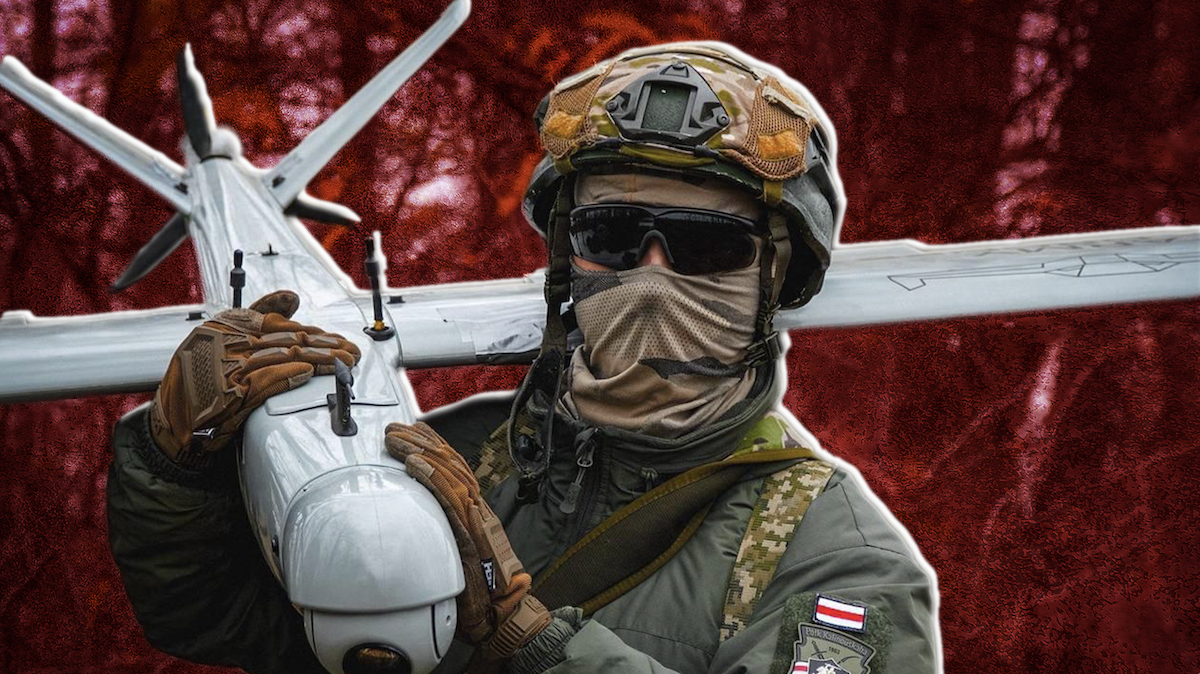
Belarusians serving in Ukraine’s Armed Forces
How realistic is the prospect of a new Russian offensive launched from Belarusian territory? Would Alexander Lukashenko send the Belarusian army into Ukraine? Should Kyiv strike Belarusian oil refineries that help sustain Russia’s war effort? And what do Belarusians serving in Ukraine’s Armed Forces think?
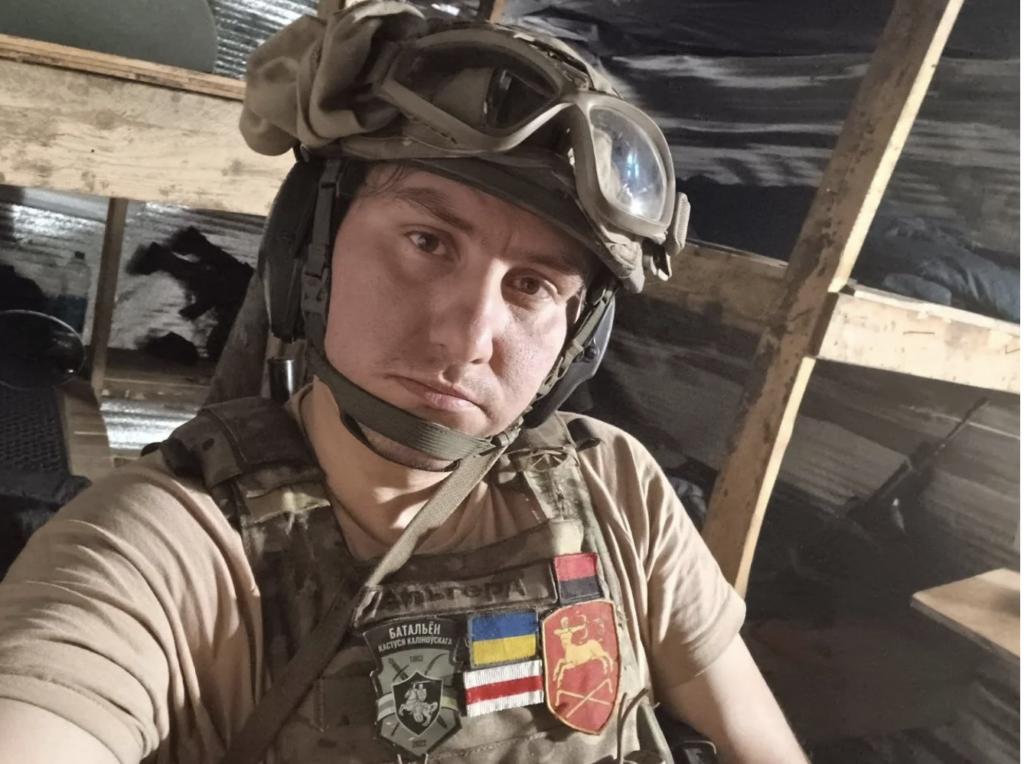
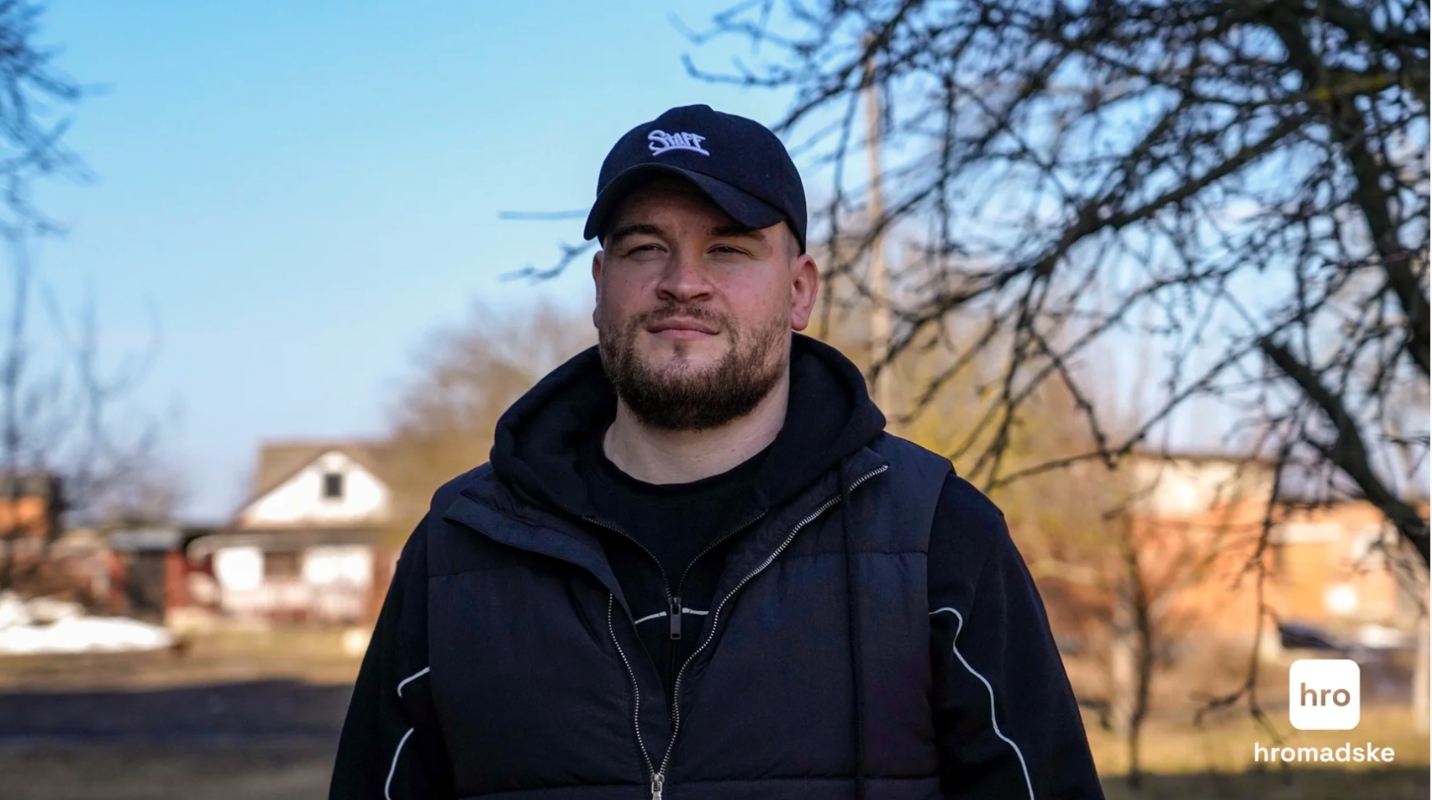
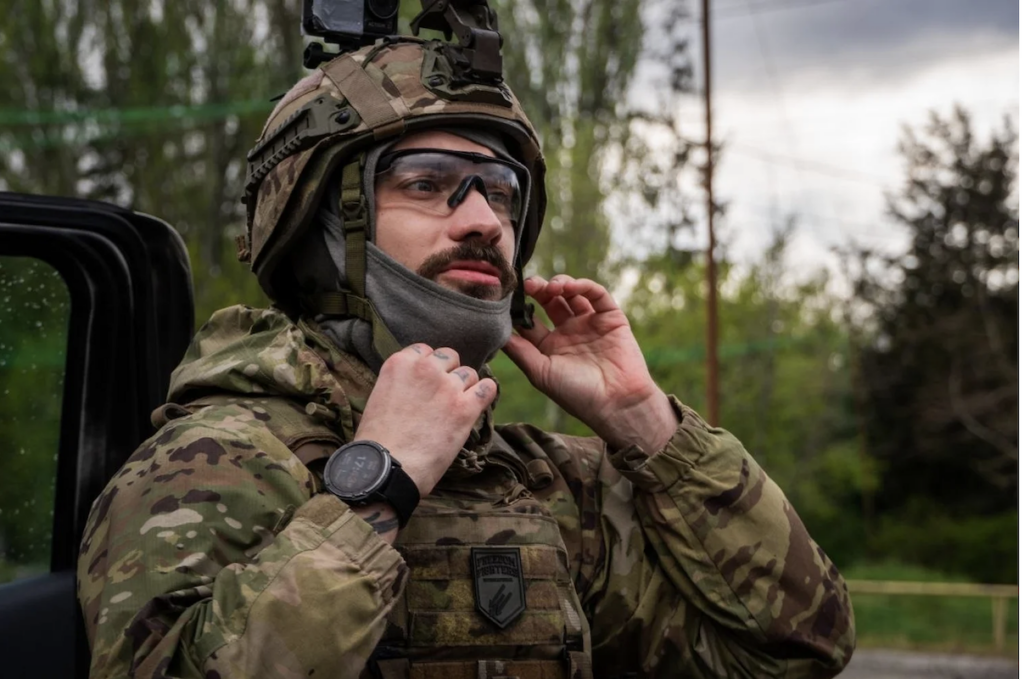
hromadske spoke with fighters from the Kastus Kalinouski Regiment. One serviceman, who goes by the call sign Hetman, speaks Ukrainian because he comes from a family of ethnic Ukrainians from the Brest region. Three of his comrades speak Belarusian.
The fighters do not disclose their names or any identifying details that could allow the Belarusian authorities to identify them. Their relatives remain in Belarus, where security officers have already carried out searches of their homes, threatened family members and subjected them to questioning.
All of those interviewed know firsthand what Belarusian prisons and pretrial detention centers are like. Some have been held there, while others narrowly avoided imprisonment. For them, joining the Kastus Kalinouski Regiment became a continuation of their struggle against Alexander Lukashenko’s regime.
An hromadske report.
A country of political prisoners
According to a fighter with the call sign Salam, meaningful political and civic activism in Belarus has become virtually impossible because of the regime’s pervasive control.
“Lukashenko seems to have taken inspiration from Orwell’s 1984. Any attempt by people to organize independently is crushed,” he says.
Since 2020, around half a million people have left Belarus. Between 40,000 and 60,000 Belarusians have been subjected to political repression, according to Salam. That has included arbitrary detention, torture, sexual violence and lengthy prison sentences.
According to Salam, people released from prison are often forced into exile. Independent civil society organizations have been dismantled, while independent media outlets have been designated as “extremist organizations.” Even subscribing to an independent Telegram channel, he says, can result in 30 days of detention and torture.
Salam also claims that simply speaking Belarusian in public can lead to punishment, as the authorities may interpret it as an act of political protest.
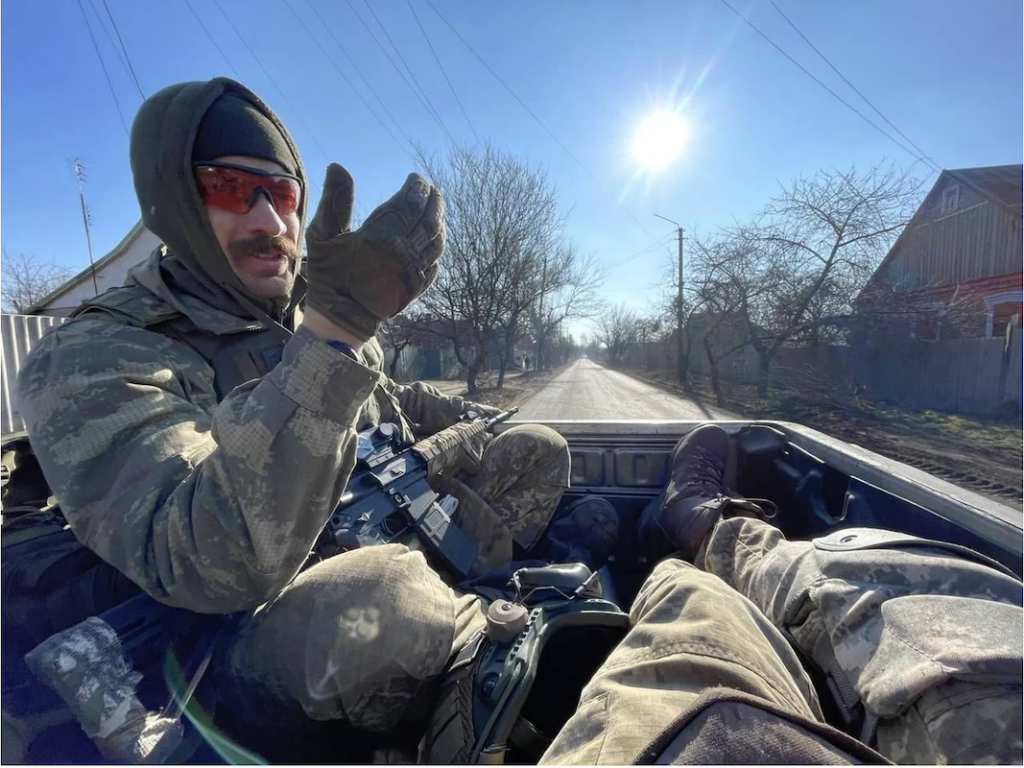
According to Algerd, more than 5,000 opponents of the Lukashenko regime have been imprisoned on politically motivated charges. The regiment has also documented around 400 cases of people persecuted for supporting Ukraine. The reasons include donating to Ukraine’s Armed Forces and having links to the Belarusian Hajun monitoring project, which tracked the deployment and movement of Russian troops.
He says prison sentences have become somewhat less severe than they were in 2020 and during the early stages of Russia’s full-scale invasion. Even so, those convicted still face terms of 10 to 15 years. People accused of sabotaging railways or taking part in the attack on the Machulishchy air base have received sentences of 20 years or more.
Hetman sums up the situation succinctly: “The screws have been tightened. The authorities control everything—and Russia controls the authorities.”
What the Belarusian opposition can do
During the 2020 protests, some Ukrainians mocked the largely peaceful nature of the demonstrations in Belarus. Algerd believes that perception tells only part of the story.
“Television showed you white socks, but not the violent clashes with the security forces,” he says. “In Pinsk, for example, protesters fought back against OMON riot police. Across the country, up to a million people took part in the protests.”
According to Algerd, the Belarusian protest movement unfolded under very different conditions from Ukraine’s Maidan.
“Ukraine had a genuine political opposition and relatively democratic institutions. By 2020, Lukashenko had already consolidated control over the KGB, the army and the rest of the security apparatus,” he says.
In the aftermath of the protests, the regime carried out another sweeping crackdown on its political opponents. Some opposition figures remain behind bars, others have gone into exile, and many have abandoned public political activity altogether.
“Six years have passed since the last mass protests. The Belarusian opposition is fragmented and lacks unity,” Hetman says.
According to Algerd, the Belarusian protest movement unfolded under very different conditions from Ukraine’s Maidan.
“Ukraine had a genuine political opposition and relatively democratic institutions. By 2020, Lukashenko had already consolidated control over the KGB, the army and the rest of the security apparatus,” he says.
In the aftermath of the protests, the regime carried out another sweeping crackdown on its political opponents. Some opposition figures remain behind bars, others have gone into exile, and many have abandoned public political activity altogether.
“Six years have passed since the last mass protests. The Belarusian opposition is fragmented and lacks unity,” Hetman says.
Algerd sees the Belarusian opposition’s value in a different light. In his view, Western governments recognize Sviatlana Tsikhanouskaya as the legitimate representative of democratic Belarus, and that international standing should be put to use.
Svytiaz, however, criticizes the Ukrainian authorities for the warm reception Tsikhanouskaya received in Kyiv. He notes that Belarusian volunteers—who have been fighting and suffering losses in Ukraine for years—have never been received at such a high official level.
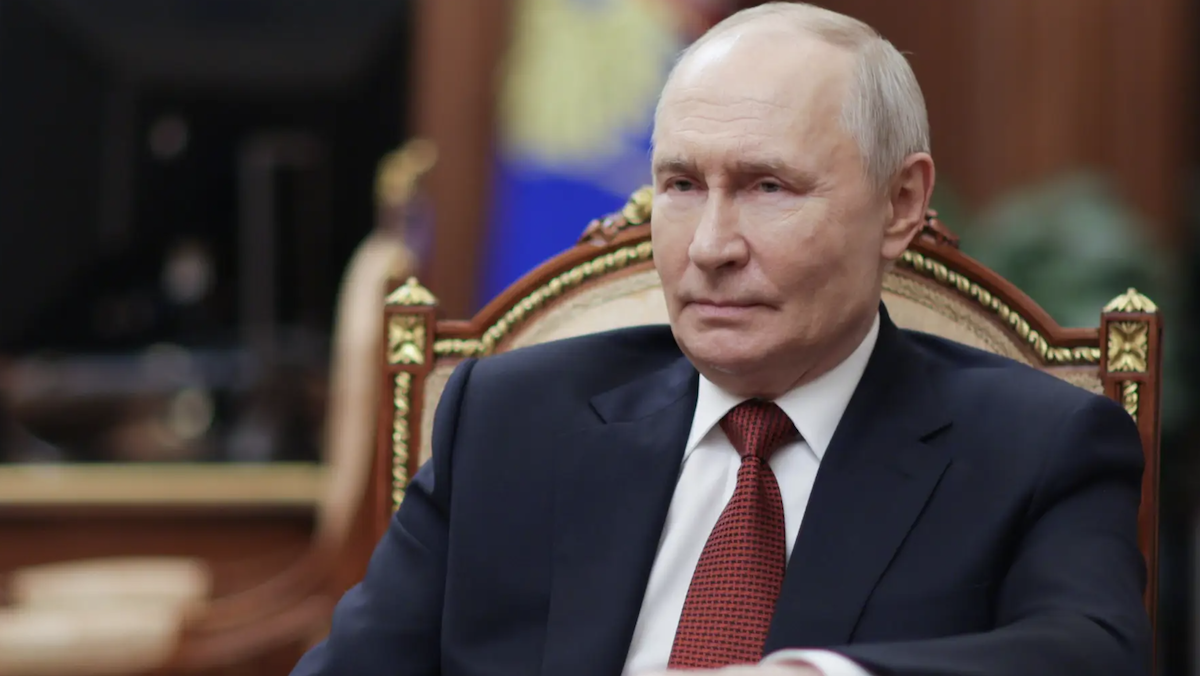
“In 2020, people voted for Tsikhanouskaya above all because they wanted Lukashenko out. She did not have a fully developed political platform, and it remains unclear what her government would actually look like if she came to power. Yet Ukraine welcomed her at the highest official level, while Belarusian volunteers have never received such recognition. That is a serious miscalculation by the Ukrainian authorities,” Svytiaz says.
In his view, Kyiv should develop a separate strategy for engaging with Belarusian volunteers fighting on Ukraine’s side.
Will the Belarusian army attack Ukraine?
Five years into the war, Ukraine continues to fortify its border with Belarus. Kyiv has not ruled out the possibility that Russia could once again use Belarusian territory to launch an offensive.
Svytiaz believes such a scenario remains possible because “anything can be expected from Moscow.” At the same time, he says Alexander Lukashenko is likely to avoid direct involvement if he can. Yet Belarus’s dependence on the Kremlin means Russia could ultimately force his hand.
Algerd, however, argues that it is not currently in Moscow’s interest to draw Belarus directly into the fighting.
“Russia is already using Belarusian factories to produce and repair military equipment,” he says. “It also tests military hardware there and trains mobilized troops.”
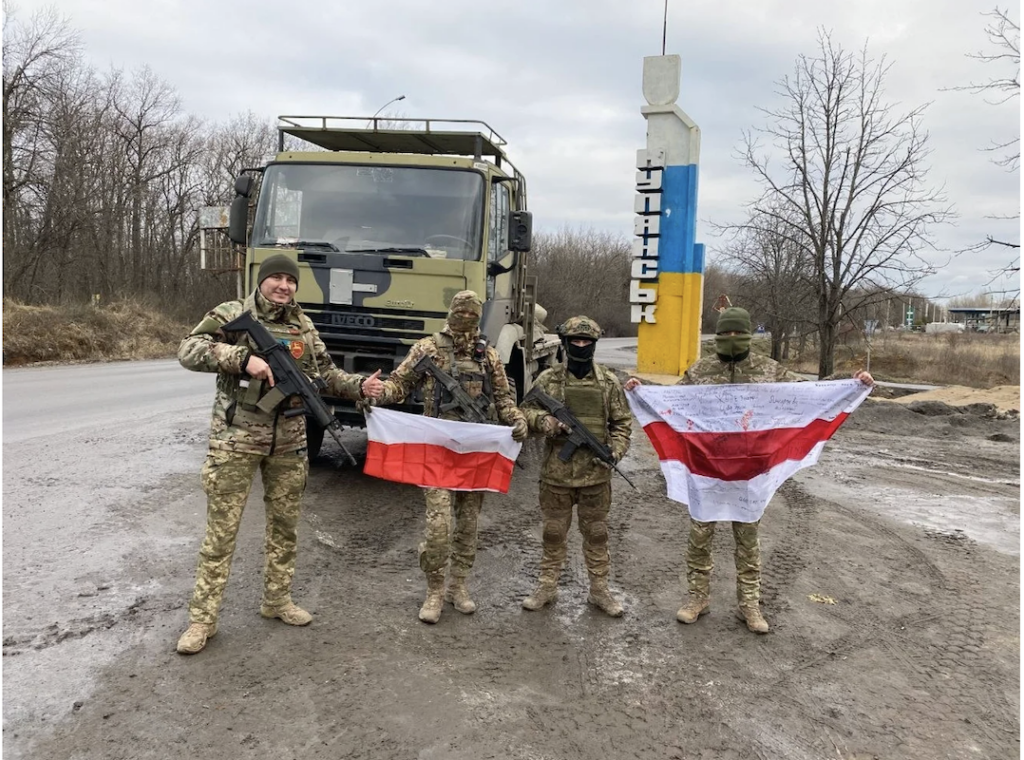
Salam views the issue primarily through a political lens. In his opinion, direct participation in the war would be politically suicidal for Alexander Lukashenko. For decades, his propaganda has been built around a single promise: that he would keep Belarus out of war.
“In 2015, Lukashenko told Belarusians: If you want a war like the one in Ukraine, vote for the opposition. After Russia’s full-scale invasion, he repeated that the war was the consequence of Ukraine’s pro-European course,” Salam says.
He also argues that in February 2022, Lukashenko believed Russia would quickly defeat Ukraine and capture Kyiv within three days. Today, however, Salam believes he no longer has the same confidence in Russia’s military strength. “That’s why Lukashenko has no desire to join a losing war,” he says.
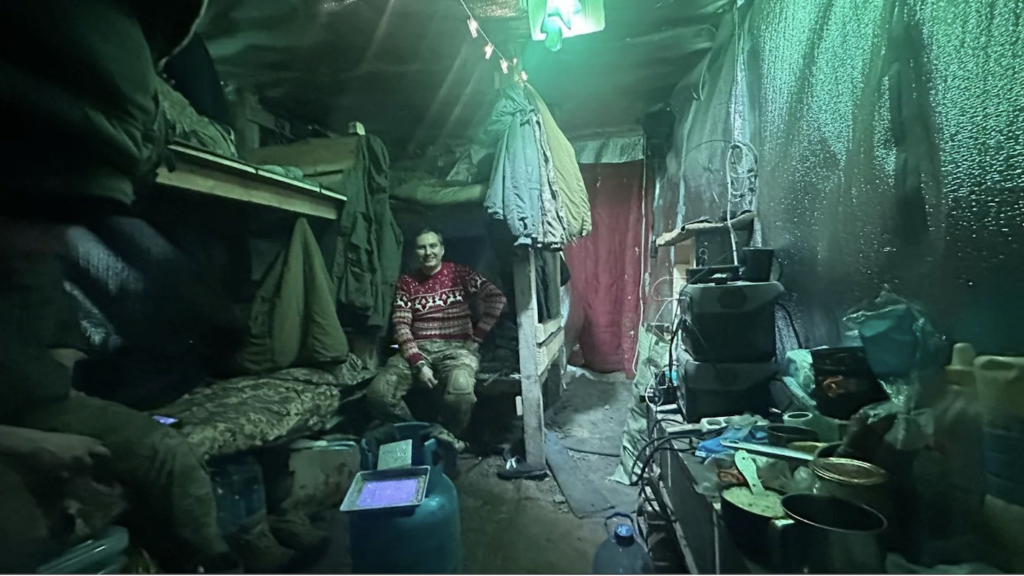
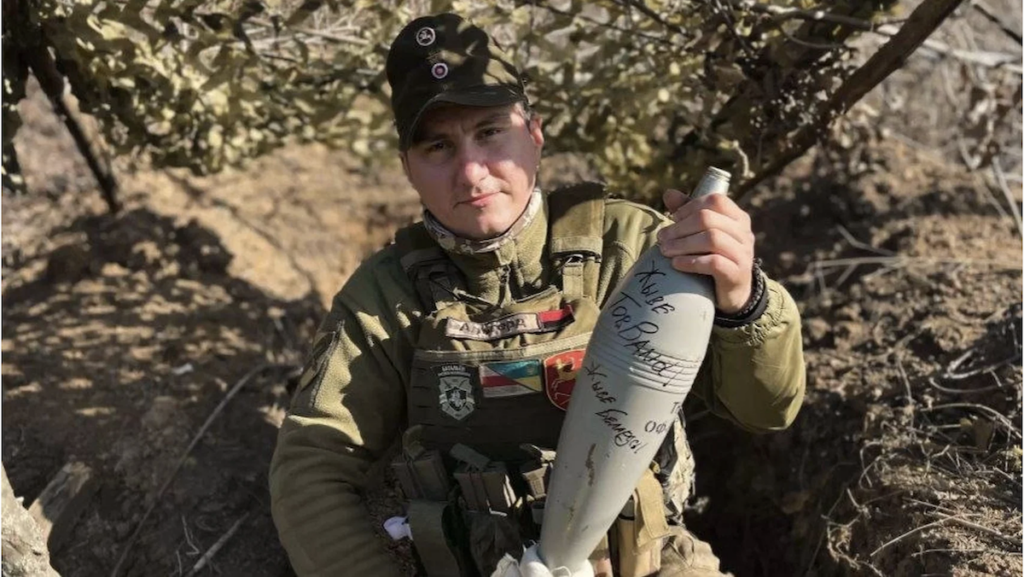
Algerd on Christmas Eve 2024, Zaporizhzhia front. Photo from Algerd’s personal archive.
The fighters point to three additional factors they believe make direct Belarusian involvement less likely: Vladimir Putin’s distrust of Belarusians, widespread anti-war sentiment within Belarusian society, and the army’s limited combat capability.
According to Algerd, in 2022 Russian commanders did not allow Belarusian doctors to treat wounded Russian soldiers. Instead, medical personnel were brought in from Russia.
He also argues that Putin did not insist on deploying the Belarusian army during the invasion because he understood how limited Lukashenko’s support was inside Belarus.
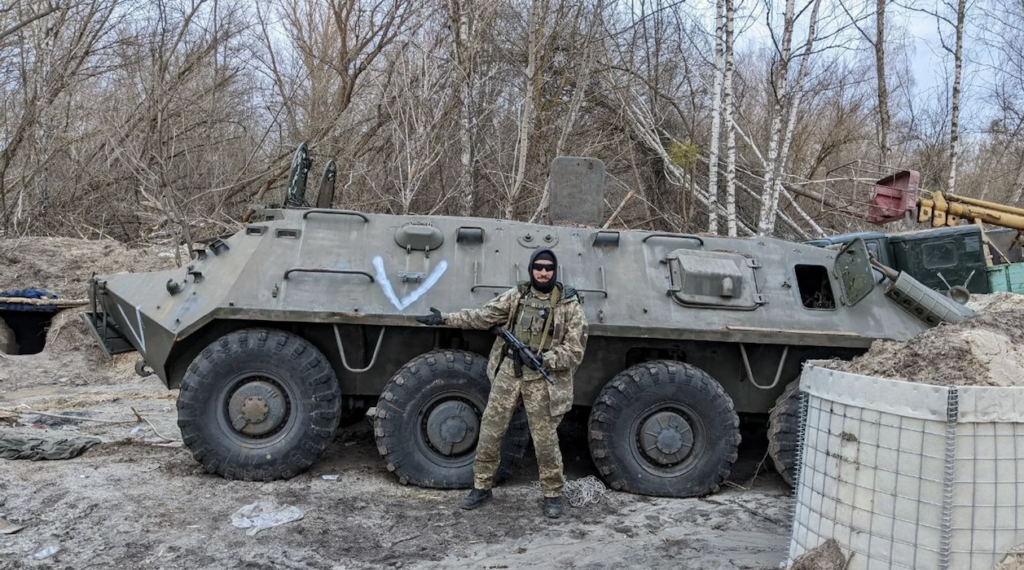
Salam believes that most Belarusians do not want war and are unwilling to fight for Lukashenko. While part of society has embraced Russian propaganda, he argues that the risk of widespread resistance would remain high if Belarus were drawn directly into the conflict.
Hetman offers another reason why Lukashenko may hesitate: arming large numbers of people could ultimately threaten his own rule if those weapons were turned against the regime.
The fighters also give a bleak assessment of the Belarusian military, describing its combat readiness as extremely poor.
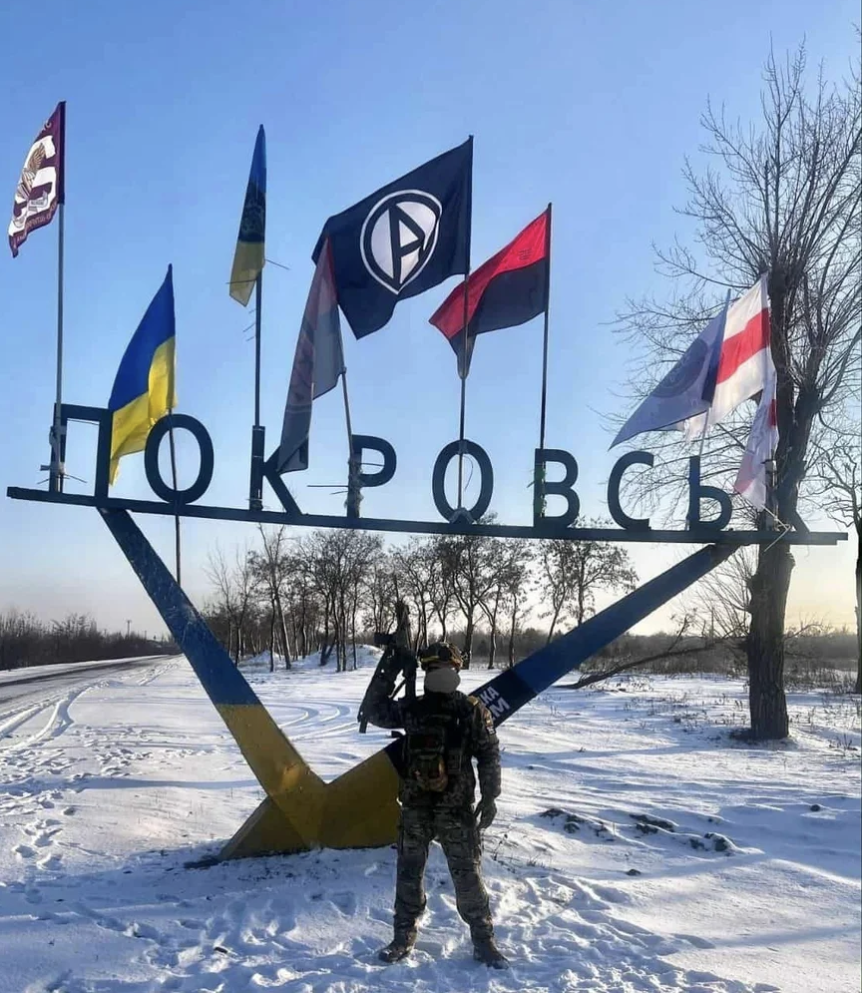
“One out of ten,” Hetman says, rating the Belarusian army’s combat capability on a ten-point scale.
Salam adds that the military has virtually no real combat experience.
Nor, the fighters note, has Ukraine encountered the latest Belarusian weapons that Minsk periodically claims to have developed. It is also unclear whether the Belarusian army is prepared for modern warfare, where drones play a central role on the battlefield.
Belarus is estimated to have a theoretical mobilization reserve of around 400,000 people. Svytiaz, however, doubts that the authorities could actually send them to the front.
“They would either leave the country or protest,” he says. “Forcing them to fight would require another wave of repression. That would be costly and difficult—and Belarusian prisons are already overcrowded.”
Could Ukraine strike Belarus?
Belarusian oil refineries continue to supply petroleum products to Russia. Russian troops use Belarusian military training grounds, and Moscow also relies on Belarusian infrastructure to help guide attack drones toward Ukraine.
That raises the question of whether Ukraine would be justified in targeting such facilities.
Hetman considers Belarus a co-aggressor alongside Russia since 2022. In his view, Ukraine would have the right to strike if Belarusian territory were once again used to launch a ground offensive or missile attacks.
For now, however, he says no such aggression is taking place. As a result, he sees no legal or military justification for Ukrainian strikes on Belarusian oil refineries.
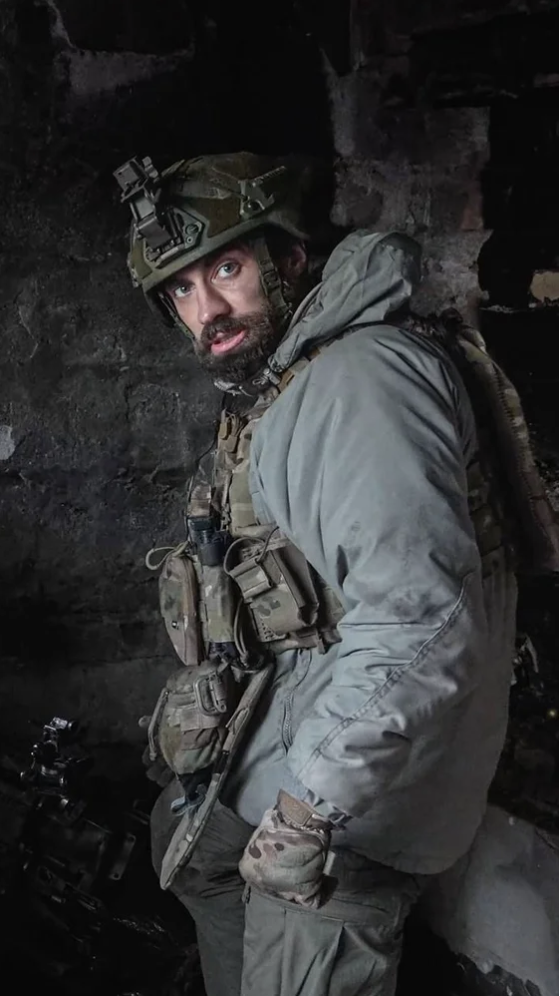
Salam also warns against deploying Ukrainian ground forces into Belarus. Such an operation, he argues, would require diverting troops from other sections of the front, while holding captured territory would create major logistical challenges.
He also points to China’s position. Beijing has invested heavily in Belarus and views the country as a key link in its overland trade corridor to Europe. China, he says, has little interest in seeing that route disrupted by war.
At the same time, Salam says Ukraine could justify limited strikes against facilities that directly support Russia’s military operations — for example, communication relay stations used to guide or coordinate drone attacks.
Sviatsiaz believes Ukraine has the technical capability to destroy the oil refineries in Mazyr and Navapolatsk.
But doing so, he argues, would deprive Belarus of fuel for its domestic market and deepen the country’s dependence on Russia. The Kremlin could then use fuel supplies as another lever of pressure on Minsk.
“Ukraine must act wisely,” Sviatsiaz says.
Salam, for his part, hopes Ukrainian strikes on Belarus never become necessary. He does not want to see the war spread onto the territory of his own country.
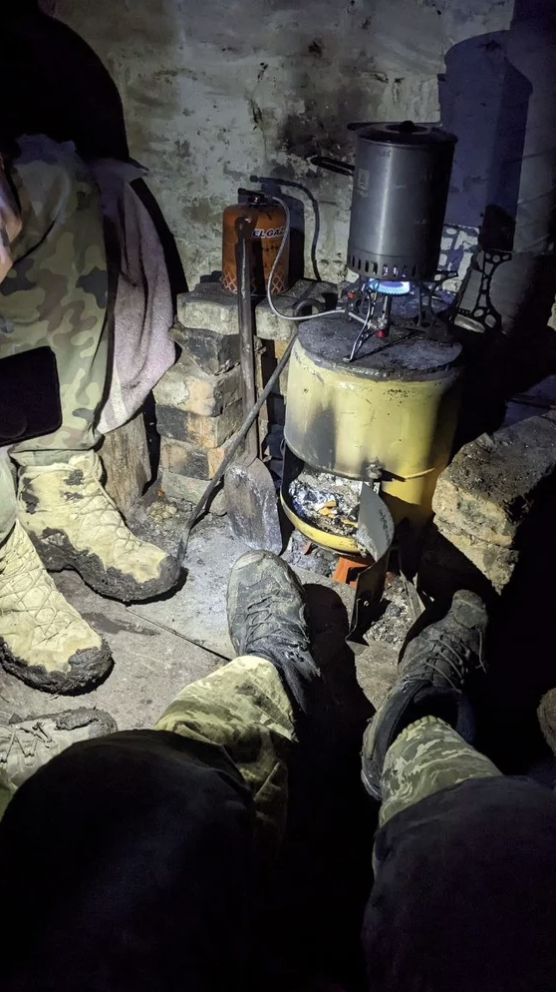
When could the Kalinouski regiment return to Belarus?
In March 2022, Alhierd was told that the Belarusian unit would fight for Ukraine first. One day, he says, it might also fight for Belarus.
For now, however, he believes such an operation would be pointless. Belarus, in his view, remains firmly under Russia’s control.
He argues that if Moscow is defeated, one condition of any capitulation should be the withdrawal of Russian forces from Belarus. Only then, he says, could Alyaksandr Lukashenka be presented with an ultimatum: hand over power peacefully or face the dismantling of his regime by force. In that scenario, the Kalinouski Regiment could play a role.
Salam identifies two circumstances under which the regiment might enter Belarus. The first would be the outbreak of new mass anti-government protests requiring armed support. The second would be Belarus’s direct entry into the war against Ukraine.
Sviatsiaz says the prospects for a peaceful transfer of power ultimately depend on developments in Russia. Lukashenka’s government, he argues, survives primarily because of Moscow’s backing.
“Belarusians are fighting Russia in Ukraine to weaken it and bring Belarus’s liberation closer,” he says.
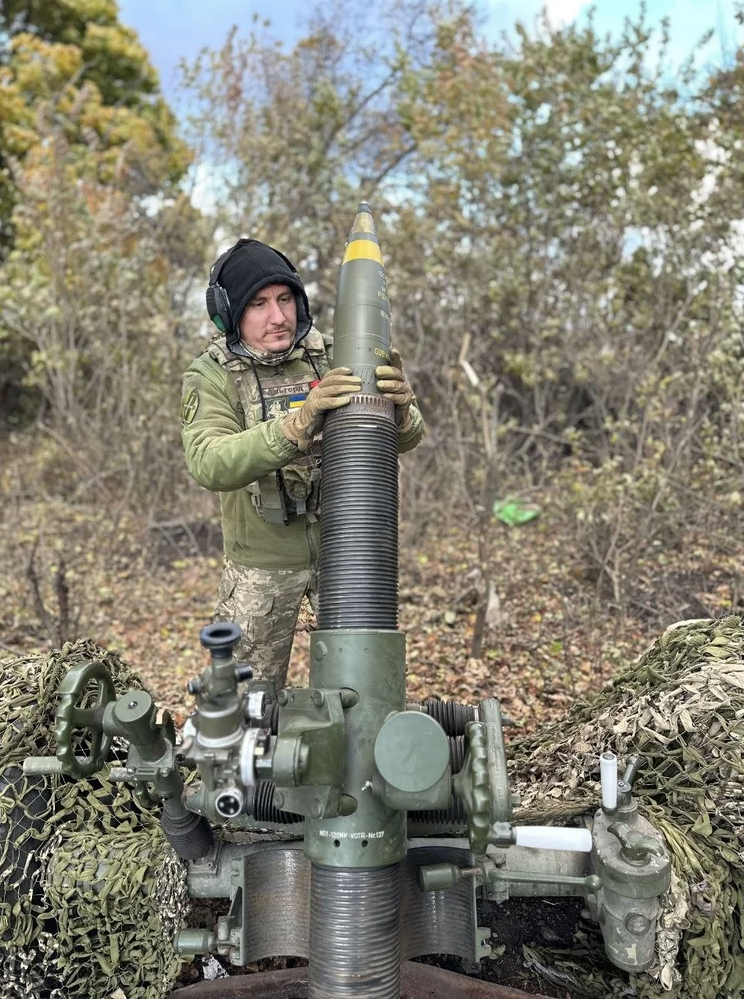
Why they keep fighting
According to the interviewees, the Kalinouski Regiment has not recorded a single case of unauthorized abandonment of duty. Its fighters, they say, understood exactly what they were signing up for and why they chose to fight.
If a Belarusian volunteer is killed, however, the soldier’s family is not eligible for Ukraine’s standard compensation payment of 15 million hryvnias.
Capture or disappearance creates additional risks. Relatives who remain in Belarus cannot report a missing family member to the authorities or provide DNA samples for identification, as doing so could expose their connection to a volunteer fighting for Ukraine.
Despite those risks, the regiment’s fighters continue to serve. They also raise money to support veterans of the unit, many of whom struggle to obtain state assistance.
“Would I still fight for Ukraine if I received no combat pay and no compensation for being wounded? I think I would. Money does not change the purpose of this struggle. I have a duty to help liberate Ukraine from Russian occupation.
For Belarus, this is of fundamental importance, because it too remains under Russian occupation and must become free,” Hetman says.
He believes many Belarusians take pride in the Kalinouski Regiment’s fighters. If a historic opportunity to return to Belarus ever emerges, he says, the unit would have the backing of a significant share of the country’s population.
This article was produced with the support of the Media Network.
exchange