
Yevlakh Pilot Agropark is a state-established agricultural park that operates with the participation of small and medium-sized farmers. Managed by the Economic Zones Development Agency, the agropark provides residents with essential infrastructure, including water, electricity, natural gas, and road access, financed by the state.
Day: July 21, 2026
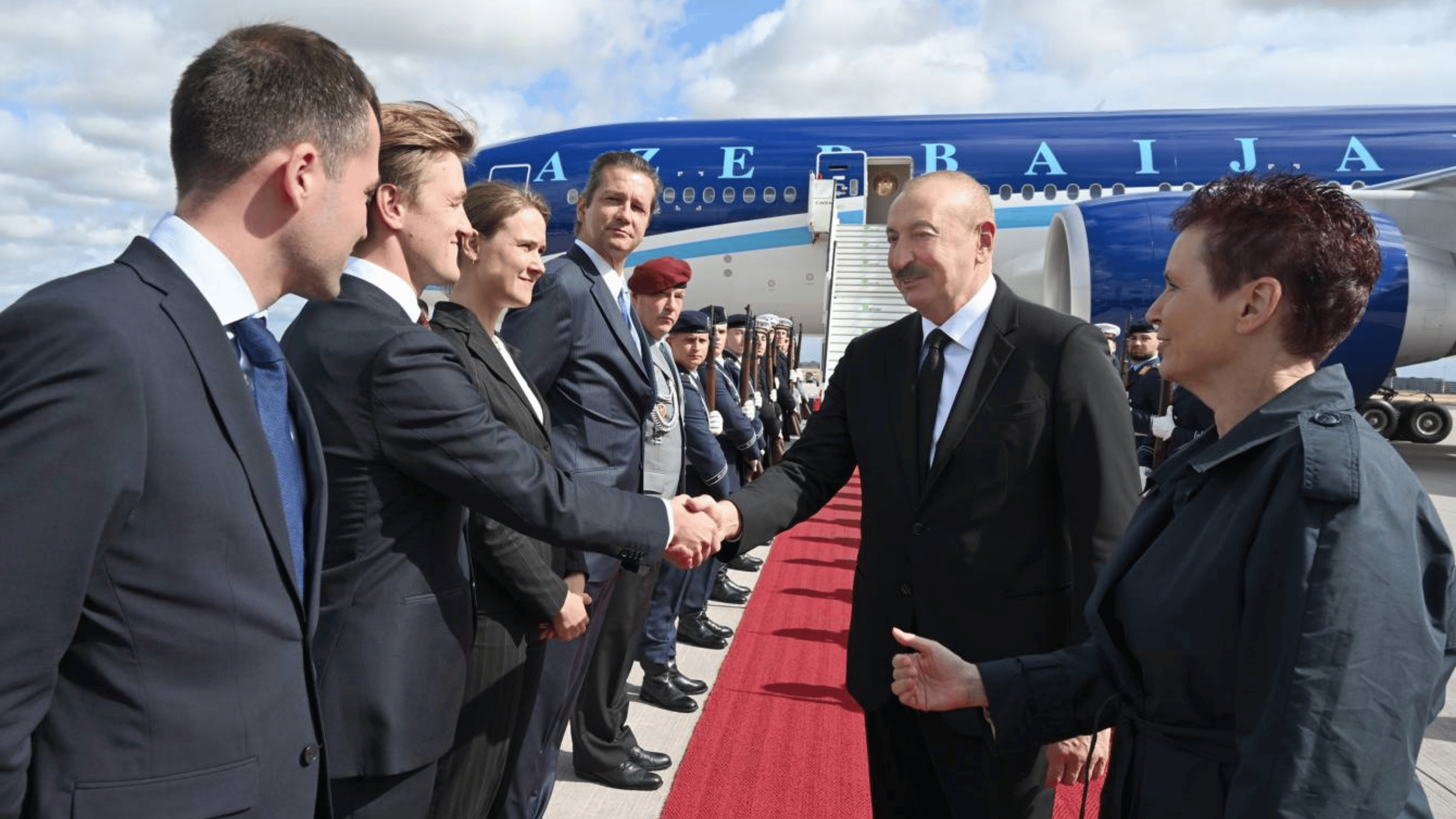
President Aliyev’s visit to Germany
President Ilham Aliyev of Azerbaijan arrived in Berlin on Sunday evening for an official visit. An official welcoming ceremony was held at Berlin Brandenburg Airport, where the Azerbaijani leader also met Michael Harms, chairman of the German Eastern Business Association.
As the visit has only just begun, few details have emerged about its outcomes. However, information released so far, together with the broader context, suggests the trip could mark a new phase in relations between Baku and Berlin, driven by pragmatism, closer economic cooperation and a shared interest in regional stability.
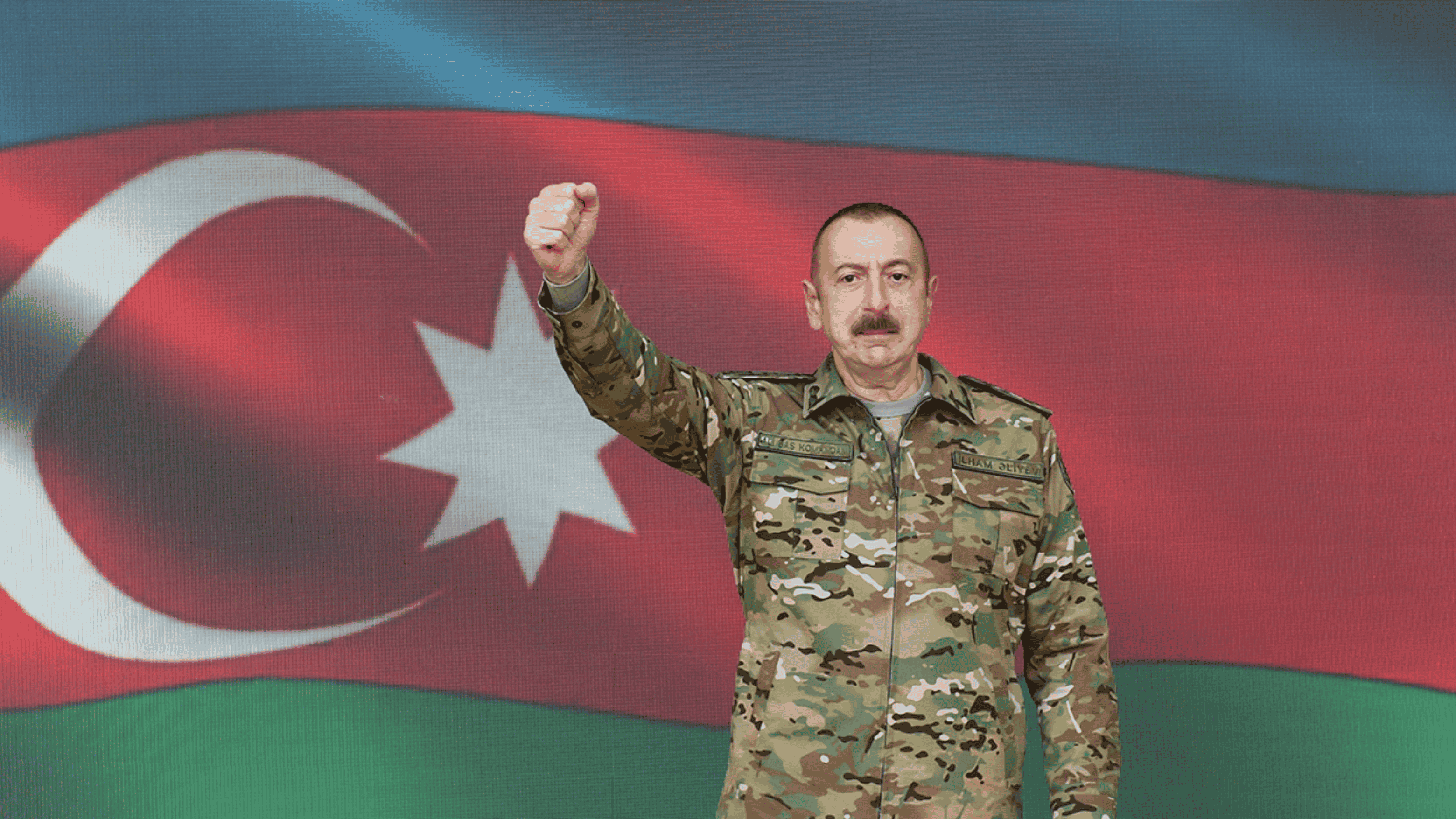
What is known so far?
According to official information, Aliyev’s meeting with Michael Harms highlighted growing interest among Azerbaijani and German businesses in expanding cooperation. The two sides also discussed ways to institutionalise that cooperation. They exchanged views on opportunities in both conventional and renewable energy, as well as on developing transport, logistics and communications links, including the Middle Corridor.
Officials also noted that Azerbaijan has adopted a new state programme for agriculture. The two sides discussed the potential for introducing German technologies, particularly in the field of smart farming. Tourism development and other issues of mutual interest were also on the agenda.
The groundwork for the visit had been laid well before Aliyev arrived in Berlin. On 4 December 2025, German Chancellor Friedrich Merz called President Aliyev to congratulate him on progress in the peace process between Azerbaijan and Armenia. He reaffirmed Germany’s support for regional stability and invited the Azerbaijani leader to visit Germany. Aliyev accepted the invitation and, in turn, invited the chancellor to visit Azerbaijan.
On 15 June 2026, Germany’s ambassador to Azerbaijan, Ralf Horlemann, said during a farewell meeting that the visit was expected to take place later in the year.
Bilateral trade reached around €1.7 billion in 2025, while more than 250 German companies operate in Azerbaijan. Since the beginning of 2026, Azerbaijan has also started direct gas exports to Germany and Austria. These figures, together with recent economic initiatives, underline the visit’s strong commercial focus.
The broader trajectory of bilateral relations is also noteworthy. In April 2025, German President Frank-Walter Steinmeier paid an official visit to Azerbaijan—the first official visit by a German head of state to the country. Aliyev, for his part, has travelled to Germany on several occasions to attend the Munich Security Conference and other international events.
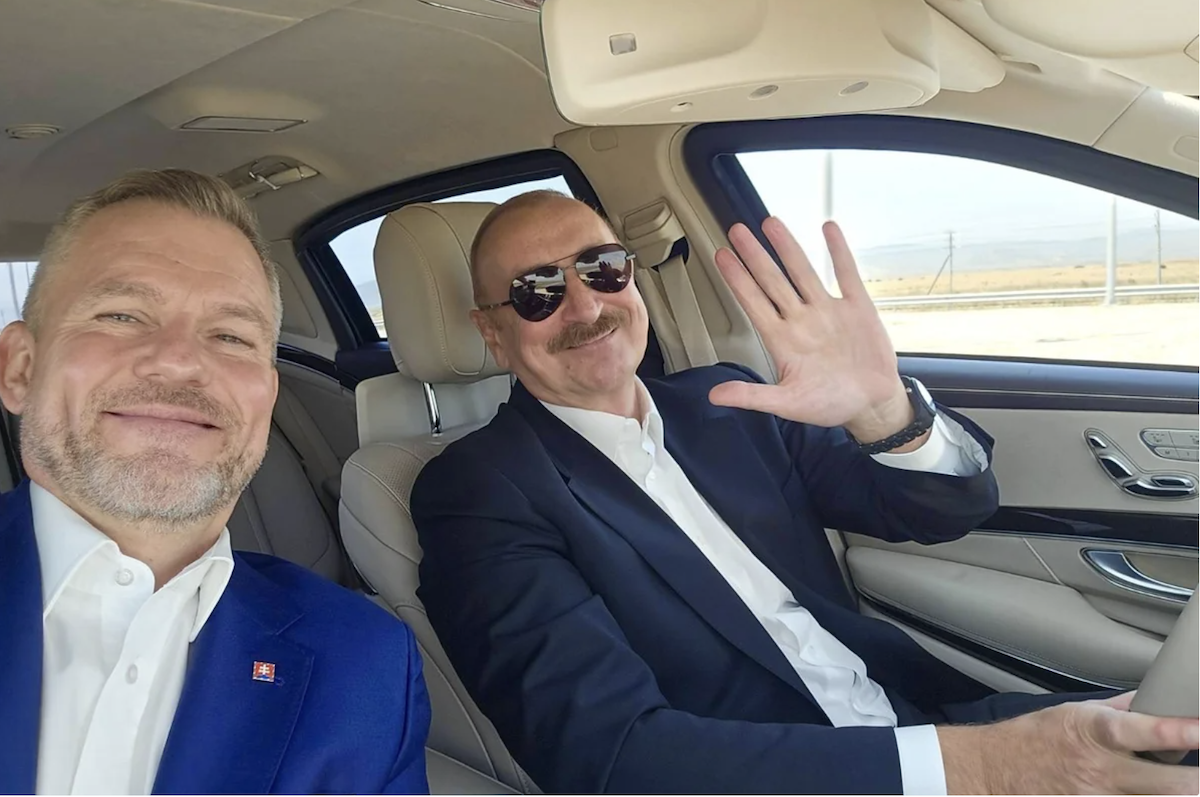
Why is this visit taking place?
The visit reinforces the pragmatic nature of relations between Azerbaijan and Germany, which are increasingly centred on expanding economic cooperation. As Europe continues to diversify its energy supplies and reduce its dependence on Russian gas, Azerbaijan has strengthened its position as a reliable and predictable energy supplier.
The start of direct gas exports to Germany and Austria in 2026 marked a significant step in that process. But the visit’s agenda extends beyond energy. Discussions are expected to focus on a broader “energy-plus” framework, encompassing cooperation in logistics, the Middle Corridor, industry, agricultural technology and tourism. German businesses, supported by the German Eastern Business Association, have shown growing interest in these sectors.
Germany also attaches considerable importance to stability in the South Caucasus, particularly the peace process between Azerbaijan and Armenia. This was reflected in Chancellor Friedrich Merz’s phone call with President Aliyev in December 2025, during which he highlighted the importance of the peace agenda. From Berlin’s perspective, Azerbaijan’s multi-vector foreign policy has therefore taken on additional significance, with Baku seen both as an energy supplier and as a participant in efforts to strengthen regional stability.
The Berlin visit also comes against the backdrop of growing tensions between Azerbaijan and the Council of Europe, following President Aliyev’s remarks at the Shusha Global Media Forum that the country could fully withdraw from the organisation. In that sense, the trip highlights the tension between Europe’s values-based agenda and its pragmatic interests. At the same time, current developments suggest that relations between Germany and Azerbaijan continue to be shaped primarily by economic interests and a shared commitment to regional stability.
Europe’s approach to Azerbaijan remains far from uniform. While some European institutions have taken a critical stance towards Baku, bilateral relations with individual partners continue to be driven largely by pragmatic considerations. This reflects Azerbaijan’s continued pursuit of a selective and multi-vector foreign policy.
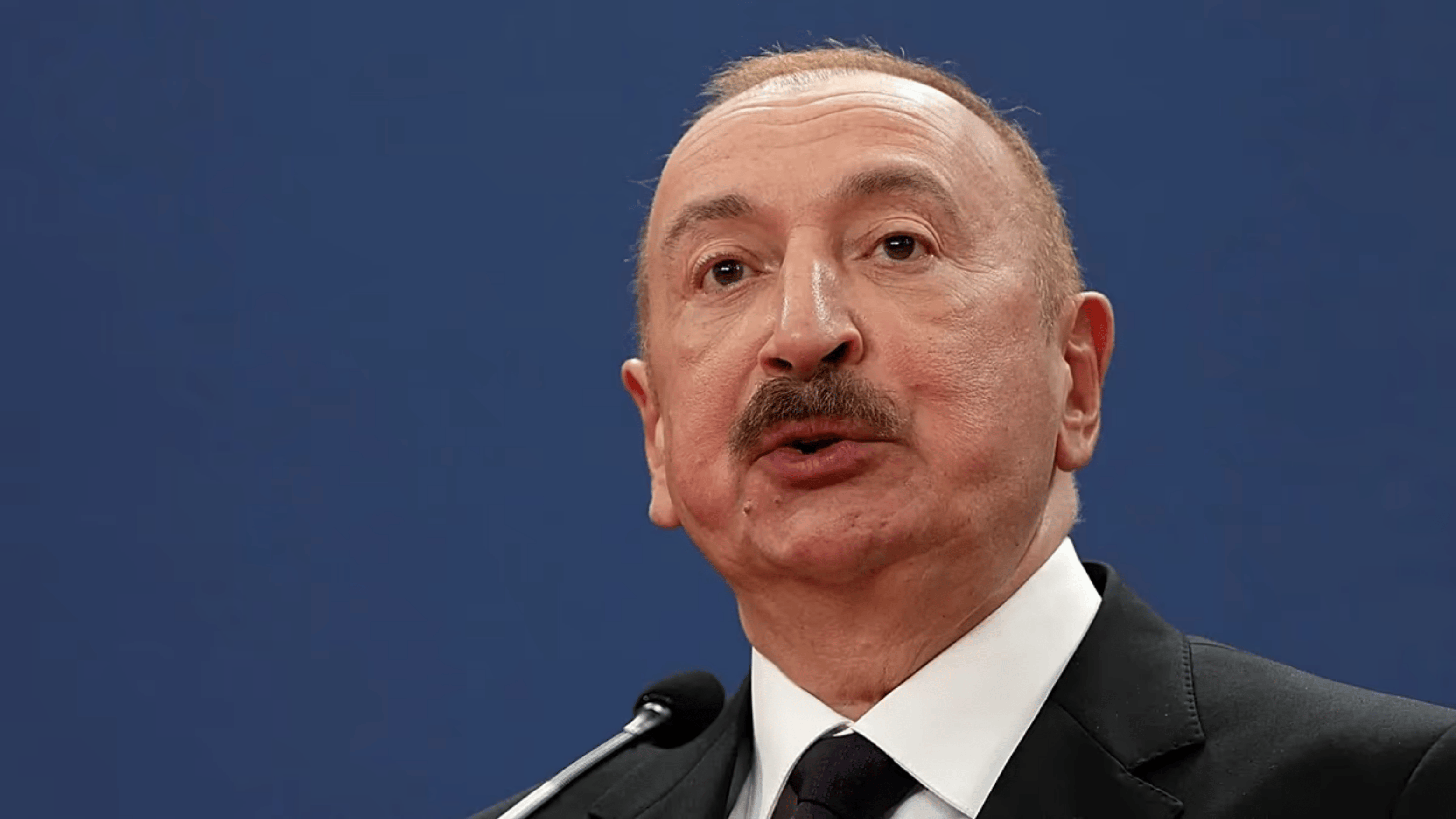
What outcomes can be expected?
As the visit has only just begun, few official details have been released. Even so, the main areas of cooperation are already becoming clear. One of the central themes of Aliyev’s meeting with Michael Harms was the institutionalisation of business ties, including the creation of new mechanisms for cooperation, business councils and joint working groups.
Among the most likely outcomes are progress in talks on increasing energy exports, broader involvement of German companies in Middle Corridor projects, greater technology transfer and investment in agriculture, as well as new joint initiatives in tourism.
Meetings with Chancellor Friedrich Merz, other senior government officials and representatives of the German business community are also expected to take place during the visit. The agenda may include the signing of cooperation agreements and the adoption of roadmaps for future collaboration.
The longer-term outlook extends well beyond the immediate visit. Both sides are seeking to diversify Azerbaijan’s ties with Europe, expand investment, strengthen the Middle Corridor’s role in Eurasian logistics and increase bilateral trade, which currently stands at €1.7 billion. At the same time, risks remain. Future cooperation could be affected by fluctuations in energy prices, differing approaches among European governments towards Azerbaijan and the overall stability of the South Caucasus.
The visit therefore reflects the pragmatic and multi-vector nature of Azerbaijan’s foreign policy. Baku is seeking to move beyond its role as an energy supplier and position itself as a broader economic and logistics partner. Berlin, for its part, has an interest in strengthening cooperation with a reliable partner while supporting stability in the South Caucasus. The full results of the visit will become clearer in the coming days, but it is already evident that relations are evolving towards an “energy-plus” partnership from which both sides expect tangible economic benefits.
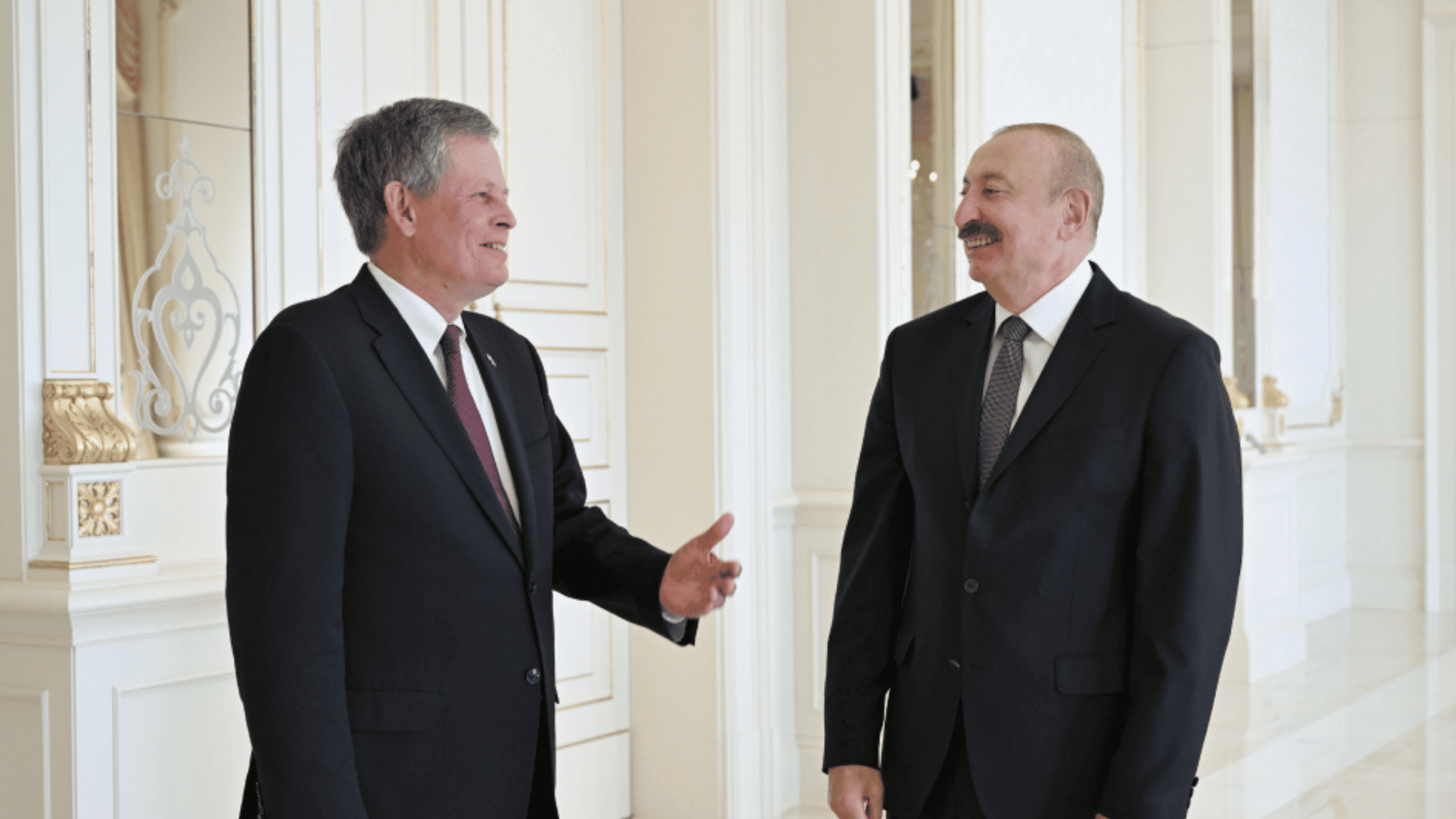
President Aliyev’s visit to Germany
‼️‼️🇺🇲🇮🇷 The nuclear standoff with Iran has shifted underground into heavily fortified mountain fortresses, placing Washington and Tehran on a direct collision course for pre-emptive military action.
Israeli intelligence assessments shared with Washington reveal that Iran systematically relocated thousands of critical uranium-enrichment centrifuges into deep underground tunnels beneath Pickaxe Mountain near Natanz following recent military conflicts. Fearing Tehran is positioning itself for a rapid nuclear breakout from within an un-targetable mountain vault, Israeli Prime Minister Benjamin Netanyahu is urging President Donald Trump to authorize immediate kinetic strikes on the facility—a scenario Trump confirmed remains actively on the table.
This development exposes the limits of surface-level airstrikes and signals that the war over Iran’s nuclear capabilities is entering its most dangerous, decapitating phase. By moving vital centrifuge infrastructure into granite-hardened tunnels beyond the reach of standard munitions, Iran is attempting to create an indestructible nuclear deterrent. Trump’s willingness to target Pickaxe Mountain proves the White House will not allow a nuclear-armed Iran under any circumstances, raising the risk of a massive, bunker-busting military campaign that could engulf the entire region in war.
See the latest updates with us: @visionergeo
Video
Categories