
Day: July 17, 2026
Georgian Dream Foreign Minister Maka Botchorishvili on July 16 addressed a ministerial in Washington, D.C., hosted by U.S. Secretary of State Marco Rubio, on the “Resurgence of Political Terrorism,” an event focused on what the U.S. State Department described as “far-left political terrorism” that brought together representatives from nearly 60 countries.
Botchorishvili’s Address
In her address, published by Georgia’s Foreign Ministry, Botchorishvili spoke about “political terrorism,” which she said is manifested, among other ways, “in the name of democracy.” She also criticized international institutions that she said “exert political pressure” on sovereign states.
“The discussion could not be more timely as we face complex and evolving challenges that directly affect our national interests, sovereignty, and security. Around the world, radical groups operate under different ideological banners — including, at times, in the name of democracy. Yet their objective is not to strengthen democratic institutions, but to weaken them,” Botchorishvili said, as quoted in the ministry’s press release.
According to her, “Georgia serves as a compelling example” of these challenges, saying the country has witnessed “repeated attempts” to undermine its democratic institutions, including “coordinated campaigns” aimed at “discrediting state institutions.” She added that the country has also witnessed “attempts by radical groups to use violence and acts of sabotage as political instruments.”
She continued, “Equally concerning are efforts to exploit international institutions to legitimize such actions — through resolutions and other mechanisms designed to exert political pressure on sovereign states while undermining the reputation and credibility of these institutions.”
In her concluding remarks, Botchorishvili said political terrorism “does not always appear in its most visible form” but can also emerge “through intimidation, political violence and systematic efforts to weaken democratic institutions from within.”
Ministerial
In its July 15 press release ahead of the event, the U.S. State Department said the ministerial would focus on “far-left political terrorism,” which it said manifests itself in “violent acts” across the globe that are “not isolated incidents” but reflect a “deliberate” and “ideologically motivated strategy” to destabilize societies by targeting, among others, private citizens, government officials and law enforcement officers.
The State Department statement specifically referred to groups such as “Antifa Ost,” the “Informal Anarchist Federation/International Revolutionary Front (FAI/FRI),” “Armed Proletarian Justice,” and “Revolutionary Class Self-Defense,” which the United States designated as terrorist organizations in 2025.
The Georgian Foreign Ministry said in a July 16 press release that the ministerial aimed to discuss “ways to combat the new wave of political violence and the activities of extremist groups,” particularly by “strengthening effective international cooperation and further enhancing joint efforts in this area.” Botchorishvili was also seen posing alongside Rubio and other participants in the ministerial’s group photo.
Botchorishvili’s participation at the event follows intensifying exchanges between Tbilisi and Washington amid the Georgian Dream government’s stated efforts to reset relations with the United States “from a clean slate” and resume the strategic partnership “with a specific roadmap.” Washington, under President Joe Biden, suspended its strategic partnership with Georgia in November 2024 amid the Tbilisi protests and later that year sanctioned the ruling party’s billionaire founder, Bidzina Ivanishvili. The Donald Trump administration has yet to reverse those decisions.
Kobakhidze on ‘Political Terrorism’
In a late-night interview on July 16 with the pro-government Imedi TV talk show Imedi Live, Georgian Dream Prime Minister Irakli Kobakhidze spoke, among other topics, about the Washington ministerial, saying, “Georgia’s example is one of the best when it comes to political terrorism.”
In this context, Kobakhidze referred to the rule of the former United National Movement government from 2004-2012 and the period since 2020, citing one of the Georgian Dream’s claims about “five revolutionary attempts in four years.” He accused the opposition, which he called “agentura” [foreign spy network], of subjecting the country to “constant political terror.”
He said the government had taken steps against this, describing the “Transparency Law,” better known as the Foreign Agents Law, as “the law against political terror,” and made the same claim about controversial amendments to the Laws on Assemblies and Manifestations and the Administrative Code.
Speaking about the Foreign Agents Law, Kobakhidze accused former U.S. Ambassador to Georgia Kelly Degnan of a “political terror act,” citing a 2023 statement by the U.S. Embassy that described the adoption of the law as a “dark day” for Georgia’s democracy.
“This was also an act of political terror. The statement made by the then-U.S. ambassador was also an act of political terror, as she told the Georgian people a shameful lie and thereby artificially encouraged revolutionary processes in our country. This was political terror,” Kobakhidze said.
Also Read:
- 09/06/2026 – U.S. House Passes Bill Requiring Report on Russian, Chinese Influence in Georgia, Strategy on Bilateral Ties
- 04/06/2026 – Kobakhidze Comments on Rubio, Wilson’s Remarks, Rejects ‘Pro-Iranian’ Allegations
- 03/06/2026 – Rubio Hopes for Change in ‘Trajectory’ of U.S. Relationship with Georgia and of Tbilisi’s ‘Behavior’
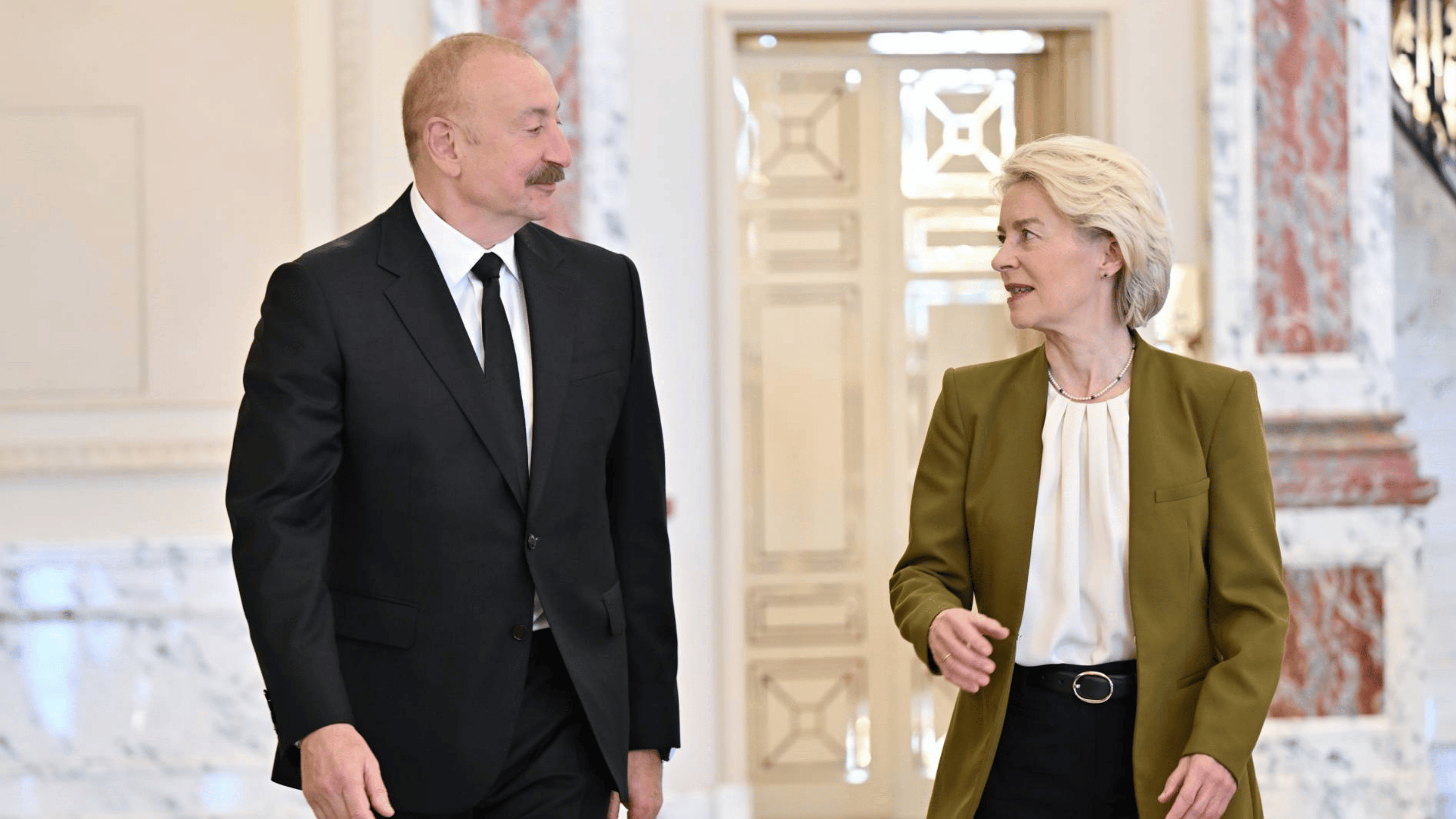
Azerbaijan’s withdrawal from the Council of Europe
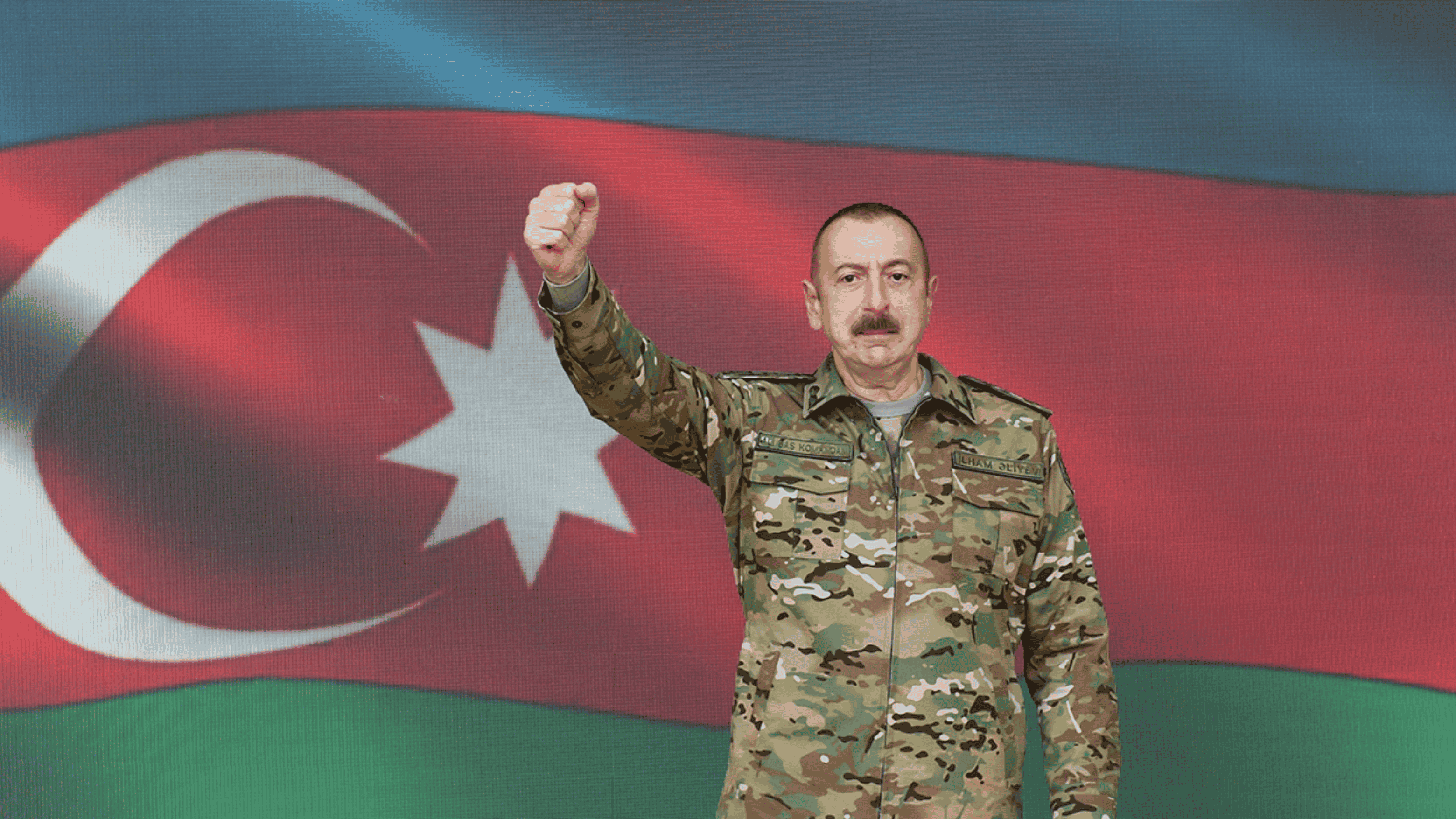
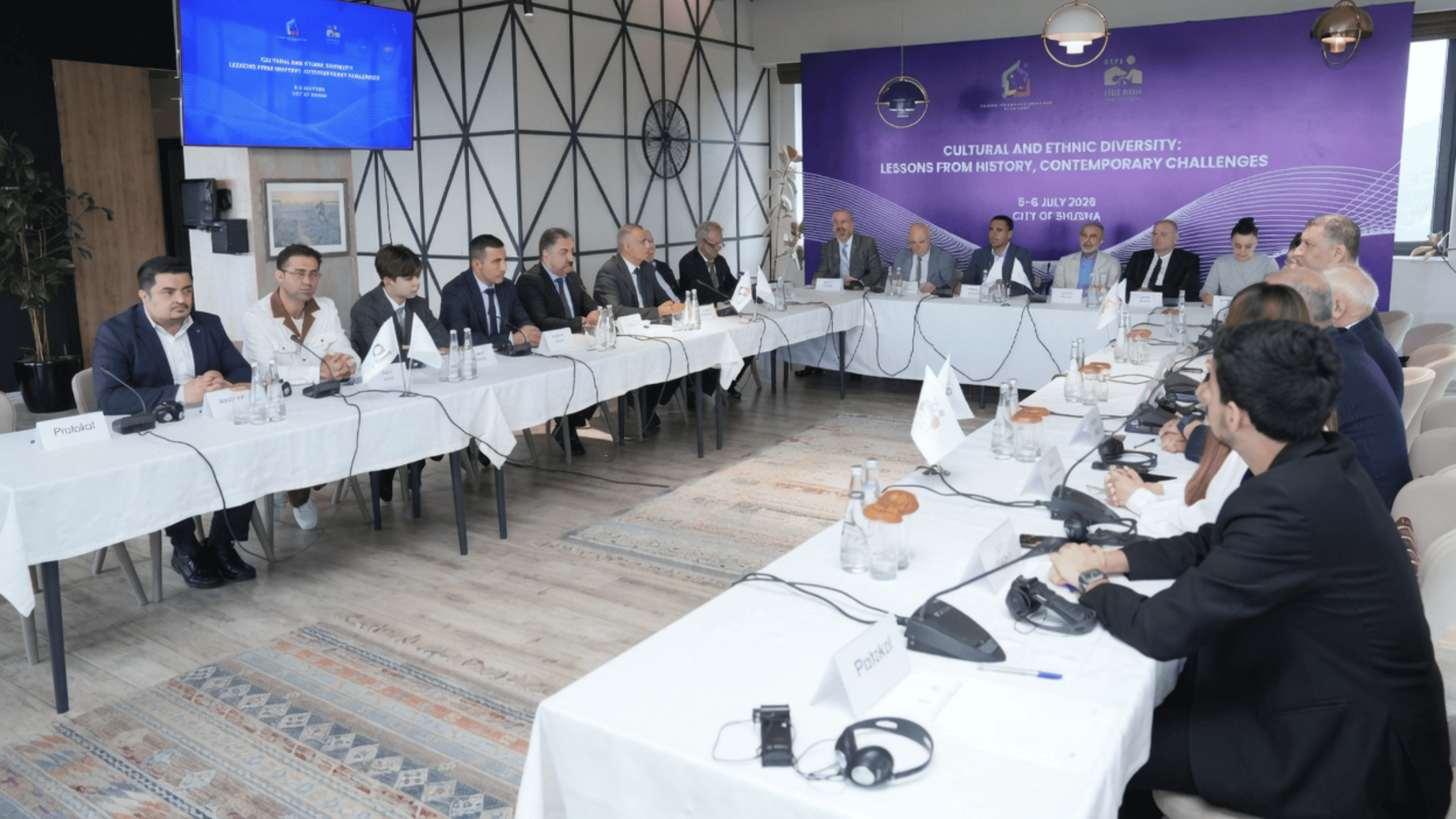
On 13 July, speaking at the opening ceremony of the 4th Global Media Forum in Shusha, Azerbaijani President Ilham Aliyev said the country was considering a complete withdrawal from the Council of Europe (CoE). His remarks came after the Parliamentary Assembly of the Council of Europe (PACE) decided in January 2024 not to ratify the credentials of the Azerbaijani delegation, effectively suspending its voting rights.
Azerbaijan joined the Council of Europe voluntarily in 2001. According to the government’s official position, it sought membership to make use of international mechanisms and secure support for resolving the Karabakh conflict. Relations between Baku and the organisation, however, gradually deteriorated. After Azerbaijan restored full control over its internationally recognised territory in 2023, the authorities described PACE’s decisions as unfair and politically motivated. Aliyev’s latest statement reflects a broader reassessment of sovereignty in Azerbaijan’s foreign policy and its approach to international organisations.
This article draws on official statements, independent analysis and international sources to examine Azerbaijan’s position, the criticism it has faced, and the potential consequences of leaving the Council of Europe.
Official position and arguments
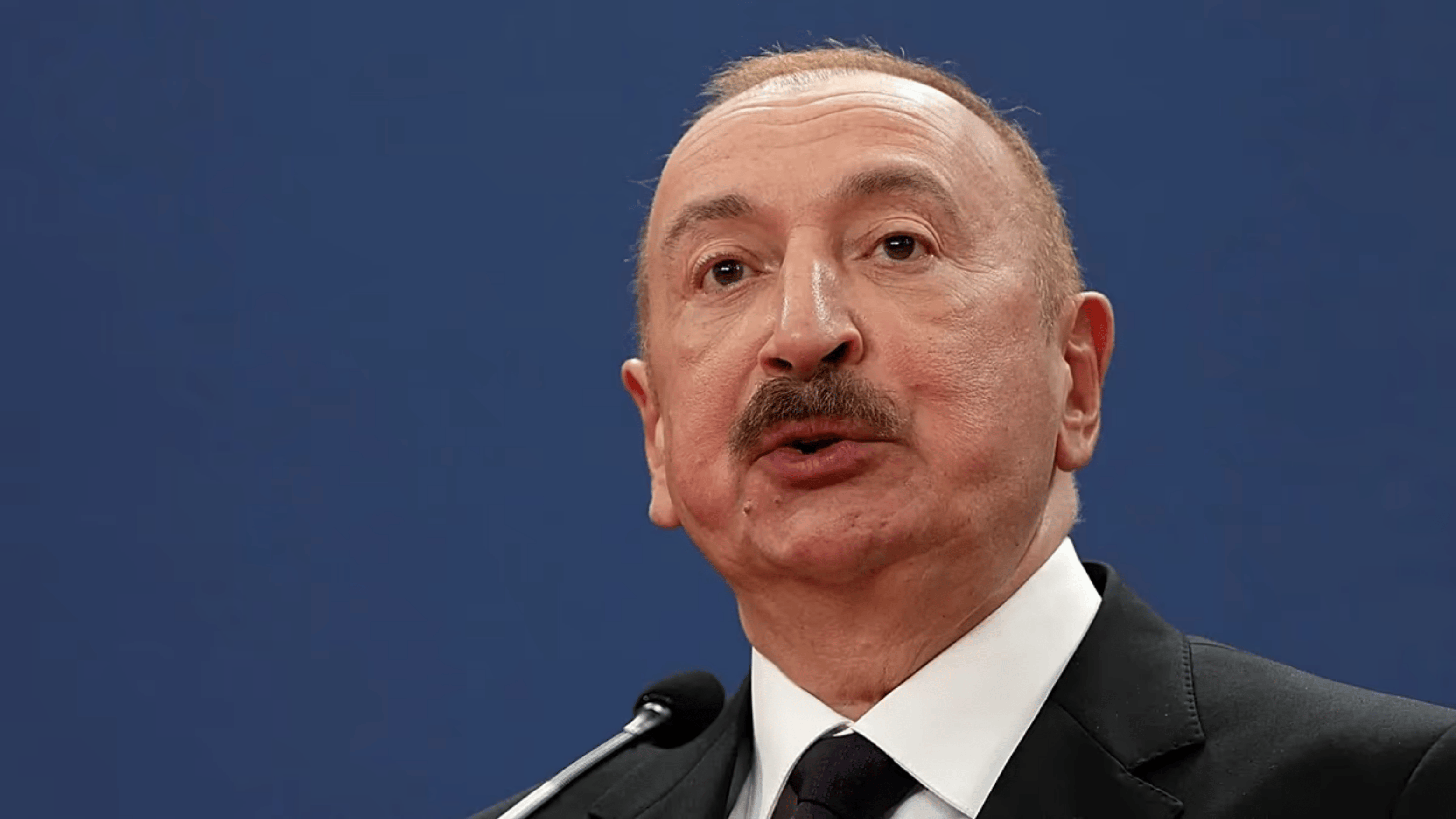
Speaking at the 4th Global Media Forum in Shusha, President Ilham Aliyev said Azerbaijan was seriously considering leaving the Council of Europe altogether.
“I openly say that Azerbaijan is considering the possibility of completely withdrawing from the organisation. This is not about suspending or freezing our membership. We are definitely considering leaving this institution.”
Aliyev also argued that if Azerbaijan were to leave the Council of Europe, ordinary citizens would not notice any significant changes and the situation could even improve. State officials and pro-government media framed the issue as one of protecting national sovereignty and accused international institutions of treating Azerbaijan unfairly.
According to the government’s official position, Azerbaijan joined the Council of Europe in 2001 in the hope of securing international support for resolving the Karabakh conflict. Officials argue that those expectations were never fulfilled. They also describe PACE’s January 2024 decision not to ratify the credentials of the Azerbaijani delegation and suspend its voting rights as punishment for Azerbaijan’s restoration of its territorial integrity in 2023.
“We did not take part in the vote on the election of judges and have been subjected to discrimination for the past two years,” Aliyev said.
The Council of Europe’s leadership, including Secretary General Alain Berset, has contacted Aliyev and urged Azerbaijan not to leave the organisation, while calling for a way to resolve the dispute.
Baku maintains that the next step should come from the Council of Europe. According to the government, PACE should first restore the Azerbaijani delegation’s voting rights, after which the delegation could return to its work in the Assembly. Officials argue that leaving the organisation would have little impact on the country’s domestic situation because Azerbaijan already has its own institutional mechanisms in place and regards sovereignty as a top priority. Analysts close to the government have echoed this position, saying Azerbaijan should reject what they describe as bias by international organisations and put national interests first.
Critical assessments and the international perspective
In reports and video coverage published on 13 July, Meydan TV argues that Aliyev’s statement signals preparations for Azerbaijan’s withdrawal from both PACE and the jurisdiction of the European Court of Human Rights (ECtHR). The outlet published its coverage under the headline: “Aliyev is preparing to withdraw Azerbaijan from PACE and the ECtHR – who will lose out?” It focuses primarily on the risk that Azerbaijani citizens could lose their right to file individual applications with the ECtHR.
According to Meydan TV, such a move would weaken human rights protections, particularly against the backdrop of cases involving the arrests of journalists from AbzasMedia and Meydan TV, as well as the broader state of media freedom. In contrast to the government’s position, the outlet argues that withdrawing from the Council of Europe and ending the ECtHR’s jurisdiction would have significant consequences for ordinary citizens. It notes that the ECtHR dealt with 2,180 cases involving Azerbaijan in 2025 alone, arguing that this reflects the large number of people who turned to the international court after failing to obtain justice in the country’s domestic courts.
RFE/RL places the issue in a broader context. It notes that PACE imposed sanctions on Azerbaijan amid a wave of arrests that began in 2023, a growing number of political prisoners and continued concerns over media freedom. The outlet also points to Azerbaijan’s refusal to invite PACE observers to monitor the presidential election held in February 2024.
RFE/RL also recalls that, as part of the process of joining the Council of Europe between 1996 and 2002, Azerbaijan introduced a number of reforms, including abolishing the death penalty, reforming its penitentiary system and acceding to the European Convention on Human Rights.
The outlet further compares Aliyev’s claim that “little will change, and things may even improve” after withdrawal with Russia’s departure from the Council of Europe in 2022. It argues that Russia’s experience suggests such a move can deprive citizens of access to international human rights protection mechanisms. According to RFE/RL, any Azerbaijani withdrawal from the Council of Europe would primarily affect people seeking justice for human rights violations.
From an international perspective, the possible consequences of Azerbaijan’s full withdrawal from the Council of Europe include greater international isolation and reputational damage, although the Azerbaijani authorities reject this assessment. At the same time, the Council of Europe’s leadership has publicly expressed its desire for Azerbaijan to remain a member of the organisation.
Alternative platforms and a long-term strategy
Azerbaijan’s foreign policy has traditionally been based on a multi-vector approach that seeks to balance relations with different international partners. This strategy allows the country to engage selectively with international organisations in line with its national interests. According to the government’s official position, regional and international bodies such as the Organization of Turkic States, the Organization of Islamic Cooperation and the Shanghai Cooperation Organisation offer forms of cooperation that place greater emphasis on sovereignty and equal partnership. Officials argue that these organisations provide opportunities to expand cooperation in areas including the economy, energy, culture and security.
At the same time, Azerbaijan continues to deepen its energy partnership with European countries. Projects such as the Southern Gas Corridor and natural gas exports operate independently of the country’s membership in the Council of Europe. As a result, Baku argues that a stronger focus on sovereignty can coexist with pragmatic economic and energy cooperation with Europe.
In the longer term, this diversification is intended to give Azerbaijan greater flexibility in its foreign policy and allow it to maintain balanced relations with different partners. Critics warn that leaving the Council of Europe could weaken international human rights safeguards available to Azerbaijani citizens. The government, however, argues that alternative international platforms can offset any gaps in economic and political cooperation. Overall, officials present this strategy as part of a broader effort to pursue an independent foreign policy based on Azerbaijan’s national interests.
Azerbaijan’s withdrawal from the Council of Europe
Two Georgian citizens were arrested by Bosnia and Herzegovina’s border police after they were found allegedly smuggling five foreign nationals near the Kamensko border crossing with Croatia in the west of the country on July 15, RFE/RL’s Balkan Service reported on July 16.
According to the report, citing local police, four of the foreign nationals in the vehicle did not have identification documents but said they were from Bangladesh and Pakistan, while the fifth was a Turkish citizen. They were reportedly found with the two Georgian citizens, who allegedly smuggled them into the country, near the border in the vicinity of the city of Livno in a vehicle with German license plates.
Under Bosnia and Herzegovina’s Criminal Code, migrant smuggling is punishable by up to 15 years in prison. RFE/RL’s Balkan Service noted that foreign nationals have played an increasingly prominent role in migrant smuggling through the country, with authorities previously arresting citizens of Turkey, Egypt, Moldova, Ukraine, Bulgaria, and Afghanistan on similar charges.
Also Read:
#CIA #FBI #Mossad
x.com/mikenov/status/2078036…Michael Novakhov (@mikenov) #Security and #Intelligence #News Review
Russian Disinformation Campaigns
x.com/mikenov/status/2078035…— https://x.com/mikenov/status/2078036906374230424
x.com/mikenov/status/2078036…Michael Novakhov (@mikenov) #Security and #Intelligence #News Review
Russian Disinformation Campaigns
x.com/mikenov/status/2078035…— https://x.com/mikenov/status/2078036906374230424