Categories
Azerbaijan Airlines plane crashes in Kazakhstan

Técnica Pomodoro: Guia Completo para Estudar


Se você já tentou estudar por horas seguidas e percebeu que após 40 minutos não absorve mais nada, a técnica Pomodoro é a solução. Criada por Francesco Cirillo nos anos 80, ela divide o estudo em blocos curtos de foco intenso separados por pausas estratégicas.

Categories
Azerbaijan Airlines plane crashes in Kazakhstan

Técnica pomodoro – Wikipédia, a enciclopédia livre


A Técnica Pomodoro é um método de gerenciamento de tempo desenvolvido por Francesco Cirillo no final dos anos 1980. A técnica consiste na utilização de um cronômetro para dividir o trabalho em períodos de 25 minutos, separados por breves intervalos. [1]

Categories
South Caucasus News

Could higher EU tariffs push Chinese automakers into partnerships with Volkswagen?​


He argues that tougher trade measures could give European governments and manufacturers more leverage in negotiations over investment, production and employment.

What is Dirk Panter proposing?

Panter has called on the EU to consider imposing higher tariffs on vehicles manufactured in China and imported into the European market. He believes tougher import measures would make it less attractive for Chinese companies to build their cars entirely in China and then ship them to European customers.

“We need to consider imposing higher tariffs on Chinese-made cars at the EU level,” Panter told Germany’s Bild newspaper, News.Az reports, citing Reuters.

His proposal is designed to encourage Chinese automakers to move at least part of their production to Europe. Companies could manufacture vehicles locally, invest in European factories or establish joint ventures with existing manufacturers.

Panter’s argument is not that Chinese companies can be excluded from the European market. Instead, he wants access to the market to be linked more closely to local investment, employment and industrial production.

Under this approach, higher tariffs would serve as negotiating leverage. Chinese automakers seeking to avoid the additional cost of importing vehicles could find partnerships with European companies more commercially attractive.

How could higher tariffs encourage partnerships with Volkswagen?

Higher tariffs would increase the cost of selling Chinese-made vehicles in the EU. Chinese manufacturers could either absorb that additional cost, raise prices for consumers or reorganize production to reduce their exposure to import duties.

One possible response would be to manufacture Chinese-developed vehicles inside the EU. Establishing an entirely new production network would require significant time and investment, while working with an existing European automaker could provide access to factories, workers, suppliers and distribution networks.

Volkswagen could become a potential partner because it has substantial manufacturing capacity in Germany and elsewhere in Europe. Some of its factories are under pressure as the company restructures its operations and attempts to reduce costs.

Chinese automakers could potentially use available capacity at Volkswagen plants to produce vehicles designed with Chinese technology. Volkswagen, in return, could gain new production volume, access to Chinese expertise and an opportunity to keep underused factories operating.

Panter believes higher tariffs would strengthen the case for such cooperation. Local production could become more economical than importing completed vehicles from China, although any arrangement would have to comply with EU trade and origin rules.

Why is Saxony particularly interested in Chinese investment?

Saxony is home to Volkswagen’s all-electric vehicle factory in Zwickau. The plant is an important source of industrial activity and employment in the eastern German state, but its future has become uncertain as Volkswagen restructures its European operations.

Volkswagen has warned that it may close four factories in Germany in the coming years if it cannot identify alternative ways to improve competitiveness. The Zwickau facility is among the plants facing possible closure.

For Saxony’s government, attracting a Chinese automaker or establishing a joint venture could provide additional production for the factory. Such an agreement might help preserve jobs, maintain the local supplier network and prevent the loss of a major industrial site.

Panter therefore views EU tariff policy not only as a trade-defence measure but also as a potential tool for directing Chinese investment towards European manufacturing regions.

“If a joint venture in Saxony could help avoid European tariffs, that would be a bargaining chip that would allow us to negotiate from a completely different position,” he said.

His comments indicate that Saxony is prepared to consider Chinese participation in its automotive industry if that investment supports local production and employment.

Why is Volkswagen’s Zwickau factory under pressure?

The Zwickau factory was transformed into an all-electric production site as part of Volkswagen’s transition away from combustion-engine vehicles. However, European demand for electric cars has not developed as rapidly or predictably as some manufacturers initially expected.

Volkswagen is also facing high production costs, intense price competition and growing pressure from Chinese brands. These challenges have forced the company to examine the future of several German factories.

The possible closure of Zwickau would have economic consequences beyond Volkswagen itself. Automotive plants support networks of parts suppliers, logistics companies, service providers and other businesses.

A new production partnership could help increase the factory’s utilization. If Chinese-designed vehicles were manufactured at Zwickau, the plant might receive enough additional work to remain commercially viable.

No such agreement has yet been announced. Panter’s proposal represents one possible strategy for protecting the factory rather than a confirmed plan involving Volkswagen or a specific Chinese company.

Is Volkswagen open to working with Chinese automakers?

Volkswagen CEO Oliver Blume has previously indicated that the company is open to cooperation with Chinese automakers. He has also suggested that Chinese-developed models could potentially be manufactured at European Volkswagen factories.

Such cooperation could take several forms. Volkswagen might produce vehicles for a Chinese brand, establish a jointly owned company or manufacture models based on Chinese technology under a broader partnership.

Volkswagen already has extensive experience in China and has worked with Chinese companies for decades. However, producing Chinese-developed vehicles in Europe would represent a different type of cooperation, particularly if it were used to support German factories facing reduced demand.

A partnership could give Volkswagen access to rapidly developed electric-vehicle technology and lower-cost production concepts. Chinese companies could benefit from Volkswagen’s manufacturing infrastructure, established workforce, supplier relationships and knowledge of European regulations.

Nevertheless, Volkswagen has not committed to a joint venture in Saxony. Any agreement would depend on production costs, demand, ownership arrangements, technology sharing and compliance with EU trade rules.

Would producing vehicles in Europe allow Chinese companies to avoid tariffs?

EU tariffs apply to vehicles imported from China. Cars manufactured inside the European Union may not face the same import duties, provided the production arrangement complies with European rules.

This creates a financial incentive for Chinese companies to establish factories or partnerships within the bloc. Instead of importing completed vehicles, they could produce them in Germany or another EU member state.

However, simply conducting limited assembly in Europe may not automatically remove every trade-related cost. Authorities could examine where major components originate, how much value is created locally and whether a production structure was established primarily to circumvent tariffs.

A genuine manufacturing partnership involving European factories, workers and suppliers would be more consistent with Panter’s objective. He wants Chinese companies to contribute to Europe’s industrial base rather than only use the region as a sales market.

Local production could also reduce transportation expenses and allow Chinese automakers to adapt models more closely to European technical standards and consumer preferences.

Why are plug-in hybrids important to this debate?

Chinese automakers have continued expanding in Europe, including through plug-in hybrid vehicles. These models combine an internal combustion engine with a rechargeable battery and can operate for limited distances using electric power.

The EU’s existing additional tariffs target battery electric vehicles imported from China. According to the report, Chinese-made plug-in hybrids are not covered by the current measures.

This distinction gives Chinese manufacturers another route into the European market. Companies can increase sales of plug-in hybrid models without facing the same tariff burden applied to imported battery-only vehicles.

BYD and other Chinese automakers have been expanding their European operations and product ranges. Their ability to offer both fully electric and plug-in hybrid vehicles allows them to respond to changes in demand and trade policy.

Panter’s proposal for higher tariffs on Chinese-made cars could therefore involve a broader discussion about which types of vehicles should be covered. If tariffs continue to apply only to battery electric vehicles, Chinese companies may place greater emphasis on plug-in hybrids.

European policymakers must consequently decide whether current measures are sufficient or whether wider restrictions are needed to achieve their industrial objectives.

What does Panter expect from Chinese automakers?

Panter accepts that Chinese automotive companies are likely to remain part of Europe’s vehicle market. His focus is on ensuring that their commercial success also contributes to European manufacturing and employment.

“We will not keep Chinese manufacturers out of Europe,” he said. “Anyone who wants access to our market must also take responsibility for value creation and employment in Europe.”

In practice, this could mean requiring or encouraging Chinese companies to build factories, hire European workers, cooperate with local suppliers and invest in research and development.

Panter’s approach would shift the discussion from whether Chinese automakers should be present in Europe to what conditions should accompany their presence.

European officials are concerned that a growing share of vehicles could be imported from China while European factories reduce production or close. Local manufacturing partnerships could reduce that risk by linking Chinese market access to industrial activity within Europe.

For regions such as Saxony, the priority is to ensure that the transition towards electric vehicles does not result in the loss of established automotive jobs.

What could Chinese automakers gain from a joint venture?

A joint venture with Volkswagen could give a Chinese automaker faster access to established European production facilities. Building a new factory requires land, regulatory approval, construction, equipment and workforce recruitment, all of which can take years.

Using an existing Volkswagen plant could shorten that process. Chinese companies could also benefit from the experience of European workers and from Volkswagen’s relationships with regional suppliers.

A partnership might help Chinese brands strengthen their credibility among European customers. Manufacturing vehicles in Germany could reduce concerns about quality, after-sales support and compliance with European standards.

Local production would also allow Chinese companies to reduce their exposure to future tariff increases or other trade restrictions. As EU policy develops, a physical manufacturing presence in Europe could provide greater long-term stability.

However, Chinese companies would have to accept higher European labour and production costs. They might also have to share technology, decision-making authority or profits with their European partner.

The attractiveness of a joint venture would therefore depend on whether tariff savings and market access outweigh the additional expense of manufacturing in Europe.

What could Volkswagen gain from such a partnership?

Volkswagen could use a partnership to bring additional work to factories facing uncertain demand. Increasing production volume could help distribute fixed costs across more vehicles and improve the financial position of individual plants.

The company could also gain access to technologies developed by Chinese automakers. Chinese manufacturers have become highly competitive in batteries, electric drivetrains, vehicle software and rapid model development.

Working with a Chinese partner could help Volkswagen introduce vehicles more quickly and compete in lower-priced segments of the electric-car market.

A partnership could also reduce the pressure to close plants. For Volkswagen, maintaining existing factories through contract manufacturing or joint production may be preferable to shutting them down entirely.

There would nevertheless be risks. Volkswagen would need to protect its intellectual property, brand position and long-term competitiveness. Cooperation with Chinese manufacturers could also create tensions with unions, suppliers or European policymakers.

Any arrangement would have to demonstrate that it offers Volkswagen more than a temporary increase in factory utilization.

Could higher tariffs also create risks for Europe?

Higher tariffs could strengthen Europe’s negotiating position, but they could also produce negative consequences. Chinese automakers might respond by raising prices, reducing investment or challenging the measures through international trade mechanisms.

China could also introduce retaliatory restrictions affecting European companies. German automakers are particularly exposed because China remains an important market for their vehicles and business operations.

More expensive imports could reduce competition and limit the availability of affordable electric cars for European consumers. This could slow the transition towards lower-emission transport if European manufacturers cannot provide similarly priced alternatives.

There is also no guarantee that higher tariffs would result in partnerships with Volkswagen. Chinese companies could choose to invest independently, establish production in another EU country or focus more heavily on markets outside Europe.

The effectiveness of Panter’s proposal would therefore depend on how tariffs are designed and whether European governments combine them with an attractive investment environment.

How is the EU balancing competition and industrial protection?

European policymakers face the challenge of protecting domestic manufacturers without eliminating competition or making electric vehicles unaffordable.

European automakers argue that Chinese companies benefit from lower production costs and other advantages that make it difficult for EU manufacturers to compete. Tariffs are intended to address those concerns and prevent unfairly priced imports from damaging Europe’s industrial base.

At the same time, Chinese companies are helping expand the range of electric vehicles available to European consumers. Their presence places pressure on European automakers to reduce prices, improve technology and launch new models more quickly.

The EU must therefore balance several objectives: preserving automotive jobs, supporting the electric transition, maintaining consumer choice and avoiding a broader trade conflict with China.

Panter’s proposal represents one possible compromise. Chinese companies would remain able to enter the European market but would face stronger incentives to manufacture locally and cooperate with European partners.

What happens next?

Panter’s comments do not represent an official EU decision. Any increase in tariffs would require discussion and approval at the European level.

EU policymakers would need to determine which vehicles should be covered, how high the tariffs should be and whether local production would qualify companies for exemptions or other benefits.

Volkswagen and potential Chinese partners would also have to decide whether a joint venture in Saxony makes commercial sense. No negotiations or agreements concerning the Zwickau factory have been publicly confirmed.

The future of the plant will depend on Volkswagen’s restructuring plans, European demand for electric vehicles and the company’s ability to find new production opportunities.

The debate is likely to continue as Chinese brands expand their European presence and German manufacturers face pressure to reduce costs. Panter’s proposal places Saxony and Volkswagen at the centre of a wider discussion about the future of Europe’s automotive industry.

The post Could higher EU tariffs push Chinese automakers into partnerships with Volkswagen?​ appeared first on azeritimes.com.


Categories
South Caucasus News

US attacks enter sixth straight night amid Iran’s wider war warning​


The US military said it initiated its latest round of attacks at 18:00 GMT on Thursday, as Iranian media reported explosions and attacks in Qeshm Island, Bandar Abbas, Chabahar, Iranshahr and Bandar-e Khamir, News.Az reports, citing Al Jazeera.

***

Iran’s Tasnim news agency reported that a US missile attack targeted an airport in Iranshahr, while another “enemy” attack hit a communications tower in Bandar Abbas, cutting off power in the area.

Iran’s Fars news agency reported a suspected US attack on a bridge in Bandar-e Khamir.

The attacks – days after US President Donald Trump threatened to potentially hit Iranian infrastructure – were the latest sign of peril for an interim US-Iran deal the two signed last month.

Both sides have since accused the other of violating the memorandum of understanding (MoU) amid a week of spiralling hostilities.

The post US attacks enter sixth straight night amid Iran’s wider war warning​ appeared first on azeritimes.com.


Categories
South Caucasus News

1 killed, 7 wounded in fresh U.S. strikes against S. Iran​


At least one person was killed and seven others were wounded Thursday night in a new wave of U.S. strikes against southern Iran’s Hormozgan province, News.az reports.

***

The report said the strikes targeted two bridges in Bandar Khamir County, killing the driver of a car crossing one of the bridges.

In addition, a U.S. strike against a residential area, named Allaho Akbar, in the port city of Bandar Abbas left seven people wounded, the IRIB reported, adding a telecommunications tower was also targeted in the city.

The IRIB also reported six consecutive explosions near Hamidiyeh County in the southwestern Khuzestan province, as well as three explosions near an airport in Iranshahr County in the southeastern Sistan and Baluchestan province. At least one U.S. projectile hit the airport, it added.

Earlier, the semi-official Mehr news agency reported U.S. strikes hitting Bandar Abbas, Qeshm Island, Ahvaz, and Bushehr in southern Iran on Thursday night.

The fresh attacks came as U.S. Central Command announced on social media platform X that “U.S. forces began conducting a new wave of strikes against Iran for the fifth consecutive night to further degrade Iranian military capabilities.”

The developments followed days of clashes between Iran and the United States, despite a peace memorandum of understanding signed by the two countries in mid-June, under which they were expected to begin negotiations within 60 days toward a final agreement.

The post 1 killed, 7 wounded in fresh U.S. strikes against S. Iran​ appeared first on azeritimes.com.


Categories
South Caucasus News

Over 1,000 flee as gunmen attack Nigeria’s Benue community​


More than 1,000 residents have fled their homes after suspected armed bandits attacked Ankpechi community in Nigeria’s north-central Benue State, local authorities said Thursday, in the latest wave of violence to hit the country’s food-producing belt, News.Az reports.

***

The attackers stormed Ankpechi community in Oglewu District of Ohimini Local Government Area on Thursday morning, forcing residents to abandon their homes and seek safety in neighboring communities, according to local officials.

The community lies along the Otukpo–Ogobia Road and is close to Ondo-Ugboju in Otukpo Local Government Area, where armed assailants recently set houses ablaze.

Ohimini Local Government Chairman Gabriel Adole confirmed the attack.

“The attackers invaded the community on Thursday morning,” Adole told journalists in Makurdi, the Benue State capital.

He said the villagers had been displaced by the assault and were taking refuge in nearby communities, while security personnel had been deployed to the area to prevent further attacks.

The latest attack comes days after deadly assaults in neighboring Otukpo Local Government Area, highlighting growing insecurity across parts of Benue State, where armed groups have repeatedly targeted rural communities, killing residents, destroying homes and forcing thousands to flee.

Benue, one of Nigeria’s major agricultural states, has witnessed persistent violence linked to armed groups and long-running disputes over land and grazing resources. The recurring attacks have displaced thousands of people, disrupted farming activities and deepened humanitarian concerns across the state.

The post Over 1,000 flee as gunmen attack Nigeria’s Benue community​ appeared first on azeritimes.com.


Categories
South Caucasus News

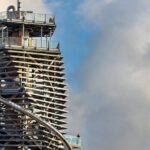
Family dies after fall from Germany’s tallest viewing tower​


The family were found at the bottom of the 213ft wood-and-steel structure in the Harz Mountains in Germany, News.Az reports, citing Metro.co.uk.

***

Firefighters rushed to the scene but the trio were declared dead.

Police have launched a major probe but the cause of the falls is still unclear.

The structure, which cost around 10 million euros to build features two observation decks and a ‘skywalk’ with a glass floor at a height of 45 meters.

The force added there was no technical defect in the tower.

According to the police’s current investigation, ‘no third-party negligence is suspected’.

An elevator provides access, but the tower can also be reached via stairs.

Another way down is via a 110-meter-long slide.

The post Family dies after fall from Germany’s tallest viewing tower​ appeared first on azeritimes.com.


Categories
The News And Times Blog

Global Escalation and Shifting Power Dynamics … Netanyahu’s canceled US visit – AI Briefs and Tweets – 7.16.26


#CIA #FBI #Mossad

 
News Review – AI Briefs

51 min ago 

Global Escalation and Shifting Power Dynamics Amid Rising Tensions

Summary Geopolitical tensions surged as military strikes, drone attacks, and cyber threats intensified across multiple regions, signaling a rapid escalation in global instability. …

News Review – AI Briefs

1 hrs ago

Cyber Threats and Geopolitical Tensions Escalate Globally

Summary Recent developments highlight a surge in cyber threats targeting critical infrastructure and government entities, alongside heightened geopolitical tensions. Foreign interf…

News Review – AI Briefs

2 hrs ago

Geopolitical Tensions and Strategic Shifts Reshape Eurasia

Summary Espionage, military escalation, and shifting trade alliances dominate recent developments across Eurasia. Azerbaijan and Armenia navigate a fragile peace amid territorial t…

Get updates to your inbox

News Review – AI Briefs

2 hrs ago

Espionage, Influence, and Political Disruption Resurface as Key Themes

Summary Historical and modern instances of espionage, foreign influence in U.S. politics, and domestic policy shifts are converging, revealing patterns of covert operations and par…

News Review – AI Briefs

3 hrs ago

Ukraine War Escalates Amid Shifting Tactics and Political Tensions

Summary Recent developments in the Ukraine war reveal growing challenges for Russia, including fuel shortages and operational setbacks, while Ukraine faces internal political turmo…

News Review – AI Briefs

3 hrs ago

Diplomacy Stalls, Misinformation Rises, SpaceX Dominates Markets

Summary Arab leaders label Netanyahu a diplomatic obstacle as his canceled US visit signals deepening Middle East gridlock. Meanwhile, election misinformation narratives gain tract…

News Review – AI Briefs

3 hrs ago

Escalating Pressure on Putin Amid War Setbacks and Internal Strife

Summary Recent developments suggest growing instability for Putin’s regime, both externally and internally. Ukraine’s military successes, including drone strikes on Russian vessels…

News Review – AI Briefs

3 hrs ago

Escalating NATO-Russia Tensions Signal Potential Conflict Shift

Summary Recent developments suggest NATO-Russia relations have deteriorated to a critical juncture, with rhetoric and military posturing indicating a potential shift from proxy con…

News Review – AI Briefs

3 hrs ago

Escalating Conflicts and Political Scandals Shape Global Tensions

Summary Recent developments highlight deepening geopolitical fractures, with military actions against Hamas commanders and growing support for Iran-led anti-Western alliances. Simu…

News Review – AI Briefs

4 hrs ago

Middle East Escalation and OSINT Evolution Drive Global Tensions

Summary A rapid escalation in the Middle East is marked by alleged drone strikes, missile exchanges, and military repositioning, with Iran, UAE, and US forces implicated in direct …

News Review – AI Briefs

7 hrs ago

Ukraine Crisis Escalates Amid Leadership Strife and Military Shifts

Summary Ukraine faces internal turmoil as protests erupt over the dismissal of Defense Minister Fedorov, with calls for Commander-in-Chief Syrsky’s removal amid accusations of auth…

News Review – AI Briefs

8 hrs ago

AI and Geopolitical Tensions Reshape Middle East Security

Summary Intelligence agencies like the CIA and FBI are rapidly adopting AI, signaling a transformative shift in global security operations. Simultaneously, escalating tensions in t…

News Review – AI Briefs

8 hrs ago

AI and Geopolitical Shifts Reshape Global Security Landscape

Summary Intelligence agencies are accelerating AI adoption while navigating political scrutiny and public distrust, signaling a transformative shift in national security operations…

News Review – AI Briefs

9 hrs ago

FBI Faces Shifting Priorities Amid Political and Criminal Probes

Summary The FBI is navigating a complex landscape of criminal investigations, political scrutiny, and institutional changes. High-profile cases include child exploitation, financia…

News Review – AI Briefs

9 hrs ago

Ukraine War Escalates as NATO Summit Looms

Summary Russia ramped up attacks on Ukraine ahead of a key NATO summit, hitting Kyiv with deadly strikes and stepping up disinformation. Ukraine’s counterattacks are disrupting lif…

News Review – AI Briefs

10 hrs ago

Ukraine War Heats Up as Leadership Shifts and Drone Warfare Dominates

Summary Ukraine’s defense minister resigned amid internal tensions, while Kyiv ramps up drone production and strikes deep into Russian territory. Meanwhile, Europe and Ukraine team…

News Review – AI Briefs

10 hrs ago

Global Tensions Rise Amid Shifting Alliances and Domestic Unrest

Summary Escalating conflicts in the Middle East and Eastern Europe dominate geopolitical developments, with Israel’s strikes in Gaza, Ukraine’s drone blockade of Crimea, and Iran-b…

News Review – AI Briefs

23 hrs ago

Global Shifts in Warfare, Diplomacy, and Domestic Unrest

Summary Emerging warfare tactics, including drone dominance and AI integration, are reshaping global conflicts, particularly in Ukraine. Diplomatic tensions escalate as the U.S. pr…

News Review – AI Briefs

1 day ago

Ukraine War Escalates as Russia Rejects Peacekeepers and Kyiv Boosts Arms Production

Summary Russia has dismissed the idea of a multinational peacekeeping force in Ukraine, calling it a threat, while Kyiv accelerates domestic production of advanced missiles and dro…

News Review – AI Briefs

1 day ago

Tensions politiques et sécuritaires sous l’administration Trump en 2026

Summary Les développements récents révèlent des divisions politiques persistantes et des actions controversées sous l’administration Trump, notamment sur les nominations clés, les …

News Review – AI Briefs

1 day ago

Ukraine War Escalates with Tech and Military Shifts

Summary Russia’s mounting military losses in Ukraine coincide with increased reliance on advanced technology and asymmetric tactics, suggesting a strategic pivot. The conflict’s es…

News Review – AI Briefs

1 day ago

Shifting Global Alliances and Escalating Military Strategies

Summary Europe abandons ESG constraints to bolster defense, while Ukraine intensifies attacks on Russian infrastructure and shipping. The U.S. reasserts naval dominance in the Midd…

News Review – AI Briefs

1 day ago

Putin’s War Backfires as Russia Faces Multi-Front Crisis

Summary Vladimir Putin’s invasion of Ukraine is unraveling on multiple fronts, with deepening military setbacks, economic strain, and internal dissent. Ukraine’s strikes on Russian…


#CIA #Mossad #Iran

#CIA #Mossad #Iran

#CIA  #Mossad  #Iran x.com/mikenov/status/2077855…Michael Novakhov (@mikenov) #Global Escalation and Shifting  #Power Dynamics Amid Rising Tensions  rss.app/brief/posts/c71e5e85… #AIBrief Global Escalation and Shifting Power Dynamics Amid Rising TensionsThursday, July 16, 20264:34 PMSummaryGeopolitical tensions surged as military strikes, drone attacks, and cyber threats intensified across multiple regions, signaling a rapid escalation in global instability. The U.S. and Iran exchanged direct military actions, while Ukraine’s drone strikes on Russian infrastructure and Iranian attacks on Gulf states underscored widening conflict zones. Simultaneously, domestic political divisions in the U.S. and legislative power shifts in Israel may reshape regional alliances and electoral landscapes.Key StoriesU.S. and Iran engage in sixth round of military strikes as attacks deepen — Reports confirm the U.S. launched a sixth round of strikes targeting Iranian positions in Bushehr and Ahvaz, with explosions also hitting key infrastructure like bridges and refineries. Iranian drone attacks on Kuwait and Dubai suggest retaliatory escalation, while strikes near Hamidiyeh indicate broadening conflict zones.Ukraine expands drone warfare with strikes on Russian oil refineries — Ukrainian drones targeted a refinery in Yaroslavl, marking a strategic shift in long-range attacks on Russian energy infrastructure. The incident, verified by OSINT analysts, may signal an acceleration of asymmetric warfare tactics to disrupt supply chains.Political rhetoric heats up as U.S. election tensions flare — Former President Trump issued urgent warnings amid heightened security alerts, while Senator Jon Ossoff criticized Trump’s response to the 2020 election as “the world’s most famous sore loser.” Polls show Trump’s approval rating at 37%, with strong support hitting a record low of 15%, reflecting deepening polarization.Cyber threats and foreign interference fears resurface ahead of U.S. elections — Reports highlight a surge in cyber threats targeting critical infrastructure, alongside persistent concerns about foreign election interference. The FBI is investigating a shooting at a federal immigration building in Phoenix, adding to domestic security anxieties.Media and OSINT roles expand amid global instability — CNN’s Visual Investigations team is hiring OSINT specialists to cover breaking news and long-term conflicts, reflecting growing demand for open-source intelligence in crisis reporting. Meanwhile, Iranian state media downplayed attacks, illustrating information warfare tactics.—  https://x.com/mikenov/status/2077855826417529071
#CIA #FBI #Mossad

#CIA #FBI #Mossad

#CIA  #FBI  #Mossad x.com/mikenov/status/2077849…Michael Novakhov (@mikenov) #CyberThreats and  #Geopolitical Tensions Escalate Globally – AI Mode share.google/aimode/MDVOcfKG… #AIBrief – Cyber Threats and Geopolitical Tensions Escalate Globally rss.app/brief/posts/780bca28…Thursday, July 16, 20264:01 PMSummaryRecent developments highlight a surge in cyber threats targeting critical infrastructure and government entities, alongside heightened geopolitical tensions. Foreign interference in elections remains a persistent concern, with new admissions and historical patterns resurfacing. Military actions and domestic security incidents further underscore escalating instability.Key StoriesForeign interference in elections confirmed as Putin admits 2016 election meddling — Russian President Vladimir Putin publicly acknowledged directing efforts to help Donald Trump win the 2016 U.S. election, reigniting debates over foreign influence in democratic processes. This admission aligns with long-standing allegations and suggests a pattern of state-sponsored interference.Cyberattacks target French firefighters and U.S. commercial infrastructure — Threat actors advertised administrative access to France’s national firefighter federation database and leaked a WordPress database tied to a Dallas mixed-use facility. These breaches may indicate a broader trend of targeting public safety and commercial entities for disruption or espionage.U.S. launches new airstrikes on Iran amid rising regional tensions — The U.S. resumed airstrikes on western Iranian cities, signaling an escalation in military actions. Explosions reported across multiple locations suggest a coordinated effort, potentially exacerbating existing geopolitical conflicts.Shots fired at ICE building in Phoenix prompt FBI investigation — An attack on a U.S. Immigration and Customs Enforcement facility in Phoenix resulted in no injuries but drew immediate FBI involvement. The incident reflects growing domestic security risks and potential targeting of federal agencies.Espionage and political disruption resurface as key themes in intelligence briefs — Historical and modern cases of espionage and foreign influence in U.S. politics are being revisited, suggesting a renewed focus on hybrid threats. This may indicate efforts to contextualize current risks within broader historical patterns.—  https://x.com/mikenov/status/2077849063152660961
#Global Escalation and Shifting #Power Dynamics Amid Rising Tensions https://rss.app/brief/posts/c71e5e85524123a3736a2f2fa31f46b0 #AIBrief Global Escalation and Shifting Power Dynamics Amid Rising Tensions Thursday, July 16, 20264:34 PM Summary Geopolitical tensions surged as military strikes, drone attacks, and cyber threats intensified across multiple regions, signaling a rapid escalation in global instability. The U.S. and Iran exchanged direct military actions, while Ukraine’s drone strikes on Russian infrastructure and Iranian attacks on Gulf states underscored widening conflict zones. Simultaneously, domestic political divisions in the U.S. and legislative power shifts in Israel may re

#Global Escalation and Shifting #Power Dynamics Amid Rising Tensions https://rss.app/brief/posts/c71e5e85524123a3736a2f2fa31f46b0 #AIBrief Global Escalation and Shifting Power Dynamics Amid Rising Tensions Thursday, July 16, 20264:34 PM Summary Geopolitical tensions surged as military strikes, drone attacks, and cyber threats intensified across multiple regions, signaling a rapid escalation in global instability. The U.S. and Iran exchanged direct military actions, while Ukraine’s drone strikes on Russian infrastructure and Iranian attacks on Gulf states underscored widening conflict zones. Simultaneously, domestic political divisions in the U.S. and legislative power shifts in Israel may re

#Global Escalation and Shifting  #Power Dynamics Amid Rising Tensions  rss.app/brief/posts/c71e5e85… #AIBrief Global Escalation and Shifting Power Dynamics Amid Rising TensionsThursday, July 16, 20264:34 PMSummaryGeopolitical tensions surged as military strikes, drone attacks, and cyber threats intensified across multiple regions, signaling a rapid escalation in global instability. The U.S. and Iran exchanged direct military actions, while Ukraine’s drone strikes on Russian infrastructure and Iranian attacks on Gulf states underscored widening conflict zones. Simultaneously, domestic political divisions in the U.S. and legislative power shifts in Israel may reshape regional alliances and electoral landscapes.Key StoriesU.S. and Iran engage in sixth round of military strikes as attacks deepen — Reports confirm the U.S. launched a sixth round of strikes targeting Iranian positions in Bushehr and Ahvaz, with explosions also hitting key infrastructure like bridges and refineries. Iranian drone attacks on Kuwait and Dubai suggest retaliatory escalation, while strikes near Hamidiyeh indicate broadening conflict zones.Ukraine expands drone warfare with strikes on Russian oil refineries — Ukrainian drones targeted a refinery in Yaroslavl, marking a strategic shift in long-range attacks on Russian energy infrastructure. The incident, verified by OSINT analysts, may signal an acceleration of asymmetric warfare tactics to disrupt supply chains.Political rhetoric heats up as U.S. election tensions flare — Former President Trump issued urgent warnings amid heightened security alerts, while Senator Jon Ossoff criticized Trump’s response to the 2020 election as “the world’s most famous sore loser.” Polls show Trump’s approval rating at 37%, with strong support hitting a record low of 15%, reflecting deepening polarization.Cyber threats and foreign interference fears resurface ahead of U.S. elections — Reports highlight a surge in cyber threats targeting critical infrastructure, alongside persistent concerns about foreign election interference. The FBI is investigating a shooting at a federal immigration building in Phoenix, adding to domestic security anxieties.Media and OSINT roles expand amid global instability — CNN’s Visual Investigations team is hiring OSINT specialists to cover breaking news and long-term conflicts, reflecting growing demand for open-source intelligence in crisis reporting. Meanwhile, Iranian state media downplayed attacks, illustrating information warfare tactics.
#CyberThreats and #Geopolitical Tensions Escalate Globally - AI Mode https://share.google/aimode/MDVOcfKG8lCDZPbzl #AIBrief - Cyber Threats and Geopolitical Tensions Escalate Globally https://rss.app/brief/posts/780bca287367b69ba02155ad836e2dbe Thursday, July 16, 20264:01 PM Summary Recent developments highlight a surge in cyber threats targeting critical infrastructure and government entities, alongside heightened geopolitical tensions. Foreign interference in elections remains a persistent concern, with new admissions and historical patterns resurfacing. Military actions and domestic security incidents further underscore escalating instability. Key Stories Foreign interference in elections

#CyberThreats and #Geopolitical Tensions Escalate Globally – AI Mode https://share.google/aimode/MDVOcfKG8lCDZPbzl #AIBrief – Cyber Threats and Geopolitical Tensions Escalate Globally https://rss.app/brief/posts/780bca287367b69ba02155ad836e2dbe Thursday, July 16, 20264:01 PM Summary Recent developments highlight a surge in cyber threats targeting critical infrastructure and government entities, alongside heightened geopolitical tensions. Foreign interference in elections remains a persistent concern, with new admissions and historical patterns resurfacing. Military actions and domestic security incidents further underscore escalating instability. Key Stories Foreign interference in elections

#CyberThreats and  #Geopolitical Tensions Escalate Globally – AI Mode share.google/aimode/MDVOcfKG… #AIBrief – Cyber Threats and Geopolitical Tensions Escalate Globally rss.app/brief/posts/780bca28…Thursday, July 16, 20264:01 PMSummaryRecent developments highlight a surge in cyber threats targeting critical infrastructure and government entities, alongside heightened geopolitical tensions. Foreign interference in elections remains a persistent concern, with new admissions and historical patterns resurfacing. Military actions and domestic security incidents further underscore escalating instability.Key StoriesForeign interference in elections confirmed as Putin admits 2016 election meddling — Russian President Vladimir Putin publicly acknowledged directing efforts to help Donald Trump win the 2016 U.S. election, reigniting debates over foreign influence in democratic processes. This admission aligns with long-standing allegations and suggests a pattern of state-sponsored interference.Cyberattacks target French firefighters and U.S. commercial infrastructure — Threat actors advertised administrative access to France’s national firefighter federation database and leaked a WordPress database tied to a Dallas mixed-use facility. These breaches may indicate a broader trend of targeting public safety and commercial entities for disruption or espionage.U.S. launches new airstrikes on Iran amid rising regional tensions — The U.S. resumed airstrikes on western Iranian cities, signaling an escalation in military actions. Explosions reported across multiple locations suggest a coordinated effort, potentially exacerbating existing geopolitical conflicts.Shots fired at ICE building in Phoenix prompt FBI investigation — An attack on a U.S. Immigration and Customs Enforcement facility in Phoenix resulted in no injuries but drew immediate FBI involvement. The incident reflects growing domestic security risks and potential targeting of federal agencies.Espionage and political disruption resurface as key themes in intelligence briefs — Historical and modern cases of espionage and foreign influence in U.S. politics are being revisited, suggesting a renewed focus on hybrid threats. This may indicate efforts to contextualize current risks within broader historical patterns.

Cyber Threats and Geopolitical Tensions Escalate Globally https://rss.app/brief/posts/780bca287367b69ba02155ad836e2dbe

Cyber Threats and Geopolitical Tensions Escalate Globally  rss.app/brief/posts/780bca28…
#CIA #FBI #Mossad Netanyahu’s canceled US visit https://share.google/aimode/Mm9IjnXAYwmXLkE00 highlights regional diplomatic impasse

#CIA #FBI #Mossad Netanyahu’s canceled US visit https://share.google/aimode/Mm9IjnXAYwmXLkE00 highlights regional diplomatic impasse

#CIA  #FBI  #Mossad Netanyahu’s canceled US visit share.google/aimode/Mm9IjnXA…highlights regional diplomatic impasse x.com/mikenov/status/2077841…Michael Novakhov (@mikenov) #Diplomacy Stalls,  #Misinformation Rises, SpaceX Dominates Markets  rss.app/brief/posts/f6d37a9b… #AIBriefDiplomacy Stalls, Misinformation Rises, SpaceX Dominates MarketsThursday, July 16, 20262:15 PMSummaryArab leaders label Netanyahu a diplomatic obstacle as his canceled US visit signals deepening Middle East gridlock. Meanwhile, election misinformation narratives gain traction, and SpaceX’s market activity reflects growing investor interest in private space ventures. These trends suggest escalating geopolitical tensions, erosion of public trust in information, and accelerating commercialization of space.Key StoriesNetanyahu’s canceled US visit highlights regional diplomatic impasse — Arab leaders publicly call Netanyahu an obstacle to Middle East diplomacy, while his planned US trip collapses after a Trump meeting fails to materialize, indicating stalled negotiations and heightened tensions.Election misinformation narratives persist despite lack of evidence — John Solomon, linked to Trump’s prime-time speech, continues promoting unverified claims of Chinese interference in the 2020 election, suggesting coordinated efforts to shape political discourse ahead of upcoming elections.SpaceX’s market activity draws investor and media attention — SpaceX’s stock performance and tokenized price tracking dominate financial news, reflecting growing speculation and interest in private space exploration as a commercial sector.Congressional clash over consumer protections targets medical debt policies — Rep. Pressley criticizes CFPB Director Vought for weakening medical debt protections, signaling a broader debate over financial regulations and their impact on vulnerable households.—  https://x.com/mikenov/status/2077841946601730547
RT by @mikenov: RT by @mikenov: Trump initially estimated that the war would conclude within six weeks, but it has now reached its fifth month https://trib.al/hC9mKpp 🔗

RT by @mikenov: RT by @mikenov: Trump initially estimated that the war would conclude within six weeks, but it has now reached its fifth month https://trib.al/hC9mKpp 🔗

Trump initially estimated that the war would conclude within six weeks, but it has now reached its fifth month  trib.al/hC9mKpp 🔗
#CIA #FBI #Mossad Netanyahu’s canceled US visit highlights regional diplomatic impasse

#CIA #FBI #Mossad Netanyahu’s canceled US visit highlights regional diplomatic impasse

#CIA  #FBI  #Mossad Netanyahu’s canceled US visit highlights regional diplomatic impasse x.com/mikenov/status/2077841…Michael Novakhov (@mikenov) #Diplomacy Stalls,  #Misinformation Rises, SpaceX Dominates Markets  rss.app/brief/posts/f6d37a9b… #AIBriefDiplomacy Stalls, Misinformation Rises, SpaceX Dominates MarketsThursday, July 16, 20262:15 PMSummaryArab leaders label Netanyahu a diplomatic obstacle as his canceled US visit signals deepening Middle East gridlock. Meanwhile, election misinformation narratives gain traction, and SpaceX’s market activity reflects growing investor interest in private space ventures. These trends suggest escalating geopolitical tensions, erosion of public trust in information, and accelerating commercialization of space.Key StoriesNetanyahu’s canceled US visit highlights regional diplomatic impasse — Arab leaders publicly call Netanyahu an obstacle to Middle East diplomacy, while his planned US trip collapses after a Trump meeting fails to materialize, indicating stalled negotiations and heightened tensions.Election misinformation narratives persist despite lack of evidence — John Solomon, linked to Trump’s prime-time speech, continues promoting unverified claims of Chinese interference in the 2020 election, suggesting coordinated efforts to shape political discourse ahead of upcoming elections.SpaceX’s market activity draws investor and media attention — SpaceX’s stock performance and tokenized price tracking dominate financial news, reflecting growing speculation and interest in private space exploration as a commercial sector.Congressional clash over consumer protections targets medical debt policies — Rep. Pressley criticizes CFPB Director Vought for weakening medical debt protections, signaling a broader debate over financial regulations and their impact on vulnerable households.—  https://x.com/mikenov/status/2077841946601730547
#Diplomacy Stalls, #Misinformation Rises, SpaceX Dominates Markets https://rss.app/brief/posts/f6d37a9b269a8106b58415dfb34c3da0 #AIBrief Diplomacy Stalls, Misinformation Rises, SpaceX Dominates Markets Thursday, July 16, 20262:15 PM Summary Arab leaders label Netanyahu a diplomatic obstacle as his canceled US visit signals deepening Middle East gridlock. Meanwhile, election misinformation narratives gain traction, and SpaceX's market activity reflects growing investor interest in private space ventures. These trends suggest escalating geopolitical tensions, erosion of public trust in information, and accelerating commercialization of space. Key Stories Netanyahu’s canceled US visit highlight

#Diplomacy Stalls, #Misinformation Rises, SpaceX Dominates Markets https://rss.app/brief/posts/f6d37a9b269a8106b58415dfb34c3da0 #AIBrief Diplomacy Stalls, Misinformation Rises, SpaceX Dominates Markets Thursday, July 16, 20262:15 PM Summary Arab leaders label Netanyahu a diplomatic obstacle as his canceled US visit signals deepening Middle East gridlock. Meanwhile, election misinformation narratives gain traction, and SpaceX’s market activity reflects growing investor interest in private space ventures. These trends suggest escalating geopolitical tensions, erosion of public trust in information, and accelerating commercialization of space. Key Stories Netanyahu’s canceled US visit highlight

#Diplomacy Stalls,  #Misinformation Rises, SpaceX Dominates Markets  rss.app/brief/posts/f6d37a9b… #AIBriefDiplomacy Stalls, Misinformation Rises, SpaceX Dominates MarketsThursday, July 16, 20262:15 PMSummaryArab leaders label Netanyahu a diplomatic obstacle as his canceled US visit signals deepening Middle East gridlock. Meanwhile, election misinformation narratives gain traction, and SpaceX’s market activity reflects growing investor interest in private space ventures. These trends suggest escalating geopolitical tensions, erosion of public trust in information, and accelerating commercialization of space.Key StoriesNetanyahu’s canceled US visit highlights regional diplomatic impasse — Arab leaders publicly call Netanyahu an obstacle to Middle East diplomacy, while his planned US trip collapses after a Trump meeting fails to materialize, indicating stalled negotiations and heightened tensions.Election misinformation narratives persist despite lack of evidence — John Solomon, linked to Trump’s prime-time speech, continues promoting unverified claims of Chinese interference in the 2020 election, suggesting coordinated efforts to shape political discourse ahead of upcoming elections.SpaceX’s market activity draws investor and media attention — SpaceX’s stock performance and tokenized price tracking dominate financial news, reflecting growing speculation and interest in private space exploration as a commercial sector.Congressional clash over consumer protections targets medical debt policies — Rep. Pressley criticizes CFPB Director Vought for weakening medical debt protections, signaling a broader debate over financial regulations and their impact on vulnerable households.
#CIA #Mossad #GRU

#CIA #Mossad #GRU

#CIA  #Mossad  #GRU x.com/mikenov/status/2077835…Michael Novakhov (@mikenov)AI Mode   share.google/aimode/u6YKBXYA… #Espionage  #ODNI rss.app/brief/posts/ac1de3a8… #AIBriefEspionage, Influence, and Political Disruption Resurface as Key ThemesThursday, July 16, 20263:10 PMSummaryHistorical and modern instances of espionage, foreign influence in U.S. politics, and domestic policy shifts are converging, revealing patterns of covert operations and partisan exploitation of national security threats. The resurgence of these themes suggests a deepening entanglement of geopolitical strategy with electoral dynamics, alongside growing scrutiny of state-level policy experiments.Key StoriesForeign influence operations target U.S. elections with bipartisan reach — Chinese actors, including figures like Guo Wengui, have actively interfered in U.S. elections by funding both major parties and spreading disinformation, with evidence pointing to disproportionate support for Trump in 2020. This underscores how foreign powers exploit partisan divisions to advance their interests, complicating efforts to address the threat uniformly.Historical espionage tactics reveal enduring patterns of covert adaptation — Mid-20th century espionage cases, such as Basil Bunting blending into hostile crowds or Robert Maxwell embedding in U.S. publishing, highlight timeless strategies of infiltration and misdirection. These examples may indicate how modern operatives similarly exploit institutional blind spots or cultural footholds.FBI escalates scrutiny of election integrity and internal leaks — Recent actions, including the seizure of Fulton County election documents and demands for White House officials to surrender phones, signal heightened federal focus on electoral transparency and classified information security. The moves suggest growing institutional pressure to preempt disruptions ahead of future elections.California’s equity policies spark comparisons to South Africa’s racial dynamics — Critics argue California’s government-wide equity initiatives risk replicating South Africa’s race-based policy frameworks, raising questions about the long-term social and economic consequences of such approaches. The debate reflects broader national tensions over affirmative action and state-led redistribution.Fracking’s decline reshapes America’s energy and political landscape — The rapid rise and fall of fracking in the U.S. exposes vulnerabilities in energy policy and regional economies, with implications for climate goals and geopolitical leverage. The shift may accelerate transitions to alternative energy sources while leaving fossil-fuel-dependent communities in flux.—  https://x.com/mikenov/status/2077835501453635858
Blog Review Escalating #NATO-#Russia Tensions Signal Potential Conflict Shift https://rss.app/brief/posts/fa4fc45b666e42ea06cea298af501465 #AIBrief Escalating NATO-Russia Tensions Signal Potential Conflict Shift Thursday, July 16, 20262:00 PM Summary Recent developments suggest NATO-Russia relations have deteriorated to a critical juncture, with rhetoric and military posturing indicating a potential shift from proxy conflicts to direct confrontation. Analysts warn of second-order effects, including accelerated arms races and economic destabilization in bordering regions. Key Stories Russia and NATO edge closer to direct military confrontation — Reports highlight heightened military activity

Blog Review Escalating #NATO-#Russia Tensions Signal Potential Conflict Shift https://rss.app/brief/posts/fa4fc45b666e42ea06cea298af501465 #AIBrief Escalating NATO-Russia Tensions Signal Potential Conflict Shift Thursday, July 16, 20262:00 PM Summary Recent developments suggest NATO-Russia relations have deteriorated to a critical juncture, with rhetoric and military posturing indicating a potential shift from proxy conflicts to direct confrontation. Analysts warn of second-order effects, including accelerated arms races and economic destabilization in bordering regions. Key Stories Russia and NATO edge closer to direct military confrontation — Reports highlight heightened military activity

Blog ReviewEscalating  #NATO- #Russia Tensions Signal Potential Conflict Shift  rss.app/brief/posts/fa4fc45b… #AIBriefEscalating NATO-Russia Tensions Signal Potential Conflict ShiftThursday, July 16, 20262:00 PMSummaryRecent developments suggest NATO-Russia relations have deteriorated to a critical juncture, with rhetoric and military posturing indicating a potential shift from proxy conflicts to direct confrontation. Analysts warn of second-order effects, including accelerated arms races and economic destabilization in bordering regions.Key StoriesRussia and NATO edge closer to direct military confrontation — Reports highlight heightened military activity and inflammatory rhetoric from both NATO and Russian officials, suggesting a breakdown in diplomatic channels and an increased risk of miscalculation leading to full-scale conflict.Analysts warn of broader implications beyond immediate conflict zones — Observers note that escalating tensions may trigger a new arms race, disrupt global supply chains, and exacerbate energy market volatility, particularly in Europe and Central Asia.Proxy conflicts may transition to direct engagement — The shift from indirect support in regional conflicts to potential direct military engagement between NATO and Russia could redefine geopolitical alliances and security frameworks worldwide.
AI Mode https://share.google/aimode/u6YKBXYAVlqinNAcN #Espionage #ODNI https://rss.app/brief/posts/ac1de3a8cd323df234b73d973627e759 #AIBrief Espionage, Influence, and Political Disruption Resurface as Key Themes Thursday, July 16, 20263:10 PM Summary Historical and modern instances of espionage, foreign influence in U.S. politics, and domestic policy shifts are converging, revealing patterns of covert operations and partisan exploitation of national security threats. The resurgence of these themes suggests a deepening entanglement of geopolitical strategy with electoral dynamics, alongside growing scrutiny of state-level policy experiments. Key Stories Foreign influence operations target U.S

AI Mode https://share.google/aimode/u6YKBXYAVlqinNAcN #Espionage #ODNI https://rss.app/brief/posts/ac1de3a8cd323df234b73d973627e759 #AIBrief Espionage, Influence, and Political Disruption Resurface as Key Themes Thursday, July 16, 20263:10 PM Summary Historical and modern instances of espionage, foreign influence in U.S. politics, and domestic policy shifts are converging, revealing patterns of covert operations and partisan exploitation of national security threats. The resurgence of these themes suggests a deepening entanglement of geopolitical strategy with electoral dynamics, alongside growing scrutiny of state-level policy experiments. Key Stories Foreign influence operations target U.S

AI Mode   share.google/aimode/u6YKBXYA… #Espionage  #ODNI rss.app/brief/posts/ac1de3a8… #AIBriefEspionage, Influence, and Political Disruption Resurface as Key ThemesThursday, July 16, 20263:10 PMSummaryHistorical and modern instances of espionage, foreign influence in U.S. politics, and domestic policy shifts are converging, revealing patterns of covert operations and partisan exploitation of national security threats. The resurgence of these themes suggests a deepening entanglement of geopolitical strategy with electoral dynamics, alongside growing scrutiny of state-level policy experiments.Key StoriesForeign influence operations target U.S. elections with bipartisan reach — Chinese actors, including figures like Guo Wengui, have actively interfered in U.S. elections by funding both major parties and spreading disinformation, with evidence pointing to disproportionate support for Trump in 2020. This underscores how foreign powers exploit partisan divisions to advance their interests, complicating efforts to address the threat uniformly.Historical espionage tactics reveal enduring patterns of covert adaptation — Mid-20th century espionage cases, such as Basil Bunting blending into hostile crowds or Robert Maxwell embedding in U.S. publishing, highlight timeless strategies of infiltration and misdirection. These examples may indicate how modern operatives similarly exploit institutional blind spots or cultural footholds.FBI escalates scrutiny of election integrity and internal leaks — Recent actions, including the seizure of Fulton County election documents and demands for White House officials to surrender phones, signal heightened federal focus on electoral transparency and classified information security. The moves suggest growing institutional pressure to preempt disruptions ahead of future elections.California’s equity policies spark comparisons to South Africa’s racial dynamics — Critics argue California’s government-wide equity initiatives risk replicating South Africa’s race-based policy frameworks, raising questions about the long-term social and economic consequences of such approaches. The debate reflects broader national tensions over affirmative action and state-led redistribution.Fracking’s decline reshapes America’s energy and political landscape — The rapid rise and fall of fracking in the U.S. exposes vulnerabilities in energy policy and regional economies, with implications for climate goals and geopolitical leverage. The shift may accelerate transitions to alternative energy sources while leaving fossil-fuel-dependent communities in flux.
RT by @mikenov: RT by @mikenov: Maybe Trump should also discuss foreign interference in the 2016 election from Russia. Reporter: "Did you want President Trump to win the election and did you direct any of your officials to help him do that? " Putin: "Yes I did"

RT by @mikenov: RT by @mikenov: Maybe Trump should also discuss foreign interference in the 2016 election from Russia. Reporter: “Did you want President Trump to win the election and did you direct any of your officials to help him do that? ” Putin: “Yes I did”

Maybe Trump should also discuss foreign interference in the 2016 election from Russia.Reporter: “Did you want President Trump to win the election and did you direct any of your officials to help him do that? “Putin: “Yes I did” Video
RT by @mikenov: RT by @mikenov: 🔴 This is going viral right now: shots fired at the ICE building in Phoenix, with the FBI on the case. No injuries reported. Follow OSINT 360 to catch web changes immediately #Phoenix #FBI #ICE #breakingnews #viral

RT by @mikenov: RT by @mikenov: 🔴 This is going viral right now: shots fired at the ICE building in Phoenix, with the FBI on the case. No injuries reported. Follow OSINT 360 to catch web changes immediately #Phoenix #FBI #ICE #breakingnews #viral

🔴 This is going viral right now: shots fired at the ICE building in Phoenix, with the FBI on the case. No injuries reported.Follow OSINT 360 to catch web changes immediately #Phoenix  #FBI  #ICE  #breakingnews  #viral Video
RT by @mikenov: RT by @mikenov: America resumed another wave of airstrikes on Iran roughly an hour ago, with explosions already reported in multiple western Iranian cities.

RT by @mikenov: RT by @mikenov: America resumed another wave of airstrikes on Iran roughly an hour ago, with explosions already reported in multiple western Iranian cities.

America resumed another wave of airstrikes on Iran roughly an hour ago, with explosions already reported in multiple western Iranian cities.
#CIA #Russia #Leaders Putya-boy is having a hard time. Z-z-z. НеПутёвый. Z-z-z.

#CIA #Russia #Leaders Putya-boy is having a hard time. Z-z-z. НеПутёвый. Z-z-z.

#CIA  #Russia  #Leaders Putya-boy is having a hard time. Z-z-z.НеПутёвый. Z-z-z. x.com/mikenov/status/2077820…Michael Novakhov (@mikenov) #AIBriefWestern  #leaders unite to curb  #Putin’s influence. Putin faces recruitment crisis and domestic fallout from war. Escalating Pressure on Putin Amid War Setbacks and Internal Strife  rss.app/brief/posts/be14ff78… Escalating Pressure on Putin Amid War Setbacks and Internal StrifeThursday, July 16, 20262:07 PMSummaryRecent developments suggest growing instability for Putin’s regime, both externally and internally. Ukraine’s military successes, including drone strikes on Russian vessels, contrast with reports of recruitment crises and domestic unrest. Western leaders are increasingly vocal about removing Putin’s leverage, while Trump claims Putin is ready for peace talks, though skepticism remains high.Key StoriesUkraine’s drone strike cripples Russian ship linked to Putin — A Ukrainian drone reportedly split a Russian vessel in half near a facility allegedly tied to Putin, highlighting Ukraine’s expanding offensive capabilities and vulnerabilities in Russia’s naval defenses. The attack underscores the war’s escalation beyond traditional battlefields.Western leaders unite to curb Putin’s influence as war drags on — Bipartisan U.S. support for anti-Russia legislation, alongside warnings to Trump about perceived weakness, signals a hardening Western stance. Poland’s claim that Modi dissuaded Putin from a nuclear strike may indicate diplomatic efforts to contain the conflict’s risks.Putin faces recruitment crisis and domestic fallout from war — Reports of a recruitment shortfall and internal instability suggest the war’s toll on Russia is deepening. Ukraine’s cross-border attacks are exacerbating tensions, though analysts doubt these will directly threaten Putin’s grip on power.Trump claims Putin ready for peace deal amid skepticism — Trump’s assertion that Putin is prepared to negotiate contrasts with broader Western skepticism and calls for stronger action. The statement may reflect diplomatic posturing or a divergence in U.S. policy approaches.- x.com/jalle51/status/2077704…—  https://x.com/mikenov/status/2077820875890663855
#FBI #ODNI #Counterintelligence

#FBI #ODNI #Counterintelligence

#FBI  #ODNI  #Counterintelligence x.com/mikenov/status/2077813…Michael Novakhov (@mikenov) #OSINT platforms integrate  #AI and real-time tools as demand for geopolitical  #intelligence surges x.com/VivekIntel/status/2077…— New open-source platforms like Redroom and commercial tools such as CO3 are leveraging AI for threat analysis and real-time news aggregation, reflecting a broader trend toward automated, scalable OSINT solutions. The shift suggests growing institutional reliance on decentralized intelligence amid global instability.Middle East Escalation and OSINT Evolution Drive Global Tensions  rss.app/brief/posts/27248813… AI BriefMiddle East Escalation and OSINT Evolution Drive Global TensionsThursday, July 16, 20261:22 PMSummaryA rapid escalation in the Middle East is marked by alleged drone strikes, missile exchanges, and military repositioning, with Iran, UAE, and US forces implicated in direct confrontations. Open-source intelligence (OSINT) tools and methodologies are simultaneously evolving, reflecting both heightened demand for real-time geopolitical monitoring and growing scrutiny of investigative rigor. These developments suggest a shift toward more decentralized, AI-assisted intelligence gathering amid intensifying regional instability.Key StoriesSatellite imagery confirms US Patriot launcher destruction in Iraq amid Iran-linked drone strike — Satellite evidence suggests a US Patriot air defense system at Erbil Airport was destroyed in an alleged Iranian Shahed-136 drone attack, potentially signaling a dangerous escalation in asymmetric warfare tactics. The incident may indicate Iran’s willingness to directly challenge US military assets in the region.UAE and Iran exchange strikes as Gulf tensions erupt into open conflict — Unconfirmed reports and leaked drone footage describe UAE-made Yabhon drones striking Iran’s Bandar Abbas port, while explosions in Abu Dhabi and Dubai trigger media denials. The incidents, if verified, would represent a dramatic expansion of hostilities beyond proxy conflicts into direct state-on-state attacks.Russian naval withdrawal from Mediterranean leaves power vacuum as Turkey blocks straits — OSINT analysts confirm the Mediterranean Sea is devoid of Russian warships for the first time since 2013, following Turkey’s closure of the Bosporus and Dardanelles to Russian military traffic. The development may force Russia to rely on more vulnerable Arctic or Pacific routes for naval operations.OSINT platforms integrate AI and real-time tools as demand for geopolitical intelligence surges — New open-source platforms like Redroom and commercial tools such as CO3 are leveraging AI for threat analysis and real-time news aggregation, reflecting a broader trend toward automated, scalable OSINT solutions. The shift suggests growing institutional reliance on decentralized intelligence amid global instability.US and Israel face scrutiny over Epstein ties as Congress pursues sworn testimony — US Vice President JD Vance and congressional investigators are publicly linking Jeffrey Epstein to high-level US and Israeli intelligence agencies, while Congress seeks sworn affidavits from survivors. The developments may signal a renewed effort to uncover institutional complicity in Epstein’s operations.- x.com/VivekIntel/status/2077…—  https://x.com/mikenov/status/2077813582603964618
#CIA #Russia #Mossad Putya-boy has a hard time. Z-z-z.

#CIA #Russia #Mossad Putya-boy has a hard time. Z-z-z.

#CIA  #Russia  #Mossad Putya-boy has a hard time. Z-z-z. x.com/mikenov/status/2077820…Michael Novakhov (@mikenov) #AIBriefWestern  #leaders unite to curb  #Putin’s influence. Putin faces recruitment crisis and domestic fallout from war. Escalating Pressure on Putin Amid War Setbacks and Internal Strife  rss.app/brief/posts/be14ff78… Escalating Pressure on Putin Amid War Setbacks and Internal StrifeThursday, July 16, 20262:07 PMSummaryRecent developments suggest growing instability for Putin’s regime, both externally and internally. Ukraine’s military successes, including drone strikes on Russian vessels, contrast with reports of recruitment crises and domestic unrest. Western leaders are increasingly vocal about removing Putin’s leverage, while Trump claims Putin is ready for peace talks, though skepticism remains high.Key StoriesUkraine’s drone strike cripples Russian ship linked to Putin — A Ukrainian drone reportedly split a Russian vessel in half near a facility allegedly tied to Putin, highlighting Ukraine’s expanding offensive capabilities and vulnerabilities in Russia’s naval defenses. The attack underscores the war’s escalation beyond traditional battlefields.Western leaders unite to curb Putin’s influence as war drags on — Bipartisan U.S. support for anti-Russia legislation, alongside warnings to Trump about perceived weakness, signals a hardening Western stance. Poland’s claim that Modi dissuaded Putin from a nuclear strike may indicate diplomatic efforts to contain the conflict’s risks.Putin faces recruitment crisis and domestic fallout from war — Reports of a recruitment shortfall and internal instability suggest the war’s toll on Russia is deepening. Ukraine’s cross-border attacks are exacerbating tensions, though analysts doubt these will directly threaten Putin’s grip on power.Trump claims Putin ready for peace deal amid skepticism — Trump’s assertion that Putin is prepared to negotiate contrasts with broader Western skepticism and calls for stronger action. The statement may reflect diplomatic posturing or a divergence in U.S. policy approaches.- x.com/jalle51/status/2077704…—  https://x.com/mikenov/status/2077820875890663855
#CIA #Russia #Mossad Putya-boy has a hard time. Z-z-z.

#CIA #Russia #Mossad Putya-boy has a hard time. Z-z-z.

#CIA  #Russia  #Mossad Putya-boy has a hard time. Z-z-z. x.com/mikenov/status/2077820…Michael Novakhov (@mikenov) #AIBriefWestern  #leaders unite to curb  #Putin’s influence. Putin faces recruitment crisis and domestic fallout from war. Escalating Pressure on Putin Amid War Setbacks and Internal Strife  rss.app/brief/posts/be14ff78… Escalating Pressure on Putin Amid War Setbacks and Internal StrifeThursday, July 16, 20262:07 PMSummaryRecent developments suggest growing instability for Putin’s regime, both externally and internally. Ukraine’s military successes, including drone strikes on Russian vessels, contrast with reports of recruitment crises and domestic unrest. Western leaders are increasingly vocal about removing Putin’s leverage, while Trump claims Putin is ready for peace talks, though skepticism remains high.Key StoriesUkraine’s drone strike cripples Russian ship linked to Putin — A Ukrainian drone reportedly split a Russian vessel in half near a facility allegedly tied to Putin, highlighting Ukraine’s expanding offensive capabilities and vulnerabilities in Russia’s naval defenses. The attack underscores the war’s escalation beyond traditional battlefields.Western leaders unite to curb Putin’s influence as war drags on — Bipartisan U.S. support for anti-Russia legislation, alongside warnings to Trump about perceived weakness, signals a hardening Western stance. Poland’s claim that Modi dissuaded Putin from a nuclear strike may indicate diplomatic efforts to contain the conflict’s risks.Putin faces recruitment crisis and domestic fallout from war — Reports of a recruitment shortfall and internal instability suggest the war’s toll on Russia is deepening. Ukraine’s cross-border attacks are exacerbating tensions, though analysts doubt these will directly threaten Putin’s grip on power.Trump claims Putin ready for peace deal amid skepticism — Trump’s assertion that Putin is prepared to negotiate contrasts with broader Western skepticism and calls for stronger action. The statement may reflect diplomatic posturing or a divergence in U.S. policy approaches.- x.com/jalle51/status/2077704…—  https://x.com/mikenov/status/2077820875890663855
#AIBrief #UkraineWar Escalates Amid Shifting Tactics and #Political Tensions https://rss.app/brief/posts/f70d70b892bce7a104f0439b2f7ec238 AI Mode https://share.google/aimode/CGgsjU35nVudU8iw8

#AIBrief #UkraineWar Escalates Amid Shifting Tactics and #Political Tensions https://rss.app/brief/posts/f70d70b892bce7a104f0439b2f7ec238 AI Mode https://share.google/aimode/CGgsjU35nVudU8iw8

#AIBrief #UkraineWar Escalates Amid Shifting Tactics and  #Political Tensions  rss.app/brief/posts/f70d70b8… AI Mode share.google/aimode/CGgsjU35…
#AIBrief Western #leaders unite to curb #Putin's influence. Putin faces recruitment crisis and domestic fallout from war. Escalating Pressure on Putin Amid War Setbacks and Internal Strife https://rss.app/brief/posts/be14ff780328335775b57914d1df0a55 Escalating Pressure on Putin Amid War Setbacks and Internal Strife Thursday, July 16, 2026 2:07 PM Summary Recent developments suggest growing instability for Putin's regime, both externally and internally. Ukraine's military successes, including drone strikes on Russian vessels, contrast with reports of recruitment crises and domestic unrest. Western leaders are increasingly vocal about removing Putin's leverage, while Trump claims Putin is read

#AIBrief Western #leaders unite to curb #Putin’s influence. Putin faces recruitment crisis and domestic fallout from war. Escalating Pressure on Putin Amid War Setbacks and Internal Strife https://rss.app/brief/posts/be14ff780328335775b57914d1df0a55 Escalating Pressure on Putin Amid War Setbacks and Internal Strife Thursday, July 16, 2026 2:07 PM Summary Recent developments suggest growing instability for Putin’s regime, both externally and internally. Ukraine’s military successes, including drone strikes on Russian vessels, contrast with reports of recruitment crises and domestic unrest. Western leaders are increasingly vocal about removing Putin’s leverage, while Trump claims Putin is read

#AIBriefWestern  #leaders unite to curb  #Putin’s influence. Putin faces recruitment crisis and domestic fallout from war. Escalating Pressure on Putin Amid War Setbacks and Internal Strife  rss.app/brief/posts/be14ff78… Escalating Pressure on Putin Amid War Setbacks and Internal StrifeThursday, July 16, 20262:07 PMSummaryRecent developments suggest growing instability for Putin’s regime, both externally and internally. Ukraine’s military successes, including drone strikes on Russian vessels, contrast with reports of recruitment crises and domestic unrest. Western leaders are increasingly vocal about removing Putin’s leverage, while Trump claims Putin is ready for peace talks, though skepticism remains high.Key StoriesUkraine’s drone strike cripples Russian ship linked to Putin — A Ukrainian drone reportedly split a Russian vessel in half near a facility allegedly tied to Putin, highlighting Ukraine’s expanding offensive capabilities and vulnerabilities in Russia’s naval defenses. The attack underscores the war’s escalation beyond traditional battlefields.Western leaders unite to curb Putin’s influence as war drags on — Bipartisan U.S. support for anti-Russia legislation, alongside warnings to Trump about perceived weakness, signals a hardening Western stance. Poland’s claim that Modi dissuaded Putin from a nuclear strike may indicate diplomatic efforts to contain the conflict’s risks.Putin faces recruitment crisis and domestic fallout from war — Reports of a recruitment shortfall and internal instability suggest the war’s toll on Russia is deepening. Ukraine’s cross-border attacks are exacerbating tensions, though analysts doubt these will directly threaten Putin’s grip on power.Trump claims Putin ready for peace deal amid skepticism — Trump’s assertion that Putin is prepared to negotiate contrasts with broader Western skepticism and calls for stronger action. The statement may reflect diplomatic posturing or a divergence in U.S. policy approaches.- x.com/jalle51/status/2077704…Jarl Finland (@jalle51)Russian academician Robert Nigmatulin warns that the domestic fuel crisis is about to get much worse: “We must understand that the worst-case scenario might not even be the worst yet.” With refinery upgrades paralyzed by sanctions and ongoing drone strikes, Russia is running out of options. 🇷🇺📉  #Russia  #FuelCrisis  #Sanctions  #Geopolitics—  https://x.com/jalle51/status/2077704085323624912
Встреча с Заместителем Председателя Putin faces recruitment crisis and domestic fallout from warПравительства Маратом Хуснуллиным • Президент России http://kremlin.ru/events/president/news/80298/photos/87620

Встреча с Заместителем Председателя Putin faces recruitment crisis and domestic fallout from warПравительства Маратом Хуснуллиным • Президент России http://kremlin.ru/events/president/news/80298/photos/87620

Встреча с Заместителем Председателя Putin faces recruitment crisis and domestic fallout from warПравительства Маратом Хуснуллиным • Президент России  kremlin.ru/events/president/…
#OSINT platforms integrate #AI and real-time tools as demand for geopolitical #intelligence surges  — New open-source platforms like Redroom and commercial tools such as CO3 are leveraging AI for threat analysis and real-time news aggregation, reflecting a broader trend toward automated, scalable OSINT solutions. The shift suggests growing institutional reliance on decentralized intelligence amid global instability. Middle East Escalation and OSINT Evolution Drive Global Tensions https://rss.app/brief/posts/27248813145e841c8ffad3ede5ad08b2 AI Brief Middle East Escalation and OSINT Evolution Drive Global Tensions Thursday, July 16, 2026 1:22 PM Summary A rapid escalation in the Middle East is

#OSINT platforms integrate #AI and real-time tools as demand for geopolitical #intelligence surges — New open-source platforms like Redroom and commercial tools such as CO3 are leveraging AI for threat analysis and real-time news aggregation, reflecting a broader trend toward automated, scalable OSINT solutions. The shift suggests growing institutional reliance on decentralized intelligence amid global instability. Middle East Escalation and OSINT Evolution Drive Global Tensions https://rss.app/brief/posts/27248813145e841c8ffad3ede5ad08b2 AI Brief Middle East Escalation and OSINT Evolution Drive Global Tensions Thursday, July 16, 2026 1:22 PM Summary A rapid escalation in the Middle East is

#OSINT platforms integrate  #AI and real-time tools as demand for geopolitical  #intelligence surges x.com/VivekIntel/status/2077…— New open-source platforms like Redroom and commercial tools such as CO3 are leveraging AI for threat analysis and real-time news aggregation, reflecting a broader trend toward automated, scalable OSINT solutions. The shift suggests growing institutional reliance on decentralized intelligence amid global instability.Middle East Escalation and OSINT Evolution Drive Global Tensions  rss.app/brief/posts/27248813… AI BriefMiddle East Escalation and OSINT Evolution Drive Global TensionsThursday, July 16, 20261:22 PMSummaryA rapid escalation in the Middle East is marked by alleged drone strikes, missile exchanges, and military repositioning, with Iran, UAE, and US forces implicated in direct confrontations. Open-source intelligence (OSINT) tools and methodologies are simultaneously evolving, reflecting both heightened demand for real-time geopolitical monitoring and growing scrutiny of investigative rigor. These developments suggest a shift toward more decentralized, AI-assisted intelligence gathering amid intensifying regional instability.Key StoriesSatellite imagery confirms US Patriot launcher destruction in Iraq amid Iran-linked drone strike — Satellite evidence suggests a US Patriot air defense system at Erbil Airport was destroyed in an alleged Iranian Shahed-136 drone attack, potentially signaling a dangerous escalation in asymmetric warfare tactics. The incident may indicate Iran’s willingness to directly challenge US military assets in the region.UAE and Iran exchange strikes as Gulf tensions erupt into open conflict — Unconfirmed reports and leaked drone footage describe UAE-made Yabhon drones striking Iran’s Bandar Abbas port, while explosions in Abu Dhabi and Dubai trigger media denials. The incidents, if verified, would represent a dramatic expansion of hostilities beyond proxy conflicts into direct state-on-state attacks.Russian naval withdrawal from Mediterranean leaves power vacuum as Turkey blocks straits — OSINT analysts confirm the Mediterranean Sea is devoid of Russian warships for the first time since 2013, following Turkey’s closure of the Bosporus and Dardanelles to Russian military traffic. The development may force Russia to rely on more vulnerable Arctic or Pacific routes for naval operations.OSINT platforms integrate AI and real-time tools as demand for geopolitical intelligence surges — New open-source platforms like Redroom and commercial tools such as CO3 are leveraging AI for threat analysis and real-time news aggregation, reflecting a broader trend toward automated, scalable OSINT solutions. The shift suggests growing institutional reliance on decentralized intelligence amid global instability.US and Israel face scrutiny over Epstein ties as Congress pursues sworn testimony — US Vice President JD Vance and congressional investigators are publicly linking Jeffrey Epstein to high-level US and Israeli intelligence agencies, while Congress seeks sworn affidavits from survivors. The developments may signal a renewed effort to uncover institutional complicity in Epstein’s operations.- x.com/VivekIntel/status/2077…Vivek | Cybersecurity (@VivekIntel)🌍 Redroom — Real-Time OSINT Intelligence PlatformAn open-source platform for geopolitical intelligence, news aggregation, and AI-assisted OSINT analysis.✨ Features:• Real-time global OSINT news aggregation• AI-powered threat and narrative analysis• Interactive globe with intelligence overlays• RSS crawlers, SIGINT & satellite tracking• Role-based analyst dashboard and CMS🔗  github.com/Owlinkai/redroom #OSINT  #ThreatIntelligence  #CyberSecurity  #GeoPolitics  #OpenSource  #InfoSec—  https://x.com/VivekIntel/status/2077793683580362767
RT by @mikenov: RT by @mikenov: 🇺🇸🇷🇺 HODGES: THE KREMLIN MAY BE PREPARING RUSSIA FOR MASS MOBILIZATION “The momentum of this war has changed. The Kremlin sees it and is now looking at its options. How do they change the narrative and momentum? Peskov acknowledged that Russia is at war, so they are preparing the Russian population for something else, like full-scale mobilization. The Kremlin closed the borders to the west with Finland, Estonia and Lithuania, and to the east with Kazakhstan, Georgia and Azerbaijan. They are doing this to keep in people who might want to leave to avoid mass mobilization. This is something we should be watching.” - Ben Hodges 🇺🇸 Russia 🇷🇺 may be tighteni

RT by @mikenov: RT by @mikenov: 🇺🇸🇷🇺 HODGES: THE KREMLIN MAY BE PREPARING RUSSIA FOR MASS MOBILIZATION “The momentum of this war has changed. The Kremlin sees it and is now looking at its options. How do they change the narrative and momentum? Peskov acknowledged that Russia is at war, so they are preparing the Russian population for something else, like full-scale mobilization. The Kremlin closed the borders to the west with Finland, Estonia and Lithuania, and to the east with Kazakhstan, Georgia and Azerbaijan. They are doing this to keep in people who might want to leave to avoid mass mobilization. This is something we should be watching.” – Ben Hodges 🇺🇸 Russia 🇷🇺 may be tighteni

🇺🇸🇷🇺 HODGES: THE KREMLIN MAY BE PREPARING RUSSIA FOR MASS MOBILIZATION“The momentum of this war has changed. The Kremlin sees it and is now looking at its options. How do they change the narrative and momentum?Peskov acknowledged that Russia is at war, so they are preparing the Russian population for something else, like full-scale mobilization.The Kremlin closed the borders to the west with Finland, Estonia and Lithuania, and to the east with Kazakhstan, Georgia and Azerbaijan.They are doing this to keep in people who might want to leave to avoid mass mobilization. This is something we should be watching.” – Ben Hodges 🇺🇸Russia 🇷🇺 may be tightening its borders as the Kremlin prepares the public for a deeper commitment to the war.Finland 🇫🇮, Estonia 🇪🇪, Lithuania 🇱🇹, Kazakhstan 🇰🇿, Georgia 🇬🇪 and Azerbaijan 🇦🇿 are all part of the picture Hodges describes.When Moscow starts worrying about people escaping mobilization, it is a sign that the war’s momentum may be turning against the Kremlin.

Categories
South Caucasus News

Unprecedented pressure began in Russia against Putin; he is expelled from the Kremlin


Categories
South Caucasus News

Ticket King | Best Discord Ticket Bot for Server Management


Ticket King is the #1 free Discord ticket bot, trusted by over 600,000 communities — from small servers to large enterprise teams. Everything you need to run support: • Unlimited tickets and fully-branded ticket panels • Transcripts with lifetime storage, viewable from your dashboard • Custom application and feedback forms with a built-in review queue • Granular role permissions and …