
Day: July 13, 2026
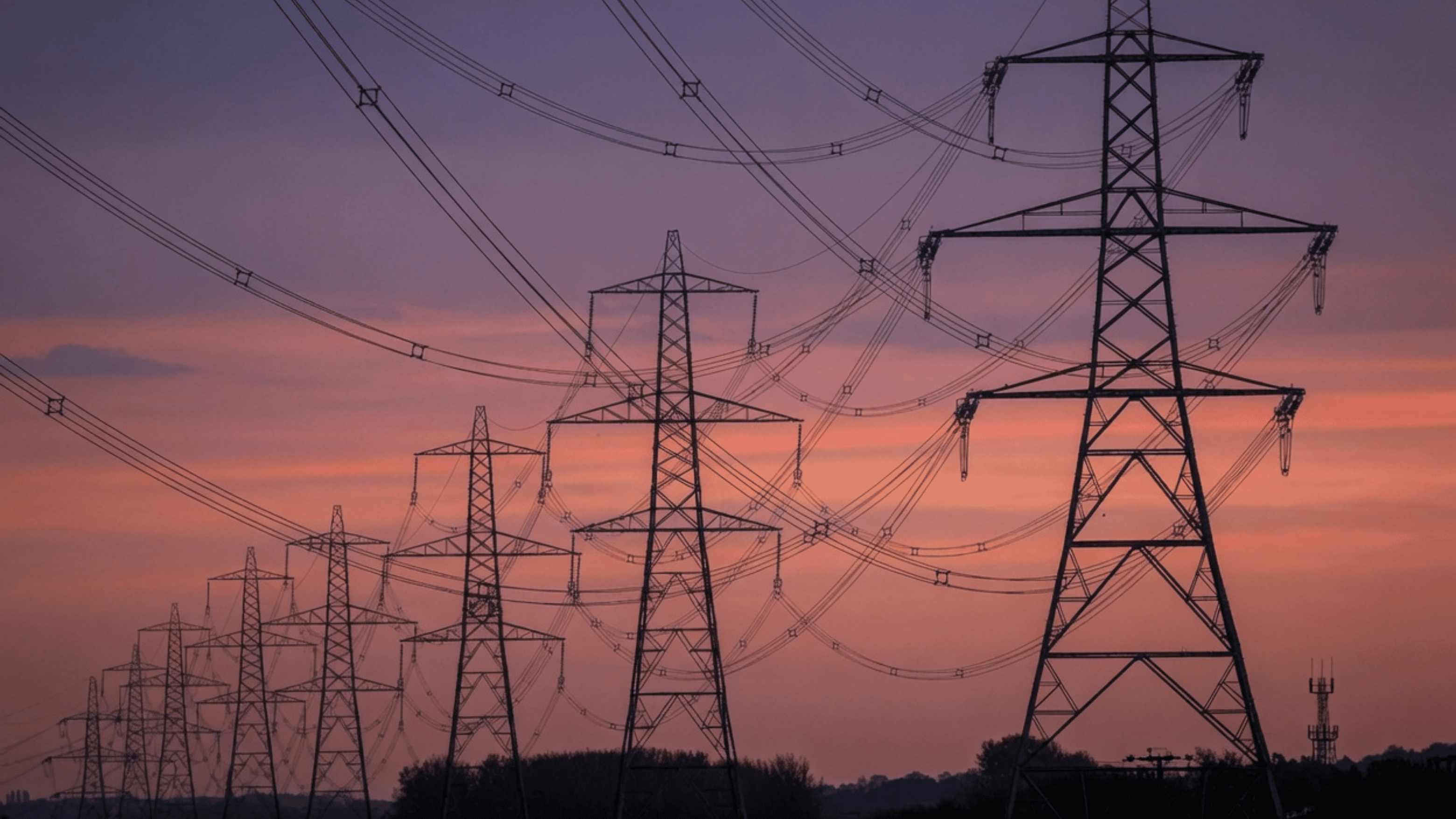
Azerbaijan-Georgia energy agreement
The South Caucasus occupies a strategically important position at the crossroads of major energy and transport routes. Oil and gas pipelines, railways and electricity transmission lines connect the region to global energy and trade networks. This infrastructure shapes not only economic development but also interstate relations and the overall level of regional stability.
Against this backdrop, particular significance attaches to the Agreement between the Government of the Republic of Azerbaijan and the Government of Georgia on the Supply of Electricity to Georgia and the Transit of Electricity through the Territory of Georgia. The agreement was signed in Baku on 18 May and approved by Azerbaijani President Ilham Aliyev in a decree issued on 9 July.
The 20-year agreement regulates the direct export of Azerbaijani electricity to Georgia and its transit through Georgian territory, including onward to Turkey. It complements the two countries’ existing cooperation in the oil, gas and railway sectors and forms an important part of their broader energy and transport partnership. The agreement has the potential not only to strengthen energy security in the South Caucasus but also to create a new mechanism for regional integration.

Key provisions of the agreement and economic benefits
The agreement provides for stable electricity supplies from Azerbaijan to Georgia, as well as the transit of Azerbaijani electricity through Georgian territory to third countries, primarily Turkey. While the necessary infrastructure, including the Azerbaijan-Georgia-Turkey (AGT) Power Bridge, is already operational, the new agreement places this cooperation on a long-term legal footing and creates conditions for increasing electricity flows.
For Azerbaijan, the economic benefits are multifaceted. Additional export revenues will support the diversification of the country’s energy sector. At the same time, the expansion of renewable energy generation, including solar and wind power, is expected to increase Azerbaijan’s export capacity. The country could also generate additional income from electricity transit.
For Georgia, the main benefit lies in diversifying its energy supply. The country already imports part of its electricity from Azerbaijan, and the agreement is intended to make those supplies more predictable and reliable while helping to reduce dependence on Russian energy sources.
The existing transmission infrastructure is already capable of handling a certain volume of electricity exports, although any significant increase will depend on further upgrades to the network. Implementation of the agreement could deepen cooperation between the two countries’ energy companies and encourage new investment projects. However, the actual economic benefits will depend on the volume of electricity traded, pricing arrangements and market conditions. Seasonal fluctuations in electricity generation at Georgia’s hydropower plants and changes in global energy prices could also affect the agreement’s overall impact.
- Yerevan discusses potential link between Armenian and Azerbaijani energy systems
- US vice-president’s visit to Baku: strategic partnership and new pledges
- Washington’s South Caucasus strategy: what lies behind its strategic partnership with Azerbaijan?
Geopolitical significance and regional integration
The new agreement is expected to further strengthen the strategic energy partnership between Azerbaijan and Georgia. Building on years of cooperation in the oil, gas and transport sectors—including the Baku-Tbilisi-Ceyhan oil pipeline, the South Caucasus Pipeline and the Baku-Tbilisi-Kars railway—the two countries are now expanding their collaboration into the electricity sector. According to the governments of both countries, the agreement will help strengthen mutual trust and improve coordination on regional infrastructure projects.
The agreement could also significantly enhance the reliability of energy and trade routes along the Middle Corridor (East-West Corridor). In addition to facilitating freight transport, the corridor serves as an important route for energy supplies. More reliable electricity supplies and transit are expected to increase its attractiveness to investors and international partners by creating a more predictable environment for cooperation. Azerbaijan’s plans to export green electricity, including the Green Energy Corridor project with Romania and Hungary, could also receive a further boost through the development of new transit infrastructure and expanded access to European markets.
The agreement also aligns with broader US policy objectives in the South Caucasus. Washington has consistently supported efforts to diversify energy supplies and reduce the region’s dependence on Russia. Strengthening Georgia’s energy security is in line with these priorities. In this context, the agreement could indirectly support US efforts to promote regional stability and connectivity, including through infrastructure initiatives such as the TRIPP framework. At the same time, the agreement is not intended to alter the regional balance of power but rather offers a model of cooperation based on economic integration.
Potential opportunities for Armenia and scope for broader cooperation
As the peace process advances, the prospects for expanding regional cooperation in the electricity sector are increasing. In the longer term, the infrastructure created under the Azerbaijan-Georgia agreement could provide a basis for electricity transit through Armenia or for the development of joint regional energy projects.
If borders are reopened and trust between the parties improves, synchronising the electricity systems of Armenia, Azerbaijan and Georgia—or establishing a broader regional power network—could accelerate economic integration. Such a framework could strengthen not only cross-border electricity trade but also broader regional stability by creating additional links between the three countries.
However, such a scenario would require sustained political will, technical capacity and significant investment. Integrating the three countries’ electricity systems, constructing new transmission lines and upgrading existing infrastructure would require substantial financial resources and time.
Challenges also remain. A lack of political commitment, technical constraints or the interests of third parties could slow the implementation of such projects. At the same time, closer energy cooperation could increase economic interdependence between the countries and create additional incentives to advance the peace process. In the longer term, such integration could make the South Caucasus a more interconnected and competitive region.

Abkhazia‘s President Badra Gunba has proposed delaying the implementation of a law requiring parliamentary candidates who are not ethnic Abkhaz to be proficient in the Abkhaz language.
Parliament is expected to consider the proposed amendments to the constitutional law under an expedited procedure, as only six months remain until the next elections.

A provision requiring parliamentary candidates to be proficient in the Abkhaz language was adopted in 2021 and is due to come into force on 1 January 2027. However, the president has proposed that the requirement should initially apply only to ethnic Abkhaz candidates, with its implementation for citizens of other ethnicities postponed until 1 January 2032.
The explanatory note accompanying the draft law says that, despite ongoing efforts, the necessary conditions for learning and preserving the Abkhaz language have not yet been fully established.
“In addition, introducing the language requirement simultaneously for all citizens of Abkhazia could lead to social tensions. The draft law therefore proposes a phased introduction of the requirement,” the explanatory note says.
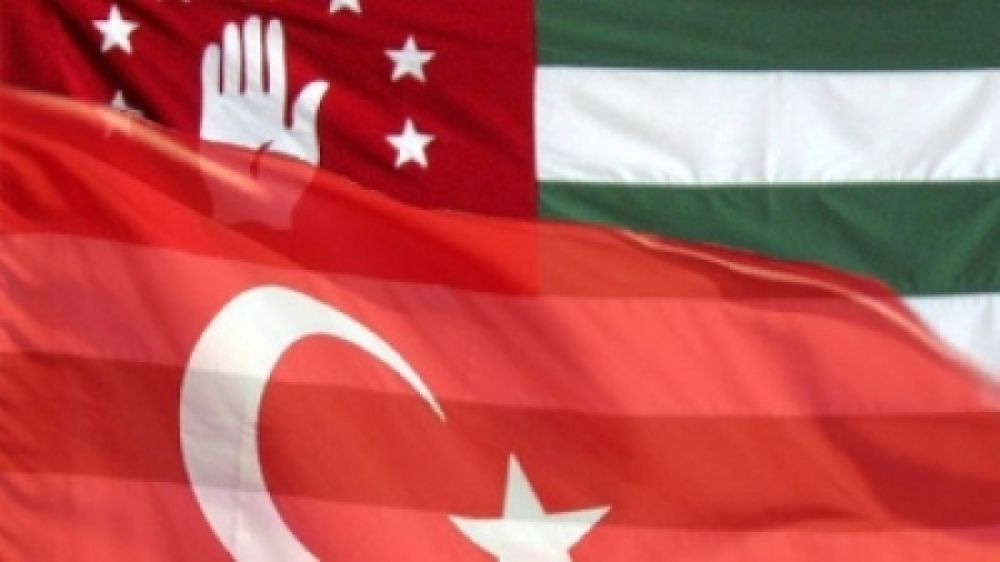
Public figure Akhra Bzhania has expressed strong scepticism about the president’s initiative.
He noted that, apart from the constitutional provision governing eligibility for presidential elections, there are no other examples in Abkhaz legislation that differentiate between citizens on the basis of ethnicity, religion or cultural background.
“A legal provision should not be applied selectively, because such a practice can set a dangerous precedent.
“Today we make an exception for ethnic minorities in elections; tomorrow it could be religious communities in relation to military service; the day after that, we may allow people with dual citizenship to choose in which country they pay taxes,” Bzhania said.
In his view, the amendments proposed by the president appear less like a carefully considered legal measure than an emergency step aimed at resolving what he described as an “unexpected complication” over the eligibility of citizens who do not speak Abkhaz to stand in elections.
“If we keep adjusting laws to suit changing circumstances, then why do we need laws at all? We might as well live without them,” Bzhania said.
Toponyms, terminology, views and opinions expressed by the author are theirs alone and do not necessarily reflect the views and opinions of JAMnews or any employees thereof. JAMnews reserves the right to delete comments it considers to be offensive, inflammatory, threatening or otherwise unacceptable.
not all MPs need to speak Abkhaz
not all MPs need to speak Abkhaz