The European Court of Human Rights (ECHR) in Strasbourg has begun examining a case concerning Georgia’s law “On the Registration of Foreign Agents” (FARA). The court noted that the case may be granted “impact case” status, meaning it would be prioritised due to its broader significance.
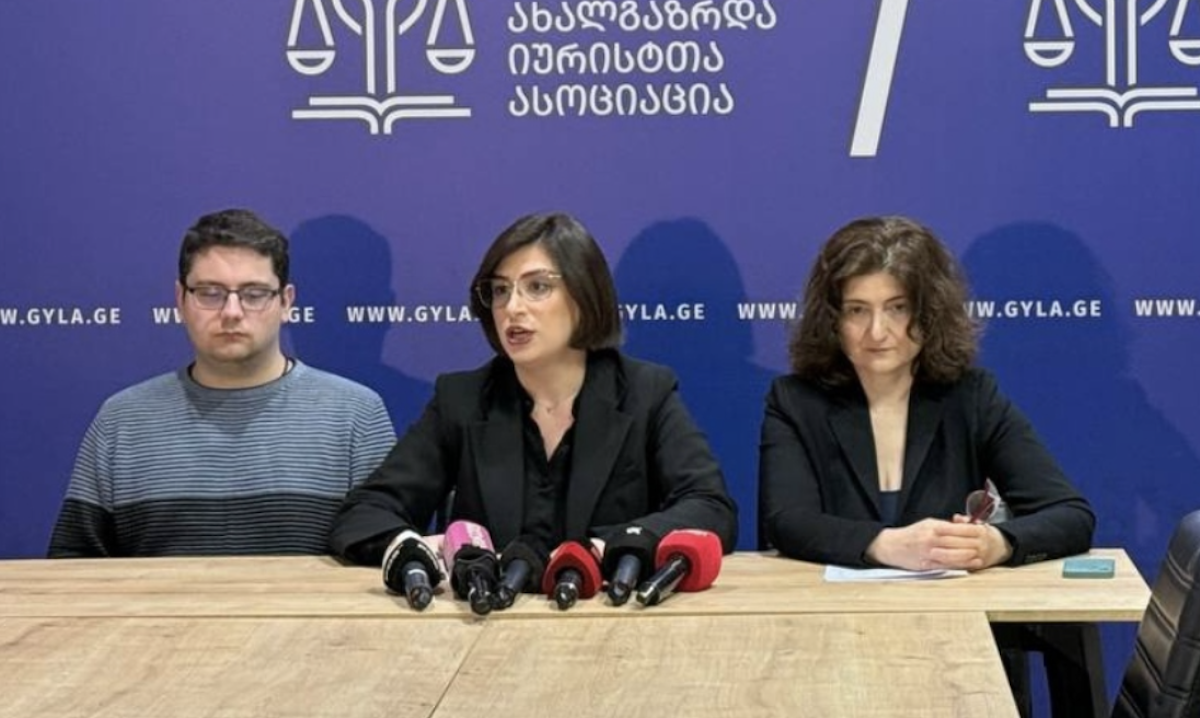
The launch of the case was announced on 1 April at a briefing in Tbilisi, held at the office of the Georgian Young Lawyers’ Association (GYLA). The application to Strasbourg was filed by the organisation itself, along with the media outlets Studio Monitor and News Georgia.
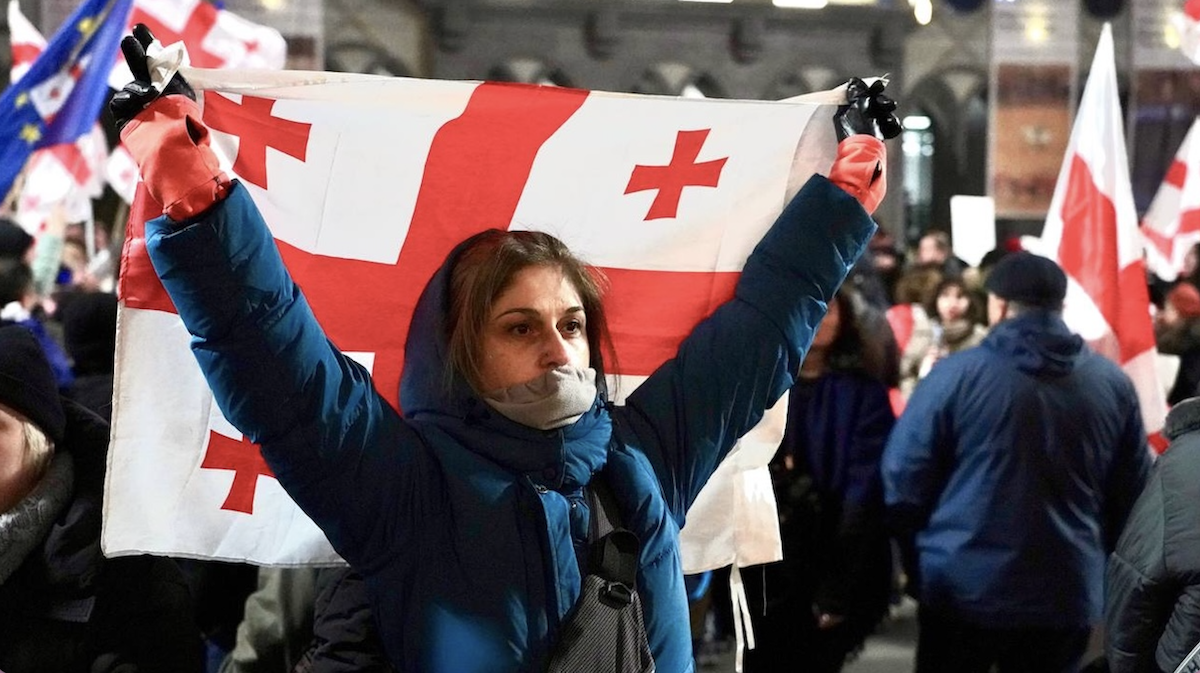
The FARA law, adopted by the ruling Georgian Dream party, came into force on 31 May 2025. The legislation targets and restricts the activities of civil society and the media. Under its provisions, almost any activity can be interpreted as foreign interference, and virtually any individual or organisation can be designated a foreign agent.

Controversial law and its context
According to GYLA, the law “On the Registration of Foreign Agents” violates both Georgia’s constitution and its international human rights obligations. The organisation argues that its purpose is to restrict, discredit and persecute the independent civil sector and media, including through the use of criminal liability.
The authorities present the law as an analogue of the US FARA legislation, but critics stress that the two operate in fundamentally different historical and legal contexts. In their view, directly transplanting such laws into a different system cannot produce the same results and often leads to very different political outcomes.
Significance of the Strasbourg proceedings
The ECHR’s decision to accept the case under all the submitted articles points to its seriousness. In its correspondence, the court also noted that the case may be granted “impact” status — typically reserved for fundamental legal questions.
This means that:
- The case will be examined as a priority;
- The ruling could set a precedent;
- Its implications may extend beyond Georgia to other Council of Europe member states.
According to the Georgian Young Lawyers’ Association, the case concerns rights guaranteed under the European Convention on Human Rights, including:
- Freedom of assembly and association (Article 11)
- Freedom of expression (Article 10)
- Right to an effective remedy (Article 13)
- Prohibition of discrimination (Article 14)
- Limits on the use of restrictions on rights (Article 18)
ECHR questions to the Georgian authorities
Alongside opening proceedings on the merits, the Strasbourg court has put a series of specific questions to the Georgian authorities, addressing both the substance of the law and its practical consequences:
- Victim status — can the applicants be considered victims?
- Right to privacy — does the obligation to disclose information constitute interference with private life?
- Freedom of expression and association — does the law restrict these rights?
- Stigmatisation — does the term “foreign agent” have a chilling or harmful effect?
- Definition of “foreign power” — is it sufficiently clear, or does it allow room for abuse?
- Proportionality of sanctions — are the penalties proportionate to the alleged violations?
- Discrimination — does the law result in differential or unequal treatment?
- Effective remedy — were there genuine mechanisms available to protect rights?
- Ulterior motives — is the law being used for purposes beyond those declared, such as political pressure or the suppression of critical voices?
The government has been given until 21 July 2026 to submit its position, after which the applicants will respond with their arguments.
Parallel proceedings and broader impact
According to GYLA, the Strasbourg court is close to completing its examination of another major case — a complaint brought by 136 organisations and four individuals against an earlier “foreign agents” law — pointing to the court’s active engagement with issues affecting civic space in Georgia.
Government representatives acknowledge the case’s potential to set a precedent, but do not see this status as giving any particular advantage to the applicants. In their view, the final ruling is likely to have implications not only for Georgia, but also for existing or proposed regulations in other European countries.

Commentary
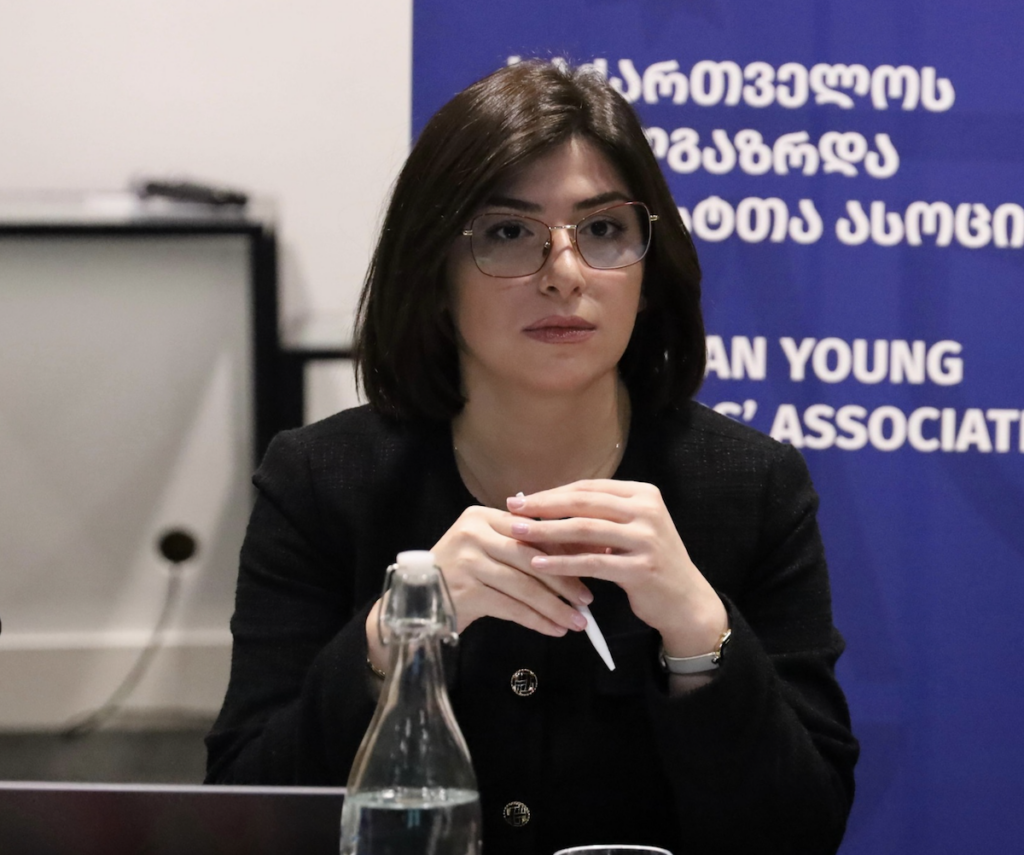
Tamar Oniani, chair of the Georgian Young Lawyers’ Association:
“The Georgian Dream party presents this law as an analogue of the US Foreign Agents Registration Act (FARA). In reality, however, the US FARA — adopted in 1938 — is, in its historical context and as interpreted by the US Department of Justice and independent courts, aimed not at restricting independent civil society or media organisations, but at exposing the activities of agents acting on behalf of hostile foreign powers. It applies in cases where individuals funded from abroad do not act autonomously and are fully directed by a principal.
It is important for Georgian society to understand that the real substance of legislation is not determined solely by its text. The direct transplantation of laws from other countries does not ensure identical outcomes. A legal norm that may have the same wording across jurisdictions and periods can produce entirely different results, depending on the structure of the legal system, the political environment and institutional mechanisms.”
НоFARA law in Georgia