
The integration of digital technology with museum practices is reshaping how we interact with cultural heritage.
Day: April 23, 2026
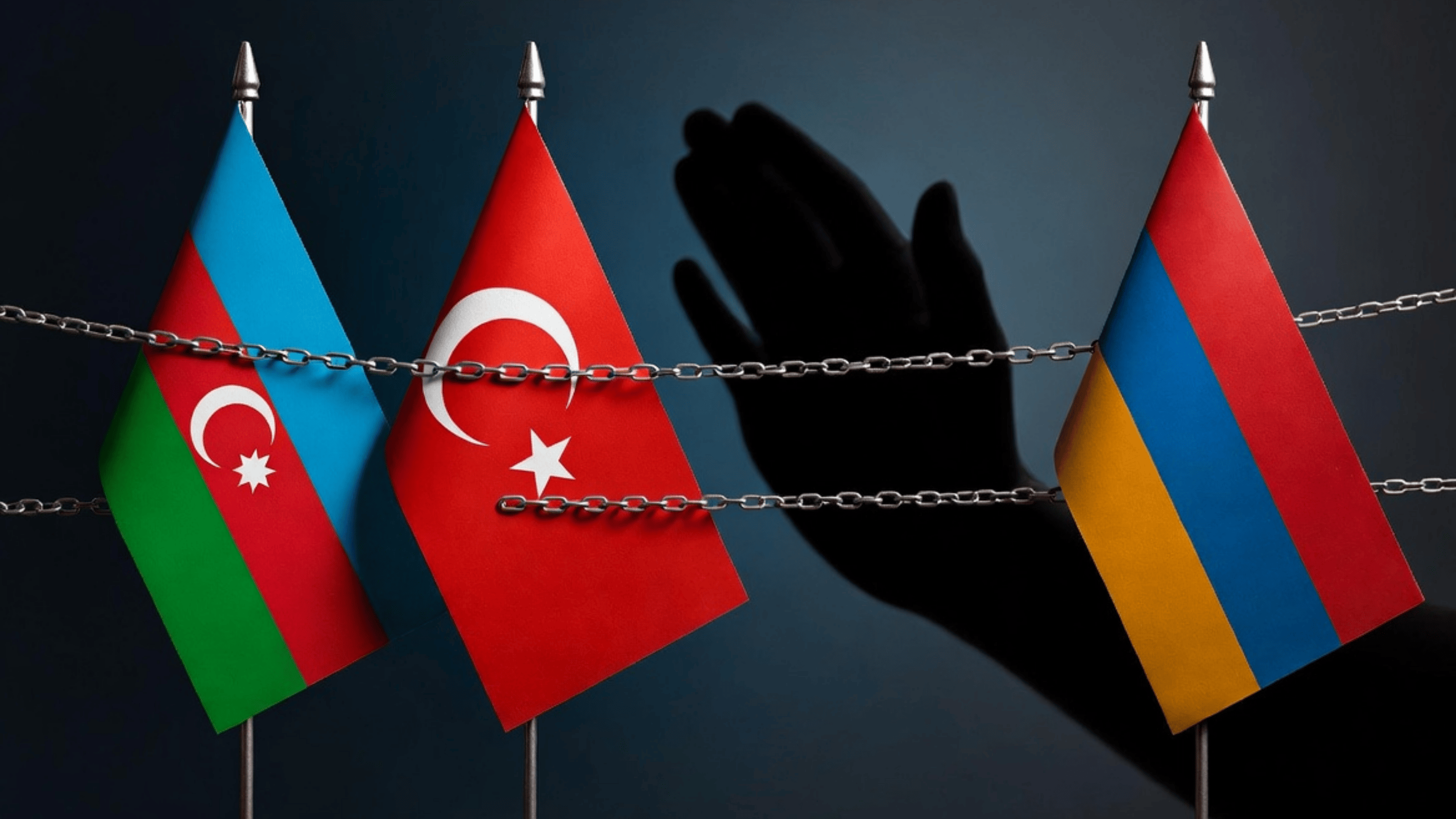
Turkey–Armenia normalisation process
Armenia’s parliamentary speaker Alen Simonyan told journalists in Istanbul that Azerbaijan is influencing the pace of efforts to normalise relations between Turkey and Armenia.
“On the one hand, Azerbaijan is negotiating with us; on the other, it does not allow Turkey to negotiate with us. It is a strange situation. Turkey has, in a way, become a hostage to these relations,” Simonyan said.
He added that earlier there had been talk of reopening the border after resolving the Karabakh issue, followed by a focus on an Armenian-Azerbaijani peace agreement. Despite reaching consensus on 17 points, this has not translated into practical results.
The remarks drew particular attention as they came shortly after Turkish President Recep Tayyip Erdoğan said at the Antalya Diplomacy Forum that Ankara is pursuing normalisation with Armenia “step by step in coordination with Azerbaijan”.
This apparent contradiction underscores the relevance of the issue: while Ankara and Yerevan have kept channels of normalisation open since 2022, Turkey’s leadership has openly linked the process to the Armenian-Azerbaijani peace agenda.
Simonyan’s statement therefore goes beyond a political remark, once again raising the question of how closely the two parallel processes — Turkey-Armenia rapprochement and the Armenian-Azerbaijani settlement — are interconnected.
Historical and political context
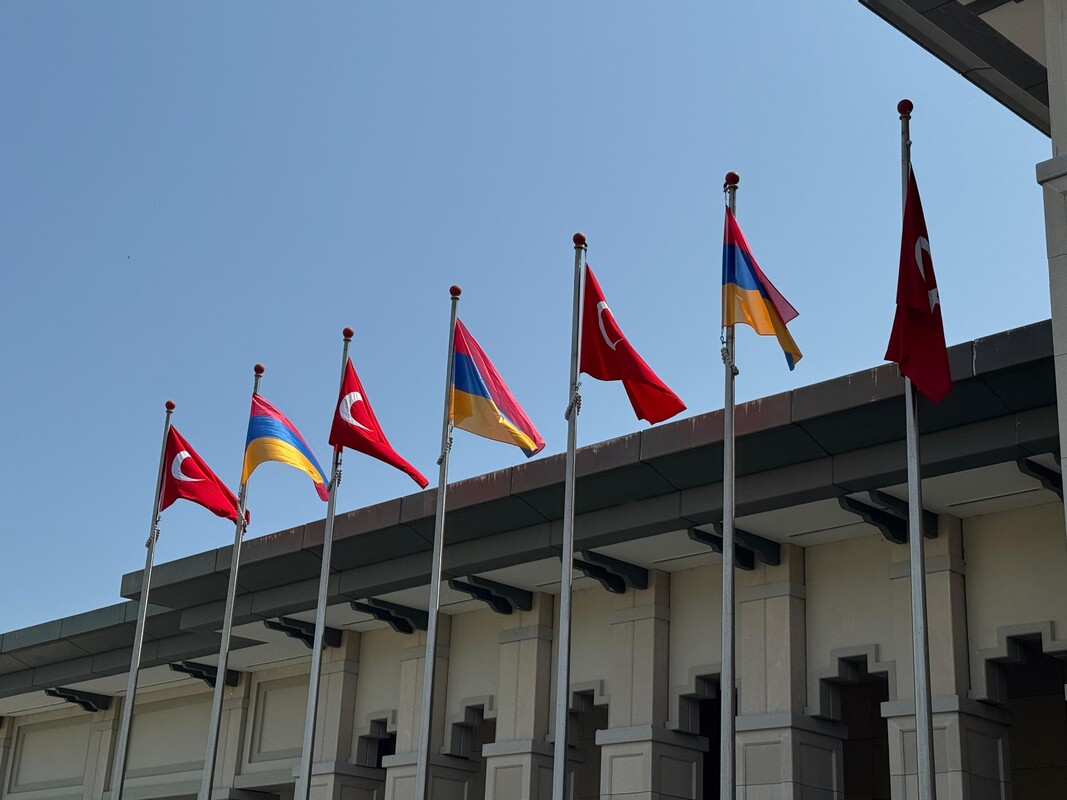
The historical background is clear. Turkey recognised the independence of Armenia in 1991, but diplomatic relations between the two have never been established.
According to Turkey’s foreign ministry, Ankara closed its land border with Armenia in 1993 following the occupation of Azerbaijan’s Kalbajar district.
Armenia’s foreign ministry also notes that Turkey shut both air and land borders in 1993, although air links were partially restored in 1995.
The closure of the border has therefore been shaped not only by bilateral tensions between Ankara and Yerevan, but also by the wider regional dynamics of the Karabakh conflict.
In recent years, this alignment has taken on a more institutional form. The Shusha Declaration, signed in 2021, elevated relations between Azerbaijan and Turkey to the level of an “alliance”, formalising the principle of “one nation — two states” as the political foundation of their ties.
Analytical assessments also suggest that the main obstacles to normalisation between Ankara and Yerevan over the decades have been the Karabakh conflict and the strategic coordination between Baku and Ankara. In other words, Turkey’s position is shaped less by pressure from lobbying groups and more by interests in energy, security, transport and regional influence.
From this perspective, Turkey’s solidarity with Azerbaijan is not simply an emotional slogan, but part of a broader geopolitical choice.
Assessing Simonyan’s claims
The facts suggest that Alen Simonyan’s argument contains an element of truth, but does not capture the full picture.
As part of the current normalisation process, launched in late 2021, special envoys Ruben Rubinyan and Serdar Kılıç have held six rounds of talks. On 1 July 2022, the sides agreed to open the land border to third-country nationals and diplomats.
Direct flights resumed in February 2022, and direct cargo flights have been permitted since early 2023. On 29 December 2025, an agreement was announced to simplify visa procedures for holders of diplomatic, service and special passports, which, according to the Armenian side, entered into force on 1 January 2026.
Official statements from both sides emphasise the goal of full normalisation and a willingness to engage without preconditions.
At the same time, Turkey has explicitly linked meaningful progress to the signing of a peace agreement between Azerbaijan and Armenia.
In August 2025, Turkey’s foreign ministry welcomed progress in the Armenian-Azerbaijani peace process and voiced support for “brotherly Azerbaijan”. In November, Foreign Minister Hakan Fidan told parliament that Turkey would be ready for full normalisation with Armenia only after a final peace agreement is signed.
President Recep Tayyip Erdoğan reiterated this position on 17 April in Antalya, stating that normalisation is proceeding “in coordination with Azerbaijan”.
Simonyan’s reference to an “Azerbaijan factor” is therefore not without basis. However, portraying it solely as an obstacle imposed by Baku would be an oversimplification, as Turkey has consistently framed this sequencing as part of its official policy.
Moreover, although a 17-point draft agreement was initialled on 8 August 2025 in Washington, D.C., a final peace deal has yet to be signed, due to issues related to Armenia’s constitution and other unresolved questions.
Reactions in Azerbaijan
The dominant line of reaction in Azerbaijan can be summed up as follows: Ankara does not act under Baku’s dictate on the Armenian track, but rather in close strategic coordination with it.
In an article by Caliber.az, Alen Simonyan’s remarks are criticised in a polemical tone. The publication argues that Turkey sees the opening of the border not as a result of being a “hostage”, but as a step that can only follow a final settlement, based on principles of brotherhood and alliance with Azerbaijan.
The same article cites a statement by President Recep Tayyip Erdoğan in Antalya as a key argument. This reflects a broader trend in pro-government analytical discourse in Azerbaijan: Turkey pursues an independent policy, but its regional priorities are closely aligned with Baku.
In this context, media narratives also point to the continued open coordination between the two sides.
Regional context
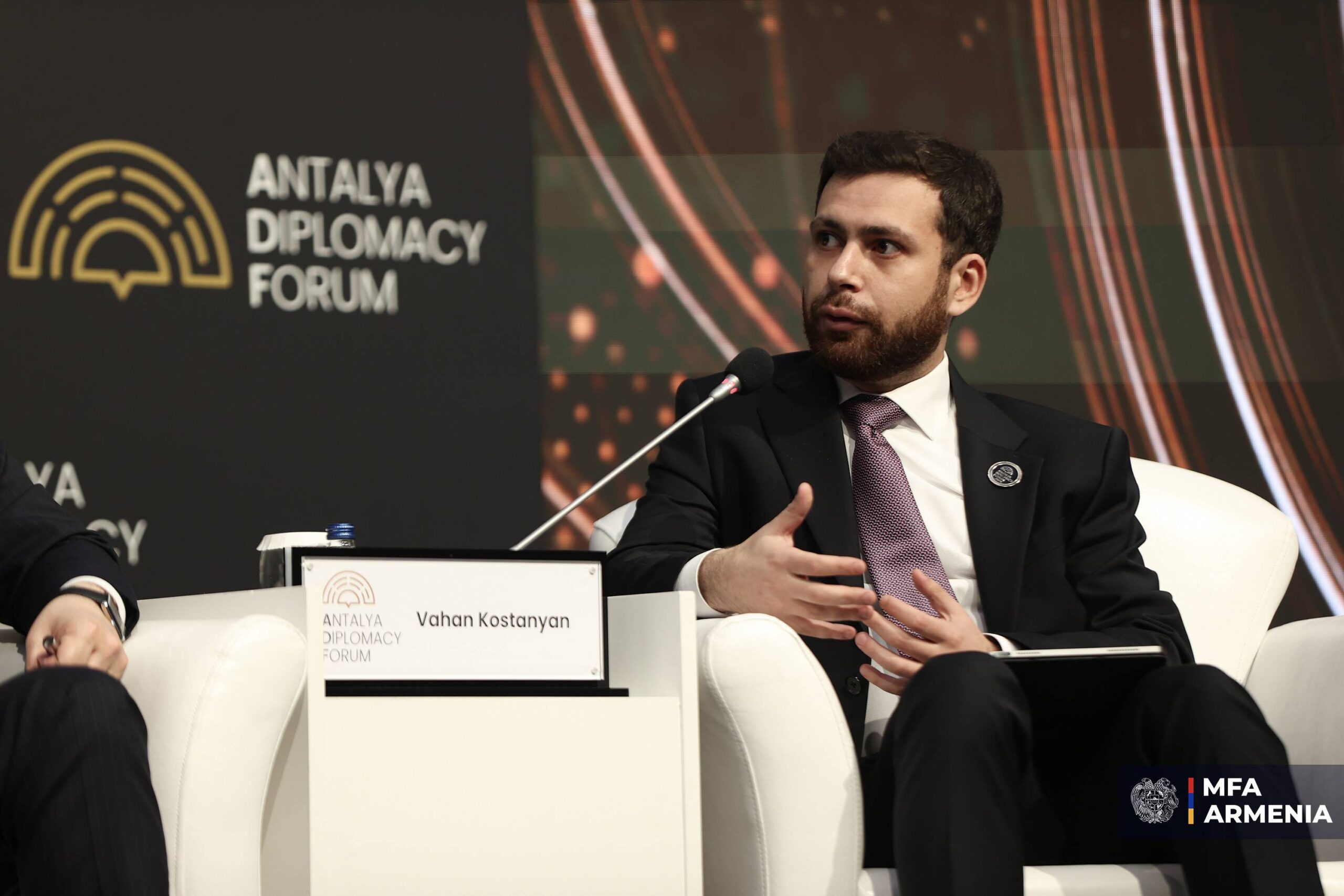
Alen Simonyan’s remarks are difficult to assess in isolation from the Antalya Diplomacy Forum. At the forum, held on 17–19 April, Armenia was not represented by Foreign Minister Ararat Mirzoyan or special envoy Ruben Rubinyan, but by Deputy Foreign Minister Vahan Kostanyan.
This marked the first time since 2022 that Yerevan participated in the Antalya platform at a lower level.
The Armenian side has not officially explained the decision, but experts quoted by JamNews interpret it as a signal of dissatisfaction with Turkey over the lack of progress on previously agreed steps, including the opening of the border.
At the same time, Kostanyan met his Turkish counterpart Berris Ekinci in Antalya and told CNN Türk that Armenia is ready to open the border both politically and technically, while further progress now depends on Ankara. This suggests that dialogue remains open, even as rhetoric has hardened.
Domestic political timing is also a key factor. Parliamentary elections in Armenia are scheduled for 7 June 2026, and both the OSCE and regional analysts see them as critical for the country’s foreign policy trajectory.
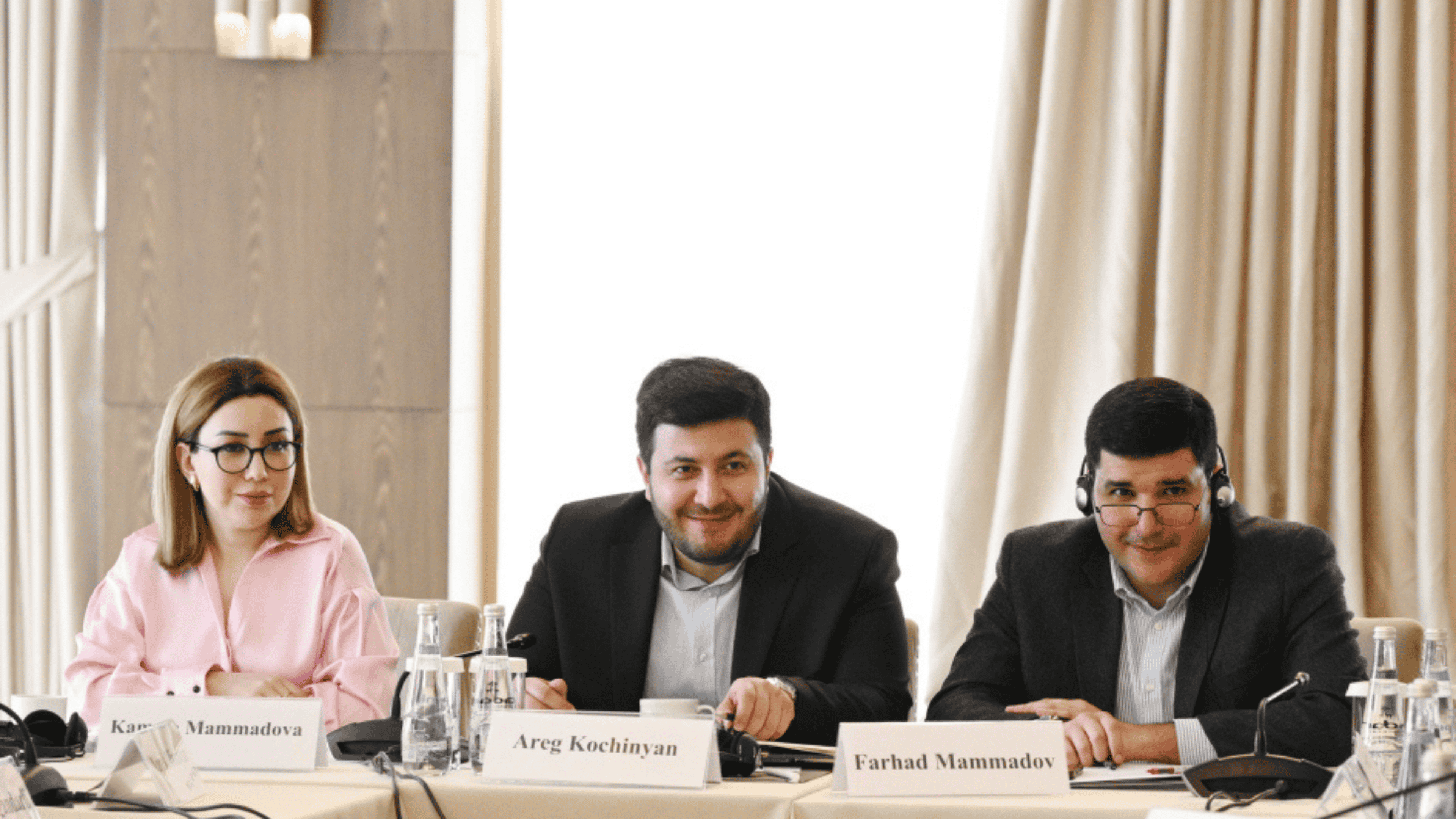
Azerbaijani political analyst Farhad Mammadov noted in March that the election results, as well as a possible constitutional referendum in Armenia, could significantly affect the peace agenda. In this context, Simonyan’s sharper rhetoric may also be aimed at a domestic audience — signalling that the government remains committed to normalisation with Turkey, while avoiding the appearance of unilateral concessions.
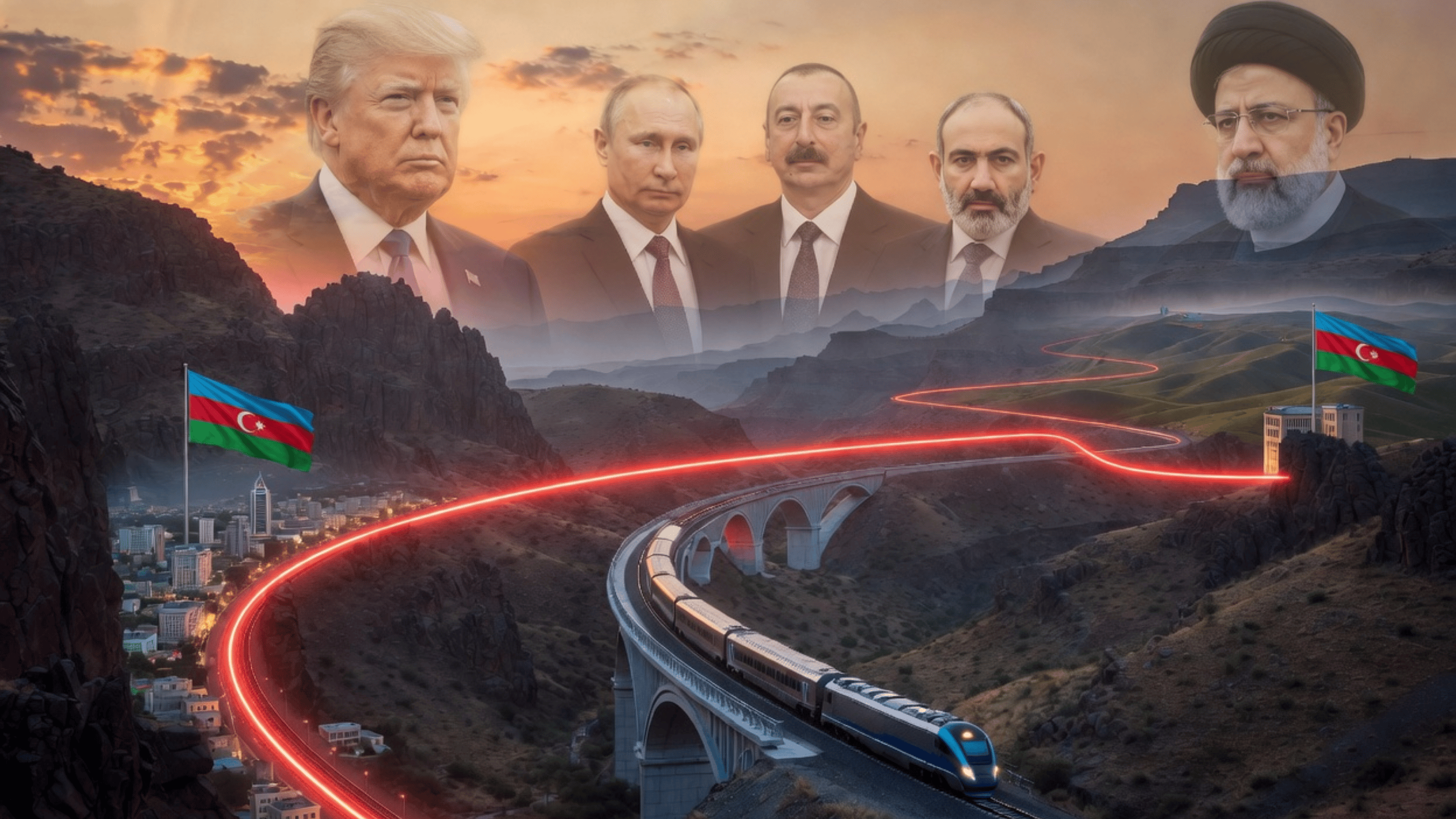
Meanwhile, in Istanbul, Numan Kurtulmuş floated the idea of involving Armenia in the Turkey–Azerbaijan–Georgia format. This indicates that trilateral or broader regional frameworks remain open and could expand further if a peace agreement is reached.
Turkey–Armenia normalisation process
Georgian Dream Economy Minister Mariam Kvrivishvili is on a working visit to China, where she met, among others, with Chinese Commerce Minister Wang Wentao and signed with him a protocol amending the free trade agreement between the two countries.
During their April 22 meeting, Kvrivishvili and Wentao discussed “existing trade relations” between Georgia and China and “opportunities for their further deepening,” Georgia’s economy ministry said.
On the protocol on amendments to the free trade agreement, the ministry said it “envisages the adaptation of the existing agreement to the requirements of the modern trade environment, the specification of defined areas of cooperation, and the addition of new directions.”
According to the ministry, since the free trade agreement between Georgia and China entered into force in 2018, Georgian exports to China have increased by 62%, reaching USD 327.6 million in 2025, while total trade turnover has grown by 148% compared to 2017. In the first quarter of 2026, trade turnover rose by a further 55%. “China is Georgia’s third-largest partner in terms of trade and the top partner in terms of exports,” the ministry noted.
The ministry quoted Kvrivishvili describing the changes to the free trade agreements as “a strategically important step” in deepening the economic partnership, adding, “We expect that it will facilitate the growth of bilateral trade turnover.”
Georgian Dream Prime Minister Irakli Kobakhidze, speaking to reporters in Tbilisi on April 23, said that “negotiations are underway on expanding the scope of the agreement,” adding that details on specific changes “will be clarified once the negotiations are completed.”
Kobakhidze also said that Anaklia deep-sea port is among the topics discussed by Kvrivishvili in Beijing. “This is, of course, one of the aims of this visit, and negotiations are continuing,” he told journalists, adding that “in the near future you will have updates regarding Anaklia.”
The construction of the Anaklia deep-sea port, a mega-project in western Georgia, has been stalled for years amid recurring controversies and uncertainties surrounding relations between the Georgian government and foreign investors.
Georgian authorities revived the project as Georgia’s Middle Corridor transit potential regained prominence amid Russia’s full-scale war in Ukraine. The government took a 51% stake and, in 2024, picked a Sino-Singaporean consortium to develop the project. Also in 2024, Belgian company Jan De Nul was awarded the tender to carry out the maritime infrastructure work for the port. However, observers have pointed out that the talks with the Chinese investor have stalled since, with the deal yet to be completed.
Further Meetings
On April 23, Mariam Kvrivishvili met with Wang Yuetao, chairman of China ZhenHua Oil, one of China’s largest state-owned energy companies. According to the Georgian economy ministry, the two discussed “energy sector cooperation” and “opportunities for oil and gas extraction in Georgia.” The ministry added that “the Chinese side expressed interest in investing in Georgia’s energy sector.”
On April 23, Kvrivishvili also met with Huanlong Chen, chairman of Geo-Jade Petroleum Corporation, a major Chinese energy company. The two discussed “perspectives of bilateral cooperation,” the ministry said, adding that Kvrivishvili briefed Chen on the “existing business and investment environment in Georgia,” stressing that the free trade agreement between the two countries, as well as the visa-free regime make “Georgia’s market even more interesting for investors.” According to the ministry, “the Chinese side expressed interest in Georgia’s oil and gas sector.”
Before flying to Beijing, Kvrivishvili in Tbilisi on April 21 met with Zhuang Rongwen, Director of the Cyberspace Administration of China.
This story may be updated…
Also Read:
- 30/12/2025 – Contesting West, Aligning with Rest: Georgian Dream’s Foreign Policy in 2025 and Beyond
- 07/11/2025 – Kobakhidze, Georgian Dream Ministers Visit China
- 28/07/2025 – Georgian Dream Delegation Visits China
- 26/02/2024 – China Grants Visa Free Regime to Georgia