
How to Adjust Youtube Theme on Android Phone? How to Edit Youtube Theme on Android Phone? How to Set Up Youtube Theme on Android Phone? How to Enable YouTube Dark Theme on…
Day: April 23, 2026

The group of seven, which included three children, managed to climb up to a ledge on the cliff as 16-foot waves inched closer by the minute, News.Az reports, citing foreign media.
***
“If the waves had come up any higher and washed them off, that’s the worst,” said Pete Collins, the commander of the local emergency services, who added that the tourists had phones on them and were able to call police for help.
First responders attempted a helicopter rescue, but calculated its downdraft would push the stranded group into the water.
Rescuers ended up using ropes and a piece of equipment called the Arizona vortex, which was invented in northern Arizona.
“So if we didn’t have that device, dragging the ropes over the cliff edge would be, you know, it would just absolutely destroy the ropes because of the sharp edges on the rocks,” Collins explained.
The Australian rescue workers who successfully brought the group to safety in the three-hour operation are all unpaid volunteers and said they’ve been practicing for a scenario like this for years.
The post Tourists rescued in daring 3-hour Australian cliff operation – VIDEO appeared first on azeritimes.com.
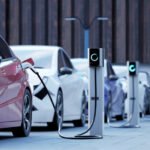
While range, charging, and cost define the technical and financial aspects of EV ownership, trust in a brand ultimately determines whether a buyer is willing to commit, News.Az reports.
***
This theme reflects a shift from curiosity to evaluation, where users actively compare manufacturers and assess long term dependability.
The global EV landscape is increasingly competitive. Established innovators such as Tesla, fast rising giants like BYD, and emerging players including Changan Automobile are all competing for consumer confidence. Buyers are no longer asking only what an EV can do. They are asking which brand they can rely on over years of ownership.
This FAQ explainer addresses the most searched and critical questions related to brand comparison and reliability, offering a structured understanding of how consumers evaluate EV manufacturers.
Why is brand reliability so important in EVs
Reliability is central because electric vehicles represent a technological shift. Many buyers are transitioning from decades of experience with petrol vehicles to a relatively new system.
Unlike traditional cars, EVs depend heavily on software, battery performance, and integrated electronics. This increases the importance of brand reputation, engineering quality, and after sales support.
A reliable brand reduces perceived risk. It reassures buyers that the vehicle will perform consistently, retain value, and remain functional over time.
Which EV brand is considered the most reliable
There is no single universal answer, as reliability depends on multiple factors including model, usage, and region. However, certain trends are evident.
Tesla is widely recognized for its advanced technology, long range performance, and strong software ecosystem. It has built a reputation as a leader in innovation, though some users raise concerns about build quality consistency.
BYD has gained global recognition for its battery expertise and manufacturing scale. Its vehicles are often seen as durable and cost effective, particularly due to its control over battery production.
Changan Automobile is emerging as a competitive option, especially in price sensitive markets. Its reliability perception is improving as it expands its EV lineup and invests in technology.
Consumers often evaluate reliability not only through technical performance but also through brand track record and user experience.
How do consumers compare Tesla and BYD
The comparison between Tesla and BYD is one of the most searched topics in the EV space. It reflects a broader competition between premium innovation and cost efficiency.
Tesla is typically associated with high performance, advanced software, and a strong charging ecosystem. It appeals to buyers seeking cutting edge technology and brand prestige.
BYD, on the other hand, focuses on affordability, battery safety, and mass market accessibility. Its blade battery technology is widely recognized for durability and safety.
The choice between the two often depends on priorities. Buyers focused on performance and ecosystem integration may prefer Tesla, while those prioritizing value and practicality may choose BYD.
Is it safe to buy EVs from newer or less known brands
This is a common concern, particularly in emerging markets. Newer brands may offer attractive pricing and features, but consumers often question their long term reliability.
The key factors to consider include warranty coverage, service network availability, and the manufacturer’s investment in technology.
Companies like Changan Automobile are addressing these concerns by expanding service infrastructure and partnering with established technology providers.
While newer brands can offer strong value, buyers tend to prefer manufacturers with proven track records, especially for high value purchases like vehicles.
How important is battery reliability in brand comparison
Battery reliability is one of the most critical aspects of EV evaluation. Since the battery is the most expensive and essential component, its performance directly affects the overall reliability of the vehicle.
Brands that develop their own battery technology, such as BYD, often have an advantage in controlling quality and performance.
Tesla’s battery management systems and continuous software updates also contribute to maintaining battery health over time.
Consumers closely monitor battery warranties, degradation rates, and real world performance when comparing brands.
Do software and updates affect reliability
Software has become a defining element of modern EVs. Unlike traditional vehicles, many EV functions are controlled digitally and can be updated remotely.
Tesla has set a benchmark in this area with over the air updates that improve performance, add features, and fix issues without requiring service visits.
However, reliance on software also introduces new risks. Bugs, system failures, or connectivity issues can affect user experience.
Brands that provide stable and well supported software ecosystems are generally perceived as more reliable.
What role does after sales service play in reliability
After sales service is a major factor in how reliability is perceived. Even a technically strong vehicle can lose consumer trust if service support is inadequate.
Key considerations include availability of service centers, cost of repairs, and response time for maintenance issues.
Tesla’s service model relies heavily on centralized systems and mobile service units, which can be efficient but may vary by region.
BYD and Changan Automobile often leverage broader dealer networks, which can improve accessibility, particularly in developing markets.
A strong service network enhances confidence and reduces long term ownership risk.
How do reliability perceptions differ between regions
Perception of reliability can vary significantly by region due to differences in infrastructure, climate, and market maturity.
In developed markets, consumers may prioritize software performance and advanced features. In emerging markets, durability, affordability, and service availability often take precedence.
Local conditions such as road quality and temperature extremes also influence how vehicles perform, shaping user experiences and brand reputation.
Manufacturers must adapt their strategies to meet regional expectations and conditions.
Are Chinese EV brands reliable compared to global competitors
This is one of the fastest growing search queries in the EV space. Chinese manufacturers, including BYD and Changan Automobile, have expanded rapidly and are now competing globally.
These companies benefit from strong supply chains, government support, and large scale production capabilities. Their vehicles are increasingly competitive in both technology and quality.
While skepticism remains in some markets, reliability perceptions are improving as more users gain real world experience with these brands.
The gap between traditional global manufacturers and Chinese EV producers is narrowing.
How does brand reputation affect resale value
Brand reputation plays a significant role in determining resale value. Vehicles from well known and trusted brands tend to retain value better over time.
Tesla, for example, often benefits from strong demand in the secondary market due to its brand recognition and technology leadership.
As BYD and Changan Automobile continue to expand globally, their resale performance is expected to improve alongside brand awareness.
Reliability, perceived quality, and long term support all contribute to resale value.
What are the most common reliability concerns in EVs
Consumers frequently search for potential reliability issues before making a purchase. The most common concerns include battery degradation, software glitches, charging compatibility, and availability of spare parts.
While EVs generally have fewer mechanical issues than petrol vehicles, their reliance on electronics introduces new types of risks.
Manufacturers are addressing these concerns through improved design, testing, and customer support.
How are brands improving reliability in EVs
Continuous improvement is a key focus across the industry. Manufacturers are investing in better materials, more robust battery systems, and advanced software testing.
Tesla continues to refine its technology through updates and data driven insights. BYD emphasizes battery safety and durability through its engineering approach. Changan Automobile is strengthening its quality control and technological capabilities.
Collaboration with suppliers and technology partners is also enhancing overall reliability.
Why brand comparison searches are increasing
The rise in brand comparison searches reflects a more informed and competitive market. Consumers now have more options and are actively evaluating differences between manufacturers.
Online reviews, user experiences, and data transparency are influencing purchasing decisions. Buyers are no longer relying solely on marketing claims but are seeking detailed comparisons.
This trend indicates a maturing market where differentiation is becoming more important.
What should buyers prioritize when comparing EV brands
When comparing brands, buyers should focus on a combination of factors rather than a single metric.
Battery performance and warranty coverage provide insight into long term reliability. Charging ecosystem and infrastructure determine usability. Software capabilities influence user experience.
Service network and support are critical for maintenance and problem resolution. Price and total cost of ownership must also be considered.
Balancing these elements helps ensure a well informed decision.
Conclusion
Brand comparison and reliability represent the trust layer of the electric vehicle ecosystem. They connect technical performance and financial considerations with real world user confidence.
As competition intensifies, manufacturers are under increasing pressure to deliver not only innovation but also consistency and dependability. The growing volume of search queries in this area reflects a shift toward more analytical and informed consumer behavior.
Electric vehicles are no longer judged solely on their specifications. They are evaluated as complete products supported by ecosystems, service networks, and long term performance.
In this environment, reliability is not just a feature. It is a decisive factor that will shape the winners of the global EV market in the years ahead.
The post Which EV brand is considered the most reliable appeared first on azeritimes.com.

The study, recently published in Nature Microbiology, reveals how certain bacteria prevent the transfer of genetic material that often carries resistance traits. The discovery centers on a protein known as YokF, which acts as a biological “gatekeeper” by breaking down DNA before it can be shared between neighboring cells, News.Az reports.
***
Antibiotic resistance remains one of the most pressing global health threats, with resistant infections responsible for hundreds of thousands of deaths annually and projected to rise sharply in the coming decades. A key driver of this crisis is the ability of bacteria to exchange DNA through microscopic structures called nanotubes. These tiny bridges allow plasmids, small DNA molecules that frequently carry resistance genes, to pass from one bacterium to another.
The new findings show that YokF disrupts this process. Instead of allowing DNA to pass freely, the protein degrades genetic material during transfer, effectively blocking the spread of advantageous traits such as drug resistance. This natural defense mechanism limits how quickly bacteria can evolve and adapt in competitive environments.
Scientists say the implications are significant. By mimicking or enhancing this gatekeeping function, future therapies could slow the transmission of resistance genes across bacterial populations. This would not only make infections easier to treat but also extend the lifespan of existing antibiotics, many of which are losing effectiveness due to widespread resistance.
The research also sheds light on how microbes compete for survival. In densely populated environments, such as the human body or soil ecosystems, bacteria often fight for limited resources. Preventing rivals from acquiring beneficial genes gives certain strains a competitive advantage, explaining why such defensive mechanisms evolved in the first place.
Experts note that while the discovery is still at an early stage, it opens a promising avenue for antimicrobial innovation. Instead of directly killing bacteria, which can accelerate resistance, new treatments could focus on controlling gene transfer itself.
As antibiotic resistance continues to challenge healthcare systems worldwide, findings like this highlight the importance of understanding microbial behavior at a fundamental level. By leveraging nature’s own strategies, scientists may be able to develop smarter, more sustainable ways to combat one of modern medicine’s greatest threats.
The post Scientists find key protein that could slow the spread of antibiotic resistance appeared first on azeritimes.com.
Categories
ТОП НОВОСТИ

The US is also scheduled today to host a second round of talks between Israel and Lebanon, News.Az reports, citing CNN.
***
The talks in Washington between the Middle Eastern neighbors come amid a fragile ceasefire in Lebanon that has seen attacks by Israel and Iran-backed Hezbollah.
Here’s what you need to know:
Israel-Lebanon talks: Officials from Israel and Lebanon will sit down for a second round of high-stakes direct talks this afternoon as Beirut looks to extend a tenuous ceasefire. Today’s talks, mediated by the United States, come days before the US-brokered truce is set to expire. Hezbollah and Israel have both conducted military strikes during the truce, including an Israeli strike on southern Lebanon Wednesday that killed one journalist and seriously injured another. Lebanon’s prime minister accused Israel of war crimes after that attack.
Trump’s order: Trump has ordered the US Navy to fire on any Iranian boats that are placing mines in the Strait of Hormuz, the critical energy chokepoint that carries about one-fifth of all global crude oil. The order comes as fears grow that the presence of mines in the crucial waterway could spark economic repercussions that outlive the war itself.
US boards another tanker: The US Defense Department announced today that it boarded a “sanctioned stateless vessel” in the Indian Ocean overnight. The vessel, M/T Majestic X, was carrying oil from Iran, the department said in a post on X.
Military planners meet: The United Kingdom and France have told military planners from dozens of nations in London today that “practical military options” will be needed to ensure freedom of navigation in the Strait of Hormuz.
In the strait: Two dry bulk carriers crossed the Strait of Hormuz on Thursday, according to the trade analytics company Kpler. One of the carriers, Tema Express, is owned and operated by Hapag-Lloyd — making this the first confirmed transit of the strait by a vessel operated by the German carrier since the start of the conflict, Rebecca Gerdes, a data analyst at Kpler, told CNN.
Deadline unclear: Trump said there is no deadline for ending the war with Iran, the ceasefire, or Tehran’s response to his request for a peace proposal. The US Navy currently has 19 ships in the Middle East, including two aircraft carriers, and seven ships in the Indian Ocean, a US official said.
Israel’s warning: Israel is ready “to return Iran to the dark ages,” Defense Minister Israel Katz said, adding that Israel is “awaiting a green light” from the United States to resume the war and “complete the elimination of the Khamenei dynasty and to return Iran to the dark ages.”
CNN’s Kit Maher, Laura Sharman, Sarah Tamimi, Jennifer Hansler, Billy Stockwell, Charbel Mallo, Tamara Qiblawi, Sana Noor Haq, Dana Karni, Kaanita Iyer, Sharon Braithwaite, Tori B. Powell, Clay Voytek, Elise Hammond, Morgan Rimmer, Mostafa Salem, Haley Britzky and Tal Shalev contributed to this report.
The post What to know today: Strait of Hormuz standoff, Trump’s warning and Israel-Lebanon talks appeared first on azeritimes.com.
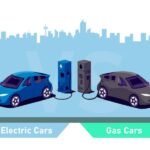
While battery range defines capability and charging determines usability, cost ultimately determines whether a buyer commits to the transition. This theme goes beyond the initial purchase price and extends into a broader financial framework known as total cost of ownership, News.az reports.
***
Consumers are no longer asking only how much an electric vehicle costs to buy. They are increasingly focused on long term expenses, including charging, maintenance, depreciation, and resale value. Leading manufacturers such as Tesla, BYD, and Changan Automobile are competing not only on performance but also on affordability and value over time. The following FAQ explainer examines the most important financial questions shaping the EV market.
Are electric vehicles more expensive to buy than petrol cars
The upfront cost of electric vehicles has historically been higher than that of internal combustion engine vehicles. This is primarily due to the cost of batteries, which represent a significant portion of the total vehicle price.
However, the gap is narrowing. Advances in battery production, economies of scale, and increased competition have reduced manufacturing costs. Entry level EVs are becoming more accessible, particularly in markets where companies like BYD and Changan Automobile offer competitively priced models.
In some regions, government incentives such as subsidies, tax reductions, and exemptions from registration fees further reduce the effective purchase price. These incentives play a critical role in making EVs financially competitive.
What is total cost of ownership and why does it matter
Total cost of ownership refers to the complete financial cost of owning a vehicle over its lifetime. It includes purchase price, fuel or energy costs, maintenance, insurance, taxes, and depreciation.
For electric vehicles, this concept is particularly important. While the initial purchase price may be higher, lower operating costs can offset the difference over time.
Consumers increasingly evaluate EVs based on this long term perspective rather than short term expense. This shift in mindset is a key factor driving adoption.
Are EVs cheaper to run than petrol cars
Electric vehicles are generally cheaper to operate on a daily basis. Electricity is typically less expensive than petrol or diesel when measured per kilometer.
Charging at home offers the lowest cost, especially when using off peak electricity rates. Even public charging, while sometimes more expensive, often remains competitive compared to fuel costs.
Efficiency is another advantage. EVs convert a higher percentage of energy into movement, reducing overall consumption. This contributes to lower running costs over time.
How much does it cost to charge an EV
Charging costs vary depending on electricity prices, battery size, and charging method. Home charging is usually the most economical option, while fast public charging can be more expensive.
For a typical electric vehicle, the cost per full charge can range from relatively low amounts at residential rates to higher costs at commercial charging stations. However, when calculated per kilometer, EVs often remain cheaper than petrol vehicles.
Energy prices fluctuate by region, making local conditions an important factor in cost calculations.
Do electric vehicles require less maintenance
Maintenance costs are one of the strongest financial advantages of electric vehicles. EVs have fewer moving parts compared to internal combustion engines, which reduces the likelihood of mechanical failure.
There is no need for oil changes, exhaust system repairs, or many of the routine services associated with petrol vehicles. Brake wear is also reduced due to regenerative braking systems.
However, EVs still require maintenance for components such as tires, suspension, and software updates. While not maintenance free, overall costs are generally lower.
What about battery replacement costs
Battery replacement is one of the most frequently searched concerns related to EV ownership. While batteries can be expensive to replace, the likelihood of needing a replacement during the vehicle’s lifetime is relatively low.
Most manufacturers provide warranties covering 8 years or around 160,000 kilometers. Real world data suggests that batteries often last longer than this period.
Costs have also declined significantly over time due to improvements in technology and production efficiency. As the industry evolves, replacement costs are expected to continue decreasing.
Do EVs hold their value over time
Depreciation is a key component of total cost of ownership. Historically, electric vehicles experienced higher depreciation rates due to concerns about battery lifespan and rapid technological change.
However, this trend is shifting. As confidence in battery durability increases and demand for EVs grows, resale values are improving.
Brands with strong reputations, such as Tesla, tend to retain value more effectively. Meanwhile, increasing competition from companies like BYD and Changan Automobile is influencing pricing dynamics across the market.
Are there hidden costs associated with EV ownership
While EVs offer many cost advantages, there are potential additional expenses to consider.
Home charger installation can require an upfront investment, particularly if electrical upgrades are needed. Public charging costs can also vary significantly depending on location and provider.
Insurance premiums may differ based on vehicle type and market conditions. In some cases, repair costs can be higher due to specialized components and limited availability of parts.
Understanding these factors is essential for accurate cost assessment.
How do government incentives affect EV affordability
Government policies play a significant role in reducing the cost of electric vehicles. Incentives can include direct subsidies, tax credits, reduced registration fees, and exemptions from road taxes.
These measures lower the effective purchase price and improve the overall financial appeal of EVs. In some markets, incentives can make electric vehicles comparable in price to traditional cars.
However, incentives vary by region and may change over time. Buyers must consider current policies when evaluating costs.
Is it financially worth buying an EV today
The financial value of an EV depends on individual circumstances, including driving habits, access to charging, and local energy prices.
For drivers with high mileage, the lower operating costs of EVs can lead to significant savings over time. For those with access to home charging, the cost advantage is even greater.
In many cases, the total cost of ownership is already competitive with or lower than that of petrol vehicles. As prices continue to decline, this advantage is expected to strengthen.
How does large scale production impact EV costs
Mass production is a key factor in reducing EV prices. As manufacturers increase output, economies of scale lower the cost of batteries and components.
Tesla has focused on vertical integration and large scale manufacturing to reduce costs. BYD’s control over battery production gives it a competitive advantage in pricing. Changan Automobile is leveraging partnerships and platform strategies to expand its EV offerings.
This industrial scaling is accelerating the transition toward more affordable electric vehicles.
What role do energy prices play in EV economics
Electricity prices directly influence the cost of operating an EV. In regions with low electricity costs, EV ownership becomes significantly more economical.
Conversely, high energy prices can reduce the cost advantage, particularly when relying on public fast charging.
The integration of renewable energy sources, such as solar power, can further reduce costs for some users. This adds another dimension to the financial analysis of EV ownership.
Will EVs become cheaper than petrol cars in the future
Industry trends indicate that electric vehicles are on track to achieve price parity with petrol cars. Continued advancements in battery technology, combined with increased competition and production scale, are driving costs down.
Some forecasts suggest that EVs could become cheaper to produce than internal combustion vehicles within the next decade. When combined with lower operating costs, this would make EVs the more economical choice in most scenarios.
Why cost remains a central theme in EV adoption
Cost is the ultimate decision making factor for most consumers. While environmental benefits and technological innovation are important, financial considerations often determine purchasing behavior.
The focus on total cost of ownership reflects a more mature understanding of EV economics. Consumers are looking beyond initial price and evaluating long term value.
This shift is critical for the continued growth of the EV market.
What is the long term outlook for EV affordability
The long term outlook for EV affordability is positive. Prices are declining, technology is improving, and competition is increasing.
As more manufacturers enter the market and production scales up, consumers will have access to a wider range of options at different price points.
At the same time, infrastructure development and policy support will enhance the overall value proposition of electric vehicles.
Conclusion
Cost and total ownership represent the financial foundation of the electric vehicle transition. They determine accessibility, influence adoption rates, and shape consumer perceptions.
While challenges remain, the trajectory is clear. Electric vehicles are becoming more affordable, both in terms of purchase price and long term operation.
For many consumers, the question is no longer whether EVs are economically viable, but when they will become the default choice. As costs continue to decline and benefits increase, that transition appears increasingly inevitable.
The post Are EVs cheaper to run than petrol cars appeared first on azeritimes.com.
While battery range defines capability and charging determines usability, cost ultimately determines whether a buyer commits to the transition. This theme goes beyond the initial purchase price and extends into a broader financial framework known as total cost of ownership, News.az reports.
***
Consumers are no longer asking only how much an electric vehicle costs to buy. They are increasingly focused on long term expenses, including charging, maintenance, depreciation, and resale value. Leading manufacturers such as Tesla, BYD, and Changan Automobile are competing not only on performance but also on affordability and value over time. The following FAQ explainer examines the most important financial questions shaping the EV market.
Are electric vehicles more expensive to buy than petrol cars
The upfront cost of electric vehicles has historically been higher than that of internal combustion engine vehicles. This is primarily due to the cost of batteries, which represent a significant portion of the total vehicle price.
However, the gap is narrowing. Advances in battery production, economies of scale, and increased competition have reduced manufacturing costs. Entry level EVs are becoming more accessible, particularly in markets where companies like BYD and Changan Automobile offer competitively priced models.
In some regions, government incentives such as subsidies, tax reductions, and exemptions from registration fees further reduce the effective purchase price. These incentives play a critical role in making EVs financially competitive.
What is total cost of ownership and why does it matter
Total cost of ownership refers to the complete financial cost of owning a vehicle over its lifetime. It includes purchase price, fuel or energy costs, maintenance, insurance, taxes, and depreciation.
For electric vehicles, this concept is particularly important. While the initial purchase price may be higher, lower operating costs can offset the difference over time.
Consumers increasingly evaluate EVs based on this long term perspective rather than short term expense. This shift in mindset is a key factor driving adoption.
Are EVs cheaper to run than petrol cars
Electric vehicles are generally cheaper to operate on a daily basis. Electricity is typically less expensive than petrol or diesel when measured per kilometer.
Charging at home offers the lowest cost, especially when using off peak electricity rates. Even public charging, while sometimes more expensive, often remains competitive compared to fuel costs.
Efficiency is another advantage. EVs convert a higher percentage of energy into movement, reducing overall consumption. This contributes to lower running costs over time.
How much does it cost to charge an EV
Charging costs vary depending on electricity prices, battery size, and charging method. Home charging is usually the most economical option, while fast public charging can be more expensive.
For a typical electric vehicle, the cost per full charge can range from relatively low amounts at residential rates to higher costs at commercial charging stations. However, when calculated per kilometer, EVs often remain cheaper than petrol vehicles.
Energy prices fluctuate by region, making local conditions an important factor in cost calculations.
Do electric vehicles require less maintenance
Maintenance costs are one of the strongest financial advantages of electric vehicles. EVs have fewer moving parts compared to internal combustion engines, which reduces the likelihood of mechanical failure.
There is no need for oil changes, exhaust system repairs, or many of the routine services associated with petrol vehicles. Brake wear is also reduced due to regenerative braking systems.
However, EVs still require maintenance for components such as tires, suspension, and software updates. While not maintenance free, overall costs are generally lower.
What about battery replacement costs
Battery replacement is one of the most frequently searched concerns related to EV ownership. While batteries can be expensive to replace, the likelihood of needing a replacement during the vehicle’s lifetime is relatively low.
Most manufacturers provide warranties covering 8 years or around 160,000 kilometers. Real world data suggests that batteries often last longer than this period.
Costs have also declined significantly over time due to improvements in technology and production efficiency. As the industry evolves, replacement costs are expected to continue decreasing.
Do EVs hold their value over time
Depreciation is a key component of total cost of ownership. Historically, electric vehicles experienced higher depreciation rates due to concerns about battery lifespan and rapid technological change.
However, this trend is shifting. As confidence in battery durability increases and demand for EVs grows, resale values are improving.
Brands with strong reputations, such as Tesla, tend to retain value more effectively. Meanwhile, increasing competition from companies like BYD and Changan Automobile is influencing pricing dynamics across the market.
Are there hidden costs associated with EV ownership
While EVs offer many cost advantages, there are potential additional expenses to consider.
Home charger installation can require an upfront investment, particularly if electrical upgrades are needed. Public charging costs can also vary significantly depending on location and provider.
Insurance premiums may differ based on vehicle type and market conditions. In some cases, repair costs can be higher due to specialized components and limited availability of parts.
Understanding these factors is essential for accurate cost assessment.
How do government incentives affect EV affordability
Government policies play a significant role in reducing the cost of electric vehicles. Incentives can include direct subsidies, tax credits, reduced registration fees, and exemptions from road taxes.
These measures lower the effective purchase price and improve the overall financial appeal of EVs. In some markets, incentives can make electric vehicles comparable in price to traditional cars.
However, incentives vary by region and may change over time. Buyers must consider current policies when evaluating costs.
Is it financially worth buying an EV today
The financial value of an EV depends on individual circumstances, including driving habits, access to charging, and local energy prices.
For drivers with high mileage, the lower operating costs of EVs can lead to significant savings over time. For those with access to home charging, the cost advantage is even greater.
In many cases, the total cost of ownership is already competitive with or lower than that of petrol vehicles. As prices continue to decline, this advantage is expected to strengthen.
How does large scale production impact EV costs
Mass production is a key factor in reducing EV prices. As manufacturers increase output, economies of scale lower the cost of batteries and components.
Tesla has focused on vertical integration and large scale manufacturing to reduce costs. BYD’s control over battery production gives it a competitive advantage in pricing. Changan Automobile is leveraging partnerships and platform strategies to expand its EV offerings.
This industrial scaling is accelerating the transition toward more affordable electric vehicles.
What role do energy prices play in EV economics
Electricity prices directly influence the cost of operating an EV. In regions with low electricity costs, EV ownership becomes significantly more economical.
Conversely, high energy prices can reduce the cost advantage, particularly when relying on public fast charging.
The integration of renewable energy sources, such as solar power, can further reduce costs for some users. This adds another dimension to the financial analysis of EV ownership.
Will EVs become cheaper than petrol cars in the future
Industry trends indicate that electric vehicles are on track to achieve price parity with petrol cars. Continued advancements in battery technology, combined with increased competition and production scale, are driving costs down.
Some forecasts suggest that EVs could become cheaper to produce than internal combustion vehicles within the next decade. When combined with lower operating costs, this would make EVs the more economical choice in most scenarios.
Why cost remains a central theme in EV adoption
Cost is the ultimate decision making factor for most consumers. While environmental benefits and technological innovation are important, financial considerations often determine purchasing behavior.
The focus on total cost of ownership reflects a more mature understanding of EV economics. Consumers are looking beyond initial price and evaluating long term value.
This shift is critical for the continued growth of the EV market.
What is the long term outlook for EV affordability
The long term outlook for EV affordability is positive. Prices are declining, technology is improving, and competition is increasing.
As more manufacturers enter the market and production scales up, consumers will have access to a wider range of options at different price points.
At the same time, infrastructure development and policy support will enhance the overall value proposition of electric vehicles.
Conclusion
Cost and total ownership represent the financial foundation of the electric vehicle transition. They determine accessibility, influence adoption rates, and shape consumer perceptions.
While challenges remain, the trajectory is clear. Electric vehicles are becoming more affordable, both in terms of purchase price and long term operation.
For many consumers, the question is no longer whether EVs are economically viable, but when they will become the default choice. As costs continue to decline and benefits increase, that transition appears increasingly inevitable.
The post Are EVs cheaper to run than petrol cars appeared first on azeritimes.com.

Pope Leo XIV says that “as a pastor” he cannot support the US-Israeli war with Iran but condemned the Iranian regime’s killing of protesters, News.Az reports, citing CNN.
***
“As a pastor I cannot be in favor of war,” Leo told reporters flying with him from Malabo, Equatorial Guinea, a week after US President Donald Trump attacked the pontiff for his stance on the Middle East conflict.
“I would like to encourage all to make efforts to look for answers that come from a culture of peace and not from a place of hate and division.”
Leo said that the US and Israel’s bombing of Iran had created a “chaotic situation for the global economy” along with “a whole population in Iran, of innocent people, which is suffering because of this war.” Highlighting the human cost of conflict, the pope revealed that he carries a photo of a Lebanese Muslim boy, who had carried a sign welcoming the pontiff to the country at the end of last year, and who was killed in the war.
The pope, who alternated between English, Spanish and Italian when answering questions, also criticized the Iranian regime’s killing of protesters in his first remarks on the topic.
Asked if he condemned Tehran’s deadly crackdown on protests, Leo said, “I condemn all actions that are unjust, I condemn the taking of people’s lives, I condemn capital punishment, I believe that human life is to be respected.
“When a regime, when a country, takes decisions which take away the lives of people unjustly then obviously that is something that should be condemned.”
The post Pope Leo says he cannot support war but condemns Iran appeared first on azeritimes.com.
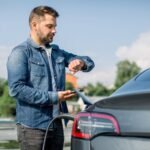
While battery range defines how far a vehicle can travel, charging determines how seamlessly it fits into daily life. Together, these two factors form the foundation of user confidence in electric mobility, News.az reports.
***
Global interest in charging is driven by practical concerns. Unlike refueling a petrol vehicle, which typically takes only a few minutes, charging an EV involves multiple variables such as charger type, battery capacity, and grid availability. This complexity has made charging one of the most frequently asked and misunderstood aspects of EV ownership.
Leading manufacturers such as Tesla, BYD, and Changan Automobile are investing heavily in charging ecosystems, recognizing that infrastructure is as important as the vehicle itself. The following FAQ explainer addresses the most searched and relevant questions shaping this theme.
How long does it take to charge an electric vehicle
Charging time varies widely depending on the type of charger used and the battery capacity of the vehicle. There are three main categories of charging.
Slow charging, often using standard household outlets, can take between 8 and 20 hours for a full charge. This method is typically used overnight and is suitable for users with predictable daily driving patterns.
AC home or public chargers, commonly known as Level 2 chargers, significantly reduce charging time. These systems usually require 4 to 8 hours to fully charge most EVs, making them the most practical solution for daily use.
Fast DC chargers offer the quickest option. High power stations can charge a battery from 10 percent to 80 percent in approximately 20 to 40 minutes, depending on the vehicle and charging capacity. Tesla’s Supercharger network, for example, is designed to deliver rapid charging for long distance travel.
It is important to note that charging speed slows as the battery approaches full capacity. This is done to protect battery health and ensure safety.
What factors influence charging speed
Charging speed is not determined solely by the charger itself. Several variables play a role in how quickly an EV can be charged.
Battery size is a key factor. Larger batteries require more energy and therefore take longer to charge, even on high power systems.
Vehicle charging capability also matters. Each EV has a maximum charging rate it can accept. If the charger provides more power than the vehicle can handle, the charging speed will be limited by the vehicle.
Temperature conditions can affect charging performance. Cold batteries charge more slowly, while optimal temperatures enable faster energy transfer.
State of charge is another critical element. Charging is fastest when the battery is between 10 percent and 60 percent. As it approaches 100 percent, the process slows significantly.
Can you charge an EV at home and is it enough
Home charging is one of the biggest advantages of electric vehicles. For many users, it eliminates the need for frequent visits to public charging stations.
A standard home charger can provide sufficient energy for daily driving needs. If a driver travels 50 to 100 kilometers per day, overnight charging is typically more than adequate.
Installing a dedicated home charging unit improves efficiency and safety. These systems offer faster charging speeds compared to regular outlets and often include smart features for scheduling and energy management.
However, not all users have access to home charging. Apartment living, shared parking, and urban density can limit installation options. This makes public infrastructure essential for broader adoption.
How widespread is public charging infrastructure
Public charging infrastructure has expanded rapidly in recent years, but availability varies significantly by region. Developed markets in Europe, North America, and parts of Asia have seen substantial growth in charging networks.
Urban areas generally have higher charger density, including both slow and fast charging options. Highways are increasingly equipped with fast charging stations to support long distance travel.
Emerging markets are still developing their infrastructure. While progress is being made, limited charger availability remains a challenge in some regions.
Governments and private companies are investing heavily in network expansion. Incentives, regulations, and partnerships are accelerating deployment, making charging more accessible over time.
Are fast chargers safe for EV batteries
Fast charging is designed to be safe, but frequent use can have a long term impact on battery health if not properly managed.
Modern EVs include advanced battery management systems that regulate temperature and charging speed. These systems minimize the risk of overheating and degradation.
Occasional use of fast charging is not harmful. However, relying exclusively on high speed charging may accelerate battery wear compared to regular slower charging methods.
Manufacturers recommend a balanced approach, combining home charging for daily use with fast charging for long trips and convenience.
What is the difference between AC and DC charging
AC and DC charging represent two fundamentally different methods of delivering electricity to an EV.
AC charging uses alternating current supplied by the grid. The vehicle’s onboard charger converts this into direct current to store in the battery. This process is slower but more common in residential and workplace settings.
DC charging delivers direct current directly to the battery, bypassing the onboard charger. This allows for much faster charging speeds, making it ideal for public fast charging stations.
The choice between AC and DC depends on the use case. AC is suitable for routine charging, while DC is essential for rapid energy replenishment during travel.
Can EVs handle long distance travel with current infrastructure
Long distance travel in electric vehicles is increasingly feasible due to improvements in both battery range and charging networks.
Fast charging stations along major highways allow drivers to recharge quickly during trips. Planning tools and navigation systems help locate available chargers and optimize routes.
Travel time is still longer compared to petrol vehicles due to charging stops. However, the difference is narrowing as charging speeds improve and networks expand.
For many users, the experience is already practical, especially in regions with well developed infrastructure.
How much does public charging cost
Charging costs vary depending on location, provider, and charging speed. Home charging is generally the most affordable option, as it uses residential electricity rates.
Public charging can be more expensive, particularly at fast charging stations. Pricing models differ, with some providers charging per kilowatt hour and others charging based on time.
Despite these variations, EV charging is often cheaper than refueling petrol vehicles on a per kilometer basis. However, cost savings depend on local electricity prices and usage patterns.
What are the biggest challenges in EV charging infrastructure
Several challenges continue to affect the development and usability of charging networks.
Grid capacity is a major concern. As EV adoption increases, electricity demand will rise, requiring upgrades to distribution systems.
Standardization is another issue. Different charging connectors and protocols can create compatibility challenges, though efforts are being made to unify standards.
Accessibility remains uneven, particularly in rural areas and developing markets. Ensuring equitable access to charging infrastructure is essential for widespread adoption.
User experience is also a factor. Reliability, payment systems, and ease of use must improve to match the simplicity of traditional refueling.
How are companies improving the charging experience
Automakers and technology companies are working to simplify and enhance charging.
Tesla has developed an integrated charging network that offers seamless user experience, including automatic payment and navigation integration.
BYD is focusing on battery innovation to reduce charging time and improve efficiency, while also supporting broader infrastructure development.
Changan Automobile is investing in partnerships and platform development to ensure compatibility with evolving charging standards.
Software plays an increasingly important role. Smart charging systems can optimize energy use, reduce costs, and integrate with renewable energy sources.
Is charging infrastructure keeping up with EV adoption
In many regions, infrastructure growth is accelerating, but it is still racing to keep pace with rising EV sales.
The ratio of vehicles to chargers is improving, yet demand continues to increase rapidly. This creates localized pressure in high density areas.
Policy support is critical. Government incentives, regulations, and public investment are key drivers of infrastructure expansion.
Private sector involvement is also growing, with energy companies, automakers, and startups contributing to network development.
What is the future of EV charging
The future of EV charging is focused on speed, convenience, and integration.
Ultra fast charging technology is expected to reduce charging times to 10 to 15 minutes for significant range gains. This would bring the experience closer to traditional refueling.
Wireless charging is another emerging concept. Although still in early stages, it could enable automatic charging without physical connections.
Vehicle to grid technology may allow EVs to supply energy back to the grid, transforming them into mobile energy assets.
Renewable energy integration is also a priority. Charging networks powered by solar and wind energy can reduce environmental impact and improve sustainability.
Why charging remains a defining theme in EV adoption
Charging time and infrastructure represent the practical reality of owning an electric vehicle. While range determines potential, charging determines convenience.
The prominence of this theme in search behavior reflects the need for clarity and confidence. Consumers want to understand not just how EVs work, but how they fit into their daily routines.
As technology advances and infrastructure expands, charging is becoming less of a barrier and more of an advantage. The ability to charge at home, combined with growing public networks, offers a fundamentally different and often more flexible experience than traditional refueling.
Conclusion
Charging time and infrastructure are central to the success of electric vehicles. They influence user perception, determine practicality, and shape the overall ownership experience.
Significant progress has been made, but challenges remain. Continued investment, innovation, and policy support will be essential to meet growing demand.
The trajectory is clear. Charging is becoming faster, more accessible, and more integrated into everyday life. As these improvements continue, the concerns that dominate today’s searches are likely to diminish, paving the way for broader adoption of electric mobility.
The post How long does it take to charge an electric vehicle appeared first on azeritimes.com.