Day: April 22, 2026

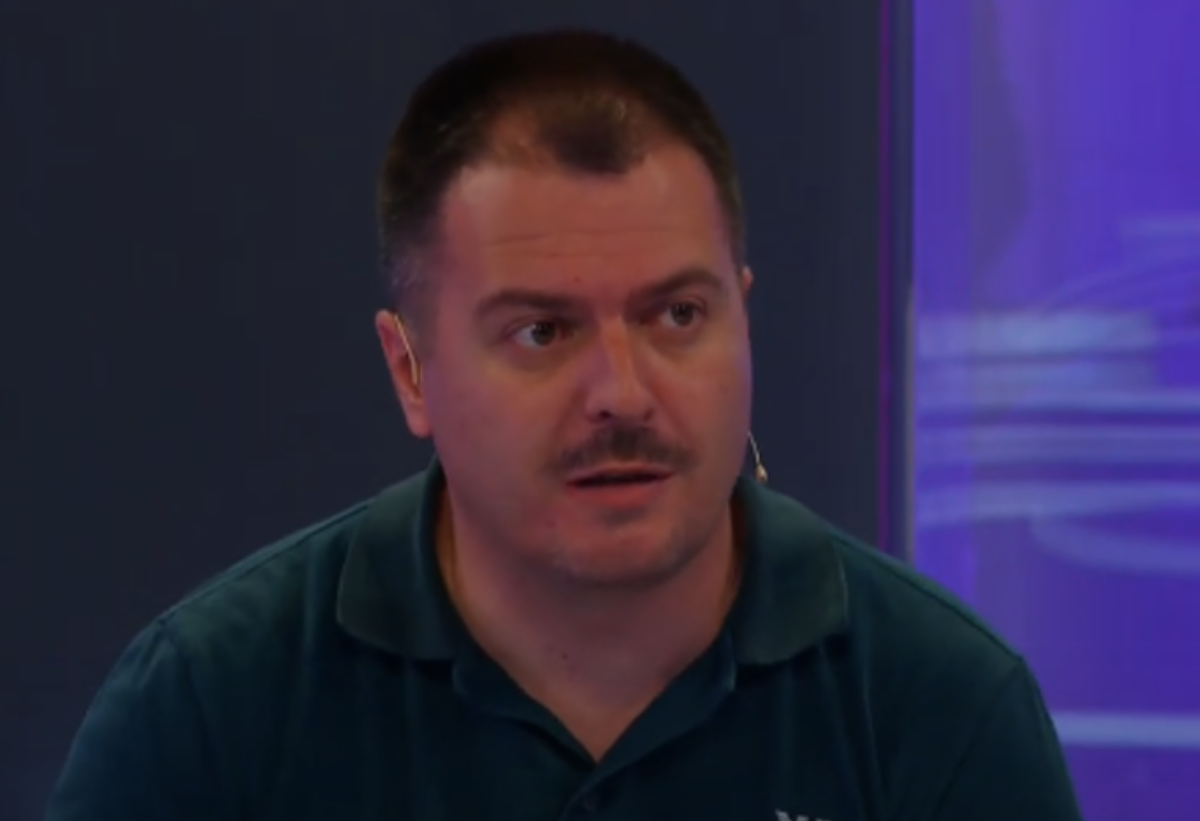
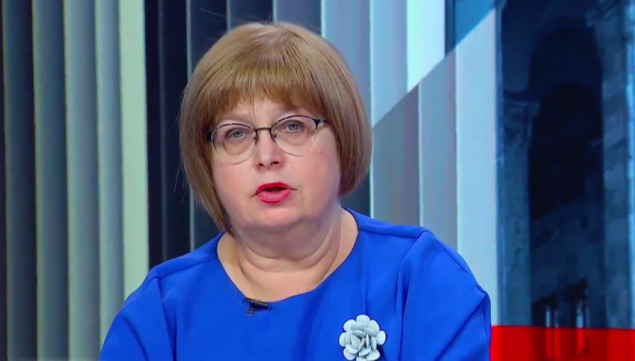
Analyst Lela Djedjelava has commented on recent government reshuffles in Georgia, saying that the heads of the state security service should not be “changed like socks”. In her view, this suggests that the importance of the institution is not fully understood.
She also argued that the post of vice prime minister in Georgia has effectively become equivalent to a “political retirement”.
Over the past 10 years, the ruling Georgian Dream party has changed the head of the State Security Service for the fifth time.
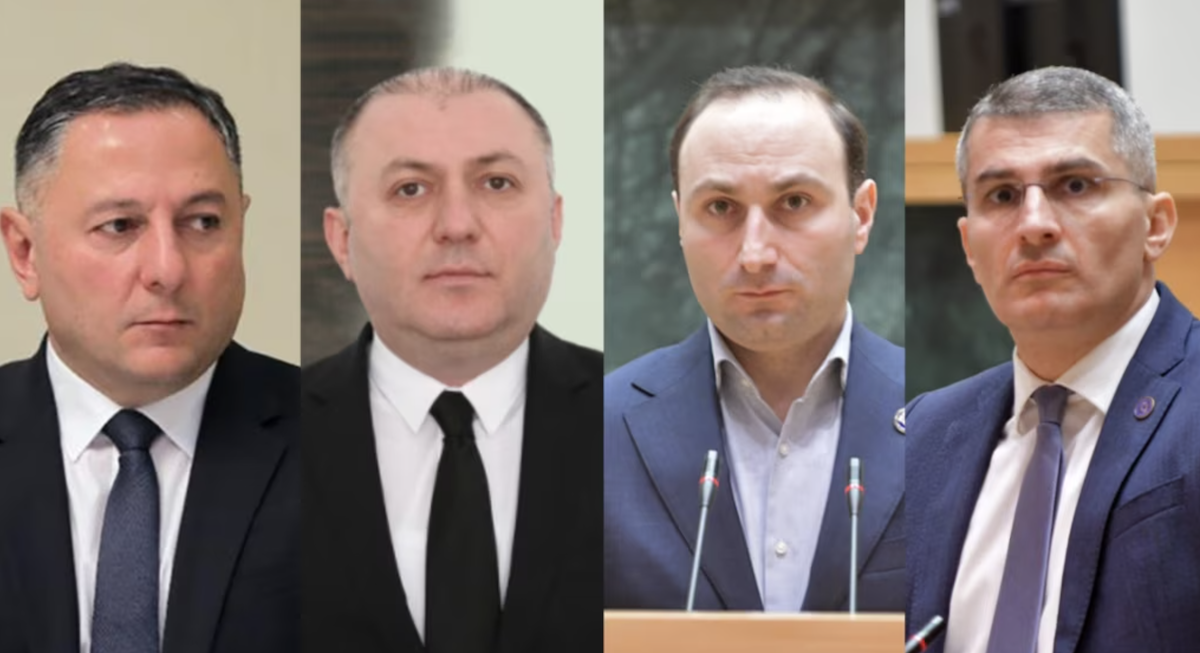
According to Prime Minister Irakli Kobakhidze, a new position of state minister for coordination of law enforcement agencies will be introduced within the government. The role will be taken by former SSS chief Mamuka Mdinaradze, who will also serve as a vice prime minister.
Meanwhile, parliament will be presented with the candidacy of former interior minister Gela Geladze for the post of head of the State Security Service, while the chair of the government of the Adjara Autonomous Republic, Sulkhan Tamazashvili, has been appointed as the new interior minister.

Lela Djedjelava said that the fact a state minister is a minister without portfolio is nothing new, and that it hardly needs explaining that the political weight of such a post differs significantly from that of the head of the State Security Service.
“If, in the case of Mdinaradze, the decision has already been made to create the position of state minister, then parliament is unlikely to oppose it. However, this raises an entirely different problem. We can clearly see the attitude towards the State Security Service. Its heads should not be changed like socks. This suggests that the importance of this state institution and its function are not properly understood. And this, in my view, is the biggest problem.
The significance of this particular agency for the state, and of the security structures more broadly, is either poorly understood — or this is being done deliberately.
I have often wondered how it came to pass that one former prime minister [Irakli Garibashvili] is in prison, while another [Giorgi Gakharia] is accused of treason and lives in exile. A former head of the State Security Service, his deputy, two former defence ministers — not to mention the president under the previous government [Mikheil Saakashvili] — are also in prison. How did this happen?
All this is being done so that public trust in state institutions is gradually eroded, leading to a complete devaluation of statehood in people’s minds.”
She added that another aim of these moves was to build trust in vague or ill-defined positions, reinforcing the idea that anyone with money can effectively substitute the state.
“In my view, the post of vice prime minister in this country has become equivalent to a political retirement.
Mamuka Mdinaradze is there only temporarily. I am not even sure that the creation and staffing of this ministry will be completed. The head of the State Security Service already has influence over other agencies, even if we put everything else aside.
The worst part is that those who occupy these key positions often end up in prison.
I do not know what Mamuka Mdinaradze’s future will be, but I think [Georgian Dream founder and honorary chairman] Bidzina Ivanishvili, by moving him, is bringing him closer to Prime Minister Irakli Kobakhidze, because the question of replacing Kobakhidze will also arise.
Although the fact that we are discussing this now may prompt Ivanishvili to delay that process.
It should be recalled that Mamuka Mdinaradze is a Kobakhidze appointee. We all recently saw footage of how, during Ivanishvili’s meeting with President Ilham Aliyev, Prime Minister Kobakhidze followed behind Ivanishvili like a scolded child.
This entire carousel is driven by the desire of one individual to prolong his hold on power, while further strengthening his own role and diminishing state institutions.”
Government reshuffle in Georgia

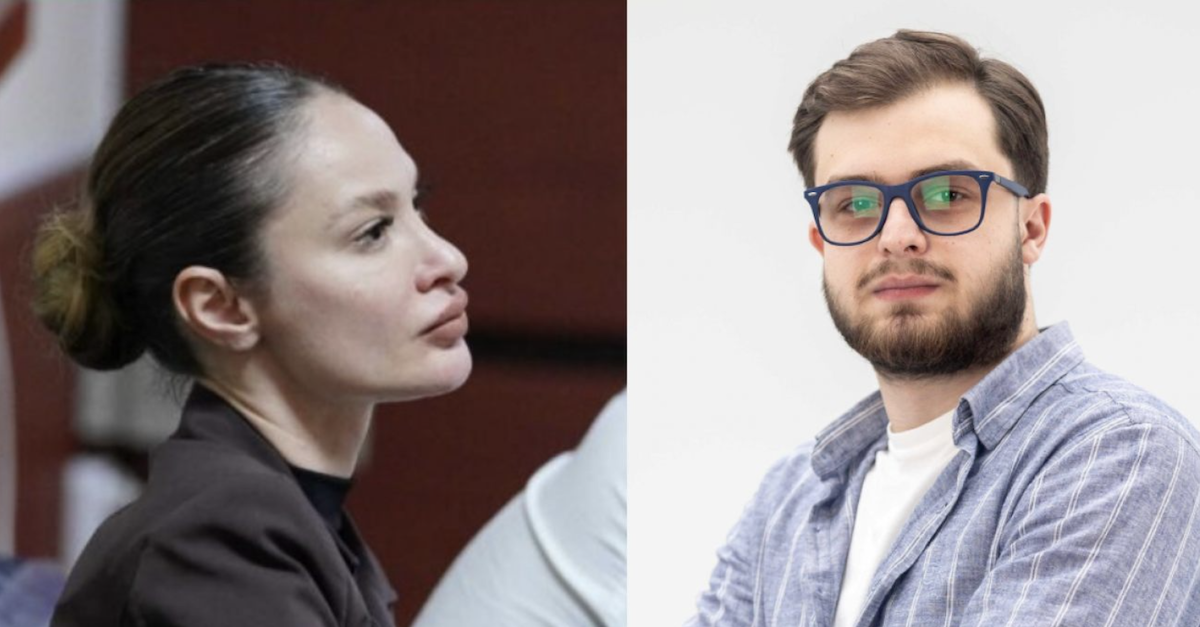
Georgia’s interior ministry has launched an investigation under a rape article after Albi Kordzaia, an active participant in pro-European protests, posted allegations on social media against another protester — Luka Chokhonelidze, founder of the Nabiji (“Step”) movement.
In her post, Ms Kordzaia accused Mr Chokhonelidze of sexual harassment and said she had information about a woman whom, she alleged, he had raped. According to her, the alleged victim does not wish to appear publicly or speak about the case.
Ms Kordzaia describes a personal experience she says took place in 2023 at the office of the Nabiji movement. She says that while resting in one of the rooms, she woke to the sensation of someone touching her body and saw Luka Chokhonelidze. She says she left the office immediately and has since viewed any matters involving him through the lens of a personal conflict.
In response to the allegations, Mr Chokhonelidze said he would not allow anyone to tarnish his reputation. He said establishing the truth was прежде всего in his own interest and that he was prepared to pursue the matter through all legal avenues, including the courts and the prosecutor’s office.
He also said he intended to sue Ms Kordzaia for defamation. According to him, he would reconsider that decision only if the allegations were disproven. He added that he was not seeking an apology, but wanted the issue to be clarified through legal means.
Activist in Georgia accuses fellow campaigner of abuse
Parents of children diagnosed with Duchenne muscular dystrophy (DMD), a rare and progressive genetic muscle-wasting disorder, launched round-the-clock protests outside the Government Administration building in Tbilisi, as officials dispute their claims about the necessity and effectiveness of what parents say is life-saving medication.
For over a year, parents have been calling on authorities to fund newer medications such as givinostat (Duvyzat) and vamorolone, which they say are approved and used in Western countries and can help slow disease progression. They say the drug deflazacort, currently funded by the Health Ministry, has limited effectiveness and causes significant side effects.
Around 100 children in Georgia are reported to live with DMD. Primarily affecting boys, symptoms usually appear between ages 2 and 5, leading to loss of mobility by age 10, and early mortality, typically between ages 25 and 30.
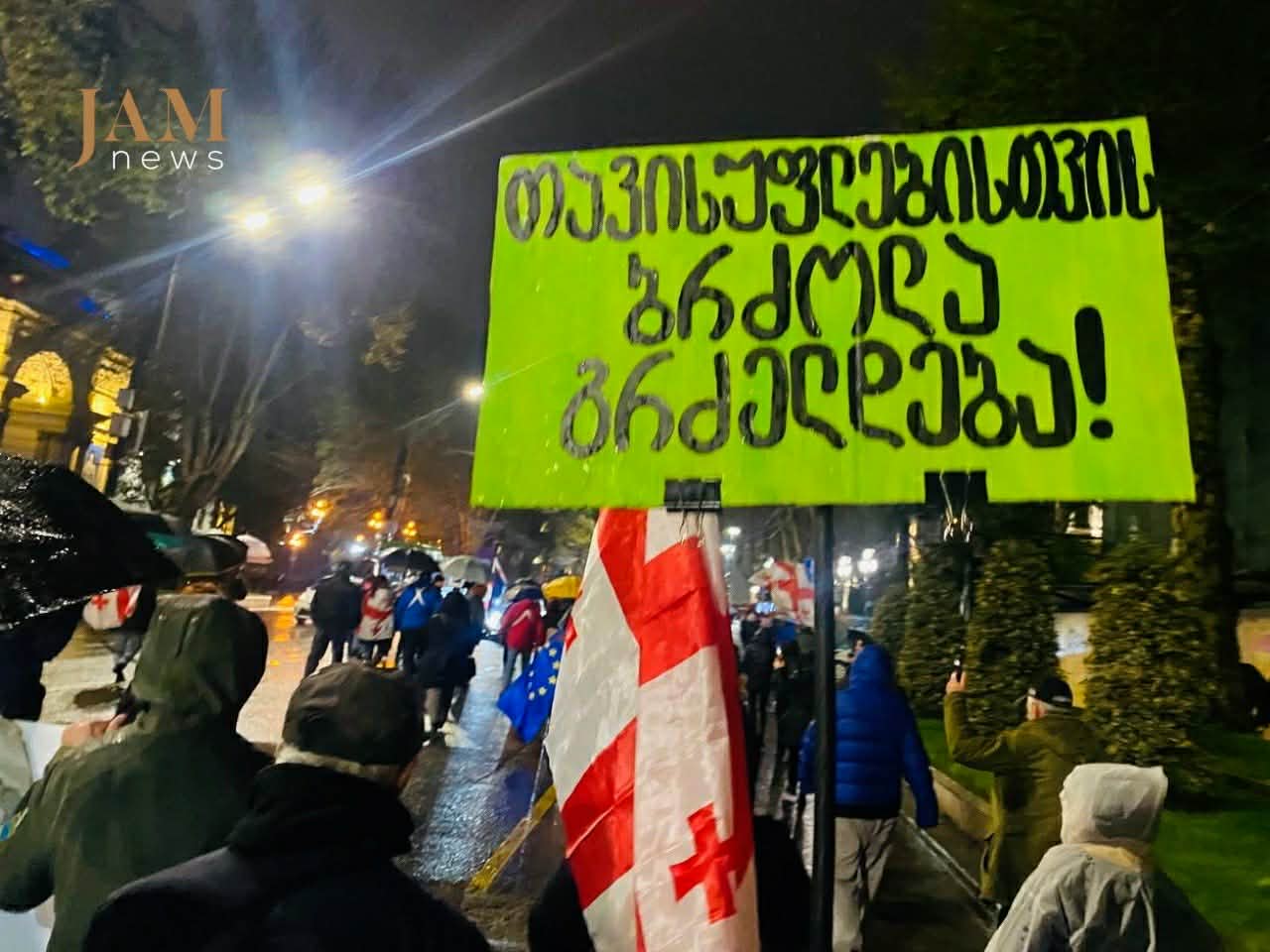
Parents have been holding protests for over a month, demanding, among others, a meeting with Georgian Dream Prime Minister Irakli Kobakhidze, and turned to non-stop rallies on April 20, staying overnight outside the Government Administration in downtown Tbilisi. Tensions flared on the first day as police prevented them from bringing pouf chairs and other equipment to the protest scene. Earlier, parents had also reported that police denied their request to set up tents on the site.
Despite restrictions, parents vow to continue their protest and have spent nights on nearby benches.
“We will go through all the steps that need to be taken until this result is achieved,” Ketevan Ekhvaia, one of the parents, told reporters. “We will not allow the state to let our child reach a fatal outcome […] We will stand here until we manage to import the medicine. We will not give up.”
GD Minister Disputes Medication Effectiveness
In a briefing held on April 21, GD Health Minister Mikheil Sarjveladze disputed parents’ claims, effectively denying their main request and calling the issue “increasingly politicized.”
“At present, there is no medication in the world that claims to cure Duchenne,” Sarjveladze said. “There are only drugs that aim to slow the progression of the disease, potentially delaying the age at which a wheelchair becomes necessary by one to three years.”
The minister also questioned the reliability and broader impact of the medications demanded by parents, noting that European countries approach their use with caution.
“The demand concerns medications whose function is not to save lives, not to cure the disease, and not even to prolong life […] but rather medications whose only purpose, and even this remains uncertain, is to delay the need for a wheelchair,” he said.
The minister, however, stated that a draft amendment had been submitted for discussion at a government meeting, which would expand access to outpatient, inpatient, and diagnostic services for patients with DMD and other rare diseases.
Parents rejected the minister’s arguments as “misleading” in a press briefing shortly afterward.
“Sarjveladze claimed that no medication is recognized, even though many are recognized by both the U.S. Food and Drug Administration (FDA) and the European Medicines Agency (EMA),” said Zakaria Gvishiani, one of the parents and the chairman of the organization Let’s Fight Against DMD. He cited givinostat and vamorolone as medications already in use internationally and, in some cases, by Georgian patients. “We have real-life examples,” he said.
Gvishiani called Sarjveladze’s claim that the medication may delay the need for wheelchair use by 1–3 years “absurd,” saying that “today, any citizen can see that any of the medications I listed can double life expectancy.”
Gvishiani also requested that authorities establish a multidisciplinary care team to more effectively address the issue.
The Opposition Alliance, a newly formed coalition of nine parties, backed the parents’ advocacy, calling for urgent action from the authorities.
Speaking at an April 21 press briefing, Gigi Tsereteli, leader of the European Georgia party and former health minister, said it was “morally indefensible” to question the effectiveness of modern treatments.
“It is devoid of moral grounds to claim that today’s modern medications are not effective,” Tsereteli said. “Everyone must understand that every day, month, and year is critically important for these families, for these people, for these children, and this issue must be resolved.”
Public Defender Backs Assembly Rights
Georgia’s Public Defender weighed in on April 21, criticizing restrictions imposed on demonstrators and emphasizing the importance of protecting the right to peaceful assembly.
“The Public Defender of Georgia emphasizes that freedom of assembly includes the right to choose the form of protest, which allows participants to use temporary structures and other items,” the statement reads. “At the same time, the state is obliged to facilitate peaceful assemblies and demonstrate tolerance towards the form of protest chosen by participants.”
The office called on the Ministry of Internal Affairs to ensure the rights of protesters are respected and urged authorities to engage in “active and substantive dialogue” with parents, citing the urgency and sensitivity of the situation.
Also Read:
- 30/03/2026 – Families of Children with Duchenne Muscular Dystrophy Demand Access to New Treatments, Meeting with Kobakhidze
- 25/08/2025 – Teen With Disability in Critical Condition After Rejections from Hospitals, Delayed Care
- 15/11/2023 – Parents Rejoice as Long-expected Achondroplasia Medication Reaches Georgia