
Day: April 15, 2026
Opinion on Hungary’s elections
Hungary’s elections have shown that authoritarianism can be defeated through the ballot box, says Lasha Tugushi, head of the Liberal Academy.
He says Viktor Orban controlled administrative resources and violated the principle of system neutrality, yet still lost the election.
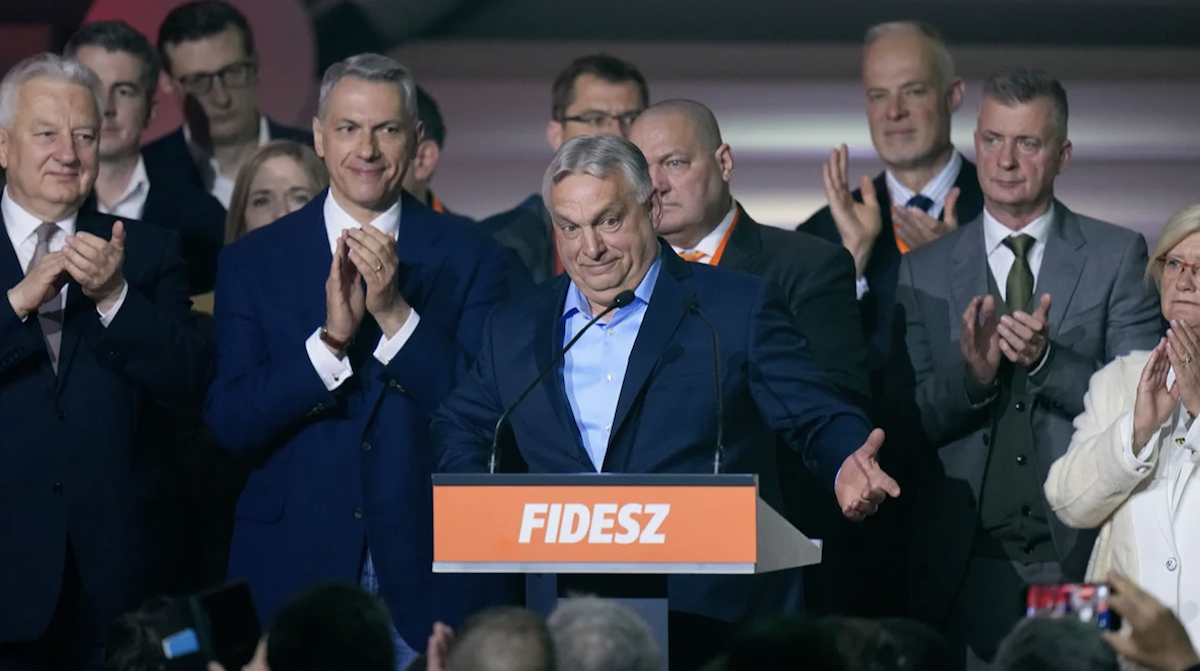
The era of uninterrupted rule by Viktor Orban and his far-right Fidesz party, which began in 2010, has come to an end. During his years in power, Orban reshaped the electoral system in ways that made it harder for the opposition to compete. Nevertheless, the opposition Tisza party secured victory in the parliamentary elections on 12 April 2026. Preliminary results suggest it will win 138 out of 199 seats in parliament.
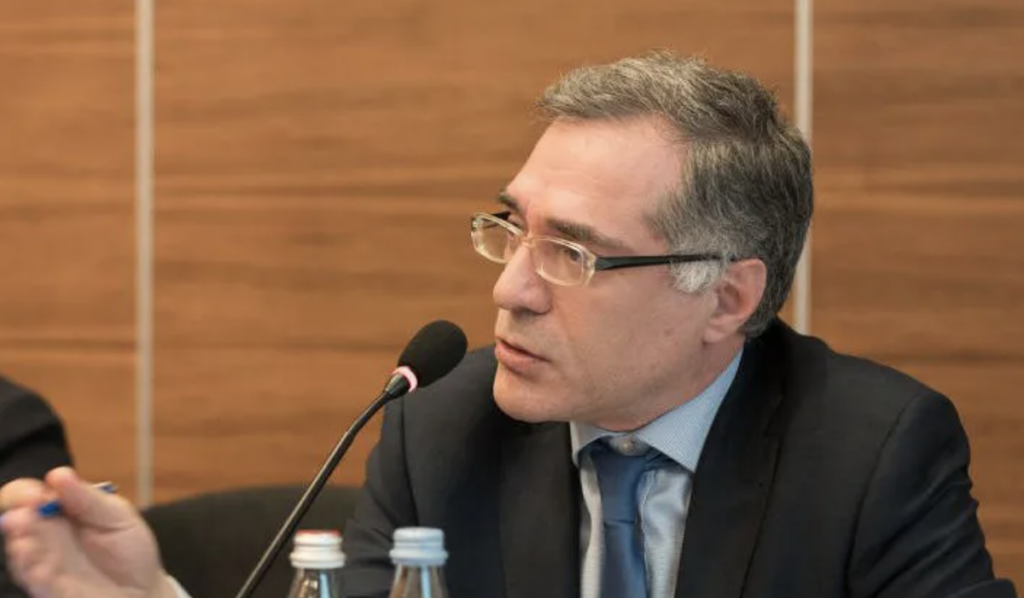
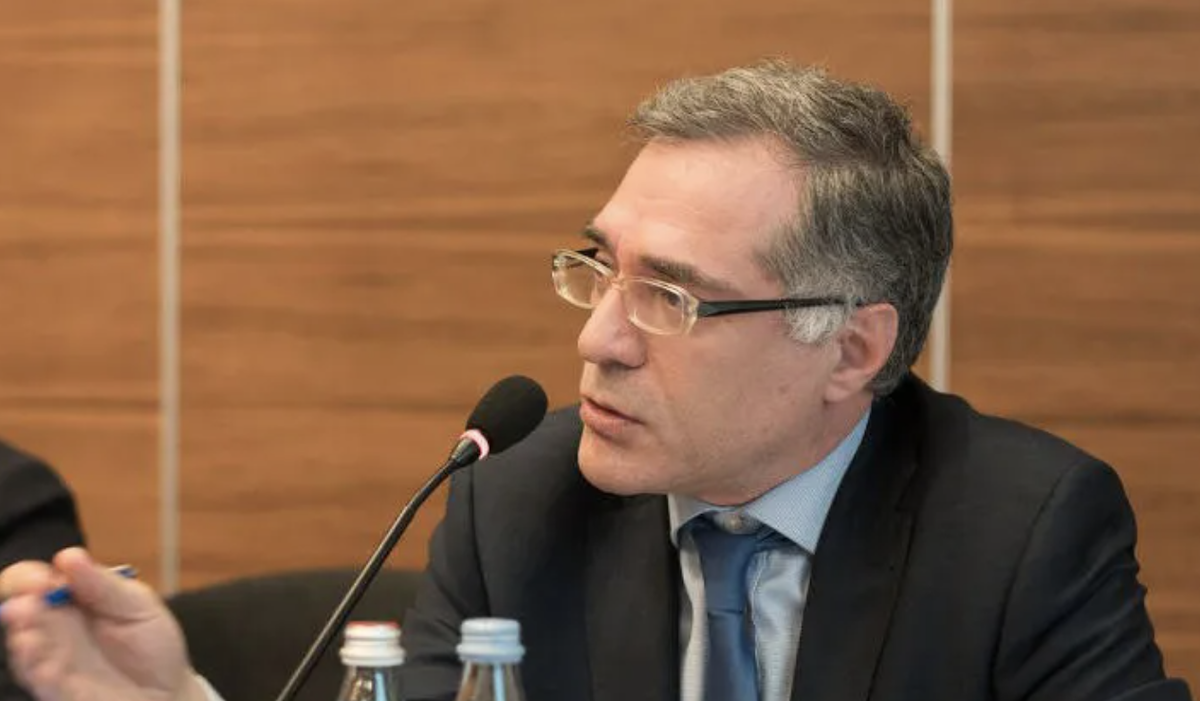
Lasha Tugushi: “Despite the politicisation of the courts and the prosecutor’s office, the ruling party still failed to win the elections. It had very strong positions in the regions, and the majoritarian system was ‘friendly’ to Orban, yet he lost there as well.
The conclusion should be this: despite everything, it is possible to defeat an authoritarian regime through elections. Hungary offers that lesson. The situation there was very difficult. In fact, the media is more monopolised than in Georgia. Viktor Orban controlled around 400 outlets. This is an extraordinary situation that goes far beyond the usual European reality. It is very similar to Georgia. There are differences, but there are also clear similarities. For me, this is a clear example that, despite everything, victory is possible.
What should opposition forces [in Georgia] do? It is difficult to give advice from the outside, but I would say this modestly: if they share this view, they should start working together in this direction as soon as possible. As many opposition figures and political forces as possible need to decide whether they share this approach. The last 40 days, two months or even six months will not be enough to win.”
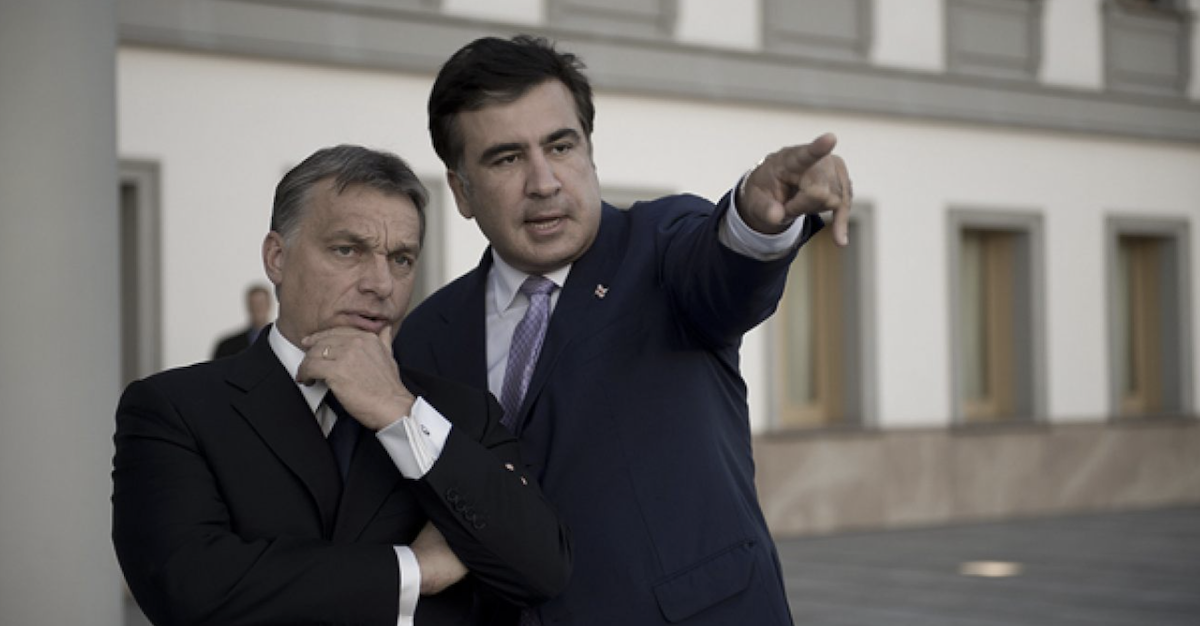
“It is important to remember that elections will take place in 2028, and work must begin today. This effort needs to be planned and very intensive. Hungary’s elections also showed how important direct contact with people is. People will trust you if you speak honestly and take their interests into account.
Far-right populist forces have come together, and this has undermined the foundations of the European Union. They have a very different ideological base and a different vision of Europe’s future. In essence, they are eurosceptic and oppose the current order.
Why should my government take part in such a gathering if it goes against the country’s interests? This trend in Hungary will inevitably fade, because Peter Magyar does not represent this political force. Let us also put an end to this bacchanalia that we have witnessed.”
Opinion on Hungary’s elections
In January–March 2026, the production of petroleum products in Azerbaijan amounted to 1 billion 283.7 million manats (approximately $754 million), marking a 2.9 percent decrease compared to the same period last year, according to the State Statistics Committee, AzerNEWS reports.
Despite the overall decline, production of key fuels recorded growth. Motor gasoline output increased by…
Georgia’s disputed parliament adopted new exemptions to the controversial Law on Grants, stipulating that diplomatic and international organization missions, as well as the Georgian Red Cross Society and financial and credit institutions, are not required to obtain government approval to disburse grants to local organizations. The amendments were adopted in the third and final reading on April 15, after two days of deliberations under an accelerated procedure.
The amendments follow a restrictive package adopted by the disputed parliament on March 4, which, among other changes, significantly broadened the definition of a foreign “grant” requiring government approval to include any monetary or in-kind support from a foreign organization or individual to local entities.
Under the new version, funds disbursed by diplomatic missions, consular offices, and international organizations that are “used or may be used for activities arising from the political or public interests, approaches, or relations of a foreign government or a foreign political party” will not be considered grants requiring government approval, provided they are used for the entities’ “own activities.”
In addition, the new version of the law exempts the Georgian Red Cross Society and its grants, as well as grants issued by financial and credit institutions, from the requirement to obtain government consent. The amendment was approved during the second reading in the disputed parliament’s Legal Issues Committee on April 15.
Archil Gorduladze, the committee chair, said regarding the financial and credit institutions that grants issued by the World Bank, for example, would be deemed exempt, noting that they are “usually always accompanying grants linked to loan agreements” and therefore would not require government approval.
Exemptions already applied to grants issued by international sports organizations, individual funding for education and research received abroad, and programs such as the EU’s “Horizon Europe” and Erasmus+, as well as grants from the German Academic Exchange Service (DAAD) and the EU–Georgia “Creative Europe” program.
Also Read:
Categories
Война окончена?
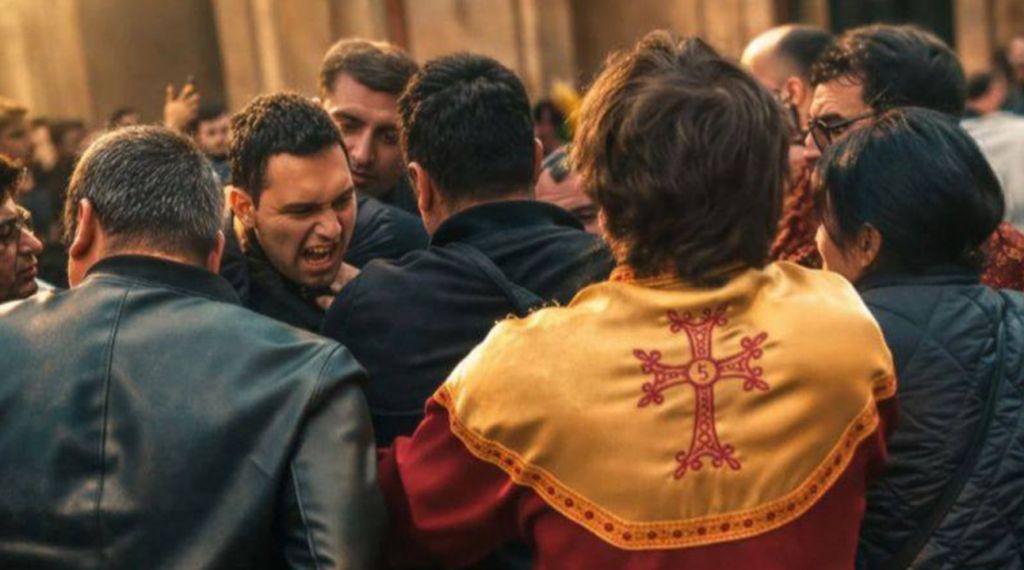
Man who tried to hit Pashinyan released from detention
A young man accused of attempting to strike Armenia’s Prime Minister Nikol Pashinyan has been released from detention.
Lawyers for 18-year-old David Minasyan had repeatedly called for his release, saying he suffers from medical conditions incompatible with detention. The court had initially ordered his arrest for two months. Due to his health problems, authorities regularly transferred him from prison to medical centres.
On the eve of his release, the supervising prosecutor changed the preventive measure and imposed a travel ban instead. The investigation continues. The prosecutor has submitted the case materials and indictment to the court. High school student David Minasyan faces two charges: hooliganism and interference with the lawful official and political activities of a public official.
Before the prosecutor’s decision, a group of citizens submitted a letter to the Prosecutor General’s Office asking for a change in the preventive measure. A group of mothers also staged a sit-in protest and urged the authorities to “distinguish real criminals”.
Political analyst Hakob Badalyan welcomed the prosecutor’s decision. At the same time, he urged people to reflect on the harm caused to the young man’s health and mental state.
“What kind of psychological and physical suffering did he and his family endure because of this clearly disproportionate detention and arrest? It is hard to see this as anything other than revenge and persecution,” Badalyan said.
Full details of the incident, the prime minister’s assessment and reactions on social media.
- ‘Robert Kocharyan is the prime ministerial candidate of the ‘three-headed party of war’,’ says Armenia’s deputy speaker
- Vote-buying in Armenia: ‘Strong Armenia’ party disguised bribes as salaries and charity
- Former ruling party MP becomes Constitutional Court judge in Armenia, NGOs warn of risks
Background
The incident took place on Palm Sunday, 29 March, as the prime minister was leaving St Anna Church. David Minasyan, who was also inside the church, told security guards not to move him. He said he wanted to stand where he was.
“Don’t look at me like that,” the young man told the prime minister, before attempting to strike him.
Pashinyan reacted calmly. He urged his guards to remain calm, gestured for silence and left the church. A video later showed a State Protection Service officer hitting David Minasyan after the prime minister had already left.
Authorities detained 18-year-old David Minasyan, his twin brother Mikael Minasyan and public figure Gevorg Gevorgyan in connection with the incident. Investigators accuse Mikael Minasyan of supporting his brother’s actions. They accuse Gevorg Gevorgyan of organising the incident. He says he did not know the brothers and could not have organised anything.
Mikael Minasyan was released on 31 March after posting bail of 5 million drams (about $13,000). The court imposed a travel ban on him. Authorities released Gevorg Gevorgyan under the same conditions.
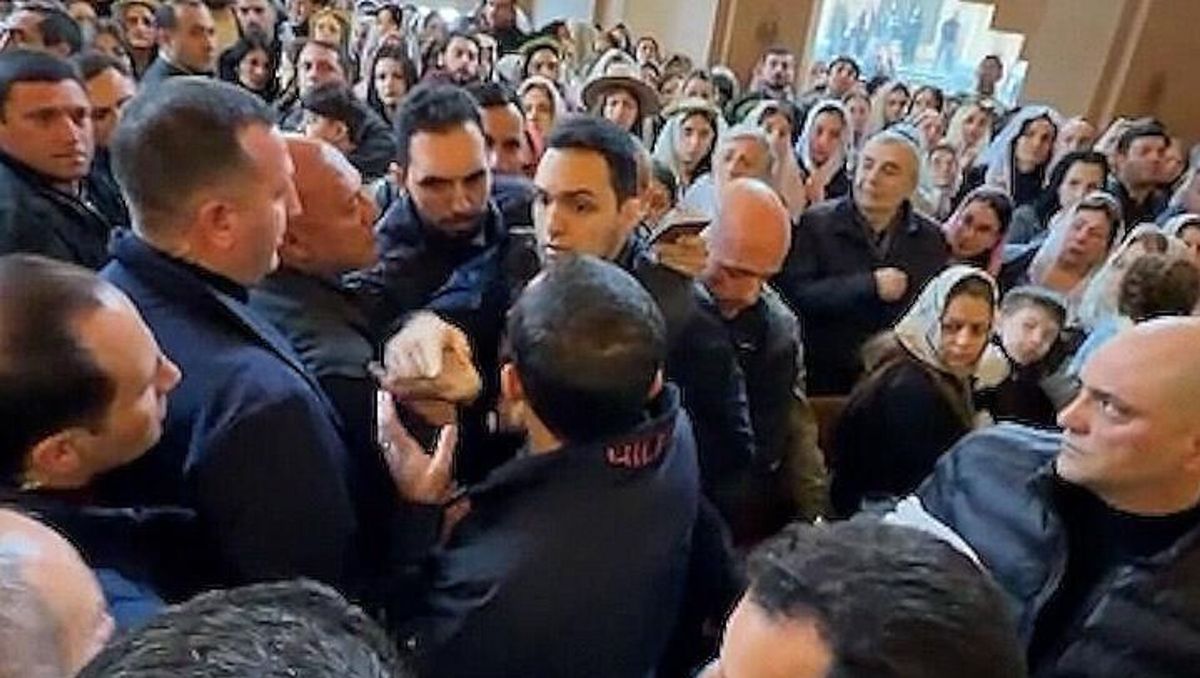
The officer’s actions are not being examined
Another video circulated on social media after the incident. It shows David Minasyan falling after a State Protection Service officer struck him.
His lawyer, Lusine Martirosyan, said a medical examination confirmed that David suffered a closed head injury and a concussion as a result of the blow.
The defence submitted the video to the Investigative Committee. However, authorities have not yet given a legal assessment of the officer’s actions.
“What was he supposed to do, invite him for coffee?” — Pashinyan
Prime Minister Pashinyan said during a briefing that he did not see what happened after he left the church. He effectively justified the actions of the State Protection Service officer:
“When an officer sees a threat to the person he is assigned to protect, he can use force. He can strike. In more serious situations, he may even use a weapon.”
The prime minister said an officer who fails to act could face criminal charges and imprisonment for neglecting duty:
“I will not tolerate any service in Armenia failing to do its job. That is out of the question — whether it is the police, the State Protection Service, the army or the National Security Service. What was he supposed to do, invite him for coffee?”
Pashinyan also said he believed David Minasyan had not suffered physical injuries. Commenting on his detention and health condition, he added:
“When someone takes such actions, they do not wear a badge saying they are 18 or that they have health problems.”
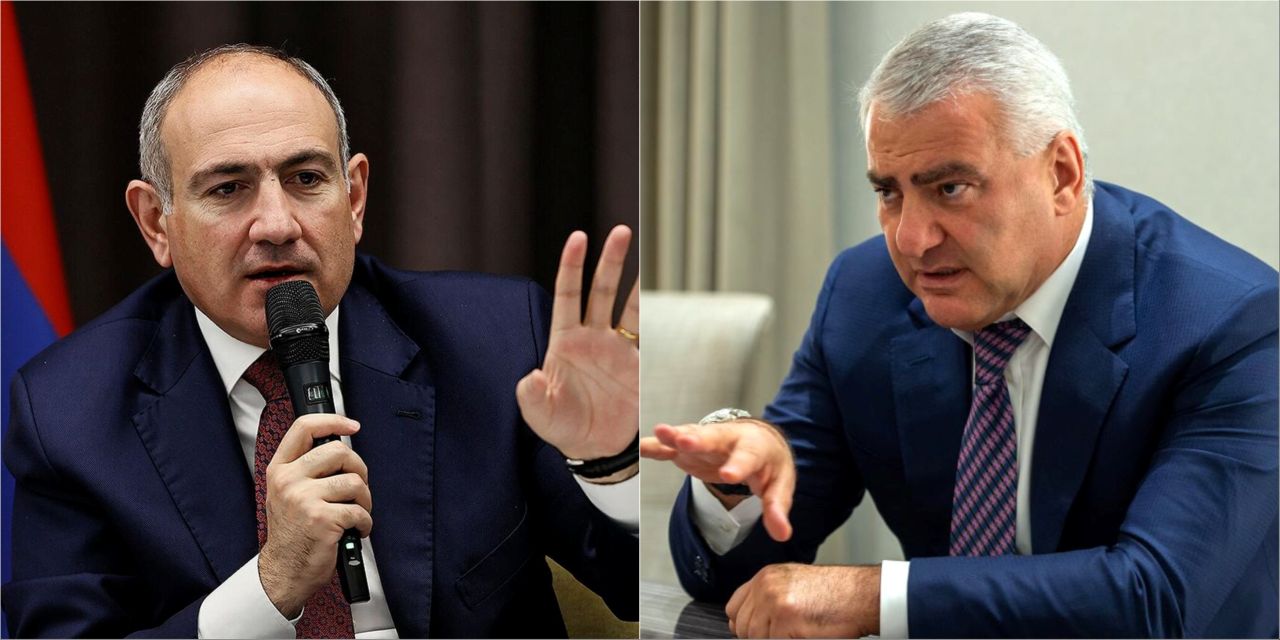
Social media reactions
Users in Armenia’s social media space are активно debating David Minasyan’s actions and the decision to release him from detention. Opinions are sharply divided. Some support his release, while others argue it creates a sense of impunity.
“Thank God. Wishing you good health, David.”
“The public protest was heard. But the bodyguards still have unlimited powers. No punishment, no reprimand, no apologies.”
“After this, I think the guy won’t try to hit anyone again.”
“We should thank the government.”
“What exactly should we thank the government for? For pushing a child to the brink, for this boy’s suffering?”
“One day this ‘velvet’ leniency will come back to haunt the government and law enforcement in the worst way. It turns out that any minor can attack the prime minister and face no consequences.”

Man who tried to hit Pashinyan released from detention