Categories
South Caucasus News

Mikheil Saakashvili: Orban was Putin’s main envoy to Ivanishvili


Saakashvili accuses Orban

Georgia’s imprisoned third president, Mikheil Saakashvili, has published a lengthy Facebook post describing what he calls the political transformation of Hungary’s prime minister, Viktor Orban.

Saakashvili levels serious accusations against Orban.

In the post, he claims that Orban acted as an intermediary between Bidzina Ivanishvili and Vladimir Putin, passing on Putin’s messages to the ruling Georgian Dream party.

The former president also says Orban helped Georgian Dream “manage” relations with the United States and received money from Ivanishvili in return. He further claims that in 2015, when he was governor of Ukraine’s Odesa region, Orban asked him to help build ties with Ukrainian oligarchs and suggested they could “make money together”.

Saakashvili says he had a long-standing friendship with Orban and that “he was a good person”. However, he argues that Hungary took an authoritarian turn after 2015, and that it was after this shift that Orban became acquainted with Ivanishvili.

Saakashvili accuses Orban

Saakashvili writes that he first met Orban in 1993. At the time, Saakashvili was a student at Columbia University, while Orban was the leader of the Fidesz party.

“He was then a slim, charismatic idealist with burning eyes and a political leader,” Saakashvili writes.

He says Orban later supported the Rose Revolution and spoke highly of reforms in Georgia. In 2012, when power changed in Georgia, Orban even offered Saakashvili and members of his team asylum in Hungary.

“I did not need it, but many left,” Saakashvili writes.

However, the former president says Orban later changed radically.
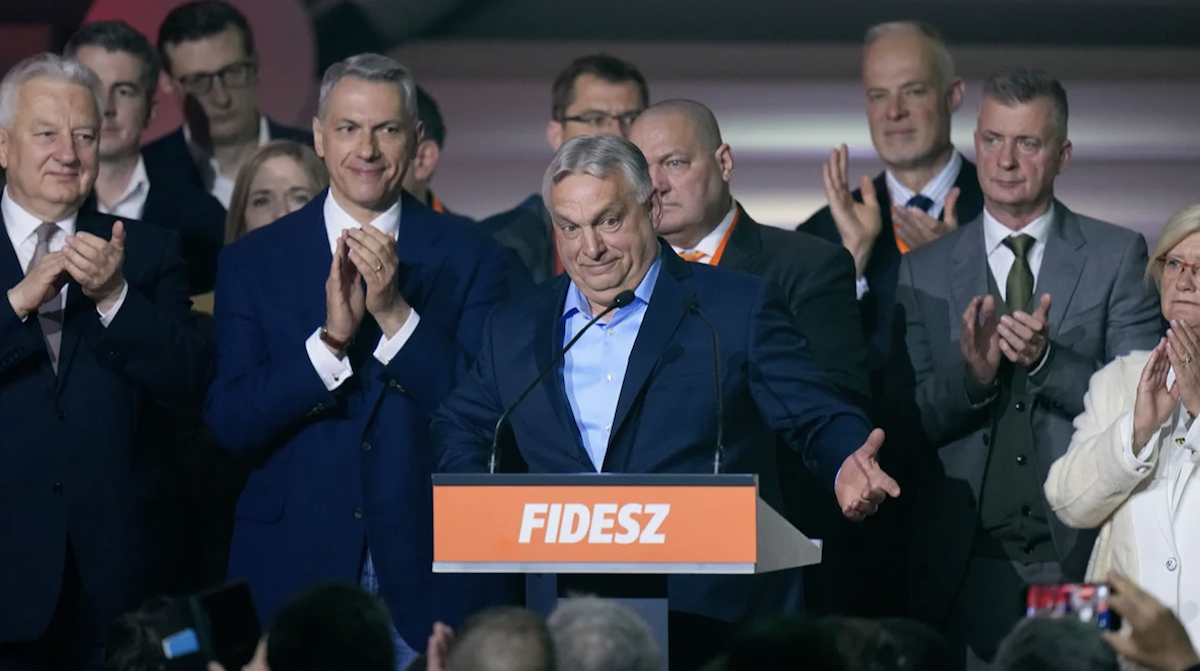
According to Saakashvili, in 2015, when he was governor of Ukraine’s Odesa region, Orban asked him to introduce him to Ukrainian oligarchs and suggested they could “make money together”.

“One of our last meetings in 2015 stuck in my memory. He told me: ‘Misha, introduce me to Ukrainian oligarchs, and we will make money together.’ At the time, I was governor of Odesa and was waging a tough fight against Ukrainian billionaire oligarchs and their media. I have never seen politics as a way to make money. It did not fit my previous perception of Orban, so I hoped he was joking,” the third president of Georgia writes.

Saakashvili says that around the same time Hungary began an authoritarian shift, and that this was when Orban grew closer to Bidzina Ivanishvili and the Georgian Dream party.

“He [Orban] met oligarch Ivanishvili, who became one of his main sponsors. In return, Orban taught Georgian Dream political technologies, helped shape its propaganda slogans, and even showed them how to shut down universities.”
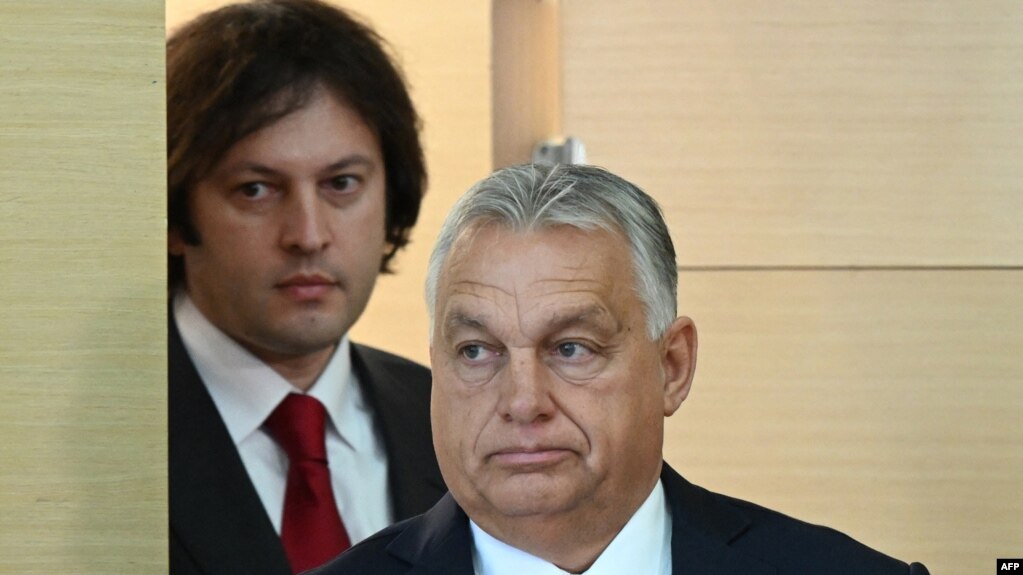
Saakashvili claims that “Orban became Putin’s main envoy to Ivanishvili”.

He alleges that in 2024, after what he describes as “rigged elections” in Georgia, Orban flew in on his private plane to support the ruling Georgian Dream party, and that Ivanishvili paid him $30m for the visit.

“Orban also brought Putin’s demand — to immediately abandon the European Union — which the regime then voiced through Kobakhidze. In addition, Orban became one of Ivanishvili’s channels for ‘managing’ relations with the United States. Of course, not for free.”

Saakashvili says that the fact that Magyar left Orban’s party and became a leading opposition figure prompted Bidzina Ivanishvili to take precautions. He claims Ivanishvili had his ally, former prime minister Irakli Garibashvili, arrested.

At the end of the post, Saakashvili points to Hungary’s election results as an example for Georgia’s opposition. He says Peter Magyar succeeded because he built direct communication with voters, while traditional opposition forces often remained confined to media and social networks. Saakashvili argues that Georgia’s opposition should draw the same lesson and move “from Facebook, television studios and Rustaveli Avenue” to real engagement with people.

“In 2024, most young people in Georgia did not turn out to vote and therefore did not defend the results. Part of the older population stayed home because they did not believe in victory. Gilauri’s involvement in the elections, the mobilisation of most parties against the National Movement, and constant infighting all had a deeply negative impact on public sentiment,” Saakashvili writes.


Categories
South Caucasus News

Belarusian Photographer Detained at Minsk Airport Upon Arrival From Georgia


Belarusian photographer Alexander Shishko has been detained at Minsk National Airport upon arrival from Georgia, several sources reported.

According to Dissidentby, a non-profit initiative supporting political prisoners in Belarus, Shishko, 32, who had spent recent years in exile, has been in custody since April 9. It said that a criminal case was opened against him in 2023 “for participating in Freedom Day [event] abroad” and that his apartment in Belarus was seized.

Belarusian media outlet Pozirk reported the detention on April 13, citing confirmation from human rights activist Roman Kislyak.

“Alexander had been living in Tbilisi since at least 2022. It’s hard to say why he returned to Belarus,” Kislyak said, according to the outlet. “Perhaps he missed his homeland and his relatives. I think he miscalculated the risk of detention and believed he would slip through.”

Kislyak also said Shishko had been mentioned in the reports of “Belarus’ propaganda officers” after taking part in Freedom Day rallies in 2024.

Belarusian Freedom Day is celebrated annually on March 25 to mark the 1918 declaration of independence of the Belarusian Democratic Republic. It serves as a major day of protest against Alexander Lukashenko’s regime.

According to the human rights groups, 908 people have been recognized as political prisoners in Belarus as of April 15.

Also Read:


Categories
South Caucasus News

Первые прямые переговоры Ливана и Израиля


Categories
South Caucasus News

Катар требует свободы судоходства | Венгрия укрепляет связи с Еврокомиссией


Categories
South Caucasus News

Azerbaijan to introduce redesigned 100-manat banknote


Since 2021, the CBA has introduced updated versions of the 1, 5, 10, 20, and 50-manat banknotes, integrating advanced innovations, including nano- and micro-technologies, while maintaining the existing conceptual design framework.

Categories
South Caucasus News

Khatai Arts Center displays art pieces by professional artists


A professional artists’ exhibition has opened at the Khatai Arts Center, AzerNEWS reports.

Categories
South Caucasus News

Орбан проиграл, по Ирану не договорились – взгляд из Лондона


Categories
South Caucasus News

Ukrainian UAVs hit military plant producing multiple launch rocket systems at Russia’s Bashkortostan


Categories
South Caucasus News

National Carpet Museum opens exhibition titled ‘Images Imprinted in Memory’


A solo exhibition by multidisciplinary artist Madina Gasimova titled “Images Imprinted in Memory” has opened at the Azerbaijan National Carpet Museum with the support of the global .ART domain, AzerNEWS reports.

Categories
South Caucasus News

Plastic bottles to be banned in food service under new law in Georgia


Plastic law in Georgia

Plastic law in Georgia

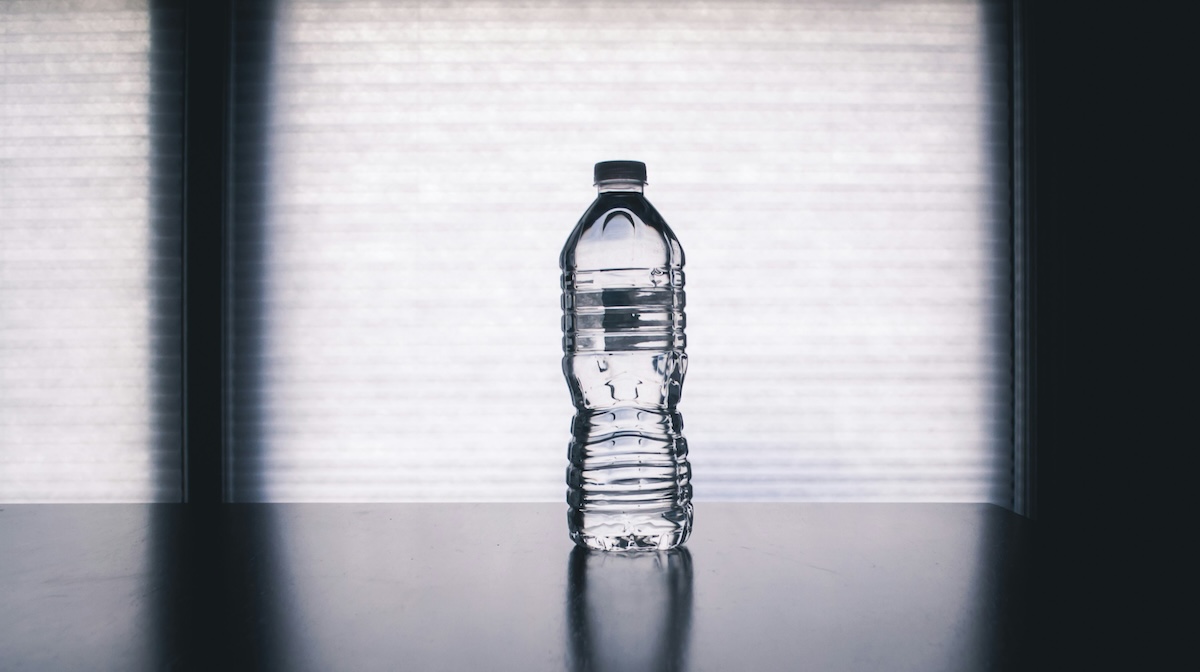
From 1 July 2026, new restrictions on plastic use will come into force in Georgia. Customers will no longer be able to buy drinks in plastic bottles in cafés, restaurants and other food service venues.

According to the Ministry of Environmental Protection and Agriculture, the changes aim to reduce plastic consumption and limit its impact on the environment.

Where will the ban apply?

The ban on selling drinks in plastic bottles will apply to food service businesses, including cafés, restaurants, bakeries, coffee shops and similar venues.

From 1 July 2026, these establishments will no longer be allowed to offer drinks in plastic bottles to customers.

However, drinks in plastic bottles will continue to be sold in shops and supermarkets.

What has already been banned?

The ministry said that from 1 April 2026, the production of plastic forks, knives, spoons, chopsticks, plates, straws, drink stirrers, as well as food containers, cups and lids made of expanded polystyrene, has already been banned, except for products intended for export. Imports and the placement of these items on the market are also prohibited.

From the same date, public procurement rules also ban the purchase of plastic cups, containers and bottles with a capacity of up to three litres.

What will be banned from 1 July?

From 1 July 2026, new rules will take effect. Food service businesses will not be allowed to serve ready-to-eat food in single-use plastic containers or cups.

From the same date, they will also be banned from serving drinks in plastic bottles.

Which changes have been postponed until 2031?

Under the original government decision adopted in 2026, the production, import and sale of drinks in plastic bottles — except for those intended for export — were due to be banned from 1 February 2027.

However, at a government meeting on 8 April 2026, Prime Minister Irakli Kobakhidze announced that the deadline had been revised following consultations with the business sector. He said the production, import and sale of drinks in plastic bottles would be fully banned from 1 February 2031.

The ban will include exceptions. It will not apply to drinking water in containers of three litres or more, or to other beverages in volumes of 20 litres or more.

Regulations and reality

Efforts to limit plastic use in Georgia are not new. The country already restricts the sale of plastic bags, and legislation requires retailers to use biodegradable alternatives. In practice, however, enforcement remains inconsistent and only some shops comply.

Despite the ban that came into force on 1 April, single-use plastic items such as plates and containers are still widely available in markets.

“I will keep selling them until I get fined. Then we will see what happens. What should I do with this stock? Throwing it away would be a big loss for me,” a shop owner told JAMnews.

Why is the government tightening the rules?

The Ministry of Environmental Protection and Agriculture cites environmental concerns as the main reason for the move.

According to the ministry, several studies have assessed the scale of plastic pollution in Georgia. These suggest that around 88% of waste found in rivers is plastic, with single-use items making up the largest share. The same data indicate that plastic bottles account for roughly 41% of this waste.

In other words, the problem is neither theoretical nor cosmetic: plastic has already become a primary source of pollution, particularly in aquatic ecosystems.

Another systemic issue is the lack of waste separation. Waste sorting remains limited in Georgia, which hinders recycling and causes greater environmental damage than would occur under proper waste management.

What does this mean for consumers?

In practice, the new restrictions are likely to lead to a greater use of glass containers and other alternatives to plastic bottles.

This will probably also affect prices. Drinks in glass bottles are usually more expensive, so the cost of beverages of the same volume may increase once the restrictions come into force.