Hungarian elections and Georgia
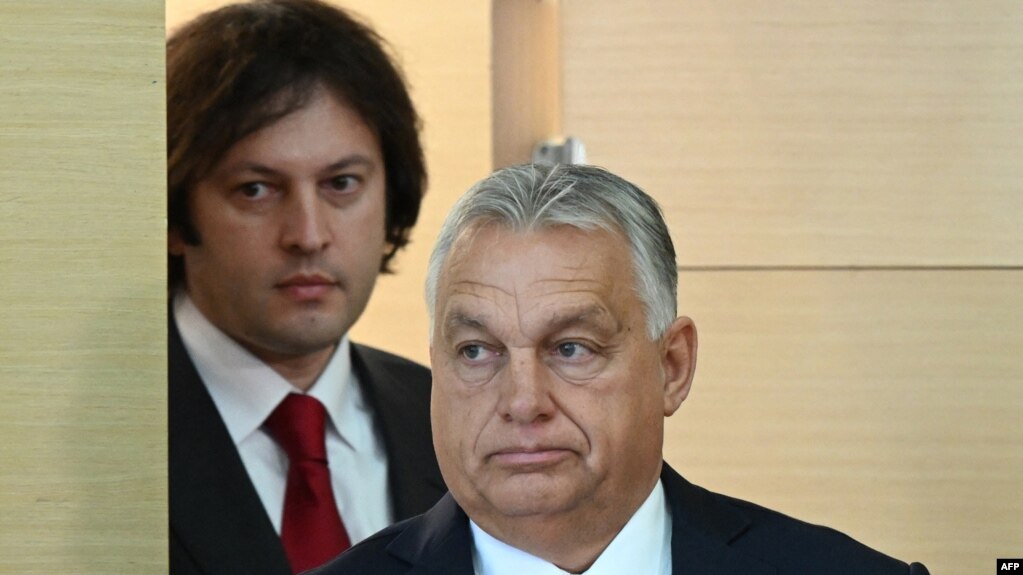
Hungary’s parliamentary elections on 12 April brought an end to Viktor Orbán’s 16-year rule. According to official results, the Tisza party, led by Péter Magyar, won 138 out of 199 seats in parliament, securing a constitutional majority.
Orbán conceded defeat. The result is not just a domestic political shift in Hungary; across Europe it is seen as a setback for one of the longest-standing models of illiberal governance. International media have framed it not simply as a change of government, but as a shift in the European political balance. For years, Orbán blocked a number of decisions within the European Union, particularly those concerning Ukraine and sanctions against Russia. As a result, a change of government in Budapest is expected to make EU policy more assertive and open.
In Georgia, the Hungarian elections were followed with particular attention, albeit with different expectations. For the pro-government segment of Georgian society, Viktor Orbán had been the most reliable European ally of the ruling Georgian Dream. His defeat therefore signals the loss of what was effectively the party’s only political ally in Europe.
For the pro-European part of society, the elections also carried broader significance. Many saw parallels with their own country, where a single party has dominated for years. Orbán’s defeat sparked not only interest but also hope: if political change is possible in Hungary, it may not be out of reach in Georgia.
How did Georgia react to Orbán’s defeat?
Péter Magyar’s victory prompted swift political reactions in Georgia, with statements from both government and opposition figures.
Prime Minister Irakli Kobakhidze congratulated Magyar while also thanking Orbán. He said that, “on behalf of the Georgian people and the government of Georgia,” he congratulates Péter Magyar and his party on their victory and expresses gratitude to Viktor Orbán and his team for their “outstanding and unwavering support for Georgia’s national interests and the Georgian people over many years”. Kobakhidze added that Georgia and Hungary share a “long history of friendship and partnership” that “will undoubtedly continue”.
Georgia’s fifth president, Salome Zourabichvili, also congratulated Magyar in a message on X, writing: “We congratulate you on behalf of all Georgians who prayed for the victory of democracy in Hungary.” She added that “we believe in a stronger Europe that will not yield to hybrid or direct aggression from Russia”.
Former president Mikheil Saakashvili said that Bidzina Ivanishvili and Georgian Dream had “lost their father” in Orbán. He wrote that “Orbán taught Ivanishvili all the worst practices”, including “hate-filled posters”, slogans such as “a man is a man and a woman is a woman”, “open corruption”, “anti-European rhetoric”, “shadowy PR consultants from Israel” and “military intimidation”.
He added that “none of this helped yesterday, and Orbán collapsed in Hungary”. Saakashvili also argued that a key difference between Hungary and Georgia is that “there is no election-day fraud and no political prisoners in Hungary”, although “they will end up with at least one”. He described the result as a historic victory for “Hungarians, Ukrainians and Georgians”.
Tina Bokuchava, chair of the United National Movement, said the outcome confirmed what her party had long predicted: that Ivanishvili had “lost his only ally in Europe”. She described the result as a “major opportunity” to further weaken him, adding that he is now “completely isolated on the international stage”.
She also stressed that Orbán’s defeat matters “for transatlantic dynamics, for European politics, for EU–Russia relations and, of course, for Ukraine”.
Grigol Gegelia, one of the leaders of Lelo for Georgia, described the election result as Hungary’s “return to Europe”. He said that “the Hungarian people have triumphantly overthrown the regime through elections”, adding that this represents a direct defeat for Moscow. He also suggested that similar developments could unfold in other countries “on a domino principle”, including Georgia.
Vakhtang Menabde, a member of the For Social Democracy movement, also reacted on social media. He wrote: “Orbán once designed this electoral system to maintain the stability of his power, and it worked for 15 years, but in yesterday’s election it turned against him.” He added that “authoritarian regimes play the same game called ‘winner takes all’, but that game has another side — the loser who loses everything”.
Former prime minister Giorgi Gakharia and the opposition Federalists party also congratulated Péter Magyar on his victory.
Why was Orbán so important for Georgian Dream?
Hungary’s parliamentary elections on 12 April brought an end to Viktor Orbán’s 16-year rule. According to official results, the Tisza party, led by Péter Magyar, won 138 out of 199 seats in parliament, securing a constitutional majority.
Orbán conceded defeat. The result is not just a domestic political shift in Hungary; across Europe it is seen as a setback for one of the longest-standing models of illiberal governance. International media have framed it not simply as a change of government, but as a shift in the European political balance. For years, Orbán blocked a number of decisions within the European Union, particularly those concerning Ukraine and sanctions against Russia. As a result, a change of government in Budapest is expected to make EU policy more assertive and open.
In Georgia, the Hungarian elections were followed with particular attention, albeit with different expectations. For the pro-government segment of Georgian society, Viktor Orbán had been the most reliable European ally of the ruling Georgian Dream. His defeat therefore signals the loss of what was effectively the party’s only political ally in Europe.
For the pro-European part of society, the elections also carried broader significance. Many saw parallels with their own country, where a single party has dominated for years. Orbán’s defeat sparked not only interest but also hope: if political change is possible in Hungary, it may not be out of reach in Georgia.
How did Georgia react to Orbán’s defeat?
Péter Magyar’s victory prompted swift political reactions in Georgia, with statements from both government and opposition figures.
Prime Minister Irakli Kobakhidze congratulated Magyar while also thanking Orbán. He said that, “on behalf of the Georgian people and the government of Georgia,” he congratulates Péter Magyar and his party on their victory and expresses gratitude to Viktor Orbán and his team for their “outstanding and unwavering support for Georgia’s national interests and the Georgian people over many years”. Kobakhidze added that Georgia and Hungary share a “long history of friendship and partnership” that “will undoubtedly continue”.
Georgia’s fifth president, Salome Zourabichvili, also congratulated Magyar in a message on X, writing: “We congratulate you on behalf of all Georgians who prayed for the victory of democracy in Hungary.” She added that “we believe in a stronger Europe that will not yield to hybrid or direct aggression from Russia”.
Former president Mikheil Saakashvili said that Bidzina Ivanishvili and Georgian Dream had “lost their father” in Orbán. He wrote that “Orbán taught Ivanishvili all the worst practices”, including “hate-filled posters”, slogans such as “a man is a man and a woman is a woman”, “open corruption”, “anti-European rhetoric”, “shadowy PR consultants from Israel” and “military intimidation”.
He added that “none of this helped yesterday, and Orbán collapsed in Hungary”. Saakashvili also argued that a key difference between Hungary and Georgia is that “there is no election-day fraud and no political prisoners in Hungary”, although “they will end up with at least one”. He described the result as a historic victory for “Hungarians, Ukrainians and Georgians”.
Tina Bokuchava, chair of the United National Movement, said the outcome confirmed what her party had long predicted: that Ivanishvili had “lost his only ally in Europe”. She described the result as a “major opportunity” to further weaken him, adding that he is now “completely isolated on the international stage”.
She also stressed that Orbán’s defeat matters “for transatlantic dynamics, for European politics, for EU–Russia relations and, of course, for Ukraine”.
Grigol Gegelia, one of the leaders of Lelo for Georgia, described the election result as Hungary’s “return to Europe”. He said that “the Hungarian people have triumphantly overthrown the regime through elections”, adding that this represents a direct defeat for Moscow. He also suggested that similar developments could unfold in other countries “on a domino principle”, including Georgia.
Vakhtang Menabde, a member of the For Social Democracy movement, also reacted on social media. He wrote: “Orbán once designed this electoral system to maintain the stability of his power, and it worked for 15 years, but in yesterday’s election it turned against him.” He added that “authoritarian regimes play the same game called ‘winner takes all’, but that game has another side — the loser who loses everything”.
Former prime minister Giorgi Gakharia and the opposition Federalists party also congratulated Péter Magyar on his victory.
Hungarian elections and Georgia
Hungarian elections and Georgia