Russia will not abandon Cuba and plans to expand assistance to the island as it struggles with energy shortages linked to the U.S. embargo, a senior Russian diplomat…
 The South Caucasus News - SouthCaucasusNews.com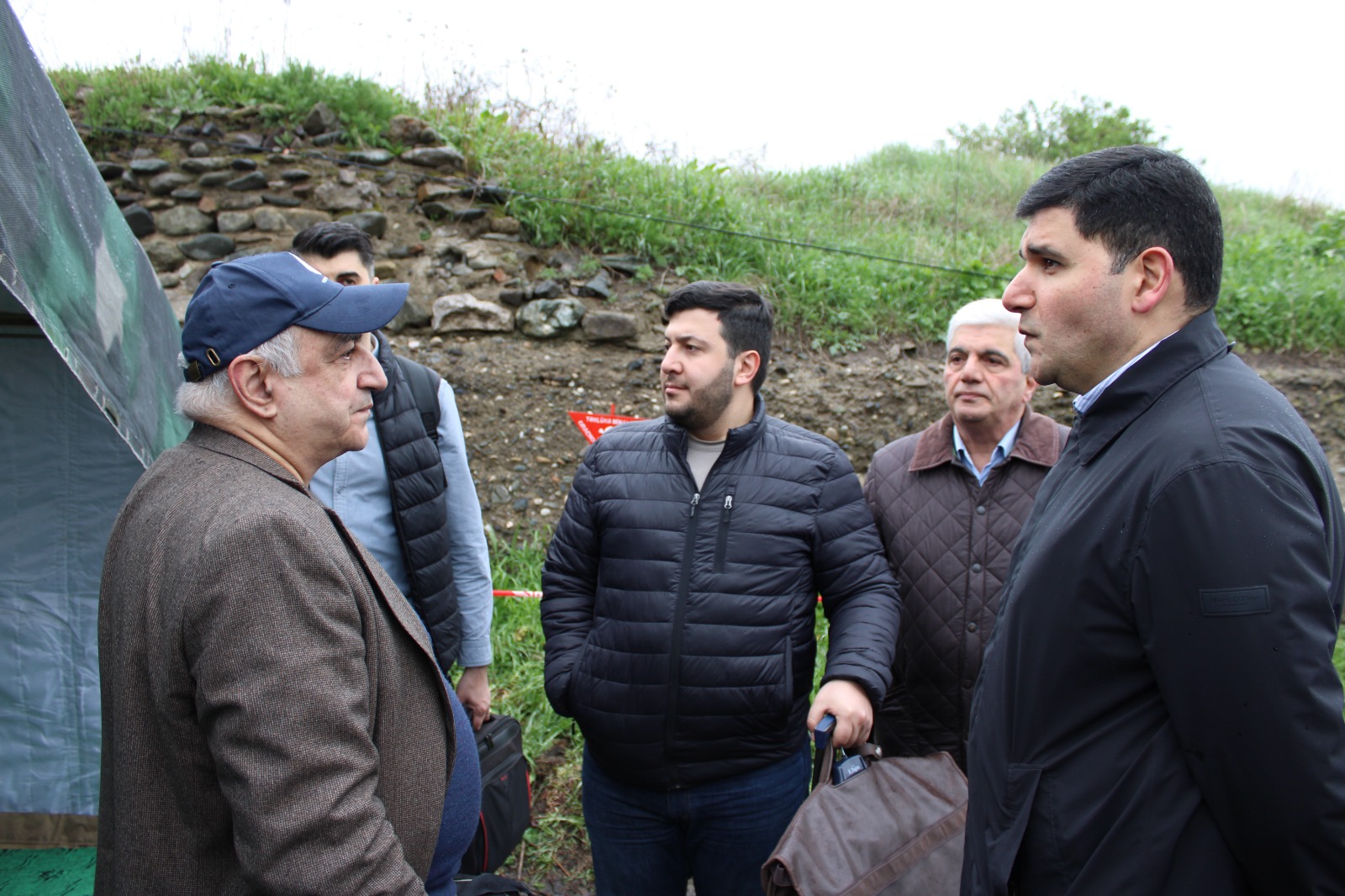
Armenian experts arrive in Baku
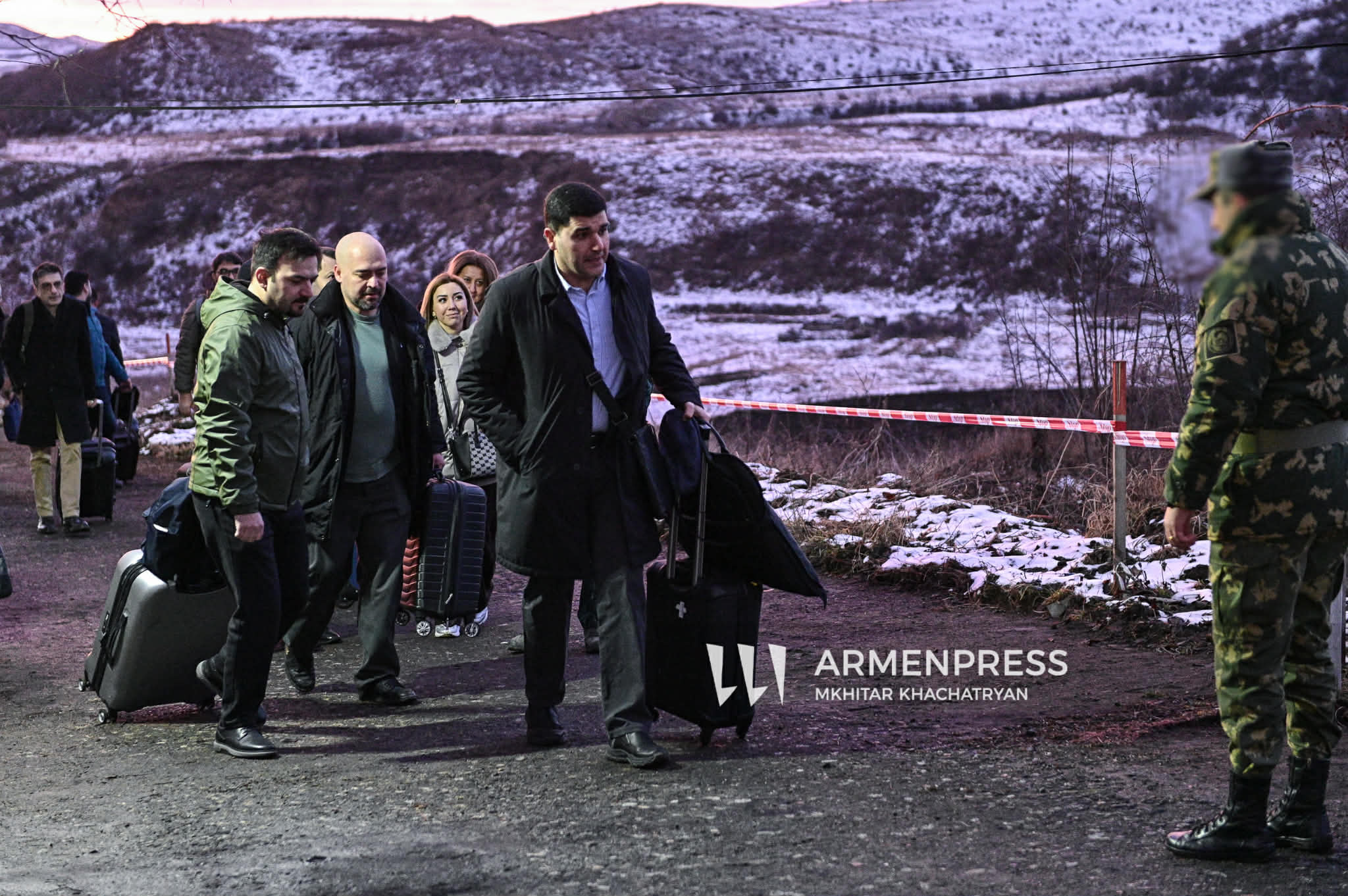
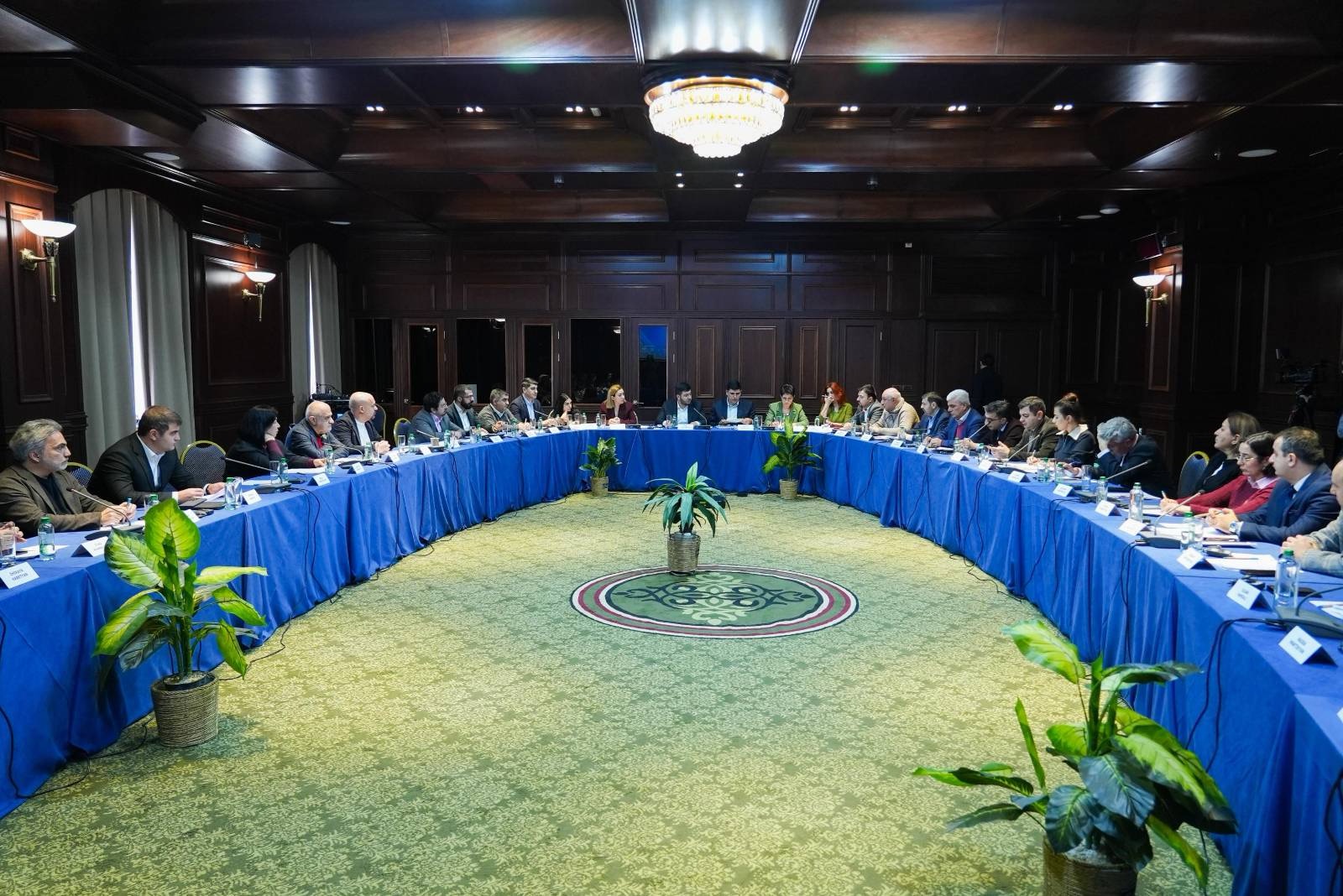
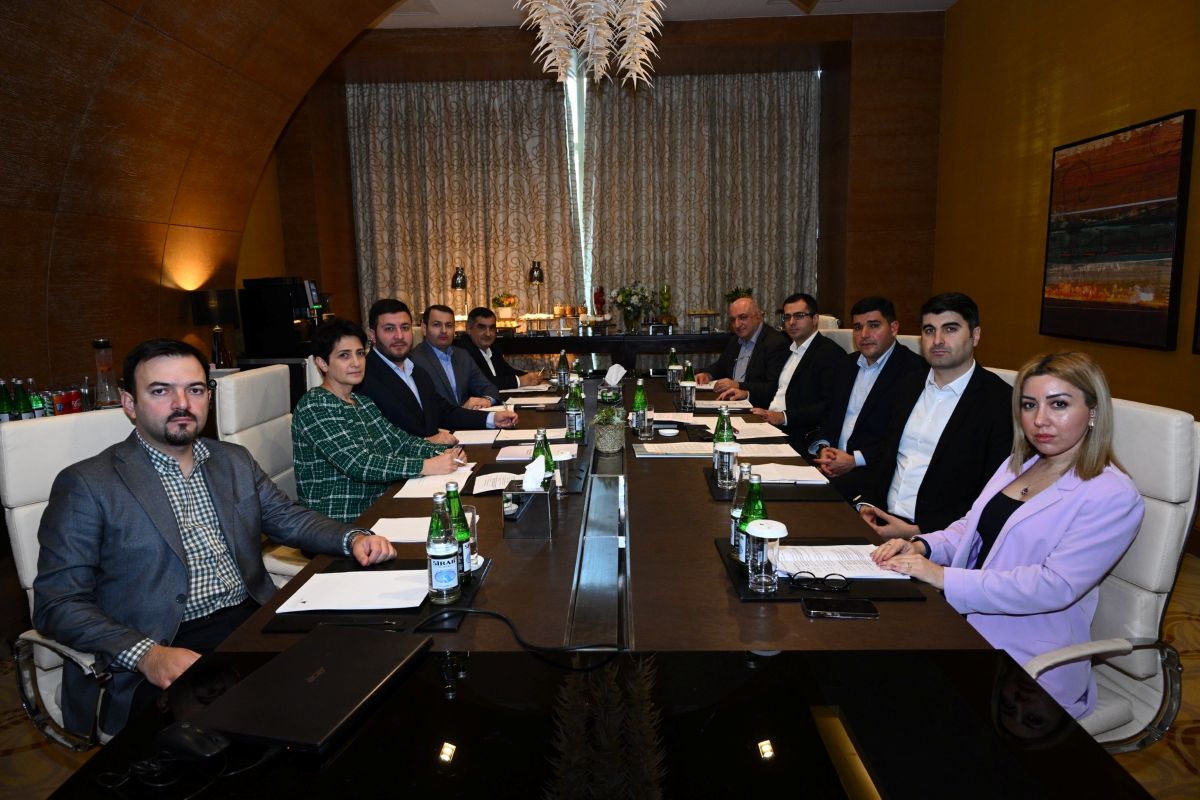
On 10 April, 19 representatives of Armenian civil society arrived in Azerbaijan. Together with 20 Azerbaijani experts, they will take part in a bilateral round table on 10–12 April, organised as part of the “Bridge of Peace” initiative.
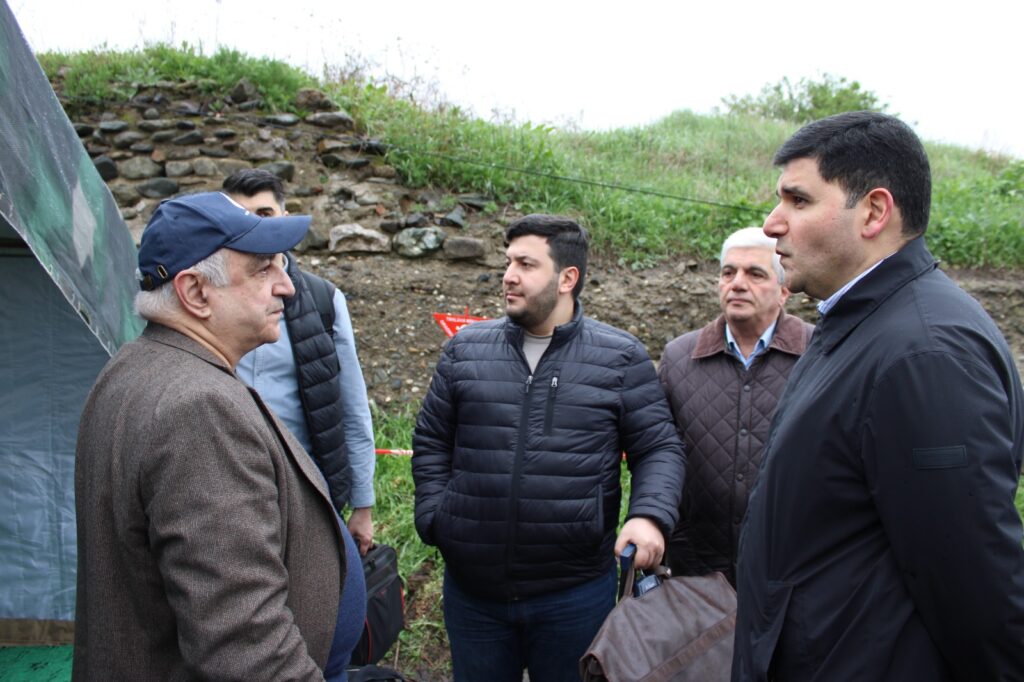
This is the fourth meeting between civil society representatives from the two countries. Armenian experts have travelled to Azerbaijan for the second time.
Unlike the visit organised in November 2025, they arrived by land this time, not by air. They crossed the demarcated Tavush–Kazakh section of the border and completed border and passport control procedures there.
Azerbaijani experts travelled to Armenia via the same route in February this year. Observers described it as a “symbolic step”.
The initiative’s work on the Armenian side is coordinated by the analytical centre Armenian Council. Its president, Areg Kochinyan, has repeatedly said that meetings held in Armenia and Azerbaijan should be seen as “attempts to lift the iron curtain”.
Armenian experts involved in the “Bridge of Peace” project view the initiative as an additional platform for direct dialogue.
They believe regular contacts can make a significant contribution to building mutual trust, expanding professional cooperation and gradually normalising Armenian-Azerbaijani relations.
Below is the information available so far.
According to Armenian Council, dialogue between civil society representatives from Armenia and Azerbaijan follows the peace agenda adopted at the Washington summit on 8 August 2025.
The centre says the two-day round tables will cover the following issues:
“Separate sessions will focus on efforts to promote peace within societies and to increase trust at the next stages of the peace process,” the centre said.
The analytical centre also stressed that the “Bridge of Peace” initiative continues to foster dialogue and direct interaction between civil society representatives from the two countries.

The first meeting between civil society representatives from Armenia and Azerbaijan took place on 21–22 October 2025 in Yerevan.
A month later, on 21–22 November, Armenian experts travelled to Baku. At that time, Armenia’s government allocated about 17.5 million drams (around $20,000) to organise charter flights between Yerevan and Baku.
After the second meeting, the sides agreed to continue working contacts and mutual visits. The initiative then received the name “Bridge of Peace”.
On 13–14 February 2026, 20 experts from the Armenian side and 19 from the Azerbaijani side took part in the third conference of the “Bridge of Peace” initiative. The event took place in the town of Tsaghkadzor in Armenia’s Kotayk region.
The agenda for civil society representatives from the two countries covers a wide range of issues related to the current stage and development of Armenian-Azerbaijani relations. These include the signing of a peace agreement and the opening of communications.
As part of the initiative, experts also hold meetings with senior officials.
During the trip to Baku in autumn 2025, Armenian experts met Hikmet Hajiyev, head of the foreign policy department of Azerbaijan’s presidential administration.
Azerbaijani experts, during their visit to Armenia, met Deputy Foreign Minister Vahan Kostanyan and Secretary of the Security Council Armen Grigoryan.
Armenian experts arrive in Baku
Below is the weekly digest of key developments and discourses in and around the occupied regions of Abkhazia and Tskhinvali/South Ossetia, as well as those concerning Tbilisi–Moscow relations.
Sokhumi’s ex-de facto foreign minister (2021-2024), Inal Ardzinba, has been appointed head of the Department for the Coordination of Strategic Initiatives under the Directorate for Strategic Partnership and Cooperation – a newly established structure tasked with shaping Moscow’s policy toward foreign countries. The directorate falls under the supervision of First Deputy Chief of Staff Sergey Kirienko, who also serves as the Kremlin’s curator of Abkhazia.
According to reports, Ardzinba was offered a more senior role – the position of referent, considered the third-ranking post within the directorate after its head and deputy, but declined it in favor of leading the department. His new portfolio will reportedly include engagement with African countries, a direction that has gained increasing prominence in Russia’s foreign policy in recent years. Informal sources also suggest that, following his appointment, Ardzinba was instructed to keep a low profile on Abkhazia-related issues.
Ardzinba’s return to the Presidential Administration has sparked mixed reactions in Abkhazia, ranging from sharp criticism to recognition of his political influence and future perspectives. His possible involvement in political developments in Abkhazia, including in “senior positions”, is widely discussed. Some have even linked recent “legislative changes” to an effort to prevent him from running for “president”. In particular, de facto MPs recently raised the minimum age for „presidential candidates“from 35 to 45, meaning Ardzinba, who is 35, would no longer be eligible.
First Deputy Chief of Staff of the Russian Presidential Administration, Abkhazia’s curator, Sergey Kirienko, outlined Russia’s key priorities in the region during the opening ceremony of the first “Abkhaz International Economic Forum”. The economic forum, held in Abkhazia on April 2-4, was the first event of its kind. According to preliminary estimates, the total potential value of agreements signed during the forum exceeds 100 billion rubles (approximately $1.3 billion).
Energy was identified as a central area of focus. According to Kirienko, Russia allocates more than 3 billion rubles annually to support Abkhazia’s electricity sector, including so-called “social electricity flows”, as well as large-scale programs for upgrading substations, transmission lines, and control systems. Notably, Abkhazia and Russia signed an agreement on energy cooperation on the sidelines of the forum, envisaging, among others, coordination between energy systems.
Transport and logistics were named as another key priority, including the development of airport infrastructure, railway, maritime connections, and road networks. Kirienko noted that, in addition to previously agreed financial assistance, Russia allocated an extra 1 billion rubles in 2025 for road development in Abkhazia. A further 1 billion rubles has been earmarked for 2026 to support road rehabilitation, further development of the Ochamchire terminal, and large-scale modernization of “checkpoints” on the Psou River.
Additional areas of cooperation highlighted by Kirienko included agriculture, healthcare support, tourism infrastructure development, and youth and education initiatives. Kirienko also announced that Vladimir Putin has approved a special decision allowing Russian children under 14 to continue traveling to Abkhazia using birth certificates until the end of 2027. The exception comes in light of new Russian regulations requiring minors traveling to several destinations to hold foreign passports, which had been widely perceived in Abkhazia as a potential blow to tourism.
Another notable event held alongside the forum was the award ceremony for the winners of the “Hospitable Abkhazia” competition, funded by Russia and aimed at popularizing the region. A total of 48 projects received funding, with a total budget of 48 million rubles (approximately USD 600,000).
A logistics roundtable was held as part of the economic forum, where participants underlined that the Ochamchire container terminal has already proven successful and is gradually advancing to a new stage. In particular, the development of a transport corridor to Armenia via Abkhazia is now under consideration as an alternative to the Upper Lars. De facto Minister of Economy Teimuraz Mikvabia stated that the region’s „transit infrastructure“ is already operating through a combination of rail and maritime routes. The prospect of fully restoring the railway connection was also discussed.
In recent months, the „transit“ issue has gained traction in Abkhazia, particularly following the construction of the Gali terminal near Enguri crossing to Tbilisi-controlled territory. However, until now, these discussions had largely remained informal on social media and within expert circles, without any engagement from the de facto authorities. The inclusion of the issue in the forum’s agenda marks the first time it has become part of official discussions.
De facto officials of occupied Abkhazia, including Oleg Bartsits, the region’s so-called foreign minister, met with a “Somali delegation” that attended the “international economic forum” in Sokhumi on April 3-4, the region’s “foreign ministry” reported.
According to the report, the Somali delegation included “trusted representatives” of the country’s foreign ministry, Adan Muna Abdi and Ismail Hassan Nuur. The Abkhaz side, in addition to Bartsits, was represented by de facto economy minister Teimuraz Mikvabiya and de facto culture minister Daur Kove. Read more details here.
The de facto leader of the Russia-occupied Ukrainian region of Donetsk said that one in every five vehicles crossing the “border” from Russia into Abkhazia comes from Donbas.
“Therefore, for me, it is very important that our residents enjoy all the comforts of these tourist destinations. We discussed with the [Abkhaz] president the need to carefully plan logistics and explore additional options which, while ensuring safety, could make a direct railway connection possible”, he stated, according to TASS.
Sokhumi’s de facto “Foreign Ministry” criticized Russian Orthodox Archpriest Igor Yakimchuk, saying in an April 8 statement that his remarks contained “offensive statements toward the Abkhaz people, their religious traditions, as well as the leadership of the republic,” and calling on him to “refrain from distortions, observe principles of respect, and consider the allied nature of relations” with Russia. Yakimchuk reportedly said in a video: “The official rhetoric of the Abkhaz is that we are an independent country, and we should have an independent church…The Abkhaz had no concept of Christianity at all.”
The Russian government has imposed restrictions on gasoline exports to stabilize domestic fuel prices. However, according to Apsnypress, the restrictions will not affect Abkhazia, as petroleum product supplies to the region are regulated under separate bilateral agreements. Gasoline deliveries to Abkhazia will continue in the usual manner.
The leader of the occupied Tskhinvali region, Alan Gagloev, congratulated the region on “Constitution Day,” emphasizing the importance of the basic law as the foundation of statehood and a guarantee of citizens’ rights and freedoms. He recalled that on April 8, 2001, a “conscious choice” was made in a nationwide referendum in favor of a “sovereign state, democratic development, and a legal system.”
In an article published by local outlet Res, author “R. Kulumbegev” discusses the integration of the occupied Tskhinvali region into the Eurasian economic space. According to him, while “South Ossetia” is not formally a member of the Eurasian Economic Union (EAEU), it is effectively part of its unified customs space due to the 2015 agreement with Russia and subsequent legal steps, including agreements in 2022–2023. Kulumbegev also points to the prospects of Tskhinvali obtaining observer status in the EAEU.
Working meetings between the “foreign minister” of the occupied Tskhinvali region, Akhsar Dzhioev, and representatives of relevant departments of the Russian Foreign Ministry were held in Moscow on April 6–7. According to the region’s “foreign ministry,” the consultations took place in the format of separate meetings with the leadership of the CIS and Latin America departments. The sides discussed issues on the bilateral agenda and exchanged views on the regional situation. The statement notes that such contacts are held on a regular basis and are aimed at coordinating foreign policy efforts.
The leader of the occupied Tskhinvali region, Alan Gagloev, held a meeting with participants of Russia’s War in Ukraine (the so-called “Special Military Operation”) from the occupied Tskhinvali region, praising their “courage” and calling them “an example for future generations of Ossetia and Russia.” According to him, the actions of the servicemen will become “part of history.” The participants of the war thanked Gagloev for his support, after which they were awarded “state honors” — the “Defender of the Fatherland” medals.
The “border service” of the “KGB” of the occupied Tskhinvali region has summarized its activities for the first quarter of 2026, reporting the detention of 97 individuals for violating “border legislation.”
According to the agency, 34 people violated the “state border” regime, while another 63 breached the “border zone” regulations. It said that 34 were fined, 50 received preventive warnings, four faced criminal charges, and another four were expelled from the region.
The State Security Service of Georgia (SSSG) reported on April 8 that a Georgian citizen who had been illegally detained on April 2 is now “free” and in Tbilisi-controlled territory. While the agency did not specify the occupied region where the individual had been held, the Tskhinvali de facto authorities reported about the “expulsion” of a Georgian national. More here.
Russian propagandist Dmitry Kiselyov said that Armenia’s course toward closer ties with the European Union would lead the country to “catastrophe,” contrasting this choice with participation in the Eurasian Economic Union (EAEU). As an argument, he cited the experience of post-Soviet states, focusing in particular on Georgia. According to him, Tbilisi had considered the path toward the EU but abandoned it due to “harsh conditions,” allegedly requiring the opening of its domestic market without comparable access to the European one.
A new route from Russia for the international transport corridor “North–South” could potentially be designed through Georgia with access to Turkey, Alexander Shokhin, head of the Russian Union of Industrialists and Entrepreneurs, told reporters, according to TASS. The route is also supposed to go through Georgia’s Russia-occupied regions of Abkhazia and Tskhinvali/South Ossetia.
In another publication, the Russian state news agency RIA Novosti again recounts what it says were the views of Georgian monk Gabriel (Urgebadze) on the fate of Russia and Georgia, expressed during the late Soviet and post-Soviet periods. The piece outlines his biography, ascetic lifestyle, conflicts with Soviet authorities, and his veneration as a spiritual elder. Particular attention is given to prophecies attributed to him, including those concerning future trials for Georgia, the role of Russia, developments in Ukraine, and the need for spiritual resilience.
Earlier, in March, RIA wrote extensively about Monk Gabriel’s prophecies, linking them to the fate of Ukraine but also the protests in Georgia.
A U.S. reconnaissance aircraft, ARTEMIS II, was detected over the Black Sea near the Russia–Georgia border, the Russian outlet Gazeta.ru reported, saying that the aircraft departed from Constanța, Romania, flew along the coast of Crimea and Russia’s Krasnodar region, reached the section of the Russia–Georgia border, and then turned back toward Romania. Such flights are described in the report as being conducted on a regular basis.
Also Read: