
Iran has said that any potential negotiations with the United States will depend on Washington’s adherence to the ceasefire regime, signalling a cautious approach…
 The South Caucasus News - SouthCaucasusNews.com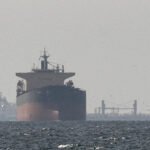
Recent reports indicate that Iran is considering requiring vessels to pay transit fees or tolls in cryptocurrency, rather than traditional currencies like the US dollar.
***
This proposal would apply to ships passing through the Strait, one of the most critical maritime routes for global oil flows. In some cases, payments could be demanded for “safe passage” or as part of broader monitoring and control measures over shipping traffic.
The move is still evolving, with questions remaining about how consistently such a system would be enforced.
Why Iran is turning to Bitcoin and crypto
The primary motivation is sanctions circumvention. Western sanctions have significantly restricted Iran’s access to the global financial system, particularly dollar based transactions.
By using cryptocurrencies:
Iran can bypass traditional banking channels Transactions become harder to track and block Revenue can be secured outside Western oversight
Crypto also offers flexibility in dealing with buyers and shipping operators who may already be using alternative payment systems.
Iran has already developed a sizable domestic crypto ecosystem, which supports mining, trading, and state-linked transactions.
How the system would work in practice
Under the reported framework, shipping companies passing through the Strait may be required to:
Register or coordinate with Iranian authorities Follow designated routes controlled by security forces Pay a transit fee, potentially in Bitcoin or other digital assets
There are also indications that the Islamic Revolutionary Guard Corps may oversee or enforce aspects of this system, particularly in areas where maritime control is strongest.
Some reports suggest fees could reach significant levels per vessel, depending on cargo and risk factors.
Why the Strait of Hormuz is central to this move
The Strait of Hormuz is a strategic chokepoint through which roughly one fifth of global oil supply passes under normal conditions.
Control over this corridor gives Iran substantial leverage over global energy markets.
In the current crisis environment, shipping traffic has already been severely disrupted, with vessel movements falling sharply due to security risks and restrictions.
By introducing crypto based tolls, Iran is effectively attempting to monetize that leverage while reinforcing its control over maritime access.
Why this is significant for global energy trade
If implemented at scale, the use of Bitcoin for oil related transit payments would represent a major departure from traditional energy trading systems.
Global oil markets have historically been dominated by the “petrodollar” system, where transactions are conducted in US dollars.
Iran’s approach could:
Undermine dollar dominance in certain transactions Encourage alternative payment systems Increase fragmentation in global energy markets
However, widespread adoption remains uncertain due to practical and regulatory constraints.
Why experts are skeptical
Despite the headline impact, many analysts question how feasible large scale crypto payments for oil shipping really are.
Key concerns include:
Liquidity limitations for large transactions Price volatility of cryptocurrencies Operational complexity in maritime logistics Legal risks for companies involved
Some experts argue that while crypto may be used in niche cases, it is unlikely to replace traditional payment systems in the near term.
How this fits into broader geopolitical strategy
The move is not just economic but strategic. By tying access to a critical global chokepoint to alternative payment methods, Iran is:
Expanding its economic toolkit under sanctions Testing new models of financial sovereignty Sending a signal to global markets about its influence
This aligns with broader efforts by sanctioned states to explore non dollar trade mechanisms, including local currencies and barter arrangements.
What it means for oil markets and shipping
For shipping companies and oil traders, the proposal introduces new layers of complexity.
They must now consider:
Compliance risks with sanctions regimes Operational risks in a conflict zone Financial risks linked to crypto transactions
Some may choose to comply due to cost pressures or lack of alternatives, while others may avoid the route altogether.
What happens next
The implementation of crypto based transit payments remains uncertain and could evolve depending on geopolitical developments.
Key factors include:
Whether the Strait fully reopens to normal traffic How strictly Iran enforces the payment system The response from major global powers and regulators
For now, the development underscores a broader trend: the intersection of geopolitics, energy markets, and digital finance is becoming increasingly complex, with new mechanisms emerging in response to pressure on traditional systems.
The post How Iran is seeking Bitcoin for oil ships passing through the Strait of Hormuz appeared first on azeritimes.com.

According to the bank’s latest analysis, Brent crude could move above $100 per barrel and remain elevated if the Strait stays largely closed or heavily restricted for an extended period.
***
In more severe disruption scenarios, where flows remain constrained and production from major exporters is affected, prices could climb further toward the $110 to $120 range.
This outlook represents a significant upside risk compared to baseline expectations, which assume a gradual normalization of shipping activity.
Why the Strait of Hormuz matters so much
The Strait of Hormuz is one of the most critical energy chokepoints in the world, through which roughly one fifth of global oil supply passes under normal conditions.
Any disruption to traffic through this narrow corridor has immediate global consequences. Supply is reduced, shipping costs rise sharply, and uncertainty triggers speculative movements in the market.
Because multiple major oil exporters rely on this route simultaneously, the impact is amplified compared to localized disruptions elsewhere.
Why prices react so sharply
Oil markets are highly sensitive to supply shocks, particularly when spare production capacity is limited. Even partial disruptions can shift market sentiment quickly, pushing prices upward.
In the current situation, reduced tanker traffic and heightened security risks have already constrained flows. Traders tend to price in worst case scenarios, which further accelerates price increases.
How the current situation evolved
The disruption is linked to rising tensions involving Iran and Western actors, which have affected shipping safety and access through the Strait.
Although temporary de escalation signals have emerged, uncertainty remains high. Shipping companies and insurers continue to act cautiously, preventing a full return to normal operations.
Why Goldman sees risks tilted upward
Goldman’s outlook emphasizes that risks are skewed to the upside. This means that developments are more likely to push prices higher than lower in the short term.
Several factors drive this assessment:
The duration of the disruptionThe scale of production lossesThe willingness of shipping firms to resume operationsPotential geopolitical escalation
If any of these factors worsen, the market could tighten further, leading to sustained high prices.
How global energy dynamics amplify the impact
The current global energy environment leaves little room for shocks. Demand remains relatively strong, while supply growth has been uneven.
Alternative routes and запас capacities cannot fully compensate for a prolonged closure of the Strait. This structural constraint magnifies the effect of disruptions.
At the same time, ongoing geopolitical tensions across multiple regions contribute to a broader sense of instability in energy markets.
What this means for the global economy
A sustained rise in oil prices above $100 would have significant economic consequences. Higher fuel costs would feed into inflation, increasing transport and production expenses across industries.
Energy importing countries would face greater financial pressure, while consumers could see rising costs in everyday goods and services.
In previous cycles, prolonged periods of high oil prices have been associated with slower economic growth and tighter monetary conditions.
What happens next
The trajectory of oil prices now depends heavily on geopolitical developments and the operational status of the Strait of Hormuz.
If shipping resumes and flows normalize, prices could stabilize. However, if restrictions persist or intensify, the market could enter a prolonged period of elevated prices.
For now, the warning underscores a key reality: the global oil market remains highly vulnerable to disruptions at critical chokepoints, and the Strait of Hormuz continues to be one of the most important.
The post How Goldman Sachs sees Brent oil above $100 if the Strait of Hormuz stays shut appeared first on azeritimes.com.
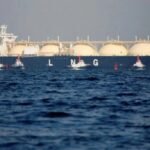
This strategy reflects a broader adjustment in Moscow’s energy policy as Western sanctions continue to reshape global trade flows and limit access to traditional European customers.
***
The development highlights how geopolitical pressure is accelerating the emergence of alternative supply chains and pricing mechanisms in the global LNG market.
What is happening in the LNG market
In recent months, Russian suppliers have been offering LNG cargoes linked to sanctioned projects at prices significantly below international benchmarks. Discounts are reported to reach as high as 30 to 40 percent compared to prevailing spot prices.
These cargoes are often associated with projects such as Arctic LNG 2, which have faced difficulty securing long term buyers due to sanctions imposed by the United States and its allies. As a result, Russia is increasingly turning to spot sales and opportunistic deals in Asia.
The discounted offers are designed to offset the legal and reputational risks faced by buyers, making the cargoes commercially attractive despite the complications involved.
Why Russia is offering such steep discounts
The primary driver behind the discount strategy is the loss of access to key Western markets. Before sanctions intensified, Europe was a major destination for Russian energy exports, including pipeline gas and LNG.
With that avenue largely closed, Russia has been forced to pivot toward alternative markets. However, entering these markets is not straightforward, as buyers are cautious about sanctions exposure.
To overcome this barrier, Russia is using pricing as a key lever. By offering LNG at substantially reduced rates, it creates a strong financial incentive for importers, particularly in price sensitive economies.
In addition, maintaining production levels is crucial. LNG projects involve significant fixed costs and long term investment commitments. Allowing production to stall would create technical and financial challenges, so continuing exports even at lower margins is often preferable.
How the sales are structured
The sale of sanctioned LNG involves complex arrangements designed to reduce visibility and mitigate risk. In many cases, intermediary trading companies play a central role.
These intermediaries may be based in jurisdictions that are less exposed to Western sanctions, allowing them to handle transactions that would otherwise be difficult for major international firms.
Another tactic involves blending or relabeling cargoes to obscure their origin. Documentation may indicate alternative sources, or shipments may be routed through multiple ports to complicate tracking.
Payment mechanisms can also vary, sometimes involving non traditional currencies or financial channels that bypass standard banking systems.
These practices illustrate how sanctions are driving innovation in trade logistics, even as they aim to restrict economic activity.
Why Asia has become the primary destination
Asia represents the most viable market for discounted Russian LNG for several structural reasons.
First, demand for natural gas in the region continues to grow, driven by industrial expansion, urbanization, and efforts to transition away from coal. Countries such as India and Bangladesh are particularly sensitive to price fluctuations and often seek cost effective supply options.
Second, many Asian buyers operate with a more flexible procurement strategy, balancing long term contracts with spot purchases. This creates opportunities for discounted cargoes to enter the market.
Third, geopolitical alignment varies across the region. While some countries closely follow Western sanctions regimes, others maintain a more neutral stance, allowing them greater room to engage in transactions with Russian entities.
China, in particular, has emerged as a key destination for Russian energy exports, supported by existing infrastructure and strong bilateral ties.
Why buyers remain cautious despite discounts
Despite the financial appeal, purchasing sanctioned LNG carries significant risks. These include the possibility of secondary sanctions, which could affect companies’ access to global financial systems and insurance markets.
There are also operational challenges. Shipping companies and insurers may be reluctant to participate in transactions involving sanctioned cargoes, limiting logistical options.
Reputational considerations add another layer of complexity. Companies operating in global markets must weigh the potential backlash from stakeholders, investors, and regulators.
As a result, only a subset of buyers is willing to engage, often those with fewer international exposure or those able to structure transactions in a way that minimizes risk.
How global energy dynamics are shaping the strategy
The current global energy environment is playing a crucial role in enabling Russia’s approach. Supply disruptions, geopolitical tensions, and fluctuating demand have contributed to volatility in LNG markets.
In periods of tight supply, discounted cargoes become particularly attractive, as they offer immediate cost savings. This creates openings for Russian exports to re enter markets indirectly.
At the same time, Europe’s ongoing efforts to diversify energy sources have permanently altered demand patterns. Investments in alternative suppliers and renewable energy are reducing reliance on Russian imports, reinforcing Moscow’s need to cultivate new markets.
What this means for global LNG pricing
The introduction of heavily discounted sanctioned LNG is contributing to the formation of a more fragmented global market.
On one side, there is a conventional market where prices are determined by established benchmarks and long term contracts. On the other, there is a parallel market where sanctioned cargoes are traded at lower prices under more opaque conditions.
This dynamic can create downward pressure on prices in certain regions, particularly where buyers have access to both types of supply. However, the overall impact remains limited by the scale of sanctioned exports and the constraints on their distribution.
What challenges Russia still faces
Despite some success in redirecting exports, Russia faces ongoing challenges in sustaining this strategy.
Infrastructure limitations, including liquefaction capacity and shipping availability, restrict the volume of LNG that can be exported.
Sanctions also affect access to technology and equipment, potentially slowing the development of new projects.
In addition, reliance on a narrower set of buyers increases vulnerability to market fluctuations and political changes.
Over time, these factors could limit the effectiveness of discount driven sales as a long term solution.
What happens next in the LNG landscape
The future of Russia’s LNG strategy will depend on several variables, including the evolution of sanctions, global energy demand, and technological developments.
If sanctions remain in place, Russia is likely to continue refining its approach, seeking new intermediaries, markets, and logistical solutions.
At the same time, Asian buyers will continue to balance cost considerations with risk management, shaping the extent to which discounted Russian LNG becomes a stable component of regional supply.
Why this development matters globally
The shift toward discounted sanctioned LNG is more than a short term adjustment. It reflects a deeper transformation in how energy markets operate under geopolitical pressure.
Trade flows are becoming more complex, pricing structures more diverse, and supply chains more adaptive.
For policymakers and industry participants, this underscores the importance of flexibility and resilience in navigating an increasingly fragmented global energy system.
In this evolving landscape, Russia’s strategy illustrates both the limitations of sanctions and the capacity of markets to adapt in unexpected ways.
The post How Russia is pushing sanctioned LNG to Asian buyers with deep discounts appeared first on azeritimes.com.

A detective involved in reviewing the case believes the kidnappers may have underestimated Guthrie’s fragile health condition.
***
According to this assessment, the abduction was likely financially motivated, with perpetrators expecting a quick ransom. However, the situation may have escalated after her health deteriorated during captivity.
Why her health is central to the investigation
Guthrie was known to have underlying medical issues and required regular medication. Missing doses for even a short period could have had serious consequences.
Investigators now consider it possible that those responsible were unaware of her condition, which may have led to complications shortly after the abduction.
How this changes the possible timeline
Authorities believe the initial plan may have been straightforward: abduct the victim, demand payment, and release her.
But if her condition worsened rapidly, that plan may have collapsed. This could explain the lack of credible communication or proof of life since the early stages of the case.
What investigators say about suspects
Despite an extensive investigation involving multiple agencies, no suspects have been publicly identified.
Available evidence, including surveillance footage near the victim’s home, has not yet resulted in arrests. The case remains open and active.
How ransom messages complicate the case
Several ransom related messages have surfaced during the investigation, including some demanding cryptocurrency.
However, authorities believe many of these messages are likely scams, exploiting public attention rather than providing genuine leads. At the same time, at least one recent communication is being examined more closely.
Why pressure on those responsible may be increasing
The case has drawn widespread attention, in part due to the public profile of Savannah Guthrie, the victim’s daughter.
Ongoing media coverage and a growing reward are believed to be increasing pressure on those responsible, potentially influencing their behavior.
What remains unknown
Several key questions remain unanswered:
The current location and condition of Nancy Guthrie Whether she is still alive The identity and motive of the perpetrators Which communications, if any, are genuine
What happens next
Investigators continue to follow leads and analyze new evidence. For now, the detective’s update highlights a concerning possibility: that what began as a ransom driven kidnapping may have evolved into a far more serious situation due to the victim’s health vulnerabilities.
The post Why a detective believes the Nancy Guthrie kidnapping may have taken a tragic turn appeared first on azeritimes.com.
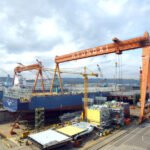
The two individuals are Cécile Kohler and Jacques Paris, who were arrested in Iran in 2022 while on a tourist visit.
***
Iranian authorities accused them of espionage, allegations that France consistently rejected as unfounded.
How long were they detained
Kohler and Paris spent more than three years in detention, much of it inside Tehran’s notorious Evin prison. During this period, they were reportedly held in harsh conditions, including isolation and psychological pressure.
After being released from prison in late 2025, they remained confined to the French embassy in Tehran for several months before finally being allowed to leave the country.
How they returned to France
The pair were permitted to leave Iran in early April 2026 after extensive diplomatic efforts. They traveled overland out of Iran before flying back to France, where they arrived to an official استقبال.
French President Emmanuel Macron personally welcomed them, describing their return as the end of a “terrible ordeal.”
Why their release matters
Their release is being seen as a significant diplomatic achievement for France. It comes amid broader geopolitical tensions involving Iran and Western countries, where the detention of foreign nationals has been a recurring issue.
Cases like this are often described by critics as part of “hostage diplomacy,” where detainees are used as leverage in international negotiations.
How the release was secured
While full details remain unclear, mediation efforts — particularly involving regional actors such as Oman — played a key role in facilitating their departure.
There have also been reports suggesting the possibility of indirect exchanges or legal concessions, although French officials have denied any formal prisoner swap.
What the detainees said after returning
After arriving in France, both Kohler and Paris appeared exhausted but relieved. They spoke about the psychological strain of their detention but emphasized their determination to rebuild their lives.
Their statements highlighted the severity of their experience and underscored the emotional significance of returning home.
Why the case drew international attention
The case became symbolic of a broader pattern involving foreign nationals detained in Iran. Human rights organizations and Western governments have repeatedly raised concerns about due process and detention conditions in such cases.
It also drew attention because of the length of detention and the serious charges involved, which carried heavy potential sentences.
What happens next
French authorities are likely to continue diplomatic efforts to secure the release of other nationals still held in Iran.
At the same time, the case may influence France’s future policy approach toward Iran, particularly in balancing diplomatic engagement with concerns over human rights and security.
Why this story is still developing
Although the return of Kohler and Paris marks a resolution for their families, the broader issue of foreign detainees in Iran remains unresolved.
Their release highlights both the possibilities and limitations of diplomacy in complex geopolitical environments, where individual cases are often intertwined with wider strategic interests.
The post Why France has welcomed home two detainees freed from Iran appeared first on azeritimes.com.
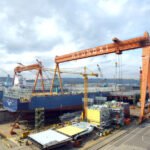
The incident occurred on April 9 at a shipyard operated by HD Hyundai Heavy Industries in Ulsan, about 300 kilometers from Seoul. The fire broke out in the afternoon on a submarine that had been docked for repairs and maintenance.
***
Roughly 40 people were on board the vessel at the time, most of whom were evacuated safely after the fire started.
How the fire was handled
Emergency services responded quickly, issuing an alert and deploying firefighting units to the scene. The blaze was brought under control within a few hours.
Despite containing the fire, rescue operations continued due to concerns about a missing worker.
Who is missing
Authorities reported that one worker, a woman in her 60s employed by a subcontractor, was unaccounted for following the incident.
She was believed to be inside the submarine at the time, likely carrying out cleaning or maintenance work when the fire broke out.
How rescue efforts are progressing
Rescue teams have identified the approximate location of the missing worker inside the submarine. However, reaching her has proven difficult due to narrow and complex internal structures within the vessel.
Her condition has not yet been confirmed.
Why the incident is significant
The fire occurred on a military submarine undergoing maintenance, highlighting safety risks associated with shipyard operations, particularly in confined and high-risk environments.
Shipyard fires can be especially dangerous due to limited escape routes, dense mechanical systems, and the presence of potentially flammable materials during repair work.
What caused the fire
The exact cause of the fire remains under investigation. Authorities are examining whether it was linked to ongoing maintenance activity, equipment malfunction, or other technical factors.
What happens next
Rescue efforts remain the immediate priority as teams continue working to reach the missing worker. At the same time, investigators will analyze the incident to determine its cause and assess safety procedures.
Further updates are expected as authorities confirm the worker’s condition and provide more details about the circumstances surrounding the fire.
The post Why one person is missing after a submarine fire at a South Korea shipyard appeared first on azeritimes.com.

The Russian government said Emergencies Minister Alexander Kurenkov toured stricken areas and was coordinating relief efforts following days of torrential rain, News.Az reports, citing foreign media.
***
A government statement quoted forecasters as saying more rain and high winds were expected. Relief workers were distributing drinking water, heating devices and chainsaws.
Relief efforts were placed under federal, rather than regional, jurisdiction, allowing more resources to be mobilised.
Interfax, quoting official figures, said six people had died since the rains started at the end of last month, and 6,200 people were listed as “affected” by the flooding.
More than 4,000 residents were evacuated after a dam burst near the historic city of Derbent. Eight localities were under water, along with sections of major roads.
The post Russian officials head to Dagestan after deadly floods claim six lives appeared first on azeritimes.com.
