
U.S. data center company Digital Realty announced on Thursday plans to invest nearly 7 billion Singapore dollars (approximately 5.49 billion U.S. dollars) in Singapore, highlighting the city-state’s growing importance as a hub for artificial intelligence (AI) infrastructure in the Asia-Pacific region, AzerNEWS reports, citing foreign media.
Day: April 9, 2026
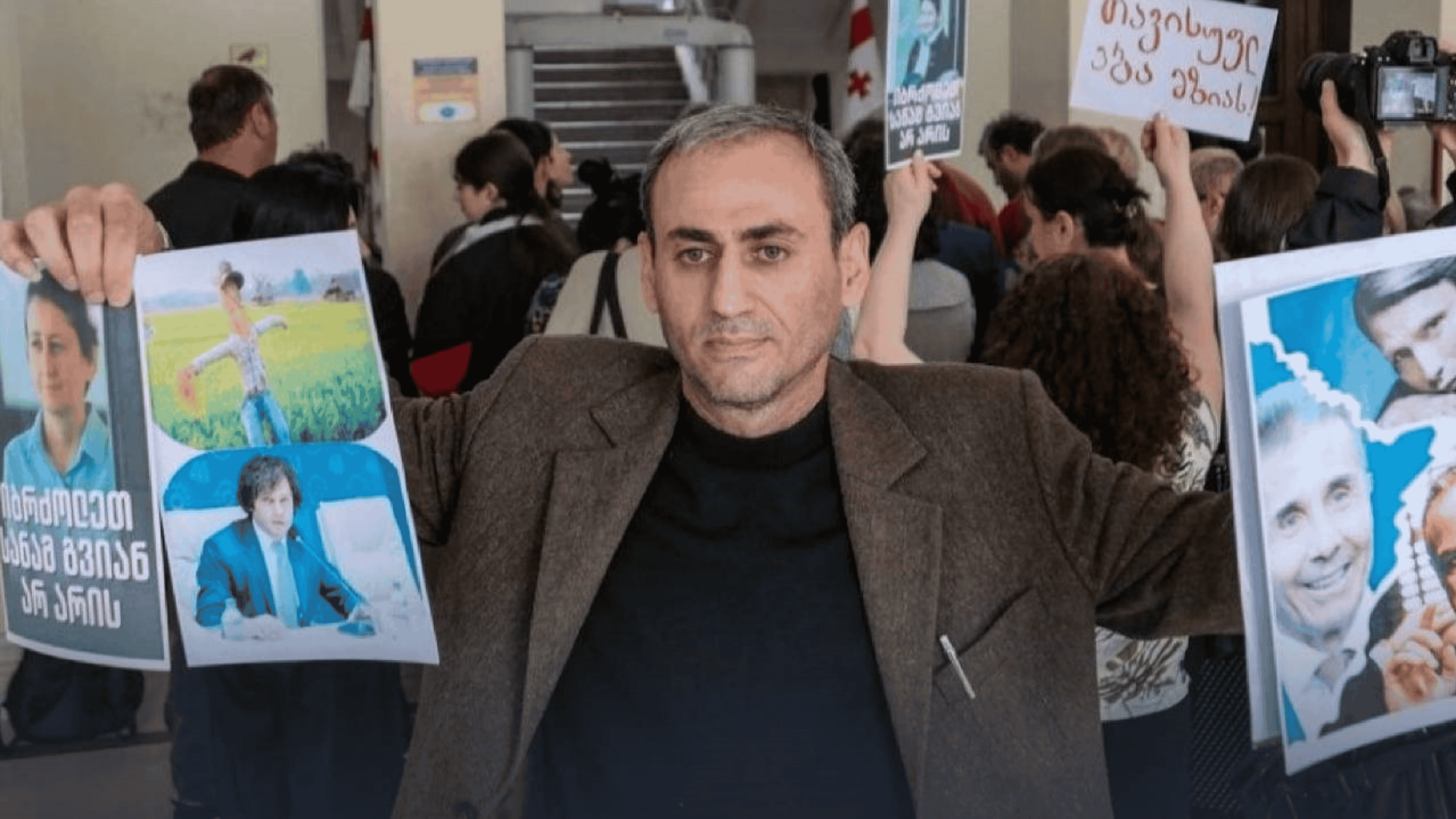
Deportation of an Azerbaijani journalist from Georgia
Azerbaijani observers believe that the reason for the sudden early-morning deportation on April 4 of Azerbaijani opposition journalist Afghan Sadygov from Tbilisi to Baku was an intention to create a comfortable backdrop for the equally unexpected visit to Georgia that same day by the president of Azerbaijan.
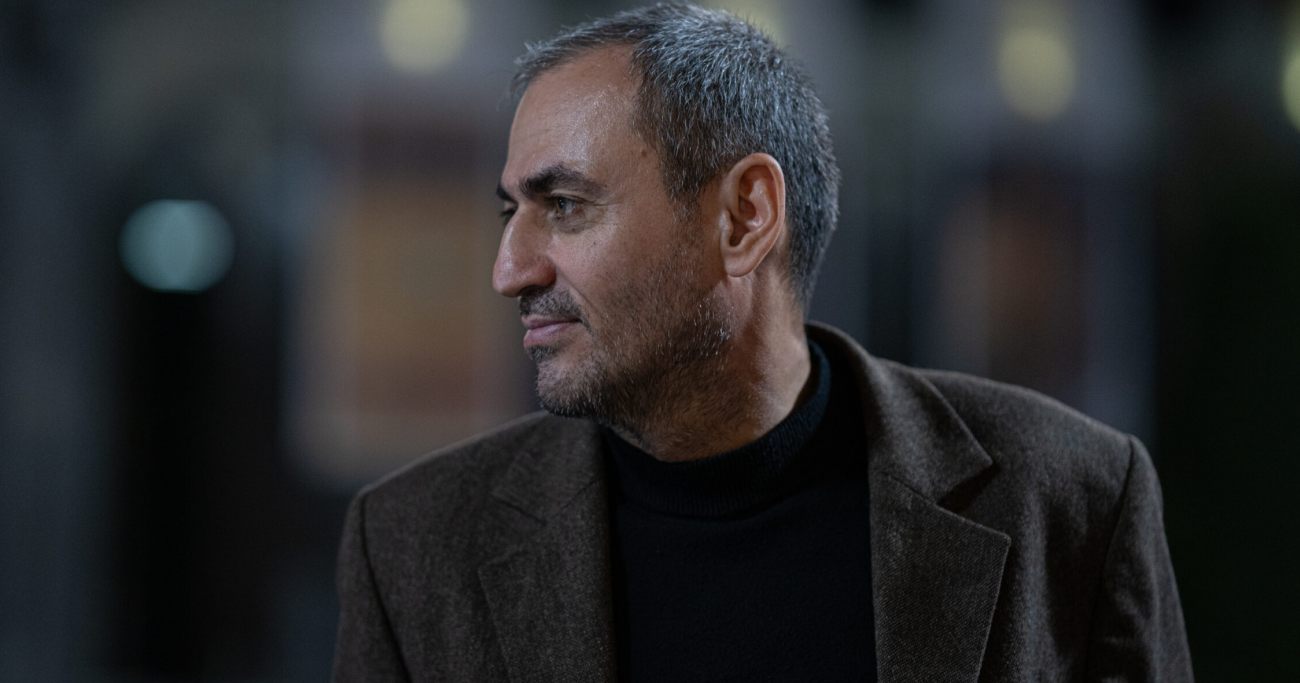
One analyst, speaking on condition of anonymity, described the events as follows:
“No protests were supposed to accompany the arrival of Ilham Aliyev in Tbilisi, as had happened during his recent visit to Washington, where a group of activists shouted offensive slogans and one of them tried to force their way into the hotel where the president was staying.
That is why, on the night before Aliyev’s arrival, Georgian police raided the home of Afghan Sadygov, who has been living in exile in Tbilisi, has for years criticized Ilham Aliyev’s government, and is known for his protest activities. In this way, it appears that the Georgian authorities unquestioningly carried out the will of the Azerbaijani leadership.”
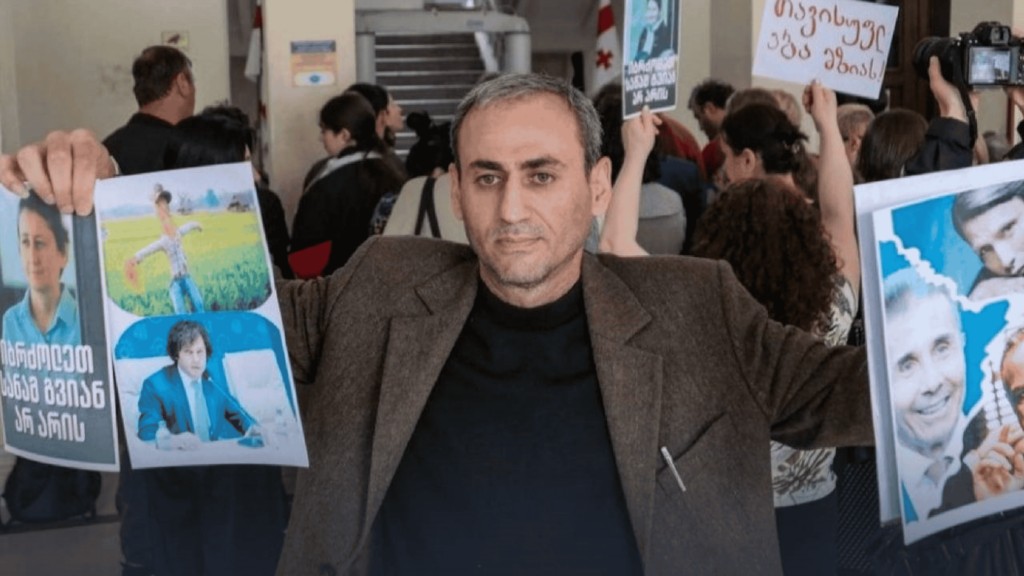
Afghan Sadygov was accused of posting an insulting message about a Georgian police officer on social media. In the early hours of the morning, a court hearing was held, which fined him 2,000 lari (about $700) and ordered his deportation to Azerbaijan. By early morning, he had already been handed over at the border to the Azerbaijani migration service.
His lawyer, Nemat Karimli, said that he was then questioned by the State Migration Service and released after 40 minutes.
- Ilham Aliyev’s visit to Tbilisi: meeting with Bidzina Ivanishvili, key points and reactions
- ‘All within law’: How president of Azerbaijan destroyed or subjugated media
Context: why Sadygov was in Georgia
Afghan Sadygov, who headed the AzelTV news portal, arrived in Georgia in December 2023 with his wife and two children and had been living in Tbilisi ever since. He said the reason for his move was the crackdown on journalists in Azerbaijan. He himself had been detained in Azerbaijan in May 2020 on charges of extortion and sentenced to seven years in prison. The sentence was later reduced, and upon his release, Sadygov immediately left the country.
After that, a new criminal case was opened against him in Azerbaijan, and for nearly two years the authorities sought his extradition from Georgia. In connection with this, Sadygov was detained in 2024 and went on a hunger strike, demanding that he not be extradited to Azerbaijan.
His lawyers appealed to the European Court of Human Rights, requesting a suspension of the extradition. The court issued a corresponding ruling.
However, on April 1, Azerbaijan unexpectedly dropped the criminal case against Sadygov and, accordingly, withdrew its extradition request. Georgian authorities now insist that there was no extradition, and that Sadygov was expelled for violating Georgian law.
The Ministry of Internal Affairs of Georgia also noted that the court took into account the fact that Sadygov had been held responsible for 62 different administrative offenses during his time in Georgia. Most of these violations were related to his participation in pro-European protests in Tbilisi.

Experts say that the root of the incident lies in Georgia’s economic and political dependence on Azerbaijan
Georgian human rights defenders have described Afghan Sadygov’s deportation as unlawful, noting that he may face serious risks in Azerbaijan. Many have angrily characterized what happened as a political gesture by Georgia on the eve of Ilham Aliyev’s visit.
Many Azerbaijani experts believe the incident is indicative of Georgia’s economic and political dependence on Azerbaijan. In a comment to Radio Free Europe/Radio Liberty, human rights defender Zafar Ahmadov said the deportation was the result of an agreement between Baku and Tbilisi.
Many observers also point to a strengthening partnership between the two countries against a shared backdrop of weakening democratic institutions. For this reason, the case of Afghan Sadygov requires a broader view of the emerging system of political relations in the South Caucasus.
In recent years, Azerbaijan has acted in the region not only as a participant in economic and energy projects, but also as a player seeking to expand its political influence.
This influence is manifested less through open diplomatic channels and more through shaping the model of influence over the domestic political course of partner countries.
In this context, certain parallels can be drawn between internal political transformations in Georgia and the Azerbaijani model.

Is Georgia adopting Azerbaijan’s model of suppressing civil society and independent thinking?
Commentary by an independent expert who requested anonymity
“The increasing pressure on NGOs and independent media in Georgia, along with tighter control over the political environment, resembles a trajectory already familiar from Azerbaijan.
This trajectory involves последовательные stages: first the weakening of civil society, then the narrowing of the information space, and ultimately the minimization of political competition.
Azerbaijan already demonstrates an institutionalized form of this model.
Close economic and energy ties with Azerbaijan, as well as security considerations, may be pushing Tbilisi to align its policies with Baku. Such adaptation may come at the cost of further weakening democratic institutions.
In the long term, this raises serious questions about the direction of the region’s political development.”
Deportation of an Azerbaijani journalist from Georgia
Categories
Disney to cut jobs

Authorities in Abkhazia are investigating the brutal killing of a four-year-old child. The girl died from multiple injuries, which she reportedly sustained within her family.
The incident has sparked widespread public outrage and has вновь intensified debate over the need for a law on the prevention of domestic violence.
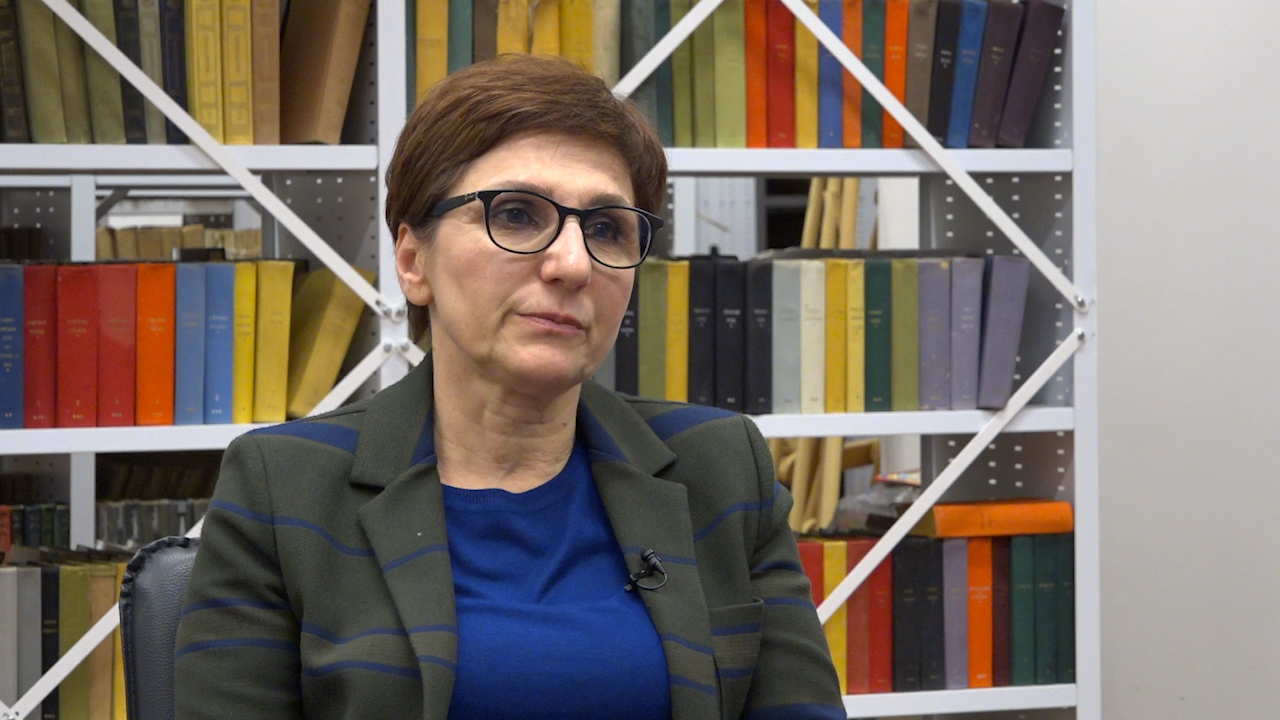
The tragedy occurred on 7 April in the village of Machara. At around 22:50, four-year-old Gabriela Lakhina was brought to hospital in critical condition. Doctors recorded multiple injuries to her head, face, torso and limbs. Despite their efforts, they could not save the girl, and she died several hours later.
The district prosecutor’s office has launched an inquiry. Forensic experts will conduct a medical examination, while investigators are carrying out urgent steps to establish all the circumstances of the case. Preliminary information suggests abuse within the family. In particular, suspicion has fallen on the child’s aunt.
Interior Ministry officers have joined the investigation. The children’s ombudsman is also involved, working with witnesses, including minors, and monitoring the protection of their rights.
The case has shocked people across the republic, from ordinary citizens to officials and human rights defenders. In a statement, the Public Chamber of Abkhazia described it as a “monstrous act of domestic violence” and said the tragedy had exposed systemic problems in child protection and public safety.
The children’s ombudsman also said the child’s death was a painful reminder that domestic violence remains a serious problem in Abkhazia. He added that the absence of a specific criminal provision for systematic domestic abuse limits the authorities’ ability to protect children.
Against this backdrop, calls have grown louder for the urgent adoption of a law on combating domestic violence. Lawmakers introduced relevant amendments and initiatives to parliament at the end of 2025, but they have yet to pass them.
Human rights activists and public figures stress that parliament now has a chance to show genuine commitment to protecting children and families. They say the tragedy in the village of Machara could become a turning point and raise hopes that a law on preventing domestic violence will finally be adopted.
A society shaken by the child’s death expects not only a thorough investigation, but also systemic measures to prevent similar tragedies in the future.
Terms, place names, opinions and ideas suggested by the author of the publication are her / his own and do not necessarily coincide with the opinions and ideas of JAMnews or its individual employees. JAMnews reserves the right to remove comments on posts that are deemed offensive, threatening, violent or otherwise ethically unacceptable.
Violence against children in Abkhazia
Causes of flooding in Baku
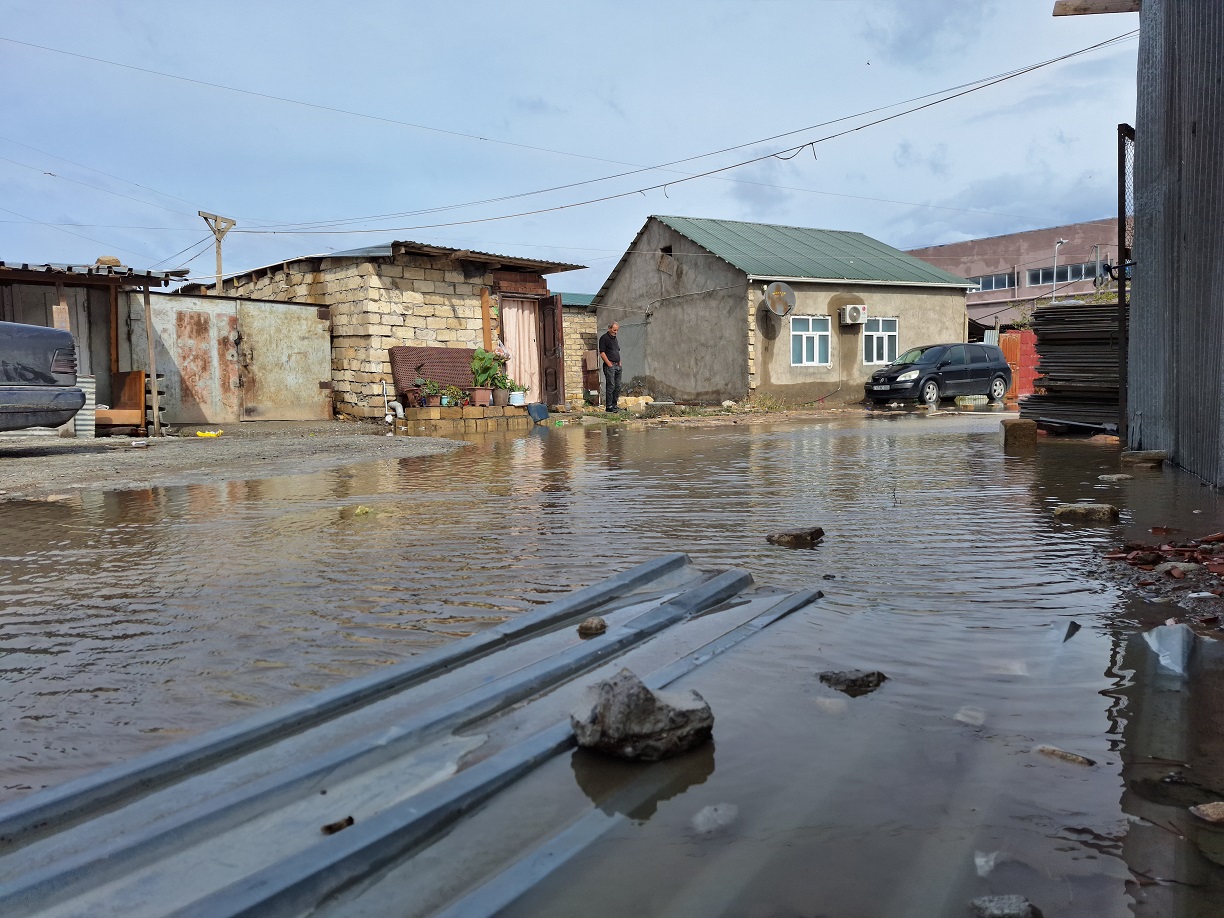
Heavy rains that hit Baku in the first week of April once again tested the city’s infrastructure.
In an official statement on 4 April, the Ministry of Emergency Situations, citing the National Hydrometeorological Service, warned that rainfall would intensify in the coming days. It said this could trigger short-term mudflows and flooding on some mountain rivers. It also warned of a risk of flooding in Baku’s suburbs that are prone to inundation and urged residents to follow safety rules.
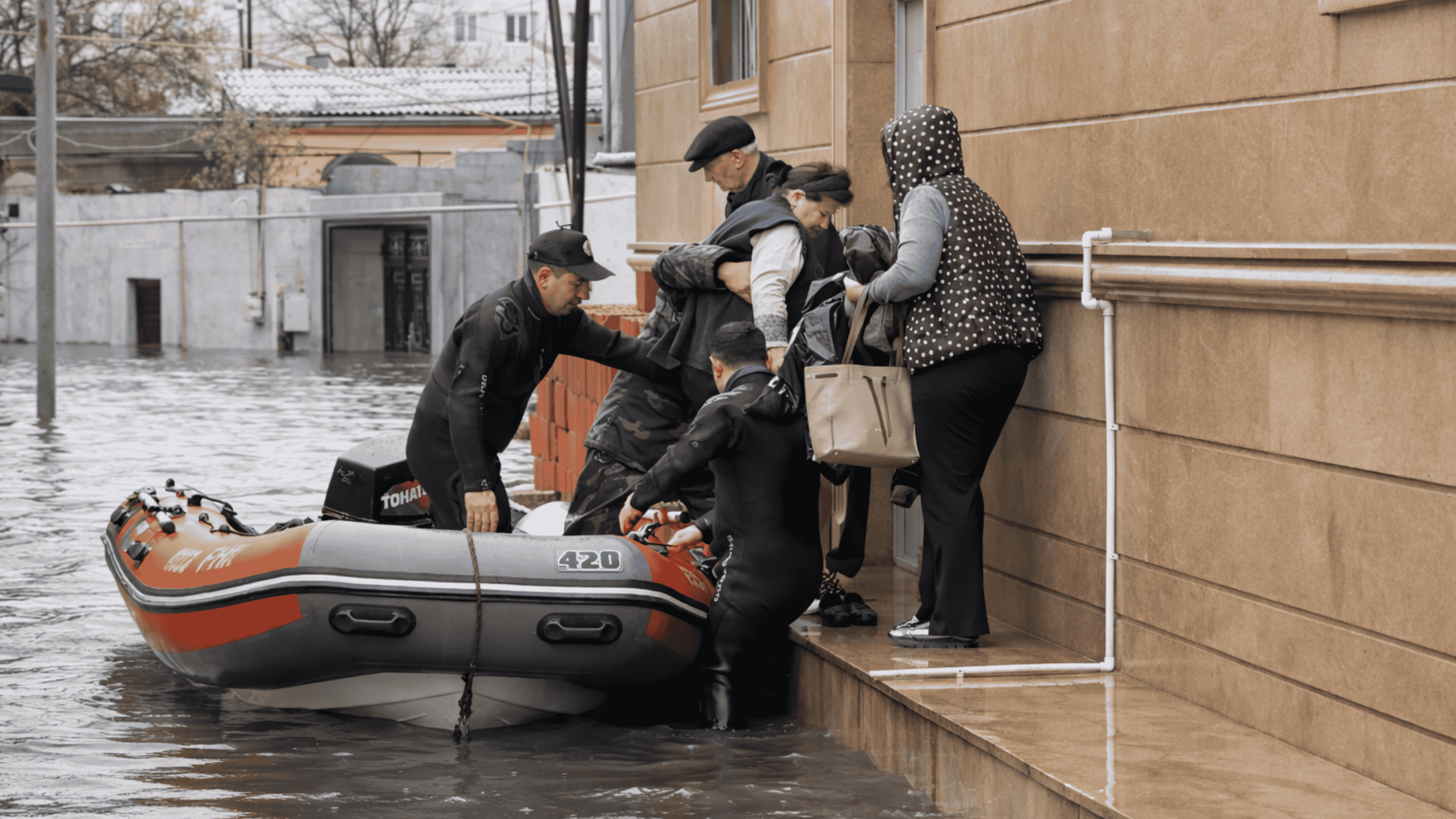
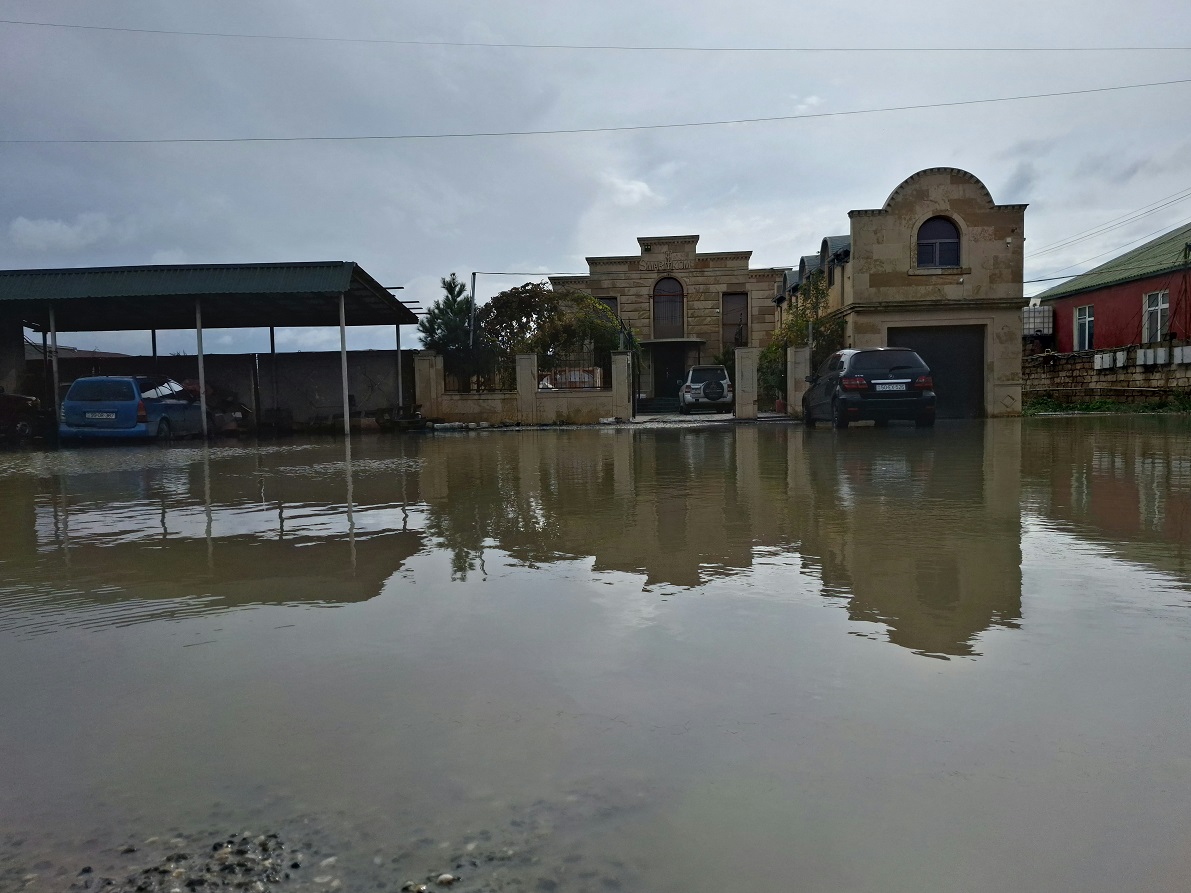
Against this backdrop, a malfunction in a drainage collector flooded residential houses in the Keşla settlement of Baku’s Nizami district on 5 April. The Ministry of Emergency Situations said a call to the 112 hotline prompted an emergency response. Civil defence forces, the State Fire Service, the Special Risk Rescue Service, the Small Vessels Control and Water Rescue Service, and the Baku Regional Centre all responded to the scene. Rescuers evacuated residents from flooded homes, pumped out water and carried out other safety operations.
In an updated statement issued the same day, the ministry said that 37 people had been evacuated to safe locations and that water pumping operations were ongoing. While this points to a rapid response, it also raises a question:
Why does every heavy rainfall turn into an emergency in the capital?
The problem did not affect just one settlement. In another statement, the Ministry of Emergency Situations said that, due to intense rainfall, crews pumped water out of flooded areas in the Khazar, Sabunchi, Nizami, Binagadi, Sabail and Garadagh districts, as well as in the Absheron district and along the Baku–Sumgait highway. The same statement noted that a total of 58 people had been evacuated from Keşla. This list suggests not just isolated low-lying areas, but a recurring, citywide risk.
In the first days of April, reports also emerged of flooded yards in private homes in the Binagadi and Surakhani districts. According to the ministry, rescuers evacuated nine people from these areas, including four minors. In recent years, flooding has become a regular feature of the rainy season in Baku.
WUF13 and the Year of Urban Development
After such a week, it is worth revisiting Baku’s international image agenda. From 17 to 22 May, the capital will host the 13th session of the World Urban Forum (WUF13).
The forum’s official website states that the event will focus on the theme “Housing for all: safe and sustainable cities and human settlements”. It will address access to housing as a key factor for inclusivity and sustainable development. The website also cites President Ilham Aliyev, noting that the decision to hold WUF13 in Baku reflects recognition of Azerbaijan’s contribution to global urbanisation processes and signals trust in the country as a reliable partner.
In addition, a presidential decree issued on 22 December 2025 declared 2026 the “Year of Urban Development and Architecture”. The document sets out goals such as preserving traditions in urban planning and architecture and promoting progressive approaches that respond to modern challenges.
The irony is that, on the eve of a global forum dedicated to “safe and sustainable cities”, Baku’s safety agenda is being shaped by water — not as an element of sustainable management, but as a source of flooding and evacuations.
Why does Baku struggle with every rainfall?
Official rhetoric often points to meteorological factors as the main explanation. State institutions frequently link flooding episodes to “climate change” and “above-average precipitation”. Warnings from the Ministry of Emergency Situations also stress that heavy rainfall increases the risk of flooding. This is an объективный природный фактор, but the key question for urban governance lies elsewhere:
Why does heavy rainfall trigger systemic failures that paralyse the city?
Structural problems come to the fore here. In an official readout of a meeting held on 12 January under the president’s chairmanship, the head of the State Water Resources Agency, Zaur Mikayilov, said that Baku and Absheron’s water supply and sewage systems were largely built before the late 1980s. In the years since, the area of populated settlements has expanded 2.6 times, while the population has grown 2.1 times.
He stressed that the main trunk networks have exceeded their service life. He also said that connecting stormwater collectors to sewage systems places additional strain on the network. In addition, he noted that “all stormwater drainage systems that previously existed in Baku were converted into sewage collectors in the 1990s.”

One of the most alarming signals is the conflict between urban development practices and water infrastructure. At the same meeting, officials stressed that protected zones have been taken over by construction. According to the analysis, more than 1,600 private houses and other structures in Baku obstruct, and in some cases make it impossible to operate, the main sewage networks.
Official data shows that in some cases this leads to sewage system failures and damage to residents’ homes. Authorities therefore directly link flooding to illegal construction.
The meeting also addressed Baku’s natural water catchment areas. Officials noted that more than 300 lakes across Baku and the Absheron peninsula serve this function. However, between 2014 and 2025, developers drained or occupied some of them through illegal or unregulated construction. Once construction takes over these areas, the risk of flooding during heavy rainfall rises sharply.
Urban development has also replaced green zones with concrete, reducing the number of areas that can absorb and retain water. As a result, water flows onto roads and into residential yards.
Despite the adoption of a state programme to improve water supply, stormwater and sewage systems in Baku and the Absheron peninsula for 2026–2035, the city and surrounding areas are likely to continue facing these problems in the coming years.
Causes of flooding in Baku
Causes of flooding in Baku
Heavy rains that hit Baku in the first week of April once again tested the city’s infrastructure.
In an official statement on 4 April, the Ministry of Emergency Situations, citing the National Hydrometeorological Service, warned that rainfall would intensify in the coming days. It said this could trigger short-term mudflows and flooding on some mountain rivers. It also warned of a risk of flooding in Baku’s suburbs that are prone to inundation and urged residents to follow safety rules.
Against this backdrop, a malfunction in a drainage collector flooded residential houses in the Keşla settlement of Baku’s Nizami district on 5 April. The Ministry of Emergency Situations said a call to the 112 hotline prompted an emergency response. Civil defence forces, the State Fire Service, the Special Risk Rescue Service, the Small Vessels Control and Water Rescue Service, and the Baku Regional Centre all responded to the scene. Rescuers evacuated residents from flooded homes, pumped out water and carried out other safety operations.
In an updated statement issued the same day, the ministry said that 37 people had been evacuated to safe locations and that water pumping operations were ongoing. While this points to a rapid response, it also raises a question:
Why does every heavy rainfall turn into an emergency in the capital?
The problem did not affect just one settlement. In another statement, the Ministry of Emergency Situations said that, due to intense rainfall, crews pumped water out of flooded areas in the Khazar, Sabunchi, Nizami, Binagadi, Sabail and Garadagh districts, as well as in the Absheron district and along the Baku–Sumgait highway. The same statement noted that a total of 58 people had been evacuated from Keşla. This list suggests not just isolated low-lying areas, but a recurring, citywide risk.
In the first days of April, reports also emerged of flooded yards in private homes in the Binagadi and Surakhani districts. According to the ministry, rescuers evacuated nine people from these areas, including four minors. In recent years, flooding has become a regular feature of the rainy season in Baku.
WUF13 and the Year of Urban Development
After such a week, it is worth revisiting Baku’s international image agenda. From 17 to 22 May, the capital will host the 13th session of the World Urban Forum (WUF13).
The forum’s official website states that the event will focus on the theme “Housing for all: safe and sustainable cities and human settlements”. It will address access to housing as a key factor for inclusivity and sustainable development. The website also cites President Ilham Aliyev, noting that the decision to hold WUF13 in Baku reflects recognition of Azerbaijan’s contribution to global urbanisation processes and signals trust in the country as a reliable partner.
In addition, a presidential decree issued on 22 December 2025 declared 2026 the “Year of Urban Development and Architecture”. The document sets out goals such as preserving traditions in urban planning and architecture and promoting progressive approaches that respond to modern challenges.
The irony is that, on the eve of a global forum dedicated to “safe and sustainable cities”, Baku’s safety agenda is being shaped by water — not as an element of sustainable management, but as a source of flooding and evacuations.
Why does Baku struggle with every rainfall?
Official rhetoric often points to meteorological factors as the main explanation. State institutions frequently link flooding episodes to “climate change” and “above-average precipitation”. Warnings from the Ministry of Emergency Situations also stress that heavy rainfall increases the risk of flooding. This is an объективный природный фактор, but the key question for urban governance lies elsewhere:
Why does heavy rainfall trigger systemic failures that paralyse the city?
Structural problems come to the fore here. In an official readout of a meeting held on 12 January under the president’s chairmanship, the head of the State Water Resources Agency, Zaur Mikayilov, said that Baku and Absheron’s water supply and sewage systems were largely built before the late 1980s. In the years since, the area of populated settlements has expanded 2.6 times, while the population has grown 2.1 times.
He stressed that the main trunk networks have exceeded their service life. He also said that connecting stormwater collectors to sewage systems places additional strain on the network. In addition, he noted that “all stormwater drainage systems that previously existed in Baku were converted into sewage collectors in the 1990s.”
One of the most alarming signals is the conflict between urban development practices and water infrastructure. At the same meeting, officials stressed that protected zones have been taken over by construction. According to the analysis, more than 1,600 private houses and other structures in Baku obstruct, and in some cases make it impossible to operate, the main sewage networks.
Official data shows that in some cases this leads to sewage system failures and damage to residents’ homes. Authorities therefore directly link flooding to illegal construction.
The meeting also addressed Baku’s natural water catchment areas. Officials noted that more than 300 lakes across Baku and the Absheron peninsula serve this function. However, between 2014 and 2025, developers drained or occupied some of them through illegal or unregulated construction. Once construction takes over these areas, the risk of flooding during heavy rainfall rises sharply.
Urban development has also replaced green zones with concrete, reducing the number of areas that can absorb and retain water. As a result, water flows onto roads and into residential yards.
Despite the adoption of a state programme to improve water supply, stormwater and sewage systems in Baku and the Absheron peninsula for 2026–2035, the city and surrounding areas are likely to continue facing these problems in the coming years.
Causes of flooding in Baku