
As part of its development strategy in Japan, Microsoft plans to invest 1.6 trillion yen (about $10 billion) in the country’s economy between 2026 and 2029, AzerNEWS reports.
Day: April 3, 2026
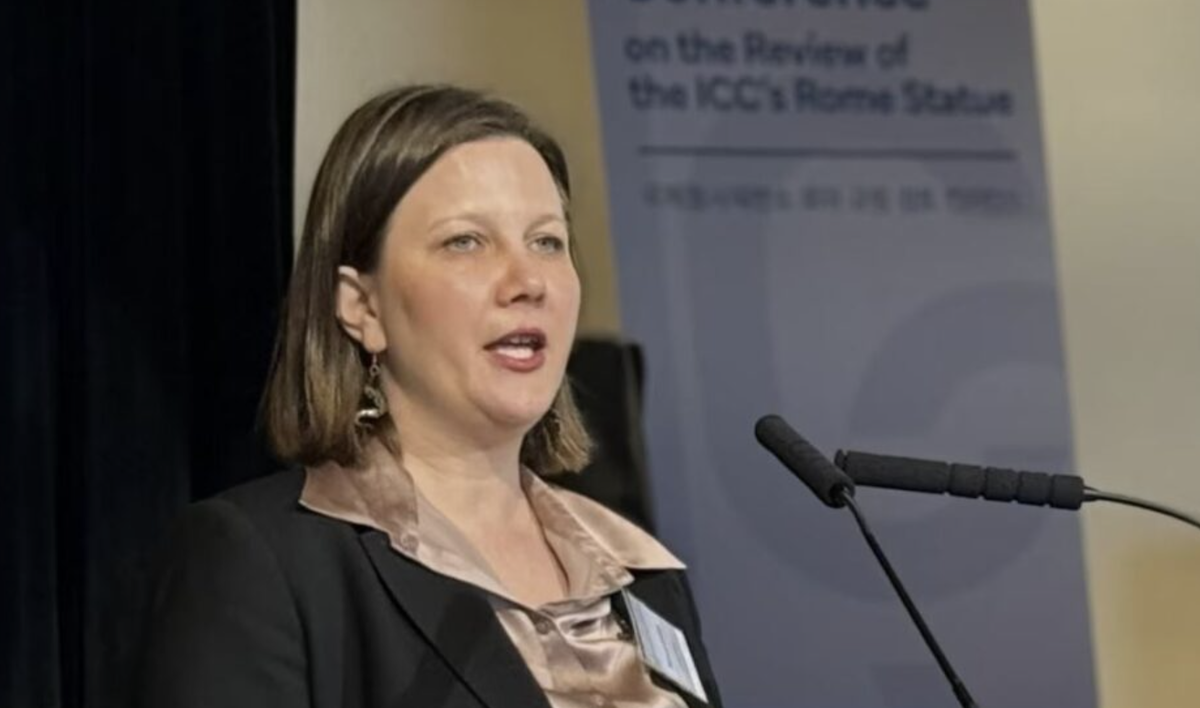
Patricia Gzhebik, author of the OSCE Moscow Mechanism report on Georgia, says the reaction of the Georgian authorities to part of the report has been “particularly hostile”. She adds that the report did not aim to “start a legal battle” or promote any political agenda.

In an interview with Interpressnews, Gzhebik says her task was to carry out the mission and outline possible ways to assess the situation in Georgia. She rejects accusations of bias from the Georgian authorities and says she “received no political instructions”.
She adds that, despite later criticism, her meetings with officials during the visit were constructive. Gzhebik says she met senior government representatives, including the prime minister. They allowed her to ask questions and receive answers, including after she left the country. She also notes that the report seeks to reflect the positions of all sides, including the authorities.
However, Gzhebik says the recommendations section triggered the strongest reaction from the Georgian government. She argues that the facts presented in the report are “fairly described” and based on multiple sources. During her visit, she says she did not encounter scepticism, but rather a willingness to cooperate and clarify the situation.
In the interview, Gzhebik also responds to claims that she represented Poland’s interests. She says the OSCE, not any individual state, appointed her, and she prepared the report for the organisation. She adds that she is not familiar with how states coordinate the initiation of the Moscow Mechanism and that her role focused solely on legal analysis.
Gzhebik, a professor at the University of Warsaw, stresses that she works as an independent expert and does not represent the Polish government. She says providing expert opinions to international and national institutions forms part of her professional work and does not imply any political affiliation. She also rejects allegations of a conflict of interest raised by government representatives, including in connection with her work in international courts.
According to Gzhebik, her “only interest” was to carry out the mission, and she had no other “agenda”.
Context
On 12 March 2026, the OSCE Office for Democratic Institutions and Human Rights (ODIHR) published a Moscow Mechanism report highlighting a deterioration in human rights and fundamental freedoms in Georgia.
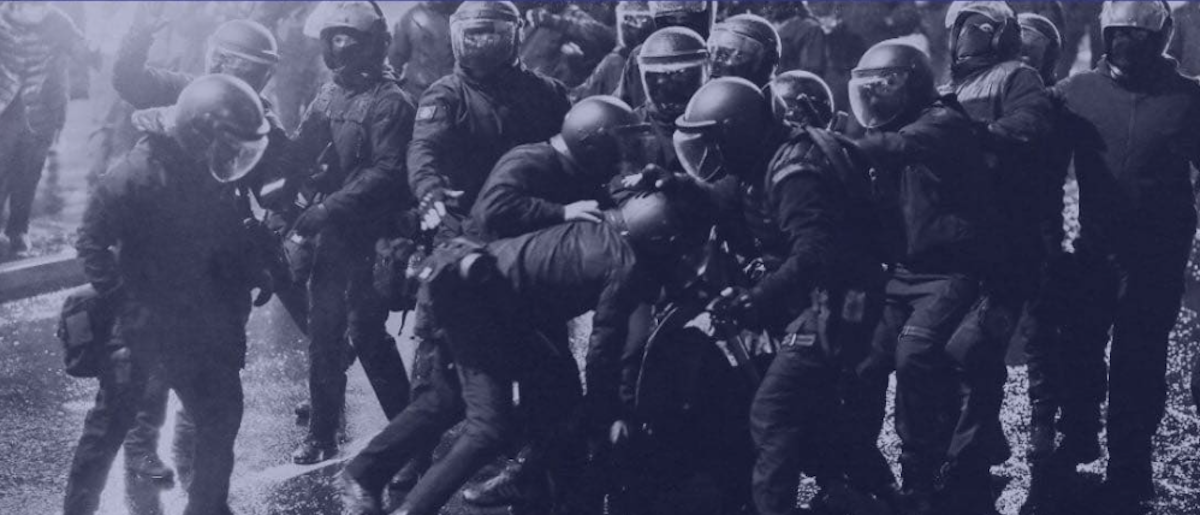
The report, which runs to more than 200 pages, describes developments in Georgia from early 2024 to the present. It outlines democratic backsliding, a worsening human rights situation, pressure on the media, the prosecution of protesters and opposition figures, repression of dissent, the presence of political prisoners and the adoption of restrictive legislation.
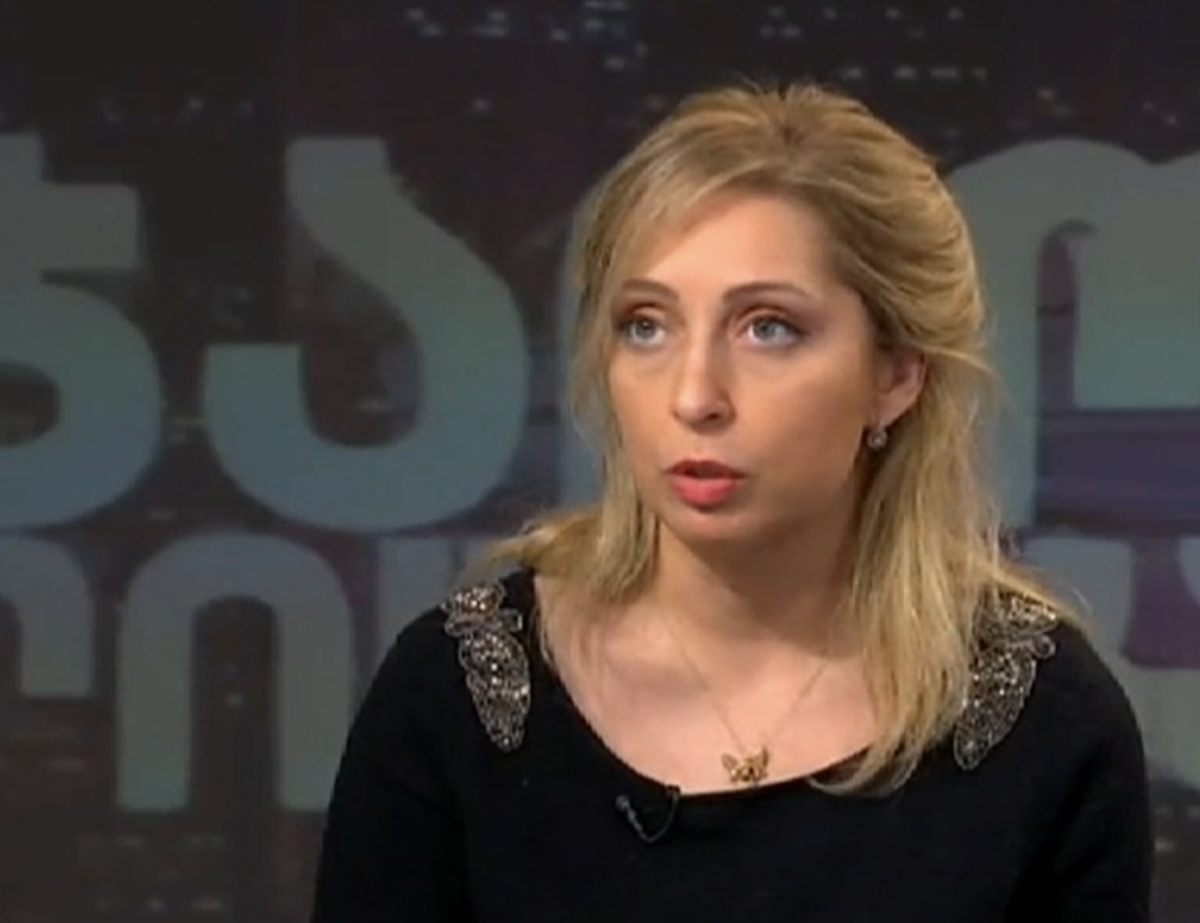
The Georgian authorities criticised the report, saying it does not reflect the full political and legal reality of the country. Georgia’s permanent representative to the OSCE, Alexander Maisuradze, said the report contains factual inaccuracies, selective interpretations and politically biased conclusions, raising doubts about its credibility.
OSCE Moscow Mechanism report on Georgia
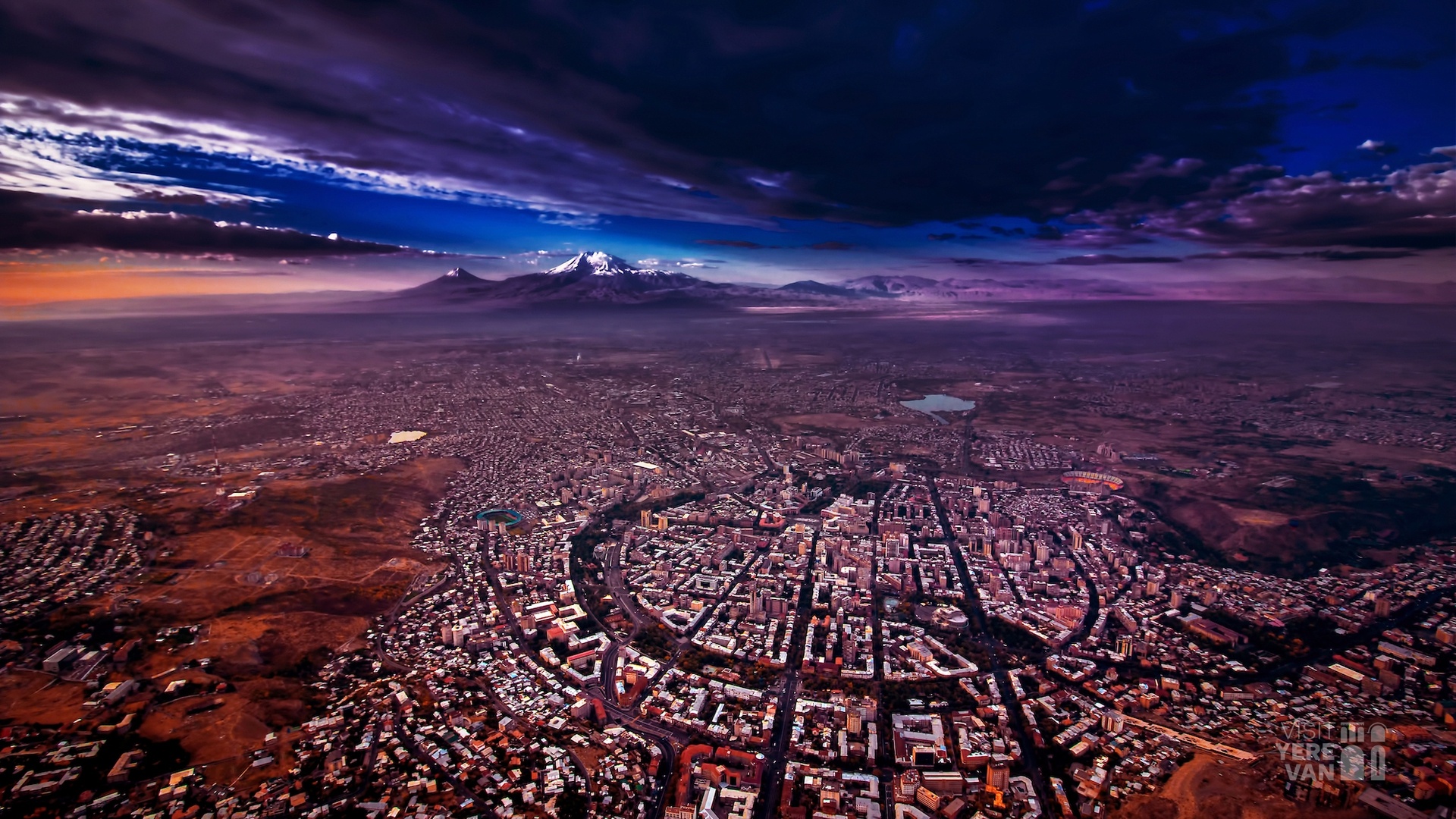
Economist on Armenia’s shift into a transit hub
The war in Iran, now lasting more than a month, and developments across the Middle East are affecting Armenia’s economy. Economist Agasi Tavadayan says the country is receiving a significant inflow of capital. He identifies three main sources: Iran, the Gulf states and Russia.
The expert warns that this inflow brings risks. Large volumes of dollar inflows are putting pressure on the national currency, the dram. The Central Bank is trying to offset this impact. Tavadayan says risk management is essential, as the dram could “sharply depreciate, as it did in 2008 and 2014”. At the same time, the inflow creates new opportunities.
“This could, above all, stimulate activity in the construction sector, which slowed somewhat in 2025,” he says.
Tavadayan also stresses that Armenia can take advantage of current changes in air routes and become “a small transit hub”.
Below is his assessment of the situation and his short-term outlook.
- Analysis: Economic growth and living standards rise in Armenia — but may be overstated
- Part of gas pipeline supplying Armenia with Russian gas via Georgia to be relocated
- Armenian government to decide fate of $500,000 Zayed Prize awarded to Pashinyan
Capital inflows are not new, but their sources have shifted
“After the start of the Russia-Ukraine conflict, Armenia received a significant inflow of capital from Russia. As a result, nearly half of the country’s 12.6% economic growth in 2022 came from the financial, banking and IT sectors. This directly reflects the inflow of capital and IT specialists into Armenia following sanctions imposed on Russia.
The situation now looks somewhat different. Capital is flowing in from three distinct directions. Inflows from Russia continue, but volumes have declined compared with 2022. Two new waves have emerged. A substantial amount of capital has been coming from Iran since September 2025, when currency outflows began there. A large share has ended up in Armenia, pushing economic growth to 7.2% by the end of the year. The initial forecast stood at 5.2%.
In addition, some capital is arriving from the Gulf states, especially the United Arab Emirates. Much of this capital is ultimately destined for Hong Kong. In practice, investors in the UAE are selling assets at lower prices with the aim of relocating them to Hong Kong. Part of this flow passes through Armenia.
It is more likely that companies operating in Dubai, rather than in Iran, will enter the Armenian market.
Those living and working in the UAE tend to be established, wealthy entrepreneurs. However, many have not developed strong ties to the country. After selling their assets and property, they may move to safer locations. Some of them could choose Armenia.”
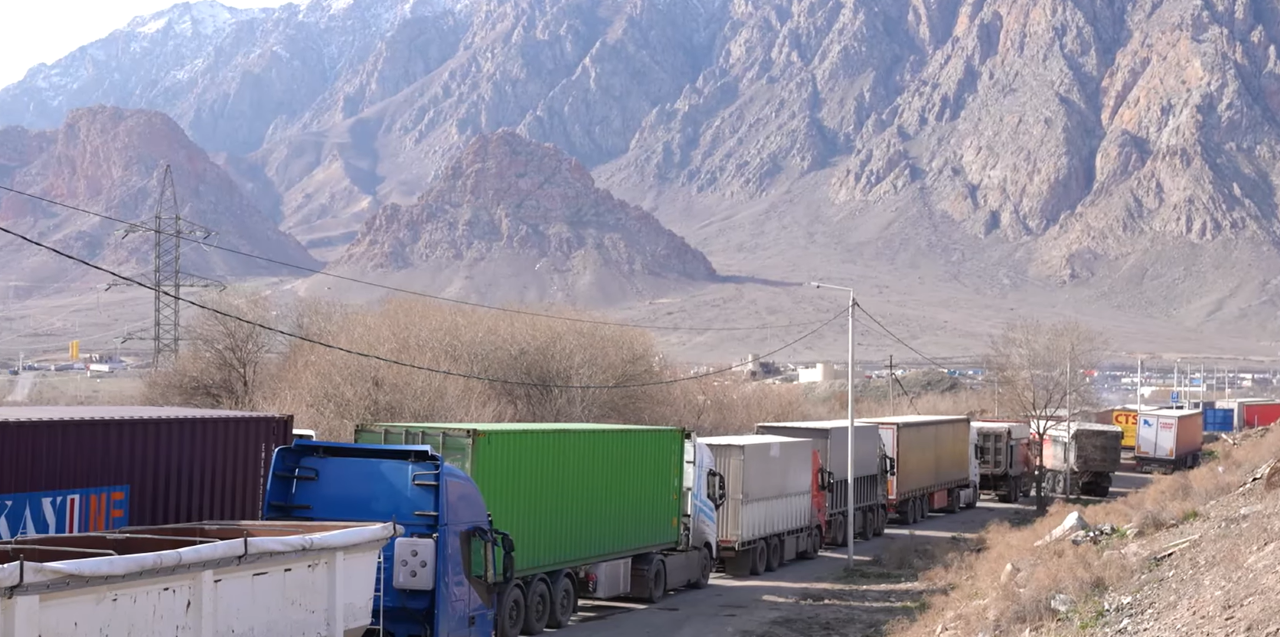
The South Caucasus as a reliable air bridge
“Dubai, a key global aviation hub, is gradually losing ground in the current situation. Airlines from the Gulf are now losing around $1 billion a week due to flight cancellations.
At present, the only reliable air route connecting Europe and Asia runs through the South Caucasus, mainly via Georgia and Azerbaijan, and to a lesser extent Armenia.
Before 2022, Europe and Asia were primarily connected by an air ‘bridge’ over Siberia. But Russia has barred European airlines from its airspace for the past four years.
Airlines then shifted to routes over the Middle East. Now those routes have also become unavailable, giving way to the South Caucasus corridor. As a result, the number of daily flights through the airspace of Georgia and Azerbaijan has increased roughly fiftyfold.”
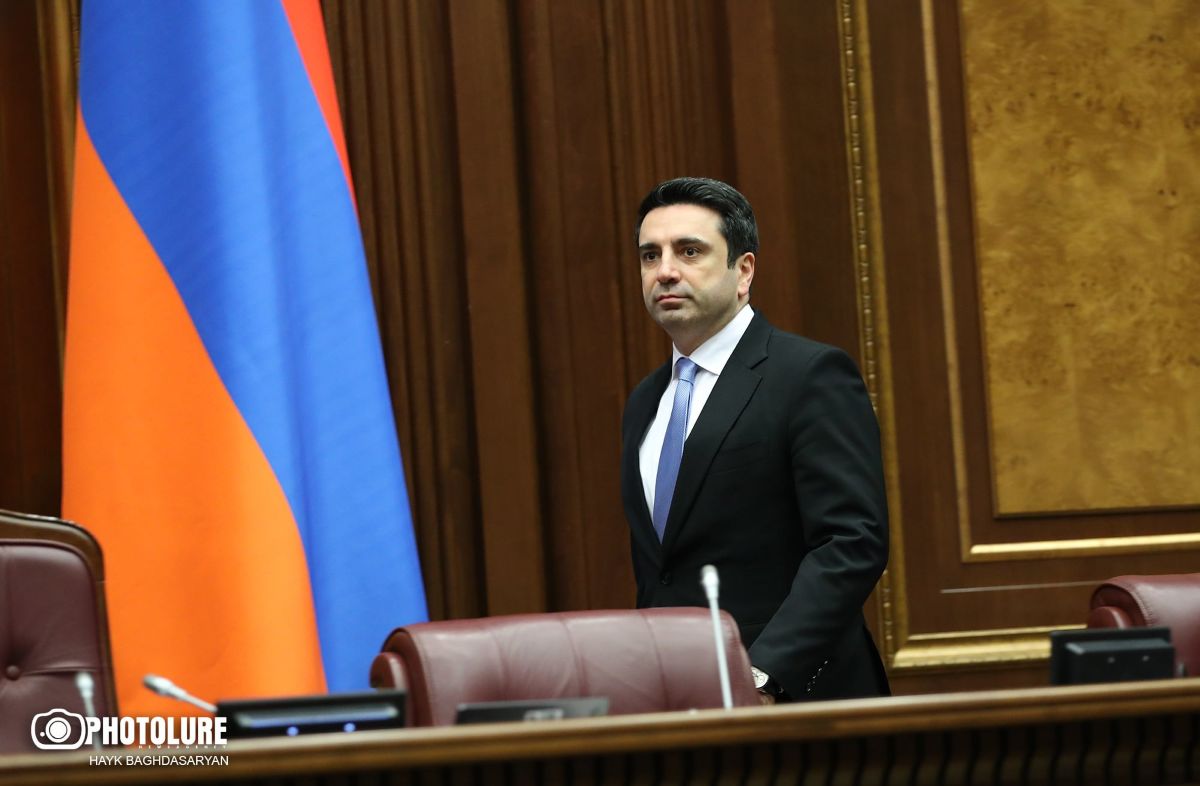
Armenia could benefit from shifting air routes
“Armenia’s airspace is less attractive. One reason is its issues with both land and air borders with Turkey and Azerbaijan. Another factor is that alternative routes are more convenient. Aircraft can enter Georgian airspace directly over the Black Sea, then continue over Azerbaijan and the Caspian Sea to their destination.
The fewer countries a flight crosses, the more economically efficient it becomes. Armenia does not fit well into this logic.
However, Dubai is likely to lose its status as a key regional aviation hub, with Istanbul taking its place.
At the same time, Armenia can take advantage of the reorganisation of air routes and could, in the future, become a small transit hub. This is a realistic opportunity that could also support the development of tourism in Armenia.”
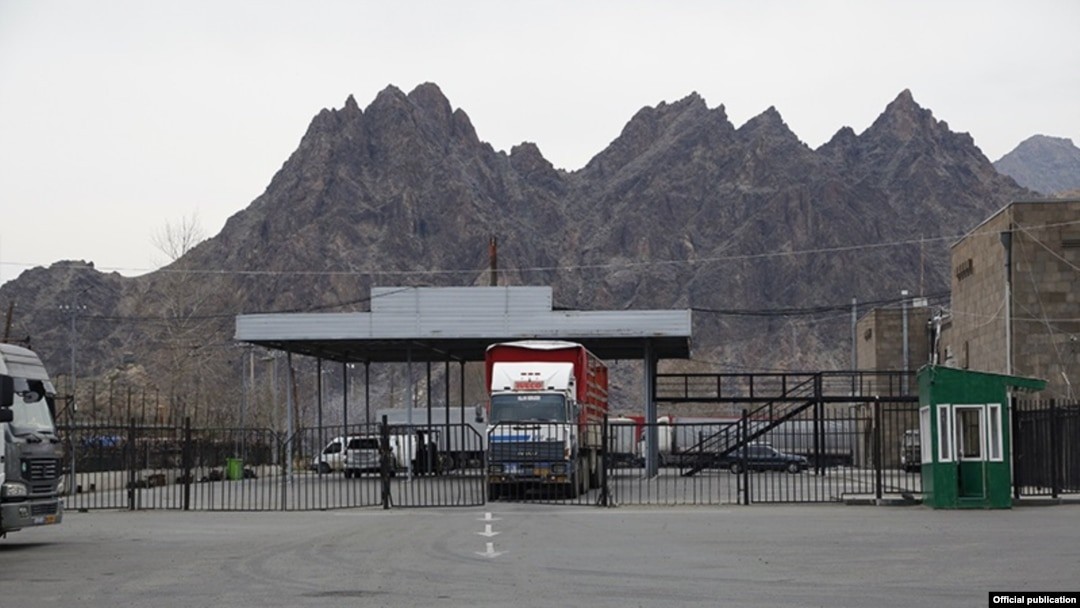
Economist on Armenia’s shift into a transit hub