Categories
The News And Times Blog

The God Nisanov Crime family and the Russian espionage and organized crime in the US


Gemini

https://gemini.google.com/share/5b753e152a0c

The activities of God Nisanov, often characterized by investigators and the U.S. government as a blend of high-level Russian espionage and transnational organized crime, represent a modern example of the “state-crime nexus.” Nisanov is a Russian-Azerbaijani billionaire and property developer who has been sanctioned by the U.S., UK, and Canada for his role as a key financier and associate of the Kremlin.1

God Nisanov and Russian Intelligence

Nisanov is not merely a businessman; he is documented as having deep, symbiotic ties with the Russian intelligence apparatus, specifically the SVR (Foreign Intelligence Service).2

  • Ties to Sergey Naryshkin: Investigative reports (notably by the outlet Proekt) have detailed Nisanov’s close personal relationship with Sergey Naryshkin, the Director of the SVR.3 Naryshkin and his family have reportedly used Nisanov’s private jets, and Naryshkin has been observed using private facilities at Nisanov’s “Evropeyskiy” shopping center in Moscow.4

  • Intelligence Fronts: Western intelligence experts suggest that large-scale commercial properties owned by Nisanov, such as the Sadovod Market and Food City, serve as more than just trade hubs. These locations are notorious for massive, unregulated cash turnovers and cryptocurrency transactions, which are often used to fund “black” operations for Russian intelligence abroad while maintaining plausible deniability.5

Organized Crime and Illicit Activities

Nisanov’s business empire, Kievskaya Ploshchad, has been frequently linked to “grey” and “black” market activities that cross international borders.6

  • Financial Laundering: His markets in Moscow are often cited as centers for laundering billions in untraceable cash.7 The U.S. Treasury Department has highlighted these networks as “critical arteries” for moving funds outside the reach of the traditional banking system.

  • Violence and Extortion: In 2023, the U.S. Department of Justice recognized entrepreneur Ilgar Gadzhiev as a victim of a crime, following his claims that Nisanov used a private security company (“Vityaz”) and corrupt law enforcement to violently seize his business assets.8 Gadzhiev, who fled to the U.S., alleged that Nisanov attempted to orchestrate his murder.9

  • Sanctions Evasion: Since the 2022 invasion of Ukraine, Nisanov has been a primary target of U.S. sanctions.10 The State Department identifies him as a member of the “clique of oligarchs” that Putin relies on to bypass Western economic restrictions and finance the Russian war machine.11

Presence in the United States

While Nisanov himself is a persona non grata in the U.S. due to sanctions, his influence has been felt through:

  • Philanthropic Infiltration: Until his 2022 sanctions, Nisanov served as a Vice President of the World Jewish Congress (WJC).12 Critics argue that such roles were used by the Kremlin as a form of “soft power” to influence Western policy and elite circles.

  • Transnational Repression: The FBI and DOJ have tracked cases where Russian-linked figures use organized crime networks in the U.S. to harass or silence dissidents and business rivals who have fled Russia (similar to the Gadzhiev case).


Key Figures & Entities

Entity Role / Significance
God Nisanov Primary figure; sanctioned oligarch; linked to SVR.
Sergey Naryshkin Director of SVR; key state contact for Nisanov.
Kievskaya Ploshchad Nisanov’s holding company; controls major Moscow real estate.
Sadovod Market Hub for illegal cash turnover and crypto-laundering.
Task Force KleptoCapture U.S. DOJ task force targeting these types of networks.

Would you like me to look into specific U.S. court cases involving Russian-linked organized crime figures, or perhaps explore how the SVR uses “black cash” networks to fund operations?
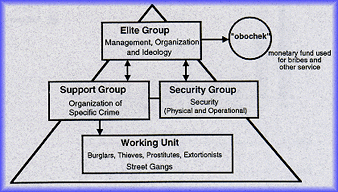

God Nisanov is a sanctioned Russian billionaire and real estate developer with close ties to the Kremlin, not officially identified by U.S. authorities as the head of a “crime family” involved in Russian espionage in the U.S.. He has been linked to organized crime activities by a former business partner and has faced U.S. sanctions for his proximity to the Russian government, but direct links to espionage in the U.S. have not been confirmed in public reports. [1, 2, 3]


God Nisanov & Organized Crime Allegations
  • Sanctions: The U.S. Department of State and Treasury sanctioned God Nisanov in June 2022 as a Russian elite with close ties to the government, including President Vladimir Putin. The sanctions are part of an effort to hold Russian oligarchs accountable for the invasion of Ukraine and to prevent them from using complex networks to hide wealth.
  • Business Disputes and Legal Issues: A former business partner, Ilgar Gadzhiev, has alleged that Nisanov used law enforcement and a private security company to illegally force him out of their joint construction business. Gadzhiev fled to the U.S., and in January 2023, the U.S. Department of Justice recognized him as a possible crime victim. Interpol dismissed an arrest request for Gadzhiev by Azerbaijani and Russian authorities as unfounded.
  • Connections to Criminal Figures: Media reports have linked individuals associated with Nisanov’s business projects, such as the Food City wholesale center in Moscow, to known Russian organized crime figures (e.g., the Azerbaijani crime boss Vagif Suleymanov). [1, 2, 3, 4, 5]
Russian Organized Crime (ROC) in the US


Russian organized crime groups have established a presence in several U.S. cities, including Miami, Los Angeles, and New York. They are involved in various criminal activities such as extortion, drug trafficking, and financial fraud. [6, 7]


While law enforcement and intelligence experts acknowledge the potential for co-optation of ROC by Russian state security services for their own operations, there is no public evidence of God Nisanov’s direct involvement in Russian espionage within the United States. [8, 9, 10]


General reports on ROC indicate:
  • ROC groups have the financial capacity to be dangerous, and some former members of Russian security services have provided their expertise to these criminal groups, creating both an economic and potential political threat.
  • However, reports from U.S. law enforcement agencies suggest little evidence that ROC has attempted to corrupt U.S. political processes or law enforcement on a systemic level.
  • U.S. law enforcement agencies, including the FBI, seriously monitor and investigate the threat posed by these groups, often in cooperation with federal, state, and local agencies. [6, 7, 8, 11]
In summary, while Nisanov is a sanctioned individual with alleged ties to questionable business practices and individuals linked to organized crime in Russia, publicly available information does not substantiate the claim of a “God Nisanov crime family” involved in Russian espionage in the U.S. federal authorities are, however, aware of the broader issues concerning Russian organized crime and potential ties to state interests. [7, 9, 12, 13, 14]


AI responses may include mistakes.


https://share.google/aimode/JTzxEhv9v6jnxzwdy

God Nisanov and his family are prominent Russian-Azerbaijani figures who have come under intense international scrutiny for their ties to the Russian government

. While specific public law enforcement records directly linking the Nisanov family to domestic US espionage operations are not detailed, their business activities and political associations have led to significant US government action. 

US Sanctions and Political Ties
God Nisanov was sanctioned by the US in 2022 following the invasion of Ukraine. 
  • Designation: The US State Department identified him as “one of the richest men in Europe” and a “close associate of several Russian officials”.
  • Intelligence Connections: He has been linked to Sergey Naryshkin, the head of Russia’s Foreign Intelligence Service (SVR), reportedly hosting him at his facilities.
  • Philanthropy and Removal: Following these sanctions, Nisanov was removed from his leadership role as vice president of the World Jewish Congress. 
Allegations of Organized Crime and Violence 
The Nisanov family’s business practices have been associated with allegations of criminal behavior: 
  • Targeting of Business Rivals: In 2023, the US Department of Justice recognized entrepreneur Ilgar Gadzhiev as a victim of a crime after he fled to the US. Gadzhiev alleged that Nisanov used law enforcement and private security to force him out of their joint business and may have orchestrated an attempted murder.
  • “Golden Passports”: Investigative reports by Proekt and OCCRP revealed that Nisanov and his children, including his sons Ervin and Leon, obtained “golden passports” from Dominica in 2017 to bypass international sanctions. 
Context of Russian Organized Crime in the US
Broadly, US law enforcement has identified “Eurasian Transnational Organized Crime” and the “Thieves-in-Law” as major threats. These groups are noted for forming alliances with traditional criminal organizations in the US to conduct: 
  • Financial Crimes: Money laundering, extortion, and fuel tax fraud schemes.
  • State-Sponsored Activity: The FBI has noted that Russian state-sponsored cyber-criminal groups often overlap with traditional criminal structures to target US critical infrastructure. 

Categories
The News And Times Blog

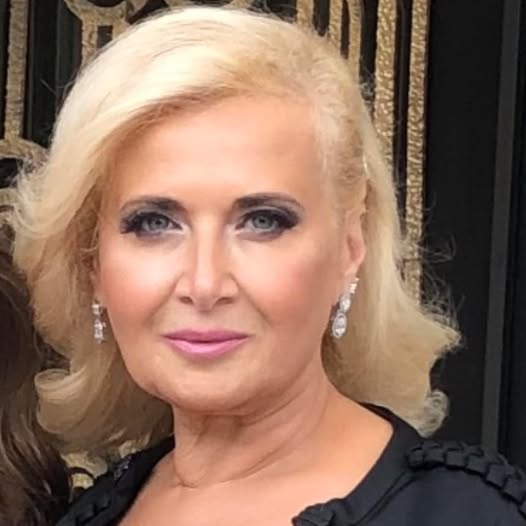
Stella Nisanova – Novakhova, of the Nisanov crime family, is an agent of the Russian Military Intelligence in the US. The secret weapon of the GRU: Мафиозная жидовка выпучила зенки, И имеет грозный вид: и ебётся и пердит.


Stella Nisanova – Novakhova,
an agent of the
Russian Military Intelligence in the US.
The secret weapon of the
GRU:
Мафиозная жидовка выпучила зенки,
И имеет грозный вид: и ебётся и пердит.

#FBI #CIA #Counterintelligence
x.com/mikenov/status
This whore is the Russian Spy:
Stella Nisanova – Novakhova, of the God Nisanov crime family.
If she indeed works somewhere in the administrative capacity, dealing with vaccines and epidemics, it can be very dangerous: she can steal secrets and weaponize the epidemics.
I believe that she had deliberately and deceptively exposed to FLU my mother and myself.
This is equivalent of the attempted murder.
She is a criminal and a brazen liar.
She is a fake blond and a fake person.
I believe, that she is a danger to society.
Investigate her, and very carefully.
Investigate the whole Nisanova – Novakhova Spy Ring: about 10 persons.

This whore is the Russian Spy: Stella Nisanova – Novakhova’s Spy Ring

X22h

Categories
The News And Times Blog

Conversations – News Review: Arrest of a suspect in the Jan. 6 pipe bomb case


AUDIO

Arrest of a suspect in the Jan. 6 pipe bomb case

Conversations – News Review   |   Post Link

6:20 AM 12/5/2025

Today’s top news stories for Friday, December 5, 2025, include the 

Supreme Court’s ruling on the Texas voting map, the arrest of a suspect in the Jan. 6 pipe bomb case, and ongoing developments regarding U.S. military strikes on alleged drug boats. 

U.S. News
  • Supreme Court Ruling: The Supreme Court reinstated Texas’s congressional map, a decision poised to boost Republican seats in the 2026 midterm elections and marks a major victory for the Trump administration.
  • Jan. 6 Pipe Bomb Suspect Arrested: Authorities have arrested Brian Cole Jr. in Washington D.C. in connection with pipe bombs placed outside the Democratic and Republican National Committee headquarters on January 5, 2021, ending a years-long investigation.
  • Military Strikes Controversy: The Pentagon confirmed another U.S. strike on an alleged drug boat in the Eastern Pacific, killing four people, bringing the total deaths from such operations since September to 87. The strikes are facing intense scrutiny and questioning from lawmakers on Capitol Hill.
  • Grand Jury Declines to Re-indict Letitia James: A federal grand jury in Virginia refused to indict New York Attorney General Letitia James again on mortgage fraud charges after the initial case was dismissed last week.
  • CBS News Shakeup: Maurice DuBois is out as the anchor of the 

     as the network continues internal shakeups.

  • National Christmas Tree Lighting: President Trump and First Lady Melania Trump led the 103rd National Christmas Tree Lighting ceremony at the White House Ellipse. 
World News
  • Russia-India Relations: Russian President Vladimir Putin visited 

    , where he met with Prime Minister Narendra Modi. The two nations are expected to sign several agreements to enhance cooperation in healthcare and trade amid U.S. pressure over India’s Russian oil purchases.

  • Conflict in Gaza

     set its military budget at $34 billion as it continues attacks in Gaza. Meanwhile, at least 95,000 Palestinians in the northern West Bank have been affected by intensified Israeli operations.

  • European News

    , and 

     have announced they will boycott the Eurovision Song Contest 2026 over the decision to allow Israel to compete. 

For more details on any of these stories, you can visit major news outlets such as Yahoo NewsThe Washington Post, or CNN. 
Ukraine-Russia peace talks are ongoing, primarily mediated by U.S. envoys, but have 

not yet yielded a breakthrough due to significant disagreements on core issues like territorial control and Ukraine’s potential NATO membership. 

Current Status of Negotiations
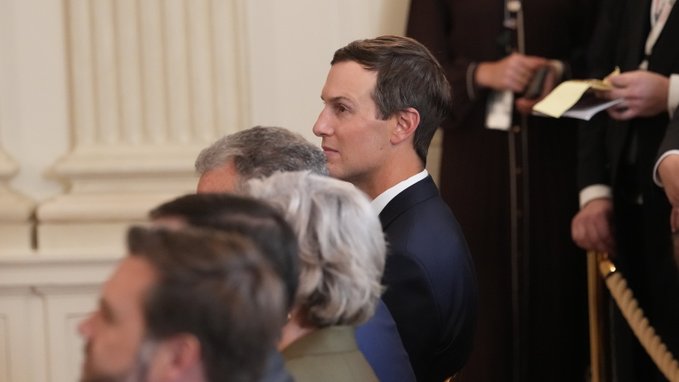
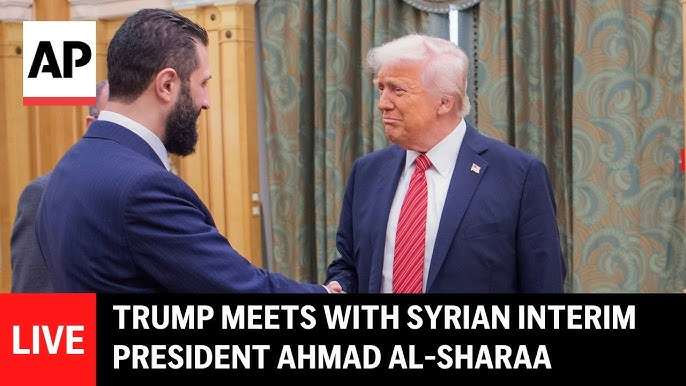
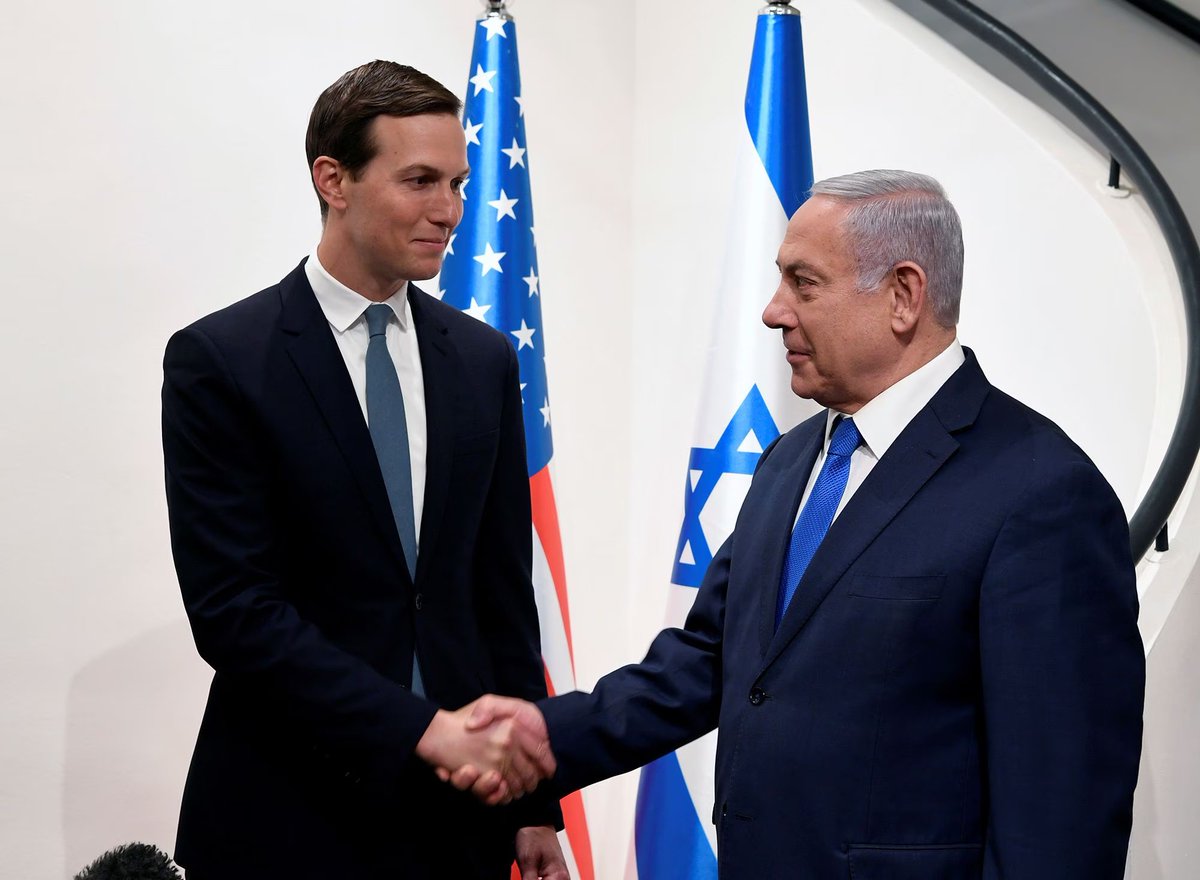
  • U.S.-Led Diplomacy: U.S. special envoy Steve Witkoff and Jared Kushner have held intensive “shuttle diplomacy” in early December 2025, meeting with Russian President Vladimir Putin in Moscow and Ukrainian officials in Florida.
  • No Compromise Reached: Russian and U.S. officials described the five-hour meeting with Putin as “constructive” and “useful” but confirmed that no compromise was reached on key issues.
  • Territorial Disputes Remain: The primary sticking point is territory. Russia insists it will take the eastern Donbas region either by military force or other means, while Ukraine vows never to cede land.
  • NATO Membership: The question of Ukraine’s future NATO membership remains a major point of contention. Russia is vehemently opposed to it, and while the U.S. is mediating, Ukraine and its European allies see NATO guarantees as a necessary deterrent against future Russian aggression.
  • Ongoing Discussions: Working groups are continuing expert-level work to pave the way for more meetings. 
Key Positions
  • Russia: Putin has maintained a hard line, stating Russia will only stop combat operations if Ukrainian forces withdraw from the territories Moscow claims, which Ukraine has rejected.
  • Ukraine: Ukrainian President Volodymyr Zelenskyy has stated that a just peace is only possible if Ukraine’s interests are fully respected and has called for increased pressure on Russia.
  • United States: The U.S. is pushing for a peace deal, with President Trump’s administration positioning itself as an arbiter. However, reports suggest concerns among allies that the U.S. approach might be too deferential to Russian demands. 
In summary, while diplomatic talks are active, the fundamental demands of both nations remain too far apart for a significant breakthrough at this time. 

Categories
The News And Times Blog

Conversations: The pardon of Henry Cuellar and Trump – Aliyev cordially transactional relationship


New York Magazine


The pardon of Henry Cuellar and Trump – Aliyev cordially transactional relationship

AI Overview
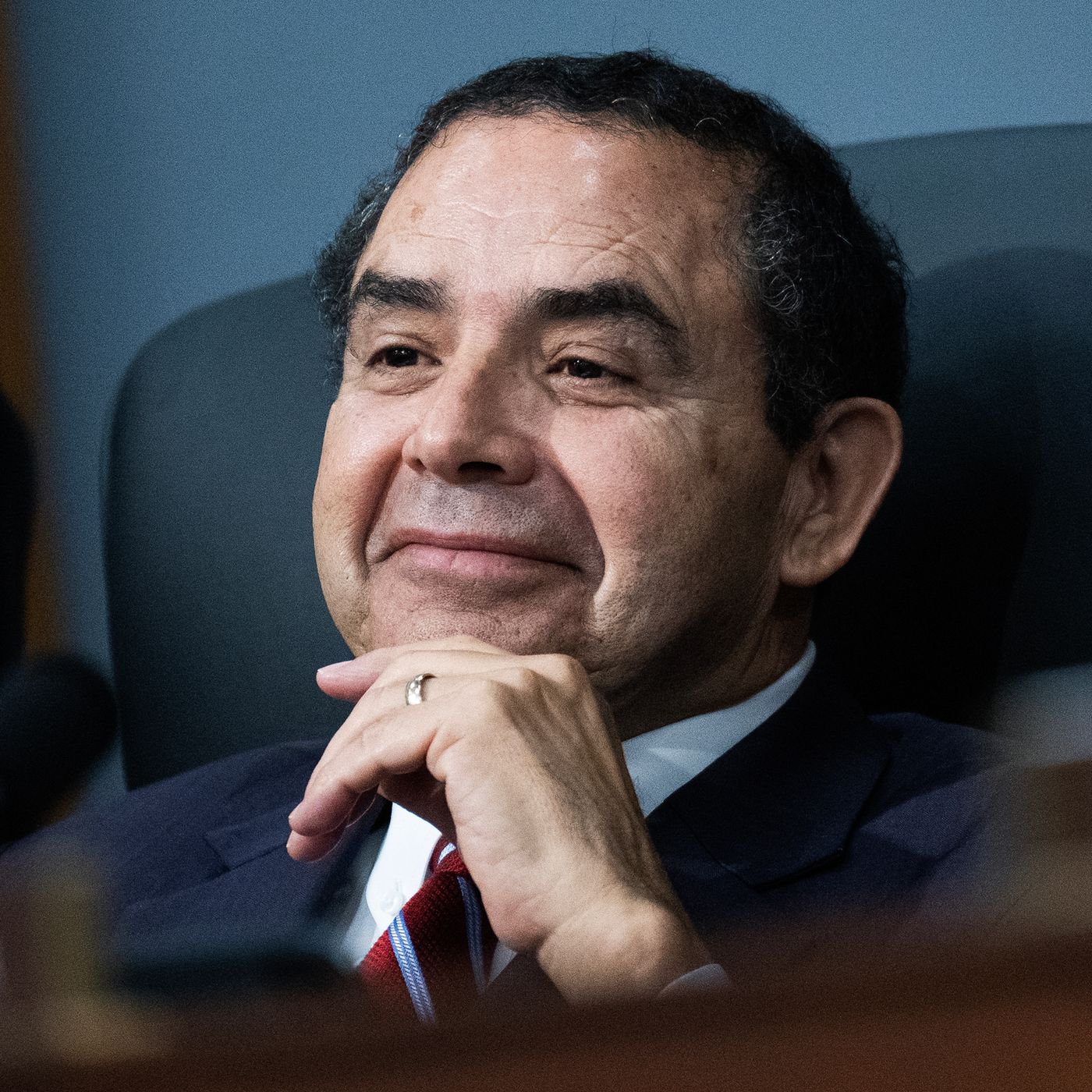
U.S. President Donald Trump has granted a full pardon to Democratic Representative Henry Cuellar and his wife, Imelda, who were facing federal bribery and money laundering charges related to an Azerbaijani energy company. This pardon has been a major point of discussion in light of the alleged cordially transactional relationship between Trump and Ilham Aliyev, the President of Azerbaijan. [1, 2, 3]


The Pardon of Henry Cuellar

  • Details of the Charges: Cuellar and his wife were indicted in 2024 for allegedly accepting nearly $600,000 in bribes from an Azerbaijani state-owned energy company and a Mexican bank. In exchange, prosecutors alleged that Cuellar agreed to influence legislation favorable to Azerbaijan and deliver a pro-Azerbaijan speech on the House floor.
  • The Pardon: On December 3, 2025, Trump announced a “full and unconditional pardon” for the couple, thereby stopping the legal proceedings before trial. Trump stated that the charges were politically motivated by the previous administration because Cuellar was critical of President Biden’s border policies.
  • Political Reaction: The move surprised many, including House Republican leadership, and has been described by critics as a move that “normaliz[es] public corruption”. House Minority Leader Hakeem Jeffries, a Democrat, supported the pardon, calling the original indictment “very thin”. [1, 2, 4, 5, 6, 7, 8, 9]

Trump – Aliyev Transactional Relationship

The user’s query refers to the perceived “cordially transactional relationship” between Donald Trump and Azerbaijani President Ilham Aliyev. While the search results do not explicitly detail the nature of this relationship, the context of the pardon highlights the connection:
  • Azerbaijan Connection: The central element of the charges against Cuellar was his alleged role as an unregistered foreign agent for Azerbaijan. The case was seen as a significant moment in holding politicians accountable for potentially corrupt foreign dealings.
  • “Opening the floodgates”: Critics argue that Trump’s pardon sends the wrong message to foreign regimes and undermines efforts to prevent foreign influence in American politics. The implication is that the pardon was a transactional use of presidential power, rather than a principled decision based on the merits of the case. [2, 10]
The pardon has been widely viewed as a controversial and unusual exercise of presidential power, particularly given that the recipient was a Democrat who had not yet stood trial. [9]
Ilham Aliyev, his blatant suppression of the Opposition in Azerbaijan, his manufactured High Treason plots, the pardon of Henry Cuellar, and Daddy Trump


Ilham Aliyev, his blatant suppression of the Opposition in Azerbaijan, his manufactured High Treason plots, the pardon of Henry Cuellar, and Daddy Trump

Recent news reports link the 

suppression of opposition in Azerbaijan by Ilham Aliyev to the case of U.S. Congressman Henry Cuellar, who was recently pardoned by President Donald Trump. 

Ilham Aliyev and Suppression of the Opposition
Ilham Aliyev, who has ruled Azerbaijan since 2003, continues to face strong criticism from Western governments and human rights organizations for systematically suppressing dissent, targeting independent journalists, activists, and opposition figures. 
  • Recent Arrests: In late November and early December 2025, a key opposition figure, Ali Karimli, leader of the Popular Front Party of Azerbaijan (APFP), was detained.
  • “Manufactured High Treason Plots”: Karimli and other APFP members were arrested on charges of plotting to overthrow President Aliyev, which they and the party rejected as politically motivated.
  • Ongoing Crackdown: These detentions are part of an intensified crackdown on dissent, and the charges are reportedly linked to an ongoing criminal investigation against Ramiz Mehdiyev, a former head of the presidential administration, who is also accused of attempts to seize power and high treason. 
The Pardon of Henry Cuellar and Connection to Azerbaijan
On December 3, 2025, President Donald Trump granted a “full and unconditional pardon” to Democratic Rep. Henry Cuellar and his wife, Imelda. They were indicted in 2024 on bribery and money laundering charges. 
  • Bribery Allegations: The indictment alleged that the Cuellars accepted nearly $600,000 in bribes from two foreign entities: an oil and gas company wholly owned by the government of Azerbaijan and a Mexican bank.
  • Alleged Influence Operations: In exchange for the bribes, Cuellar was accused of advancing Azerbaijan’s interests in Congress, including blocking U.S. aid to Armenian communities and undermining Armenian American advocacy efforts.
  • Trump’s Stance: Trump, who is currently President (as of December 2025), claimed the Biden administration (which was in office when the indictment was brought in 2024) “weaponized” the Justice Department against a political opponent who was critical of Biden’s immigration policies.
  • Political Reaction: The pardon was met with condemnation from groups like the Armenian National Committee of America (ANCA), which renewed its call for Cuellar’s expulsion from Congress and for measures to address Azerbaijan’s interference in American democracy. 
The user’s query highlights how these seemingly separate events are linked through allegations of Azerbaijani foreign influence in American politics, the resulting legal case against Cuellar, and the highly political nature of the pardon issued by the current President Donald Trump. 


Very strange transactional political relationship


Ilham Aliyev (Netanyahu recommended) and Donald Trump: very strange transactional political relationship: the same mentality and the psychology of the petty and insecure dictators

23 minutes ago

The user’s statement characterizes the relationships between Ilham Aliyev, Donald Trump, and Benjamin Netanyahu as a “very strange transactional political relationship” driven by the “mentality and the psychology of the petty and insecure dictators.” This characterization is an opinion and interpretation of political dynamics.

The leaders in question have engaged in a high-level diplomatic relationship characterized by mutual praise and transactional agreements, particularly concerning the Armenia-Azerbaijan peace process and regional energy security. 
Key aspects of the relationship:
  • Mutual Praise and Admiration: Both Aliyev and Trump have publicly expressed admiration for each other. Aliyev has called Trump a “great leader” who “really deserves” the Nobel Peace Prize for his efforts in brokering peace deals. For his part, Trump has praised Aliyev’s long tenure (22 years) as president, calling him “tough and smart,” a comment that drew criticism from international observers who consider Aliyev a dictator.
  • Transactional Agreements: The relationship has yielded concrete, transactional results, most notably the August 2025 Washington Summit where Aliyev and Armenian Prime Minister Nikol Pashinyan signed a trilateral peace agreement under Trump’s auspices. This deal established a transit route named the “Trump Route for International Peace and Prosperity” (TRIPP) and involved cooperation on energy and technology. Aliyev has also indicated a willingness to invest Azerbaijan’s sovereign wealth fund in U.S. companies.
  • Netanyahu’s Role: Benjamin Netanyahu congratulated Trump on the Armenia-Azerbaijan peace deal. There are reports that the Trump administration, facilitated by Steve Witkoff (Trump’s special representative for peace missions), explored Azerbaijan’s potential inclusion in the Abraham Accords, an initiative brokered by the Trump administration to normalize Israel’s relations with Muslim-majority nations. Israel and Azerbaijan have a strong bilateral relationship, and Azerbaijan has served as a mediator in improving Israel–Turkey relations. 
Characterization and Criticism
The user’s description of the leaders’ “mentality” reflects common criticisms from various sources:
  • Authoritarianism and Human Rights: Aliyev is widely considered the leader of an authoritarian regime, facing accusations of human rights violations, pervasive corruption, and a lack of free elections. Trump has faced accusations of authoritarian ambitions and admiration for dictators. Netanyahu has been indicted on charges of bribery, fraud, and breach of trust.
  • Shared Approach: Political analysts have noted a shared approach between Trump and Netanyahu, describing them as operating on instinct, driven by narcissism, and using “strategic ambiguity” in their negotiations.
  • Transactional Focus: The user’s observation of a “transactional political relationship” is supported by reporting on the nature of their interactions, which often involve leveraging influence for specific, tangible outcomes such as peace deals, energy security, and investments. 
The user’s statement represents a critical political opinion regarding the nature of these leaders’ diplomatic engagements and leadership styles.


Categories
The News And Times Blog

News Review Today – Conversations with AI


News Review Today – Conversations with AI

11:15 AM 12/5/2025

https://share.google/aimode/cCUSzI95fqeXnXMwt


Categories
The News And Times Blog

The role of Jared Kushner in the NS Strategy change


Articles and Tweets

Categories
The News And Times Blog

Conversations – 9:31 PM 12/4/2025: Rutte responds to Putin …


Conversations – 9:31 PM 12/4/2025

Rutte responds to Putin: NATO will do “what it takes“ …
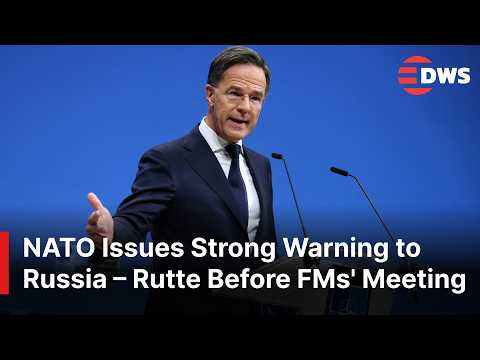
Rutte’s statement was made during a press conference at a NATO foreign ministers’ gathering in Brussels on December 3, 2025. NATO Secretary General Mark Rutte declared that the alliance is “ready and willing to do what it takes to protect our 1 billion people and secure our territory” in response to recent hawkish comments from Vladimir Putin
Key Points of Rutte’s Statement
Defensive Alliance: Rutte emphasized that NATO is a defensive alliance and will remain so.
Deterrence: The statement was a direct message to Putin that the alliance is unified and prepared to defend its member states against any potential aggression or miscalculation.
Response to Putin’s Rhetoric: His comments followed a statement by Putin suggesting Russia did not want war with Europe but was “ready for war”. Rutte also downplayed some of Putin’s remarks, noting he would not react to everything the Russian president said.
Ongoing Support for Ukraine: Rutte stressed the importance of maintaining pressure on Russia and continuing a stable flow of weapons and financial support to Ukraine, making it clear that NATO “is not going anywhere” in its commitment to Ukraine’s defense.
Addressing Risks: He also highlighted the “real and lasting dangers” posed by Russia’s “reckless behavior,” including airspace violations and hybrid attacks, and emphasized the need for unwavering vigilance.
The full transcript of the press conference is available on the official NATO website.
Google Search
google.com/search?q=Rutte


Rutte, Putin, Trump
Recent news headlines are dominated by discussions involving Mark Rutte (NATO Secretary General), Vladimir Putin (Russian President), and Donald Trump (US President), primarily centered on the 

Russia-Ukraine war peace talks. Rutte has stated that Trump is the “only person in the whole world” who can break the deadlock in the conflict. 

Key Developments
  • Rutte Praises Trump’s Role: NATO Secretary General Mark Rutte credited President Trump for initiating a new peace process with Russia, a move he called important. Rutte has been in contact with both Trump and Ukrainian President Volodymyr Zelenskyy regarding a potential peace deal.
  • Peace Talks Stalled: Hopes for a US-brokered peace agreement dimmed after recent talks in Moscow between a US delegation (including Trump’s envoy Steve Witkoff) and Russian officials reportedly failed to reach a full agreement. While some parts of the US plan were reportedly accepted by the Kremlin, others were deemed unacceptable.
  • Putin’s War Warnings: Following the stalled talks, rhetoric escalated. Vladimir Putin stated that Russia is “ready” for war with Europe if necessary, and insisted that Ukraine must cede territory for peace, a condition Ukraine rejects.
  • NATO’s Response: Rutte strongly condemned Putin’s “reckless behavior” and warned that NATO is “ready and willing to do what it takes to protect our 1 billion people and secure our territory”. He emphasized that despite peace efforts, Putin believes he can outlast the West, but NATO is not going anywhere.
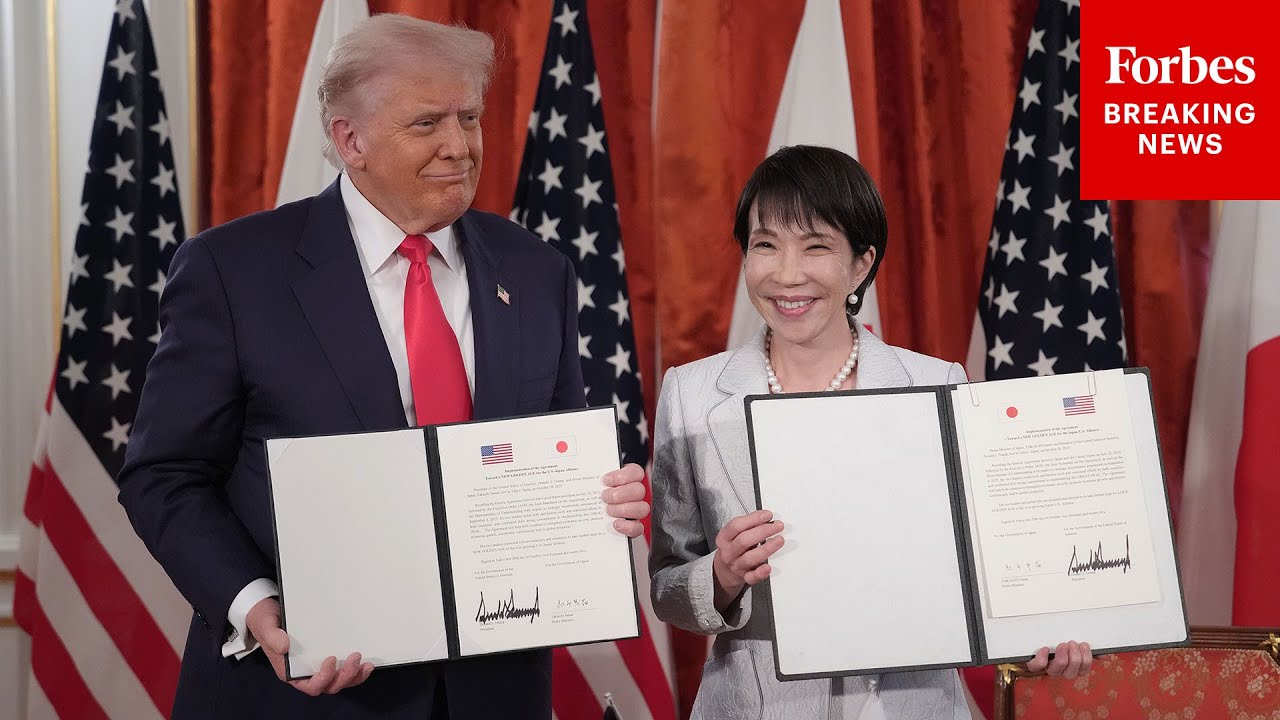
  • Trump’s Position: In a shift from previous positions perceived as being in line with Putin’s demands, Trump has since threatened Russia with steep tariffs if peace isn’t achieved and has moved to provide Ukraine with more weaponry. 
The situation remains highly fluid, with ongoing diplomatic efforts and escalating tensions. 
Rutte responds to Putin
NATO Secretary General Mark Rutte has responded to recent statements by Vladimir Putin by affirming that 

NATO is “ready and willing” to defend its territory and mocking Putin for dressing in military fatigues while not at the actual front lines. 

Rutte’s main points in response to Putin’s recent threats of war in Europe include:
  • NATO’s defensive stance: Rutte emphasized that NATO is a defensive alliance but is fully prepared to take all necessary action to protect its billion citizens and territory if attacked.
  • Criticism of Putin’s attire: Rutte took a dig at Putin for appearing in military clothing, noting he was “dressed like a soldier at the front but not at the front”.
  • Continued support for Ukraine: Rutte stressed the importance of maintaining pressure on Russia and continuing the flow of weapons to ensure Ukraine is in the strongest possible position both on the battlefield and at any future peace talks.
  • Skepticism of Putin’s trustworthiness: Rutte has previously stated that Putin “cannot be trusted” regarding potential peace agreements and that any deal must be structured to ensure Russia faces catastrophic consequences if it attempts future aggression.
  • Acknowledging peace talks: Rutte noted that peace talks led by the U.S. are ongoing, which is a positive sign, but insisted that the alliance must remain vigilant and continue to support Ukraine until a just and lasting peace is achieved. 
These comments were made during a NATO Foreign Ministers gathering in Brussels and other press conferences on December 3-4, 2025, following a period of heightened tensions and a meeting between a US envoy and Russian officials. 


Categories
The News And Times Blog

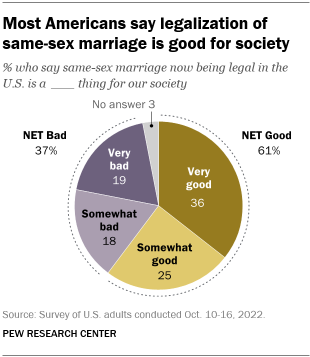
The Supreme Court declined to hear a challenge to the landmark 2015 ruling that legalized same-sex marriage nationwide.


Categories
The News And Times Blog

Brooklyn NY – bklyn-ny.com – The News And Times


Categories
The News And Times Blog

Does the case of Ramiz Mehdiyev qualify for the “High Treason” charges based on his recently published “letter”? In my opinion, it does not. More than that: his outline is the viable alternative for the Aliyev’s plans for the hereditary monarchy, which are all too evident. And it does not contain calls for the violent overthrow of the current government.


#SouthCaucasus
share.google/aimode/m9V4kd1
Does the case of #RamizMehdiyev qualify for the “#HighTreason” charges based on his recently published “letter”?
In my
#opinion, it does not.
More than that: his outline is the viable alternative for the Aliyev’s plans for the hereditary monarchy, which are all too evident. And it does not contain calls for the violent overthrow of the current government.

AI Mode

Does the case of Ramiz Mehdiyev qualify for “High Treason” charges based on his recently published “letter”?

57 minutes ago

Determining if the case of 

Ramiz Mehdiyev qualifies for “High Treason” charges is a complex legal matter, dependent on the specific legal definitions within Azerbaijani law, interpretation of evidence, and due process. According to news reports from October 2025, Azerbaijani state-aligned media outlets accused Mehdiyev of attempting a coup with Russian support, although the basis for these charges has not been independently verified. 

Context of the alleged “letter” and charges
In mid-October 2025, multiple reports emerged from Azerbaijani news sources, citing an unnamed source within the APA news agency, that alleged former presidential chief of staff Ramiz Mehdiyev had planned a coup.
  • The reports claimed that Mehdiyev had shared a plan with Russia to seize power and establish an interim State Council, which he would lead.
  • The Kremlin reportedly refused to support the plan and informed Azerbaijani authorities of Mehdiyev’s activities.
  • Mehdiyev was subsequently dismissed from the Security Council. 
However, the specific “letter” you are asking about has not been publicly detailed in these reports. The accusations are centered on an alleged plot to seize power, not a specific published letter. Some sources suggest the “letter” may refer to publications or articles written by Mehdiyev over the years. These publications, or any recent communications, would be examined in the context of the alleged coup plot to determine their relevance to a high treason charge. 
Azerbaijani law on high treason
Azerbaijan’s Criminal Code, specifically Article 274, defines high treason as a deliberate action by a citizen to harm the country’s sovereignty, territorial integrity, state security, or defense capability. This can include: 
  • Switching to the enemy’s side.
  • Espionage.
  • Distributing state secrets to foreign entities.
  • Assisting foreign states or organizations in hostile activities against Azerbaijan. 
A 2024 amendment strengthened these laws, increasing the maximum sentence to 20 years in prison. Critics have expressed concern that these laws could be used to silence opponents, as exemplified by the prosecution of human rights advocates on politically motivated treason charges in the past. 
Qualification of charges
Whether Mehdiyev’s case qualifies for a high treason charge depends on several key factors:
  • Proof of intent: The prosecution would need to prove that Mehdiyev’s actions were deliberately intended to harm Azerbaijan’s state security or sovereignty.
  • Nature of the actions: The specific actions, whether publishing a document or plotting with a foreign government, must meet the legal criteria outlined in Article 274 of the Criminal Code.
  • Interpretation of the “letter”: If a specific “letter” is used as evidence, the interpretation of its contents and intent would be critical. In the context of the alleged coup plot, it could be interpreted as part of a hostile action or aiding a foreign power.
  • Political context: International observers often note that treason charges in Azerbaijan can be politically motivated. The recent negative media campaign against Mehdiyev following his dismissal and the sensitive nature of the alleged plot suggests a strong political component. 
Ultimately, the official determination of whether the case qualifies as high treason would be made by the Azerbaijani legal system, and potentially be influenced by the ongoing political landscape. 

Articles and Tweets