
“Cooperation with the Turkic states in the field of digital development is progressing successfully. The implementation of the Digital Silk Road project between Europe and Asia is underway,” President of Azerbaijan Ilham Aliyev said during his speech at the informal Summit of the Heads of State of the Organization of Turkic States in Turkistan, Kazakhstan.
Day: May 15, 2026
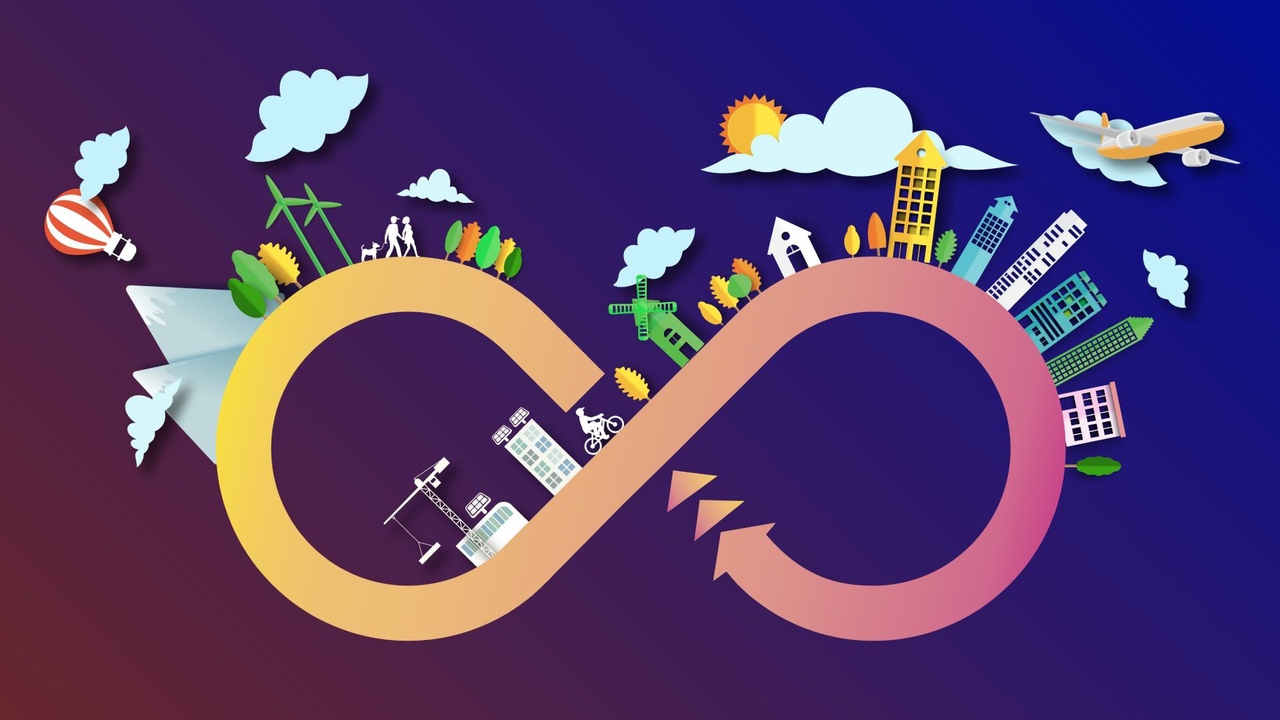
Introducing a circular economy in Armenia
In recent years, Armenia has taken active steps towards transitioning to a circular economy. Its goals are primarily environmental, although the model also promises economic benefits.
A circular economy replaces the “use and throw away” approach with the idea of “use for as long as possible and give a new life”. The model could help Armenia:
- reduce environmental harm,
- improve the efficiency of resource use,
- create new economic opportunities,
- strengthen the country’s competitiveness in the context of the green transition.
The “green transition” refers to a global strategy aimed at building a sustainable, environmentally friendly economy with low carbon emissions. Its main goal is to limit climate change, reduce CO₂ emissions and prevent environmental degradation through green technologies, renewable energy sources and greater energy efficiency.
In Armenia, the green transition follows EU standards.
In simple terms, a circular economy is a system in which used resources become useful again instead of turning into waste. Materials and products that may seem no longer needed gain a second life.
Various grant programmes, funded mainly by the EU, aim to help Armenia create conditions in which goods and services stay in circulation for as long as possible. The goal is to produce less waste and reduce the use of new resources.
These projects bring together government institutions, NGOs, businesses and organisations working in economic development.
Armenia has limited natural resources and relies heavily on imported raw materials. As a result, a circular approach could help reduce dependence on resources and strengthen the economy’s resilience.
At present, most attention centres on local small and medium-sized enterprises. Experts believe these businesses have strong potential to move towards a circular model.
- Restaurant boom in Armenia: business responds to rising demand
- “Armenia can repeat the success of Singapore” – Russian entrepreneurs continue to flock to Yerevan
- ‘Modernisation is essential for progress’: Economist’s proposals to Armenian authorities
- Armenia: Three women saving their businesses from coronavirus
A successful business story
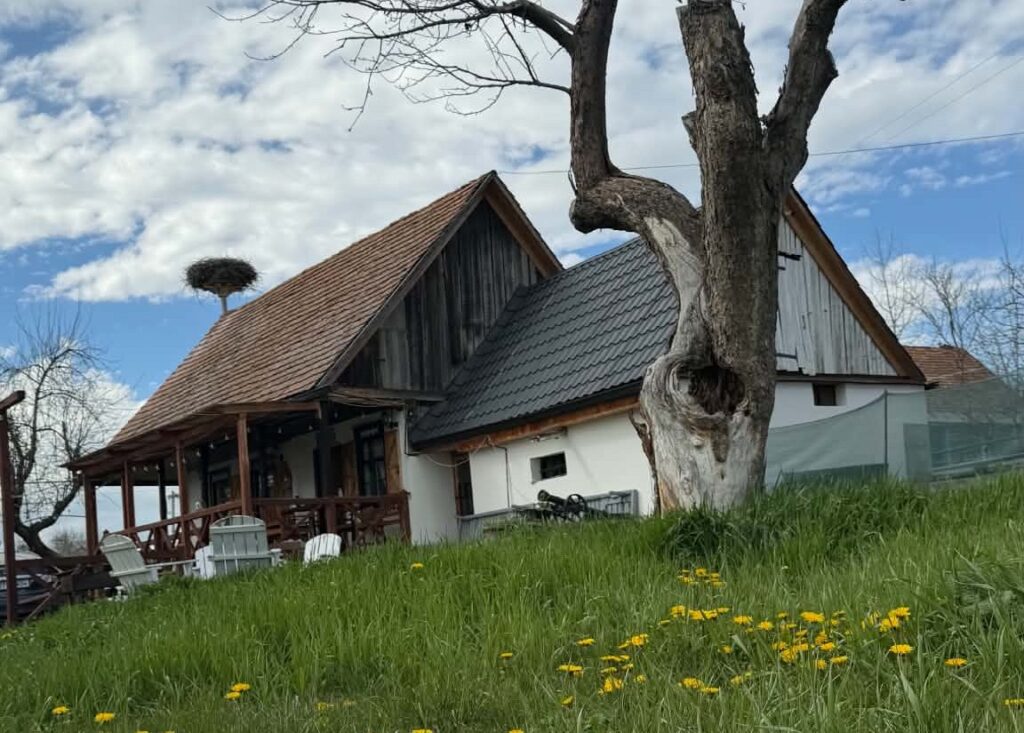
Alvina Pirumyan’s guesthouse in Vayots Dzor Province has become well known. Visitors value not only the hosts’ hospitality, but also the business model behind it.
Pirumyan says she has followed the principles of a circular economy since launching the business. It all began when she decided to give a second life to a small rural house inherited from her parents.
As a biology teacher, she believes people should treat resources with care, use them efficiently and avoid harming the environment.
“Many years ago, long before I imagined leaving school and starting a business, I attended a training session. They explained that when creating a business, financial resources matter less than making thoughtful use of what you already have. That idea stayed with me for many years,” she says.
Savings of just one million drams ($2,700), together with an old but well-equipped house inherited from her parents, made her think about ways to earn a higher income.
“My husband and daughter strongly supported me when I decided to start a business. Each of them took on a specific role. My husband cleared out all the old items from the basement and attic and began giving them a second life. My daughter applied for small grants. Thanks to those, we bought a high-capacity water heater, a freezer and created a small greenhouse.”
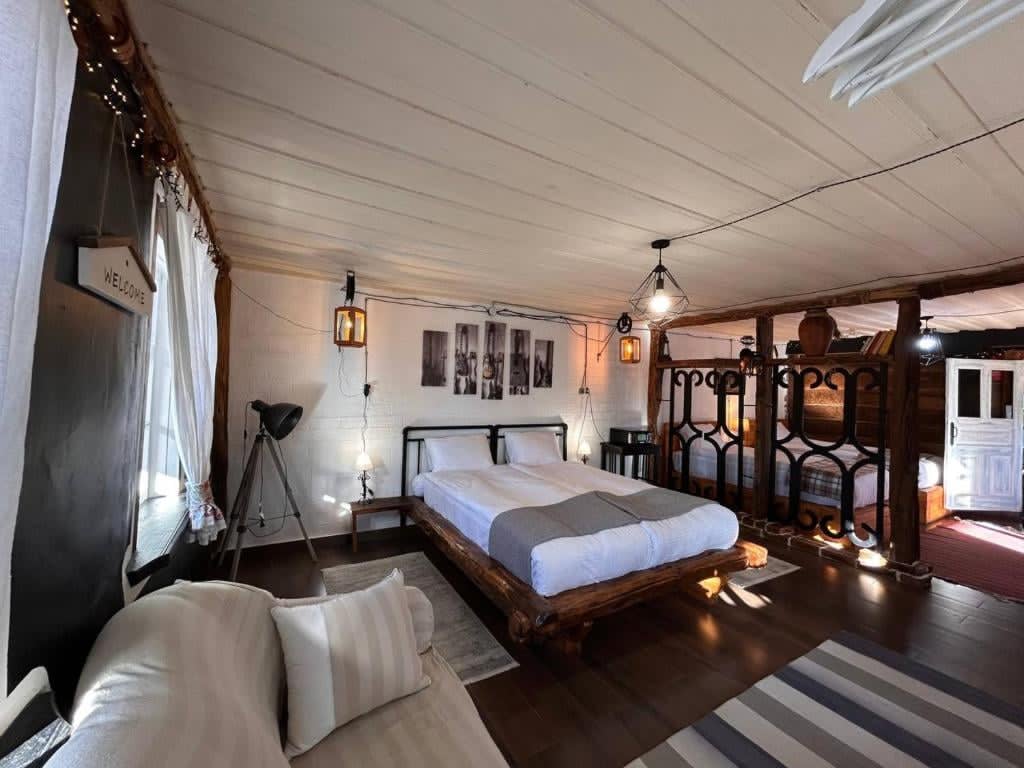
According to Alvina, over the past seven years their guesthouse has grown into a profitable business. She can now host up to ten guests at a time, offer locally produced food and organise agritourism experiences.
“We added another 500 square metres of land to the 1,000 square metres around the house. We created a plot where we grow fruit trees, cucumbers, tomatoes, peppers and beans. Foreign visitors are very interested in how we grow, harvest and use all of this,” Alvina says.
She explains that they bought only bed linen and two frying pans for the guesthouse. Everything else already came with her father’s house: dishes, tablecloths, jugs, a record player, lampshades and a library of old books.
“Our guests are impressed by the atmosphere. It is an unusual experience for them. They enjoy the old but well-preserved interior. Tourists also really like the fruit and vegetables grown on our land.
They see how we irrigate the soil using recycled household water. That is one example of the circular approach people talk about so much today.”
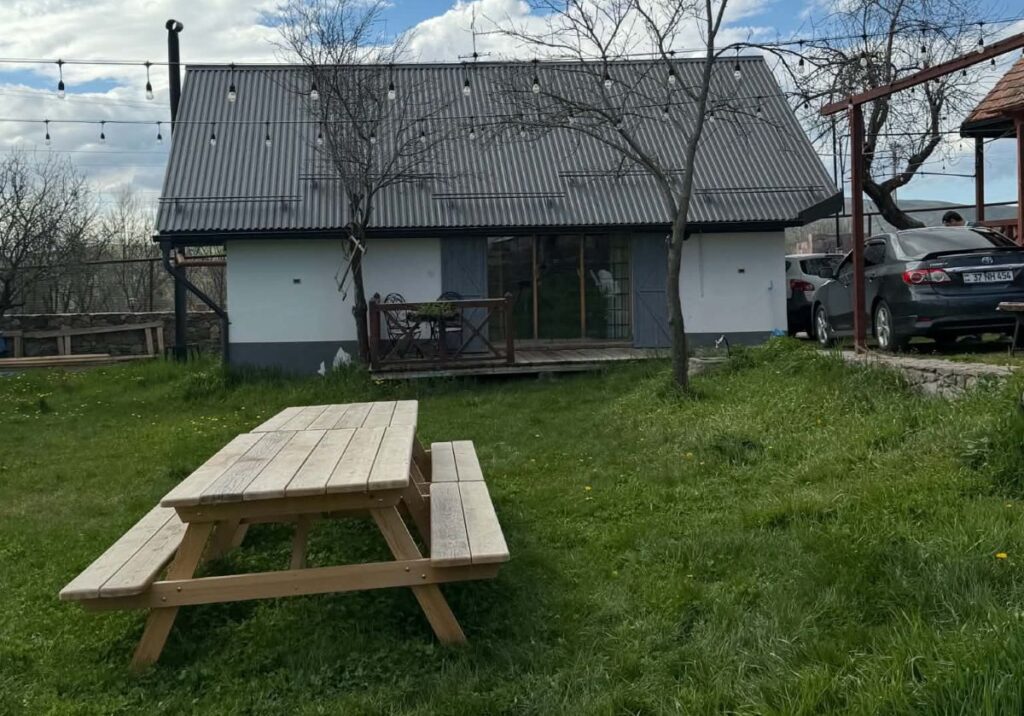
Environmental challenges drive the shift towards a green economy
Yervand Mnoyan carried out his first study on introducing a circular economy in Armenia eight years ago. He now works with international organisations as an independent consultant, assessing opportunities and prospects linked to the green transition in developing countries.
He says Armenia has enormous untapped potential compared with many other countries:
“The problem in our country is not resources or resource management. The main issue is limited awareness and a lack of institutional capacity. However, in recent years we have seen noticeable changes under the Comprehensive and Enhanced Partnership Agreement between Armenia and the EU. Those changes include progress towards the green transition and the circular economy.”
According to Mnoyan, attention now focuses more on assessing Armenia’s opportunities and long-term potential. He expects many pilot programmes to emerge across different sectors.
“Small and medium-sized businesses have the greatest potential. These programmes started with them. Large companies can, to some extent, introduce innovative approaches into their operations. They can reduce energy and water consumption and return some waste into circulation through recycling.
Small and medium-sized businesses have limited financial resources. International experience could therefore prove especially valuable for them.”
The expert believes Armenian entrepreneurs, like the wider public, currently need greater knowledge about applying circular economy principles. He points to fashion, tourism and the food industry as examples.
“I have seen old items gain a second life in the fashion industry in European countries. But that requires knowledge, technological solutions and access to markets.
“I think we need to talk about change through real examples of success. I am confident Armenia is ready for such a green transition.”
He says waste management and waste sorting are not abstract ideas. In his view, they give old products a second life, expand the ways they can be used and reduce the environmental damage caused by excessive production.

One of the ongoing programmes
The regional EU4Green Recovery East programme runs across Eastern Partnership countries with financial support from the EU. The initiative aims to improve economic efficiency and environmental sustainability by promoting circular economy approaches.
As part of the project, United Nations Industrial Development Organization (UNIDO) supports solutions in Armenia that encourage efficient use of resources, reduce waste and increase opportunities to reuse materials in production processes. The programme focuses especially on sectors where circular approaches could have the greatest impact.
An important part of this work involves developing systems to manage industrial waste. Specialists are also carrying out industrial waste mapping. This will help identify what types of waste different regions of the country produce, in what quantities and how those materials could serve as new resources.
Introducing a circular economy in Armenia
The Opposition Alliance of nine parties named six conditions it believes are necessary to ensure free and fair elections in Georgia.
Speaking at the May 15 briefing, Tengo Tevzadze of the Ahali party said the “main goal” of the Opposition Alliance is to replace the ruling Georgian Dream government, stressing that “fair and equal elections” are the “key instrument” to achieve this goal. He noted, however, that “before speaking about free and fair elections,” it is necessary to “release political prisoners,” “end politically motivated criminal cases,” and “abolish repressive laws” that, he said have affected democratic institutions, including critical media, political parties, and civil society groups.
The Alliance representatives then outlined six conditions:
First, “The election administration must be changed and become fully based on a parity principle. Based on the parties that passed the threshold in the 2020 and 2024 elections, it should be composed with one representatieve each. All subsequent commissions should be formed by the new commission using this principle.” The alliance said they do not consider the 2024 parliamentary elections legitimate, but are using “the threshold-passing principle” as the basis for the calculation.
Second, “Emigrants should be restored the right to vote” and polling stations abroad should be opened “adequately” in line with the number of emigrants. The demand comes in the context of Georgian Dream’s move last December to end voting for Georgians abroad, as well as concerns related to the 2024 parliamentary elections, in which critics said many Georgian emigrants living far from capitals or major cities were unable to cast their ballots due to the absence of nearby polling stations.
Third, “Alongside a trusted [election] commission, reliable technologies are also important. For this, we consider it necessary to make the voter verification process stricter, therefore facial recognition devices should be set up.”
Fourth, “It is also important to invite a reputable international auditing company to conduct audits and inspections of the electoral process, including both the equipment and election-day procedures.”
Fifth, “The [voters’] lists should be opened and it should become possible to make voter participation public.”
Sixth, “Electoral disputes should be reviewed by specially created court panels, formed on the basis of a common agreement.”
“It is precisely upon the fulfillment of these six principles and demands that we, the Opposition Alliance, can consider that elections held even to a minimum standard to carry legitimacy that will not be called into question.”
The setting of the conditions by the Opposition Alliance comes amid speculation that Georgian Dream may call snap elections. The ruling party, however, maintains that parliamentary elections will be held as scheduled in 2028.
Shortly after the briefing, a journalist from pro-government TV Imedi asked Georgian Dream Prime Minister Irakli Kobakhidze how “relevant” he considered the Alliance’s conditions. Kobakhidze responded that parliamentary elections will be held in 2028 “under the legislation currently in force.”
“We give everyone this assurance. The current legislation is fully in compliance with international standards and, accordingly, we will conduct the elections under this legislation,” Kobakhidze said.
The opposition alliance was formed on March 2, when nine parties signed a coordination document pledging to work together to “save national independence and statehood,” amid a protracted political crisis marked by the ruling Georgian Dream party’s crackdown on dissent and ongoing anti-government protests. While some critics speculate that Georgian Dream may be preparing for snap elections, the opposition’s plans to participate remain uncertain.
Also Read: