
According to new estimates by ING Group, inflation in Azerbaijan is expected to reach 5.4% in 2026 and 5.2% in 2027, reflecting a slight upward revision in the bank’s outlook for the country’s consumer price growth, AzerNEWS reports. ING Group noted that inflation in Azerbaijan is projected to stand at…
Day: May 15, 2026
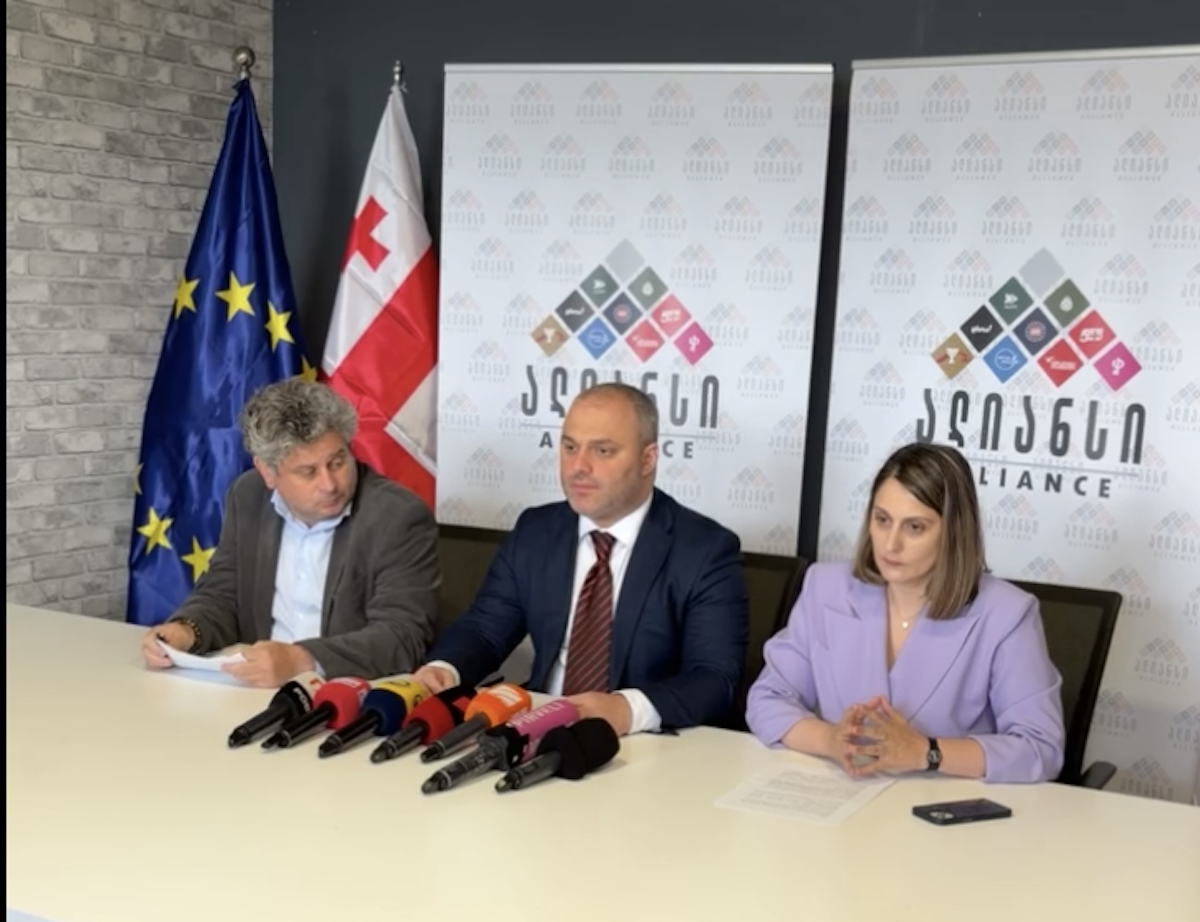
Georgia’s opposition on new elections
Georgia’s opposition alliance has set out six conditions that it says must be met to ensure free and fair elections in the country.
According to the alliance, fulfilling these demands would restore public trust in the electoral process and ultimately lead to a change in Bidzina Ivanishvili’s rule.
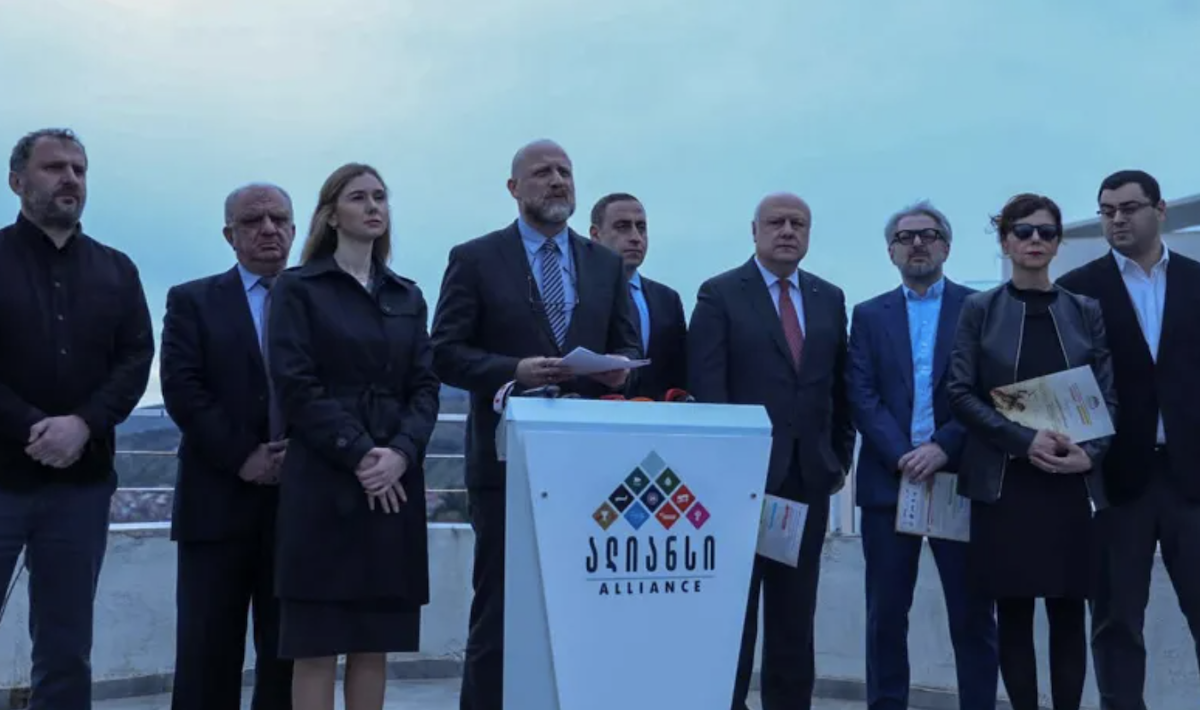
The demands are as follows:
- Changing the system for forming the election commission so that it is based entirely on parity. Representatives should come from parties that passed the electoral threshold in the 2020 and 2024 elections, while future commissions should follow the same principle. The alliance stressed that it does not recognise the legitimacy of the 2024 election, but still takes into account the results of parties that crossed the threshold;
- Restoring full voting rights for Georgian citizens living abroad and making it easier for them to participate in elections;
- Improving voter verification procedures and introducing facial recognition technology. Inviting a trusted international auditing company to examine both the electoral process and the equipment used;
- Introducing open voter lists and allowing the publication of data on electoral participation;
- Creating special commissions within the courts to resolve election-related disputes. The composition of these commissions should be formed through mutual agreement between the parties involved;
- Repealing all legislative amendments adopted by the ruling Georgian Dream party after the parliamentary elections of 26 October 2024.

“Only if these six principles and demands are met can we, as an opposition alliance, expect the legitimacy of elections — even if they meet minimum standards — not to be called into question.
“The 2024 election results were distorted due to serious violations of the electoral process and widespread manipulation, which in turn triggered a political crisis. To bring this crisis to an end and hold elections in a normal, fair and free environment, these six conditions must be fulfilled. They would restore trust in the electoral process and ultimately lead to a change in Bidzina Ivanishvili’s rule,” the opposition alliance said in a statement.
The alliance also used the briefing to once again urge the public to take part in a rally scheduled for 26 May 2026 on Rustaveli Avenue in Tbilisi.
Georgia’s opposition on new elections
Spanish police, in cooperation with the Georgian police attaché, have arrested 13 members of a criminal group involved in 27 apartment burglaries across Spain.
According to the two countries’ law enforcement agencies, the group consisted of two branches: members of “Georgian origin,” who carried out the burglaries, and a Spanish branch that laundered and disposed of the stolen goods through two legitimate businesses in Valencia and Madrid.
Georgia’s Interior Ministry said the operation was named “CACHABA,” which followed a year of coordination between the two countries’ law enforcement agencies and involved simultaneous raids in nine locations across Spain, including Madrid, Valencia, Guadalajara, and Alicante
Spain’s Interior Ministry said the crimes included membership in a criminal organization, property crimes, document forgery, handling stolen goods, and resisting and disobeying authorities. It added that nine of the 13 arrested are already in custody, and face up to eight years in prison.
Investigators seized jewelry, luxury watches, gold ingots, cash, and burglary tools.
Also Read:
- 05/04/2019 – Spain Detains 25 Georgian Organized Crime Suspects
- 05/07/2018 – Georgia Helps Spain Round Up Criminal Gang
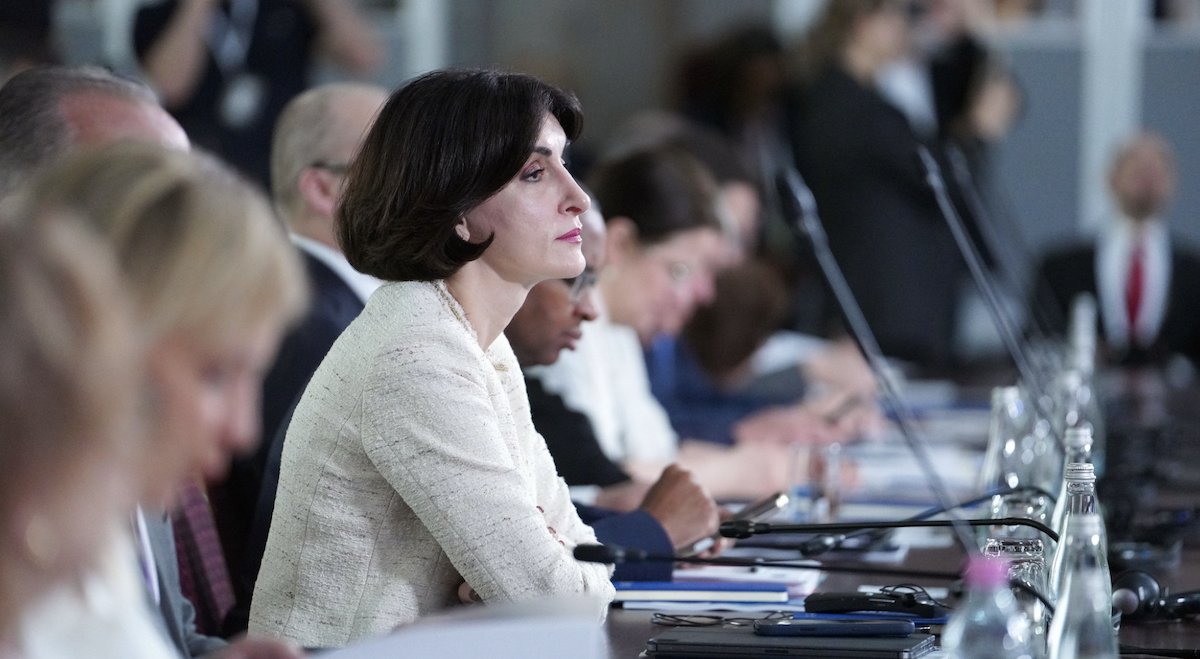
Georgia’s foreign ministry at the Council of Europe
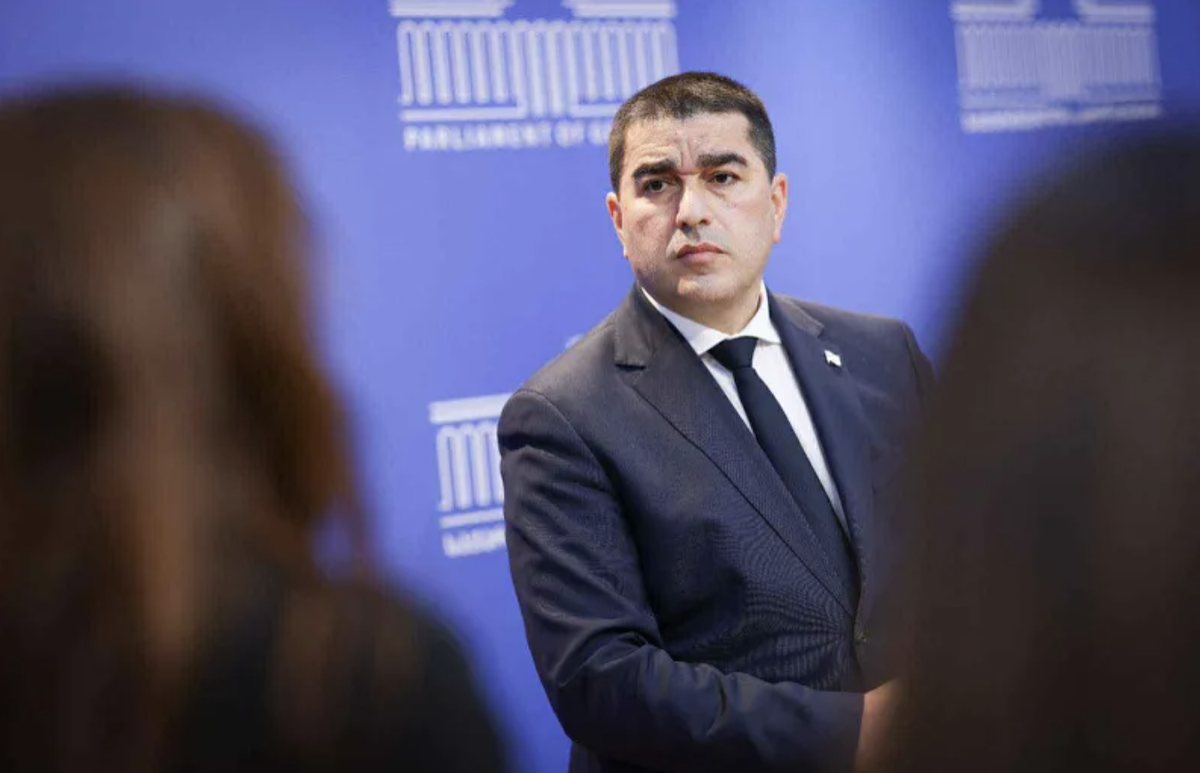
Speaking at the 135th session of the Council of Europe’s Committee of Ministers, Maka Botchorishvili, a member of the ruling Georgian Dream party, described a new agreement signed between Russia and the Russian-occupied Tskhinvali region as another step towards the annexation of Georgian territories.
At the same time, she accused Western partners of applying double standards over measures taken against pro-government media outlets.
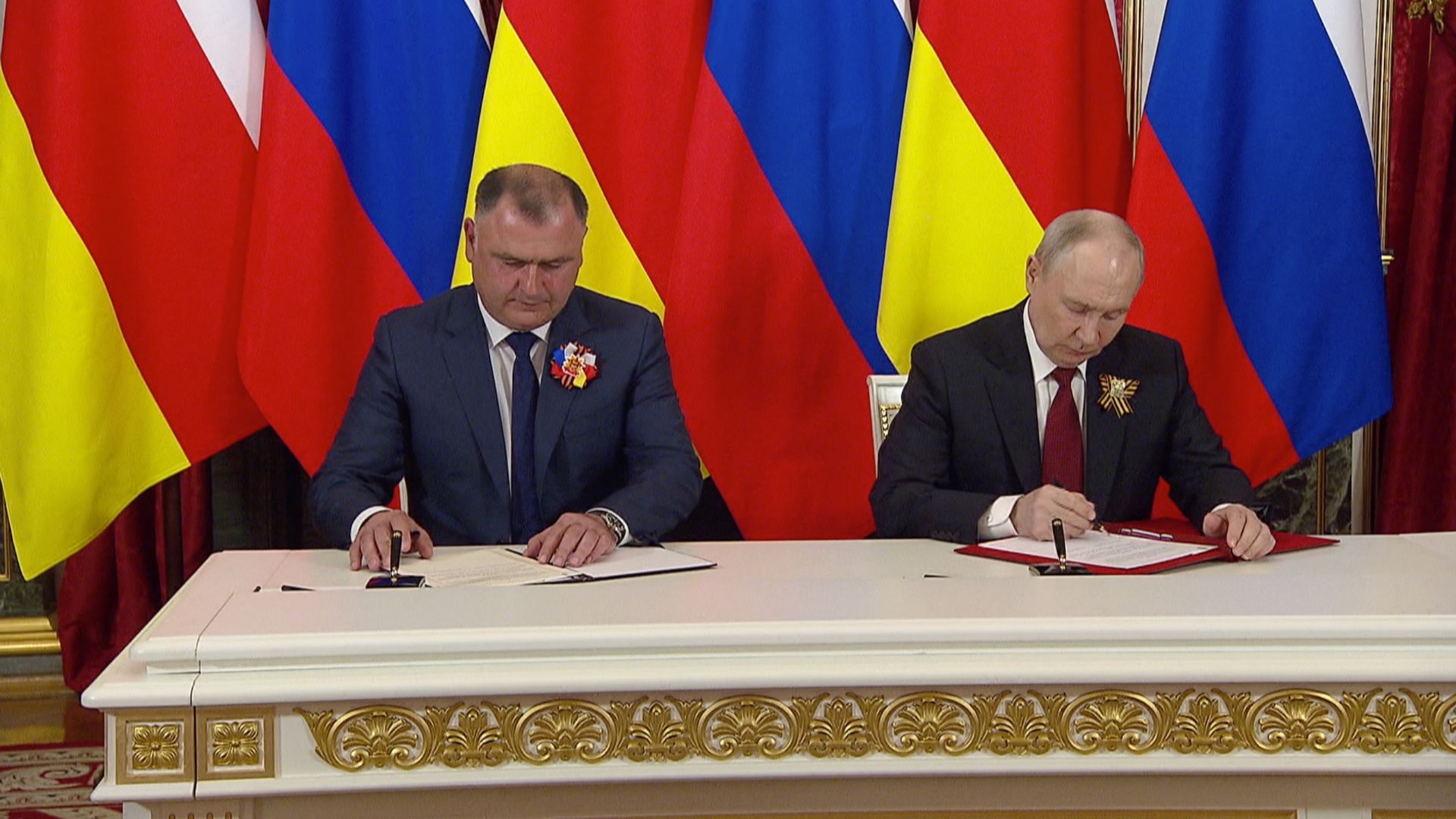
On the new agreement with Tskhinvali
According to Maka Botchorishvili, the so-called “Agreement on Deepening Allied Cooperation between the Russian Federation and the Republic of South Ossetia”, signed in Moscow and Tskhinvali on 9 May 2026, further demonstrates that Russia is ignoring its international obligations and seeking to integrate Georgia’s occupied regions more deeply into its political and military space.
The minister said a number of international legal bodies, including the European Court of Human Rights, had already confirmed Russia’s responsibility for the occupation and serious human rights violations. Despite this, she said, Moscow continued to take steps against Georgia’s territorial integrity.
Botchorishvili also linked her remarks to the ongoing war in Ukraine, arguing that European security is impossible if international law applies “selectively” and occupation gradually becomes “the new normal”.
“We know the cost of war all too well and understand that peace is not simply the absence of military escalation; it is a responsibility towards our own society, our region and our shared European future,” Botchorishvili said.
On the West’s “double standards”
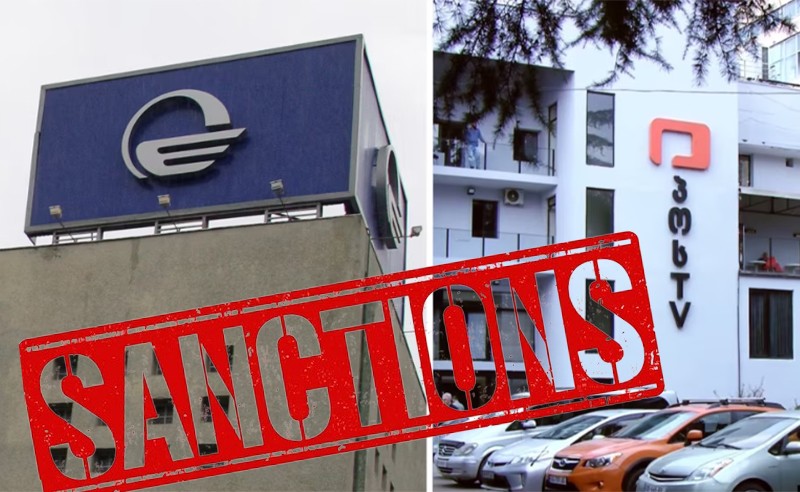
The minister’s speech did not focus solely on criticism of Russian policy. She also highlighted a decision by the Moldovan government to bar journalists from Georgian pro-government broadcasters Imedi TV, Rustavi 2 and PosTV from entering the country and working there as journalists.
Maka Botchorishvili described the decision as a “selective interpretation” of press freedom. She argued that statements by European institutions about democratic values contradicted the approach they had taken towards Georgia’s current government.
She called claims about democratic decline in Georgia “hypocritical”, as well as support for political groups that do not recognise the results of the country’s parliamentary elections.
In the same context, the minister criticised Western partners’ approach to the Georgian government, saying declarations of “support for the Georgian people” were incompatible with what she described as a deliberate distancing from a government elected by those same people.
Georgia’s foreign ministry at the Council of Europe