Categories
South Caucasus News

Ursula von der Leyen visits Azerbaijan: energy security, regional peace and values-versus-interests dilemma


Ursula von der Leyen's visit to Azerbaijan

Ursula von der Leyen’s visit to Azerbaijan

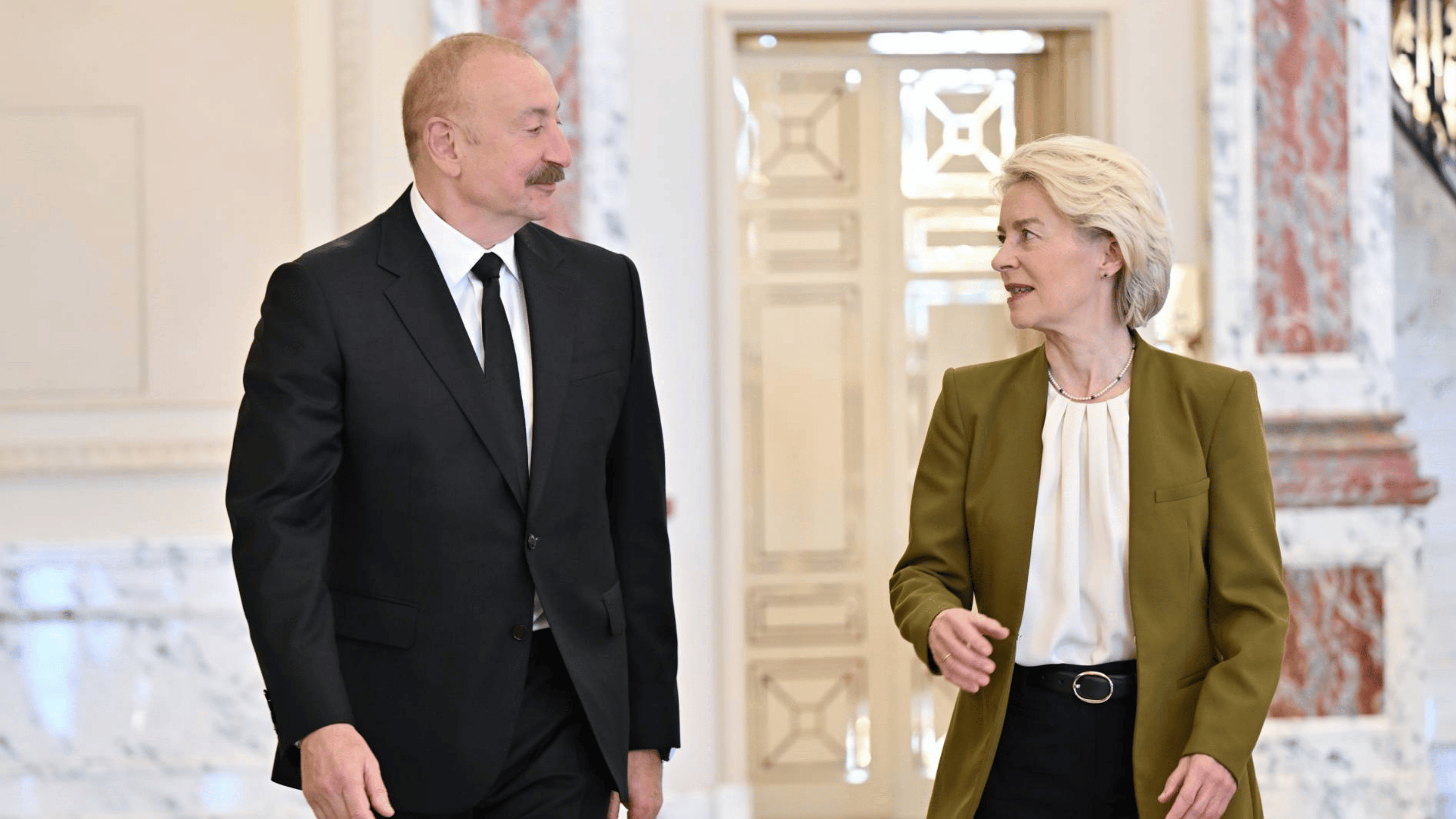
European Commission President Ursula von der Leyen has visited Baku for a working visit. Analysts say the trip could help advance the South Caucasus peace process, diversify Europe’s energy supplies and strengthen economic ties.

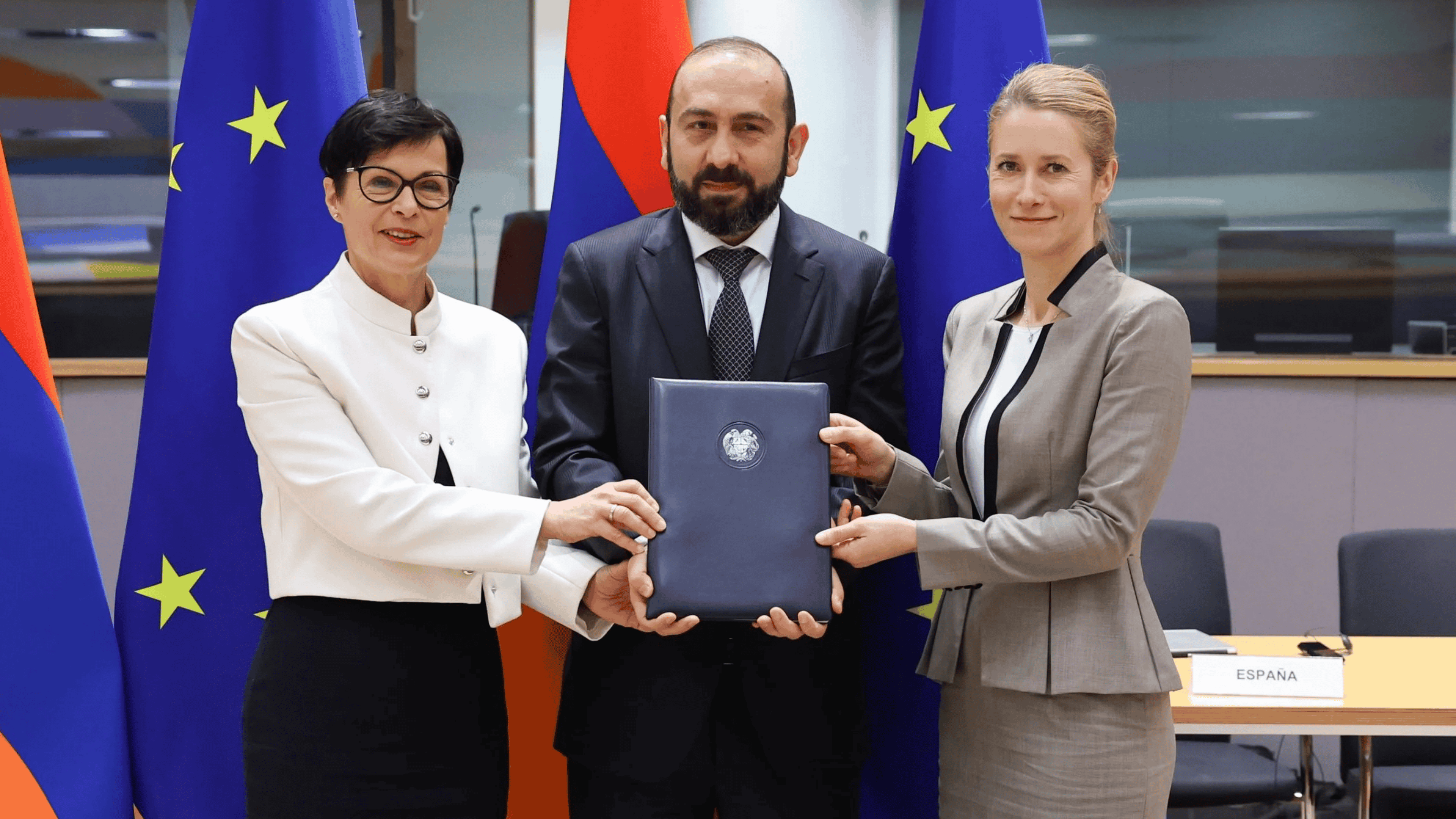
The visit is von der Leyen’s first to Baku since 2022. It also forms part of her South Caucasus tour with EU Commissioner for Enlargement Marta Kos, who will continue to Armenia on 2 July.

The visit has also revived debate over the potential to deepen the EU’s strategic partnership with Azerbaijan and how to balance human rights concerns with economic interests.
Meeting, statements and key issues

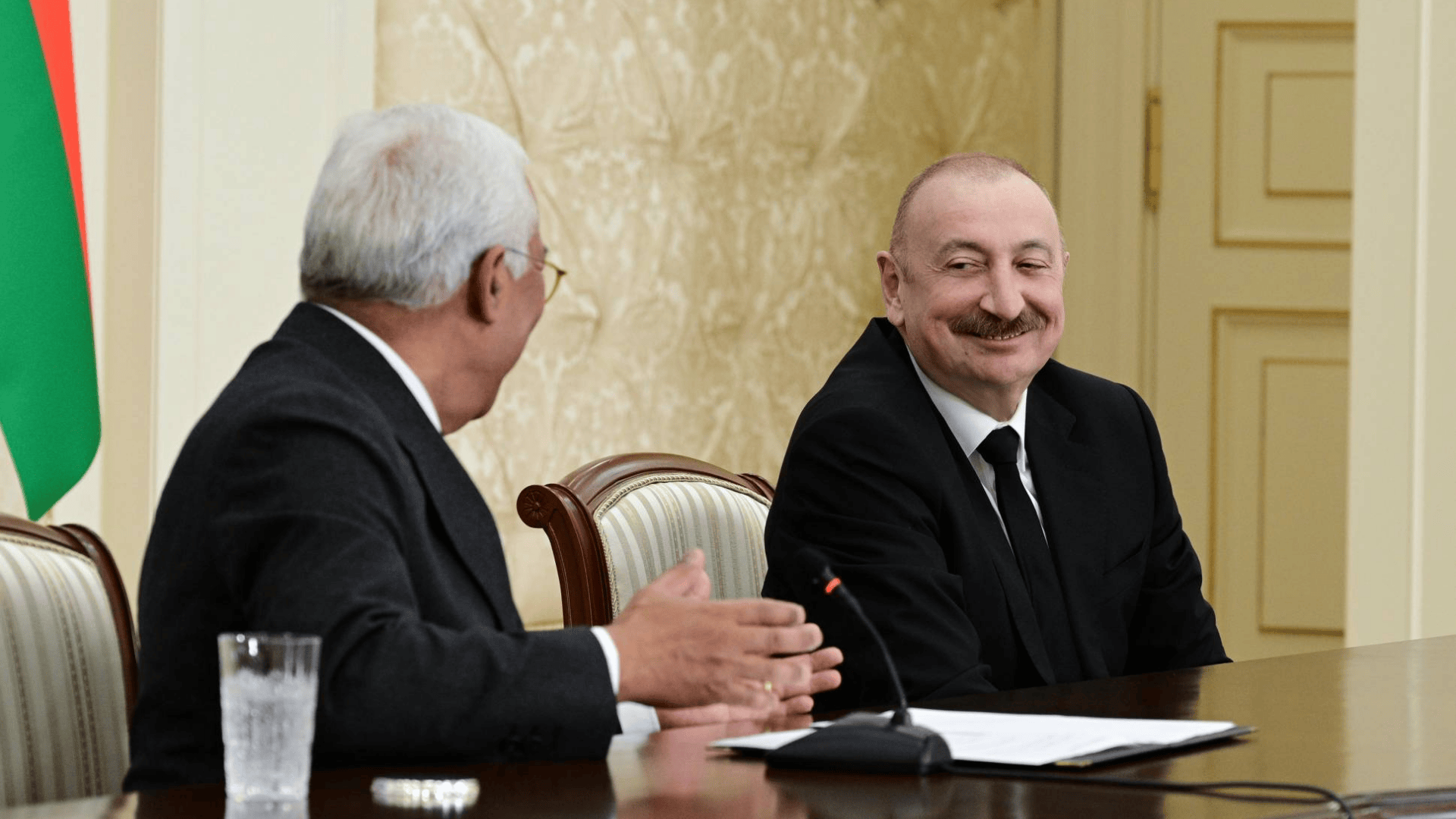
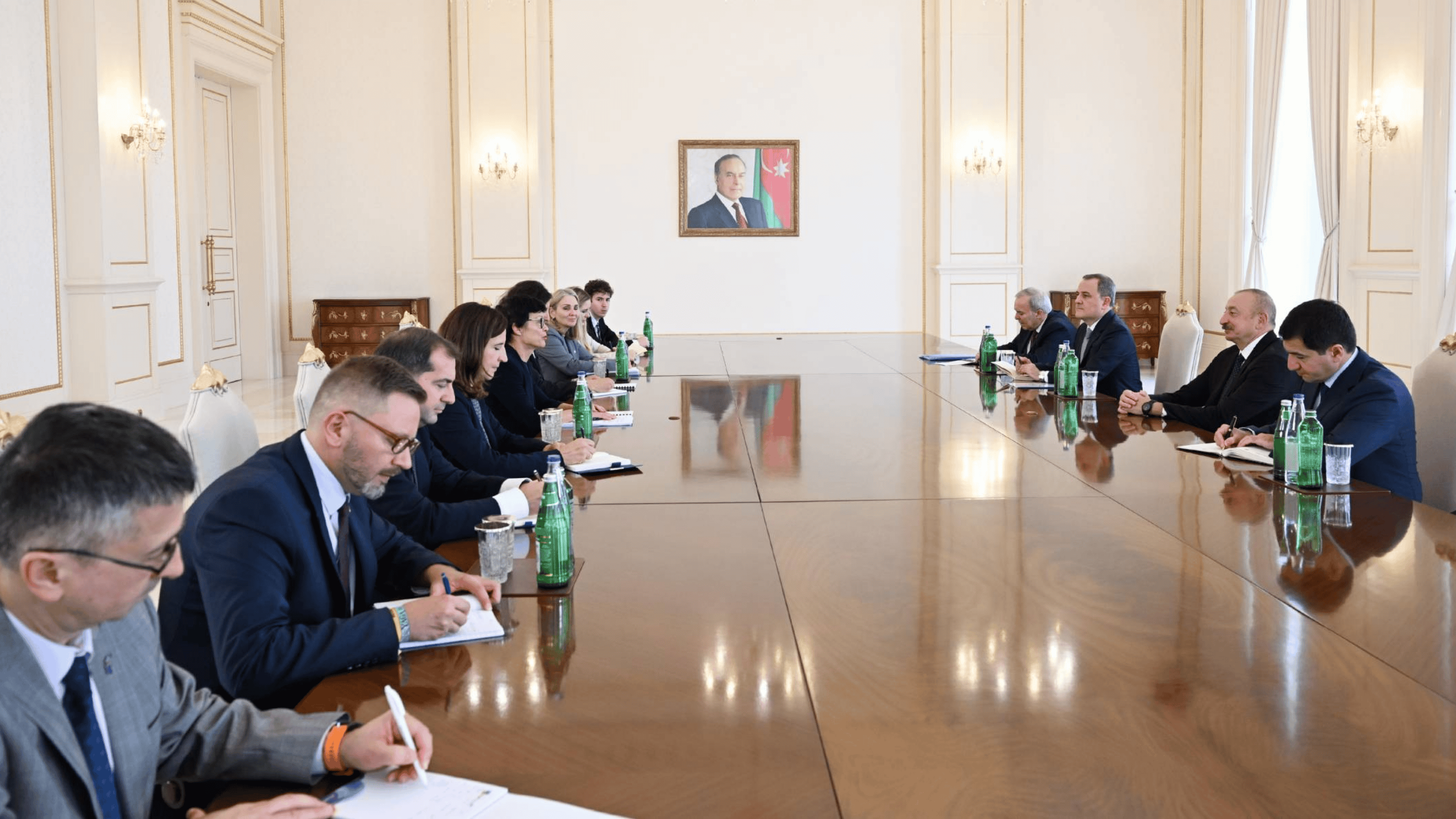
The meeting took place in an expanded format. The two sides focused on bilateral trade and economic cooperation, energy supplies, transport, digital and energy connectivity, renewable energy and regional security. They noted that the European Union remains Azerbaijan’s largest trading partner, accounting for more than 40% of the country’s foreign trade. Azerbaijan, in turn, is the EU’s leading partner in the South Caucasus.

On energy, the sides highlighted the importance of the Southern Gas Corridor and the 2022 Memorandum of Understanding on a Strategic Partnership in the Field of Energy. They said Azerbaijani gas exports to the EU had increased by 65%. Discussions on connectivity covered transport, digital and energy infrastructure. Azerbaijan also outlined plans to develop 8GW of solar and wind power capacity over the next five to six years. The sides discussed the Green Energy Corridor project, offshore wind development in the Caspian Sea and a planned electricity cable to Armenia.

Regional security and the normalisation of relations between Azerbaijan and Armenia were among the key topics. The sides highlighted several practical steps, including the joint declaration signed in Washington in August 2025, the initialled peace agreement, Azerbaijan’s lifting of transit restrictions and fuel supplies to Armenia.

Ursula von der Leyen said Azerbaijan had provided significant support to Europe when Russia used energy as a tool of political pressure. She said the EU had not forgotten that support and described the Southern Gas Corridor as one of the bloc’s key energy security success stories. Von der Leyen thanked Azerbaijan for its role.

She also congratulated President Ilham Aliyev, saying he had shown “personal leadership” in advancing peace and cooperation in the region. She stressed the need to turn the peace agreements “from a document into reality” by strengthening regional connectivity.

Aliyev, for his part, said relations with the EU had entered “an unprecedented phase of dynamism and activity”. He highlighted cooperation in trade, energy, connectivity and renewable energy. He also pointed to recent progress in the peace process, saying that “peace has already become a tangible reality de facto”.
Announced initiatives and prospects for cooperation

Von der Leyen proposed establishing an EU-Azerbaijan Connectivity Partnership, launching a High-Level Connectivity Dialogue and holding a Regional Connectivity Investment Conference in Baku.

Under the EU’s Global Gateway initiative for the South Caucasus, she announced a €200m grant package that could help mobilise up to €2bn in investment. The projects include a railway link to Nakhchivan and the expansion of the Port of Baku. She also unveiled a new €20m programme to support peacebuilding. It will fund healthcare in border areas, mine clearance, agriculture, water management, precision farming and support for small and medium-sized businesses.

These initiatives could increase EU investment in the region, promote stability and strengthen Azerbaijan’s role as a regional transport and energy hub. Their success, however, will depend on political will and the depth of future cooperation.

The visit opens new economic opportunities while also testing the EU’s ability to balance its strategic interests with its commitment to democratic values and human rights.
How does the EU view the South Caucasus? Commentary from a state newspaper

Shabnam Zeynalova, a political analyst with the state-owned newspaper Khalg Gazeti, argues that Ursula von der Leyen’s visit to Baku reflects a strategic shift in the European Union’s approach to the South Caucasus. In her view, Brussels no longer sees the region primarily through the lens of conflict resolution and normative policy. Instead, it increasingly regards the South Caucasus as a strategic platform linking Eurasia through energy, transport and trade.

Zeynalova places this shift in a historical context. She writes that when the Russian Empire established control over the South Caucasus in the 19th century, the region became one of the main arenas of international geopolitical rivalry. At that time, the “Great Game” between Britain and Russia centred on access to India. Today, she argues, states compete through economic projects rather than military power, using railways, energy pipelines and transport corridors to expand their influence.

According to the analyst, the EU now sees the South Caucasus less as a potential conflict zone and more as a strategic hub in Eurasia’s changing economic landscape. She argues that Russia’s full-scale invasion of Ukraine made the Northern Corridor more risky. As a result, the route through the Caspian Sea, Azerbaijan, Georgia and Turkey has become one of Europe’s most viable alternatives. Zeynalova says Azerbaijan entered this period with much of the necessary infrastructure already in place, including the Baku-Tbilisi-Ceyhan oil pipeline, the Southern Gas Corridor, the Baku-Tbilisi-Kars railway and the Trans-Caspian International Transport Route.

She also identifies support for the normalisation of relations between Baku and Yerevan as another key objective of the visit. In her view, the EU believes regional stability is essential for the Middle Corridor to function effectively and attract investment. She argues that this approach reflects the historical experience of European integration, which links economic interdependence with a lower risk of conflict.

Zeynalova concludes that von der Leyen’s visit to Baku was no coincidence. She argues that it reflects a recurring historical pattern: whenever Eurasia’s transport routes are reshaped, the South Caucasus returns to the centre of great-power politics. Geography, she writes, continues to shape strategic interests, even as the tools used to pursue them evolve.
Political prisoners’ appeal highlights tension between values and interests

Days before the visit, imprisoned journalists and activists sent an open letter to Ursula von der Leyen. Among the signatories were seven journalists convicted in the Abzas Media case: Ulvi Hasanli, Sevinc Vagifgizi, Hafiz Babali, Nargiz Absalamova, Elnara Gasimova, Mahammad Kekalov and Farid Mehralizada. Authorities arrested them in November 2023 and later sentenced them to lengthy prison terms on smuggling charges.

In the letter, they urged von der Leyen to raise human rights concerns not only behind closed doors but also publicly. They called on her to demand the release of political prisoners, press Azerbaijan to fulfil its international human rights obligations and “not sacrifice values for economic interests”.

The signatories said the authorities were “systematically silencing critical voices” and criticised what they described as Europe’s silence over the wave of arrests. Other imprisoned activists and political exiles issued similar appeals.

The letter highlights the tension between the EU’s values-based foreign policy and its practical cooperation with Azerbaijan. It also reinforces calls to ensure that the visit’s energy and economic agenda does not overshadow human rights concerns.


Categories
South Caucasus News

Michael Novakhov: #SouthCaucasus Algorithm of development: #Azerbaijan sets course for #AI – Overview by Khazar Akhundov


#SouthCaucasus
Algorithm of development:  #Azerbaijan sets course for  #AI – Overview by Khazar Akhundov  https://t.co/aTn934DFeF

Categories
South Caucasus News

Iran threatens ‘decisive response’ to ships violating Hormuz navigation rules


Iran has warned that all oil tankers transiting the Strait of Hormuz must follow navigation routes approved by Tehran or risk facing a “decisive response” from the country’s armed forces, AzerNEWS reports.

Categories
South Caucasus News

Georgia expresses concern over agreement between Russia and Tskhinvali


Georgia protests Russia-Tskhinvali agreement

Georgia protests Russia-Tskhinvali agreement

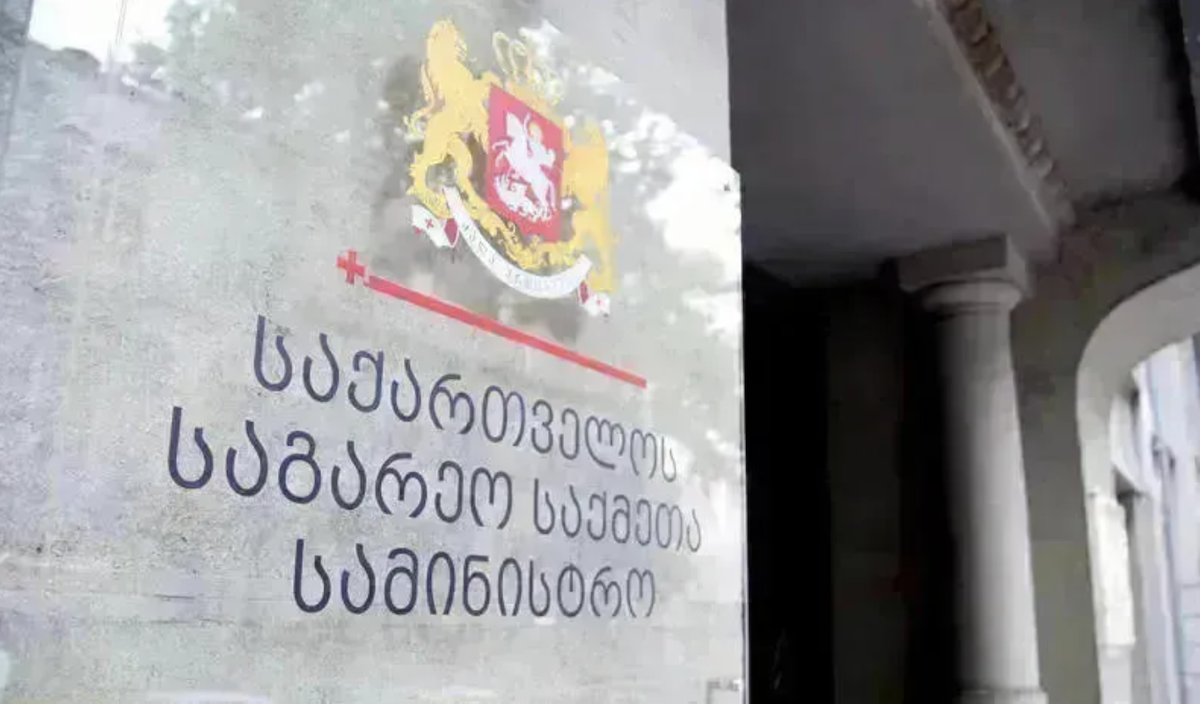
Georgia‘s Foreign Ministry issued a strongly worded statement on 2 July following the 67th round of the Geneva International Discussions.

The Geneva International Discussions were established after the August 2008 war. The talks take place regularly under the co-chairmanship of the European Union, the United Nations and the Organization for Security and Co-operation in Europe (OSCE). Representatives of Georgia, Russia and the United States attend, alongside representatives of the self-proclaimed authorities in Tskhinvali (South Ossetia) and Abkhazia. The discussions usually take place in two working groups. One focuses on peace and security, while the other addresses humanitarian issues. Georgia, the United Nations and most countries consider Abkhazia and South Ossetia to be Georgian territories under Russian occupation.

According to Georgia’s Foreign Ministry, “the Georgian delegation strongly criticised the agreement signed in May 2026 between Russia and the Tskhinvali occupation regime, which provides for deeper allied cooperation between the two sides”.

The Georgian delegation, led by Deputy Foreign Minister Lasha Darsalia, told the talks that the agreement violated international law, had no legal force and undermined efforts to maintain a constructive dialogue.

The ministry said Tbilisi also expressed concern over the rapid implementation of the agreement.

After the 67th round of the Geneva talks, Russia‘s Foreign Ministry said Moscow remained committed to the negotiating format and again called for “a legally binding non-use of force agreement” between Georgia, Abkhazia and South Ossetia.

During the talks on 30 June and 1 July, the Georgian delegation again raised the issue of Russia’s compliance with its commitments under the 12 August 2008 ceasefire agreement.

According to the Foreign Ministry, the delegation highlighted Russia’s military presence, security concerns, the humanitarian situation and human rights issues in Abkhazia and the Tskhinvali region.

Tbilisi also reiterated its demand for the safe and dignified return of internally displaced people and refugees to the occupied territories. The issue remains one of the central items on the agenda of the Geneva International Discussions.

The ministry said the Georgian delegation also called for the Incident Prevention and Response Mechanism (IPRM) in Gali, Abkhazia, to resume without preconditions. It added that regular meetings under the mechanism, both in Gali and Ergneti, near the Georgian-South Ossetian conflict zone, remain important for regional stability.

According to the ministry, representatives of Russia and the Russian-backed authorities in Abkhazia and the Tskhinvali region walked out of the talks during discussions on the return of internally displaced people and refugees.

The 68th round of the Geneva International Discussions is scheduled for 10-11 November.

Background

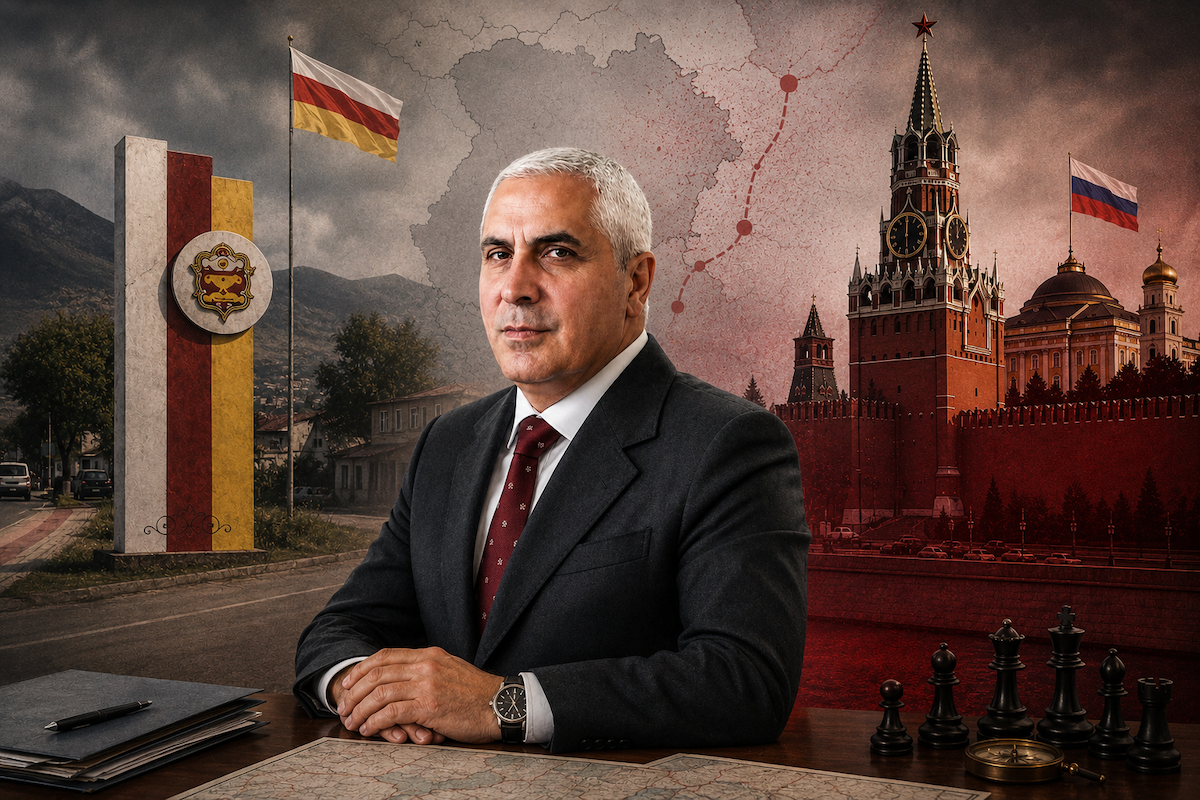
Russia’s State Duma ratified the Treaty on Deepening Allied Relations between Russia and South Ossetia during a plenary session on 13 May. Russian President Vladimir Putin personally submitted the ratification bill to the lower house of parliament.

Putin and South Ossetian leader Alan Gagloyev signed the treaty in Moscow on 9 May.

The agreement provides for closer cooperation in defence, security, the economy, infrastructure and social policy. It also aims to facilitate the free movement of capital, goods, services and labour between the two sides.


Categories
South Caucasus News

Central Bank of Azerbaijan holds talks with Swiss officials in Tashkent


A delegation led by First Deputy Governor of the Central Bank of Azerbaijan (CBA), Aliyar Mammadyarov, held a meeting with senior Swiss officials during a working visit to Tashkent.

Categories
South Caucasus

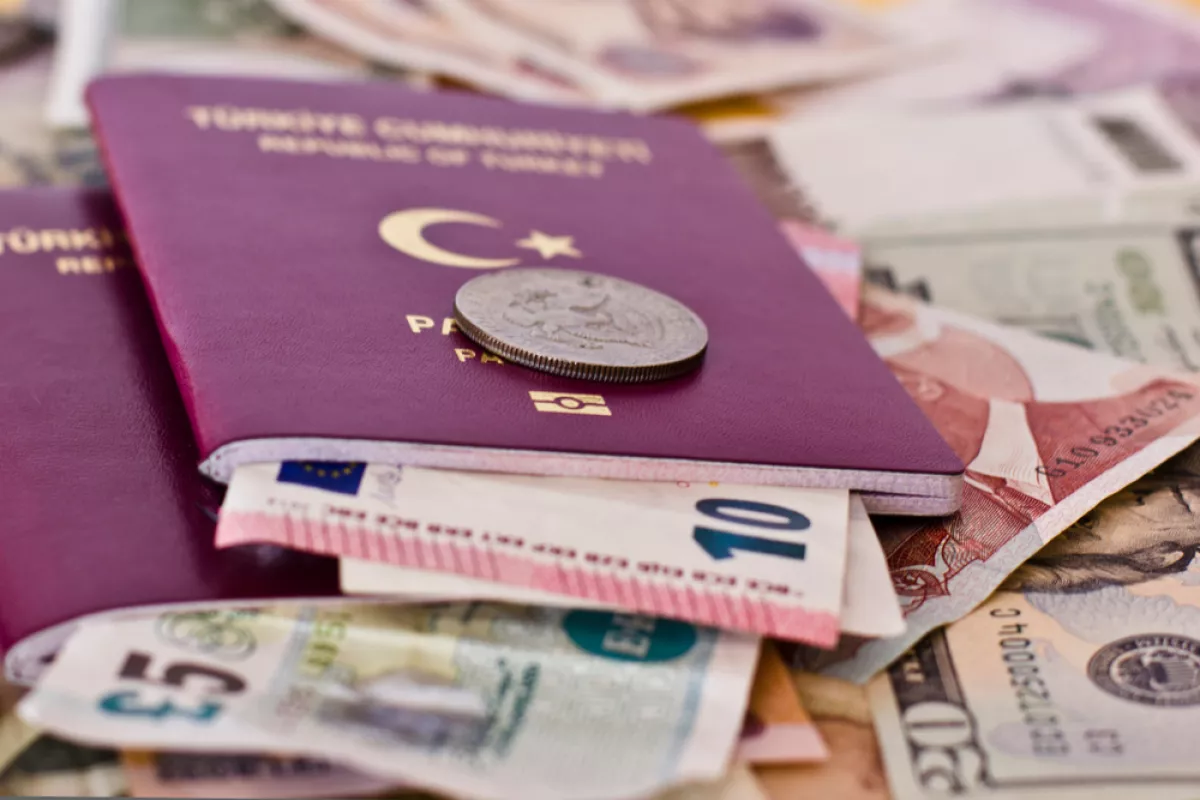
Media: Brussels weighs visa concessions for Türkiye in diplomatic reset


The European Union is working on plans to liberalize its visa regime with Türkiye, POLITICO reports, citing sources familiar with the matter. According to the report,…

Categories
South Caucasus

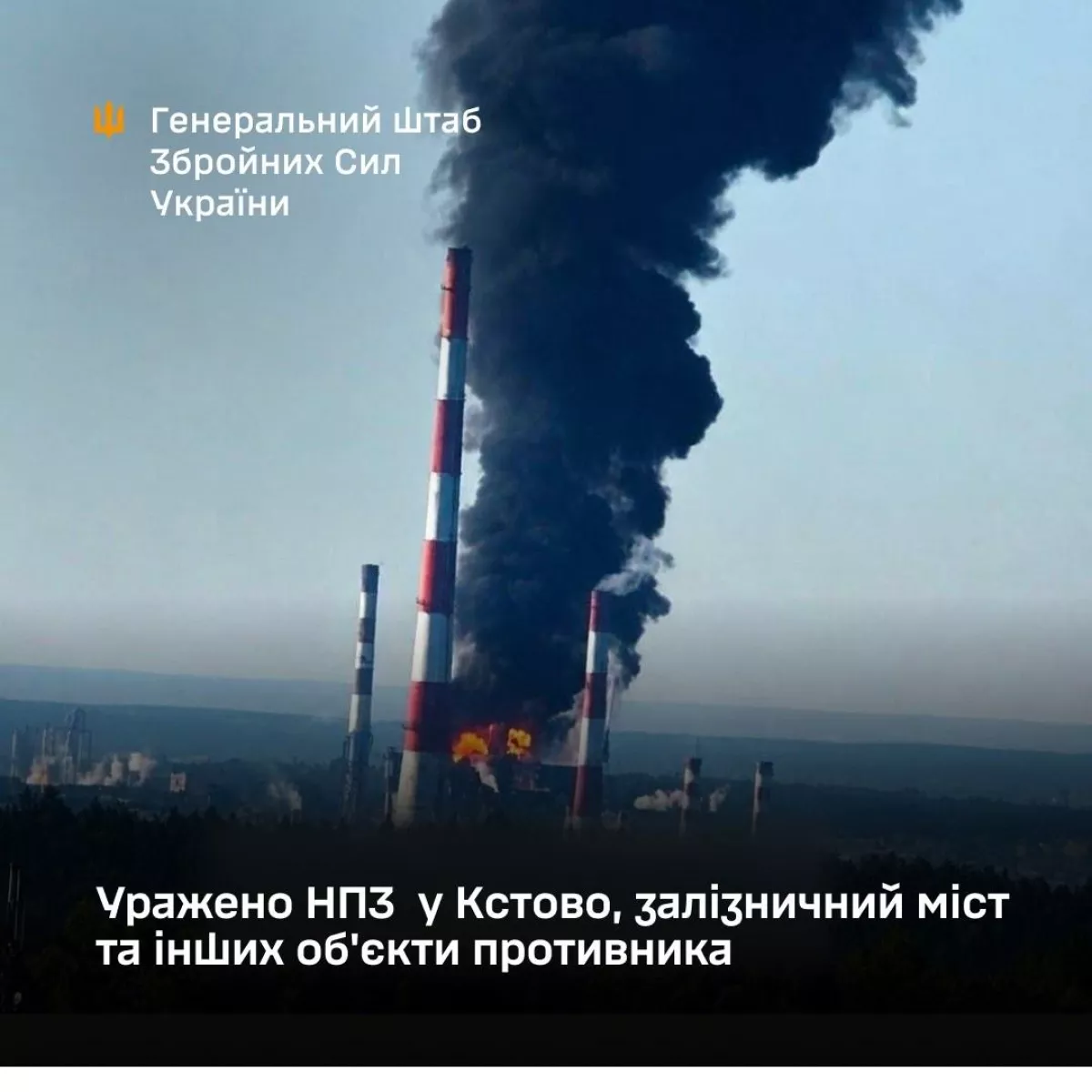
Ukraine confirms strike on Russian oil refinery in Nizhny Novgorod region


Ukraine’s General Staff has stated that its forces struck the Lukoil Nizhny Novgorodnefteorgsintez oil refinery in Russia’s Nizhny Novgorod region overnight as part…

Categories
South Caucasus

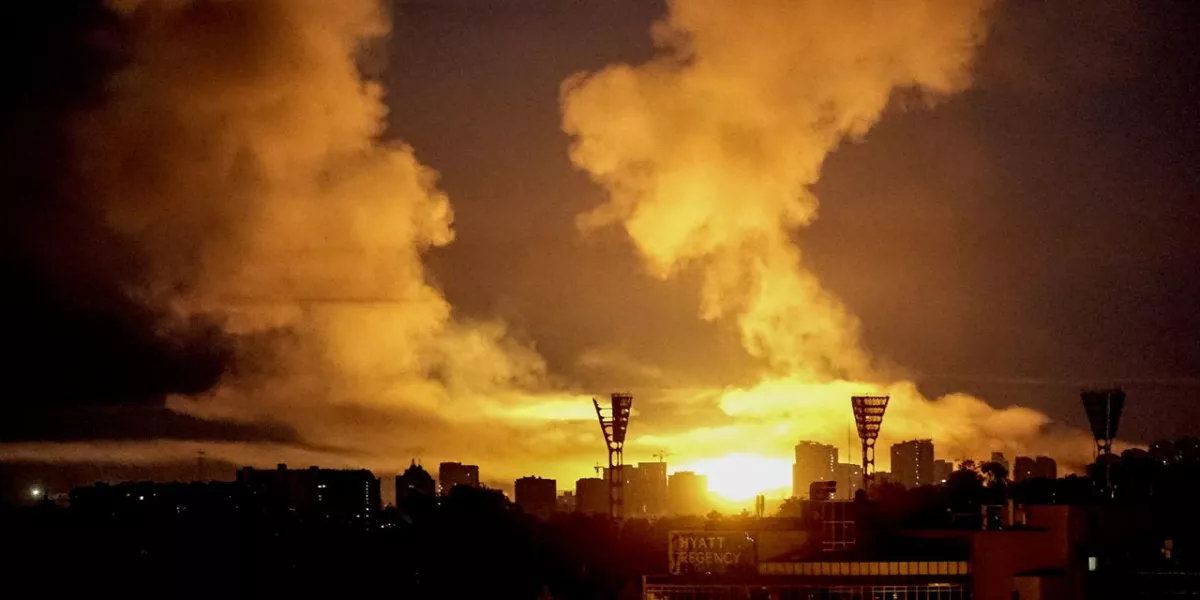
Ukraine says Russia launches massive combined attack on Kyiv


Russia launched a large-scale overnight attack on Ukraine using missiles and drones, with Kyiv as the primary target, the Ukrainian Armed Forces have stated. It…

Categories
South Caucasus News

“Circling above ‘Annexation Airport’”: Georgian expert says Russia has adopted a new regional strategy


Russia’s New Policy in the South Caucasus

The full-scale war that Russia is waging in Ukraine has forced Moscow to reconsider the mechanisms it uses to preserve its influence across the post-Soviet space, particularly in the South Caucasus. In an opinion article, Georgian conflict analyst Paata Zakareishvili discusses what he sees as the emergence of a new Kremlin approach, which he describes as a “strategy of controlled uncertainty.”

Zakareishvili argues that Russia’s policy in the region is currently undergoing a fundamental transformation, particularly with regard to Abkhazia and the Tskhinvali region (South Ossetia).

Abkhazia and the Tskhinvali region, also known as South Ossetia, unilaterally declared independence in the early 1990s. Following the August 2008 Russo-Georgian War, Russia recognised both territories as independent states and stationed its troops there. The United Nations and the vast majority of countries around the world support Georgia’s territorial integrity and consider both regions to be territories occupied by Russia.

The main points of the article:

  • Russia is shifting to a model of direct federal administration, effectively eliminating the already limited autonomy of the occupied regions and stripping local elites of any real political agency.
  • The constant threat of annexation serves as a political tool for Moscow, enabling it to simultaneously exert pressure on Tbilisi, Sokhumi, Tskhinvali, and other regional actors.
  • Georgia’s de-occupation strategy needs to be reconsidered. Alongside the goal of restoring its territorial integrity, it should also focus on rebuilding trust and establishing direct communication with Abkhaz and Ossetian societies.

Paata Zakareishvili

Opinion article

Since February 2022, the entire system of international relations has entered a period of profound and irreversible change.

Russia’s full-scale war against Ukraine has not only reshaped Europe’s security architecture but has also forced Moscow to rethink how it maintains its influence across the post-Soviet space.

Nowhere is this shift more evident than in the South Caucasus, where Russia has held a dominant military and political position for decades.

After the 2008 Russo-Georgian War, Moscow established a regional order that remained largely stable for many years.

Russia provided security guarantees and financial support to the de facto authorities in Sokhumi and Tskhinvali, while the territories’ lack of international recognition left them completely dependent on the Kremlin.

With regard to Georgia, this model allowed Russia to maintain control on the ground, limit Tbilisi’s foreign policy choices, and preserve its own role as an indispensable participant in negotiations at every level.

Today, however, this model is steadily losing its effectiveness.

The changing balance of power in the region is being driven by several key factors:

  • The prolonged war in Ukraine has forced Moscow to significantly reallocate its resources.
  • Armenia is seeking to diversify its foreign policy and reduce its dependence on Russia’s military and political protection.
  • Following the return of the Karabakh region, Azerbaijan has emerged as the dominant power in the South Caucasus, significantly strengthening Turkey’s influence in the region.
  • The European Union has expanded its role in South Caucasus affairs.
  • Despite political fluctuations, Georgia continues to maintain its institutional commitment to European integration.

In this new political environment, Moscow’s old mechanisms for managing regional conflicts are no longer as effective as they once were. As a result, Russia is being forced to develop a new model for maintaining its presence in the South Caucasus.

It is widely believed among experts that Russia’s ultimate goal is the full annexation of Abkhazia and South Ossetia. However, the Kremlin’s recent actions suggest a more complex picture.

It could be said that Russia’s geopolitical aircraft has been circling above “Annexation Airport” for quite some time, but has not yet committed to landing.

It is in this context that the Kremlin’s recent personnel appointments should be understood.

The appointment of senior federal official Marat Kambolov to a leadership position in Tskhinvali, and the decision to send former Belgorod Region governor Vyacheslav Gladkov as Russia’s ambassador to Abkhazia, can hardly be viewed as routine personnel changes.

The political stature of both men far exceeds what would normally be required to administer two small territories.

For years, Moscow has relied on local elites in both Abkhazia and South Ossetia. For the day-to-day administration of the Tskhinvali region, it could easily have appointed an ordinary regional-level Russian official.

Likewise, there had never previously been any need to appoint someone with significant federal political influence as Russia’s ambassador to Abkhazia.

The synchrony of these two decisions suggests that we are not dealing with isolated appointments, but with a broader revision of Russia’s institutional model.

It is notable that this stronger involvement from the centre is happening at the same time in two very different political systems.

Abkhazia and South Ossetia differ significantly in terms of internal political competition, their relationship with Russia, and the level of autonomy of local institutions.

Accordingly, the new appointments are driven not by the internal specifics of these regions, but by a shift in Russia’s overall strategy itself.

If Moscow’s only goal were annexation, the most logical approach would be to preserve the old model: local authorities would initiate another “referendum,” while Moscow would simply “take note of the will of the population” and maintain political distance.

The direct appointment of federal-level representatives points to a completely different logic.

The appointments of Kambolov and Gladkov suggest that, at this stage, Russia is not rushing to formalize the final status of these territories. Instead, it is trying to expand and consolidate its own political leverage.

Circling above “Annexation Airport” is not a sign of indecision. It is a deliberate strategy of controlled uncertainty, which currently gives Moscow the most advantageous position in the South Caucasus.

The threat of annexation is being used as pressure on several actors at once:

  • For Tbilisi, it represents a constant threat of the final loss of its territories.
  • For Sokhumi and Tskhinvali, it serves as a reminder that their future depends entirely on decisions made in the Kremlin.
  • For Armenia, Turkey, and Azerbaijan, it signals that Russia still retains the ability to influence the security architecture of the South Caucasus.

A final annexation of any of these territories would actually reduce Russia’s own room for political maneuver, since they would become fully internal subjects of the Russian state.

Instead, the Kremlin, in my view, is trying to pursue a completely new policy in its relations with Georgia.

For years, Moscow claimed that it was not a party to the conflict and positioned itself only as a security guarantor between Tbilisi, Sokhumi, and Tskhinvali.

Today, the beginning of direct political dialogue with Georgia effectively undermines this long-standing legal framework.

In the new model, the de facto authorities that are fully dependent on Moscow could become formal channels of communication.

Formally, contact may take place between Tbilisi and Tskhinvali or between Tbilisi and Sokhumi.

However, in reality, Moscow stands behind this entire process, managing not just individual conflicts but the entire Georgian political space in line with its own geopolitical interests.

The factor of Abkhazia and South Ossetia’s agency

Most contemporary research focuses mainly on the confrontation between Russia and the West or on Georgian–Russian relations. As a result, Abkhazia and South Ossetia are often seen only as instruments of Russia’s foreign policy.

This is a highly simplified view of reality.

Despite their international legal status, life in these societies continues. New generations are growing up who have never lived in a single state alongside Georgians. There are local elites, internal political processes, social expectations, and interests.

Their agency is limited and significantly dependent on Russia, but it has not disappeared entirely.

And an interesting paradox emerges.

On the one hand, Moscow formally recognizes their statehood, but in practice it steadily reduces their real autonomy and carries out all major decisions through federal institutions.

On the other hand, Tbilisi firmly defends Georgia’s territorial integrity, but often ignores the internal reality of these societies and views the issue solely through the lens of occupation.

The paradox is that Moscow recognizes their statehood but undermines their agency, while Tbilisi defends the territory but often excludes the interests and fears of the people living in those areas from the discourse.

Thus, Georgia is unintentionally adopting the framework created by Russia and placing several distinct conflicts into a single Georgia–Russia confrontation.

Even if Russia’s influence weakens in the future, this will not automatically restore trust in Georgia among Abkhaz and Ossetian societies.

History shows that changes in the geopolitical environment alone do not rebuild trust. Without direct communication between societies, any political agreement remains only a fragile structure imposed from the outside.

In this context, today’s geopolitical transformation requires Georgia to reconsider its entire de-occupation strategy.

For many years, Tbilisi has rightly relied on the principles of international law. However, if Russia’s behavior model is changing, Georgia’s response should not remain purely reactive.

Tbilisi should develop its own independent strategy based on two parallel directions:

  • The first is containing Russian pressure, firmly maintaining a pro-Western course, and continuing European integration.
  • The second is restoring and deepening direct Georgian–Abkhaz and Georgian–Ossetian relations.

De-occupation is not only about the return of territories. It primarily means restoring human relations, trust, economic cooperation, and cultural ties.

While Moscow is tightening administrative control, Tbilisi can offer Sokhumi and Tskhinvali something Russia can never offer:

  • Not rigid control, but long-term relationships;
  • Not the use of societies and territories as geopolitical instruments, but respect for their human and political reality.

In today’s reality, Russia continues to build a system of strict dependence and is once again circling above “Annexation Airport.” However, this flight cannot continue indefinitely.

In the context of the prolonged war in Ukraine, Russia’s political and economic “fuel” is gradually being depleted.

In these conditions, Georgia can strengthen the attractiveness of its own development model and offer an alternative based on trust, security, and the prospect of a shared European future.


Categories
South Caucasus News

Азербайджанская полиция принимает поздравления с профессиональным днем