
U.S. strikes bridges in Iran; Tehran targets U.S. bases in the Gulf : NPR npr.org/2026/07/17/g-s1-1341…
Day: July 17, 2026
#OSINT #analysis challenges inflated crowd estimates in conflict zones
x.com/taha_saleh_taiz/status…
Escalating Middle East Conflict Dominates Global Headlines rss.app/brief/posts/42e5a554…
#AIBrief
Escalating Middle East Conflict Dominates Global Headlines
Friday, July 17, 202610:57 AM
Summary
The US-Israel military campaign against Iran has intensified since February 2026, marking a dramatic escalation in long-standing regional tensions. Reports indicate strikes on Iranian nuclear sites, missile launchers, and retaliatory attacks, with second-order effects including oil market volatility and heightened global security concerns. Meanwhile, misinformation around crowd estimates in conflict zones highlights the growing role of open-source intelligence in verifying wartime claims.
x.com/taha_saleh_taiz/status…
Escalating Middle East Conflict Dominates Global Headlines rss.app/brief/posts/42e5a554…
#AIBrief
Escalating Middle East Conflict Dominates Global Headlines
Friday, July 17, 202610:57 AM
Summary
The US-Israel military campaign against Iran has intensified since February 2026, marking a dramatic escalation in long-standing regional tensions. Reports indicate strikes on Iranian nuclear sites, missile launchers, and retaliatory attacks, with second-order effects including oil market volatility and heightened global security concerns. Meanwhile, misinformation around crowd estimates in conflict zones highlights the growing role of open-source intelligence in verifying wartime claims.
Key Stories
US and Israel launch coordinated strikes on Iranian nuclear sites — Military operations targeting Iranian nuclear facilities and missile launchers were reported on June 13, 2025, with Prime Minister Netanyahu framing the attacks as preemptive. Analysts suggest the strikes may accelerate Iran’s nuclear ambitions rather than deter them.
Iran retaliates with missile strikes on Israel and US bases — Following US-Israel attacks, Iran launched missile strikes on Israeli territory and American military bases in the region, escalating the conflict into direct state-to-state warfare. The retaliation underscores Iran’s willingness to challenge Western military presence.
OSINT analysis challenges inflated crowd estimates in conflict zones
x.com/taha_saleh_taiz/status…
— A viral thread using open-source tools debunked exaggerated claims about crowd sizes in wartime imagery, demonstrating how drone angles distort perceptions. The analysis highlights the growing role of citizen-led verification in conflict reporting.
Oil markets brace for prolonged Middle East instability — The US-Israel-Iran conflict has triggered volatility in global oil markets, with analysts warning of sustained price spikes if key shipping routes or production hubs are disrupted. The crisis may reshape energy geopolitics beyond the region.
Media coverage polarizes around US-Israel war narrative — Outlets like Al Jazeera and Reuters frame the conflict as a US-Israel offensive, while Western sources emphasize Iranian aggression. The divergence in framing suggests deepening information warfare alongside military hostilities.طه صالح (@taha_saleh_taiz)تحقيق خاص
كل شوي أشوف صور حشود السبعين،
ومعها أرقام ضخمة بدون أي دليل،
فقلت أعمل تحليل سريع باستخدام أدوات مفتوحة المصدر #OSINT
وأشارككم النتيجة.
أول شيء لازم ننتبه له،
أن صور الدرون الملتقطة من زاوية مائلة ومنخفضة دائم تعطي انطباع مضلل.
هذه الزاوية تضغط المنظور،
وتخفي المسافات الطبيعية بين الأشخاص، فيظهر الحشد في الخلف وكأنه كتلة واحدة متلاصقة،
بينما الواقع مختلف.
بعدها رجعت للصورة نفسها ودققت في التفاصيل.
واضح وجود فراغات كبيرة داخل التجمع،
خاصة حول الأعلام الضخمة الممددة على الأرض.
كذلك الكثافة الحقيقية تتركز في منتصف الطريق،
بينما الأرصفة والمناطق الترابية المحيطة بجامع الصالح وحديقة السبعين فيها فراغات واسعة وانتشار متقطع،
وليست ممتلئة كما توحي بعض اللقطات.
ولكي يكون التقدير بعيد عن التخمين،
استخدمت أداة MapChecking ورسمت مضلع يغطي فقط المساحة التي تبدو مشغولة بالحشود ،
واستبعدت كل المساحات الجانبية غير المكتظة.
اعتمدت كثافة 1.5 شخص لكل متر مربع، وهي كثافة واقعية تسمح بحركة الناس، وتنسجم مع الفراغات الظاهرة في الصور. وبعد حساب المساحة مضروبة في الكثافة، كانت النتيجة التقريبية:
58,096 شخص.
هل الرقم دقيق بنسبة 100٪؟ لا،
لأن أي تقدير يعتمد على الصور له هامش خطأ.
لكنه يبقى أقرب بكثير إلى الواقع من الأرقام التي تقول انها مليونية.
الصورة قد تُخدع الناس ،
أما القياس الجغرافي وتحليل المساحة فيعطيك تقدير أكثر واقعية،
بعيدعن المبالغات الإعلامية من أي طرف.— https://x.com/taha_saleh_taiz/status/2078130447725531522
#OSINT #analysis challenges inflated crowd estimates in conflict zones
x.com/taha_saleh_taiz/status…
Escalating Middle East Conflict Dominates Global Headlines rss.app/brief/posts/42e5a554…
#AIBrief
Escalating Middle East Conflict Dominates Global Headlines
Friday, July 17, 202610:57 AM
Summary
The US-Israel military campaign against Iran has intensified since February 2026, marking a dramatic escalation in long-standing regional tensions. Reports indicate strikes on Iranian nuclear sites, missile launchers, and retaliatory attacks, with second-order effects including oil market volatility and heightened global security concerns. Meanwhile, misinformation around crowd estimates in conflict zones highlights the growing role of open-source intelligence in verifying wartime claims.
x.com/taha_saleh_taiz/status…
Escalating Middle East Conflict Dominates Global Headlines rss.app/brief/posts/42e5a554…
#AIBrief
Escalating Middle East Conflict Dominates Global Headlines
Friday, July 17, 202610:57 AM
Summary
The US-Israel military campaign against Iran has intensified since February 2026, marking a dramatic escalation in long-standing regional tensions. Reports indicate strikes on Iranian nuclear sites, missile launchers, and retaliatory attacks, with second-order effects including oil market volatility and heightened global security concerns. Meanwhile, misinformation around crowd estimates in conflict zones highlights the growing role of open-source intelligence in verifying wartime claims.
Key Stories
US and Israel launch coordinated strikes on Iranian nuclear sites — Military operations targeting Iranian nuclear facilities and missile launchers were reported on June 13, 2025, with Prime Minister Netanyahu framing the attacks as preemptive. Analysts suggest the strikes may accelerate Iran’s nuclear ambitions rather than deter them.
Iran retaliates with missile strikes on Israel and US bases — Following US-Israel attacks, Iran launched missile strikes on Israeli territory and American military bases in the region, escalating the conflict into direct state-to-state warfare. The retaliation underscores Iran’s willingness to challenge Western military presence.
OSINT analysis challenges inflated crowd estimates in conflict zones
x.com/taha_saleh_taiz/status…
— A viral thread using open-source tools debunked exaggerated claims about crowd sizes in wartime imagery, demonstrating how drone angles distort perceptions. The analysis highlights the growing role of citizen-led verification in conflict reporting.
Oil markets brace for prolonged Middle East instability — The US-Israel-Iran conflict has triggered volatility in global oil markets, with analysts warning of sustained price spikes if key shipping routes or production hubs are disrupted. The crisis may reshape energy geopolitics beyond the region.
Media coverage polarizes around US-Israel war narrative — Outlets like Al Jazeera and Reuters frame the conflict as a US-Israel offensive, while Western sources emphasize Iranian aggression. The divergence in framing suggests deepening information warfare alongside military hostilities.طه صالح (@taha_saleh_taiz)تحقيق خاص
كل شوي أشوف صور حشود السبعين،
ومعها أرقام ضخمة بدون أي دليل،
فقلت أعمل تحليل سريع باستخدام أدوات مفتوحة المصدر #OSINT
وأشارككم النتيجة.
أول شيء لازم ننتبه له،
أن صور الدرون الملتقطة من زاوية مائلة ومنخفضة دائم تعطي انطباع مضلل.
هذه الزاوية تضغط المنظور،
وتخفي المسافات الطبيعية بين الأشخاص، فيظهر الحشد في الخلف وكأنه كتلة واحدة متلاصقة،
بينما الواقع مختلف.
بعدها رجعت للصورة نفسها ودققت في التفاصيل.
واضح وجود فراغات كبيرة داخل التجمع،
خاصة حول الأعلام الضخمة الممددة على الأرض.
كذلك الكثافة الحقيقية تتركز في منتصف الطريق،
بينما الأرصفة والمناطق الترابية المحيطة بجامع الصالح وحديقة السبعين فيها فراغات واسعة وانتشار متقطع،
وليست ممتلئة كما توحي بعض اللقطات.
ولكي يكون التقدير بعيد عن التخمين،
استخدمت أداة MapChecking ورسمت مضلع يغطي فقط المساحة التي تبدو مشغولة بالحشود ،
واستبعدت كل المساحات الجانبية غير المكتظة.
اعتمدت كثافة 1.5 شخص لكل متر مربع، وهي كثافة واقعية تسمح بحركة الناس، وتنسجم مع الفراغات الظاهرة في الصور. وبعد حساب المساحة مضروبة في الكثافة، كانت النتيجة التقريبية:
58,096 شخص.
هل الرقم دقيق بنسبة 100٪؟ لا،
لأن أي تقدير يعتمد على الصور له هامش خطأ.
لكنه يبقى أقرب بكثير إلى الواقع من الأرقام التي تقول انها مليونية.
الصورة قد تُخدع الناس ،
أما القياس الجغرافي وتحليل المساحة فيعطيك تقدير أكثر واقعية،
بعيدعن المبالغات الإعلامية من أي طرف.— https://x.com/taha_saleh_taiz/status/2078130447725531522
Categories
Why Goris is worth the journey

Sixteen years ago, when I was 20, my university classmate bought a car. When he suggested taking my friends and me to Goris, I decided to go, even though I had classes and a part-time job. My classmate Ani was from Goris, so we didn’t have to worry about accommodations. On that rainy day, when I finished work, the only boy in our group, who was our driver, and three girls, including me, headed off to one of the best adventures of my life.
Now, at 36, I take my 10-year-old son to Goris because he has already traveled all across Armenia, except Syunik province. My father visited Goris more than 40 years ago, while my mother has never been there. She remembers traveling to Kapan, the other major city in Syunik, by airplane in Soviet times.
The road to Goris has been renovated; it has no resemblance to the road we traveled with my friends all those years ago. Still, I feel as though I’m returning to a place that had a huge impact on me as an Armenian. I discovered how multilayered my country is in its smallness.
Goris seemed far from Yerevan not because it takes nearly four hours to reach it, but because the first time we traveled there, we asked our friend to stop at almost every corner to take pictures. Who wouldn’t visit Noravank Monastery on the way? Who wouldn’t stop near Areni village to buy good wine, even if it comes in plastic bottles?
Reaching Goris and seeing the giant cliffs made me feel small, and I understood that this experience is different from what I had felt before in other regions of Armenia.
“I discovered how multilayered my country is in its smallness.”
I’m from Lori. Many people who have visited both provinces say Syunik and Lori have many similarities, including the color green; nature is fascinating in both regions, with the mountains covered with layers of green. For me, their most vivid difference was their dialect and way of speaking. People meeting Syunetsis for the first time might think they are cold, because they almost never add “jan” after saying a person’s name and rarely use the level of expressive emotional language that we do in Lori or other provinces. But in Syunik, where people are deeply influenced by their mountains, you find the kind of hospitality and warmth that you will never forget.

Staying at a hotel where the staff was kind and hospitable, I felt nostalgic. Last time I was in this city, Ani’s mother Nune made zhengyalov hats for us (long, thin bread stuffed with more than ten types of greens), along with other delicious food.
Back then, the streets of Goris were not packed with foreign and Armenian tourists, but they were full of curious and kind people who would ask us, “Ah, you’re from the city,” meaning Yerevan. “Have you managed to visit Tatev? You must try the aerial tramway.”
At that time, the aerial tramway had just been established, and people were sure it would have a positive impact on tourism development in the region, especially in Goris. It holds the Guinness World Record for the longest non-stop double-track cable car in a single section, offering a thrilling 12-minute ride over the Vorotan River Gorge.
The Wings of Tatev was created as part of the Tatev Revival program, launched by Ruben Vardanyan and Veronika Zonabend. Today, proceeds from the tramway continue to fund the restoration of Tatev Monastery and development projects in surrounding communities. Vardanyan, who later served as state minister of Artsakh, has been imprisoned in Azerbaijan since 2023.
Now, when I see so many people waiting their turn in the long line, I think of how much Goris has changed over the years. Tatev Monastery, breathtaking and mysterious, stands as one of the treasures of Armenia. Tatev is different from other monasteries. Surrounded by nature and an atmosphere in which abbots practiced asceticism, it can take you on a journey into yourself, into a reflective spiritual experience.

Afterward, we visited the house-museum of Aksel Bakunts, a well-known Armenian writer who was sentenced to death by the Soviet authorities in 1937. My first visit didn’t include visiting landmarks, because we just wanted to spend time with my friend’s family, walk in the city and meet new people. When entering the museum, we saw a man digging the soil in the garden. Vardan Sargsyan, the museum director, kindly gave us a tour.
This 19th-century house has been preserved as it was during Bakunts’s lifetime. Bakunts spent the first ten years of his life here and later returned to it again. His parents continued to live there even after he left. The house is furnished in accordance with the lifestyle of the time, featuring a simple kitchen, a bedroom and a study. One room displays photographs and facsimile letters; many of the archives related to Bakunts are preserved in Yerevan.
Sargsyan says the writer was acquainted with many prominent intellectuals of his time. Painter Panos Terlemezian, who was about two decades older than him, was a close friend. Terlemezian visited him in Goris. He also created the only real-life portrait of Bakunts; the copy of the painting hangs in the museum and shows Bakunts looking real and alive.
“Bakunts got married in 1924. He met a young woman from Nakhichevan and married her,” Sargsyan says.

After graduating from an agricultural institute in Kharkov, he returned to his father’s house with his wife. He was appointed as the chief agricultural specialist of the entire region. Bakunts lived in Yerevan for ten years before he was killed; no one knows where he was buried.
Goris seems tiny, but it is a treasure to explore. There are not many cafes or restaurants here, but the city itself does not need that kind of entertainment. When visiting Old Goris — the part of the city where many residents still live — we discovered that the area contains more than 10,000 cave dwellings. People lived normal lives in them until 1960, when they relocated to present-day Goris. The historic architecture takes you back in time, offering a unique journey where you can feel how the urban environment was formed and understand the challenges it faced.
Between my two visits, the city had changed significantly. Far from Yerevan, people have their own lifestyle here. They don’t seem to hurry as much, and they are ready to help — even strangers. They still don’t use “jan,” but are warm and helpful.
“Tatev is different from other monasteries. Surrounded by nature and an atmosphere in which abbots practiced asceticism, it can take you on a journey into yourself.”
Driving back to Yerevan, I received a message from a hotel employee. It was not the usual polite note from management asking whether the service was good or if we enjoyed our stay. He simply wanted to know if we had safely reached Yerevan. This is what makes this city unforgettable. If you ask me what the most beautiful city in Armenia is, I will say, with some envy, Goris.
The post Why Goris is worth the journey appeared first on The Armenian Weekly.
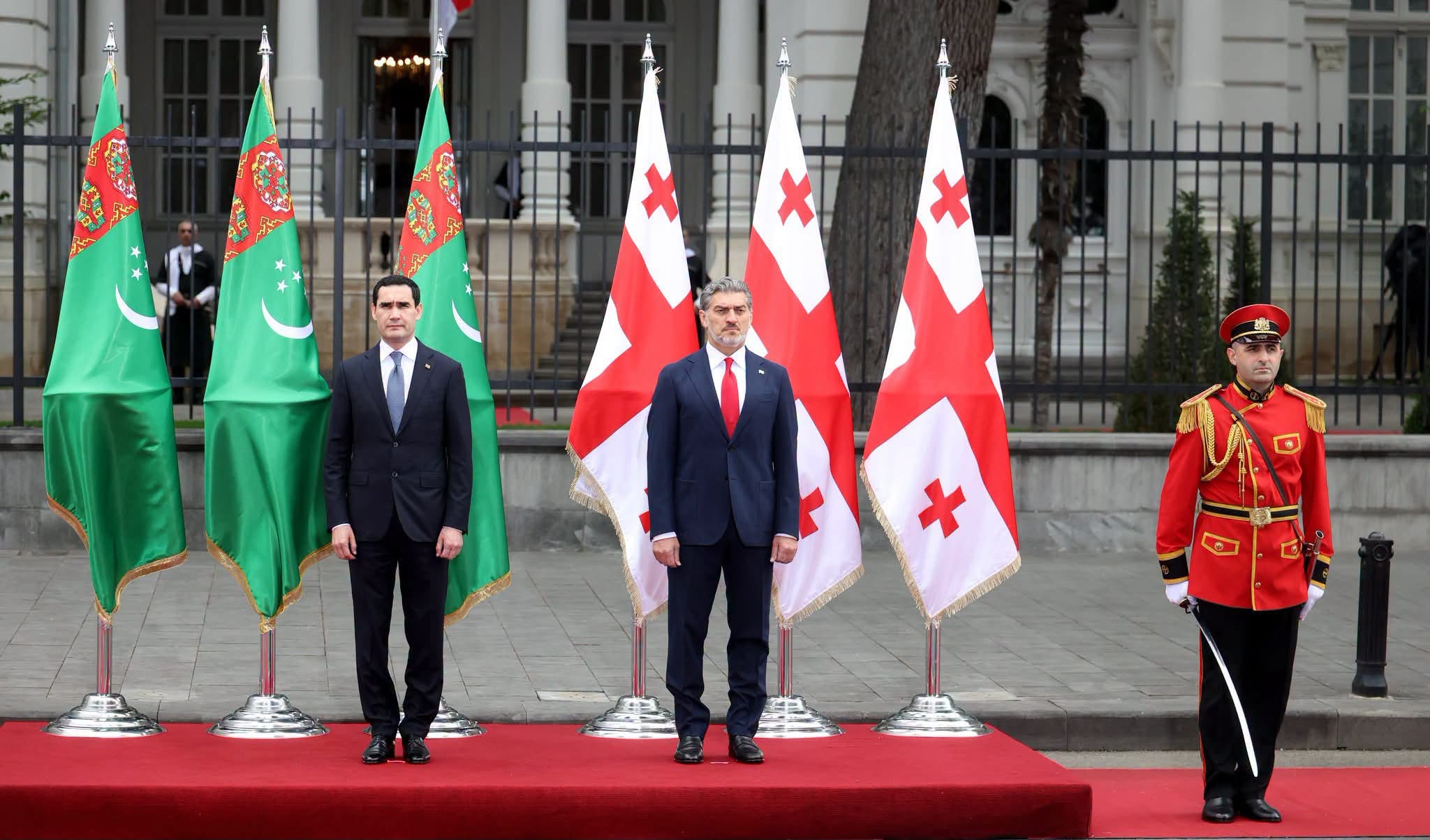
Prime Minister Irakli Kobakhidze has summed up the state visit of Turkmen President Serdar Berdimuhamedow to Georgia, saying the two sides signed a joint statement, cooperation agreements across a range of sectors, and memorandums of understanding.
Serdar Berdimuhamedow arrived in Tbilisi on 16 July with members of his delegation. It was his second state visit to Georgia. Kobakhidze himself visited Turkmenistan three times last year.
According to the prime minister, the agreements reached during the visit will further strengthen the existing ties between the two countries.
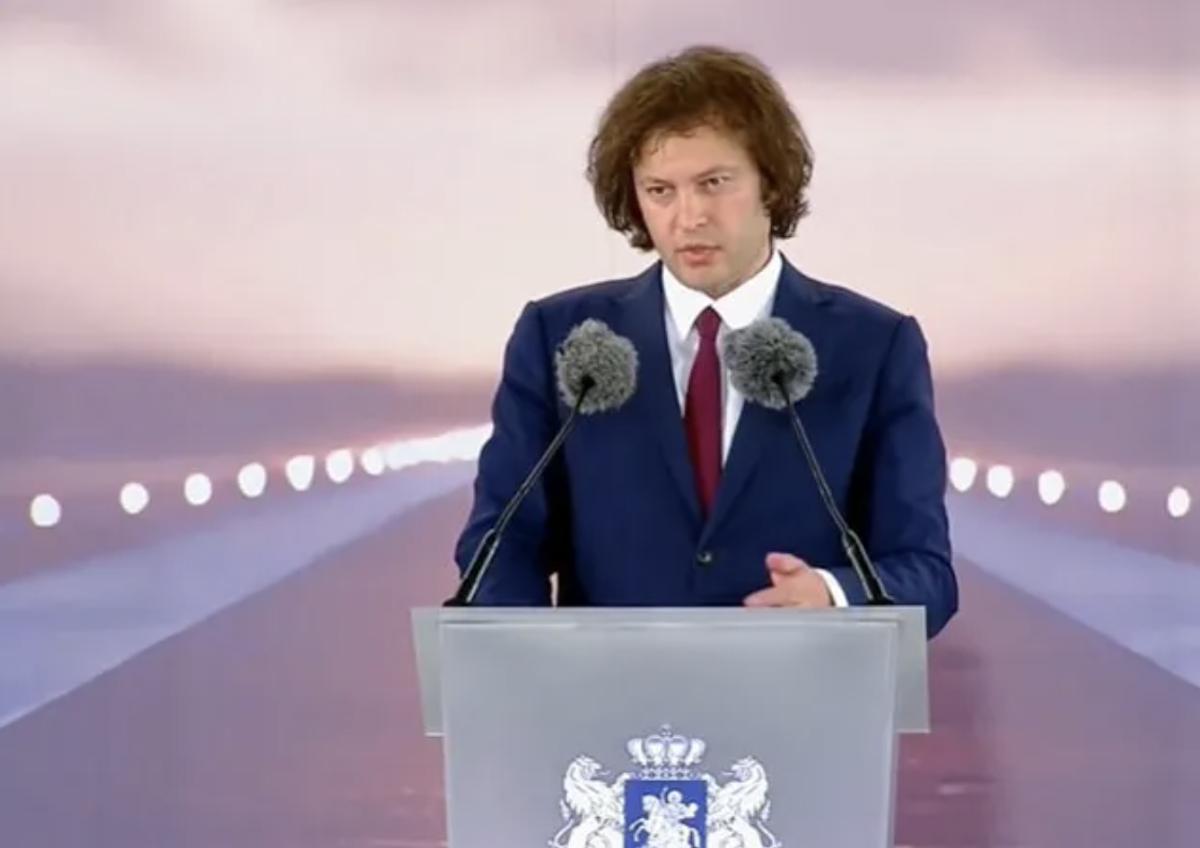
Kobakhidze said that during his one-on-one meeting with Serdar Berdimuhamedow, they discussed the main areas of Georgian-Turkmen relations, as well as regional and international issues.
“Central Asia as a whole is a region of particular interest to Georgia. In this context, we view Turkmenistan as a reliable partner and a friendly country,” he said.
Kobakhidze said relations between the two countries are based on a long-standing friendship and mutual respect, which he argued provides a solid foundation for further expanding cooperation.
The prime minister also highlighted Turkmenistan’s economic development, the expansion of its transport and logistics capabilities, and its infrastructure projects.

During the expanded-format talks, the two sides discussed prospects for strengthening trade ties, promoting exports, and developing transport links. Particular attention was paid to the development of the Middle Corridor — the transport route connecting Asia and Europe — and opportunities to attract additional cargo.
The talks also covered closer cooperation in tourism, culture, and education. According to Kobakhidze, there is scope for further strengthening people-to-people ties between the two countries.
The prime minister thanked the Turkmen authorities for supporting Georgia’s sovereignty and territorial integrity within its internationally recognised borders.
“We attach particular importance to deepening relations with Turkmenistan across political, economic, educational, cultural and other areas. I am confident that the president’s visit will give fresh momentum to our bilateral relations,” Irakli Kobakhidze said.
Georgia and Turkmenistan deepen cooperation