
United States District Court for the Eastern District of Virginia Judge Leonie Brinkema ruled on Friday to temporarily block the United States Department of Justice (DoJ) from creating a $1.8 billion “Anti-Weaponization Fund” in light of a lawsuit that challenges the fund’s existence, AzerNEWS reports.
Month: May 2026
Debate over Iran’s influence in Georgia
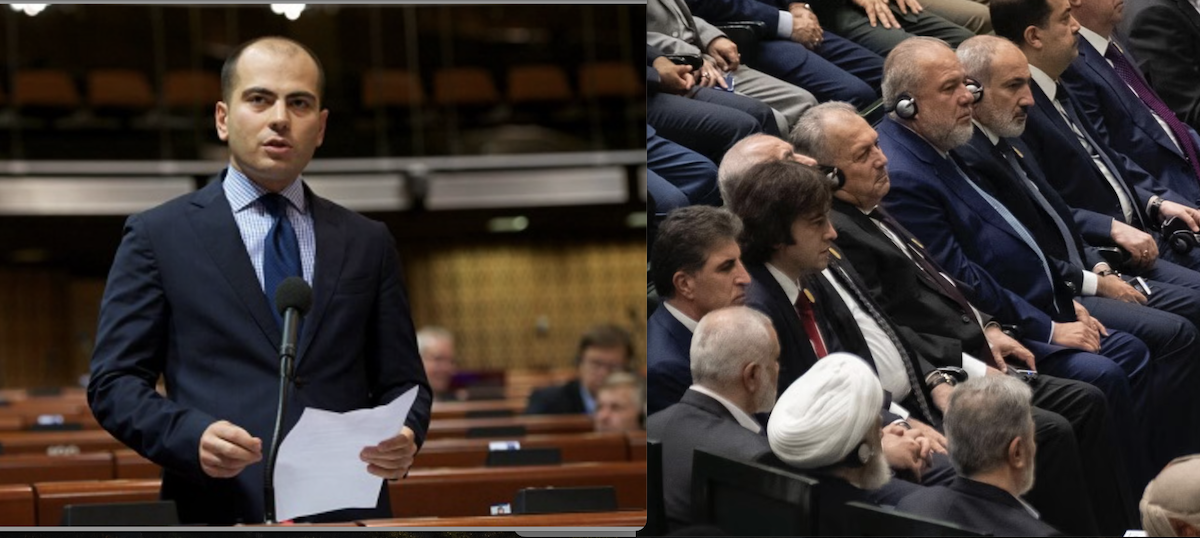
The Georgian government has reacted sharply to statements made by Giorgi Kandelaki, a researcher at Soviet Past Research Laboratory (SovLab), and to a study in which Kandelaki and co-author Luke Coffey argue that Iran is expanding its political and economic influence in Georgia.
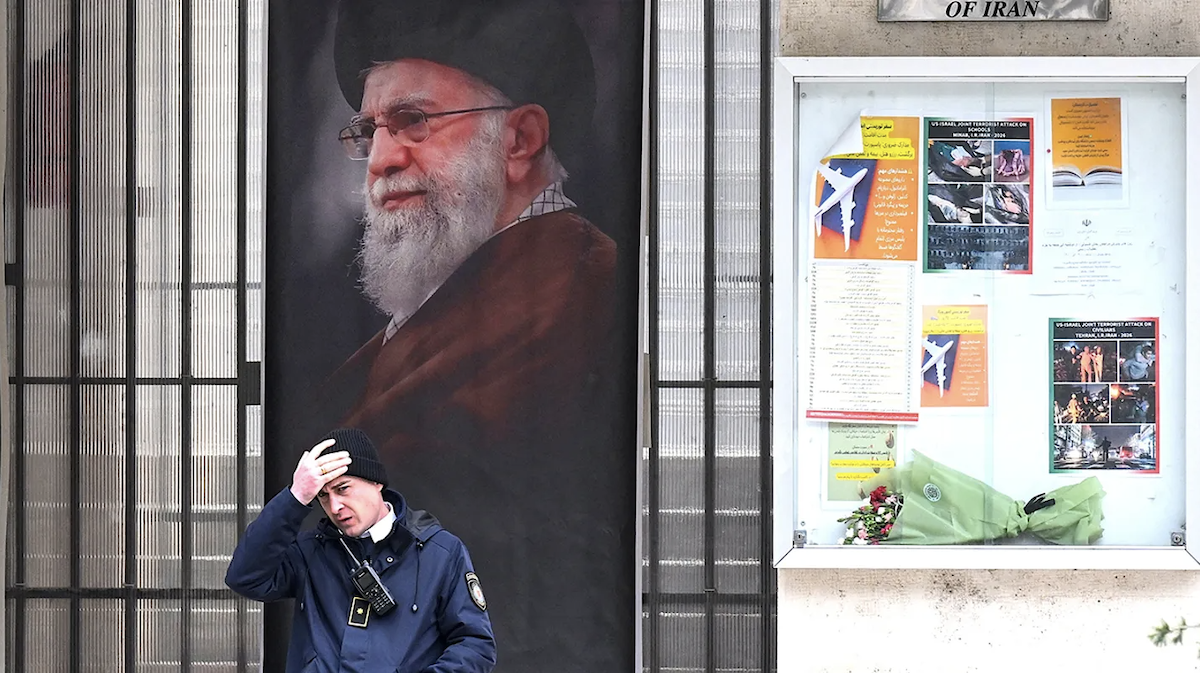
Leaders of the ruling Georgian Dream party dismissed the claims as disinformation and part of a political campaign against Georgia. Prime Minister Irakli Kobakhidze described Kandelaki’s remarks as a “formula of treason”, while other government representatives argued that such allegations aim to damage Georgia’s international image and its relations with the United States.
Kobakhidze also suggested that “relevant authorities” might take an interest in Kandelaki.
“Giorgi Kandelaki’s statements represent a typical formula of treason. You know how many false claims he has made about Iran, including its trade and economic relations with Georgia. He also mentioned educational institutions and other issues. Everyone knows that he was referring to an institution that did not even receive a licence.
As for our trade relations, exports account for 0.5% and imports for 1.5%. Under such circumstances, there is no basis for talking about sanctions circumvention. When someone goes to the United States and makes such statements directly, that is plain treason. In political terms, it is called treason. The relevant authorities will decide what it should be called in legal terms,” Kobakhidze said.
Kandelaki, for his part, argues that Iran’s influence in Georgia has reached alarming levels and that Western countries need to pay much closer attention to the issue.
What happened
A report titled Georgia’s Turn Toward Iran: Tehran’s Rapidly Expanding Influence in a Former US Ally was published on 3 March 2026. Its authors are Luke Coffey, a senior fellow at the Hudson Institute, and Giorgi Kandelaki, a researcher at the Soviet Past Research Laboratory.
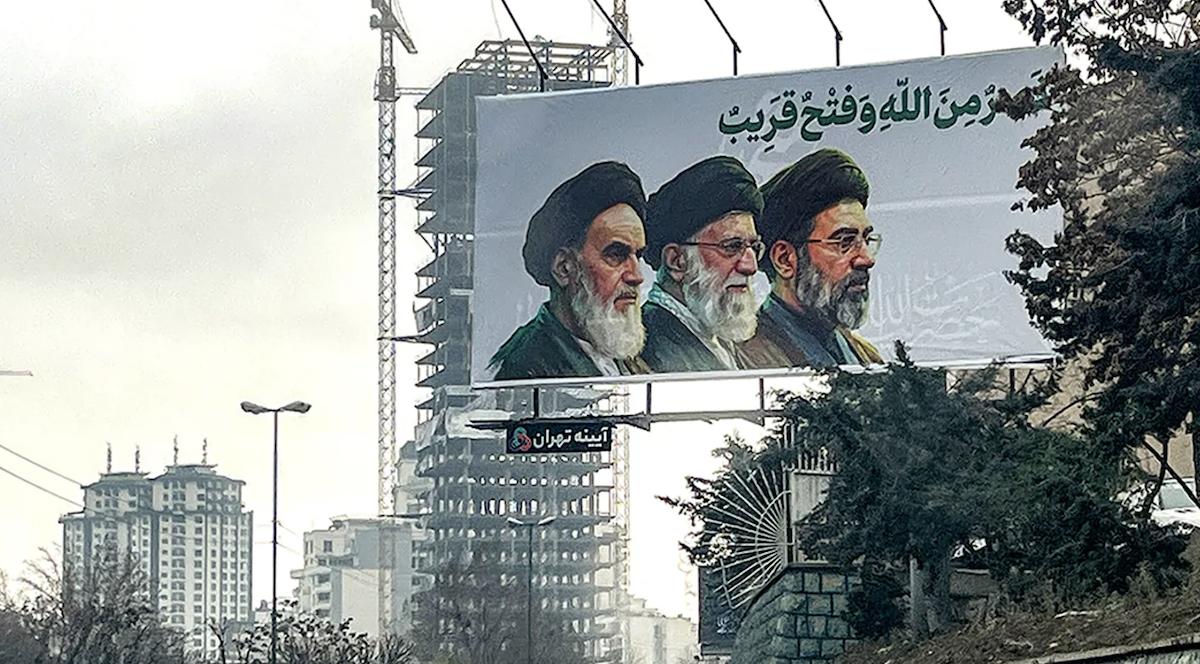
According to the report, Iran’s political, religious, economic and cultural influence in Georgia has increased sharply in recent years and has become “systemic” in some areas. The authors argue that this process forms part of a broader geopolitical realignment that also includes closer ties with Moscow.
The report’s authors contend that the trend is affecting Georgia’s domestic political environment as well. They argue that it weakens democratic institutions, increases legal pressure on pro-Western NGOs and media outlets, and undermines Georgia’s traditional partnership with the West.
A few days after the report’s publication, on 7 March, the State Security Service of Georgia summoned several politicians and experts for questioning. Those called in included opposition politician Gubaz Sanikidze, former Defence Minister Tina Khidasheli, co-author Giorgi Kandelaki, former MP Givi Targamadze and Major General Vakhtang Kapanadze.
John Walters, president of the Hudson Institute, expressed “serious concern” after Georgia’s security service launched an investigation related to the institute’s report on growing Iranian influence in the country.
Walters said the report relied on publicly available and verified information and that the institute had prepared it in full accordance with its research standards. He published the statement on X.
Co-author responds
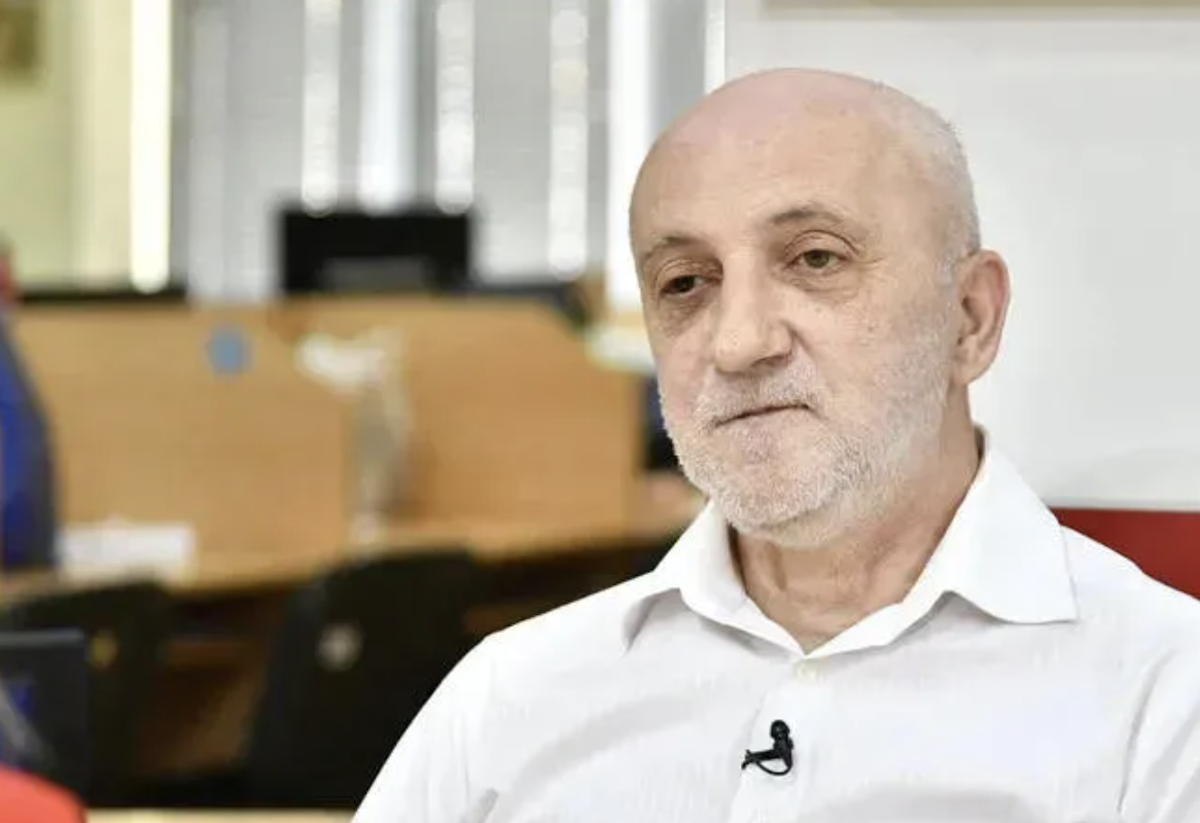
Giorgi Kandelaki argues that religious and civic organisations linked to Iran operate freely in Georgia. In his view, their activities go beyond cultural or religious outreach and instead form part of a broader network of influence connected to the Iranian state and its intelligence services.
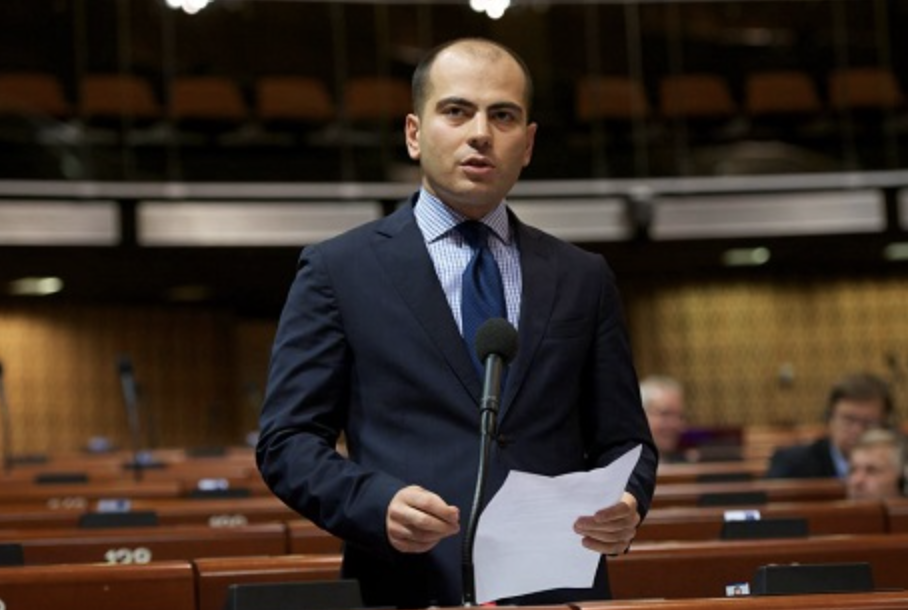
“I have compiled several facts, some of which emerged after the report’s publication. All the information in the report is publicly available. Readers can find many additional details in the report itself, which the Hudson Institute has published on its website and made accessible to anyone who wishes to read it.
Fact 1. The Iranian government-funded Al-Mustafa International University operates in Georgia through three branches located in Gardabani, Marneuli and Tbilisi, while the authorities are shutting down Ilia State University.
Fact 2. Since 2020, the US government has sanctioned Al-Mustafa University for the ideological indoctrination and recruitment of students by Iranian security forces under Executive Order 13224. According to the US Treasury Department, the Islamic Revolutionary Guard Corps’s Quds Force uses the university for overseas operations aimed at indoctrinating and recruiting foreign students through academic exchange programmes.
Fact 3. One of the university’s ‘academic’ representatives, Mohsen Rabbani, was accused by Argentine prosecutors of involvement in the bombing of a Jewish community centre in Argentina that killed 85 people. Another figure, Seyed Mojtaba Hosseini Nejad, allegedly organised the assassination of the Israeli ambassador in Mexico.
Fact 4. A considerable number of Georgian citizens of Azerbaijani origin study at this university. The institution also organises alumni conferences. One such gathering brought together more than 100 graduates and Seyed Hassan Rabbani, a member of the university’s central governing board and successor to Mohsen Rabbani. If Iranian intelligence services use this university for recruitment in other countries, should we assume they do not use it for the same purpose in Georgia? Al-Mustafa may lack accreditation and official authorisation, but it still exists and continues to operate.
Fact 5. Organisations and foundations that present themselves as NGOs but which Western governments regard as fronts for Iranian intelligence services operate in Georgia. One example is the Ahl al-Bayt World Assembly, which has strengthened its presence in recent years. The organisation maintains direct links to Hezbollah.
Hezbollah’s late leader, Hassan Nasrallah, served on the assembly’s governing board. If the US government decides to fund a Georgian NGO, current legislation can impose a six-year prison sentence. Meanwhile, these Iranian organisations continue to operate without difficulty.
Fact 6. Ali Ramezani, president of the Ahl al-Bayt World Assembly, visited Georgia for five days. Before that, he headed the Islamic Centre in Hamburg for nine years. German authorities shut the centre down following a raid in 2024. Then-German Interior Minister Nancy Faeser said the centre promoted an Islamist-extremist totalitarian ideology incompatible with human dignity. She also said it maintained direct links with Hezbollah and spread aggressive antisemitism.
During his visit to Georgia, Ramezani held public meetings, received reports from Iran-linked organisations and issued instructions. He also publicly stated that Georgia should become a regional hub for the Ahl al-Bayt World Assembly and stressed the need for a ten-year strategy.
Fact 7. The organisation maintains direct links with the Ahl al-Bayt Mosque in Ponichala, Tbilisi, where pro-Iranian political events take place regularly. On 21 March, for example, the mosque hosted an event dedicated to Ayatollah Khamenei. Children attended the gathering, and Akhund Rakhid Kerimov spoke about obligations in the struggle against the enemies of Islam.
Fact 8. In addition to Ahl al-Bayt, many other organisations operate in Georgia, including the Imam Ali Foundation. They regularly organise similar events, such as conferences dedicated to Hassan Nasrallah.
Fact 9. Georgian authorities arrested a Georgian citizen who had studied at one institution within this network and later spent two years in Iran. Greek authorities detained him at a US naval base in Greece on espionage charges.
Fact 10. Azerbaijan has banned all of these organisations and similar structures.
Our report contains many more facts, all of which are available for journalists and the public to review. The Hudson Institute has published the report on its website since March. The report itself — a compilation of publicly available information — does not require a ‘legal response’. The real issue is the problem that the report describes.”
Debate over Iran’s influence in Georgia
Fund management Vanguard S&P 500 ETF seeks to track the investment performance of the S&P 500 Index, a widely recognized benchmark of U.S. stock market performance that is dominated by the stocks of large U.S. companies. Vanguard S&P 500 ETF is an exchange-traded share class of Vanguard 500 Index Fund.

First prison term for protest roadblock in Georgia
A court in Tbilisi has sentenced Zurab Menteshashvili to nine months in prison for repeatedly blocking a road during protests. Judge Nino Galustashvili delivered the verdict. Menteshashvili has already spent seven months in custody and, taking that time into account, is expected to be released in about two months.
The case marks the first time in Georgia that prosecutors have brought criminal charges against a protester for blocking a road and secured a conviction.
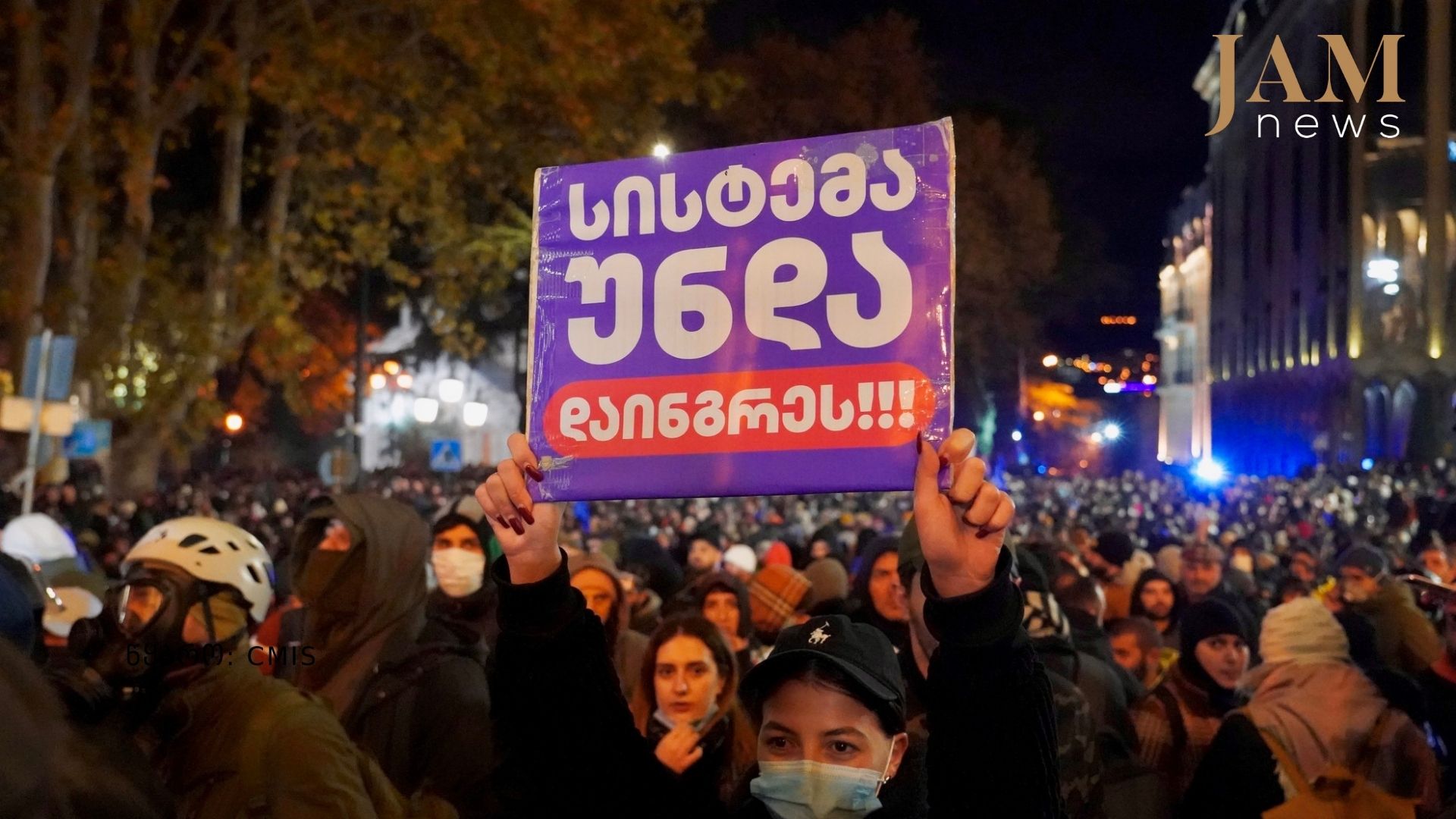
Prosecutors charged Menteshashvili under Part 1 of Article 347 of Georgia’s Criminal Code, which carries a maximum sentence of one year in prison.
Police arrested Menteshashvili on Rustaveli Avenue on the evening of 31 October 2025. According to the Interior Ministry, he was driving a car when officers stopped and detained him.
The following day, 1 November, the ministry announced criminal proceedings against Menteshashvili, accusing him of repeatedly blocking Rustaveli Avenue.

Reactions
Tamar Oniani, chair of the Georgian Young Lawyers’ Association, said the case of Zurab Menteshashvili represents an entirely new chapter, even in the history of a system that, in her view, has previously handed down unjust convictions.
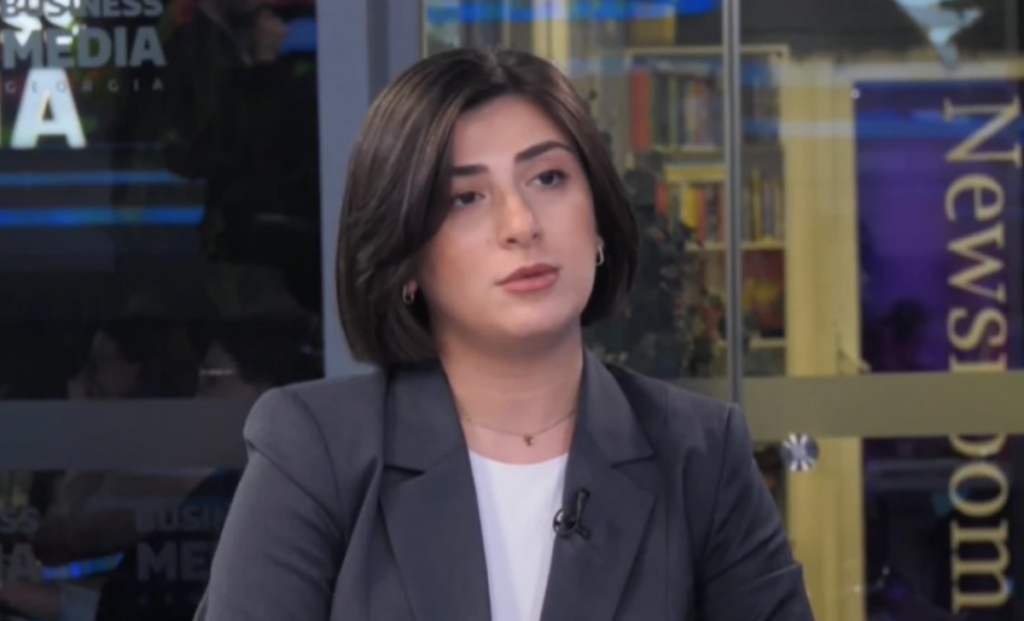
Tamar Oniani said:
“This is the first prisoner held criminally liable for exercising the right to freedom of assembly under a legal framework specifically designed to undermine that very freedom. Lawmakers created this framework along the lines of what legal scholarship describes as personalised legislation — laws that ruling elites push through legislatures in order to strengthen their power or target political opponents.
The amendments were introduced on 13 October 2025. They established criminal liability for a person who has already faced administrative sanctions for actions covered by Parts 9 or 10 of Article 174. The relevant provisions of the Administrative Code are themselves merely referential. They point to Georgia’s Law on Assemblies and Demonstrations, which raises serious problems from the standpoint of legal drafting and legislative technique. The Venice Commission has criticised similar referential provisions in the past.
Parliament rushed these amendments through the legislative process. The court tried Zurab Menteshashvili under this article.
However, what options did the judge have, apart from acquitting him? The judge could have refrained from imposing pre-trial detention from the outset and could have referred the matter to the Constitutional Court through a constitutional complaint.
Since that did not happen, was there anything else that could have eased the defendant’s situation at this stage? The court could have imposed a sentence of seven months — the exact period he had already spent in pre-trial detention.
Instead, it sentenced him to nine months. Those additional two months amount to nothing less than the judiciary’s participation in creating further pressure on freedom of assembly.
Solidarity with Zurab Menteshashvili — the first person in Georgia who will spend nine months in prison for taking part in an entirely non-violent protest.”

Guro Imnadze, a lawyer, said:
By sending a person to prison for nine months under this law, Galustashvili is not merely complying with what we consider an unjust legal act. She is also endorsing and advancing its underlying principles.”
“Judge Nino Galustashvili sentenced Zura Menteshashvili to nine months in prison for standing on a road. Whatever legal label the government chooses to give it, and whatever amendments it makes to the Administrative Offences Code or the Criminal Code, the essence remains the same.
When all of this is over, Nino Galustashvili and others like her will probably argue that they were simply applying the law and could do nothing else. Yet even a second-year law student knows that a judge has the right — and, indirectly, the duty — not to apply a law if they have doubts about its constitutionality.
First prison term for protest roadblock in Georgia
The Sakarya field, located in the Black Sea, is considered the largest offshore natural gas discovery in Türkiye’s history. Its discovery was announced in July 2020, while the first deliveries to the national gas distribution system began in September 2023. By the end of 2023, production at the Sakarya field reached…
Check and improve your network performance Follow the steps to improve your mesh connection, increase your internet speeds, and make your internet more consistent throughout your home. Improve your mesh network The mesh test measures the connection between your router or primary Wifi point (the one connected to your modem) and any additional …