
Day: May 28, 2026
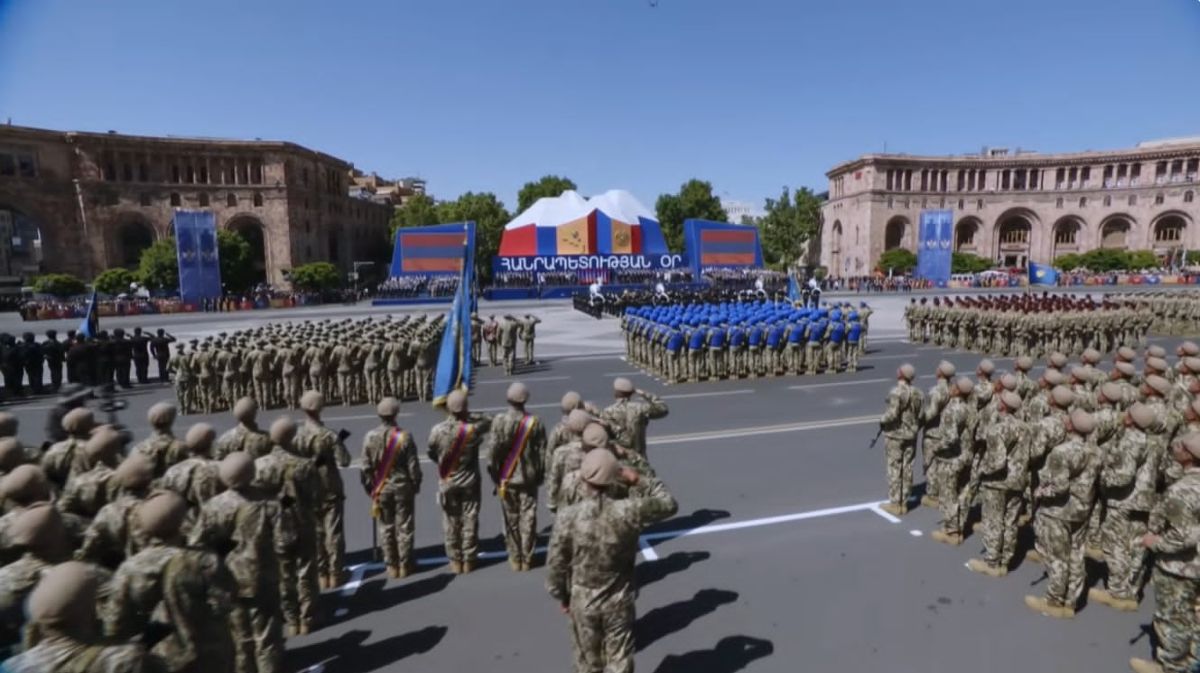
Military parade in Armenia marks Republic Day
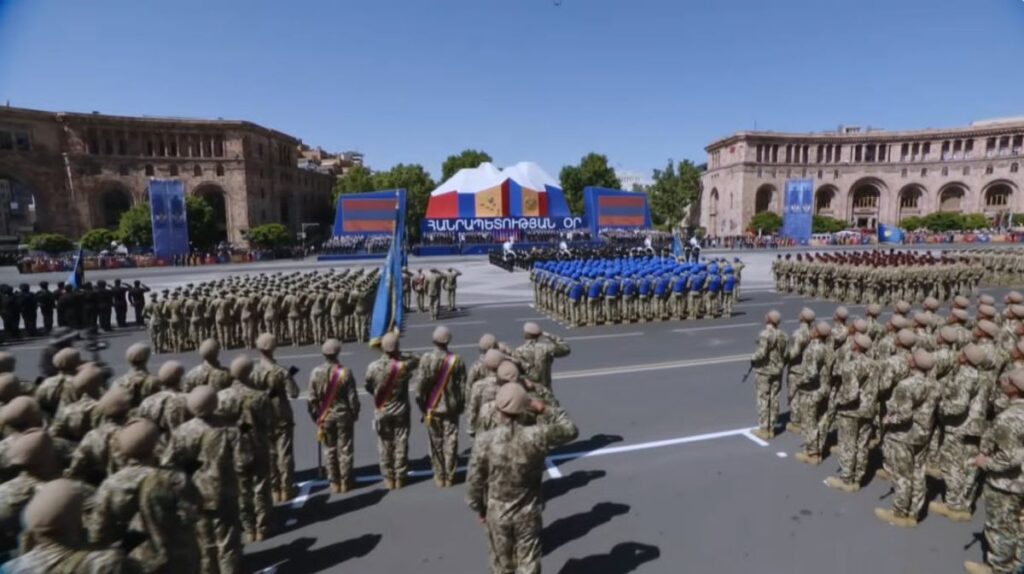
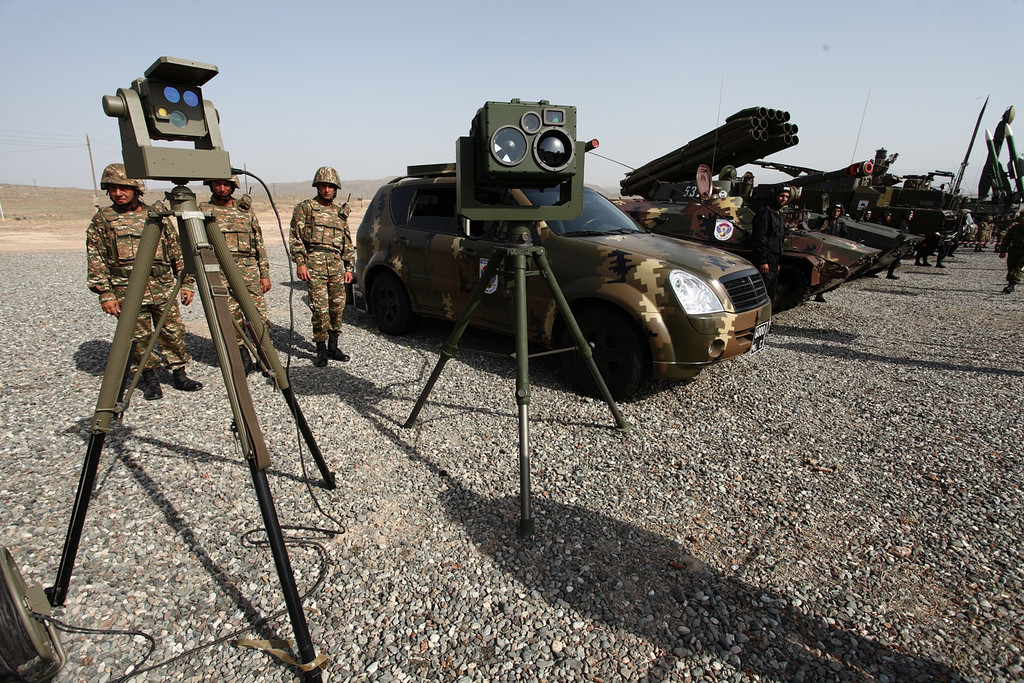
Armenia is marking Republic Day. A military parade took place on Republic Square in central Yerevan. The government showcased modern weapons and military equipment that the armed forces have added to their arsenal in recent years.
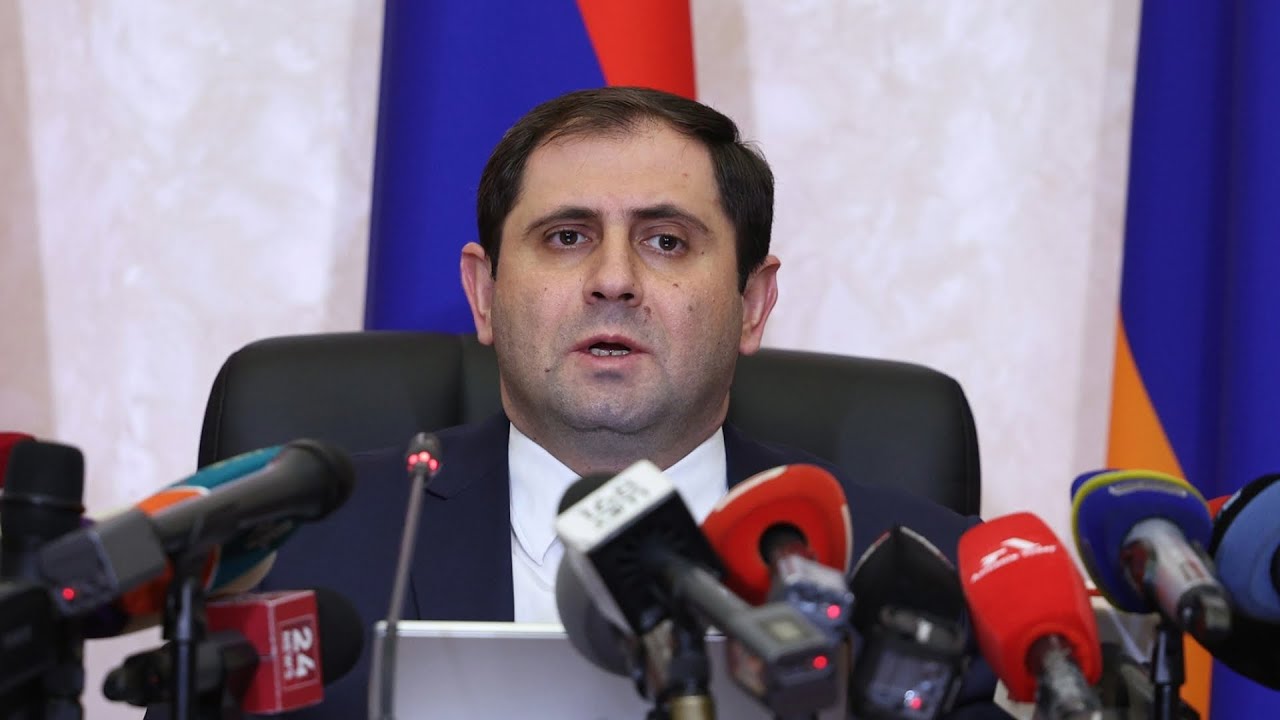
Prime Minister Nikol Pashinyan said in his speech that “Armenia’s military cooperation network” now spans seven countries. Until recently, Armenia had effectively relied on a single main arms supplier — Russia. The prime minister stressed that international arms markets opened up to Armenia after agreements reached in Prague on 6 October 2022.
That day, leaders held a four-party meeting during the summit of the European Political Community in Prague. The meeting brought together President of the European Council Charles Michel, French President Emmanuel Macron, Nikol Pashinyan and Azerbaijani President Ilham Aliyev. After the meeting, Armenia and Azerbaijan recognised each other’s territorial integrity and sovereignty under the 1991 Alma-Ata Declaration.
According to Pashinyan, international arms and military equipment markets had previously remained largely inaccessible to Armenia.
He said “international partners refused to supply weapons because they believed Armenia would use them outside its internationally recognised territory”, referring to Nagorno-Karabakh.
During the parade, Armenia also showcased domestically produced weapons and military equipment, including strike and reconnaissance drones.
“Since 2022, Armenia’s government has invested around 170 billion drams (approximately $466 million) in the military-industrial sector. And we have achieved results we can now be proud of,” the prime minister said.
According to Nikol Pashinyan, Armenian-made weapons and military equipment are “taking their first but confident steps towards securing stable positions on the international market”.
- Pashinyan comments on gas prices, recent assault and exposing agents as key election looms
- Armenia gains access to rail connections through Turkey: what to expect
- Assassination plot against Nikol Pashinyan: real or hybrid threat?
Drones, including domestically produced models, showcased at parade
The military parade featured modern reconnaissance and strike drones. Armenia showcased both foreign-made UAVs and domestically produced systems.
The parade presenter told attendees that Armenian-made drones represent unique technological solutions. He said cooperation between the Military-Industrial Committee, the armed forces and local private companies made their development possible.
Among the systems on display was the locally produced giant UAV “Aghegh” (“Bow”), a multifunctional drone designed for reconnaissance, target detection and strike missions.
The drone has a wingspan of 18 metres and a length of 8.5 metres. It can fly at a speed of 200 km/h for up to 28 hours. The UAV can reach an altitude of 8,600 metres above sea level and has a flight range of 2,000 kilometres.
Fighter jets over Yerevan
The parade also featured new helicopters and aircraft that have recently entered the country’s air force arsenal.
They included multirole helicopters, Sukhoi Su-30 fighter jets and Sukhoi Su-25 attack aircraft.
What else the parade showcased
Separate army units showcased new weapons systems, including precision-guided and AI-assisted equipment. The display also featured remotely operated robotic military systems and electronic warfare equipment.
Military vehicles and weapons systems that rolled across the square included:
- Bastion armoured vehicles,
- heavy artillery systems,
- infantry rocket launchers,
- air defence missile systems,
- radar stations,
- anti-tank guided missile systems,
- mortar systems,
- D-30 and “Tork” howitzers,
- self-propelled artillery systems,
- rocket artillery systems.
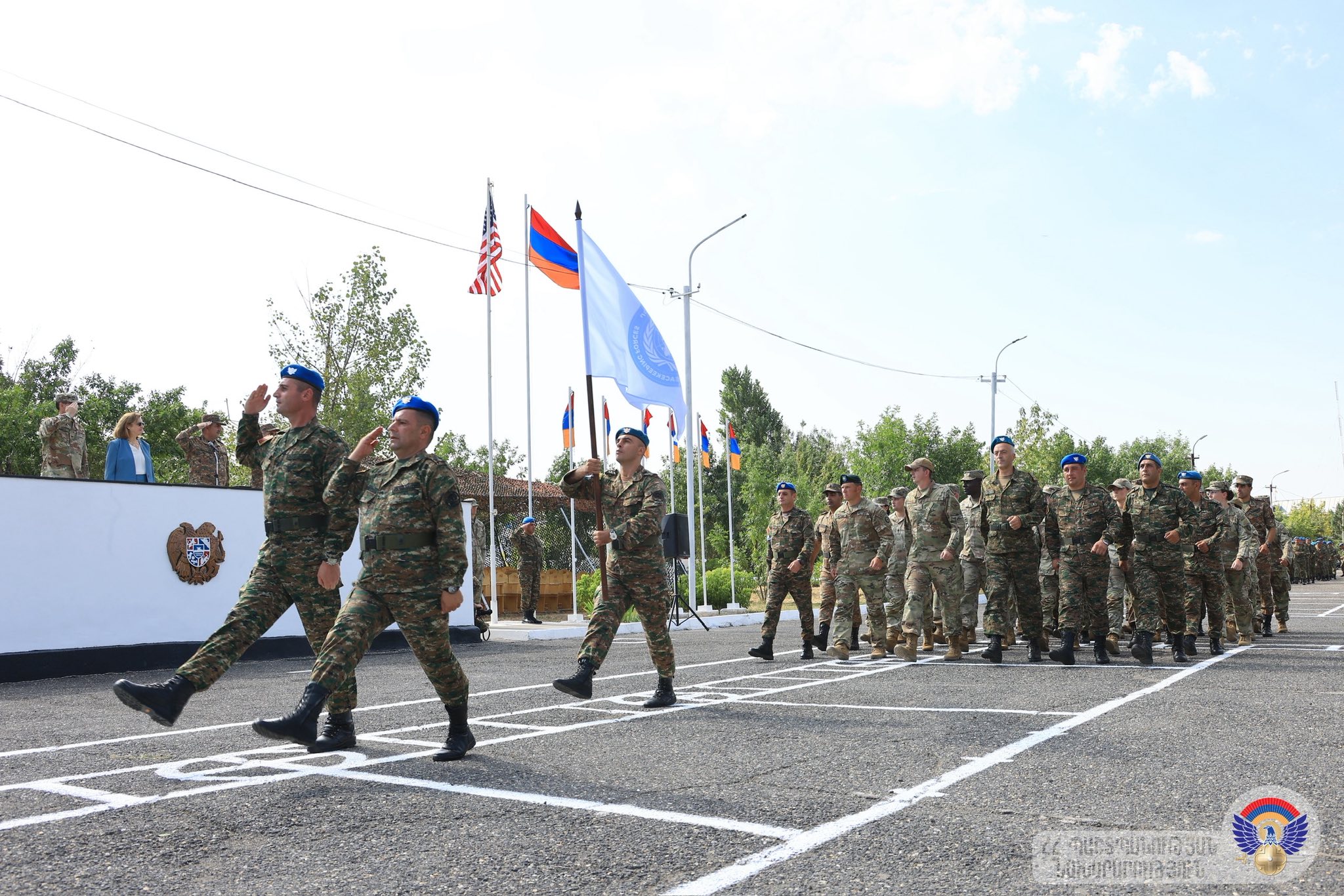
Fourteen military formations took part in the parade. Participants included defence ministry personnel, members of several units of the National Security Service of Armenia, female service members and cadets from military academies.
The event also featured a ceremonial honour guard performance.
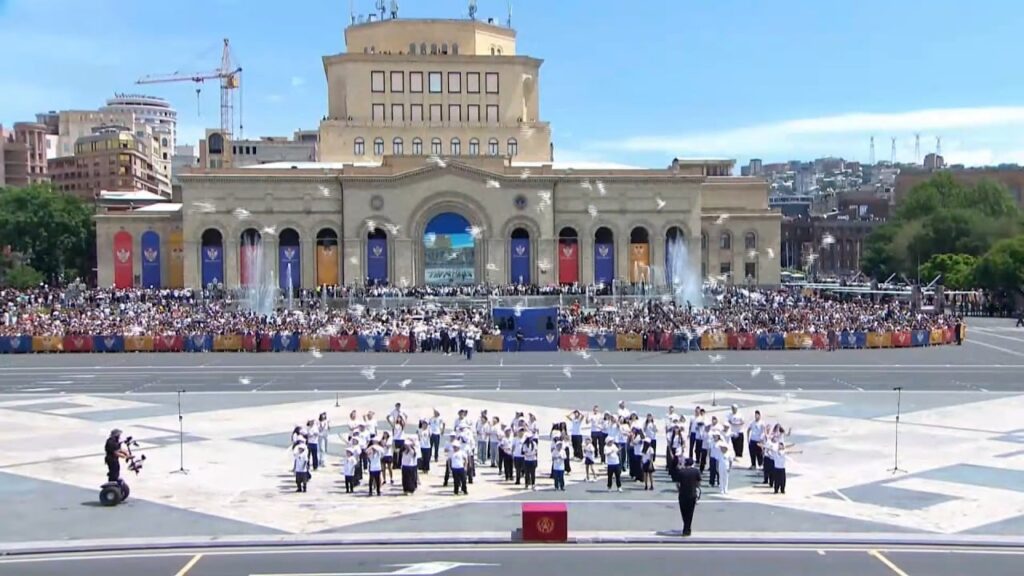
An orchestra from the armed forces closed the parade. A group of children then entered the square and released doves into the sky as a symbol of peace.
Anyone interested in military equipment has the opportunity to take a closer look at the weapons systems showcased during the parade. Authorities will keep all of the equipment on display along one of the capital’s main avenues until the end of the day.
“Army is a factor for peace, not war” — Pashinyan
Armenian Prime Minister Nikol Pashinyan said this year’s Republic Day comes under new “historic” conditions.
Pashinyan stressed that peace has been established between Armenia and Azerbaijan after nearly 35 years of conflict.
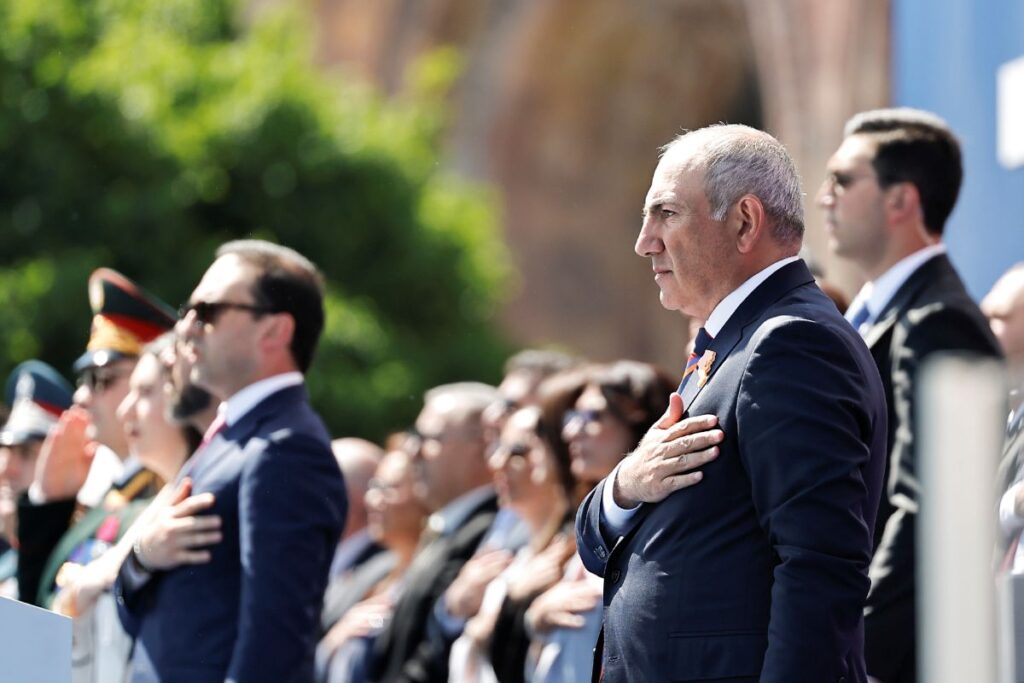
In Pashinyan’s view, the army remains the country’s most important state institution even in peacetime.
“Today, the Armenian army is a factor for peace, not war, because a country without a capable and strong army can become a tempting target for aggression. We cannot allow such a situation,” Nikol Pashinyan said.
Pashinyan stressed the importance of showing Armenians a renewed army equipped with new weapons, uniforms and ideology. According to him, that ideology rests on a simple principle:
“The army’s only mission is to defend Armenia’s internationally recognised sovereign territory.”
The prime minister explained that the army should not operate outside the country’s borders except as part of peacekeeping missions. He said the government’s approach made it possible for Armenia to achieve what the country showcased during the parade.е.
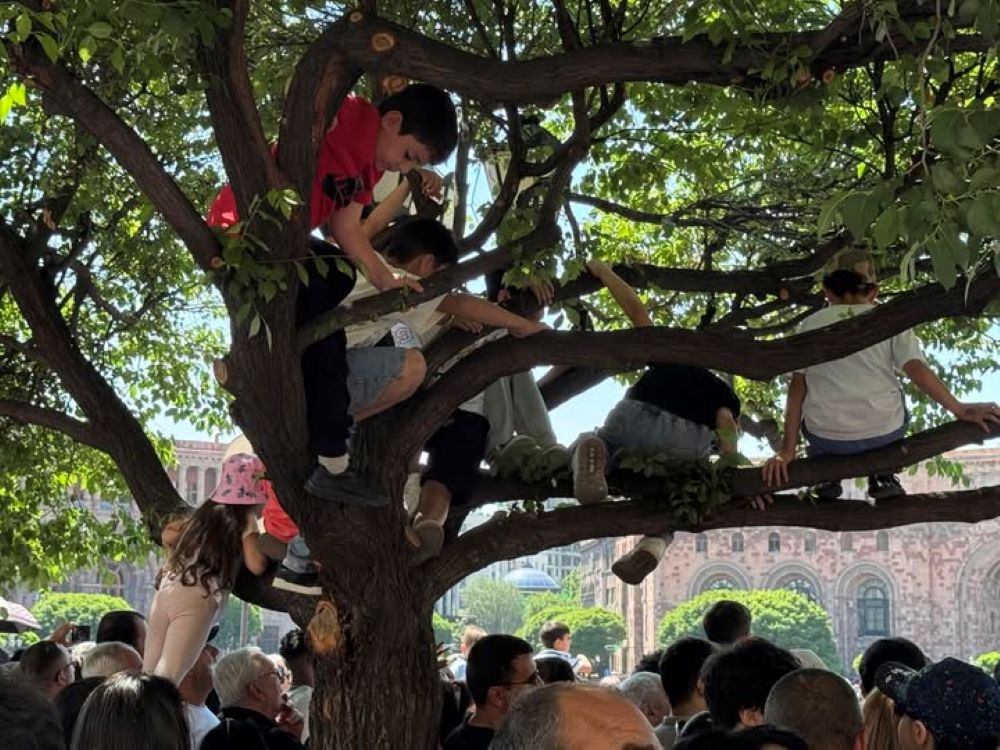
According to Nikol Pashinyan, the military parade served as a kind of report not only to Armenia’s citizens, but also to soldiers who died for the homeland.
He has repeatedly said that Armenia became more independent, sovereign and secure at the cost of their lives.
Participants in the military parade honoured their memory with a minute of silence. Artillery salutes then followed in their honour.
Military parade in Armenia marks Republic Day
Letter from an Azerbaijani activist in prison
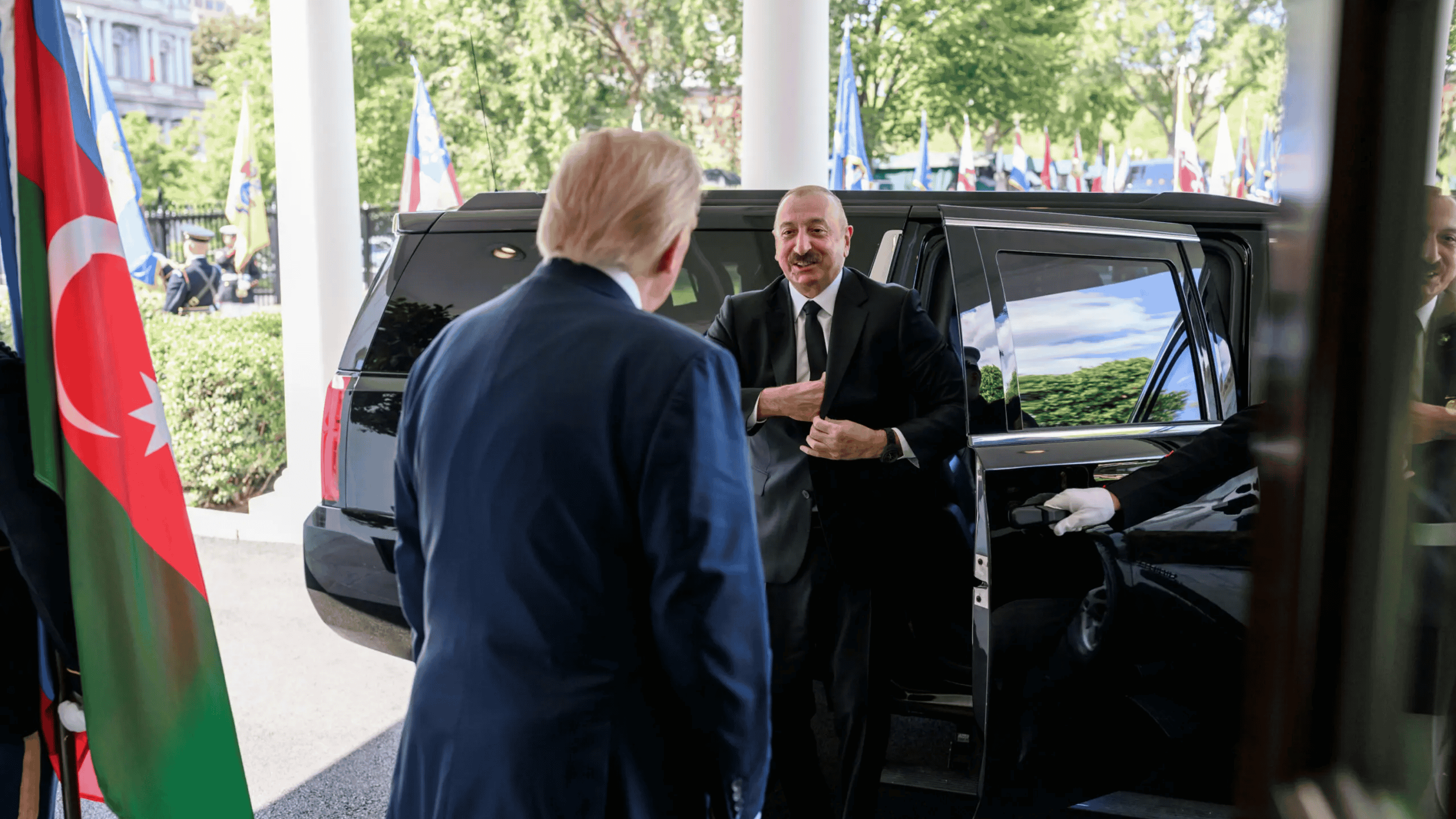
Imprisoned civic activist Bakhtiyar Hajiyev wrote in a letter sent to our editorial office that international organisations and leading analytical centres have increasingly raised the issue of political prisoners in Azerbaijan in recent months.
He stressed that the unresolved nature of the problem hinders the development of bilateral relations, the peace agenda with Armenia and the repeal of Section 907 of the Freedom Support Act.
According to Hajiyev, Azerbaijani authorities try to justify the arrests of civil society leaders, activists, human rights defenders and journalists by portraying them as a threat to the government and an obstacle to the peace process.
The activist considers this approach unfounded and based on an imaginary threat. In his view, the real problems stem from consistent criticism by international organisations, deteriorating relations with foreign partners, growing domestic dissatisfaction and the authorities’ policy of self-isolation.
Hajiyev proposes treating political prisoners not as a threat, but as a resource and potential partners. He believes a decree introducing a broad amnesty would help preserve the peace agenda, reduce internal tensions and open the way to resolving issues such as the repeal of Section 907 of the Freedom Support Act.
The author places particular emphasis on the extradition to Armenia of several ethnic Armenian prisoners currently held in Azerbaijan. He argues that such a step, taken ahead of Armenia’s parliamentary elections on 7 June, could make an important contribution to Nikol Pashinyan’s chances of victory and advance the peace process.
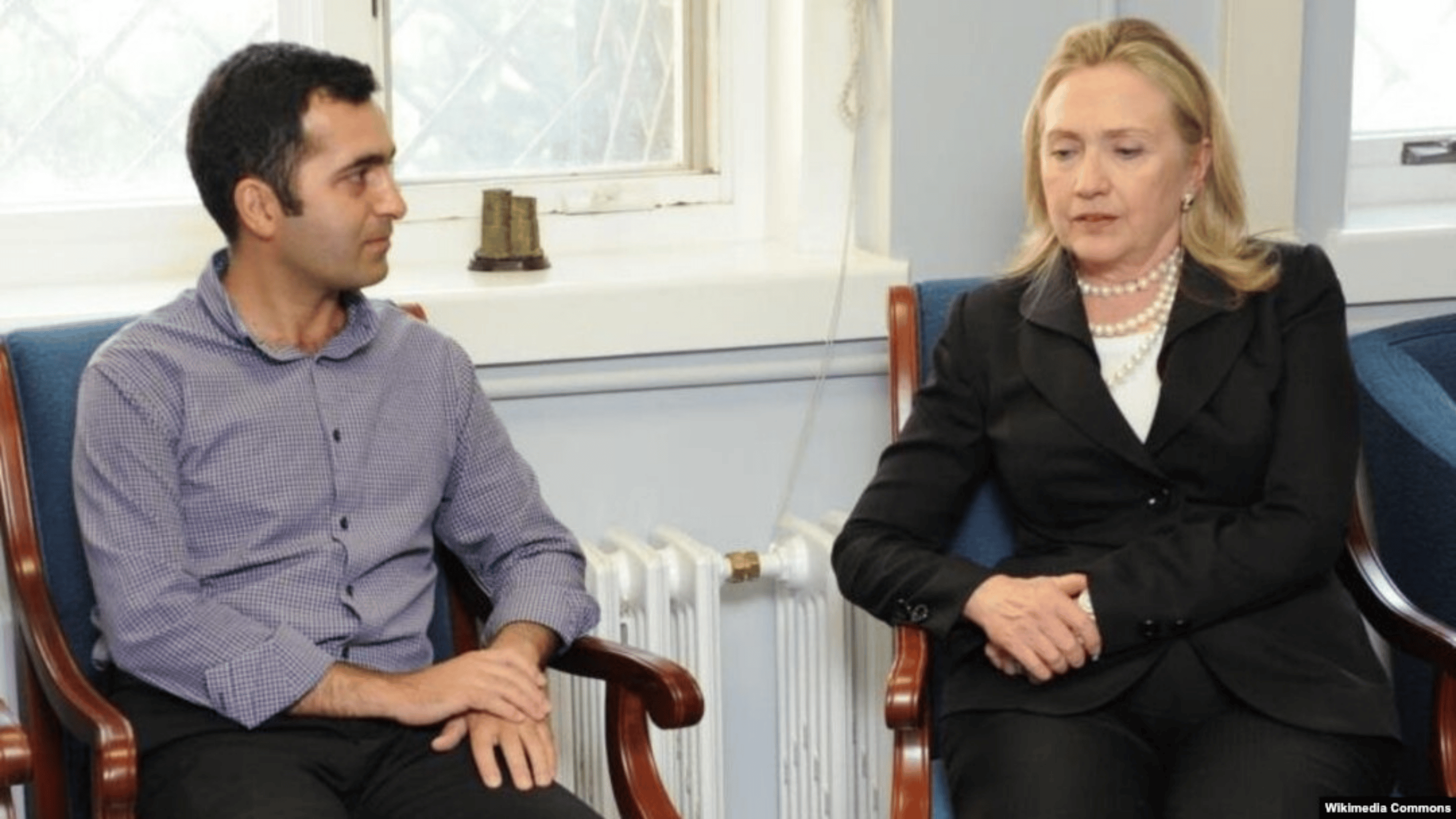
Who is Bakhtiyar Hajiyev?
Bakhtiyar Hajiyev is a well-known Azerbaijani civic activist, former youth movement participant and political prisoner.
He ran as an independent candidate in parliamentary elections in 2010 and 2020. Hajiyev also co-founded the youth movement Positive Change.
Between 2011 and 2012, he served a two-year prison sentence on charges of evading military service. International organisations described the case as politically motivated.
Authorities arrested Bakhtiyar Hajiyev again in December 2022. Prosecutors charged him under Articles 221.2.2 and 289.1 of the Criminal Code. The charges concern hooliganism involving resistance to a person maintaining public order and contempt of court.
On 16 June 2023, investigators brought additional charges against the activist. Most of them relate to financial issues, particularly the alleged misuse of grant funds.
Prosecutors also charged him under Articles 192 (illegal entrepreneurship), 193-1 (money laundering), 206 (smuggling) and 320 (use of forged documents) of the Criminal Code.
Bakhtiyar Hajiyev rejects all charges against him. He denies any guilt and says authorities arrested him on orders from above and punished him for criticising Interior Minister Vilayat Eyvazov.
International human rights organisations, including Amnesty International and Freedom Now, recognise him as a political prisoner and demand his release.
Hajiyev frequently speaks out on civil society issues and has repeatedly faced repression.
Full text of the letter:
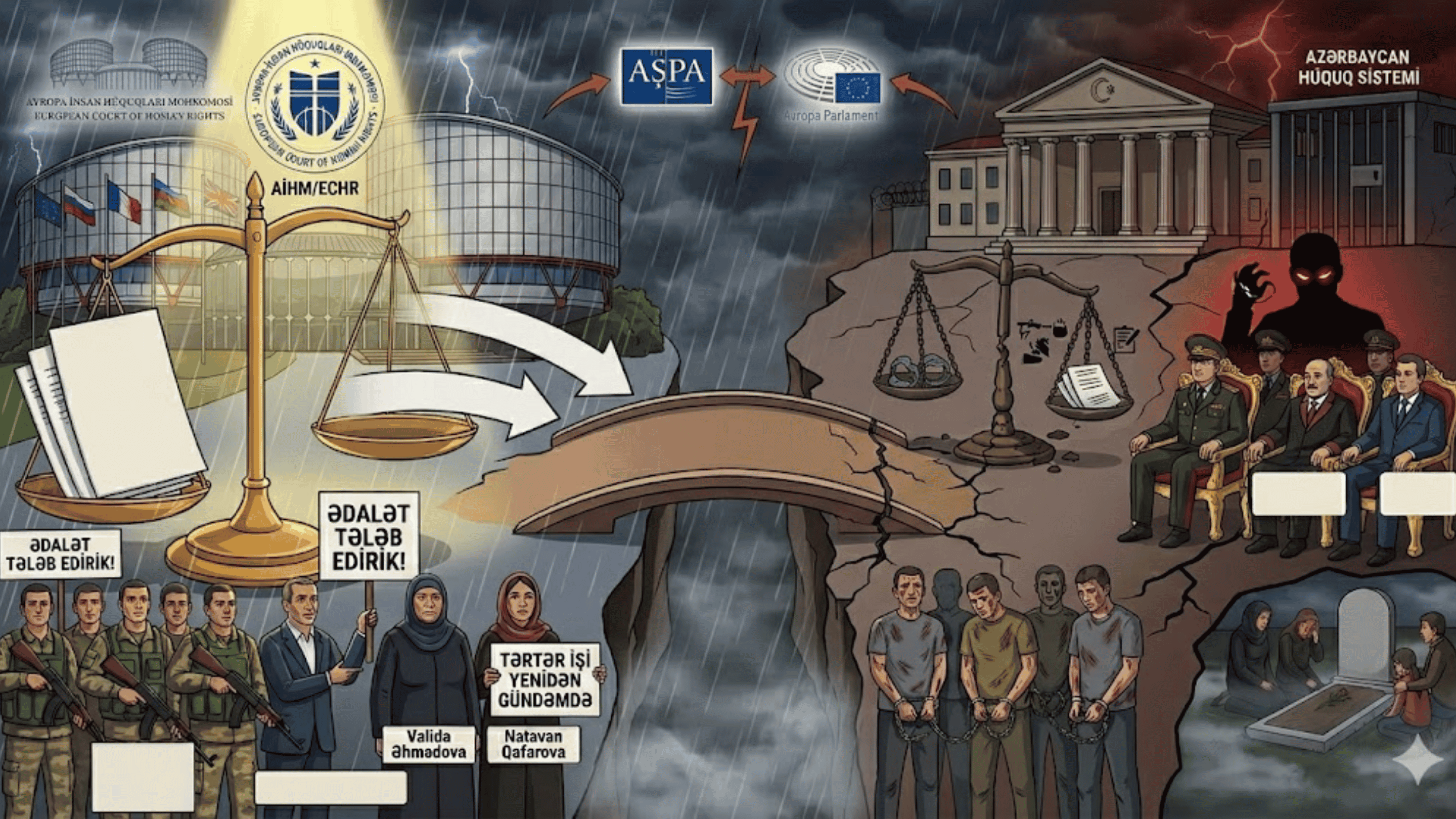
“In recent times, various organisations and leading analytical centres have increasingly raised the issue of political prisoners in Azerbaijan. They note that the unresolved nature of this problem hinders the development of bilateral relations, the advancement of the peace agenda and the repeal of Section 907 of the Freedom Support Act.
The Azerbaijani authorities try to justify the arrests of civil society leaders, activists, human rights defenders and journalists by portraying them as a threat to their own power and as a potential obstacle to the peace agenda with Armenia.
At the same time, claims that political prisoners threaten the authorities or obstruct the peace process do not correspond to reality and rely on an imaginary threat. The real problems stem from consistent criticism by international organisations, deteriorating relations, growing domestic dissatisfaction and the authorities’ policy of self-isolation.
Given this, the authorities should fundamentally reconsider their approach to political prisoners. They should treat people known in civil society for their experience, knowledge, skills and international connections, as well as their ability to influence public opinion, not as a threat or a bargaining tool in relations with the West, but as a resource and potential partners.
I am convinced that many political prisoners possess the ability to make a positive contribution to improving relations with the European Union, the Parliamentary Assembly of the Council of Europe and the United States, as well as to advancing initiatives aimed at repealing Section 907 and promoting the peace agenda with Armenia.”

“It is obvious that the Azerbaijani authorities do not intend to keep political prisoners behind bars for life or for extended periods. At the same time, one can assume that, at a certain stage — for example after Armenia and Azerbaijan sign a peace agreement — the authorities may extradite ethnic Armenian detainees mentioned in statements and reports by international organisations to Armenia.
For the signing of a peace treaty, victory for Nikol Pashinyan’s party in Armenia’s parliamentary elections on 7 June is important.
Given the tense nature of the election campaign in Armenia and the high likelihood of serious external interference, extraditing several ethnic Armenian detainees held in Azerbaijan before the 7 June elections could become a lifeline for Nikol Pashinyan’s victory and for advancing the peace agenda.
If the Azerbaijani authorities are genuinely considering extraditing these individuals in the future, now is the most suitable moment to do so.
At the same time, a broad amnesty decree covering political and religious prisoners could help preserve the peace agenda, reduce domestic dissatisfaction, end the policy of self-isolation and open the way to resolving many issues, including the repeal of Section 907 of the Freedom Support Act.”
Letter from an Azerbaijani activist in prison