
A concert by Kazakhstan’s Turan Ethno-Folk Ensemble has taken place in front of the architectural landmark, the Palace of Khurshidbanu Natavan as part of the Kharibulbul International Music Festival held in Shusha, AzerNEWS reports.
Day: May 15, 2026
#SouthCaucasus #CIA #OTS
Ultimately, the “brotherly state” in the OTS is a masterclass in strategic narrative. It uses the very real bonds of language and culture, sprinkles in the emotive rhetoric of shared genetics, and mixes them to secure highly pragmatic, modern— @mikenov May 15, 2026
Prison statistics in Georgia
The number of prisoners in Georgia reached a historic high in 2025. According to official data, a total of 22,767 convicted inmates were held in the penitentiary system over the course of the year. This represents a 25.5% increase compared with 2024 and is the highest figure recorded since the Geostat national statistics office began collecting data.
According to 2024 data, Georgia ranks second among the 46 member states of the Council of Europe in the number of prisoners per 100,000 population. Turkey tops the list with 408 prisoners per 100,000 people, while Georgia ranks second with 236.6 inmates per 100,000 population.
In the early 2000s, Georgia had between 8,000 and 9,000 prisoners. During the rule of former president Mikheil Saakashvili, however, the policy of “zero tolerance” rapidly filled prisons, with the number of inmates surpassing 20,000 in 2007-2008. After 2012, amid scandals and a change of government, the figure dropped sharply and remained at around 15,000-16,000 for several years.
The 2025 data suggest the country is returning to levels once regarded as a symbol of authoritarian governance.
Particularly striking in the statistics is the number of drug-related offences — 5,322 cases. That is almost equal to the combined number of all theft-related crimes and significantly exceeds the number of violent offences. By comparison, the total number of intentional and aggravated murders stands at 109, rapes at 45 and robberies at 83.
- Amnesty International’s 2025 report: Repression and shrinking civic space in Georgia
- Georgian Young Lawyers’ Association publishes 2025 human rights report
Another striking feature of the statistics is the category of “other crimes”, which includes 12,732 cases — more than half of the total number recorded. Such a broad and vague classification makes it difficult to assess which types of offences are actually driving the rise in the prison population.
For many years, Georgia has remained among the European countries with one of the highest imprisonment rates per 100,000 people.
Critics argue that the state’s response to social problems remains heavily punitive: issues such as poverty, drug addiction, juvenile crime and road safety are often “addressed” through courts and prisons, while prevention, rehabilitation and broader social policy mechanisms remain weak.
The number of prisoners in Georgia by year was as follows:
- 2025 — 22,767 prisoners
- 2024 — 16,961 prisoners
- 2023 — 18,547 prisoners
- 2022 — 18,850 prisoners
- 2021 — 15,412 prisoners
- 2020 — 12,980 prisoners
- 2019 — 16,748 prisoners
- 2018 — 15,846 prisoners
- 2017 — 14,517 prisoners
- 2016 — 15,640 prisoners
- 2015 — 15,139 prisoners
- 2014 — 16,776 prisoners
- 2013 — 15,166 prisoners
- 2012 — 10,922 prisoners
- 2011 — 18,153 prisoners
- 2010 — 19,940 prisoners
- 2009 — 18,354 prisoners
- 2008 — 20,804 prisoners
- 2007 — 21,170 prisoners
- 2006 — 16,911 prisoners
- 2005 — 9,168 prisoners
- 2004 — 9,071 prisoners
- 2003 — 8,110 prisoners
- 2002 — 8,579 prisoners
- 2001 — 8,897 prisoners
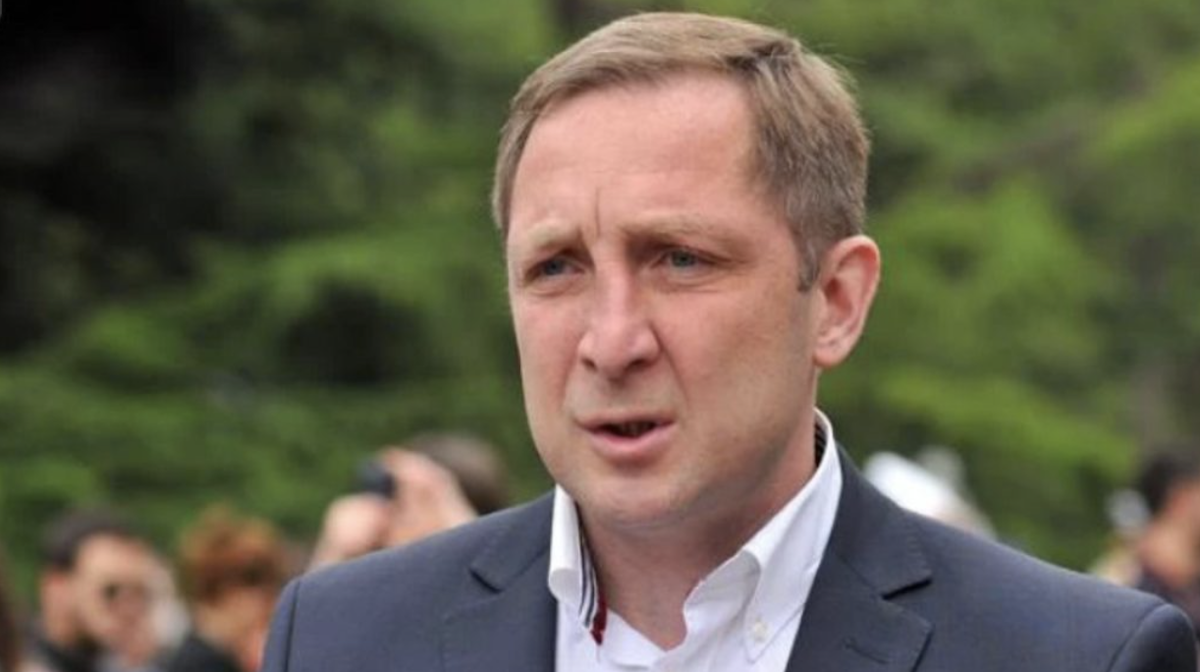
Former Georgian Euro-integration minister arrested
A Tbilisi court found former minister for European and Euro-Atlantic integration Alexi Petriashvili guilty of an administrative offence and sentenced him to three days in detention for “violating public order on a pavement”. The ruling was delivered by judge Tornike Kapanadze. Petriashvili was handcuffed in the courtroom.
Georgia’s Interior Ministry accused Petriashvili of standing on the pavement outside the parliament building on 17 December 2025 and “artificially” obstructing pedestrian movement.
Petriashvili was represented in court by lawyer Irakli Abesadze, who argued that law enforcement agencies and the courts were applying different standards to citizens taking part in anti-government protests.
According to Abesadze, in other cases people gathering or standing on pavements does not result in administrative charges. In his view, such measures are applied only to demonstrators protesting against the policies of Georgian Dream.
The lawyer also said that, in this specific case, pedestrians were still able to move freely and the pavement had not been completely blocked.
Before the court announced its ruling, Alexi Petriashvili said he did not consider himself a lawbreaker and described the case as politically motivated persecution.
“I do not under any circumstances consider myself a violator of this senseless law. The system is trying to punish a person who wants to express protest. I do not want to say that ‘we woke up in Chelyabinsk’ — I did a great deal to prevent that — but I view the decision to declare me a lawbreaker as political persecution,” Petriashvili said.
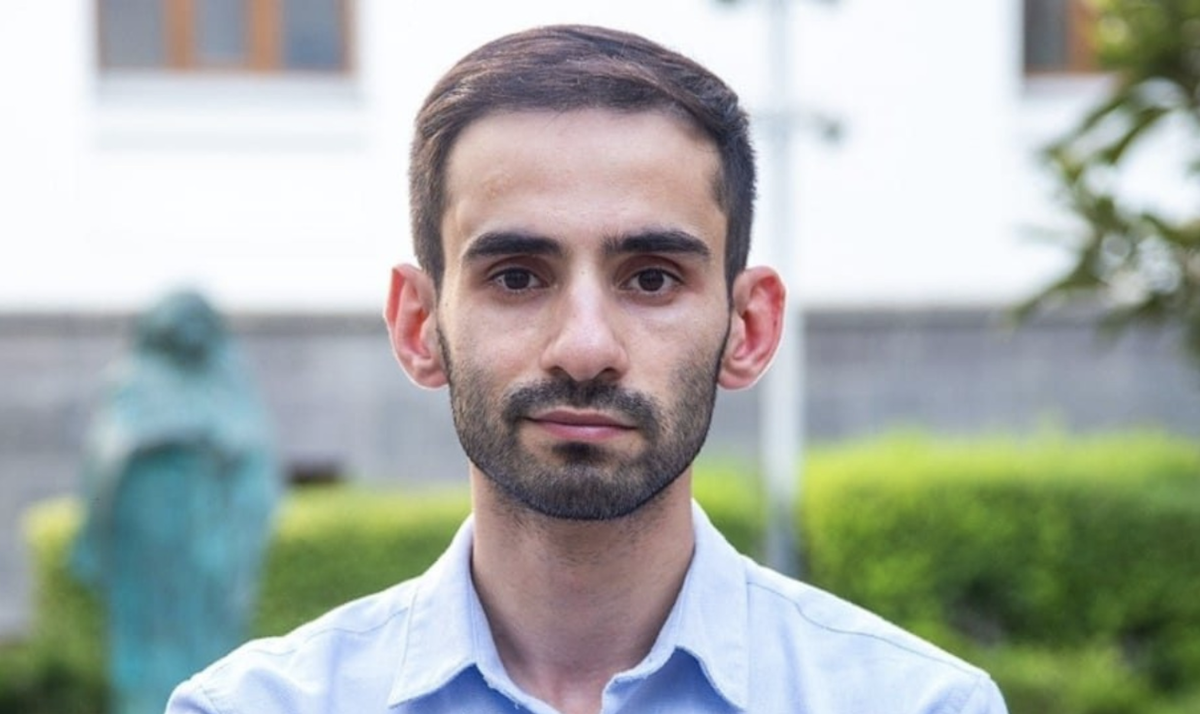
Four court hearings linked to alleged “road and pavement blocking” during protests outside parliament took place today at Tbilisi City Court. Two people received administrative detention sentences, one person was given an oral warning and one case was dismissed. All rulings were delivered by judge Tornike Kapanadze.
The case against Davit Papashvili was dismissed, with the court noting that he has held disability status since 2020. Natia Chelidze was sentenced to two days of administrative detention, while former minister Alexi Petriashvili received a three-day sentence. Sandro Sekhniashvili received a verbal warning.
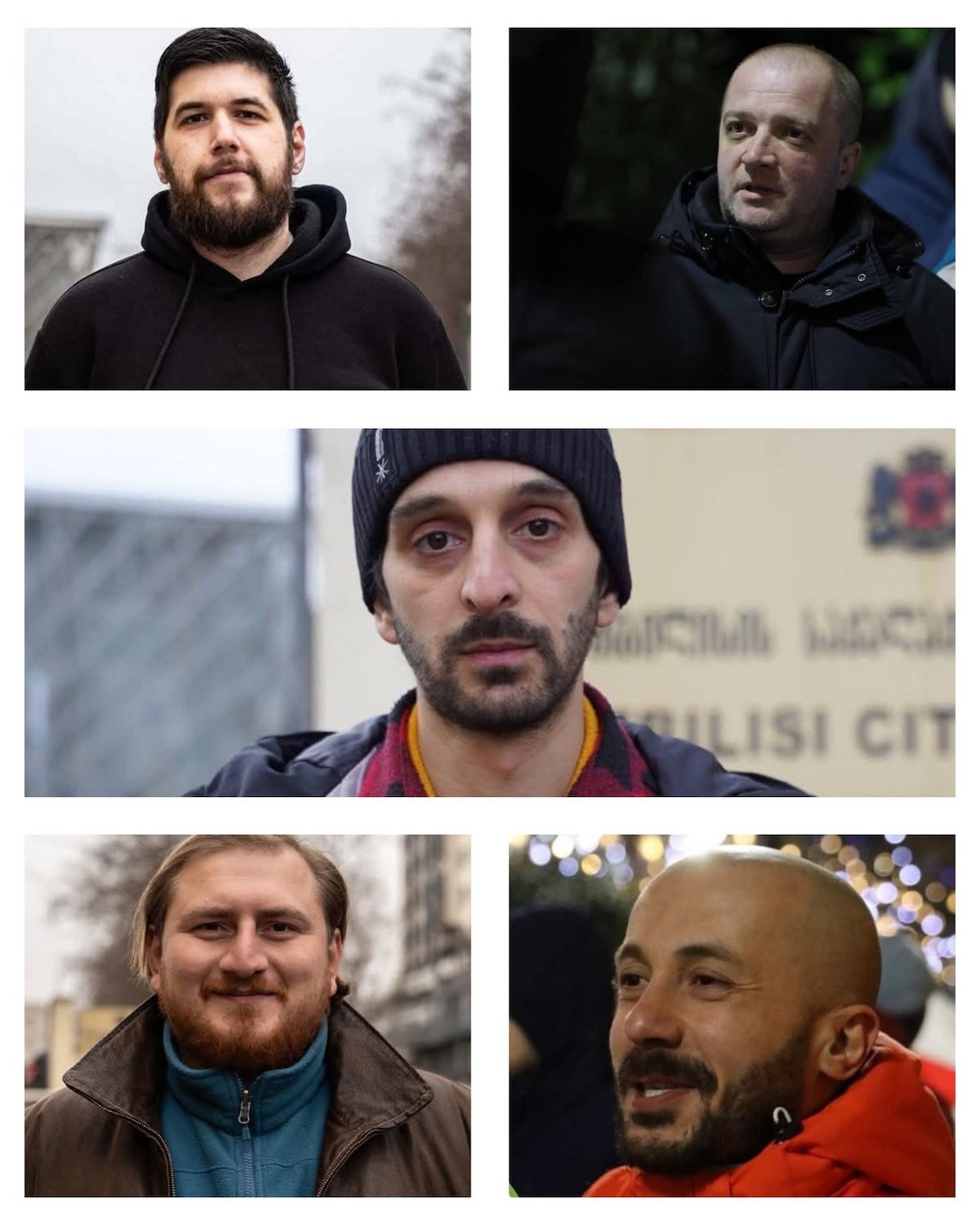
Continuous demonstrations have been ongoing in Georgia since 28 November 2024. Thousands of people took to the streets after Prime Minister Irakli Kobakhidze of Georgian Dream announced that the government would not raise the issue of EU accession talks for the next four years.
Since then, Georgian Dream has repeatedly restricted freedom of expression through new legislation. The measures include bans on wearing masks at demonstrations and using pyrotechnics, as well as the introduction of criminal liability for repeated road blockages.
The most controversial changes came with amendments effectively banning gatherings on pavements. Under the new rules, organisers must notify the Interior Ministry five days in advance of any gathering or demonstration on a pavement. The ministry is also empowered to propose an alternative time and location for protests.
In addition, administrative detention has been introduced for violations of the new regulations for the first time.