
Day: May 5, 2026
For the South Caucasus, which was long defined by geopolitical rivalry and unresolved grievances, this moment now carries genuine historical weight. Nevertheless, it is precisely at this fragile juncture that external political interventions risk complicating, and potentially slowing, the momentum towards peace.
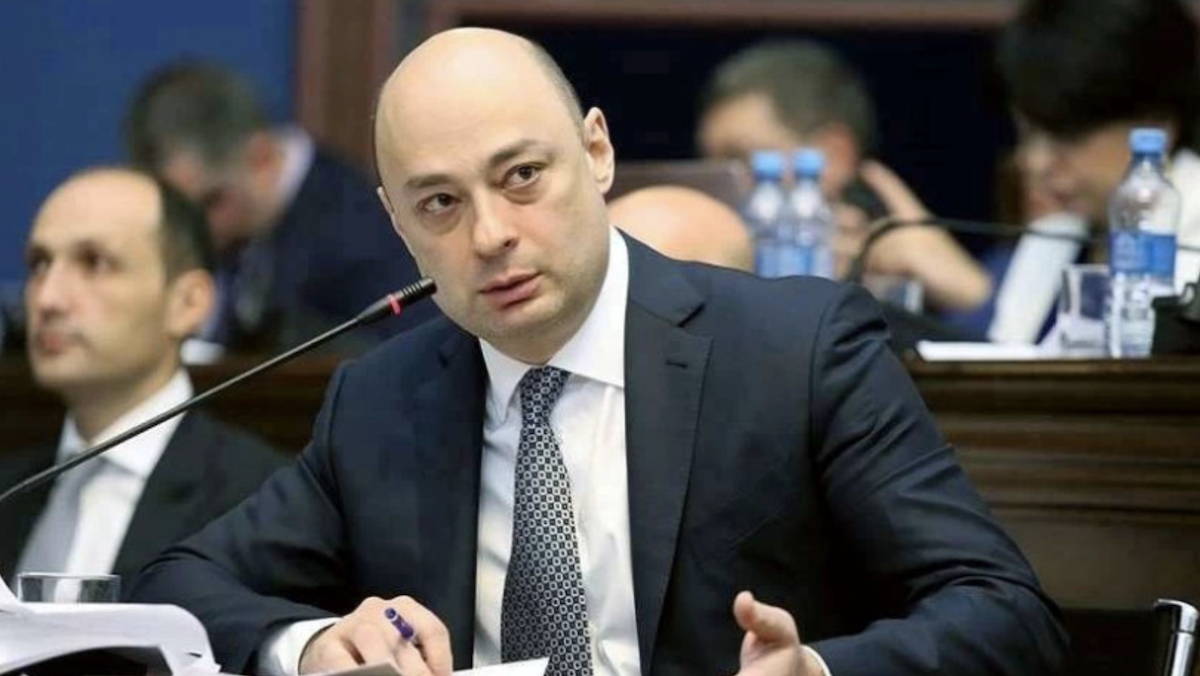
Former Georgian economy minister Giorgi Kobulia said plans by supermarket chains in the country to introduce an essential goods basket to lower prices could ultimately make the situation worse.
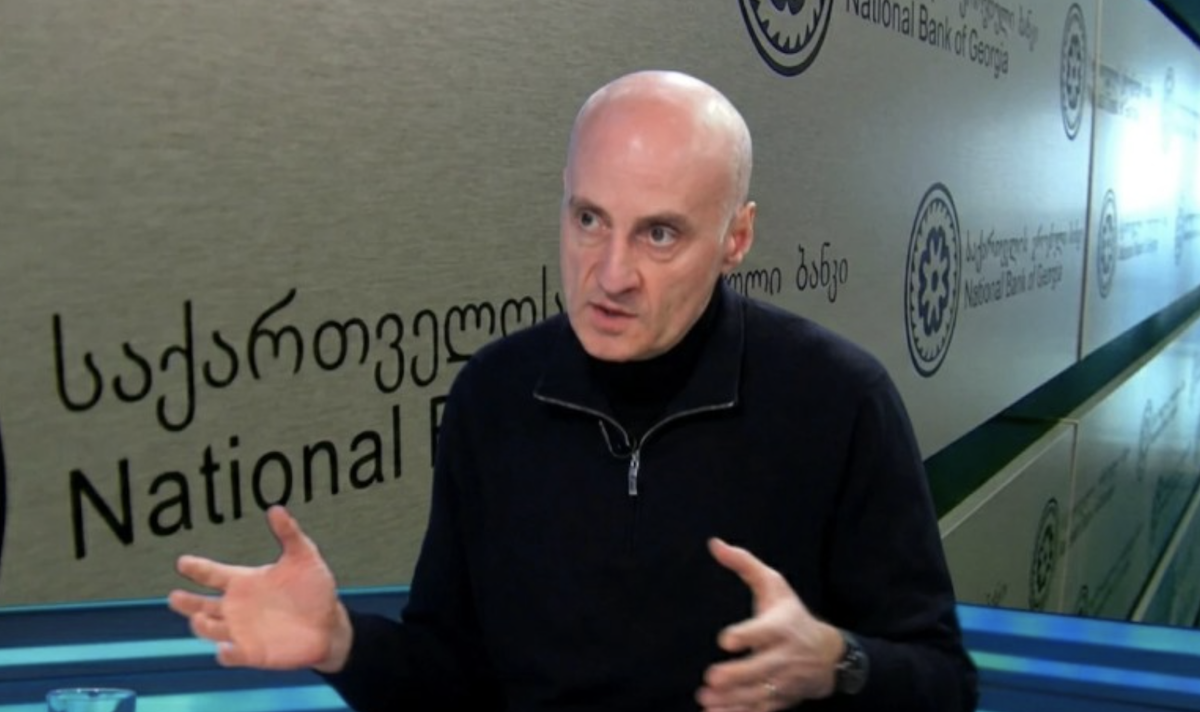
In a comment to Interpressnews, Giorgi Kobulia said that, under this approach, the government is effectively pushing businesses towards cartel agreements between producers.
On 2 May, the Georgian Retail Association, which represents the country’s largest retail chains, said its members had begun identifying products for inclusion in a “family basket” scheme. The aim is to apply special pricing to selected goods, with ongoing offers as part of companies’ social responsibility efforts. Several major supermarket chains later announced permanent discounts on certain items.
On 1 May, the Georgian parliament published the final report of a commission that examined prices for food, medicines and fuel. According to the commission’s chair, Shota Berekashvili, the recommendation is to avoid “aggressive intervention” in the food market.
Earlier, Prime Minister Irakli Kobakhidze said that in some cases food prices in Georgian supermarkets are significantly higher than in European countries. He suggested this may be due to high mark-ups and potential breaches of competition law, and called on law enforcement agencies to investigate.
“The creation of an essential food basket is harmful, absolute nonsense. How are they supposed to do this? What are we pushing them towards — cartel negotiations between producers? Agreements on which prices to raise and which to lower? After some time, the situation will become even worse than it is now. They will lower prices on some products and raise them on others, and in the end the average price will still increase.
The whole point of competition is that major players should not coordinate with each other. That is what the competition authority is supposed to monitor. If they establish a mechanism for negotiating among themselves, it will effectively become a single network able to set any prices it wants, because it will have been formally allowed and even structured. This is unthinkable.”
“This completely undermines the principle of competition and creates significant risks of non-competitive pricing for certain products. If producers or retail chains want to lower prices, they should simply do so. Why negotiate it with others? Let one lower prices, and the rest will follow. Why are negotiations needed?
It would also have been necessary to determine whether there is already price-fixing among market players. That is precisely the role of the competition authority. If it has not been established that there are privileged importers able to set prices at will, and if there is no collusion at the retail level, then that is the end of it — there is nothing more the state can do. Anything beyond that is either harmful, driven by a lack of competence, or simply a PR move. In reality, the authorities cannot do much, and any intervention risks making the situation even worse.”
Opinion on measures to cut prices in Georgia
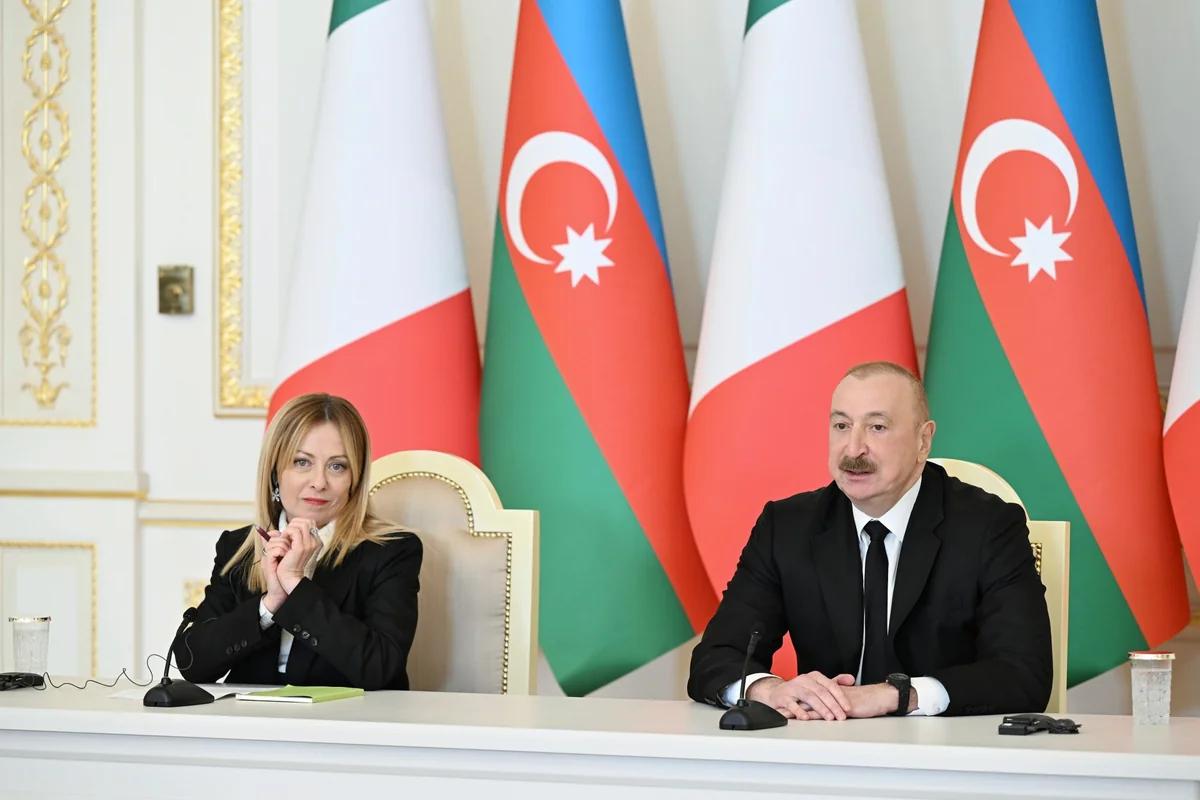
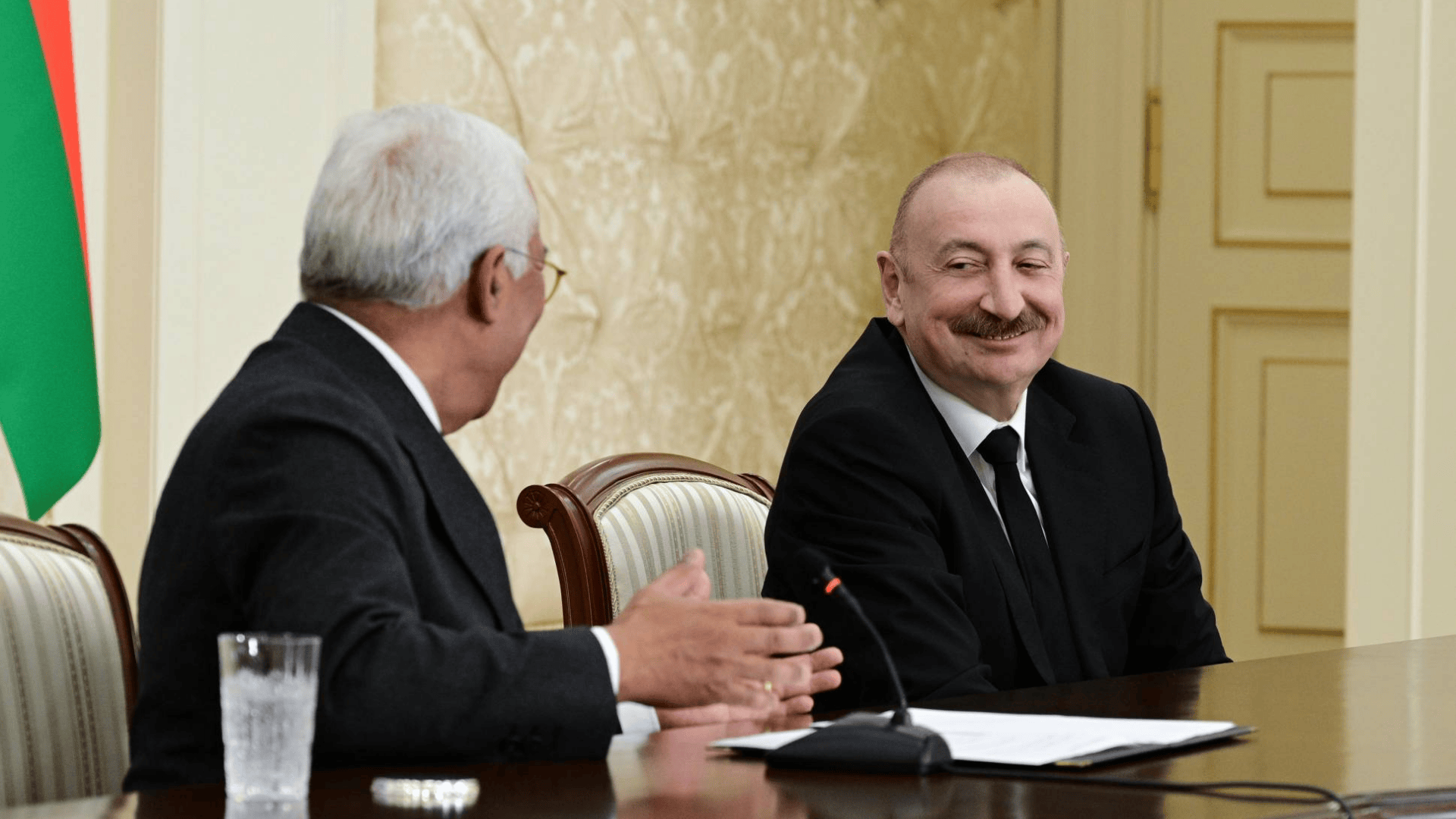
Giorgia Meloni in Baku
For Italian Prime Minister Giorgia Meloni, the visit to Baku on 4 May is not simply about continuing gas agreements. Several factors shape the visit. Three are key:
- Europe is moving away from Russian energy and looking for alternatives,
- the South Caucasus is at a sensitive stage in the post-conflict normalisation process,
- Azerbaijan is increasingly positioning itself as a regional energy hub.
Meloni arrived in Baku from Armenia, where she attended the 8th European Political Community summit.
This suggests that the political message sent from Rome to Baku was closely linked to Yerevan.
The visit is not only about Italy–Azerbaijan relations. It also reflects the growing role of the South Caucasus in Europe’s energy supply, transport connectivity and security.
The author of this analytical review has chosen to remain anonymous.
Key agreements reached during the visit
The official programme of Italian Prime Minister Giorgia Meloni’s visit was packed.
It began with a one-on-one meeting with President Ilham Aliyev, followed by talks in an expanded format. The leaders then made joint press statements, and the visit ended with a working dinner.
The following outcomes were announced:
- agreements in culture and food security,
- expanded energy cooperation, including plans to increase Azerbaijani gas exports to Italy and discussions on expanding the Trans Adriatic Pipeline (TAP),
- deeper defence and military cooperation through joint projects and production, combining Italian technology with Azerbaijan’s financial resources,
- a decision to hold an Azerbaijan–Italy business forum in Baku in the second half of 2026,
- the creation of a mechanism for ongoing political coordination, with future priorities to be defined jointly,
- expanded participation of Italian companies in the reconstruction of Karabakh and East Zangezur, alongside increased Italian investment in Azerbaijan.
Beyond energy: the context of Azerbaijan–Italy relations
Energy has long underpinned relations between Italy and Azerbaijan. But the partnership is no longer limited to that sector.
Strategic partnership declarations were signed in 2014 and 2020. This political framework is reflected in economic ties, with Italy Azerbaijan’s main trading partner.
At the sixth meeting of the intergovernmental commission in January 2026, Baku said:
Italy accounts for 25% of Azerbaijan’s foreign trade and 46.7% of its total exports.
At a joint briefing on 4 May, Azerbaijani President Ilham Aliyev said bilateral trade reached about $12bn in 2025.
The presence of around 130 Italian companies in Azerbaijan, along with 23 projects in Karabakh and East Zangezur implemented with Italian partners, suggests the relationship is moving into a “post-oil” phase.
Gas, however, remains the key pillar.
According to Aliyev, Azerbaijan exported 25 billion cubic metres of natural gas last year, with 9.5 bcm going to Italy.
Official data published in January 2026 shows that the Trans Adriatic Pipeline (TAP) has delivered 54.3 bcm of gas to Europe, including 45.4 bcm to Italy.
Azerbaijan’s Energy Ministry also said TAP met around 15% of Italy’s gas demand in 2025.
At the same time, ties are deepening in investment.
According to ministry data published in January, the portfolio of the State Oil Fund of Azerbaijan (SOFAZ) in Italy reached $2.8bn.
In 2025, the fund signed a deal to acquire a 49% stake in a solar energy portfolio in Italy with a capacity of 402 megawatts.
These figures suggest that ties between Baku and Rome are gradually expanding from fossil fuels towards green transition projects.
“Filling the gap”: the visit timeline and official signals
Italian Prime Minister Giorgia Meloni set the tone for the visit.
In Baku, she said no Italian prime minister had made an official visit to Azerbaijan in the past 13 years, and that this gap needed to be filled.
She said the sides had agreed to move cooperation into a format of “permanent political coordination” and to jointly define priorities.
Meloni also announced plans to hold a business forum in Baku in the second half of 2026.
This suggests the visit was less about signing major agreements immediately and more about shaping a new political and economic agenda.
Official statements also indicate that the agenda went beyond energy.
The discussions covered:
- expansion of the Trans Adriatic Pipeline (TAP),
- investment in new projects,
- defence cooperation, including joint production,
- cooperation in aerospace, maritime security and the protection of critical infrastructure.
Meloni described Azerbaijan as a “key hub” between Europe and Asia, and Italy as a “privileged gateway” to the European market.
She also highlighted Baku’s assistance in evacuating Italian citizens during the Iran crisis and in temporarily relocating Italy’s embassy from Tehran to Baku.
She also expressed support for the normalisation of relations with Armenia and described 2026 as an important year in this context..
Azerbaijan as part of Europe’s energy security
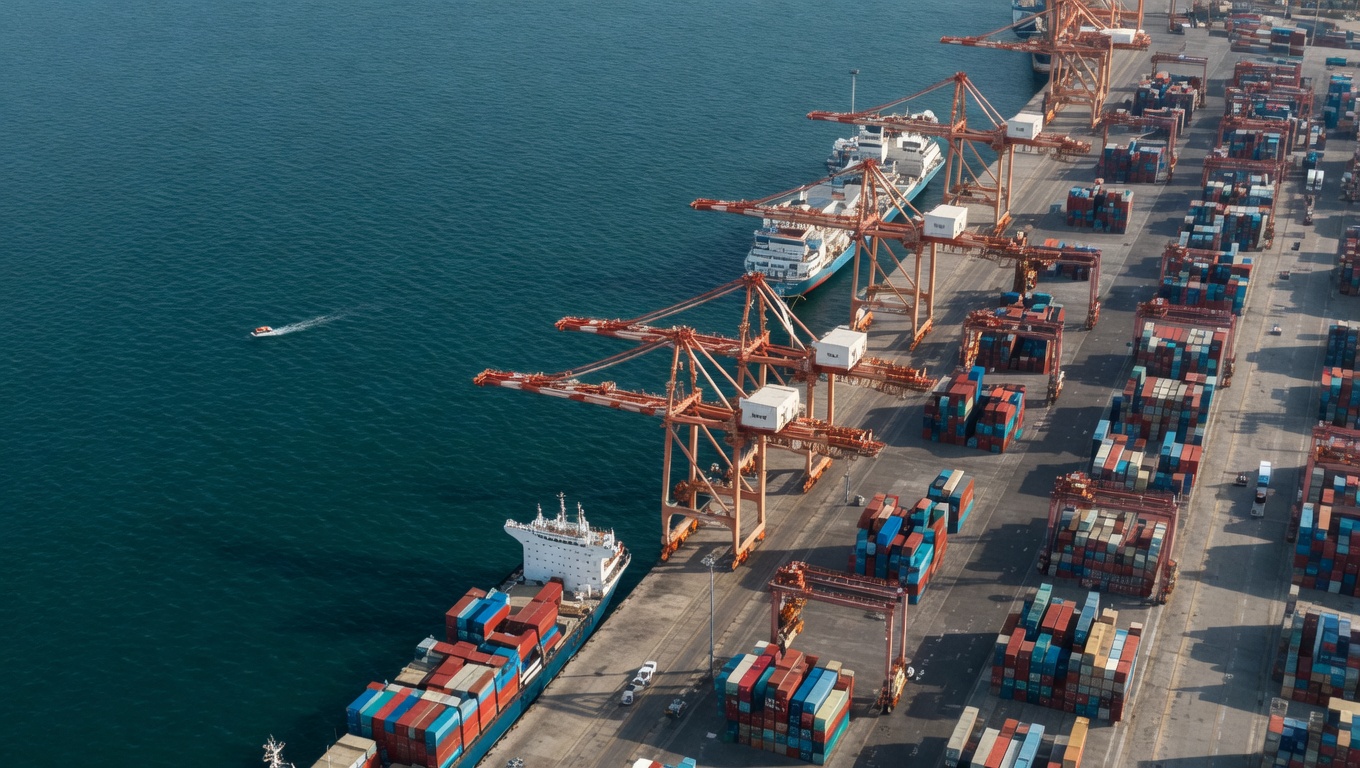
From the perspective of Europe’s energy security, Azerbaijan is not a “replacement giant”, but it clearly acts as a form of “strategic insurance”.
The European Commission says that in 2026 Baku continues to play an important role in reducing Europe’s dependence on Russian gas. Gas delivered via the Southern Gas Corridor helps make supplies more reliable and diversified.
Official data shows:
- Azerbaijan supplied around 13 billion cubic metres of gas to EU countries in 2025,
- in the same year, the EU imported 35 billion cubic metres of Russian gas.
In other words, Baku has not replaced Moscow, but it contributes to diversification of routes and sources, particularly along southern supply routes such as Italy.
A 2022 memorandum between the EU and Azerbaijan set a target of increasing supplies to at least 20 billion cubic metres by 2027.
However, progress depends on the gradual expansion of the Trans Adriatic Pipeline (TAP) and on securing financing in Europe.
Italian Prime Minister Giorgia Meloni’s visit to Baku, immediately after Yerevan, reflects Italy’s effort to strike a pragmatic balance in its South Caucasus policy.
Two parallel tracks are visible in Europe’s approach to the region:
- The EU–Armenia summit in Yerevan on 5 May focused on energy, transport, digitalisation and connectivity.
- At the same time, in Baku, Meloni described Azerbaijan as a strategic partner and a “bridge”.
This sequence does not make Rome a direct mediator between Azerbaijan and Armenia, but it reinforces the image of a European actor able to engage with both capitals.
This approach has limits — notably concerns over human rights.
The Carnegie Endowment for International Peace notes that EU–Azerbaijan relations remain largely energy-driven. Deeper political and economic rapprochement is constrained by disagreements over democracy, the rule of law and human rights.
This suggests that closer ties between Italy and Baku do not automatically translate into full alignment with Brussels’ broader agenda.
For Azerbaijan, the benefits are clear.
High-level contacts with a leading EU country strengthen Baku’s political standing.
Italy remains a stable buyer and an investment destination. A SOFAZ event in Baku in March — the “Azerbaijan–Italy Business and Investment Bridge” — highlighted efforts to give this cooperation a more institutional footing.
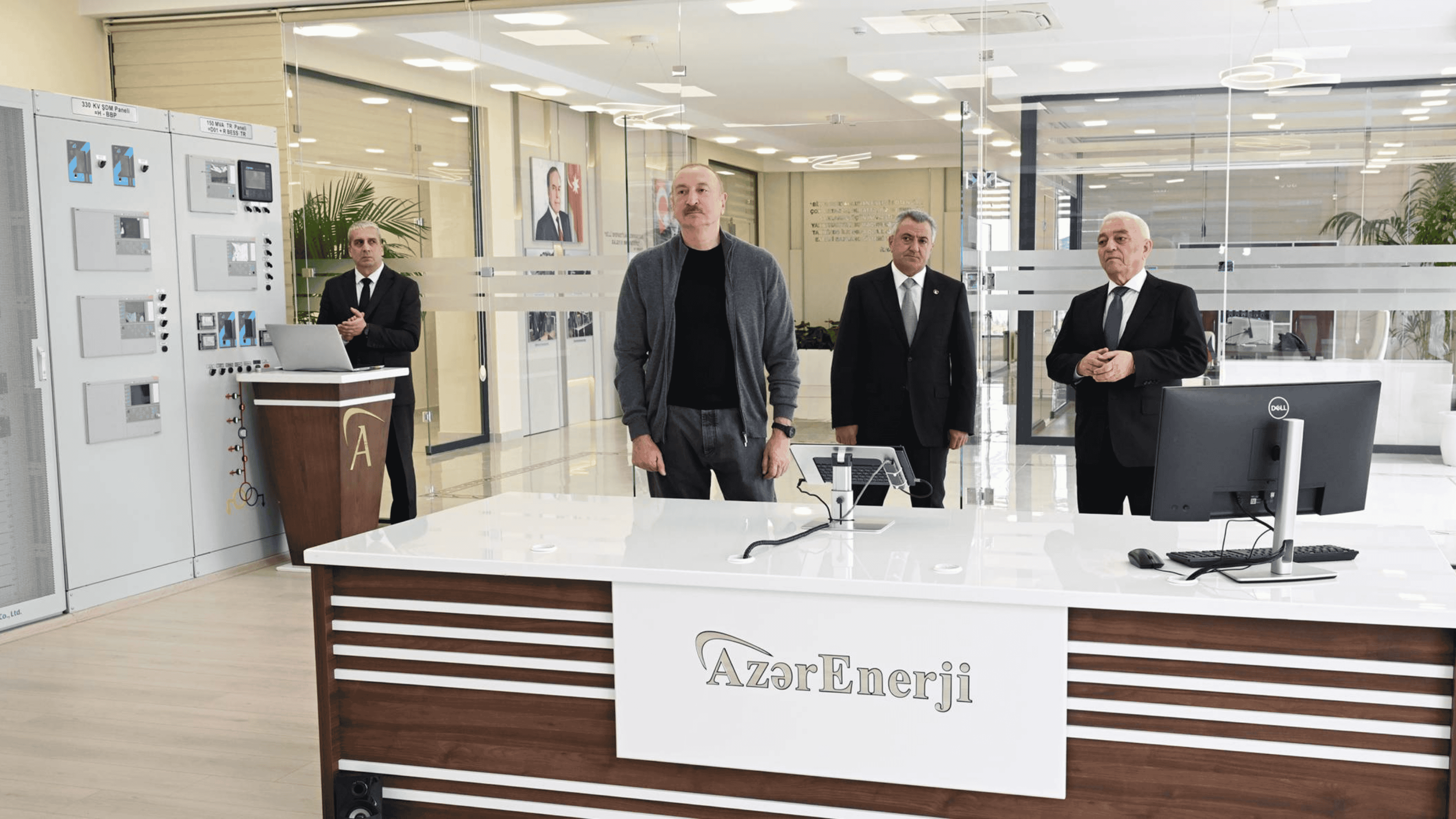
The involvement of Italian companies in projects in Karabakh and East Zangezur, along with prospects for defence cooperation, allows Baku to link post-conflict reconstruction with security cooperation.
Finally, against the backdrop of the Iran crisis, Baku’s role as a secure platform for Italy adds another layer of strategic trust to the relationship.
Risks remain significant
Risks, however, remain significant.
According to analytical materials from the European Parliament, after progress in the peace process in 2025, negotiations between Azerbaijan and Armenia have entered a prolonged pause.
The initialling of a peace agreement in Washington in August 2025 was an important step. But a number of sensitive issues that will determine the final signing and implementation of the deal remain unresolved.
The Chatham House also notes that proposed amendments to Armenia’s constitution — which Azerbaijan insists are needed, citing what it sees as territorial claims — and the status of regional transport routes remain disputed.
Moreover, rising military tensions around Iran in 2026 both increase the strategic importance of the South Caucasus and create new risks for regional stability, transport projects and the peace process.
In the energy sector, a different dilemma emerges.
The EU is diversifying gas supplies while also seeking to reduce reliance on fossil fuels. In this context, cooperation with Baku may expand. Over time, however, it is likely to rely less on gas and more on green energy and connectivity projects.
At this stage, ties between Baku and Rome are strengthening. But their long-term success will depend on how close the region comes to achieving a durable peace.
ДGiorgia Meloni in Baku
Categories