Azerbaijan and the European Parliament
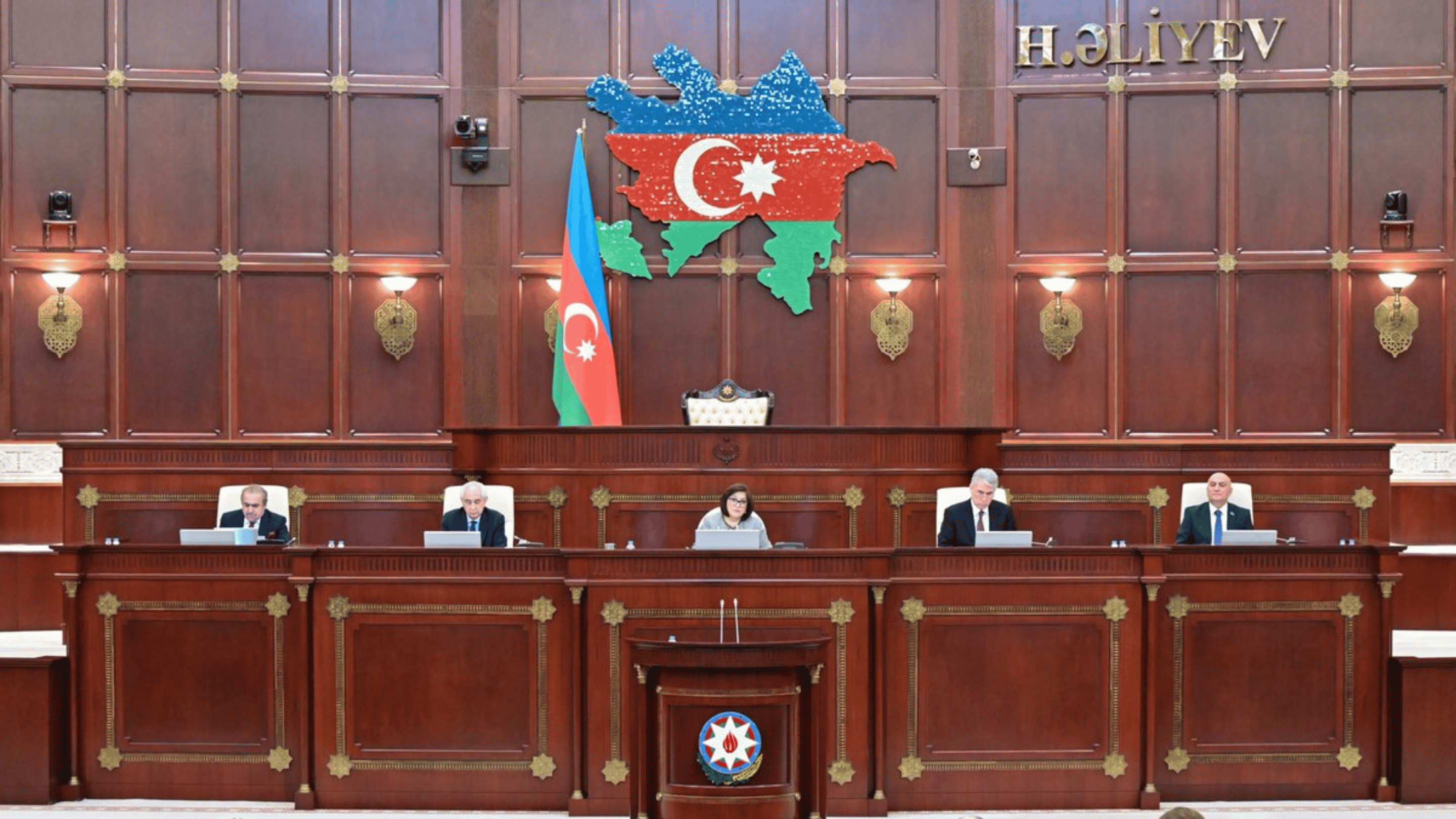
A decision adopted by the Milli Majlis on May 1 provides for the suspension of all channels of cooperation with the European Parliament, the termination of participation in the EU-Azerbaijan Parliamentary Cooperation Committee, and the initiation of procedures to withdraw from Euronest.
The Azerbaijani parliament made this decision immediately after the adoption of the European Parliament’s resolution titled “Supporting democratic resilience in Armenia” on April 30, 2026.
Baku stated that it sees an “unfounded and biased” approach in this document, particularly in the provisions concerning the return of Karabakh Armenians and issues related to detained Armenians.
Details of the decision
According to the Milli Majlis, the May 1 document предусматривает three main steps:
- the suspension of cooperation with the European Parliament “in all areas,”
- the termination of participation in the EU-Azerbaijan Parliamentary Cooperation Committee,
- the initiation of procedures to suspend membership in the Euronest Parliamentary Assembly, with the Azerbaijani delegation refraining from participating in Euronest activities during this process.
The decision presents this move not as a one-time emotional reaction, but as a continuation of a long-term policy line.
The document states that the Milli Majlis had already suspended relations with the European Parliament in 2015 due to its stance, and later restored them based on “appeals and promises.”
An analytical briefing by the European Parliament itself from 2020 also notes that formal interparliamentary relations were resumed in 2016 after a prolonged pause. This indicates that the roots of the current crisis are not new.
What do the controversial clauses of the resolution say?
Although the European Parliament’s April 30 resolution is presented as a document supporting Armenia’s democratic resilience, clauses 12 and 13 directly address Azerbaijan.
Clause 12 refers to the Armenians of Nagorno-Karabakh and their right to a “safe, unimpeded and dignified return,” while clause 13 raises the issue of “unjust detention” by Azerbaijan and calls for the “immediate and unconditional release” of individuals, referring to them as “prisoners.”
At the same time, clause 10 of the resolution welcomes the normalization between Azerbaijan and Armenia and the progress achieved toward a peace agreement.
In its response to the resolution, Azerbaijan’s Ministry of Foreign Affairs stated that calls for the return of Karabakh Armenians are “completely unfounded,” arguing that they voluntarily left the region despite a reintegration plan presented by Baku in 2023.
The demands concerning individuals described as “prisoners” are deemed “legally unacceptable,” while allegations regarding the destruction of cultural and religious heritage are rejected.
The Azerbaijani side also emphasizes that international silence regarding the damage inflicted on Azerbaijan’s heritage during the period of occupation is being overlooked. The Foreign Ministry reported that, on the same day, it summoned the EU ambassador to Baku and delivered a note of protest.
Reactions from Azerbaijani officials and experts
Speaker of the Milli Majlis, Sahiba Gafarova, stated during the parliamentary session that the past decade has shown that the European Parliament has no intention of abandoning what she described as its biased approach toward Azerbaijan.
The text of the adopted decision notes that, following the 44-day war, the European Parliament has adopted “more than 10” resolutions against Azerbaijan, and that this line continued in the lead-up to COP29. The document was read out by Vice-Speaker Ziyafat Asgarov.
Some political commentators in Baku interpret the situation more as a “clash of narratives.”
Speaking to Trend, analyst Azer Garayev said that the main disagreements are concentrated around three issues: return to Karabakh, the legal status of detained Armenians, and heritage-related questions.
In his view, such documents may not immediately sever all relations, but they do create a “cold political distance.” He believes that economic and technical cooperation may continue, but political dialogue is likely to enter a more cautious and less trusting phase.

What was the level of relations before the decision?
The available documents suggest that the concept of relations should be divided into two parts.
First, the European Parliament track itself. This channel existed institutionally: the European Parliament’s delegation for the South Caucasus oversees the EU-Azerbaijan Parliamentary Cooperation Committee. According to its rules, the committee is normally expected to meet once a year and discuss all aspects of EU relations.
Euronest, in turn, is a format that brings together the European Parliament and the parliaments of the Eastern Partnership countries, with each country represented by 10 members. This means that the parliamentary channel formally remained in place, but it was fragile, intermittent, and under high political tension.
Second, the broader EU-Azerbaijan relationship. Here, the picture is quite different. The legal basis of relations is the Partnership and Cooperation Agreement in force since 1999, while negotiations on a new framework agreement have been ongoing since 2017.
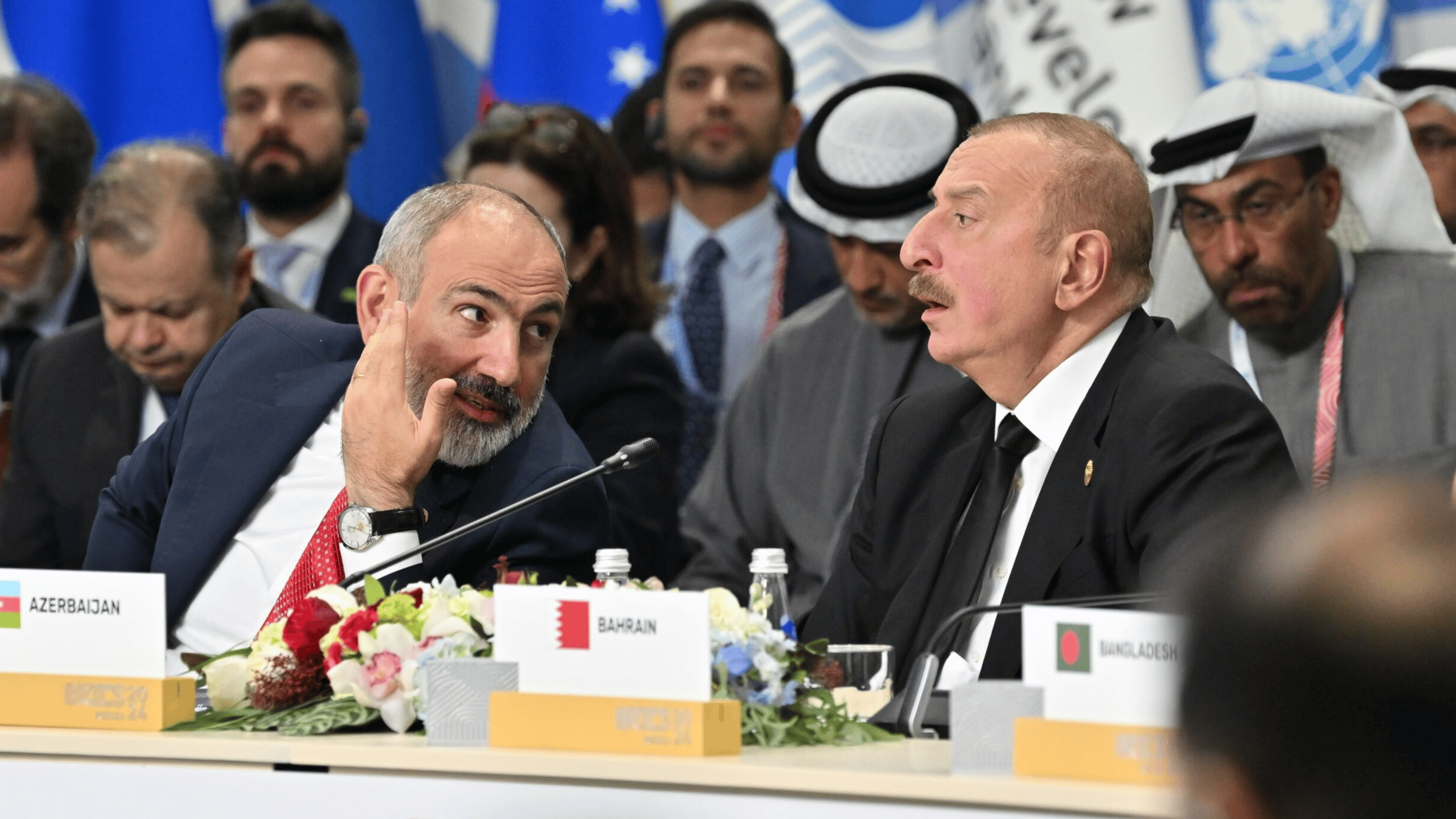
On January 29 this year, the EU and Azerbaijan announced strengthened cooperation in connectivity, trade, energy, and transport. On March 11, Antonio Costa and Ilham Aliyev reaffirmed their commitment to deepening political dialogue and practical cooperation in security, energy, and transport.
In other words, strained relations with the European Parliament did not mean a complete freeze in relations with the EU as a whole.
Experts also emphasize this distinction. Tengiz Pkhaladze, writing for the European Centre for International Political Economy (ECIPE), describes the EU’s policy in the South Caucasus as a combination of “strategic opportunity and persistent friction.” In this view, Azerbaijan is an important energy partner for the EU, but relations remain tense on issues of governance and rights.
Murad Nasibov, meanwhile, argues that in recent years EU-Azerbaijan relations have shifted “from normative divergence to strategic convergence.” In other words, while the European Parliament tends to speak in the language of values and rights, Brussels and Baku have expanded pragmatic cooperation at the executive level.
Relations with PACE
Although the decision concerning the European Parliament is a separate legal and political step, tensions between Baku and European parliamentary institutions had been evident earlier as well.
In January 2024, the Parliamentary Assembly of the Council of Europe (PACE) did not ratify the credentials of the Azerbaijani delegation. PACE justified this by citing concerns over Azerbaijan’s commitments to the Council of Europe, including issues related to human rights, the electoral process, judicial independence, and cooperation with the Assembly.
The Azerbaijani side, in turn, described that decision as biased and politically motivated, and subsequently suspended its participation in PACE.
While this episode is not the direct legal cause of the 2026 decision to suspend relations with the European Parliament, it illustrates the backdrop of a long-term crisis in Azerbaijan’s parliamentary diplomacy with European platforms.
Azerbaijan and the European Parliament