
Within Painting Week, the Azerbaijan Artists’ Union has organized a children’s art exhibition and competition titled “My Favorite Theme” at the Fine Art Gallery of the Children-Youth Development Palace No. 1 in Baku, AzerNEWS reports.
Month: April 2026
Azerbaijani journalist Afgan Sadigov, who was detained and deported from Georgia overnight on April 4-5, is in Baku, free from custody, but in “complete uncertainty” amid concerns he could face prosecution in Azerbaijan again, his lawyer Tamta Mikeladze of the Social Justice Center, a Georgian human rights group, said.
Mikeladze wrote on Facebook on the evening of April 5 that Sadigov is staying at his relatives’ house after “he was allowed to go home following an interrogation in Baku.” She warned, however, that Baku “may be planning to bring new charges against him in a few weeks or months,” adding, in reference to his abrupt deportation from Georgia, “After an operation of this scale, it is impossible to trust autocrats.”
In another Facebook post the same day, Mikeladze said that Sadigov is now “alone and plunged into complete uncertainty, surrounded by doubts and ambiguity, not knowing what the regime might do in a few weeks or months, what kind of case it might fabricate, or how he could be punished.”
“Azerbaijan’s intentions and goals regarding the journalist will become clear very soon, when he tries to leave the country and reunite with his family. This process will also be a test for me,” she added.
Sadigov, who had faced arrest and prosecution in Azerbaijan, has lived in Georgia since 2023 and spent over seven months in extradition detention following his arrest by Georgian authorities in August 2024. He was released on bail in April 2025, after the European Court of Human Rights issued an interim ruling barring his extradition to Azerbaijan.
Sadigov, who actively participated in anti-government protests in Georgia, was detained late at night on April 4, with authorities saying he had “insulted a police officer on social media.” Tbilisi City Court Judge Tornike Kochkiani delivered the verdict at 4 am on April 5, ordering his deportation from Georgia and a three-year reentry ban. The Interior Ministry argued that Baku’s recent move to terminate the criminal case against Sadigov ended the extradition process, implying that the ECtHR measure barring his extradition was no longer relevant – a position his lawyers dispute.
Sadigov’s abrupt detention and deportation came a day before Azerbaijani President Ilham Aliyev visited Tbilisi.
Also Read:
- 13/01/2018 – Afgan Mukhtarli Sentenced to Six Years in Prison
Categories
Алиевы в Грузии
Trial in Meydan TV case in Azerbaijan
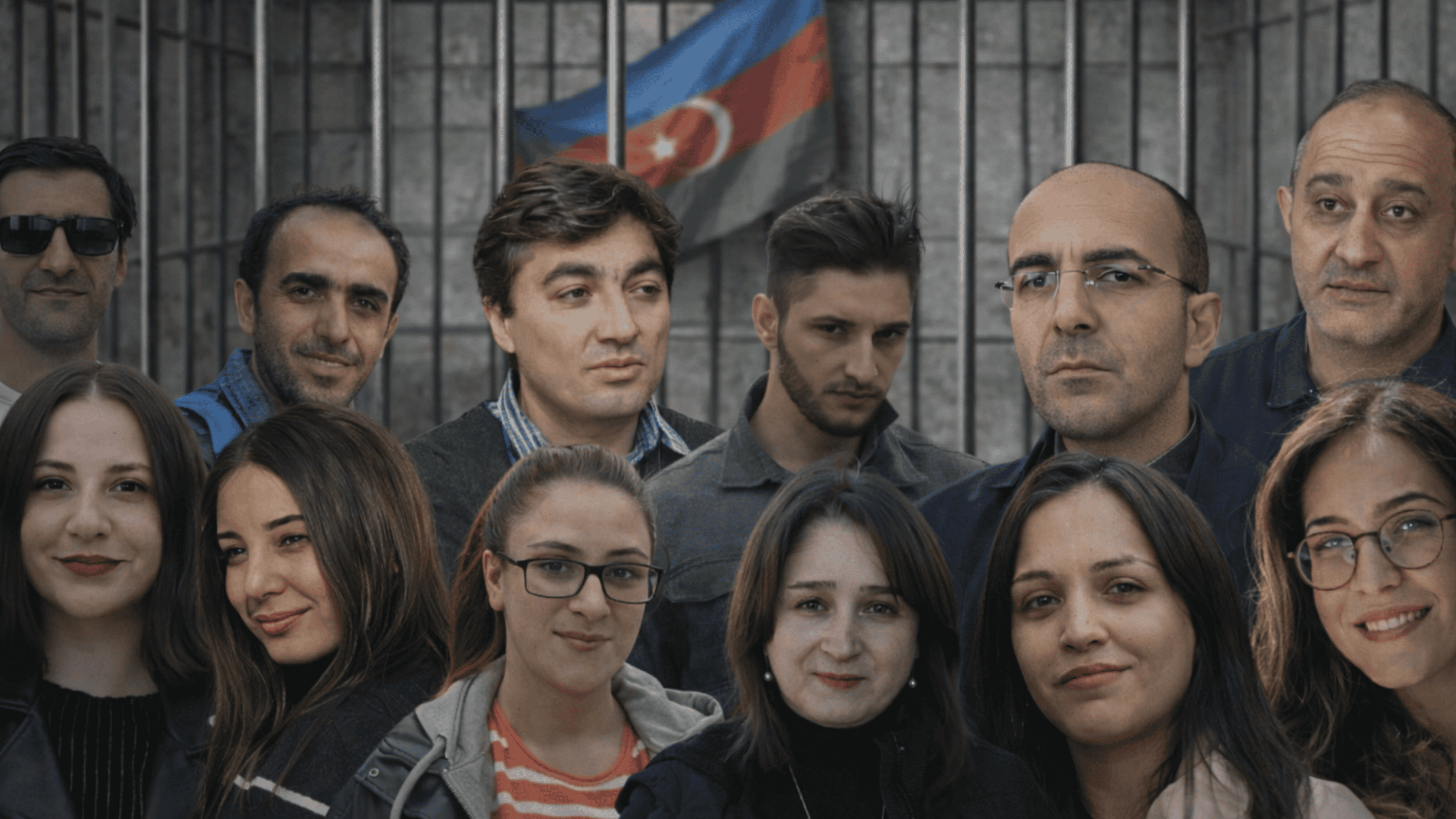
Another court hearing in the case of the popular online outlet Meydan TV was held at the Baku Court for Serious Crimes on April 3.
Judge Ayten Aliyeva invited the journalists, who are accused of smuggling and financial crimes, to give free testimony. Their lawyers requested to be allowed to present motions first, but their objection was not upheld.
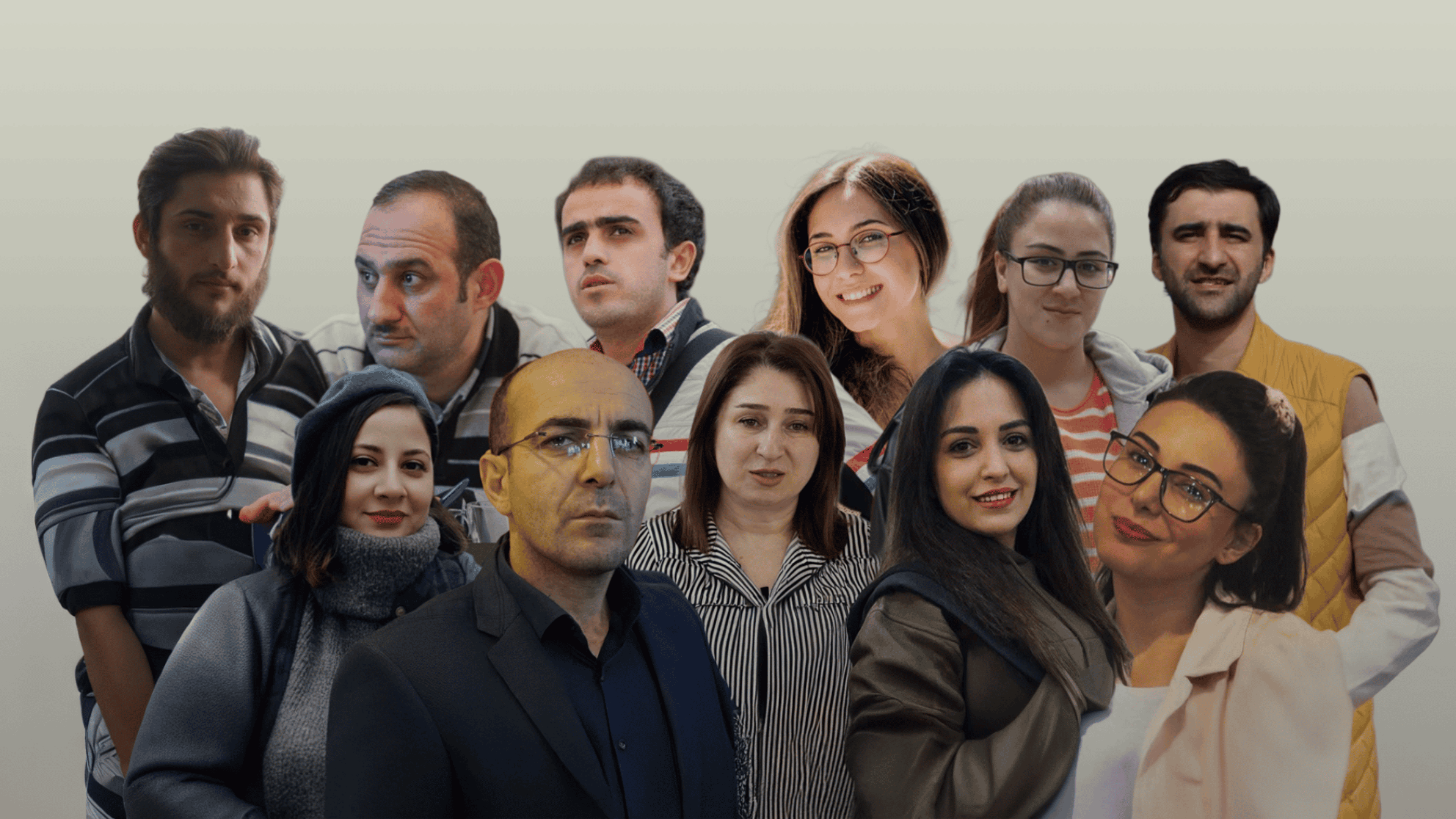
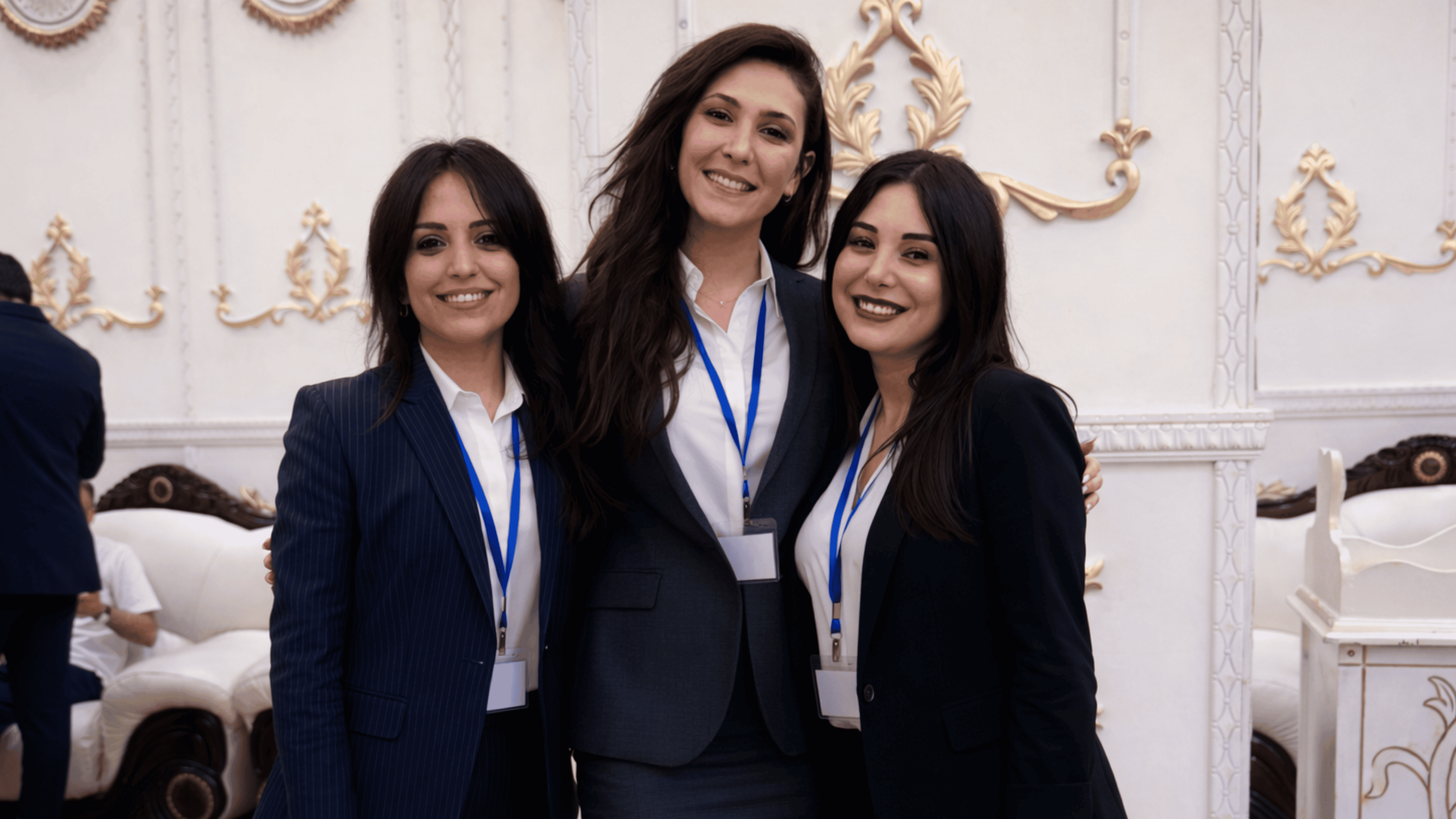
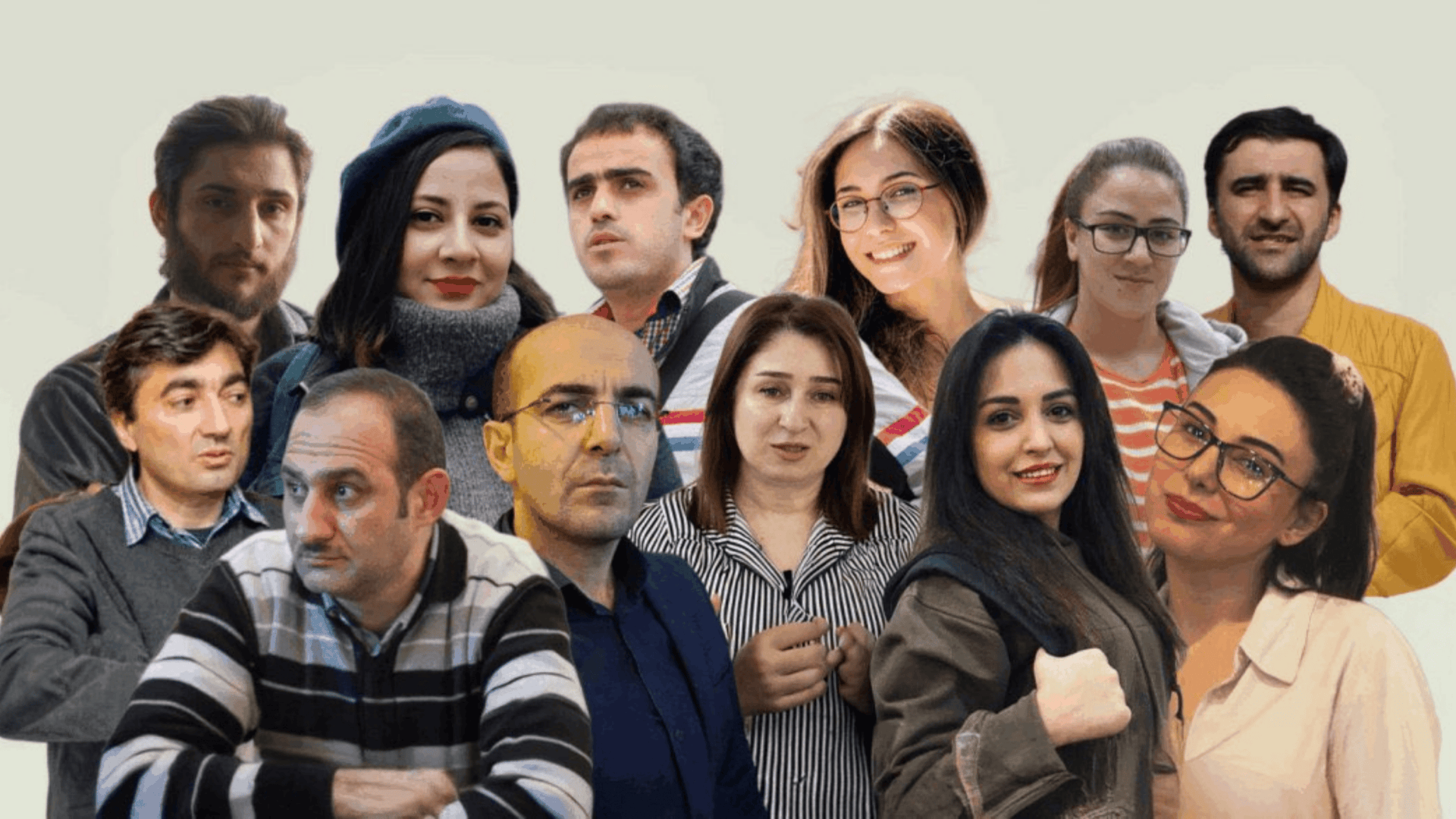
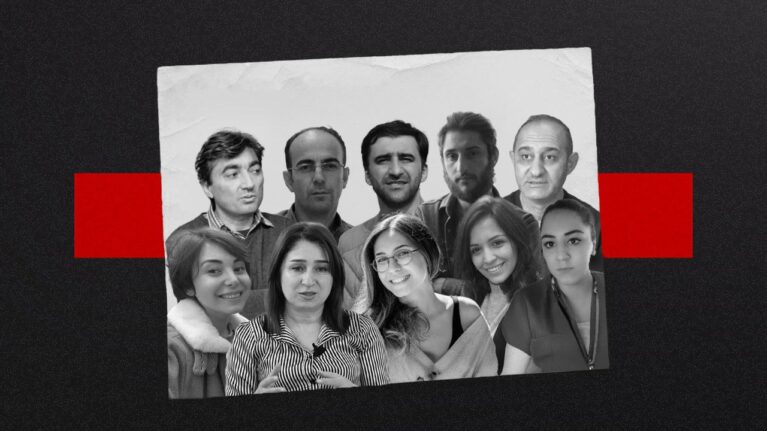
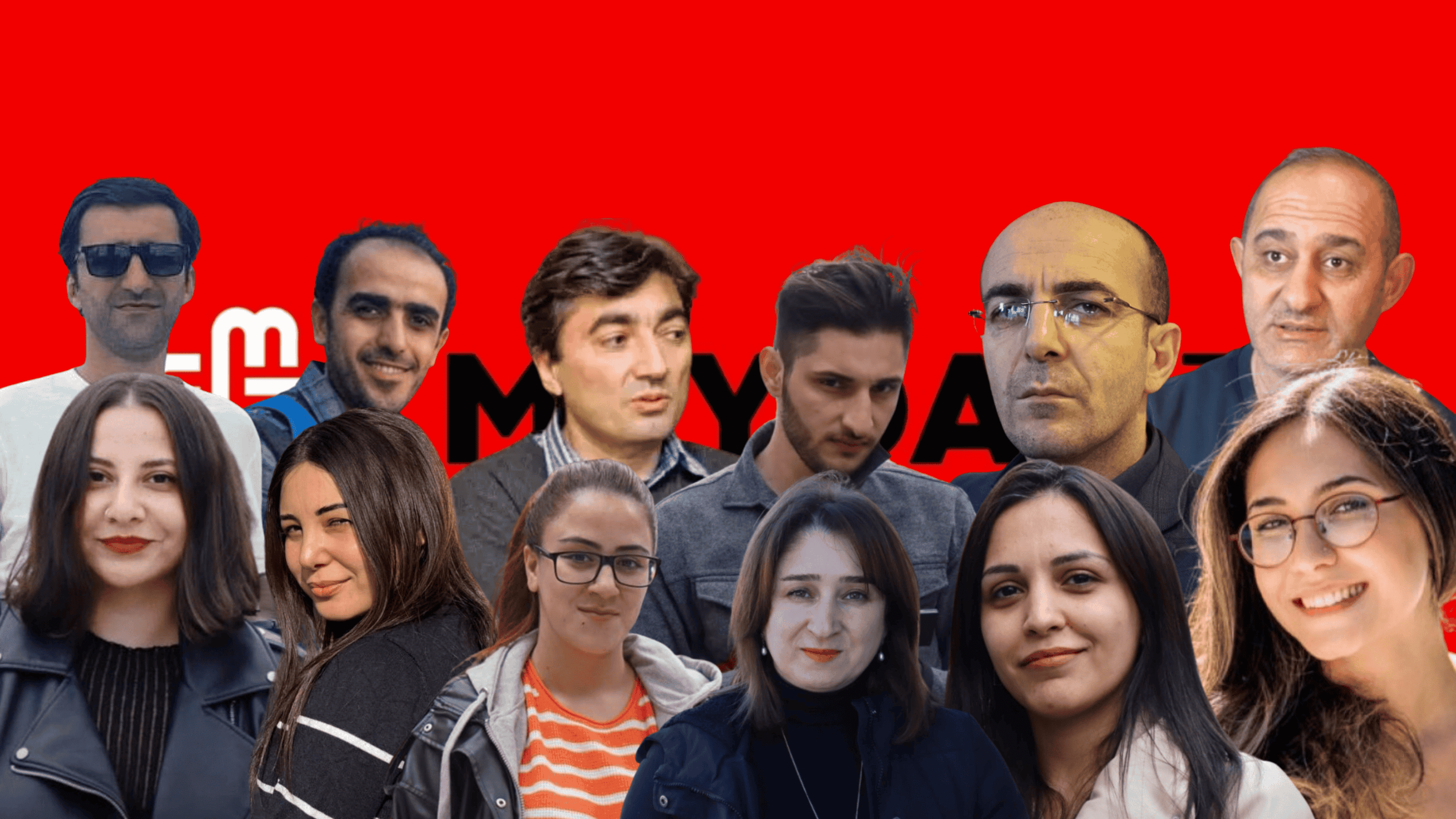
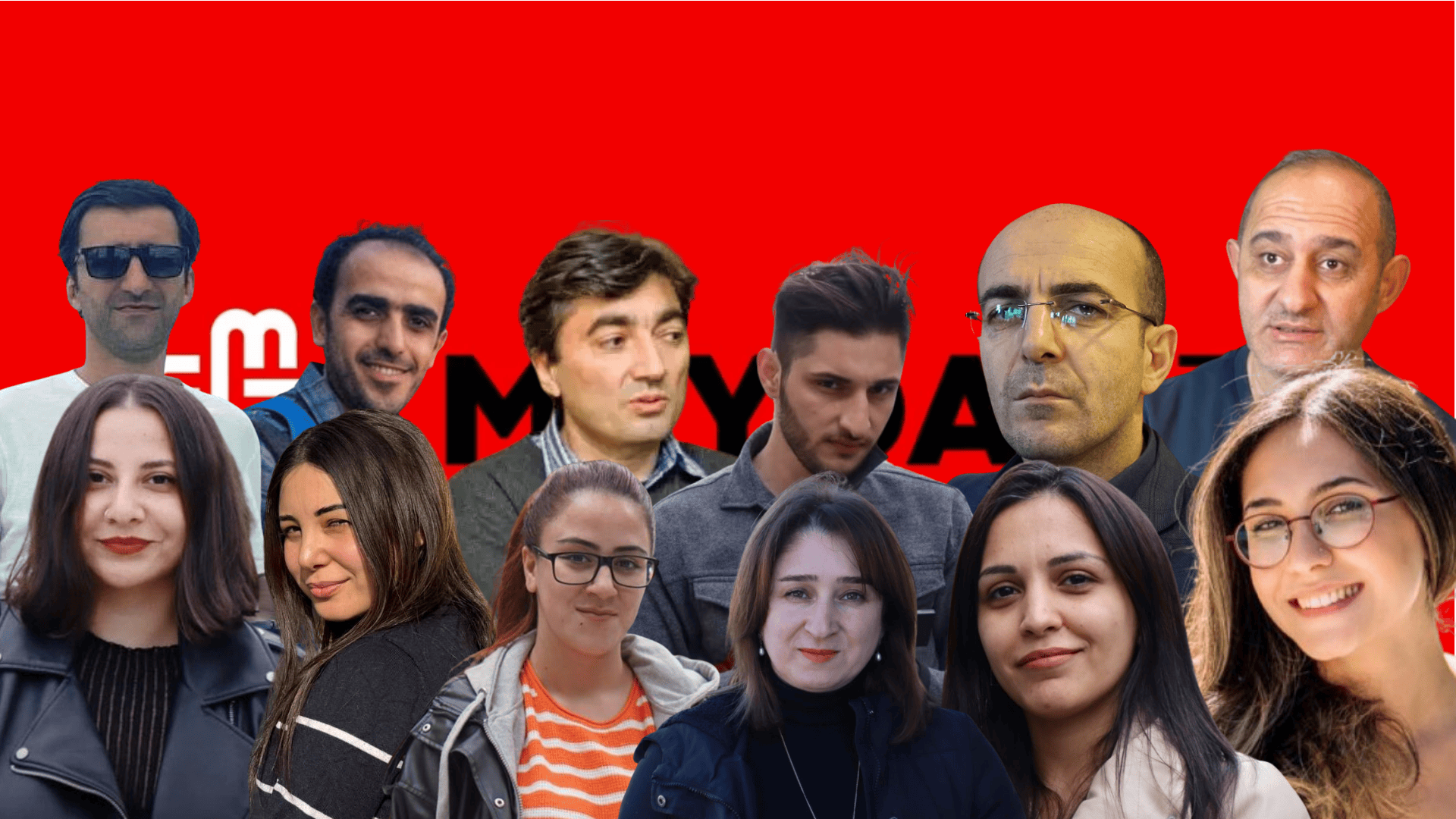
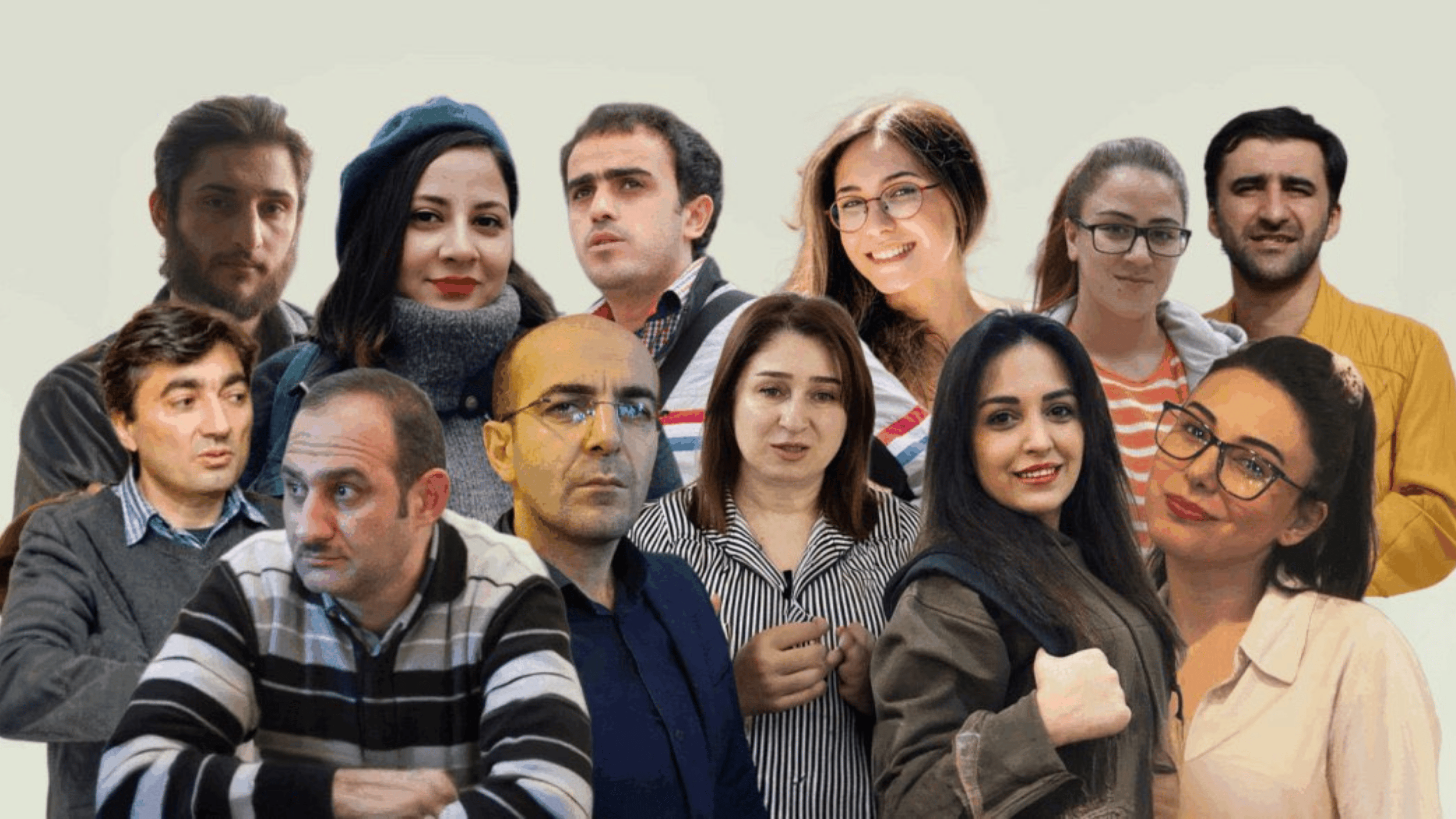
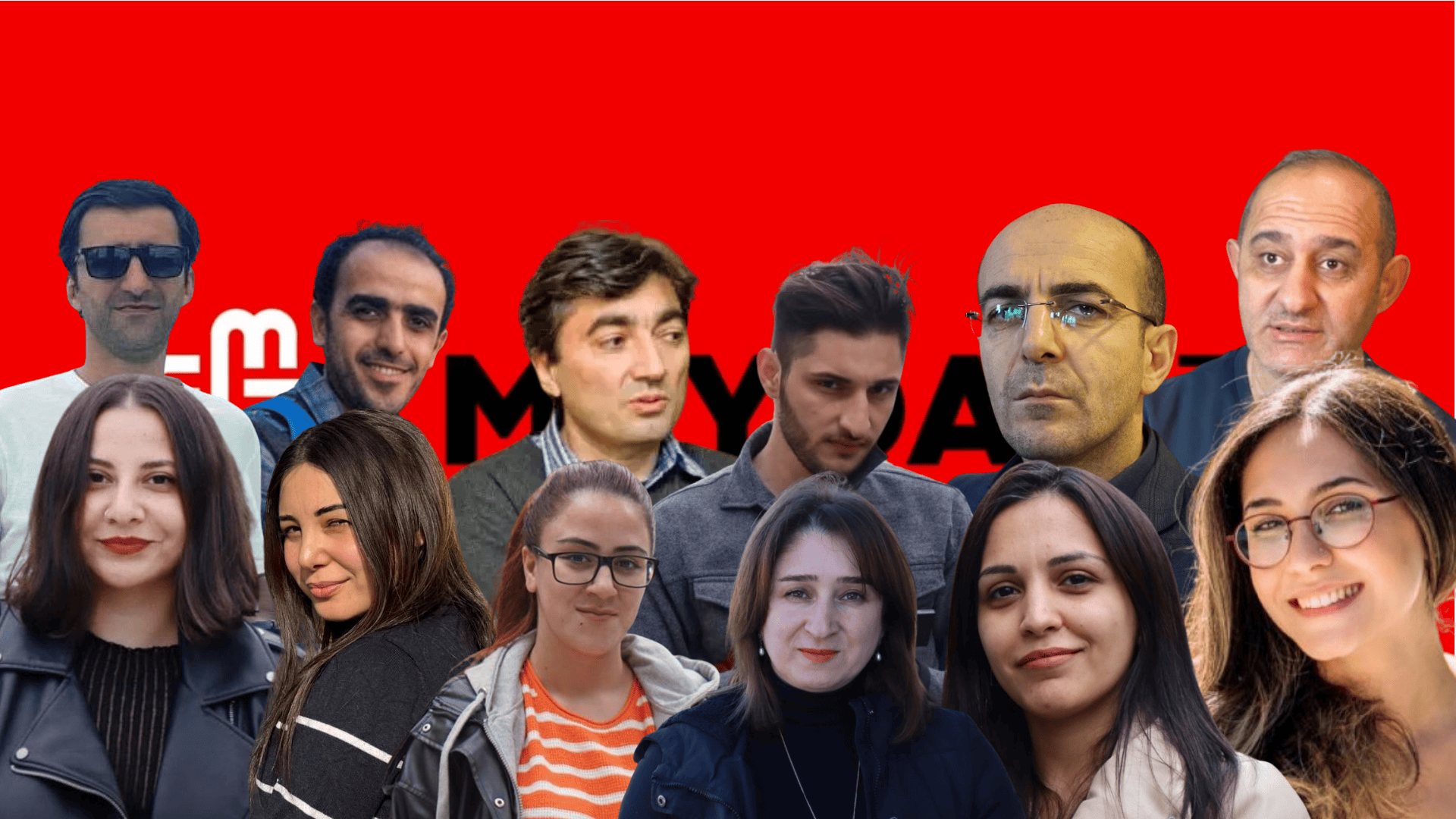
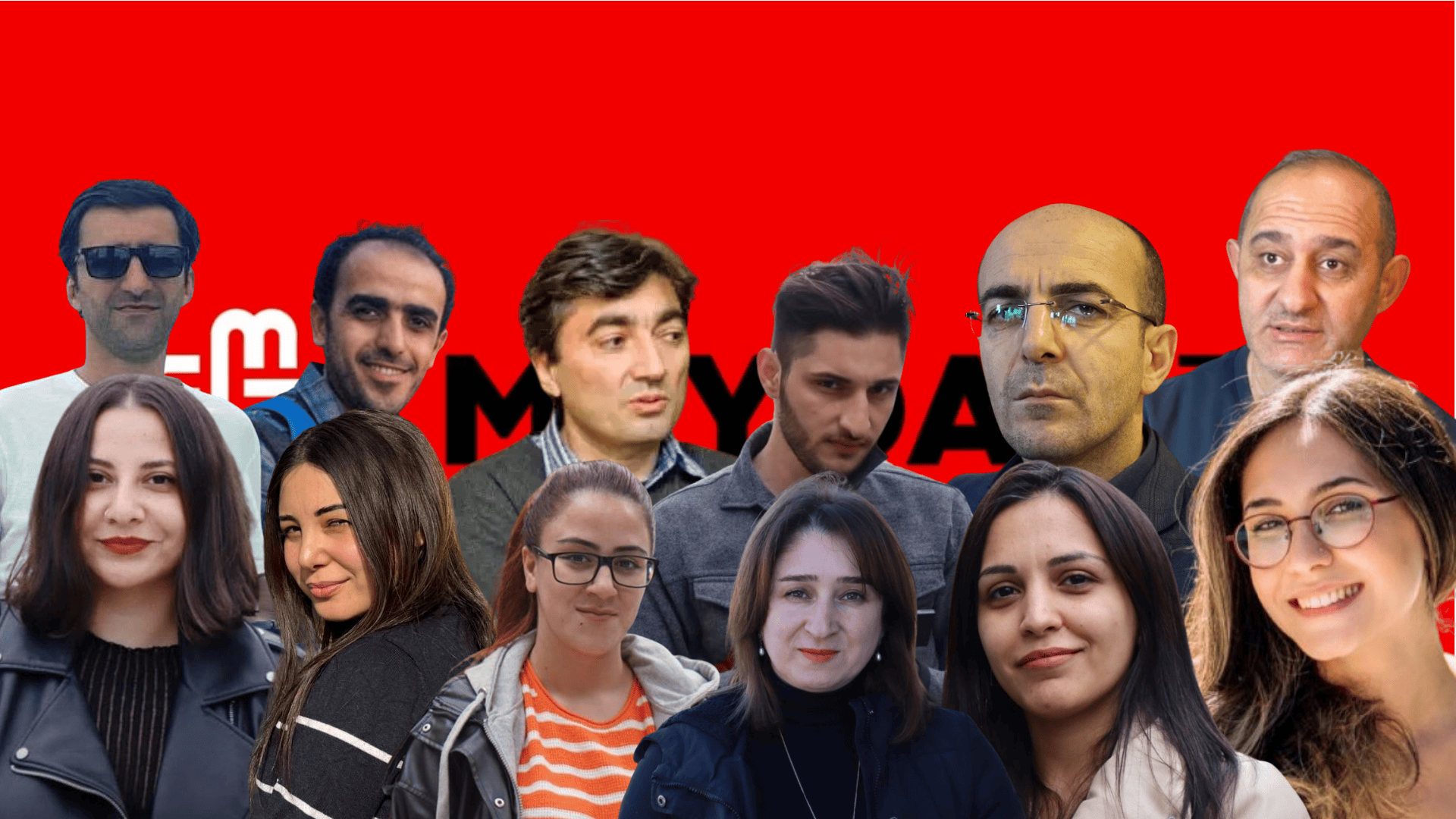
On December 6, 2024, Meydan TV staff members Ramin Deko (Jabrailzade), Aynur Ganbarova (Elgunesh), Aysel Umudova, Aytaj Ahmedova (Tapdig), Khayala Aghayeva, and Natig Javadli were detained in Baku. They were charged under Article 206.3.2 of the Criminal Code (smuggling committed by a group of persons in prior collusion), and the criminal case opened against them became known as the “Meydan TV case.”
Later, journalists Shamshad Agha, Nurlan Libre, Fatima Movlamli, Ulviya Ali, and Ahmed Mukhtar were also arrested in connection with the case. In August 2025, the charges against the journalists were intensified and additional articles were added. All detained journalists and the management of Meydan TV deny the charges and say they are being persecuted for their critical reporting on the authorities.
The judge intervened when Heydar Aliyev’s name was mentioned
Here are some excerpts from the statement of Natig Javadli, who was arrested in connection with the “Meydan TV case”:
“A few words about lies. As a society, we have never held a systematic discussion on this topic or developed a public discourse around it. Some individuals have made such attempts, but it has never become the subject of consistent public debate.
As a result, public condemnation of lies has not taken shape in Azerbaijan.
Sufis said that lies are a phenomenon that leads to other forms of dishonour. These, figuratively speaking, create a ‘lump in the throat of society.’ This includes sycophancy, hypocrisy, as well as cruelty and betrayal.
In 2023, a documentary series about Heydar Aliyev was produced on Public Television. The series was filled with praise. While in detention, I reflected on this: how hypocrisy and sycophancy are born out of lies.”
In 2023, a documentary series about Heydar Aliyev was produced by Public Television. The series was full of praise. While already in detention, I reflected on this: how hypocrisy and sycophancy are born out of lies.”
At that point, Judge Aytan Aliyeva interrupted Natig Javadli, saying his remarks were not relevant to the charges. Javadli objected.
“He is speaking to the point,” Aytaj Tapdig told the judges.
Javadli then continued his statement.
“Are you aware that a former head of state dismissed officials for political hypocrisy? In 1995, if I am not mistaken, the decree dismissing state adviser Gabil Huseynli cited ‘political hypocrisy’ as the reason. Or in 1999, the head of the Zangilan district executive authority was dismissed for sycophancy. That wording was also included in the decree.
Even the head of the Presidential Administration, R. Mehdiyev, commented on that decree in the newspaper Azerbaijan. The trigger was an article by the district head, in which he declared his readiness to give his heart to Aliyev, who had undergone heart surgery — and that article was published in the same newspaper, Azerbaijan.
Another example of sycophancy: in the summer of 1993, if I recall correctly, a poem by a certain poet (I will not name him, as he is no longer alive), filled with praise for H. Aliyev, was published in the newspaper Azerbaijan. Publishing poetry in an official newspaper is rare — especially of this kind, steeped in flattery. In literature, this style is usually reserved for praising women, yet in Azerbaijani servile writing we saw it used in this way as well.
Why am I recalling this? If a public discussion about lies had begun in Azerbaijan at the time, and a public condemnation had taken shape, none of this would have happened. More broadly, pro-government media would not be spreading false information about us today. Take note: Meydan TV’s mission was not to spread falsehoods, but to deliver accurate news to society.”

‘The name of the YAP was coined by Sirus Tabrizli — who later called it a party of faceless looters‘
“The way state prosecutor Ergin Gafarov presented the fabricated claims in the indictment reminded me of the words of Fuad Akhundov, a judge at Baku’s Khatai District Court, who said on 20 September 2025: ‘You were arrested on the basis of suspicions.’
When I reminded the judge of Article 21 of the Criminal Procedure Code — the presumption of innocence — instead of giving a clear answer, he merely blinked like a schoolboy. Even my lawyer, Zibeyda Sadigova, told him: ‘You are a lecturer at Baku State University — do you understand what you are saying? Tomorrow you will stand in front of your students.’ But there was still no answer.
Mr Gafarov repeatedly uses the phrase ‘unregistered, illegal media outlet Meydan TV’. First of all, Meydan TV is a foreign media outlet, so it cannot be registered here. More broadly, the requirement for state registration of media in Azerbaijan was abolished after the dissolution of the Ministry of Press, which had been headed by Sirus Tabrizli.
Do you know Sirus Tabrizli? When former head of state Heydar Aliyev cut the red ribbon at the opening of the Yeni Azerbaijan Party headquarters, he handed that ribbon to him — because it was Sirus Tabrizli who came up with the party’s name. However, later, as a member of parliament, he described the YAP as a ‘party of faceless looters’, after which the party expelled the very man who had named it.
All of this is one of Azerbaijan’s unique realities. It is material for writers and historians — the subject of stories and chronicles. If these things are not written about, their work will seem pale and devoid of meaning.
My colleague Shamshad Agha has already spoken in detail at previous hearings about the extremely poor quality of language in the case materials. I will add just a few facts.
In the decision ordering my arrest, a single sentence runs to 41 lines. The very next day, on 9 December 2024, investigator Samir Ismayilov used the word ‘reported’ 11 times in a single 48-line sentence. Bravo to the language instructor. It would have been better if Vilayat Eyvazov, before awarding ranks to his investigators for this case, had hired them a language teacher.
At that point, Shamshad Agha remarked that he would be ready to teach them for free.
Natig Javadli then continued his statement.
‘They were paid salaries for this case, they were rewarded — yet the result of their work would not even merit a failing grade. The violations of basic language norms alone are glaring.
At the time, I said: if Ramiz Mehdiyev is a great philosopher, then who are Plato, Socrates, Asif Ata?
The mill of history grinds slowly, but it does turn. Unfortunately, those who were called great did not understand this. I must speak about one of them. Not because it is easy to do so today. No — I spoke about Ramiz Mehdiyev, a recipient of the Order of Heydar Aliyev, even when his influence was boundless, and I said then that as a statesman and a philosopher, he is nothing.’”
At the mention of Ramiz Mehdiyev’s name, the judge again warned Natig Javadli, telling him: “Speak to the point.”
Natig Javadli continued his statement.
“This was at a time when the most widely circulated newspaper in the Caucasus was sending bouquets of flowers to the academician on the occasion of his anniversary.
On 17 April 2007, I was working for the newspaper Gundelik Azerbaijan (Daily Azerbaijan). The trial of the editor-in-chief, Eynulla Fatullayev, was under way, and the court was expected to sentence him to imprisonment. The head of the paper’s social affairs desk, Aynur Elgunesh, likely remembers that day.
Earlier that day, I interviewed Rabiyat Aslanova, chair of the parliamentary Human Rights Committee. At the end of the interview, we had an argument about Ramiz Mehdiyev. I said I considered the head of the Presidential Administration to be the last remnant of the Brezhnev-era party nomenklatura, while Aslanova described him as an outstanding statesman. She added that he was a great philosopher. I then asked: if Ramiz Mehdiyev is a great philosopher, then who are Plato, Socrates, Asif Ata? Despite the obvious inconsistency, Rabiyat Aslanova repeated the claim again. Where is she now?
Recently, she voted to expel Ramiz Mehdiyev from the Academy of Sciences. I watched a report from that session on Ictimai TV. At the meeting, I saw the head of the group that had written Ramiz Mehdiyev’s books. He looked quite calm — having been relieved of the need to produce such texts.
Why am I saying this? A person who was accused of attempting a coup and other serious crimes is free, while we are in detention. They say he is elderly. Then why was his peer Eldar Salayev arrested in 2005?
…
Where are those who called the editor-in-chief of Sputnik Azerbaijan a spy? The editor-in-chief of the Sputnik Azerbaijan website was arrested and faced serious charges. Pro-government media even labelled him an intelligence agent. However, after a meeting between Aliyev and Putin in Dushanbe, he was released and left the country. Moreover, even the travel ban imposed on him was not enforced.
Where are those who called him a spy? Why are they silent? Why do they not speak about Azerbaijan’s independent foreign policy? This is not how media or journalism should work. That is why alternative media is necessary — to speak and write about such issues. Those who are doing so are now in detention.”
After Javadli finished his statement, Judge Aytan Aliyeva gave the floor to state prosecutor Ergin Gafarov for questions. Javadli said he would not answer any questions from the prosecution. Gafarov then asked more than 20 questions.
These included: “Did you take part in the activities of the Meydan TV media outlet?”, “In what areas did you work?”, “Did you receive any funds?”, “Which of the defendants do you know and were they involved in Meydan TV’s activities?”, “Was Meydan TV registered in the media register?”, “Did you personally register in the media register and were you issued a journalist’s accreditation?”, “Do you have links with the Democracy Association or other organisations?”, “Did you use the encrypted messaging app Signal?” The civil claimant said they had no questions for Javadli.
At the same time, journalist Nurlan Libre said that one of the convoy officers escorting detainees in the courtroom had secretly photographed documents on the desk of lawyer Rovshana Rahimli. This caused a stir in the courtroom. The officer said there were no photos on his phone and moved to the back rows.
‘We have been arrested because Ilham Aliyev does not want a free press‘
Lawyer Nazim Musayev, addressing Natig Javadli, noted that the state prosecutor’s questions had focused not on the substance of the case, but solely on Meydan TV:
“That is why I want to ask: what do you believe your arrest is connected to?”
“We were arrested because the Azerbaijani authorities — personally Ilham Aliyev — do not want to see a free press,” Javadli replied.
In a follow-up question, the lawyer asked whether the organisations mentioned by the prosecution had any connection to criminal activity. Javadli said they did not. In response, the lawyer remarked: “As I understand it, the problem lies in the word ‘democracy’ in the names of these organisations.”
At that point, the judge intervened.
“It seems you are still thinking about the photographs taken earlier,” Aytaj Tapdig told the judges.
Responding to questions from lawyer Azer Rasulov, Javadli said that for 30 years he had worked in Azerbaijan’s leading media outlets, had always interviewed government officials, and had doors open to him.
“Our work was not political, but now we are political prisoners. We were journalists. We are Meydan TV, not some kind of group,” he said.
Lawyer Javad Javadov asked whether Javadli had previously faced criminal charges. He said that in 2015 he had been charged in a case brought against Meydan TV, and that from that year until 2019 he had been banned from leaving the country.
“I filed a complaint with the European Court, and it was upheld. The Azerbaijani government then paid me compensation.”
When it was the defendants’ turn to ask questions, Aytaj Tapdig said:
“Mr Natig, when people used to ask how you were, you would reply: ‘as Azerbaijan is’. How would you answer that question now?”
“Now I am like Azerbaijan’s commissioned courts,” Javadli replied.
Answering a question from the judge — “Did you receive money from Meydan TV?” — Javadli said he had not and that he earned his living by editing books.
Asked why he chose Meydan TV, he said: “They gave me the freedom to create — they did not suppress my freedom to write.”
“In my country, human life has lost its value”
Ramin Deko then took the floor for his statement.
“I am an old citizen of a young country. In my country, people grow old before their time: their backs bend, their blood pressure drops, their sugar rises — and one day they die of a heart attack.
My country has everything: oil, gas, beautiful parks, impressive buildings, unusual pavements, broken roads, and puddles that appear after rain in every village and settlement in numbers comparable to the islands of Japan. And that is far from all.
My country is a kind of Venice, created both by nature and by human hands. In my country, prices rise for everything — quarter by quarter: oil, gas, desirable housing, gravestones, cigarettes, food — the list goes on endlessly.
In my country, even yoghurt is becoming more expensive. The only thing that does not rise in price and holds no value is the human being in Azerbaijan. Yes, human life here has been devalued. Every day, people pay for it with loans and interest.
The great writer and literary adventurer Gabriel García Márquez, in his novel One Hundred Years of Solitude, wrote about the loss of memory of an entire generation, an entire village. Here, too, a generation is facing a loss of memory. People begin to forget everything. They find a way out by writing the names of things on walls, on stones — everywhere they can. What disappears from their memory, they try to preserve through these visual reminders.”
“One person writes the words ‘bread’ and ‘God’ on a wall — just as people in Azerbaijan are tested by bread every day and turn to God for help. Those who test people through bread have themselves forgotten God — they have not inscribed that word on stone or preserved it in any corner of their minds.
In my country, justice, too, has been forgotten. The inscriptions and aphorisms about justice, written in gold letters in courtrooms, remain a myth. We are people driven into a corner and forgotten in a world where Deniz Gezmiş once laughed at the word ‘justice’ in a courtroom. Albert Camus, who said, ‘Do not wait for the Last Judgment — it takes place every day,’ if he were alive today, would abandon his essay The Myth of Sisyphus and write a work titled The Man of Azerbaijan. His Sisyphus, his Pluto, his Mercury — that is us.
In the well-appointed halls of Baku’s Serious Crimes Court, located on a street named after Samad Vurgun — the author of the play Man — equally polished verdicts are delivered. That is why white doves do not circle these courthouses as they do in Rome. As the saying goes, a head can be severed even with cotton. These severed heads may hold no value, but the authority and power of the executioners are renewed with each new victim.
Yes, we are the Giovanni Drogo of this country’s Tartar Steppe. We are those who wake up every morning hoping for a better day, and by evening pray for a piece of bread.”
After Ramin Deko finished his statement, the state prosecutor attempted to question him. Deko said he would not respond.
The judge again gave the floor to the prosecutor to put forward questions, which turned out to be the same as those previously addressed to Natig Javadli.
‘Arrests of journalists are a wave that repeats every 10 years‘
Lawyer Azer Rasulov asked whether a protocol had been drawn up on the spot during the operational inspection at the time of the detention.
Ramin Deko said the inspection had been filmed, but no protocol was drawn up at the scene — it was compiled later, after he had been taken home.
Another question from the lawyer concerned what he believed his arrest was connected to.
“In general, all active journalists in Azerbaijan are under pressure. This is a wave that repeats every 10 years. It happened in 2014, it is happening now, and it will happen again in 2034,” Deko said.
Answering further questions, he added that he had no connection to the Baku School of Journalism (BJM), apart from having attended two three-month courses there in different years, which had been open to all journalists.
Lawyer Nazim Musayev asked whether the €8,000 found on him when he entered the country were linked to Khayala Aghayeva, and whether he had discussed the money with anyone.
“They were my personal funds. They have nothing to do with the other defendants, and we did not discuss this money. In any case, there was no opportunity to do so — I was detained immediately after entering the country,” he said.
“Messi or Mbappé?”
Azer Rasulov asked whether the €13,500 allegedly found during a search of Fatima Movlamli’s home had any connection to Meydan TV.
“If Fatima Movlamli is not an employee, how could that money be linked to Meydan TV?” Deko replied.
Lawyer Javad Javadov then asked whether his client, Nurlan Libre, had any connection to Meydan TV or the Baku School of Journalism (BJM). Ramin Deko said he was not aware of any such link and had never heard of one.
“Messi or Mbappé?” Javad Javadov’s next question was rhetorical.
Deko replied that, as a fan, he would choose Messi.
Another rhetorical question came from Khayala Aghayeva:
“A few days after your arrest, Messi came to Baku and visited Heydar Aliyev’s grave. What were your feelings?”
Judge Elmin Rustamov asked whether the other defendants had also been carrying €8,000 when entering the country. Deko said the money had been his personal funds and that he did not know whether others had any money.
Answering the judge’s question — “What did you plan to spend the money on?” — he replied ironically that he had intended to buy alcohol. When the judge asked, “All of it?”, he continued in the same vein:
“You never know — there could have been a pandemic. I would have bought a year’s supply of alcohol and kept it at home.”
Ramin Deko then said he did not believe in the fairness of Azerbaijani courts and refused to answer any further questions.
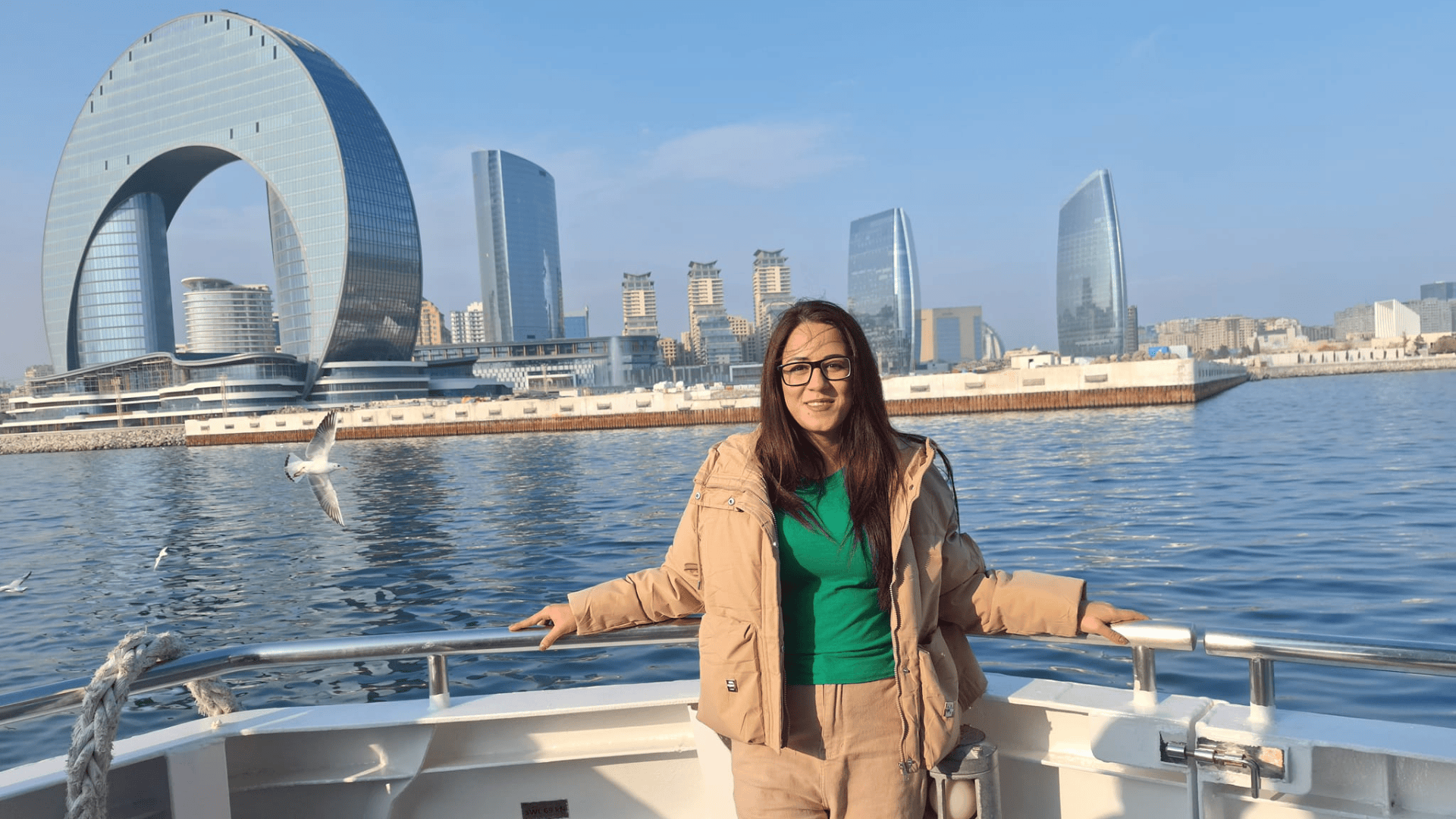
‘What will you do — report me to the Interior Ministry?!‘
Aytaj Tapdig attempted to take the floor, but the judge did not allow her to speak. Despite stressing the urgency of her motion in connection with alleged torture, the court refused to hear her.
Nurlan Libre said he did not wish to give testimony at that stage.
“I have ended my hunger strike. Let the motions submitted by the lawyers be рассмотрены first. After that, I will make a free statement, because what I say will depend directly on the court’s response to those motions,” he said.
Aytaj Tapdig then stood up and began to speak.
“On the night of 23 to 24 March, in the exercise yard beneath our cell windows, two detainees were subjected to violence. Around ten detention centre officers beat them for about 15 minutes, until they were covered in blood. The walls and floor of the yard were soaked with blood. I am not naming them because they do not want publicity. The fact of torture must be investigated — the ombudsman should visit the facility and see these people.
Nearly ten officers, after restraining them, beat them while continuously insulting them — and us. We were deeply shocked to see them beaten until they could no longer breathe. After we spoke out about this violence, pressure was brought to bear on us, including by removing us from the cell where we were being held.
Why is the state prosecutor silent about the fact that on 18 February I, Aysel Umudova and Khayala Aghayeva were subjected to violence in the detention centre? He has already returned from the Novruz holidays, having enjoyed the traditional sweets. Now he should show some initiative and ensure that an inspection is carried out in the facility, with statements taken there!”
At that point, the judge interrupted Aytaj Tapdig and said she was issuing her a warning.
“What will you do — report me to the Interior Ministry?” the journalist replied.
“The torture I am speaking about here must be investigated. An inquiry must be opened into the beating of the two detainees.
Why is the прокуратура delaying the collection of statements regarding the violence we were subjected to on 18 February? So that we do not take this case to the European Court of Human Rights? No matter what you do, we will still file an application with that court,” Tapdig added.
Nazim Musayev also supported the motion, saying that if a violation of the law is raised during a court hearing, it must be taken into account by both the court and the prosecutor.
“Three women journalists were subjected to moral and psychological pressure in connection with what happened in the detention facility. The law requires that when such information comes to light, the prosecutor must take action. In response to this violation, the court should refer the matter to the Prosecutor General’s Office,” he said.
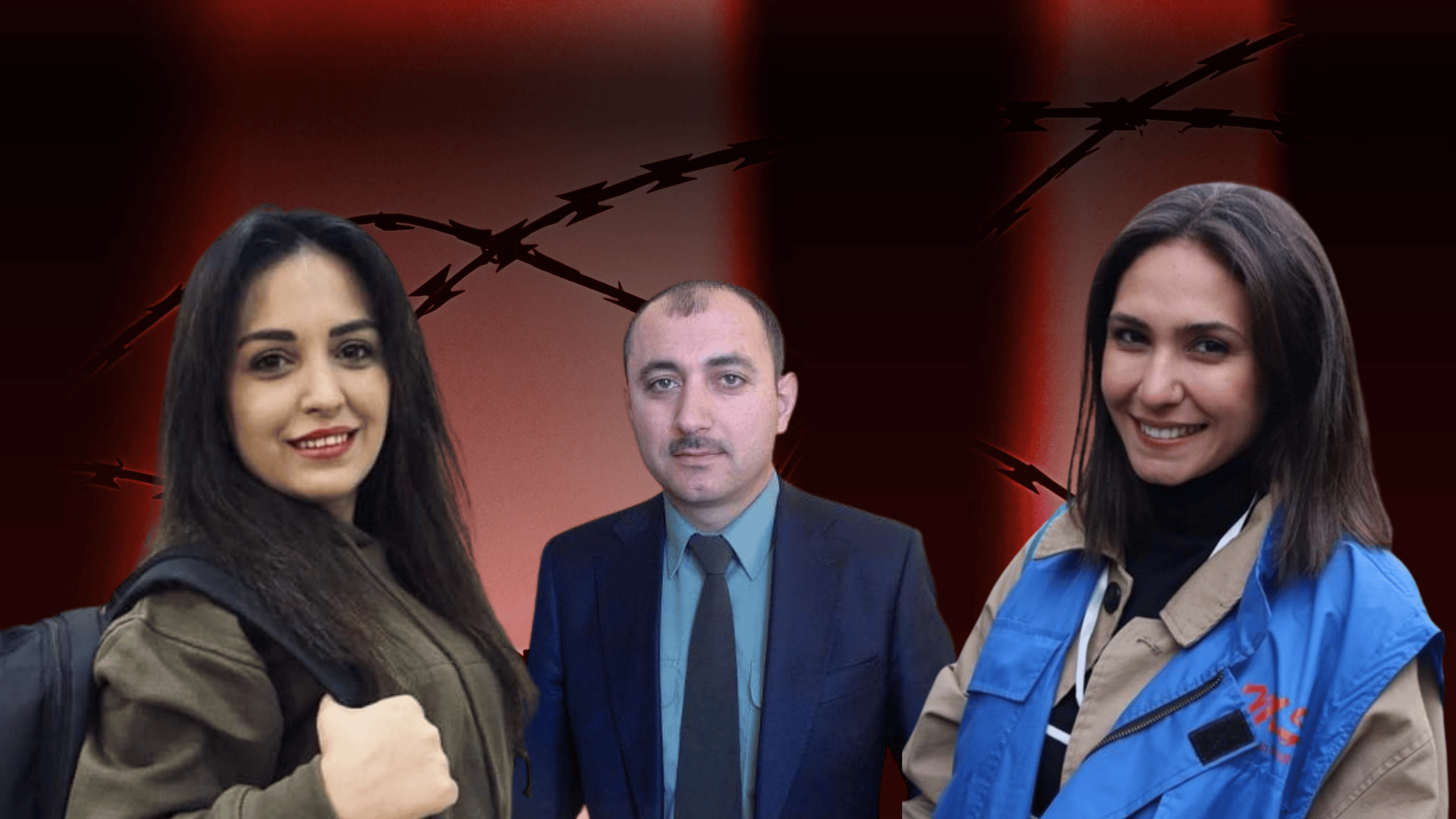
New details emerge in case of violence against three women journalists
Judge Aytan Aliyeva then announced that a response had been received regarding the alleged violence against Aysel Umudova, Aytaj Tapdig and Khayala Aghayeva on 18 February in the detention facility. According to the judge, the Prosecutor General’s Office had referred the case to the Sabunchu District Prosecutor’s Office in Baku, where a prosecutor has already been assigned.
The judge added that the prosecutor would take a statement from Khayala Aghayeva and that she would be sent for a medical examination to determine whether she had sustained any injuries.
Lawyer Nazim Musayev, representing Khayala Aghayeva, objected, saying the case should be handled by the Prosecutor General’s Office and that it was unacceptable to downgrade it to the district level.
In a separate motion, Musayev requested that Aghayeva’s lawyer be present when she gives her statement. The judge said that legal representation would be ensured.

‘The Meydan TV and BJM cases must be separated‘
Taking the floor, Shamshad Agha said he should be provided with audio and video materials from the criminal case and that he wanted to review them again in the detention facility. The judge replied that this was not possible, but that on an agreed day next week he would be able to come to the court building to examine the materials.
Shamshad Agha also noted that another of his motions had previously been submitted through the electronic system but had not been considered by the court.
“We — 12 defendants — submitted a motion, signed by each of us, stating that the Meydan TV case should be separated from the BJM case. We are a media organisation, while BJM is an NGO. When we were reviewing the case materials after the investigation was completed, investigator Samir Ismayilov himself told us that if the BJM case were separated, there would essentially be nothing left.
The investigator said: ‘We had no other choice.’ In doing so, they have also complicated the work of the court. And with these documents in your hands, you cannot demonstrate that the Meydan TV and BJM cases constitute a single proceeding.”
After a brief deliberation on the spot, the panel of judges announced that the motion had been rejected.
‘Investigators’ annual salaries should be returned to the state budget‘
In another motion, Shamshad Agha referred to a court decision extending his pre-trial detention.
“I have already raised this issue at previous hearings. In that court decision in my case, the name AbzasMedia was mentioned — even though I am an employee of Meydan TV. This is the first indication that our case is a copy of the AbzasMedia criminal case. This is also evident from other materials.
It is claimed that investigators worked on the case for a year. In reality, they did nothing — they simply copied the AbzasMedia case and transferred it here. I demand that the money paid to investigators for that year be returned to the state budget. Prosecutor General Kamran Agayev should also reimburse the funds spent on the investigation.”
Judge Aytan Aliyeva said that this motion would not be considered.
“Airport CCTV footage must be presented to the court”
Lawyer Nemat Karimli, representing Ramin Deko, requested that the court obtain CCTV footage from Baku airport covering the period from when his client passed through control to the moment of his detention.
“A request should be sent to the airport. Recordings from the cameras in Terminal 2 between 12:00 and 13:00 on 6 December 2024 must be obtained. They will clearly show that no additional €30,000 was found among Ramin Deko’s belongings during the search,” the lawyer said in his motion.
“Out of 90 passengers who left the plane, only my belongings were checked. When I crossed the border, I was taken into a separate room. I was asked whether I had any money. I said yes — I had €8,000.
There was a camera in the room, and the device used to search my belongings also had a camera. If these recordings are presented to the court, it will be clear that I did not have an amount exceeding the legal limit. In other words, the footage will prove that the €30,000 which the police later planted in my bag was not there,” Ramin Deko added.
After a brief deliberation on the spot, the panel of judges granted the motion and ordered a request to be sent to AZAL.
The next hearing is scheduled for 17 April at 14:00.

Trial in Meydan TV case in Azerbaijan