
The Israeli Defense Ministry decided to annul all of its defense agreements with France, Israel’s Channel 12 reported on Tuesday, AzerNEWS reports.
Month: March 2026
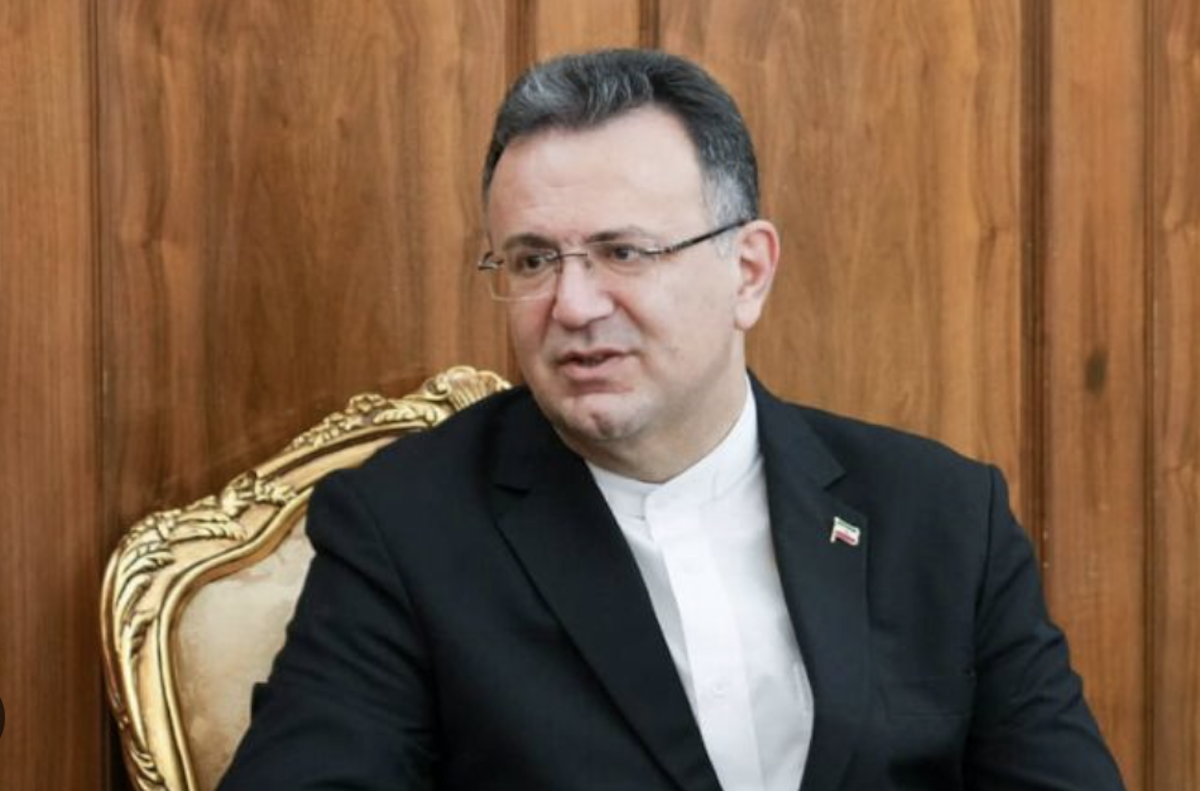
Iran’s ambassador to Georgia, Ali Mojani, has said in a Facebook post that no country is immune to the consequences of the regional crisis.
The post is accompanied by a symbolic image—a warning on a car mirror reading “Objects in mirror are closer than they appear”—presented as a metaphor for how current events are perceived.
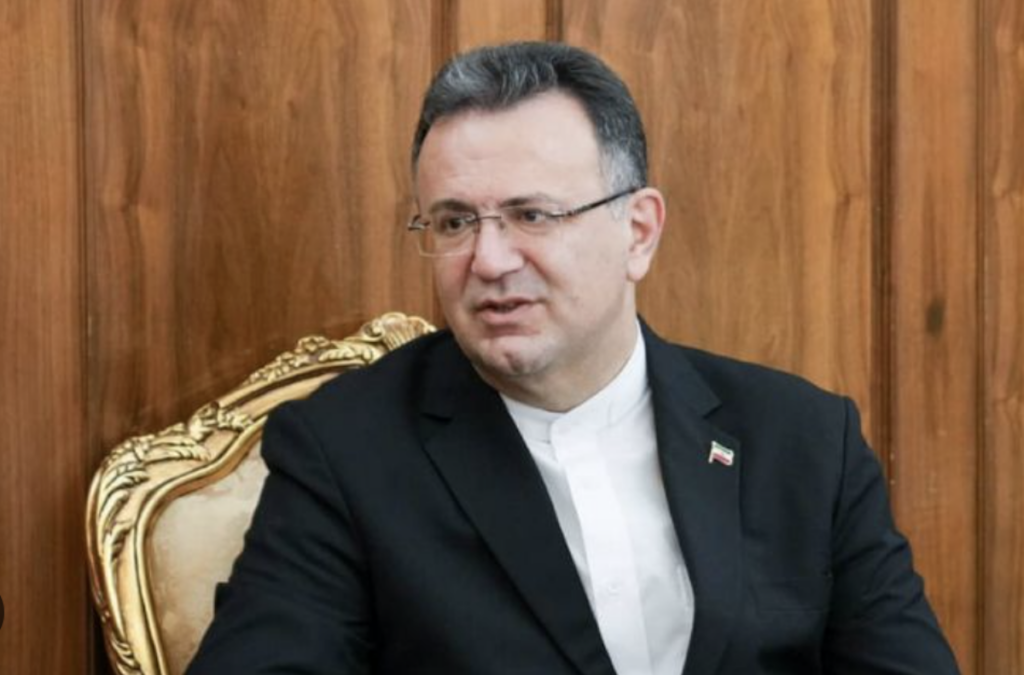
Ali Mojani said: “No one can ignore one fact about Donald Trump and US policy: when some countries, willingly or not, hastily give up their space and territory to external adventurers, the price is sooner or later paid within the country itself.
Today, the signs are clear: disruptions to export routes, capital outflows, and growing public anxiety over the consequences of a protracted war, as well as risks of escalation—including the threat of the United States using nuclear weapons—all of this stands before decision-makers in smaller countries.
Now, on the thirty-second day of the war [with Iran], the White House is even considering the possibility of shifting the costs of this conflict onto countries located to the south.
This is where short-term decisions and miscalculations turn into long-term challenges.
Those who yesterday aligned themselves with Donald Trump are now being forced to pay the price for that choice.”

It is not clear whether the ambassador’s statement is linked to the 30 March phone call between US Secretary of State Marco Rubio and Georgian Prime Minister Irakli Kobakhidze.
According to official information, the two sides discussed issues of mutual interest, including security in the Caucasus and the Black Sea region.
Statement by Iran’s ambassador to Georgia
The ruling Georgian Dream party received the largest share of political donations in January-February 2026, followed by opposition Lelo-Strong Georgia and the GD-affiliated People’s Power party, according to the latest data published by Georgia’s State Audit Office.
The recent figures suggest that the imbalance in donations between the ruling party and its affiliates, and the opposition parties, is continuing. In the first half of 2025, Georgian Dream had GEL 6.6 million in donations, six times more than all other parties combined, according to Transparency International – Georgia.
Official figures show that Georgian Dream received GEL 980,000 (about USD 365,700) between January 15 and February 27, from 28 donations. Among the largest contributors were Konstantine Gabisonia, Romani Abramishvili, Aleksandre Ivanishvili, and Givi Lebanidze, each of whom donated GEL 60,000 – a maximum amount a person can donate in a year. Tbilisi Mayor and the party’s secretary general, Kakha Kaladze, donated GEL 12,000 (USD 4,500).
The opposition Lelo party received GEL 146,000 (USD 54,500) between January 8 and February 19 through six donations. Major contributors included party leaders Mamuka Khazaradze, who donated GEL 60,000, and Badri Japaridze with GEL 47,000, followed by Tamar Japaridze with GEL 30,000.
Georgian Dream’s offshoot, People’s Power party, reported GEL 60,000 (USD 22,400), received through two contributions: GEL 20,000 (USD 7,500) from Zaza Berulava and GEL 40,000 (USD 14,900) from Archil Mamatsashvili.
The Freedom Square opposition party reported GEL 46,745 (USD 17,450) in donations from 44 contributors between January 1 and February 16. Among the donors were party leaders Levan Tsutskiridze, GEL 150 (USD 56), Bakur Kvashilava, GEL 1,000 (USD 373), and Simon Janashia, GEL 6,000 (USD 2,200).
Solidarity for Peace, a pro-Russian party, received four donations totaling GEL 5,288 (USD 1,970) between January 8 and February 5, all made by Mikheil Zghenti.
The opposition Coalition for Change received GEL 3,460 (USD 1,290) through nine donations between January 14 and February 23. Coalition members Maia Kopaleishvili with GEL 450 (USD 168), Marika Arevadze with GEL 700 (USD 261), and Ivane Tsereteli with GEL 900 (USD 335) were among the contributors.
Former Prime Minister Giorgi Gakharia’s For Georgia reported GEL 2,371 (USD 885) in donations from January 1 to February 26, across 15 contributions. Ana Dadiani was the largest contributor, while MP Tamar (Tata) Akhvlediani donated GEL 102 (USD 38).
Ana Dolidze’s For People party received GEL 2,100 (USD 784) between January 24 and February 3 through eight donations, with Lasha Anakidze contributing the largest share at GEL 1,000 (USD 373).
The United National Movement (UNM) reported no donations during the same period. The same was true of members of the newly formed Opposition Alliance, including the Federalists, Strategy Aghmashenebeli, European Georgia and the National Democratic Party.
Also Read:
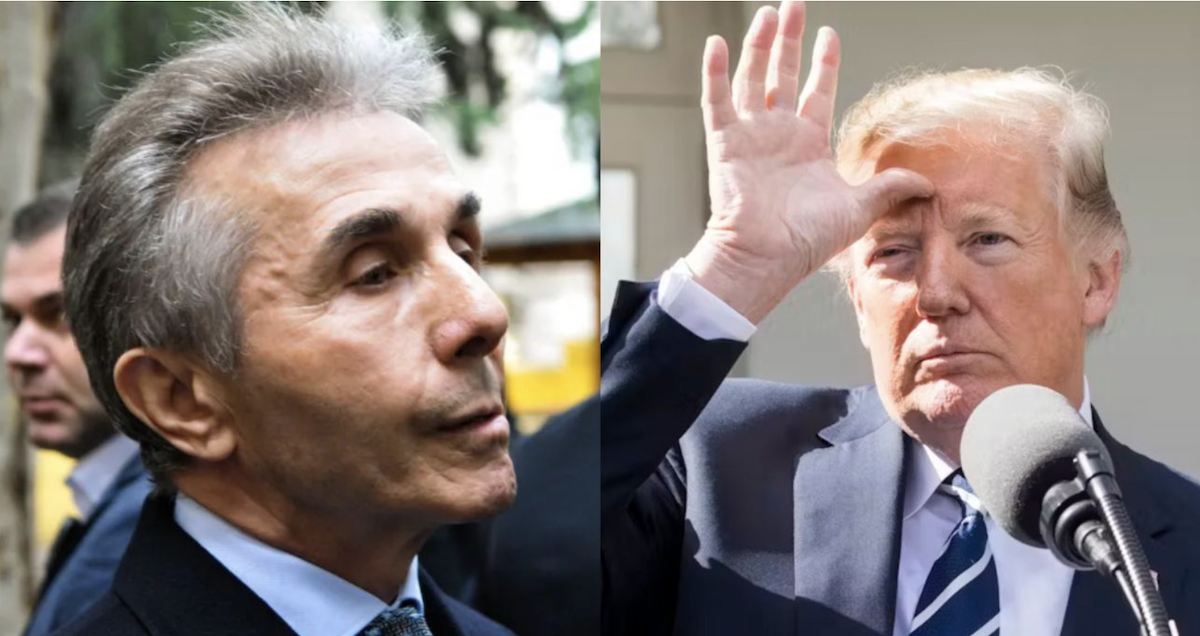
Lasha Tugushi, head of the Liberal Academy, has commented on the phone call between US Secretary of State Marco Rubio and Georgian Prime Minister Irakli Kobakhidze, saying that, against the backdrop of the war with Iran, it signals a difficult situation in the region, while there are no signs of any “reset” in US–Georgia relations.
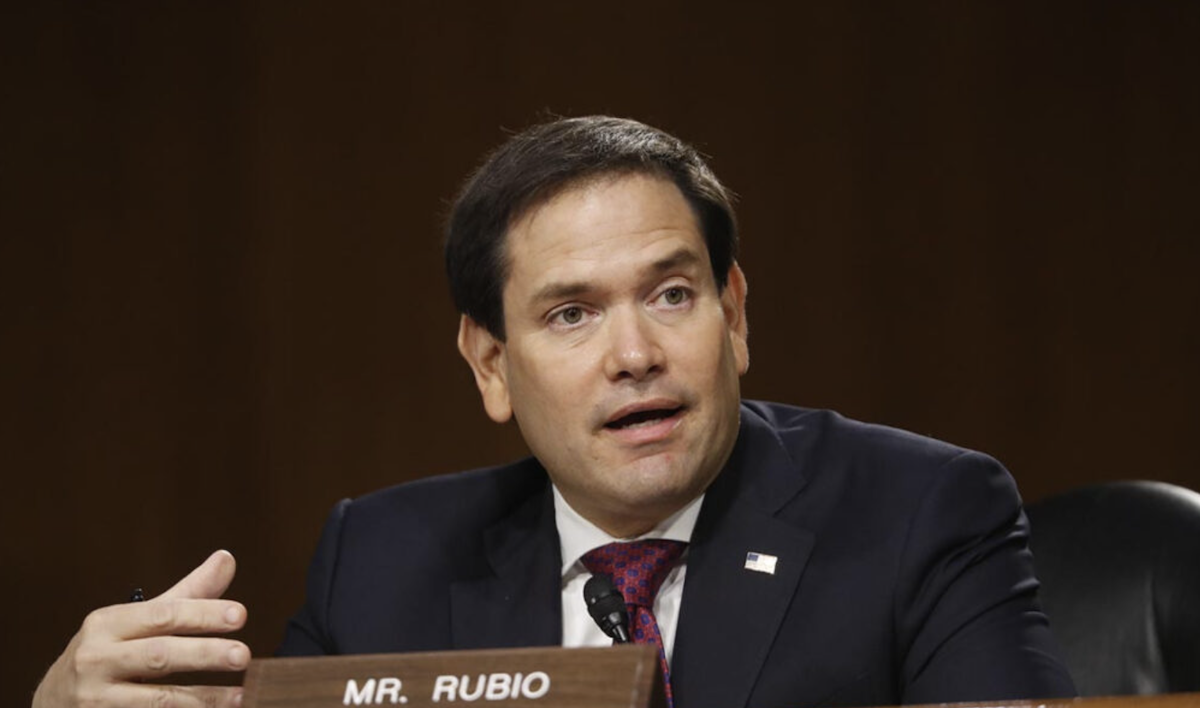
On 30 March, US Secretary of State Marco Rubio held a phone call with Georgian Prime Minister Irakli Kobakhidze. The two sides are reported to have discussed issues of mutual interest, including security in the Caucasus and the Black Sea region.
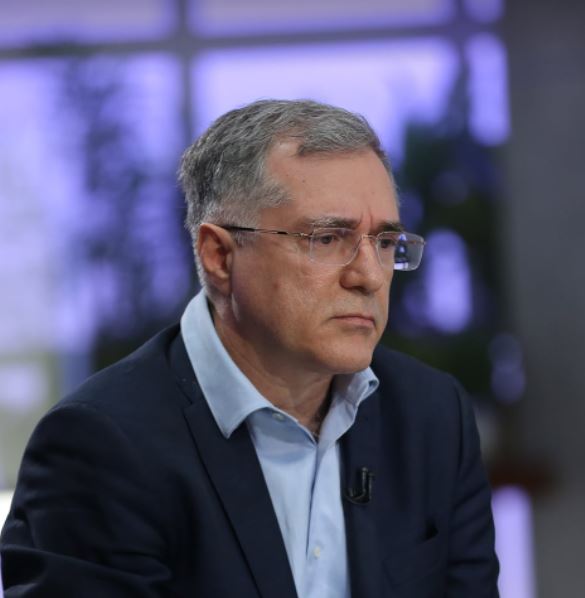
Lasha Tugushi said: “We know what is happening in the Black Sea region—a devastating war that Russia is waging against Ukraine. There is also a second very serious conflict linked to Iran. Take a ruler and draw a straight line—look at how close Iran is to Georgia. These two states are very close. Geography matters greatly. It is absolutely clear why this call took place, especially as the situation around Iran could escalate even further. For example, a ground operation could begin or even heavier bombardments could follow.
Naturally, Georgia’s proximity to the conflict zone is important for the United States, which is the main actor in this situation. I am surprised there have been no visits so far, given the scale of the challenges facing both the world and the US. I expected that some kind of visit would already have taken place, as Georgia occupies an important position due to its geopolitical location. This call reflects only that. We have not seen any signs of a ‘reset’ in US–Georgia relations or a return to their previous level of cooperation.
We used to have very strong relations with the United States. Where are they now? A single phone call under the current circumstances means nothing. I cannot be optimistic about this—and there is no reason to be. A ‘reset’ would imply cooperation across many areas, from democracy to security. We have seen nothing concrete beyond a phone call, which does not carry the meaning that the ruling Georgian Dream party is trying to attach to it.”
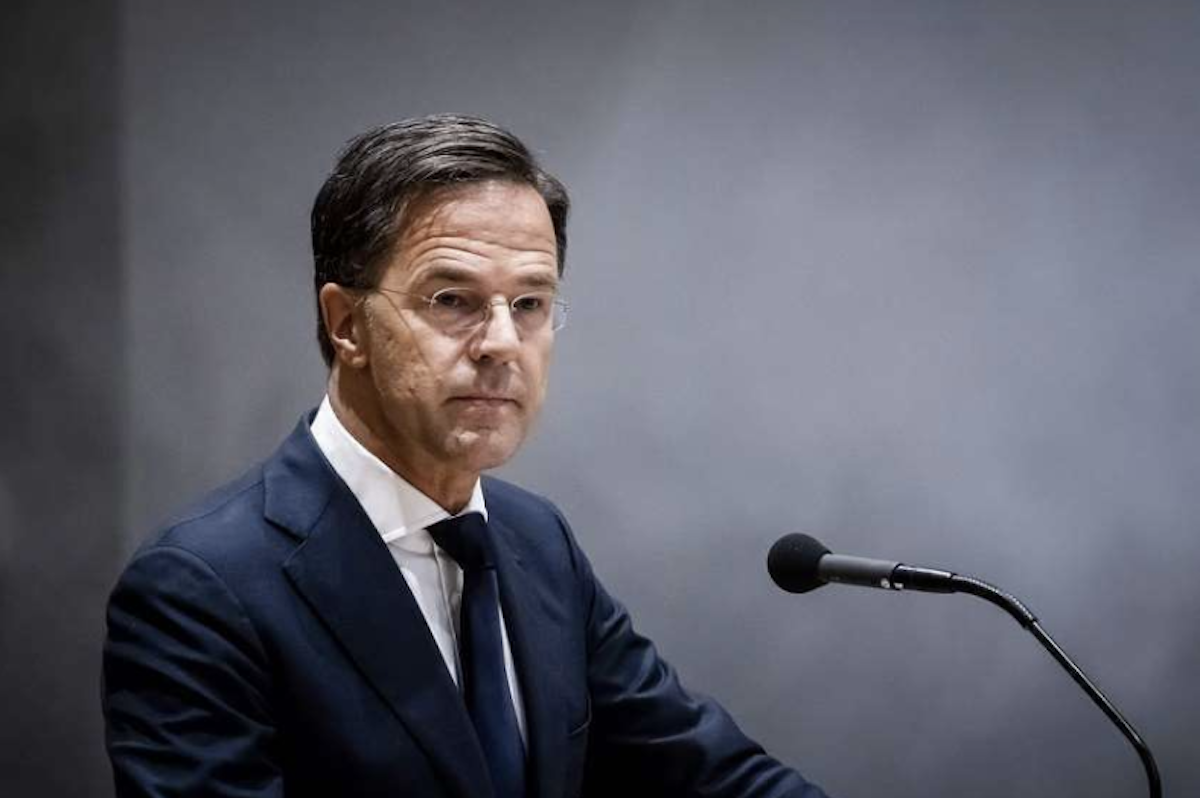
“It is very difficult to assess a specific action when we do not fully know its content. It is hard to speak about details. I am sure it will be linked not only to politics, but also to security issues.
We can, however, discuss certain trends. Given the recent state of Georgia’s relations with Iran, as well as its strained ties with the West, it is natural to raise questions about possible shifts in this direction.
Meeting with a Hamas leader and lighting up the Tbilisi TV tower in the colours of the Iranian flag is an unwise and, moreover, reckless policy. In the current geopolitical situation, the Georgian authorities have taken clearly wrong steps.
If further escalation occurs, there are concerns that Georgia could find itself in a dangerous situation.”
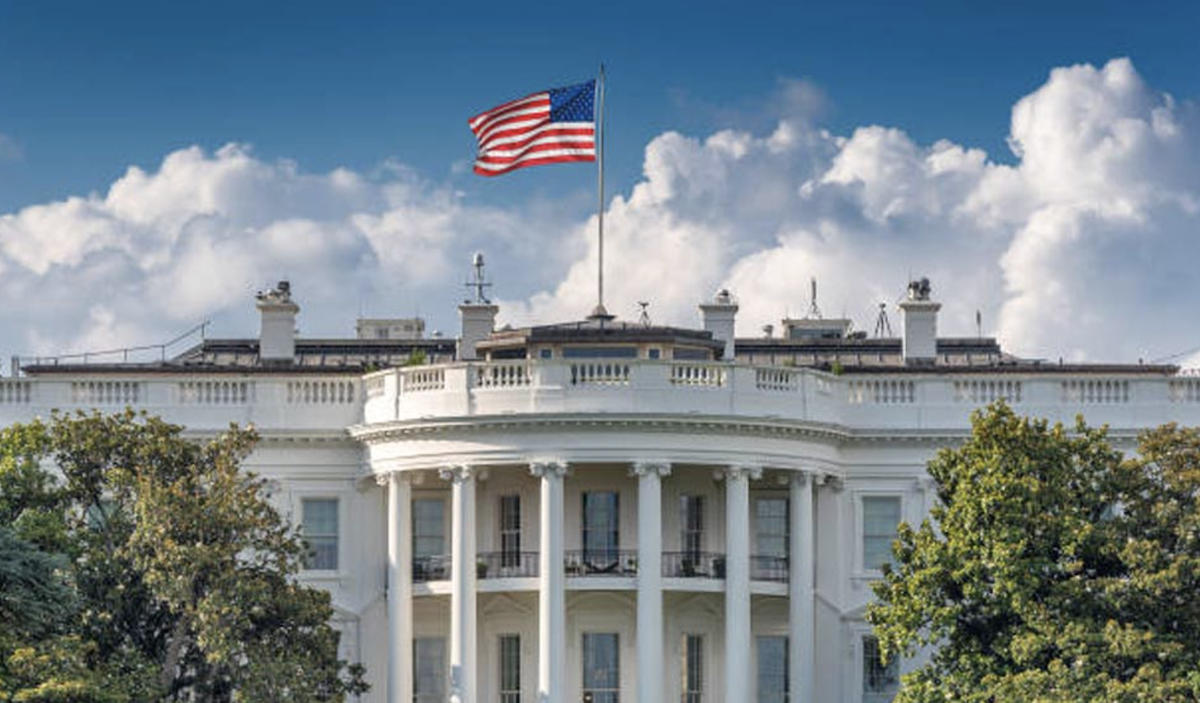
Phone call between Rubio and Kobakhidze
As Iranian missiles strike Türkiye for the fourth time and a new regional security order stirs quietly in Riyadh, Pakistan is threading an almost impossible needle, holding Washington’s hand while standing beside Tehran’s neighbour. The next 72 hours may determine whether diplomacy survives the war.