
Day: February 26, 2026

UK envoy summoned to Georgian foreign ministry
The UK’s decision to impose sanctions on two pro-government Georgian television channels, TV Imedi and POSTV, has further heightened diplomatic tensions between Tbilisi and London, with the British ambassador to Georgia, Gareth Ward, summoned to the foreign ministry.
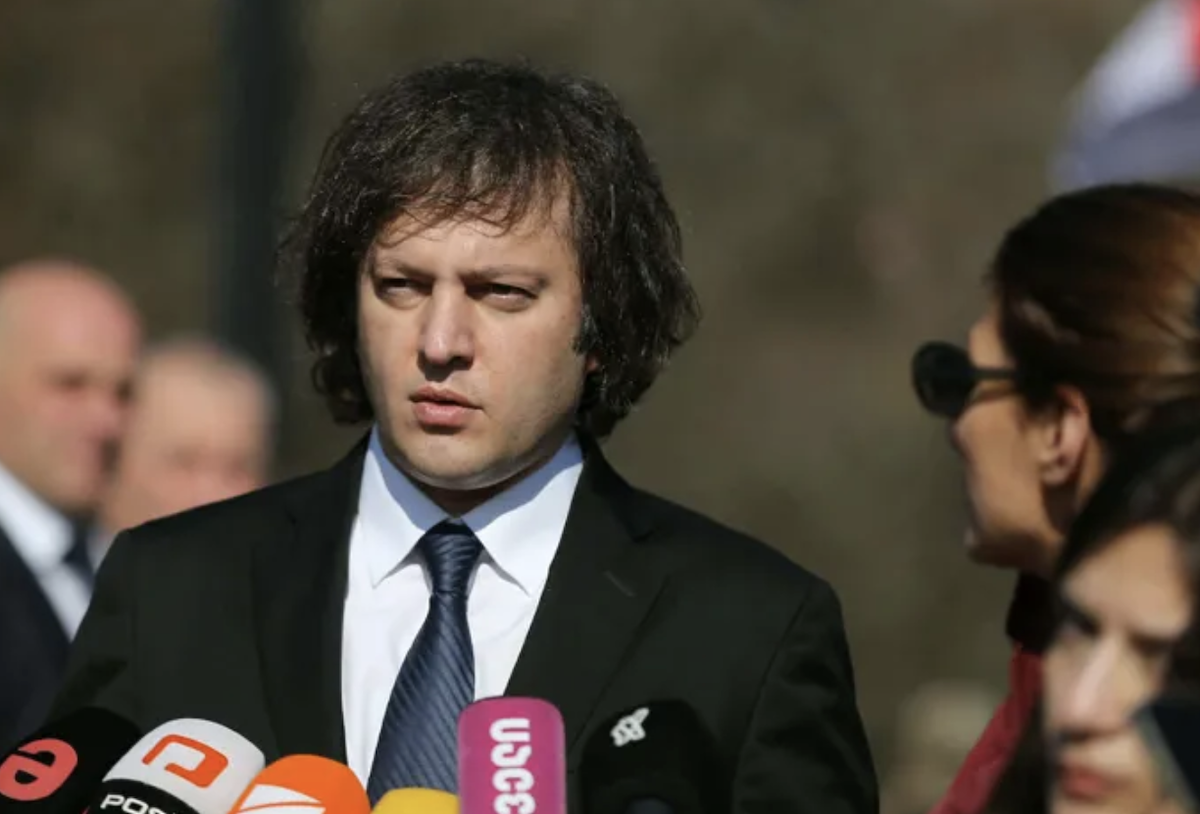
After the meeting, Foreign Minister Maka Bochorishvili issued a statement describing the British decision as “groundless” and “based on unfounded assessments”.
She said the Georgian foreign ministry had asked the ambassador to clarify what the decision taken in London had been based on.
“I have not seen any evidence or any document that would justify this decision. Nothing specific was presented,” Bochorishvili said, adding that during the 40-minute meeting she had not heard a single argument that could serve as grounds for sanctions.
The minister also highlighted allegations which, she said, had formed the basis of the British assessment — including claims that Georgia was allegedly strengthening Russia while weakening Ukraine.
“These are accusations we do not share,” Bochorishvili said.
The British ambassador, meanwhile, declined to comment to the press after the meeting.

On 24 February, the UK imposed sanctions on the Georgian television channels TV Imedi and POSTV under its Russia sanctions regime.
According to the British government, the broadcasters had regularly promoted narratives portraying Ukraine’s authorities and president as illegitimate, describing the country as a “Western puppet” and accusing Kyiv and its Western allies of attempting to destabilise Georgia.
The measures against TV Imedi and POSTV include asset freezes, a ban on trust services and director disqualification orders.
This means that:
- Any bank accounts, property or other assets held by the broadcasters within UK jurisdiction will be frozen. Banks linked to the UK — including branches operating abroad — are required to cease providing services to the companies.
- The ban on trust services prohibits asset management through trustees or foundations, preventing concealed ownership through British jurisdictions. Company owners will not be able to transfer shares into trusts in order to avoid confiscation or asset freezes.
- Director disqualification orders formally prohibit specific individuals from holding senior management positions. The restrictions apply not only to British nationals managing the companies, but also prevent sanctioned directors themselves from holding comparable roles in any company governed by UK law. Violating the ban constitutes a criminal offence.
UK envoy summoned to Georgian foreign ministry
A dramatic shift in global supply chains has transformed the economic relationship between Taiwan and the European Union. According to data from Taiwan’s International Trade Administration (ITA) reported by Focus Taiwan, Taiwanese companies have poured approximately $13.88 billion into the EU over the past decade, AzerNEWS reports. This represents a staggering 7.5-fold increase (650%) compared to the 2006–2015 period, when investment sat at a modest…
Armenia’s railways: ending the Russian concession
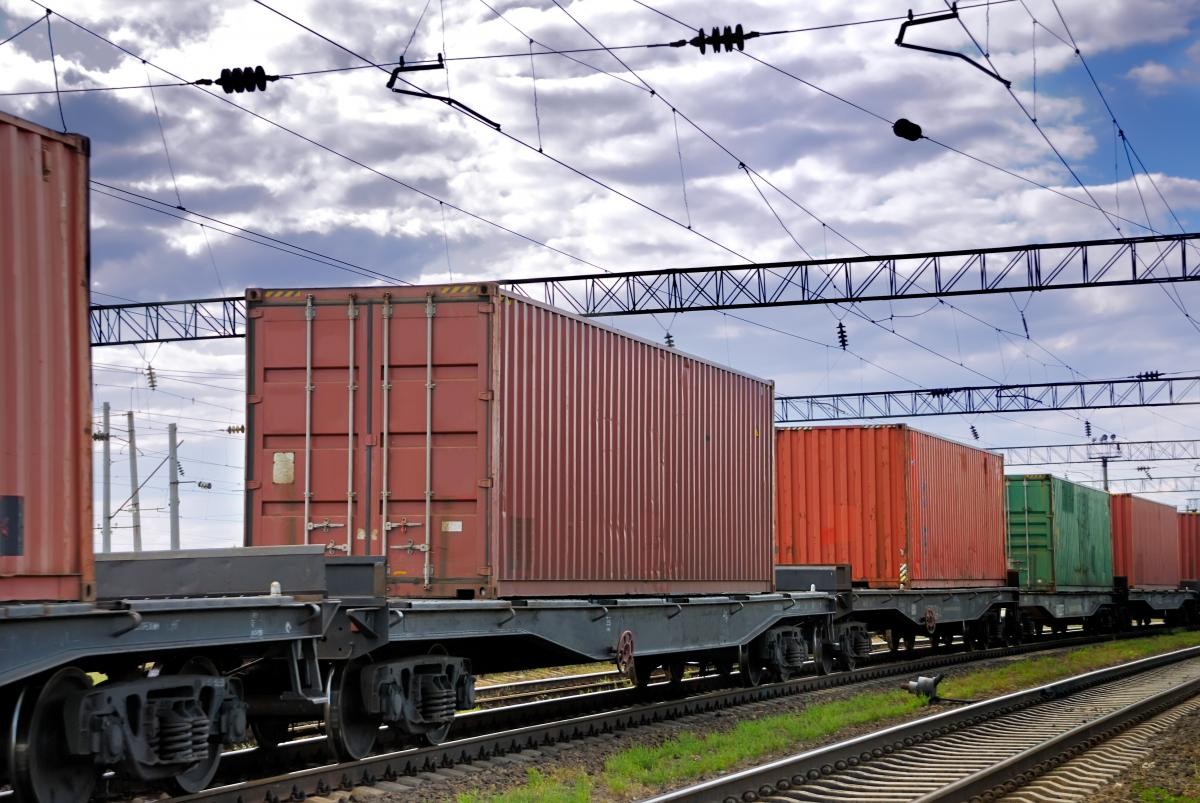
Since 2008, Armenia’s railways have operated under a concession agreement managed by the South Caucasus Railway company, a wholly owned subsidiary of Russian Railways. During this period, freight turnover has halved, several routes have stopped operating, and mandatory investment commitments have largely remained on paper.
In 2018, Armenia’s Investigative Committee said a preliminary investigation had uncovered information about “possible abuses and violations in the investment process of the South Caucasus Railway company”. Investigators examined the effectiveness of investments made between 2008 and 2018 and looked into possible financial irregularities. At the time, Russian Foreign Minister Sergei Lavrov expressed hope that court proceedings involving Armenian-Russian joint ventures, including the railway operator, would be resolved without damaging allied relations. Authorities later dropped the criminal case in March 2021.
The company managing Armenia’s railways — and whether it should retain the concession — has now returned to public debate.
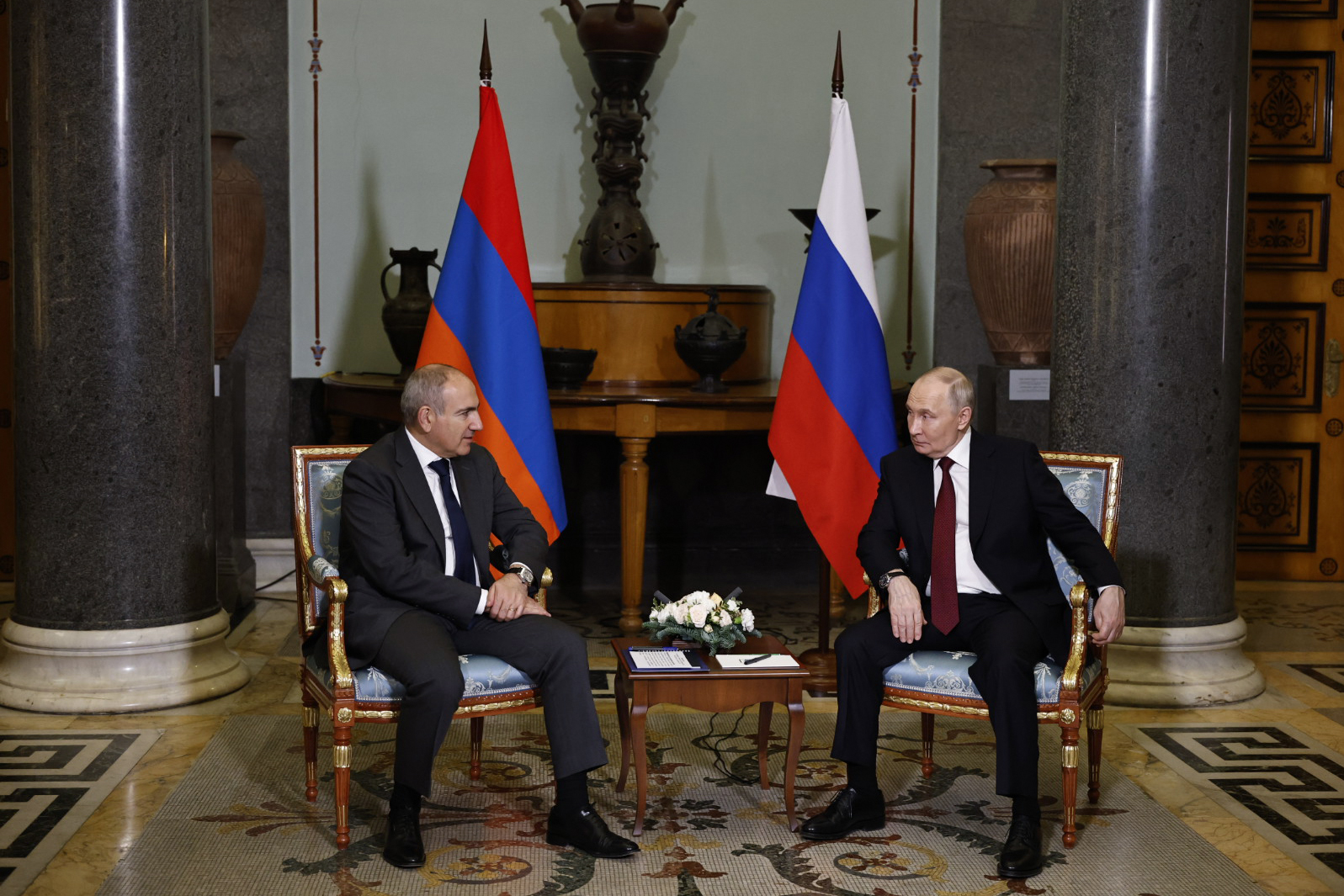
Prime Minister Nikol Pashinyan recently said Armenia is losing competitive advantages in developing regional railway connections because a Russian company controls the country’s rail network.
He therefore proposed selling the concession to a third country that maintains friendly relations with both Armenia and Russia. Moscow reacted quickly to the proposal but showed little enthusiasm.
Russian foreign ministry spokeswoman Maria Zakharova described the Armenian prime minister’s remarks as “strange and hardly acceptable”. Security Council Secretary Sergei Shoigu said Russia had invested “more than 30bn roubles” ($391.5m) in Armenia’s railways over nearly 20 years and had repaired more than 520km of track. He argued that the South Caucasus Railway company fulfils its obligations responsibly. He also warned that transferring the concession to another country could cause the established system to “collapse overnight”.
In comments to JAMnews, political analyst Samvel Meliksetyan presented figures he says challenge claims about the company’s effectiveness. He also explained what legal instruments Armenia could use to return the railways to state management.
- Awaiting end of war in Ukraine: Russia’s intentions in South Caucasus
- Armenia under pressure from hybrid attacks: who is spreading disinformation and why
- ‘We will not act against Russia, but will always act in Armenia’s interests’ — Pashinyan
- ‘We decided to leave someone else’s pocket and become independent state’ – Pashinyan
Political analyst Samvel Meliksetyan’s commentary
Armenia’s railways — before and after the concession
“Armenia’s railways were not loss-making.
A year before the concession passed to the South Caucasus Railway company, freight traffic stood at twice today’s level. When the agreement was signed, annual cargo turnover reached 3.1 million tonnes. Today that figure has fallen by half. Passenger traffic has also declined. The statistics clearly do not support Shoigu’s claims.
Another issue concerns the Hrazdan–Dilijan line. It operated normally when the Russian company took over the concession. Today it no longer functions.
Financial scandals form a separate chapter in this story. A dispute erupted as early as 2016. At the time, the Armenian authorities — under former president Serzh Sargsyan — voiced dissatisfaction with tariff policies and alleged abuse of monopoly power. A similar conflict emerged again in 2018–2019, when an audit uncovered unpaid taxes worth $60m.
Russian Railways then said it was considering withdrawing from the concession. That served as an obvious pressure tool.
In 2018, Russia felt far more confident and believed the Armenian side had no alternatives. Now that alternatives have begun to emerge, the reaction has become noticeably more nervous.”
Investments on paper
“Passenger numbers fell for several reasons. Some routes stopped operating, while taxi networks and regional transport expanded rapidly and created a compensatory alternative. Gradually, this pushed railways out of passengers’ everyday lives.
At the same time, high-quality transport requires serious investment in rolling stock renewal, reliable schedules and proper conditions on operating routes.
Such investment can prove unprofitable at the initial stage. Russian Railways chose a different strategy. The company focused on maximising cost optimisation instead of investing in development.
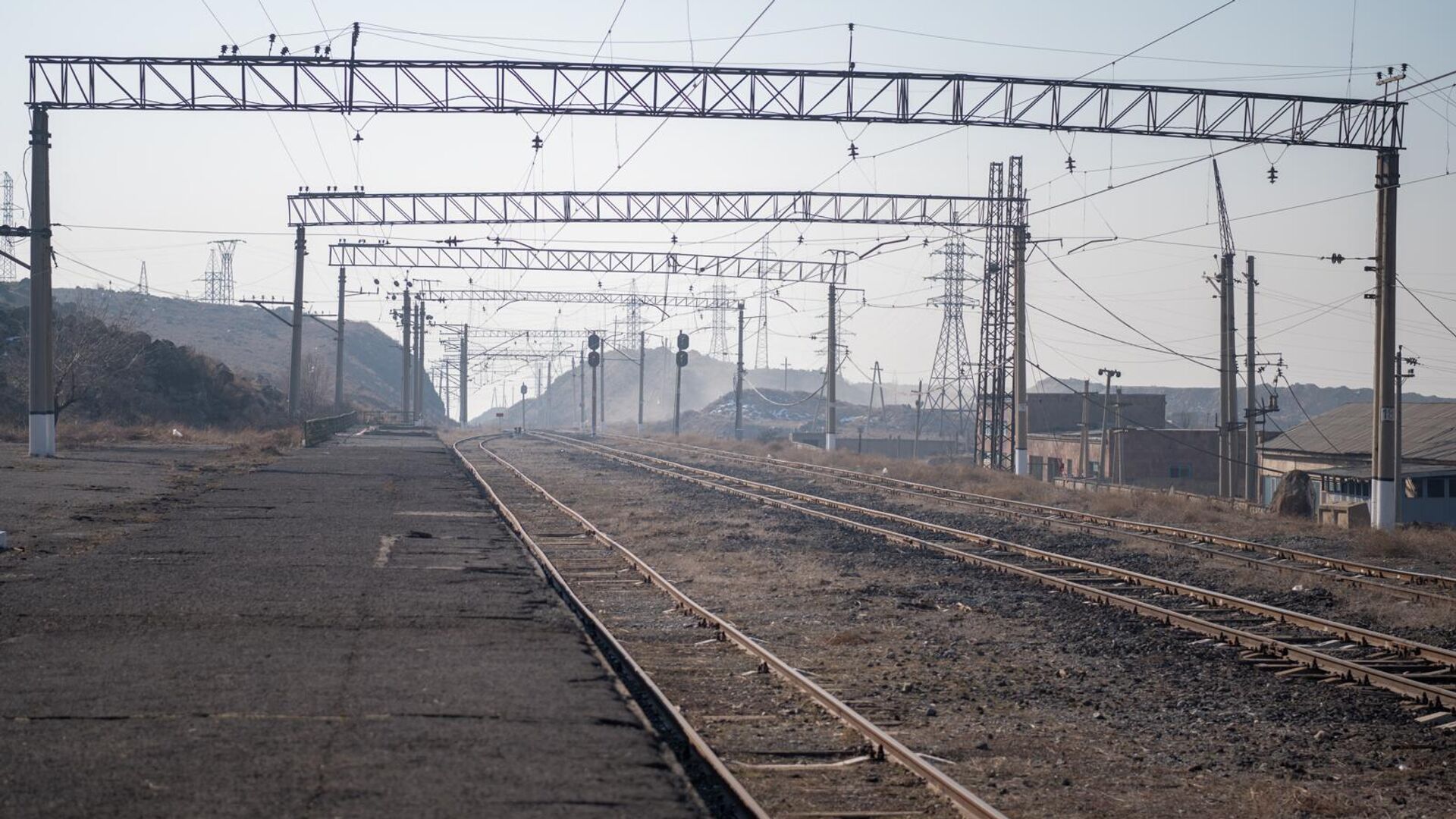
High corruption risks also played a role. Russian Railways had committed to major investments under the concession agreement. On paper, officials recorded many of those funds as spent. In reality, much of the money never reached actual projects. Various corruption schemes were involved.”
Arbitration or buyout
“The concession agreement includes a direct management mechanism. If the South Caucasus Railway company fails to fulfil its transport or related obligations within 15 days, the Armenian government can take the railway under direct control until the situation is resolved.
The parties settle disputes in two stages, each lasting 30 days. If negotiations fail, the case goes to the International Chamber of Commerce arbitration court in Paris. Its decisions bind both sides.
If Armenia prevails, full management returns to Armenian Railways.
A buyout mechanism also exists. Armenia can compensate the operator for part of its expenses and part of the profit the company expected to earn until 2038. Under the agreement, this equals half of the planned investment amount plus the average projected profit. Experts estimate the total at about $150m–$200m. Armenia can afford such a sum. The country could realistically secure international lenders to cover the costs.
By proposing to sell the concession to a country friendly to both Russia and Armenia, Prime Minister Nikol Pashinyan appears to seek a political way out of the deadlock and offer Moscow an acceptable solution. However, Russia finds such an outcome unacceptable. Losing the concession would pose a serious threat to its interests, and Moscow shows no readiness to agree to it.
Armenia, meanwhile, would benefit from returning the railways to government management.
New operators could perform certain functions, but overall control should remain Armenian. Handing the concession to a third country would make little sense.
Because Armenia owns the railways, the government could also terminate the concession unilaterally. In that case, the Russian side would have the right to initiate arbitration proceedings itself.”
Armenia risks falling behind
“The crisis surrounding Russian Railways is extremely serious. Under the concession terms, the South Caucasus Railway company must invest an additional $1.3bn if Armenia opens its borders with Turkey and Azerbaijan. In the current circumstances, the Russian side most likely does not have that money.
At the same time, Armenia urgently needs to modernise and restore its railway network. Restoring the Gyumri and Yeraskh sections alone would cost about $140m. Under the agreement, however, Russian Railways must invest only $60m by 2038. The company already struggles to stay within even that budget. All this objectively slows the development of the country’s railway infrastructure.
Delays could bring serious consequences. If Turkey completes construction on its section first, the Armenian segment risks becoming unprofitable and unnecessary.”
Armenia has asked the Russian side to restore, “in the near future”, railway sections leading towards Turkey and Azerbaijan. Russian Deputy Prime Minister Alexei Overchuk responded that Russia and Armenia would assess the technical and financial conditions required to restore the two railway segments and later connect them with the railway networks of Azerbaijan and Turkey.
While Russia plans further discussions, Turkey and Azerbaijan have already announced plans to build a railway line linking Kars with Nakhchivan. Against this backdrop, Armenia’s prime minister said the country urgently needs railway sections running from Zangilan to Meghri and from Meghri to Nakhchivan.
“We expect the international route to pass along the Yeraskh–Akhurik line, where an operational railway already exists. Only a few kilometres of track are missing near Yeraskh. Even less work is needed in Akhurik. That is already the Turkish border. Right now, we must focus on our competitive advantages.”
Restoring individual sections is only part of the problem. The entire railway line requires modernisation because it was never designed to handle intensive international freight traffic.
At present, the railway operates with a minimal volume of domestic transport. If regional communications reopen, cargo traffic could rise to 10 million tonnes a year.
That would be roughly ten times higher than current figures. Such volumes require fundamentally different logistics and infrastructure solutions, which the South Caucasus Railway company does not have.
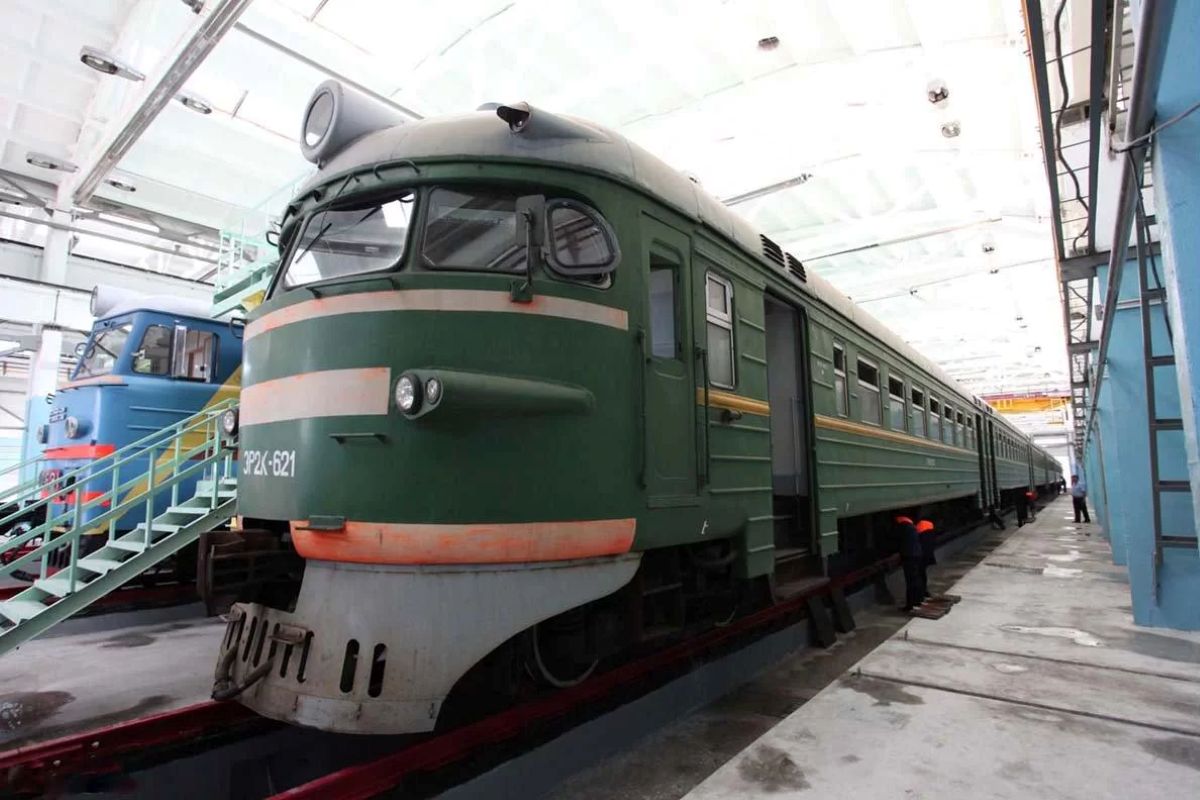
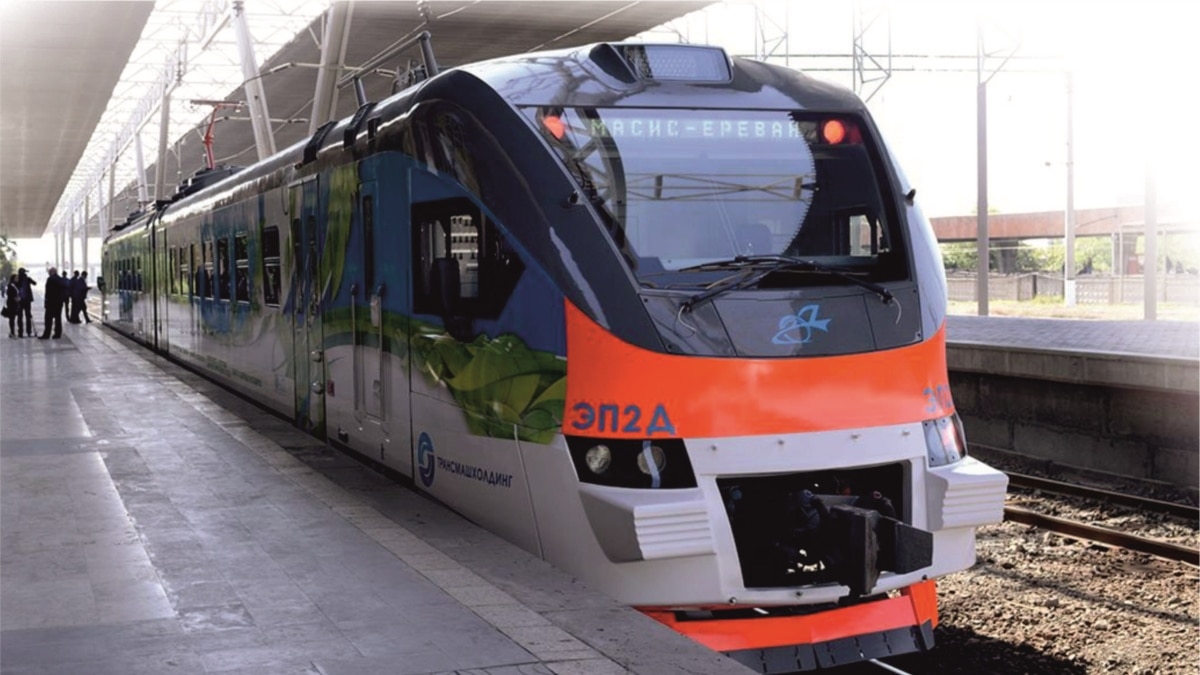
Russia faces both political and financial challenges. Sanctions have left much of its technical fleet outdated. Trains built in the 1960s still operate in Armenia.
The contrast with neighbouring Georgia is striking. Tbilisi continues to invest heavily in railway infrastructure and plans to allocate about $970m over the next five years. Under the concession agreement, Armenia is due to receive only $60m in investment by 2038. That amount barely covers maintenance and cannot support development.
According to the railway operator, the average speed on Armenia’s railways stands at 34km/h. Terrain and track profiles affect performance on different sections. Spee ds could increase significantly on the Ararat plain, particularly along the Gyumri–Yeraskh section. The winding Lori section makes such improvements unrealistic. Other routes could reach 50–60km/h, but this would require comprehensive modernisation, including rails, electrical infrastructure and rolling stock.
Meanwhile, Azerbaijan is rebuilding its railway sections to international standards — from Horadiz to the Armenian border and in Nakhchivan — with plans for high speeds and heavy cargo volumes. Turkey is constructing a modern section designed for freight speeds of about 60km/h. If Armenia’s segment remains technically outdated, it risks falling out of the route altogether. While Armenia moves one train, competitors could move two in the same time — faster and at lower cost.”
Armenia must aim to gain the maximum benefit
“Delays in modernisation threaten Armenia with tangible losses. If Turkey brings its section into operation first, Armenia’s transit revenues within the framework of the ‘Trump Route’ could fall by about 5.5 times. Instead of 240km of transit across Armenian territory, only 44km would remain on the southern section.”
The “Trump Route for International Peace and Prosperity” (TRIPP) is a proposed transport corridor that would link Azerbaijan with its exclave of Nakhchivan through Armenian territory. For several years, Yerevan and Baku failed to reach agreement on the issue. Azerbaijan demanded access to what it called the “Zangezur corridor”. Armenian authorities said they were ready to unblock all transport routes but rejected the term “corridor”, arguing it implied a loss of control and therefore a loss of sovereign rights over the territory.
Only on 8 August, during talks in Washington, did the sides reach an agreement that the road would remain under Armenia’s sovereign control. The United States agreed to join the unblocking process as a business partner. The project subsequently became known as the “Trump Route”, named after the mediator.
Nevertheless, TRIPP retains its strategic importance. Even in a reduced format, the project would connect southern Armenia through Nakhchivan, open transport links with Turkey and Iran, and provide transit across a 44km section.
The principle is straightforward: the more cargo moves through a country’s territory, the higher its transit revenues, the greater the investment it attracts, and the stronger its role in regional logistics.
That is why Armenia must seek to maximise cargo transit across its territory rather than settle for the minimum.
Armenia’s railways: ending the Russian concession
Categories