
Day: February 26, 2026
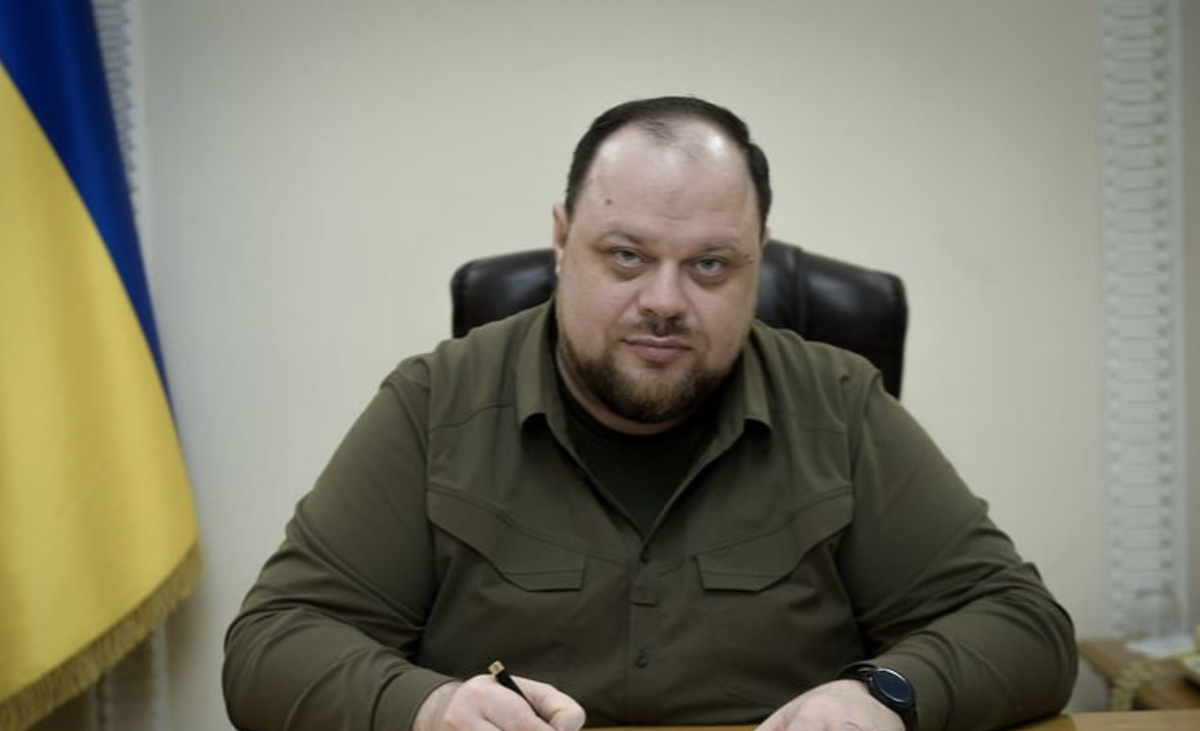
Stefanchuk responds to Papuashvili
Ukraine’s parliamentary speaker Ruslan Stefanchuk has responded to remarks by Georgian parliament speaker Shalva Papuashvili, who described Ukrainian President Volodymyr Zelensky as an “ungrateful person” showing no appreciation towards either the United States or Georgia.
According to Stefanchuk, those who repeatedly accuse Ukraine of “ingratitude” are in fact masking a loss of their own dignity and replacing it with what he described as servile submission.
Earlier, Shalva Papuashvili said that Georgia supports the Ukrainian people, but that “neither Zelensky and his deputies nor Brussels deserve support, because they are ungrateful people”.
“Zelensky is an ungrateful person. He shows no gratitude either towards the United States or towards Georgia. Let me remind you that he recalled [Ukraine’s ambassador to Georgia] because we refused to allow Georgians to go and fight and die. So they can say thank you, but ultimately we no longer particularly need their gratitude. We are doing all this for the Ukrainian people. The final judgement on Zelensky will be delivered by the Ukrainian people themselves,” Papuashvili said.
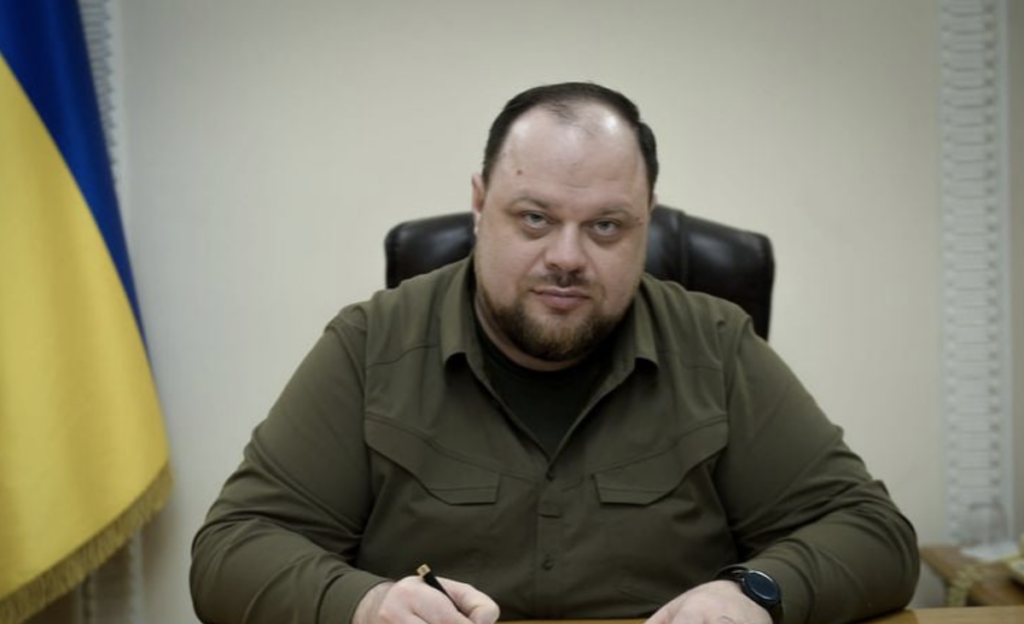
Ruslan Stefanchuk said: “Ukrainians are a grateful nation. We respect everyone who helps us in our struggle for freedom and for the right to choose our own future. And we are, of course, grateful to the Georgian people — a people who know exactly what dignity means. A people who bravely take to the streets of their cities in support of Ukraine. A people who, as part of volunteer battalions, fight shoulder to shoulder against our common Russian enemy.
Against this background, Georgia’s ‘support’ for the UN resolution concerning Ukraine’s territorial integrity can hardly be described as charity or heroism. In 2026, it represents only the minimum standard of basic decency.”

He added: “To those who, through constant accusations of ‘ingratitude’ directed at Ukraine — a country bleeding in its struggle for the right to exist — seek to conceal the loss of their own dignity and instead demonstrate servile submission, I would like to recall the words of the great Georgian philosopher Merab Mamardashvili: ‘There is no formula for human freedom, nor any cure for human stupidity. Political effectiveness is not the most important thing. Freedom is.’
And finally, Ukraine does not need lectures from moralists who act as amplifiers of the so-called ‘Russian world’ narratives. What Ukraine needs are genuine allies — those who understand that in the fight against Russian aggression, it is not compliments that matter, but principles and support.”
Stefanchuk responds to Papuashvili
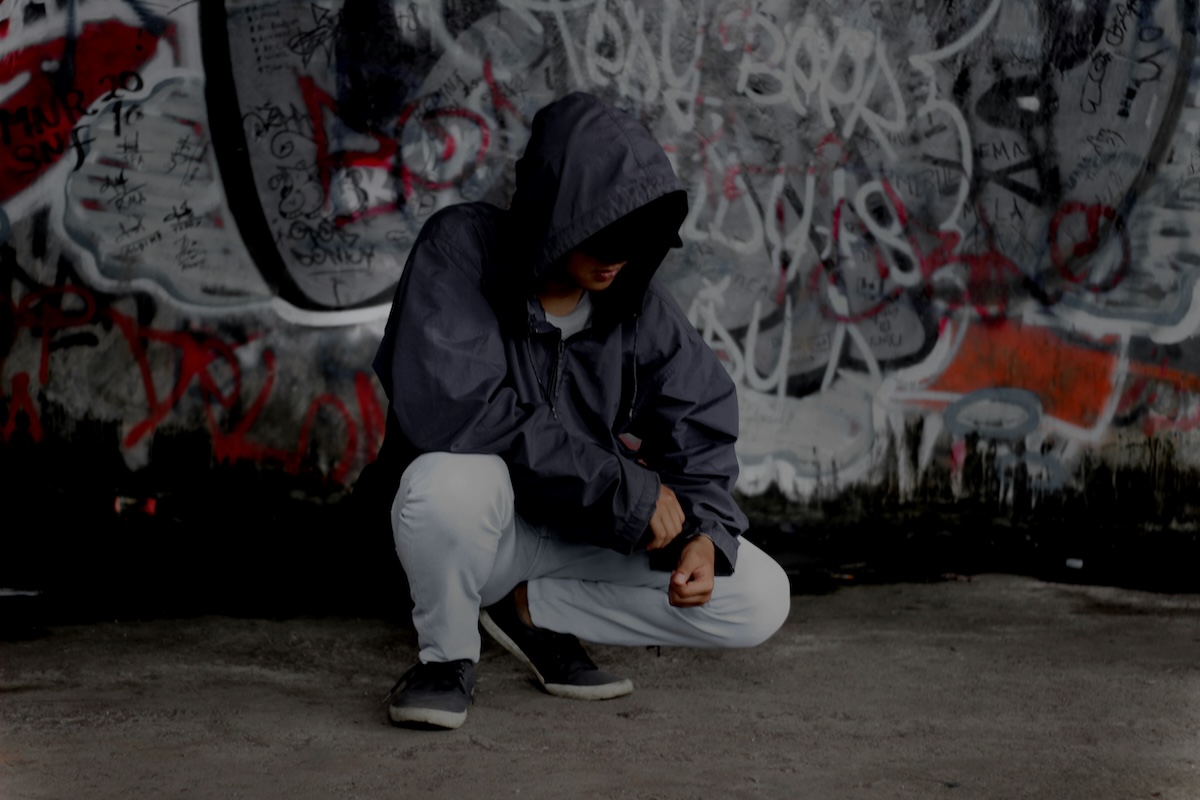
Juvenile crime in Georgia
Tsotne, Giorgi, Data and Aleksi are ordinary 15- and 16-year-old boys — loud, restless and full of energy. They talk about cars and girls and sometimes smoke cigarettes in secret from their parents. One otherwise unremarkable Saturday evening, they were walking into a supermarket in their neighbourhood when an unfamiliar boy their age tripped Tsotne and shouted: “Watch where you’re going!”
Tsotne barely managed to keep his balance and replied, confused: “You should watch where you’re going yourself.” The exchange lasted only a few seconds before turning into a heated confrontation. Tsotne and his three friends suddenly found themselves cornered in a dark passageway, surrounded by a group twice their size.
Aleksi felt a heavy blow to the face and realised from the sound that his nose had been broken. Data was knocked to the ground and kicked repeatedly in the ribs. The boy who had tripped Tsotne stood nearby with one hand behind his back, as if ready to pull out a weapon at any moment. The teenagers managed to break free, ran away and jumped onto the first bus they saw. After the incident, Tsotne did not leave his home for several days.
Fights between teenagers in Georgia rarely surprise anyone.
According to official statistics, theft is the most common offence committed by minors, followed by crimes involving violence or bodily harm.
Parents often downplay the seriousness of such clashes. “Who didn’t get into fights at that age?” they say with a shrug.
But from time to time these confrontations end not just with bruises — but with fatal consequences.
Child aggressors
In September 2025, a schoolgirl told her boyfriend that a young maths tutor, Giga Avaliani, had allegedly been showing her “excessive attention”. The boy consulted two friends, and together they decided to “teach the teacher a lesson”.
The teenagers planned everything down to the smallest detail. To avoid mistaking Avaliani for someone else, they studied his social media accounts and the photographs posted there, identified his workplace and home address, tracked his daily movements, chose a location for the attack and began surveillance.
“They set up an ambush and created all the conditions necessary to attack Giga Avaliani and cause him serious bodily harm,” investigators said.
The first attempt failed.
But two days later, the youths carried out their plan.
At about 22:00 on 1 October 2025, on the outskirts of Tbilisi, two young men followed the teacher as he was returning home from work and attacked him near his apartment building. One of them filmed the assault on a mobile phone. Giga Avaliani collapsed and lost consciousness. The attackers fled the scene.
Giga spent 23 days in a coma and died in hospital without regaining consciousness. According to forensic experts, the cause of death was a severe closed head injury.
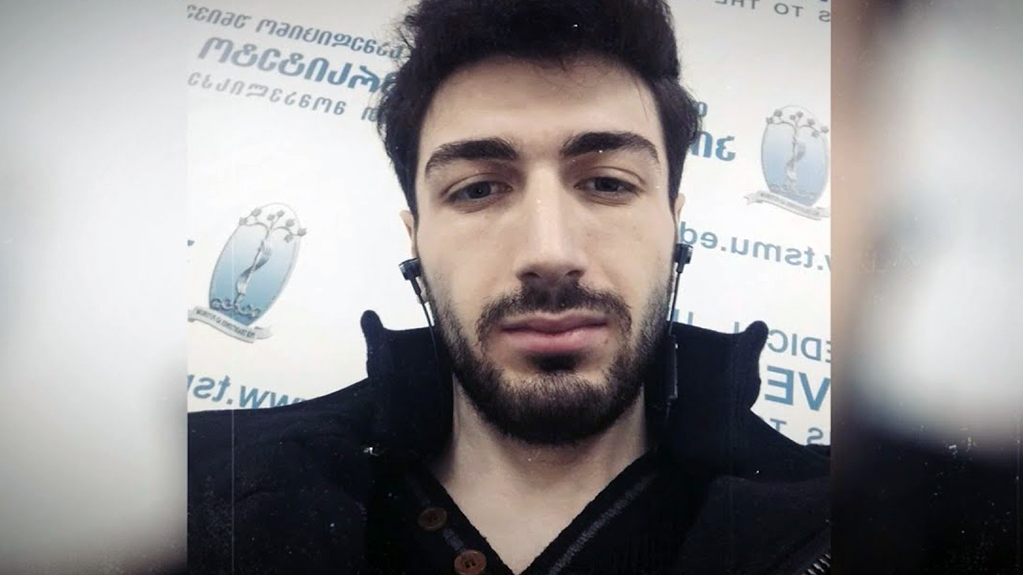
Four minors were soon detained in connection with the case. A video of the attack was discovered on the mobile phone of one of those arrested.
Several months later, new details emerged, leading to additional charges. According to investigators, Giga Avaliani was neither the first nor the only victim of the group — the teenagers are allegedly linked to at least four other incidents of organised violence.
Prosecutors say the group contacted selected victims while posing as girls online and arranged meetings with them. They then set up ambushes at agreed locations and carried out attacks.
“They brutally beat their victims and subjected them to verbal abuse. The scenes of violence were filmed, stored on mobile phones and shared within targeted groups,” the prosecution said.
- Sixteen neo-Nazi group members arrested in Georgia
- Opinion: New law on offenders under 14 could violate children’s rights in Georgia
- Education reform in Georgia: what is changing, official statements, and harsh expert criticism
According to investigators:
In February 2025, the detained teenagers, together with other individuals, attacked a man in his twenties who had allegedly been messaging a girl they knew on social media. The victim was lured late at night to a remote neighbourhood, beaten and filmed during the assault.
In the same month, they attacked a pre-selected victim in the entrance hall of a residential building, intending to punish and intimidate him. The violence was again recorded on a mobile phone.
In the summer of 2025, the same group allegedly carried out another brutal assault on a targeted victim, once more filming the beating.
In September 2025, they attacked several young people in a city park.
Teenage neo-Nazis
Another high-profile incident in recent months has further exposed the scale of youth violence.
A 15-year-old boy, Andria, met a girl online. After several months of messaging, they agreed to meet near a metro station in Tbilisi. The girl suggested walking to an abandoned building nearby. There, members of a neo-Nazi group were waiting for him in an ambush.
According to investigators, the teenager was severely beaten, suffered a broken nose and was cut with a knife. He was then threatened and forced to kneel and apologise via video call to the group’s alleged leader, 30-year-old Levan Abesadze, over a comment he had posted on social media. The attackers filmed the entire incident and later published the footage online.
Nine people were detained in connection with the attack on Andria, six of them minors.
The assault appears not to have been an isolated incident. Several months later, police detained 16 members of what authorities described as “radical fascist groups”, ten of whom were under the age of 18.
“Investigators established that members of the groups identified themselves as neo-Nazis and were guided by fascist ideology. In order to expand their influence and increase visibility, they demonstrated radical hostility towards victims and used particularly brutal physical violence against those who did not share their ideology,” investigators said.
After examining the suspects’ mobile phones, as well as photographs and videos shared on social media, police identified more than ten victims, including four minors.
Violence as a familiar reality
Youth violence is not a new phenomenon in Georgia.
One of the most symbolic cases in recent years was the killing of Giorgi Shakarashvili. In 2020, a fight that began during a birthday celebration ended with the death of the 19-year-old footballer. Shakarashvili was severely beaten on a riverbank and later thrown into the water. Seventeen people were charged in connection with the case, six of them minors.
Another case that shocked the country was the killing of 16-year-old Davit Saralidze in 2017. Prosecutors said the murder had been carried out by a group acting in prior agreement.
Alongside such extreme cases, news reports frequently feature less serious offences committed by minors. Among incidents reported during the first two months of 2026:
Three minors were detained for stealing food and money from a supermarket in Tbilisi.
In Rustavi, a minor previously convicted and serving a suspended sentence was detained for injuring a supermarket employee.
Six members of a criminal group, including its leader and two minors, were arrested for targeting grocery stores.
One person was detained in Rustavi on suspicion of injuring a minor.
Publicly available statistics from the prosecutor’s office point to a growing trend in juvenile crime. In 2024, 1,164 teenagers came into conflict with the law — twice as many as in 2020. Of those, 58% (674 teenagers) were placed in a rehabilitation programme aimed at reintegrating young offenders rather than punishing them.
Property crimes remain the most common offences committed by minors, including theft from shops, stealing clothes, sweets, as well as alcohol and cigarettes. According to 2024 data, 68.4% of teenagers enrolled in rehabilitation programmes had committed such offences.
Crimes involving violence or bodily harm rank second in frequency.
Why do teenagers commit crimes?
What drives teenagers to commit crimes? There is no single explanation. A range of factors play a role — age, family circumstances, social environment and peer influence.
Teenagers aged between 14 and 17 often struggle to regulate emotions and control impulses. At the same time, recognition and social status are particularly important at this stage of life. Violence can become a way to assert dominance, prove masculinity or gain acceptance among peers.
Family background is also a significant factor. A 2024 criminological study by Georgia’s prosecutor’s office found that nearly half of the minors enrolled in rehabilitation programmes (674 individuals) did not live with both parents. In 20.5% of cases, one or both parents had migrated abroad for work, 19% came from divorced families, and in 13% of cases at least one family member had a criminal record.
According to 2024 data, 19% of teenagers who underwent rehabilitation had received no formal education at all. Most participants (74.6%) attended public schools, while more than half were not involved in any extracurricular activities.
The same study found that, economically, the families of teenagers involved in theft and other offences did not differ significantly from one another. Poverty alone, therefore, does not appear to be the primary driver of violence or crime.
About a year ago, the Institute for Social Research and Analysis and the Psychosocial and Medical Rehabilitation Centre for Torture Victims published a joint study examining what researchers described as a “criminal mentality” and its influence on society.
According to the findings, one in five respondents in Georgia (21%) expressed a tolerant attitude towards criminal subculture and said they would be willing to turn to representatives of it to resolve disputes. Around 30% believed that teenagers’ interest in joining criminal subcultures had increased over the past five years. Up to 60% of respondents said such subcultures influence teenagers’ lifestyles and worldview.
Systemic failures
Georgia operates a rehabilitation and mediation programme designed to give young offenders a second chance. Instead of imprisonment and a criminal record, minors in conflict with the law can participate in educational, social and rehabilitation initiatives. The approach is based on international standards aimed at repairing harm, preventing reoffending and supporting reintegration into society.
However, long-term statistics suggest the programme has been less effective than intended. According to a recent report by the State Audit Office, repeat offending among teenagers who completed rehabilitation programmes has been rising steadily. While 14% of minors committed another offence within three years of their first violation in 2015, that figure had increased to 19% by 2021.
Experts say the problem lies not in the rehabilitation model itself, but in its implementation, pointing to serious systemic shortcomings.
In some regions, social workers are unavailable, and teenagers face unequal access to psychosocial support services, as well as to sports, cultural and educational activities.
A newly adopted law passed by Georgia’s parliament also acknowledges that “there is no effective mechanism for responding to offences committed by minors” and no effective system of prevention.
The legislation requires state agencies to coordinate efforts to support children aged between 10 and 18. It предусматривает the creation of a “Care and Support House for Minors”, where teenagers accused of serious crimes carrying potential prison sentences of more than five years may be placed by court order. They could remain there for up to six months, with the possibility of an extension.
Child rights organisations have criticised the proposal, arguing that placing children in closed institutions risks stigmatising and isolating them, while also hindering the development of social skills.
Would lowering the age of criminal responsibility help?
Rising levels of juvenile crime in Georgia, along with a growing number of scandals involving teenagers’ interactions with police, have sparked intense public debate. Experts say the issue cannot be viewed simply as a problem of “criminal children”.
Former prosecutor and ex-head of the State Inspector’s Service, Londa Toloraia, argues that juvenile crime is often the result of systemic failure — a combination of shortcomings within families, schools and law enforcement institutions. In her view, harsher punishments and lowering the age of criminal responsibility are not a genuine solution.
“Schools have failed, social services have failed, and the police have failed in terms of prevention — and now lowering the age of criminal responsibility is being presented as a solution. It is the worst possible response in this situation,” she says.
Toloraia stresses that most crimes committed by teenagers are neither spontaneous nor the result of an inherently “criminal nature”. According to her, in nearly every case it is possible to identify the circumstances that pushed a young person towards unlawful behaviour.
“No one is born a criminal. We must always ask how a child reached this point. In nine out of ten cases it is the result of a combination of external factors — lack of attention within the family, involvement in criminal peer groups, economic difficulties, or parents being absent. All of these factors are closely interconnected.”
She adds that prevention mechanisms in Georgia often fail to function effectively: schools do not identify problems early enough, social services lack sufficient capacity, and many families cannot afford structured leisure activities for their children.
“In our country, organising meaningful activities for children and teenagers is very expensive. As a result, many teenagers simply have too much free time and do not know how to use it,” she says.
One of the central questions in juvenile justice, she argues, is what objective the state should pursue — punishment or rehabilitation.
Toloraia believes that isolation may be unavoidable in cases involving serious crimes, but rehabilitation is far more effective in most situations.
“The rate of repeat offending among children who have experienced imprisonment is higher — in some cases exceeding 50, 60 or even 80%. Among those involved in rehabilitation programmes, the figure is around 20–30%. The conclusion about which path is better for a child is obvious,” she says.
According to her, Georgia faces a significant shortage of rehabilitation programmes. Prosecutors and social workers are often forced to look for individual solutions because structured programmes are largely absent in many regions.
Police, prevention and the line of violence
Recent allegations by minors claiming they faced threats or violence from police during or after detention have drawn particular attention. Toloraia says such practices are not only unlawful but also undermine the very idea of prevention.
“Solving a crime or preventing future offences — even if these appear to be the police’s main objectives — cannot justify any illegal actions. Police officers have no right to threaten minors, use abusive language when speaking to them, or commit offences themselves,” she says.
She warns that attempts to resolve problems through intimidation or psychological pressure ultimately increase distrust and reduce the chances of future cooperation.
Toloraia also notes that, in practice, initiating criminal proceedings against police officers remains difficult, especially in the absence of video or audio evidence.
But in her view, the problem goes beyond legal mechanisms — political will is the decisive factor.
“If the signal from above is that human rights are a priority, the system follows that direction. But if the message is that solving crimes and punishment come first, the system will act accordingly.”
Juvenile crime in Georgia
Building on its 2021 milestone as the first nation to adopt Bitcoin as legal tender, El Salvador is doubling down on its digital asset strategy. President Nayib Bukele’s administration has officially launched a dual-tier residency and citizenship initiative: the Freedom Visa and the Bitcoin Country programs, AzerNEWS reports.
🇦🇲🇵🇱The Prime Minister of #Armenia and… in Warsaw.
#Pashinyan #Poland #EU #Europe #SouthCaucapic.x.com/eWnptvxspWxspW
— Arthur Maghakian (@ArMaghak) Feb 26, 2026