
Day: October 10, 2024
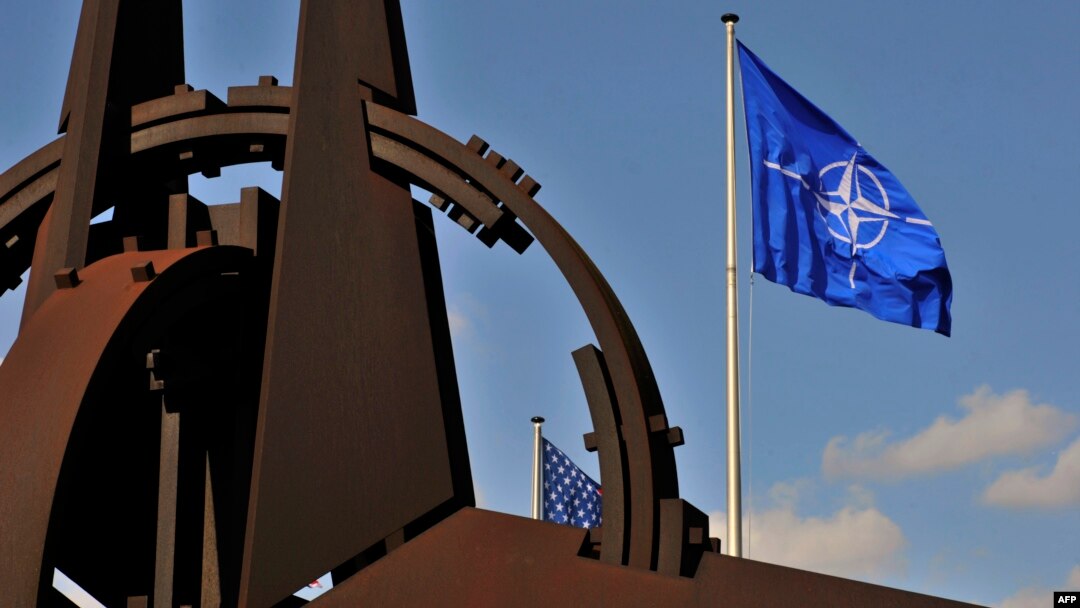
Armenia-NATO
During an October working visit to Armenia, a delegation led by NATO’s Chief of the International Military Staff, Janusz Adamczak, held meetings with the Armenian Ministry of Defense. Discussions focused on advancing cooperation between Armenia and NATO, as well as regional security issues.
Political analyst Gurgen Simonyan believes that Armenia can anticipate “promising opportunities for cooperation” with NATO. He emphasizes that membership in the alliance aligns with the country’s security needs and is of strategic importance. Simonyan dismisses the notion that “NATO cannot fully meet Armenia’s expectations” as a security system:
“NATO is expanding. And this is driven not by the vital interests of the Armenian people, but by the alliance’s own strategic interests. We are situated in a highly important, pivotal region. In this context, Armenia, with its unique civilizational characteristics, is regarded as a significant player in the North Atlantic security framework.”
- “CSTO poses a threat to Armenia’s security and future existence,” says Pashinyan
- “Armenia provided with safety cushions” – Opinion on the Brussels meeting
- The NATO secretary general welcomed Armenia’s solidarity with Ukraine
Armenia anticipates “strengthening of partnership” with NATO
Armenian authorities have regularly expressed interest in deepening cooperation with NATO. While they consistently emphasizing that the country currently has no plans to pursue membership in the alliance. The Armenia-NATO partnership spans 30 years. In a message marking the anniversary, NATO Secretary General’s Special Representative, Javier Colomina, praised Armenia’s longstanding contribution to the alliance’s mission in Kosovo.
He highlighted that over the years, a mutually beneficial partnership has been built “through active political dialogue and practical cooperation.”
Since October 1, NATO’s Secretary General is Mark Rutte. Armenia’s Foreign Minister extended congratulations on his appointment, noting that Armenia looks forward to “strengthening the partnership, based on shared values, to ensure a more secure and peaceful future.”
In November, a delegation led by the Chairman of the Armenian Parliament’s Defense and Security Committee, Andranik Kocharyan, is set to travel to Canada to participate in the annual session of the NATO Parliamentary Assembly.
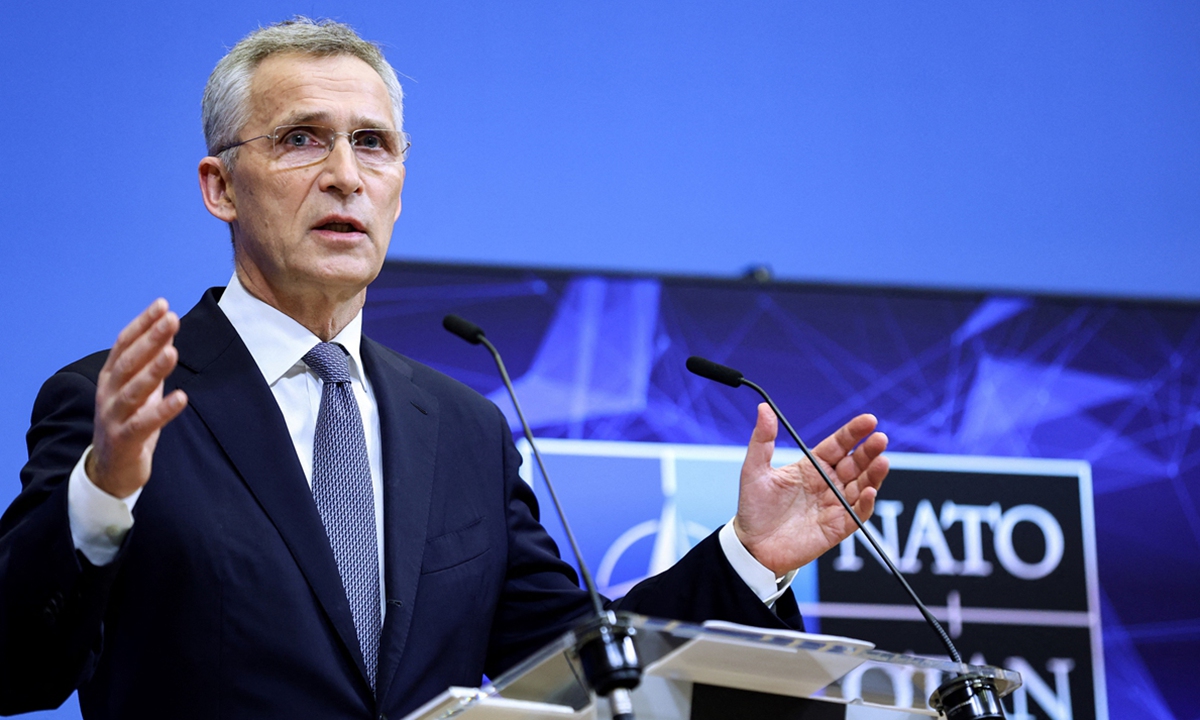
Commentary
Political analyst Gurgen Simonyan emphasizes that Armenia’s relationship with NATO has remained close for the past 30 years. He believes that the alignment of Western states, the key players in the security system, towards the region is crucial for Armenia-NATO cooperation.
Simonyan also suggests that Mark Rutte, the former Prime Minister of the Netherlands and the newly appointed NATO Secretary General, holds a friendly stance towards Armenia. According to Simonyan, during Rutte’s time as Prime Minister, the Netherlands provided both diplomatic and political support to Armenia on various issues:
“Rutte is unlikely to change his views now, as NATO Secretary General. Especially since the alliance is also interested in maintaining a presence in territories south of the Caucasus. Contrary to some analysts’ claims, it will be France, not Turkey, representing NATO’s interests in the region.”
Simonyan points out that the previous security system for Armenia no longer exists. It’s a reality that Armenian society has come to fully grasp over the past few years. Meanwhile, NATO is currently asserting dominance in various regions. According to Simonyan, it presents an opportunity for Armenia to build closer cooperation with the alliance – if the country adopts the right policies.
“However, I don’t see such steps being taken. Armenia’s government is focused on a regional approach. But if a more effective strategy were pursued, we could confidently say that Armenia-NATO relations would have a chance to evolve much further, opening up broader opportunities for collaboration.”
Follow us – Twitter | Facebook | Instagram
Armenia-NATO
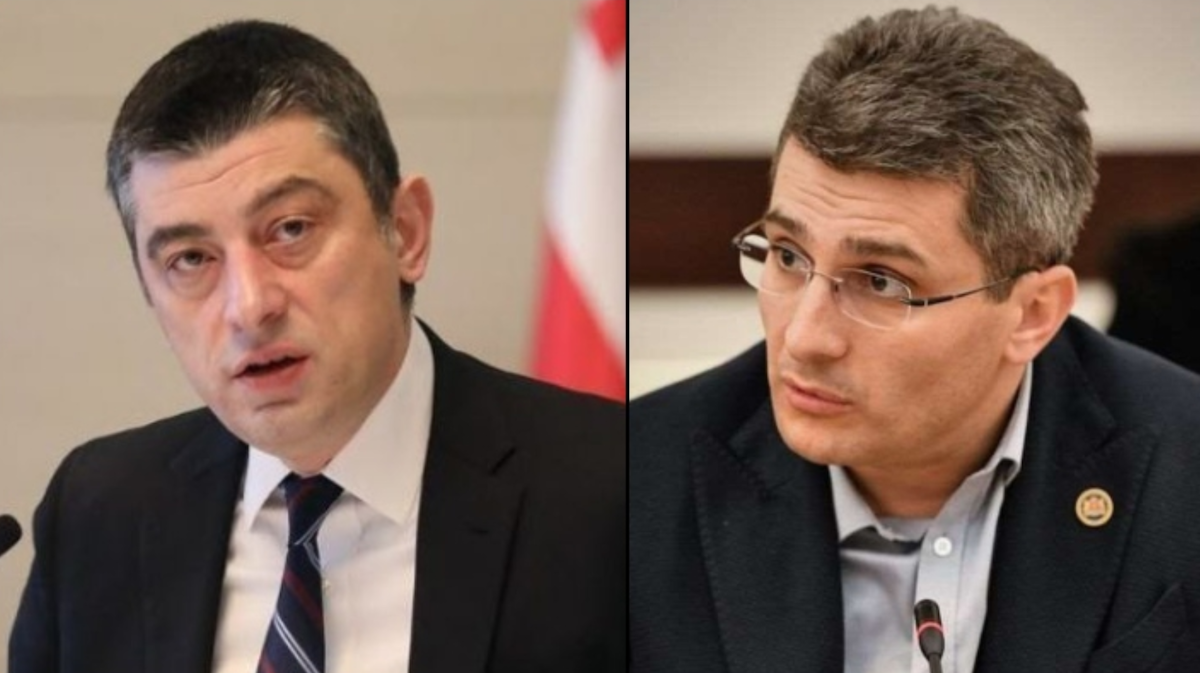
The executive secretary of the ruling party “Georgian Dream,” Mamuka Mdinaradze, called former Georgian Prime Minister and current opposition leader Giorgi Gakharia part of a “foreign agency,” stating that he “repeatedly tried and deliberately harmed the government’s image on instructions received from abroad.”
Giorgi Gakharia is a former member of “Georgian Dream.” At various times, he held the positions of Minister of Economy and Sustainable Development (2016-2017), Minister of Internal Affairs (2017-2019), and Prime Minister (2019-2021). He later resigned and founded the opposition party “For Georgia.”
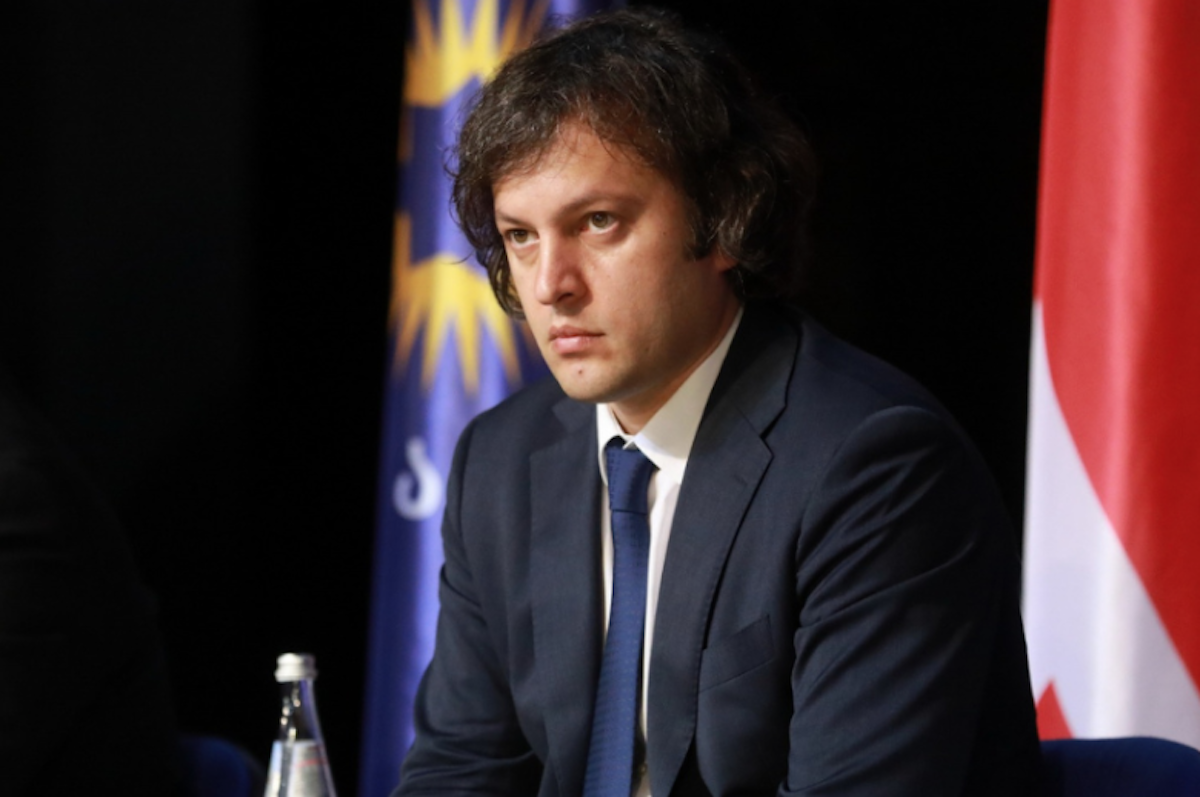
According to Mdinaradze, Gakharia, while still serving as Minister of Internal Affairs, deliberately discredited the police in the eyes of the public.
“A question arises: if all of this was done by one person, if he harmed the state in this way, how did it happen that he was promoted from Minister of Internal Affairs to Prime Minister? The answer is not simple, although we can consider it as a kind of tribute we paid to Gakharia’s handlers. However, this decision was especially important for the Georgian Dream team, as Gakharia left the Ministry of Internal Affairs,” said Mdinaradze.
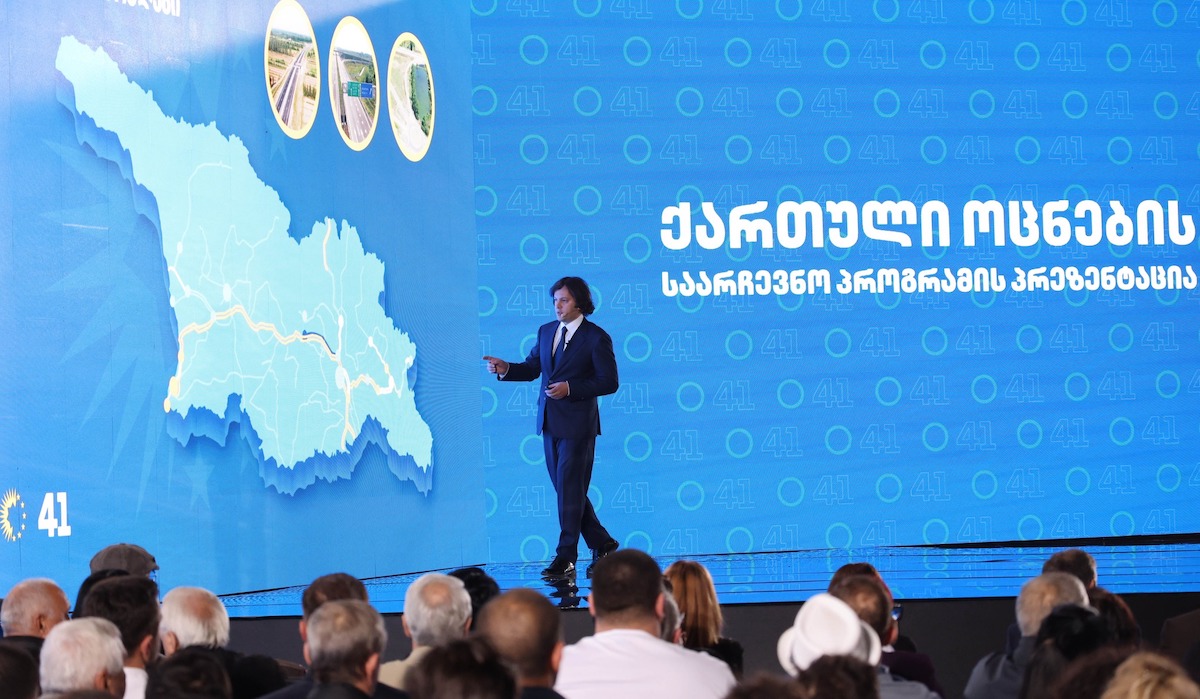
Giorgi Gakharia himself believes that the “hysteria” of “Georgian Dream” directly points to the growing support for his party, “For Georgia.”
Pro-government Imedi TV refuses to air opposition campaign ads until the opposition-leaning channels air those of the ruling Georgian Dream party.
Three opposition-leaning media outlets – Mtavari TV, Formula TV and TV Pirveli – had refused to air GD’s campaign ad, showing images of war-torn Ukraine and contrasting them with the peace it offers the people of Georgia. The media say GD’s ad is unethical and constitutes war propaganda, inciting national strife and intimidating voters with war. Imedi TV says its refusal to air the opposition parties’ ads is in response to this decision.
The statement by the channel says: “Despite the fact that Imedi TV has a clear editorial policy – not to allow the “[United] National Movement” to return to power, which would lead the country to total disaster – we have continued to play the videos they provide.”
Imedi TV’s October 10 statement then accuses opposition media of not airing anti-Ukrainian video clips and of using flimsy arguments to justify breaking the law. It says it rejects airing all opposition party ads until the opposition-leaning media agrees to air GD’s ad manipulating war-torn Ukraine.
Imedi accuses the pro-opposition media, which it refers to as the “UNM media”, of creating an “imbalance” in the media environment and declares that “until the competitive electoral environment is ensured in this regard, we will not broadcast the advertisements of those parties of the collective [United] National Movement that are the criminal face of the former government.”
As Imedi is the government-controlled media, the reference to the “collective UNM”, the GD’s traditional jargon, should be understood as referring to all opposition parties.
Since the Communications Commission upheld the GD’s complaints against the opposition media for refusing to air GD ads and declared them to be in breach of the law and thus subject to the fines imposed by the court, it should do the same with Imedi. But it remains to be seen how ComCom will deal with the pro-government Imedi TV should the opposition parties file a complaint against it.
Also Read:
JWT Metro: resign over the ‘Georgian Dream’ video
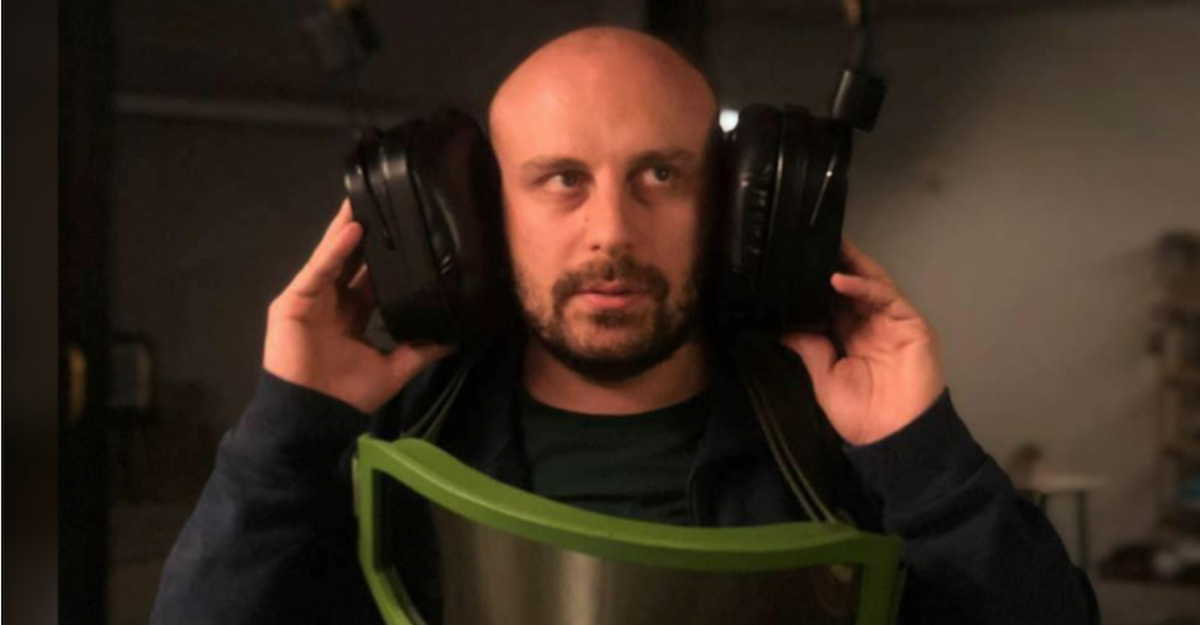
Employees of the Georgian creative agency JWT Metro are resigning en masse after the company’s founder, Nika Bochorishvili, announced on social media on October 10 that he had created a controversial campaign video for the ruling party “Georgian Dream,” which compares war-torn Ukraine to “peaceful and prosperous” Georgia.
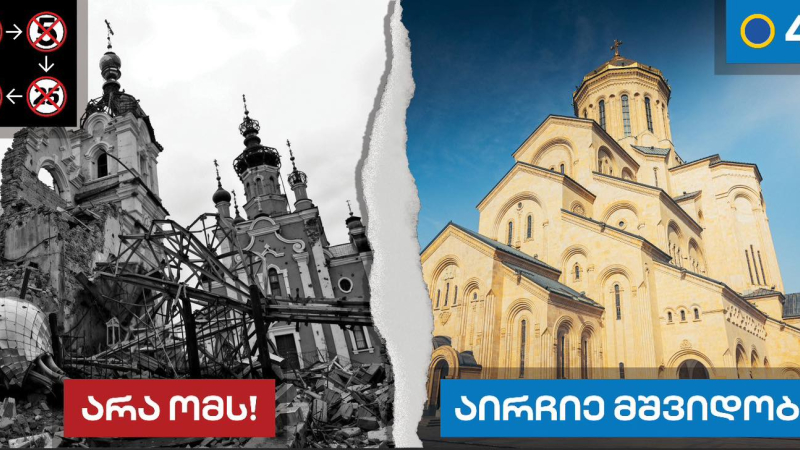
The video was published at the end of September, but the author was not identified. The employees of JWT Metro only learned that their boss was behind it today from his post. In the comments to this post, they announced their resignation.
According to agency director Eka Kipiani, the mass resignation of employees has effectively led to the agency’s dissolution. Kipiani emphasizes that Nika Bochorishvili clearly did not create the video alone, yet all the blame will fall on him, while the co-authors (director, cameraman, etc.) are “hiding.”
Nika Bochorishvili stated that the video was filmed by a team of freelancers he had invited.
“I can confidently say that the agency’s employees were not involved in this project, although that doesn’t reflect well on the company. P.S. I’m looking for a job,” wrote JWT Metro employee Sandro Javakhishvili.
It is worth noting that JWT Metro was one of the creative agencies that jointly announced in the spring of 2024 that they would not collaborate with brands supporting the “foreign agents” law initiated by the “Georgian Dream” party.
Most of the staff at the leading advertising agency Metro Production quit in protest after its director said he produced a video for the ruling Georgian Dream electoral campaign. According to him, the GD campaign ad was filmed with the freelance participation of the company’s several employees, but they said that they did not know that the video was intended for the ruling party’s election campaign. Instead, they were told it was being filmed to promote tourism in the coastal city of Batumi, according to reports that surfaced in the media.
On October 10, a day after the ruling party published its new campaign ad, Nika Bochorishvili, the director of Metro Production, uploaded the video to his personal Facebook page. “This video clip was filmed under my direction with an invited group of freelancers,” he wrote. His post immediately sparked widespread discontent, which was reflected in the comments. Some employees, angry that they were involved in the filming as freelancers without knowing its true purpose, announced their resignations directly in the comments.
The video is notable for its upbeat and positive tone, which contrasts sharply with GD’s other, negative-toned ads. It shows a giant Georgian flag floating through the various locations of the country while promoting themes of peace, dignity, prosperity, and love. The video also features the faces of ordinary people, including children. However, it remains unclear whether they were aware of the video’s true purpose or whether they too were deceived.
“It is sad that in a company where I have worked for four years, a project has been made about which we knew nothing. If I had known, I would have made this decision easier and quicker,” wrote Sandro Javakhishvili, one of the agency’s employees, on social media, announcing his resignation.
Another staff member, senior art director Sali Nikolaishvili, also posted on Facebook that she had quit, although she did not specify why. However, it appears to be for the same reason. Creative director Eka Kipiani has also left the agency, along with several other staff members. Reports suggest that the walkout was substantial.