Category: The News And Times Blog
Category Added in a WPeMatico Campaign
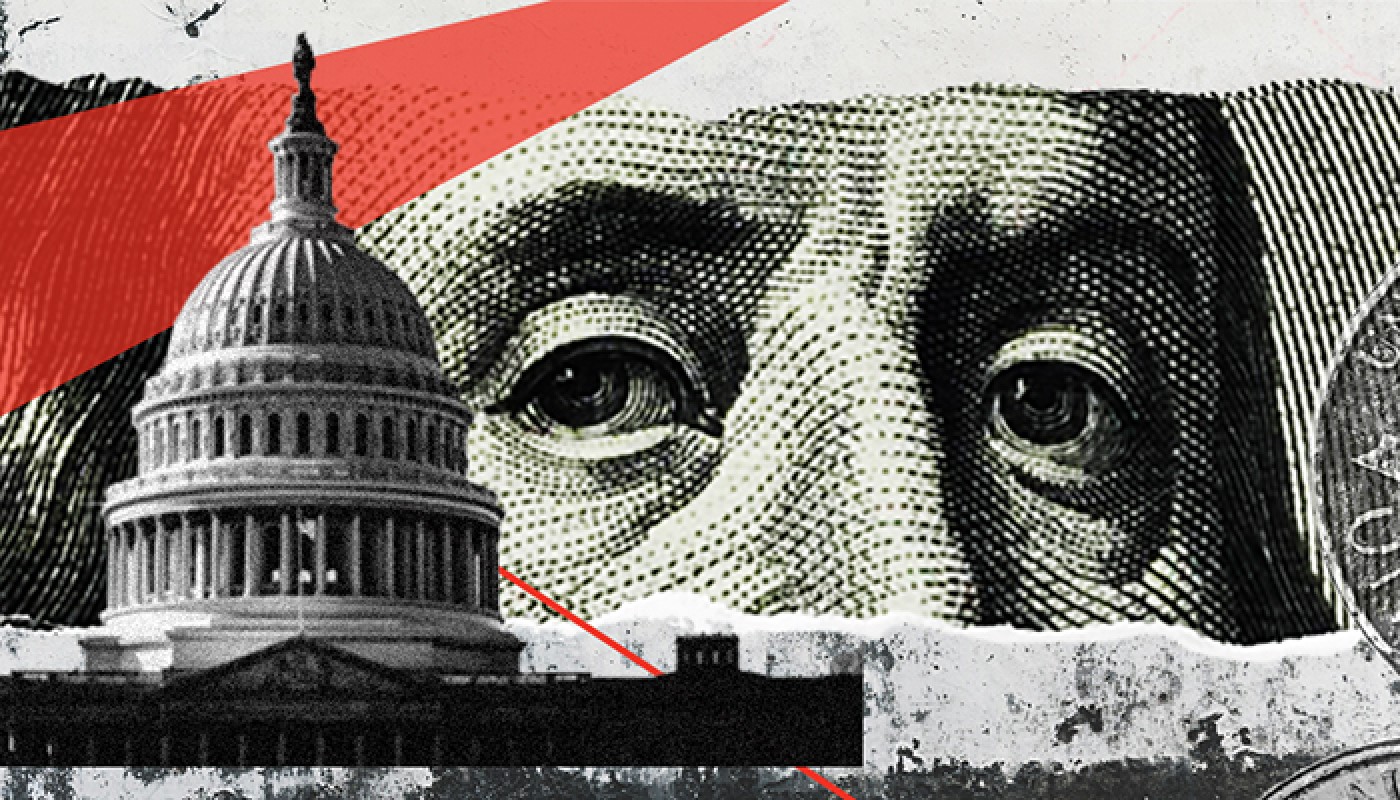
“Dark Money” in Politics – 10.27.25
- “Dark Money” in Politics – Google Search
- Cash Machines in Politics: roles, structures, dynamics, election outcomes – Google Search
- The Counterintelligence Aspects of the political money mchines, the dark money, and their roles on the election outcomes in us – Google Search
- Zohran Mamdani and his cash machine – Google Search
- –
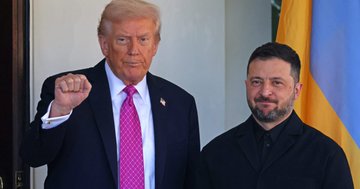
There were cheers in Ukraine and the EU when Donald Trump’s administration sanctioned …
Articles and Tweets
2 hours ago
On Friday, October 24, 2025, major news stories include the continuing U.S. government shutdown, new sanctions imposed by the U.S. against Russia, developments in the sports betting scandal involving NBA figures, and a strong hurricane approaching the



#SouthCaucasus
THAT’S HOW THE #AZERBAIJAN #SSS OPERATES:
#LIARS, #FABRICATORS, NO-BRAINS DISGUSTING STINKERS!
INVESTIGATE AND REFORM THESE MF-S NOW!!!
IT IS THEM WHO ARE THE BIGGEST THREAT TO SECURITY!
12 hours inside State Security Service of Azerbaijan – a personal experience | Cavid Ağa cavid.info/12-hours-insid
Quote: “Bahruz stood accused of collaborating with Armenian intelligence services. Yet the SSS interrogators frequently veered into bizarre tangents that seemed to have little bearing on matters of national security. At one point, they asked whether Bahruz belonged to a “sexual minority” — a question that left me genuinely puzzled about its relevance to a treason case. With dark humour born of exhaustion and absurdity, I replied that as far as I knew, he was quite the opposite — a notorious womaniser. I knew that they were looking for ways to humiliate Bahruz on TV. This indeed happened a few days later.”
THAT’S HOW THE #AZERBAIJAN #SSS OPERATES:
#LIARS, #FABRICATORS, NO-BRAINS DISGUSTING STINKERS!
INVESTIGATE AND REFORM THESE MF-S NOW!!!
IT IS THEM WHO ARE THE BIGGEST THREAT TO SECURITY!
12 hours inside State Security Service of Azerbaijan – a personal experience | Cavid Ağa cavid.info/12-hours-insid
Quote: “Bahruz stood accused of collaborating with Armenian intelligence services. Yet the SSS interrogators frequently veered into bizarre tangents that seemed to have little bearing on matters of national security. At one point, they asked whether Bahruz belonged to a “sexual minority” — a question that left me genuinely puzzled about its relevance to a treason case. With dark humour born of exhaustion and absurdity, I replied that as far as I knew, he was quite the opposite — a notorious womaniser. I knew that they were looking for ways to humiliate Bahruz on TV. This indeed happened a few days later.”
See more at: SSS – Azerbaijan – GS
Articles and Tweets





Report: #fbi Informants Aren’t Getting Paid During #governmentshutdown by @JD_Cashless https://t.co/MsA0MIXxt1 pic.twitter.com/hFdWRrrWFz
— Headline USA (@HeadlineUSA) October 22, 2025
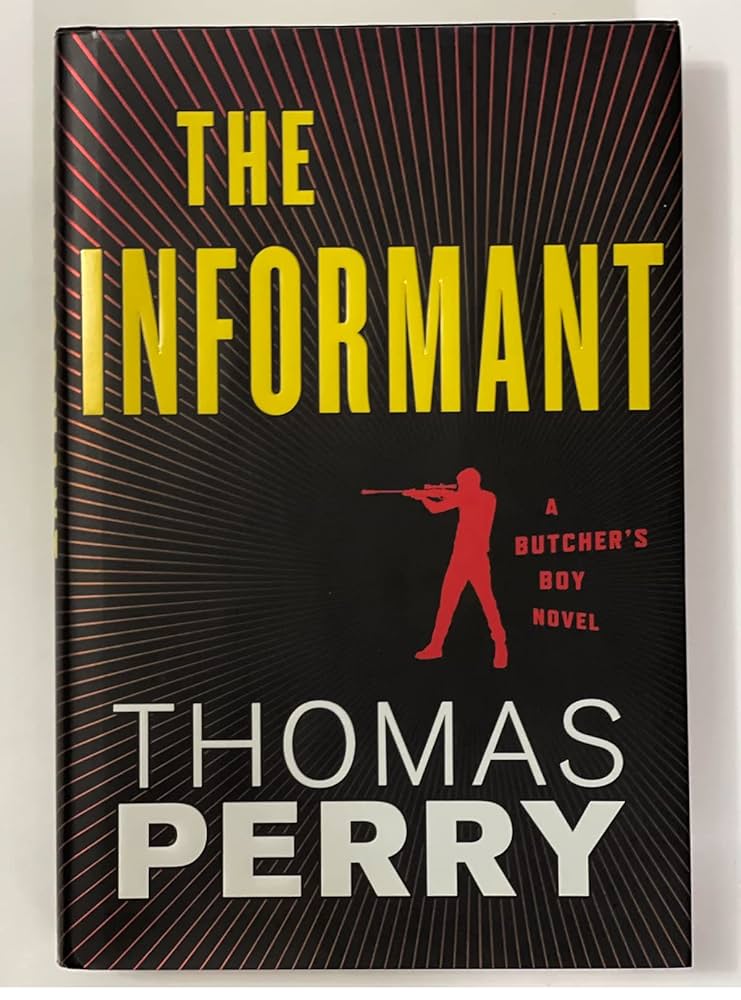
Regarding the query, here is an analysis based on the provided search results:
The claim that the FBI will not pay its informants
This claim is false. The FBI does compensate informants for their information or expenses, though they are not employees. Payment amounts are based on the value of the information provided. The misconception that the FBI doesn’t pay informants likely arises from issues that occur during government shutdowns, where funding is temporarily cut off. [1, 2, 3, 4, 5]
The claim that America cannot function and survive without its informants
This claim is debatable. Informants, including confidential ones, are essential tools for law enforcement agencies, including the FBI, as they provide critical insider information that can lead to intelligence gathering, case building, and convictions. Some law enforcement officials even argue that informants are necessary for crime-fighting. However, the use of informants is controversial due to potential issues such as:
- Incentivizing false testimony
- Endangering informants and others
- Cooperating with individuals who may continue to commit crimes [8, 9, 10, 11]
The claim that America is a “snitching society”
Whether America is a “snitching society” is a matter of perspective and depends on the specific context.
- The use of criminal informants is a well-established practice within the U.S. justice system, with tens of thousands of criminal suspects working as informants annually.
- The growth of informant programs has led to concerns that it encourages and normalizes the practice of “snitching,” blurring ethical lines and potentially eroding trust in the justice system.
- Some see the use of informants as a necessary part of law enforcement, while others view it more negatively.
- The “no-snitching” code is prevalent in some communities, including among some police officers, highlighting the moral complexities and differing attitudes toward informing. [11, 12, 13, 14, 15, 16]
In summary, the claim that the FBI never pays informants is incorrect, while the other two claims about America’s reliance on informants and its status as a “snitching society” are subjects of ongoing debate and reflect differing perspectives on the role of informants in the justice system. [3, 7, 11, 16]
AI responses may include mistakes.
AI Mode
Recent news reports from October 2025 indicated that the FBI could not pay its informants because of a government shutdown
. This was a temporary effect of the congressional budget standoff, not a permanent change in policy. The FBI has a formal process for compensating its informants, and their use is considered an essential, though controversial, component of law enforcement in the U.S..
The FBI does pay its informants
The claim that the FBI does not pay its informants is inaccurate. Informants—or confidential human sources—are not employees of the FBI, but they can be compensated for information and expenses.
- Payment guidelines: Payments are made according to a strict, tiered structure. The amount is based on the value of the information provided and factors like the significance of the case.
- Authorization levels: A special agent-in-charge can authorize payments of up to $100,000 per informant per fiscal year. Higher amounts require approval from successively higher levels of the FBI.
- Expense reimbursement: Informants may also receive reimbursement for expenses such as travel, housing, and other costs associated with their assistance.
- Asset forfeiture: In some cases, an informant can receive a share of the value of property forfeited as a result of their information, up to 25% of the net value.
The importance and controversy of using informants
The U.S. law enforcement system relies heavily on informants, a practice the courts have upheld as lawful and often essential for investigations.
The importance of informants
- Access to criminal networks: Informants, who are often embedded in criminal communities, provide crucial “insider” knowledge that is otherwise difficult for agents to obtain.
- Effectiveness in complex cases: Informants are especially valuable in complex criminal cases, such as those involving drug trafficking, organized crime, and counterterrorism.
- Officer safety: Using informants can reduce the need for agents to put themselves in dangerous undercover situations.
Controversy over informants
- Reliability: An informant’s motives can be complicated, ranging from financial gain to revenge or a desire for leniency in their own cases. This can compromise their reliability and introduce bias.
- Ethical and legal issues: The use of informants can involve deception and raises ethical and legal questions, especially concerning the reliability of the information they provide.
- Historical abuse: The FBI has a history of misusing informants, most notably during its COINTELPRO operations from 1956 to 1971, which targeted domestic political groups. These actions were later condemned by Congress for violating constitutional rights.
- Risks to informants: Informants face significant risks of retaliation from criminal associates and are often afforded minimal protection by law enforcement, particularly after they are no longer useful.
The concept of a “snitching society”
The idea that the U.S. is a “snitching society” is a broad characterization that speaks to the common use of informants, as well as the historical and cultural context surrounding them.
- Prevalence in law enforcement: The use of informants is a widespread practice across various law enforcement agencies, not just the FBI.
- Varying motivations: The term “snitch” or “informant” can apply to a wide range of people, from criminals seeking a plea deal to concerned citizens who provide tips with no expectation of reward.
- Cultural dimension: While some may view the reliance on informants negatively as a form of social corrosion, law enforcement sees it as a necessary tool for solving crimes that affect communities. The practice highlights the difficult balance between public safety and the ethical dilemmas inherent in relying on compromised or vulnerable individuals for information.
Recent news reports from October 2025 indicated that the FBI could not pay its informants because of a government shutdown
. This was a temporary effect of the congressional budget standoff, not a permanent change in policy. The FBI has a formal process for compensating its informants, and their use is considered an essential, though controversial, component of law enforcement in the U.S..
The FBI does pay its informants
The claim that the FBI does not pay its informants is inaccurate. Informants—or confidential human sources—are not employees of the FBI, but they can be compensated for information and expenses.
- Payment guidelines: Payments are made according to a strict, tiered structure. The amount is based on the value of the information provided and factors like the significance of the case.
- Authorization levels: A special agent-in-charge can authorize payments of up to $100,000 per informant per fiscal year. Higher amounts require approval from successively higher levels of the FBI.
- Expense reimbursement: Informants may also receive reimbursement for expenses such as travel, housing, and other costs associated with their assistance.
- Asset forfeiture: In some cases, an informant can receive a share of the value of property forfeited as a result of their information, up to 25% of the net value.
The importance and controversy of using informants
The U.S. law enforcement system relies heavily on informants, a practice the courts have upheld as lawful and often essential for investigations.
The importance of informants
- Access to criminal networks: Informants, who are often embedded in criminal communities, provide crucial “insider” knowledge that is otherwise difficult for agents to obtain.
- Effectiveness in complex cases: Informants are especially valuable in complex criminal cases, such as those involving drug trafficking, organized crime, and counterterrorism.
- Officer safety: Using informants can reduce the need for agents to put themselves in dangerous undercover situations.
Controversy over informants
- Reliability: An informant’s motives can be complicated, ranging from financial gain to revenge or a desire for leniency in their own cases. This can compromise their reliability and introduce bias.
- Ethical and legal issues: The use of informants can involve deception and raises ethical and legal questions, especially concerning the reliability of the information they provide.
- Historical abuse: The FBI has a history of misusing informants, most notably during its COINTELPRO operations from 1956 to 1971, which targeted domestic political groups. These actions were later condemned by Congress for violating constitutional rights.
- Risks to informants: Informants face significant risks of retaliation from criminal associates and are often afforded minimal protection by law enforcement, particularly after they are no longer useful.
The concept of a “snitching society”
The idea that the U.S. is a “snitching society” is a broad characterization that speaks to the common use of informants, as well as the historical and cultural context surrounding them.
- Prevalence in law enforcement: The use of informants is a widespread practice across various law enforcement agencies, not just the FBI.
- Varying motivations: The term “snitch” or “informant” can apply to a wide range of people, from criminals seeking a plea deal to concerned citizens who provide tips with no expectation of reward.
- Cultural dimension: While some may view the reliance on informants negatively as a form of social corrosion, law enforcement sees it as a necessary tool for solving crimes that affect communities. The practice highlights the difficult balance between public safety and the ethical dilemmas inherent in relying on compromised or vulnerable individuals for information.
Articles and Tweets
Articles and Tweets


Categories
FBI, ADL, and Mossad
-
FBI, ADL, and Mossad
- FBI Director Kash Patel Severs Ties with ADL – Google Gemini
-
-
FBI Director Kash Patel Severs Ties with ADL, Accusing Organization of “Spying on Americans”
Washington, D.C. – In a significant move in October 2025, FBI Director Kash Patel announced the termination of the bureau’s long-standing relationship with the Anti-Defamation League (ADL).
1 Patel accused the civil rights organization of “spying on Americans,” a claim that has ignited a firestorm of controversy.2 The decision to cut ties followed a period of increasing tension between the new FBI leadership and the ADL.
3 In a public statement, Director Patel alleged that the ADL had overstepped its role as a civil rights watchdog and engaged in activities that amounted to domestic surveillance.4 “The FBI will not be party to organizations that exploit their position to monitor and collect information on American citizens under the guise of combating hate,” Patel stated.The ADL has vehemently denied the allegations, calling them “baseless and defamatory.” In a press release, the organization defended its work in tracking extremist groups and providing intelligence to law enforcement agencies, stating that its efforts have always been in accordance with the law and aimed at protecting vulnerable communities.
The move by Director Patel has drawn both praise and condemnation. Supporters of the decision argue that it is a necessary step to rein in what they see as the overreach of non-governmental organizations in law enforcement matters. Critics, however, have expressed deep concern that severing ties with the ADL will hinder the FBI’s ability to combat domestic extremism and hate crimes, particularly at a time when such threats are a major concern.
5 Historical context for this decision includes the ADL’s long history of working with federal and local law enforcement agencies to provide training and data on extremist movements.
6 This partnership, which has spanned decades, has now come to an abrupt end, signaling a potential shift in the FBI’s approach to domestic intelligence gathering and its relationships with outside organizations.7 The full ramifications of this decision on national security and civil liberties are yet to be seen. -
–
-
Links
- In October 2025, FBI Director Kash Patel cut the bureau’s ties with the ADL, accusing the organization of “spying on Americans.” – Google Search
- ADL spying on Americans – Google Search
- The counterintelligence aspects of the FBI – ADL partnership – Google Search
- Mossad attempts to control the American Jews – Google Search
- documented instances of Israeli intelligence activities – Google Search
- ADL and Mossad – Google Search
- ADL as the tool of Mossad – Google Search
- ADL engaging in surveillance activities – Google Search
- ADL surveills the American Jews with the special gusto – Google Search
- fbi and mossad – Google Search
- FBI and Mossad – Google Search
-
Assassination of Charlie Kirk
Putin, ROC, and homophobia
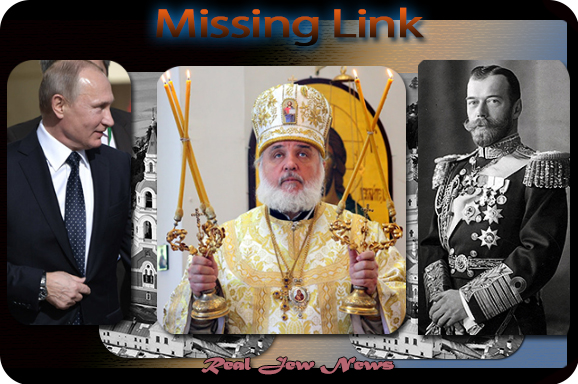
#Pope #Church #ROC #Putin #PatriarchKirill
#Symphonia #Homophobia #Satanism #LGBT
x.com/gsideflow/stat
#Symphonia #Homophobia #Satanism #LGBT
x.com/gsideflow/stat
Vladimir Putin and Patriarch Kirill: mentality and psychology of the Russian Byzantian “Symphonia” are in their common homophobic roots. – Google Search google.com/search?q=Vladi
The phrase “mentality and psychology of the Russian Byzantian ‘Symphonia’ are in their common homophobic roots” refers to the alignment between Vladimir Putin’s government and the Russian Orthodox Church under Patriarch Kirill, suggesting their shared opposition to LGBTQ+ rights is a key element of their relationship. This alliance draws on historical concepts of Byzantine governance and promotes “traditional values” to bolster nationalist narratives. [1, 2, 3]
Byzantine symphonia and Russian ideology
The concept of “symphonia”: This Byzantine model defines a harmonious interdependence between state power (the emperor) and divine authority (the patriarch), with neither being fully subordinate to the other. In this arrangement, the state handles secular matters and the church manages divine ones. Critics argue that in modern Russia, the church has sacrificed its moral independence by aligning too closely with Kremlin power.
A tool for power: For Russia’s rulers, the historical concept of Byzantine “caesaropapism”—where the emperor was also head of the church—justified absolute authority. After the fall of Constantinople in 1453, Moscow’s rulers claimed the mantle of the “Third Rome” and the heir to the Roman Empire, adopting the title “Tsar” (from Caesar) to cement their power. Today, this tradition helps legitimize Putin’s ambition to restore Russian dominance. [4, 5, 6]
Putin and Kirill’s alliance
Mutual support: Patriarch Kirill has been a vocal and long-time supporter of President Putin, even calling Putin’s rise to power a “miracle of God”. In return, Putin has provided the Russian Orthodox Church with significant state support, increased media visibility, and the return of state assets.
Weaponizing religion: As political allies, Putin and Kirill present their combined vision of a culturally rooted Russia standing against a “decadent” and “sinful” West. During the war in Ukraine, Kirill has framed the conflict as a “metaphysical struggle” against “evil forces,” providing a spiritual justification for the invasion. [1, 7, 8, 9]
The common thread of homophobia
State-sanctioned homophobia: Both Putin and Kirill have publicly condemned homosexuality, with their views aligning with a broader political and religious campaign to promote “traditional values”. Key actions include:
“Gay Propaganda” laws: Russia first passed a law in 2013 banning the “propaganda of non-traditional sexual relationships” to minors, later expanded in 2022 to apply to all citizens.
Constitutional ban on same-sex marriage: In 2020, Russia amended its constitution to define marriage exclusively as a heterosexual union.
“Extremist” designation: In 2023, the Supreme Court labeled the “international LGBT public movement” as an “extremist organization,” effectively criminalizing LGBTQ+ activism and simple expressions of solidarity, like displaying a rainbow flag.
Psychological and political role: The focus on homophobia serves several purposes for the Putin-Kirill alliance:
It defines a “moral enemy” in the West, which is portrayed as threatening Russia’s cultural and spiritual identity.
It creates a common rallying point, uniting nationalist and religious conservatives around a shared “traditional values” narrative.
It reinforces a rigid, top-down hierarchy consistent with the autocratic political traditions inherited from the Byzantine model. [1, 4, 8, 9, 10, 11, 12, 13, 14, 15, 16]
AI responses may include mistakes.
[1]
reutersinstitute.politics.ox.ac.uk/pulpit-propaga[2] sciencedirect.com/org/science/ar
[3] time.com/6236822/russia
[4] dailyhistory.org/How_did_the_By
[5] coreknowledge.org/wp-content/upl
[6] forbes.com/2009/02/20/put
[7] en.wikipedia.org/wiki/Patriarch
[8] facebook.com/groups/1438524
[9] washingtonmonthly.com/2022/05/04/as-
[10] nbcnews.com/id/wbna32564110
[11] theconversation.com/30-years-of-lg
[12] theconversation.com/putins-russia-
[13] bostonreview.net/articles/putin
[14] dw.com/en/homophobia-
[15] en.wikipedia.org/wiki/LGBTQ_rig
[16] theconversation.com/30-years-of-lg


Articles and Tweets





-
Current News Review Links – from The News and Times
- Michael Novakhov on X: “Current News Review Links https://t.co/r7qfUdfY6U https://t.co/ax2NCxmJFR” / X
- Posts Review – The News And Times – thenewsandtimes.blogspot.com/feeds/posts/default
- All News – Current News Review
- Articles and Tweets – Current News Review
- Collections
- Blogs
- Audio News Review
- Video News Review
- Video – YouTube Searches
- Michael Novakhov on X: “Video – YouTube Searches https://t.co/8w7s5FHDNB https://t.co/Q7dXr1fycV” / X
- Security and Intelligence News Review
- Russia and Ukraine News Review
- South Caucasus
- Brooklyn, N.Y. News
- FBI News
- FBI Videos and Playlist
-
Sites
-
Selected AI Conversations
A Symbol of Public Fury
Ramming cars into the #FBI (or #CIA) gates: symbolism and emotions of the voice populi – Google Search https://t.co/OGQtkieXR2
AI Overview
The emotion from those who support or are drawn to such attacks is typically anger, driven by a perception of… https://t.co/CmNoLaTMJ6 pic.twitter.com/LFLhgxjNjl— Michael Novakhov (@mikenov) September 17, 2025
Ramming cars into the #FBI (or #CIA) gates: symbolism and emotions of the voice populi – Google Search google.com/search?q=Rammi
AI Overview
The emotion from those who support or are drawn to such attacks is typically anger, driven by a perception of injustice, rather than fear. Ramming a vehicle into the gates of the FBI or CIA is a symbolically powerful act intended to express intense anti-government sentiment.
Symbolism of the attack:
Attacking the state’s authority: These attacks target federal law enforcement and intelligence agencies, which represent the power, security, and integrity of the United States government. Breaching their physical defenses, such as a security gate, symbolizes an assault on the government’s authority and a rejection of its legitimacy.
Emblematic target: An attack against the FBI or CIA is symbolic precisely because of the agencies’ powerful public image. For those who view the government as an overreaching and corrupt entity, these agencies are seen as prime instruments of state oppression. Striking at them is a direct assault on the perceived source of that power.
Act of defiance: A car ramming can be an act of defiant resistance for an individual who feels powerless against a monolithic government system. It is a way to make a bold, public statement with an easily acquired, everyday object turned into a weapon.
Targeting an “out-group”: For extremists, the act is a form of political violence against what they perceive as an “out-group” of corrupt officials, elites, or an unjust system.
Voice of the people (vox populi) emotionsFor those who may empathize with the motive of such an attack, the underlying emotion is often outrage, not terror. The symbolism is not meant to instill fear in a general audience but to express anger and contempt for the targeted institutions.Rage against injustice: For those driven by a “rage narrative,” these attacks are viewed as retaliation for perceived government overreach or abuses of power. This is in contrast to the “fear narrative” that typically follows attacks on civilian targets.
Perceived persecution: In many cases, the attacker or their sympathizers feel that they have been personally wronged or persecuted by the government or its agents. The act is seen as justified retribution for a perceived injustice.
Polarized anger: Responses to such attacks are often filtered through strong political biases. An individual’s emotional reaction may be driven by partisan anger, with views shaped by a deep-seated distrust of government institutions. Some recent research has shown that anger, rather than fear, has become a more prominent response among certain groups following political violence.
Motivated by repression: Studies show that political repression, or the perception of it, can motivate anti-government violence. For individuals who feel their voice is being repressed, a violent act may seem like the only option left for expressing their grievance.
The lone actor as a symbolHistorically, attacks on FBI and CIA gates are often carried out by “lone wolf” or “stray dog” perpetrators who are ideologically motivated but not part of a larger, coordinated group. This makes the individual attacker a symbolic figure representing the frustration of marginalized or disillusioned citizens who feel they have no other recourse. Their actions are often influenced and amplified by online extremist propaganda.
–
AI Mode
Ramming cars into the FBI (or CIA) gates: symbolism and emotions of the voice populi
. While the specific emotions of the general public (vox populi) can vary greatly, the act is often interpreted by supporters as a powerful, anti-authoritarian statement.When an individual rams a car into the gates of a federal agency like the FBI or CIA, the act carries significant symbolic weight related to anti-government sentiment, distrust of authority, and perceived violations of individual rights
Symbolism of the act
Targeting authority: The FBI and CIA are iconic symbols of U.S. federal law enforcement and intelligence. They represent the might and authority of the government, including surveillance and control. A physical assault on these institutions’ gates is a direct, tangible expression of defiance against that authority.
A “poor man’s” weapon: The use of a car as a weapon is symbolic of the perpetrator’s perspective. It requires minimal resources or specialized training, allowing a “marginal actor” to use a mundane, everyday object to inflict damage and sow fear. This method is especially appealing to lone actors who feel powerless against a perceived tyrannical state.
“Come and take it”: In some cases, the act echoes historical anti-authoritarian symbols. For example, the Gadsden flag, with its “Don’t Tread on Me” slogan, has been co-opted by some anti-government advocates as a sign of resistance to perceived tyranny. Some perpetrators may view their actions as a contemporary version of this defiance.
Messaging and provocation: Many attacks on government buildings and personnel are not spontaneous. They are performed to “demonstrate an ideological goal” or communicate a message. The perpetrator’s actions, and any accompanying items like notes or flags, are specifically chosen to provoke a response and garner attention for their cause. In the recent Pittsburgh FBI case, the suspect wrote vulgarities on the car and left an American flag, explicitly framing it as an attack.
Emotions of the vox populi
While there is no single public response, and emotions range across the political spectrum, the general reactions often include:
For supporters of the attacker: For those who share the anti-government ideology, the act may elicit feelings of validation, empowerment, or even inspiration. The perpetrator is viewed not as a criminal, but as a righteous revolutionary fighting against oppression.
For concerned citizens: Many in the general public may feel fear, anger, and anxiety. The attack on a high-profile target is designed to create a sense of insecurity and demonstrate that even powerful institutions are vulnerable. It may lead to increased calls for stronger security measures.
For opponents of the attacker’s ideology: Those on the other side of the political spectrum may express outrage, condemnation, and disgust. They may dismiss the attacker as mentally ill or a “lone wolf” to avoid validating the political message behind the violence. There may also be concern about the rise of political violence and domestic terrorism.
For law enforcement: Law enforcement and federal officials will feel that the act is a targeted threat against their personnel and institutions, requiring an immediate and decisive response. This can result in increased vigilance and security protocols.
–
Gemini
The Act of Defiance: Ramming Cars into FBI and CIA Gates as a Symbol of Public Fury
Washington D.C. – The act of an individual ramming a vehicle into the fortified gates of the Federal Bureau of Investigation (FBI) or the Central Intelligence Agency (CIA) is a potent and visceral display of defiance that transcends a simple criminal act. It is a symbolic clash between the individual and the immense, often opaque, power of the state, resonating with a segment of the public that harbors deep-seated distrust and anger towards these institutions. While overwhelmingly condemned, these desperate acts tap into a complex well of emotions and symbolism within the American psyche, reflecting a potent undercurrent of anti-government sentiment.
Recent incidents, such as the ramming of vehicles into the gates of FBI field offices in Pittsburgh and Atlanta, highlight the raw and often desperate nature of these acts.1 Investigations into the motives frequently point to individuals grappling with significant mental health challenges, yet their choice of target is rarely arbitrary. The FBI and CIA, for many, are not merely federal buildings but potent symbols of a government perceived as overreaching, secretive, and at times, oppressive.
For some, these agencies represent the “deep state,” an unaccountable shadow government pulling the strings of power. This narrative, fueled by political rhetoric and online conspiracy theories, paints the FBI and CIA as antagonists in a struggle for American freedom. From this perspective, an attack on their physical infrastructure is seen as a blow against tyranny, a desperate attempt to strike at an otherwise untouchable entity. The vehicle, in this context, becomes a makeshift battering ram against the fortress of perceived injustice.
The emotional response from the vox populi to such events is deeply fractured. A significant majority of the public unequivocally condemns these acts as senseless violence and domestic terrorism. They view the perpetrators as criminals who endanger lives and undermine the rule of law. For this segment, the FBI and CIA are essential institutions staffed by dedicated public servants working to protect national security. The attack is seen as an assault on the very fabric of American society and the dedicated individuals who serve within these agencies.
However, a vocal and often digitally amplified minority expresses a different sentiment. In online forums and social media echo chambers, these acts can be met with a degree of tacit approval or even outright celebration. The perpetrators are sometimes lauded as “patriots” or “martyrs” who dared to confront a corrupt system. The emotions expressed in these corners of the internet range from righteous anger and frustration to a sense of vicarious empowerment. The act of ramming the gate, in their eyes, is a physical manifestation of their own feelings of helplessness and rage against a system they believe has abandoned them.
The symbolism of the act is multifaceted. The gate itself represents a barrier, both literal and metaphorical, between the citizen and the inner workings of power. To breach that gate, even partially and ineffectually, is to symbolically penetrate the veil of secrecy and challenge the authority of the state. It is a desperate, public performance of dissent, intended to shock and draw attention to a grievance, however incoherent or misguided it may be.
Historically, attacks on federal buildings have served as potent symbols of anti-government sentiment.2 The choice of the FBI and CIA as targets is particularly significant given their complex and often controversial portrayal in popular culture. From heroic “G-Men” fighting organized crime to rogue agencies engaging in covert and morally ambiguous operations, their public image is a tapestry of conflicting narratives. This ambiguity allows individuals to project their own fears and frustrations onto these institutions, making them convenient and powerful symbols of a government that is either a protector or a persecutor, depending on one’s worldview.
In conclusion, while the act of ramming a car into the gates of the FBI or CIA is a criminal act with potentially tragic consequences, its significance extends beyond the immediate legal ramifications. It is a potent symbol of a deep and growing chasm in American society, a physical manifestation of the anger, distrust, and alienation felt by a segment of the population. The varied and often polarized emotional responses to these events serve as a stark reminder of the contested nature of truth, authority, and patriotism in the contemporary United States.
–
Articles and Tweets