Categories
Audio Review - South Caucasus News

Alarming Intensification In Blasphemy Related Lynching In Pakistan – OpEd


Alarming Intensification In Blasphemy Related Lynching In Pakistan – OpEd

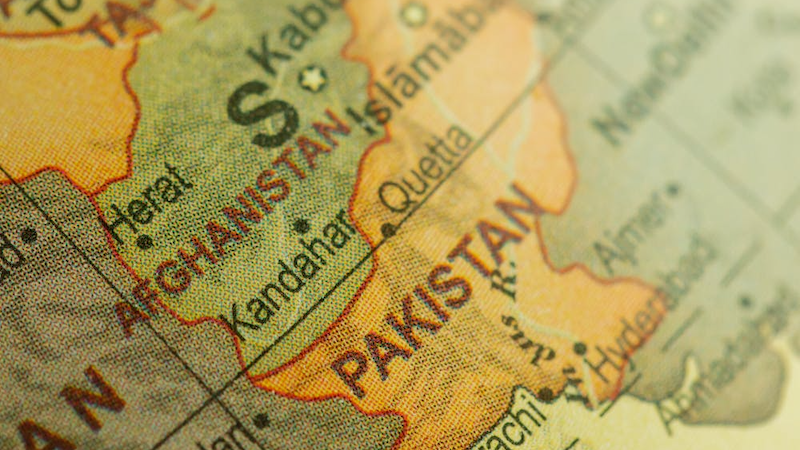
pakistan map location

Pakistan was shocked by the news of mob lynching incident in Swat which was driven by blasphemy. A local tourist was burnt alive by an angry mob after forcefully abducting him from a police station where he was under arrest. This incident reflects clear fault lines and failure of Pakistan’s administrative, governance and legal systems in ensuring the basic human rights like safety of life and honor, which are enshrined in the constitution of the land.  

This was not the first time when someone was accused and lynched over the allegations of blasphemy in Pakistan. Lately, there has been an alarming uptick in this trend where people use blasphemy to settle personal vendetta. It is not clear so far if the Swat incident was also one such episode but if we look back, only during the last year of 2023, there were multiple such incidents reported where people were lynched to death after being charged for blasphemy.

  • In February 2023, a Muslim man named Muhammad Waris was lynched by an angry mob in Nankana Sahib after being arrested by police on blasphemy charges.
  • In April 2023, a Chinese engineer was accused of blasphemy by Pakistani workers and nearly lynched, but was rescued by police and flown to safety.
  • In May 2023, a local Muslim religious leader named Maulana Nigar Alam was killed by an angry mob at a political rally in Mardan district after being accused of blasphemy.

So, such incidents are nothing new in Pakistan but there are two concerning aspects which can have far reaching consequences for the state and society. Most obviously, incidents like Swat exposed the decay at societal level. People with lack of education and understanding of Islamic laws usually indulge into these heinous crimes. Lack of education give room to fundamentalist tendencies in masses which are further amplified by poorly educated local Imams. Consequently, at grassroot level no one considers a crime like mob lynching against the teaching of Islam who clearly orders Muslims to remain just and even in the pursuance of justice don’t cross certain limits like setting dead bodies to fire. This is leading the country towards second far reaching consequence i.e. perpetuated sense of insecurity that minorities in Pakistan. There has been a clear increase in violent incidents against minorities notwithstanding all the constitutional protection for them.

There exists no training for law enforcement agencies to counter mob. This was once again highlighted in Swat incident where police initially rescued the victim and took him into custody at the Madyan Police Station. However, they failed to protect him by consulting superiors or move him to a safer location and consequently exposing him to the angry mob that later stormed the station. This took place as police official in Madyan Police Station didn’t have any clearly defined operational strategy to ensure the security of accused. But like stated earlier, this failure is not isolated incident.

If we examine earlier incidents, we can trace a pattern of systemic inability of LEAs to uphold the rule of law by swiftly intervening and prosecuting the perpetrators involved in mob lynching incidents. For example, in Swat’s incident, police have failed to identify the persons who spread the allegations through mosques’ loudspeakers and entice people for violence and mob justice instead of relying on due process.

The lack of effective governance in preempting and addressing such violence speaks volumes about the state’s priorities in safeguarding all its citizens equally. This lack of state initiative for taking bold steps to combat religious hatred and extremism encourages the perpetrator and instill fear in everyone else, and consequently leads to bigger social dilemmas where such actors put the entire society in an environment of intolerance and fear. Space for free expression and debate reduces in such societies automatically and Pakistani society has become hostage to such elements due to state’s inaction for too long now.

The prevailing crisis is not only a challenge for minorities but over the years a sense of insecurity has grown among a silent majority of Muslims as well when it comes to expressing one’s desire to engage into a debate about religion or belief systems. This causes backwardness in the society by eliminating free speech and critical analysis of various social customs. Without free speech, no society can prosper and Pakistan is no exception in this regard.

The mob vigilantism has created considerable diplomatic challenges for the state as well. Pakistan is viewed negatively internationally whenever such incident and state’s inability to punish the perpetrators is reported in global media. Such incidents provide impetus to hostile entities to initiate a campaign to isolate Pakistan in the capitals where human rights take priority in diplomatic credentials of a foreign state.

The most unfortunate aspect of this entire national ordeal is that such incidents are often used as political opportunities to settle scores by political actors. More than once it has been seen that not only victims of violence are accused without any conclusive judicial process but perpetrators were hailed as national heroes or soldiers of Islam. The Mumtaz Qadri episode is a stark reminder of this fact. 

There is no easy and quick fix to this growing challenge but not addressing it will only make it worse and is going to have longstanding consequences for the country. Dispensation of swift and impartial justice for victims of mob violence can be a starting point. In this regard, Swat incident offers ideal opportunity to the state. At parallel, Pakistan needs to train its police force and other LEAs to intervene effectively to prevent escalation in such an environment. This trends also explains why Pakistan needs an education emergency in the country.

As the world watches, Pakistan faces a defining moment in its journey towards justice, tolerance, and respect for human dignity. The question remains: will it rise to the challenge?
Categories
Audio Review - South Caucasus News

Visa-Free Bliss For Sikhs In Pakistan: No Fees, Just Shrine Service Charges – OpEd


Visa-Free Bliss For Sikhs In Pakistan: No Fees, Just Shrine Service Charges – OpEd

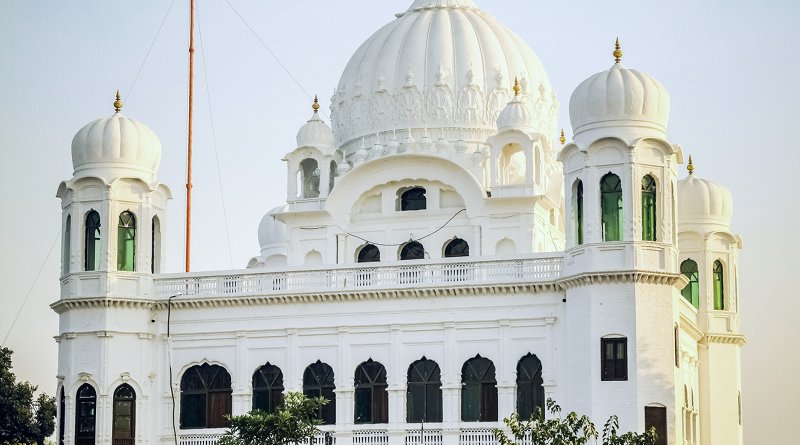
Pakistan's Gurdwara Darbar Sahib Kartarpur. Photo Credit: Xubayr Mayo, Wikipedia Commons

In a historic move, Pakistan has opened the Kartarpur corridor, a visa-free passage that allows Sikh pilgrims from India to visit the revered Gurdwara Darbar Sahib Kartarpur, one of the holiest sites in Sikhism. This ground-breaking initiative demonstrates Pakistan’s commitment to religious harmony and its dedication to facilitating the pilgrimage of Sikh devotees.

The construction of the Kartarpur corridor has significantly eased the journey for Sikh pilgrims from India to visit the shrine. The visa-free access and the operational convenience of visiting the shrine seven days a week from dawn to dusk reflect Pakistan’s commitment to providing a conducive environment for pilgrims. The rapid completion of the project within a year showcases Pakistan’s efficient infrastructure development, including the construction of roads, bridges, reception centres, and a complex around the shrine.

Pakistan’s decision to charge a nominal service fee of $20 to each visitor is reasonable and ensures the sustainability of the facilities provided at the shrine. This fee is significantly lower compared to the expenses incurred by pilgrims travelling to other religious sites worldwide. This agreement was solidified in the Bilateral Agreement dated October 24, 2019, between the governments of Pakistan and India.

Despite the Indian government’s significant crackdown on Kashmiris and unilateral changes to the status of Kashmir, in violation of UN resolutions and bilateral agreements, Pakistan has continued to extend cooperation to the Sikh community. The Kartarpur corridor stands as a symbol of Pakistan’s willingness to engage in positive interactions with India.

The attempts by the Indian government to downplay Pakistan’s sincere efforts and portray them as strategically motivated are baseless and misleading. The Indian government, led by the BJP, remains fixated on trivial matters like the $20 service charge and the presence of the US consulate in Amritsar. This deliberate diversion overlooks the genuine economic hardships, farmer demands, and job scarcity plaguing Punjab. The BJP’s neglect of these pressing issues reflects a disconnect with the people, particularly the youth of Punjab, who reject the BJP.

Pakistan’s construction of the Kartarpur corridor is a testament to its commitment to religious harmony and its desire to build bridges between communities. By facilitating the pilgrimage of Sikh devotees, Pakistan has demonstrated its respect for religious diversity and its willingness to engage in constructive dialogue.

The Kartarpur corridor has the potential to serve as a model for other countries in the region, showcasing how religious sites can be shared and accessed by people of different faiths. It is a shining example of how religious tolerance and understanding can lead to greater cooperation and peace between nations.

However, it is crucial to note that the success of the Kartarpur corridor project depends on the continued cooperation and support of both India and Pakistan. Any attempts to politicize the issue or use it as a bargaining chip in larger geopolitical disputes will only serve to undermine the progress made so far.

In conclusion, Pakistan’s Kartarpur Corridor initiative is a remarkable achievement that deserves recognition and praise. It is a testament to the country’s commitment to religious harmony and its willingness to engage in positive interactions with its neighbours. As the world becomes increasingly interconnected, it is essential that countries work together to promote understanding and respect for different faiths and cultures. The Kartarpur corridor is a shining example of how this can be achieved, and it is our hope that it will inspire others to follow in Pakistan’s footsteps.

This initiative not only promotes religious harmony but also opens doors for potential diplomatic engagements between India and Pakistan. In a region fraught with historical tensions and political discord, the Kartarpur corridor stands out as a beacon of hope and cooperation. By providing a peaceful means for Sikhs to perform their religious duties, Pakistan is fostering a sense of goodwill and paving the way for future collaborations that can transcend beyond religious boundaries into broader socio-political spheres.

The Kartarpur corridor exemplifies how strategic infrastructure projects can play a pivotal role in bridging gaps between communities and nations. Its successful implementation and operationalization could encourage other countries with shared religious or cultural sites to consider similar initiatives. The ultimate goal should be to foster an environment where cultural and religious exchange can thrive, promoting mutual respect and understanding among diverse populations.

By continuing to support such initiatives, countries can move towards a more harmonious and peaceful world where differences are celebrated rather than condemned. The Kartarpur corridor is a step in the right direction, setting a precedent for how collaborative efforts can yield significant benefits in the realm of international relations and beyond.


Categories
Audio Review - South Caucasus News

Afghanistan: A Nation In Turmoil And Its Regional Implications – OpEd


Afghanistan: A Nation In Turmoil And Its Regional Implications – OpEd

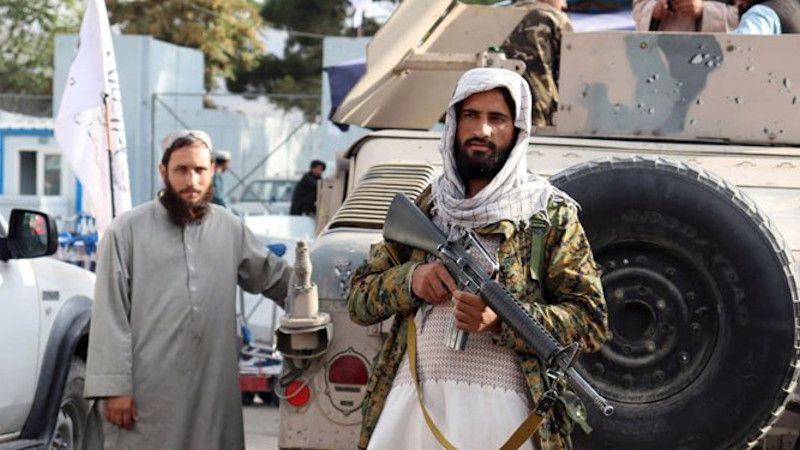
A Taliban patrol in Afghanistan. Photo Credit: Fars News Agency

Afghanistan, a country plagued by invasion, occupation, and domestic conflicts, is approaching a historic turning point in its turbulent history. The implications of decades of strife, compounded by current developments, resonate not just inside its boundaries, but also throughout the region, notably in neighboring Pakistan. As Afghanistan faces continuous problems ranging from political instability and economic downturn to humanitarian crises and human rights violations, the implications for Pakistan become far-reaching and more complex.

Afghanistan’s recent past has been affected by several waves of conflict and intervention. The Soviet invasion in 1979 ushereda protracted era of resistance and internal struggle, culminating in the creation of the Taliban in the 1990s. The US-led interventionfollowing the 9/11 attacks attempted to disrupt terrorist networks and restore stability. However, despite enormous global efforts and investment over the last two decades, Afghanistan remains plagued by violence and insecurity.

The withdrawal of US forces in 2021 provoked a swift comeback of Taliban, resulting in the fall of the Afghan Government and the resumption of control by Taliban. This power transfer has not only resulted in predicted stability, but has brought about a new era of uncertainty and turbulence. The Taliban’s harsh governance model and discriminatory policies have alienated a huge portion of the Afghan populace, sparking internal opposition and compounding humanitarian disasters.

Security Threats and Regional Implications

One of the most significant concerns about Afghanistan’s instability is the spread of extremist organizations and their cross-border activities. Taliban’s rise has led to other extremist organizations, notably ISIS-K, that continues to pose substantial security challenges in Afghanistan and adjacent countries, such as Pakistan.

The instability across the Durand Line has immediate security consequences for Pakistan, which has a long and porous border with Afghanistan. The flood of refugees, arms smuggling, and militant’s freemovement between the two countries all worsen Pakistan’s security issues. To minimize the spillover effects of Afghanistan’s conflict, Pakistan’s military has been conducting counterterrorism operations throughout its border areas. Furthermore, the continued presence of extremist organizations in Afghanistan has traditionally had an impact on regional stability, influencing Pakistan’s attempts to combat terrorism inside its own borders. The Afghan Taliban’s nefarious connections with militant groups in Pakistan’s tribal areas have occasionally caused strain in diplomatic relations and besides hindering efforts to cooperate on security problems.

Economic and Humanitarian Fallout

Afghanistan’s economic collapse, caused by the withdrawal of foreign aid and the implementation of sanctions, has far-reaching implications. The Afghan economy, which was already unstable, has plunged into a crisis, resulting in increasing unemployment, widespread poverty, and an emerging humanitarian disaster. The failure of Afghan banking system and currency depreciation have compounded financial missenses, plunging millions of Afghans into extreme destitution besides causing widespread displacement.

The humanitarian situation in Afghanistan remain catastrophic, with millions of people in desperate need of assistance. The severe weather conditions including the floods in upcoming monsoon season intensify the suffering, especially among vulnerable groups like children and the elderly. The inability of humanitarian organizations to access certain regions due to ongoing conflict hampers relief efforts, compounding the humanitarian crisis.

Implications for Pakistan

The turmoil in Afghanistan has enormous strategic, economic, and humanitarian repercussions for Pakistan. A peaceful, state and prospering Afghanistan is always in favour of Pakistan. Nobody wants to have fire sparks in its backyard. That is the reason, Pakistan has always supported peace and stability measures in Afghanistan.

Pakistan continues to face security concerns from extremist organizations operating along its border with Afghanistan. The surge of migrants, as well as the smuggling of weaponry and narcotics, put extra strain on Pakistan’s security apparatus. Efforts to safeguard the border and combat extremist elements necessitate ongoing monitoring and coordination with Afghan authorities.

Economicinstability in Afghanistan has serious implications towards Pakistan, particularly in bordering districts, where trade and cross-border trading are affected. Pakistan has provided humanitarian aid to Afghan refugees, while also seeking foreign assistance to deal with the crisis’s economic consequences.

Pakistan has one of the largest Afghan refugee populations in the world. The surge of people escaping conflict and economic hardship in Afghanistan puts a strain on Pakistan’s resources, such as healthcare, education and infrastructure. Pakistan continues to face considerable challenges in managing refugee populations, while guaranteeing humane treatment and access to essential amenities.

Diplomatic and Regional Stability

Diplomatically, Pakistan has played an important role in promoting peace talks and negotiations to stabilize Afghanistan. Pakistan’s relations with the Afghan Taliban are complex and impacted by a variety of variables, including security concerns and considerations for regional stability. However, Pakistan’s efforts to mediate and foster negotiations between the Afghan Government and the Taliban have been met with uneven results, reflecting the larger obstacles of attaining long-term peace and stability in Afghanistan. Pakistan’s support for a peaceful and inclusive political agreement in Afghanistan remains critical to regional stability and security.

To put it simply, Afghanistan’s continued turmoil has far-reaching consequences for its immediate neighbor, Pakistan. To address these difficulties, a coordinated regional approach is required, as well as international cooperation and support. As Afghanistan continues to struggle for stability and recovery, Pakistan’s role as a vital regional actor remains critical. Pakistan could assist to build peace and stability in Afghanistan by resolving security issues, supporting economic recovery efforts, and emphasizing humanitarian assistance, all of which advance mutual interests and promote regional prosperity. The road ahead is riddled with difficulties, but concentrated efforts and continuous involvement provide promise for a more peaceful and prosperous future for Afghanistan and Pakistan.


Categories
Audio Review - South Caucasus News

BREAKING: U.S. ‘Indefinitely’ Postpones Noble Partner Exercise in Georgia


On July 5, the U.S. Department of Defense announced the indefinite postponement of the Noble Partner exercise in Georgia scheduled for July 25-August 6 this year. According to the statement, the decision was made after the U.S. initiated a comprehensive review of U.S.-Georgia bilateral relations.

“On May 30, the US government began a full review of all bilateral cooperation with Georgia.  The decision to postpone this iteration of NOBLE PARTNER is due to the Georgian government’s false accusations against the United States and other Western entities, to pressure Georgia to open a second front against Russia to alleviate pressure on Ukraine, and of participating in two coup attempts against the ruling party. As such, the United States Government has determined that this is an inappropriate time to hold a large-scale military exercise in Georgia,” – notes the statement.

The statement emphasized that the U.S. plans to continue working with the Georgian Defense Forces to strengthen Georgia’s ability to protect its sovereignty and maintain its territorial integrity, noting: “We have not made this decision lightly, and we place great consideration on the extensive value that our Allies and Partners add to exercises such as NOBLE PARTNER. The United States looks forward to future opportunities to cooperate with Allies and Partners, including AGILE SPIRIT in 2025.”

Also Read:


Categories
Audio Review - South Caucasus News

Sokhumi Slams Armenia’s Support of Georgia’s Territorial Integrity


On July 4, the diplomatic service in occupied Sokhumi issued a statement condemning Armenian Foreign Minister Ararat Mirzoyan’s support for Georgia’s territorial integrity during his visit to Tbilisi on July 3. The statement also rails against Armenia’s positive vote on the UN resolution on the right of Georgian IDPs and refugees to return to their homes in the occupied regions and calls on Georgia to sign a non-use-of-force treaty.

The statement urges Armenia “not to use standard phrases about the mythical territorial integrity of Georgia, which contradict the objective reality.” It also notes that Armenia’s UN vote is “alarming” since representatives of the Armenian diaspora in Abkhazia are “prominent patriots” and have fought to “defend Abkhazia’s “independence.” “We remain hopeful that in the near future, the leadership of Armenia will draw the right conclusions from the current situation and adjust its position on this issue.”

It notes that Georgia’s insistence on territorial integrity became “tiresome and declarative in nature” and that Georgian authorities “must come to terms with the existing political realities resulting from Georgia’s military defeat in 1992-1993” and urges Tbilisi “to sign a treaty on the non-use of force with the [de facto] Republic of Abkhazia.”

Also Read:


Categories
Audio Review - South Caucasus News

EU ‘to approve’ €10 million non-lethal military aid for Armenia


Armenia will receive €10 million ($11 million) in non-lethal military aid from the EU after Hungary withdrew its objections, reportedly in exchange for providing equal funds to Azerbaijan for demining.

On Thursday, RFE/RL reported that the EU was expected to approve the package on 22 July.

‘All the member states of the Union are now ready to give the green light’, they cited a diplomatic source in the EU as saying. 

Hungary reportedly agreed to lift its veto after agreeing to a compromise that would see Azerbaijan receive funds to help with demining territories that came under their control following the 2020 Second Nagorno-Karabakh War.

RFE/RL reported that Hungary had been blocking the package for weeks by late April. 

The EU announced it was increasing financial support for demining efforts in Azerbaijan in late June, pledging €10 million between 2024–2025.

Relations between Armenia and Hungary have been strained for the better part of the past decade; Armenia suspended diplomatic relations with Hungary in 2012 after they released an Azerbaijani soldier who murdered an Armenian soldier with an axe during a NATO training programme in Budapest in 2004.

The two countries restored their diplomatic relations in late 2022. 

The EU’s Council of Foreign Ministers agreed to ‘explore’ providing Armenia with non-lethal military support through the European Peace Facility in November 2023. Armenia had previously applied for defensive assistance through the programme but was denied.

RFE/RL reported in April that the non-lethal support was designed to ‘help the Armed Forces of Armenia increase their resilience and stability-building capabilities, and thereby protect the civilian population during crises and emergencies’.

It also stipulated that the financial aid provided through the programme must be spent within 30 months to create a field camp for one battalion, which will also include a medical clinic. 

The post EU ‘to approve’ €10 million non-lethal military aid for Armenia appeared first on OC Media.


Categories
Audio Review - South Caucasus News

Niqab and MMA under fire in North Caucasus following Daghestan terror attack


The niqab and mixed martial arts have come under fire from within the North Caucasus and Russia as a whole following last month’s deadly terror attack in Daghestan.

On Wednesday, the Coordination Centre for Muslims of the North Caucasus decreed that niqabs cause harm to Muslims and threaten discord in interreligious and interethnic relations.

The decree came days after Daghestan’s Muftiate issued and then retracted a decree banning the niqab throughout Russia.

The Coordination Centre unites the nine Muftiates of the North Caucasus — the traditional representative bodies of local Muslims — and their heads, the Muftis.

Debates about the religious permissibility of the niqab, usually a gown covering a woman’s entire body and head, intensified following deadly attacks in Daghestan in June that took the lives of at least 20 people. 

In their statement, the centre argued that the ‘majority of Islamic scholars’ believed that niqabs were optional.

‘Headdresses that hide the face cause practical harm to Muslims, threatening discord in interreligious and interethnic relations. We encourage everyone to do good deeds, which our religion really orders us to do!’, read their statement.

They additionally argued that niqabs were ‘never a traditional form of clothing for the North Caucasus’.

‘Moreover, even in some countries where Islam is the state religion, there is a complete or partial ban on wearing the niqab in public places.’

Daghestan flip flops on niqab ban

On Monday, Daghestan’s Mufti, Abdullaev Akhmed, issued a fatwa, a religious decree, ‘temporarily’ banning niqabs in the Russian republic ‘until complete peace and quiet [prevail] in the region’.

The following day, the Daghestani Muftiate retracted the decree, stating that there were not ‘sufficient grounds for making a decision on a general ban on the niqab’.

Prior to the fatwa, several senior Russian officials made statements in favour of banning the veil, most significantly the head of Russia’s Investigative Committee, Alexander Bastrykin. In a statement about the 23 June Daghestan attacks, Bastrykin blamed Islamic extremism and called for banning the niqab in Russia.

Bastrykin’s statement was condemned by Chechen Head Ramzan Kadyrov, who accused him of ‘conflating Islam with terrorism’.

[Read more on OC Media: Kadyrov at odds with Investigative Committee head over Islamophobic remarks]

Calls for banning niqabs in Russia and the North Caucasus predated the attacks in Daghestan, with Valery Fadeev, the head of the Russian President’s Human Rights Council, stating in May that he believed that niqabs should be banned.

‘I would like to draw your attention to one more problem: in Russia, niqabs are allowed that completely cover the face of women. Only the eyes remain open. And this despite the fact that now even in some countries of Central Asia, niqabs are prohibited’, he said.

Fedeev additionally criticised the apparent inflow of migrants into Russia, the construction of mosques in Russia, and extremism he said was brought on by mixed martial arts (MMA).

‘On the one hand, who can forbid people to do sports? But on the other hand, why do migrant workers choose martial arts instead of table tennis or badminton?’, he said when asked if MMA clubs frequented by certain ethnicities should be banned.

‘There is an obvious suspicion that these tens of thousands of people may be preparing for something very bad. If the security forces have reasoned concerns that the emergence of such clubs may lead to extremism, then they must be dealt with accordingly.’

On 28 May, a week after Fedeev’s comments, Vladislav Davankov, deputy chair of Russia’s lower house of parliament, the State Duma, introduced a bill that would prohibit wearing clothes that completely or partially cover faces in public places and buildings. He cited the ‘high level of terrorist threats’ and the need to identify potential attackers using surveillance cameras.

Adam Delimkhanov, a Chechen State Duma member closely linked to Kadyrov, criticised the bill, stressing the need to differentiate between the hijab and the niqab.  

‘Of course, we will not support this bill. I would like to explain to Davankov the difference between the niqab and the hijab: the niqab is a woman’s clothing that covers the face, while the hijab does not cover the face’, he said. ‘We ourselves do not approve of the niqab, but as for the hijab, it is the religious duty of a Muslim woman’.

Chechen authorities have long criticised the use of niqabs in the republic; in 2020, the Mufti of Chechnya, Salakh Mezhiev, publicly reprimanded seven girls on state television, forcing them to take their niqabs off.

The post Niqab and MMA under fire in North Caucasus following Daghestan terror attack appeared first on OC Media.


Categories
Audio Review - South Caucasus News

@mikenov: Белоусов посетил центр управления Сухопутных войск: видео ura.news/news/1052781799


Белоусов посетил центр управления Сухопутных войск: видео https://t.co/TQOxGNOQaP

— Michael Novakhov (@mikenov) July 5, 2024


Categories
Audio Review - South Caucasus News

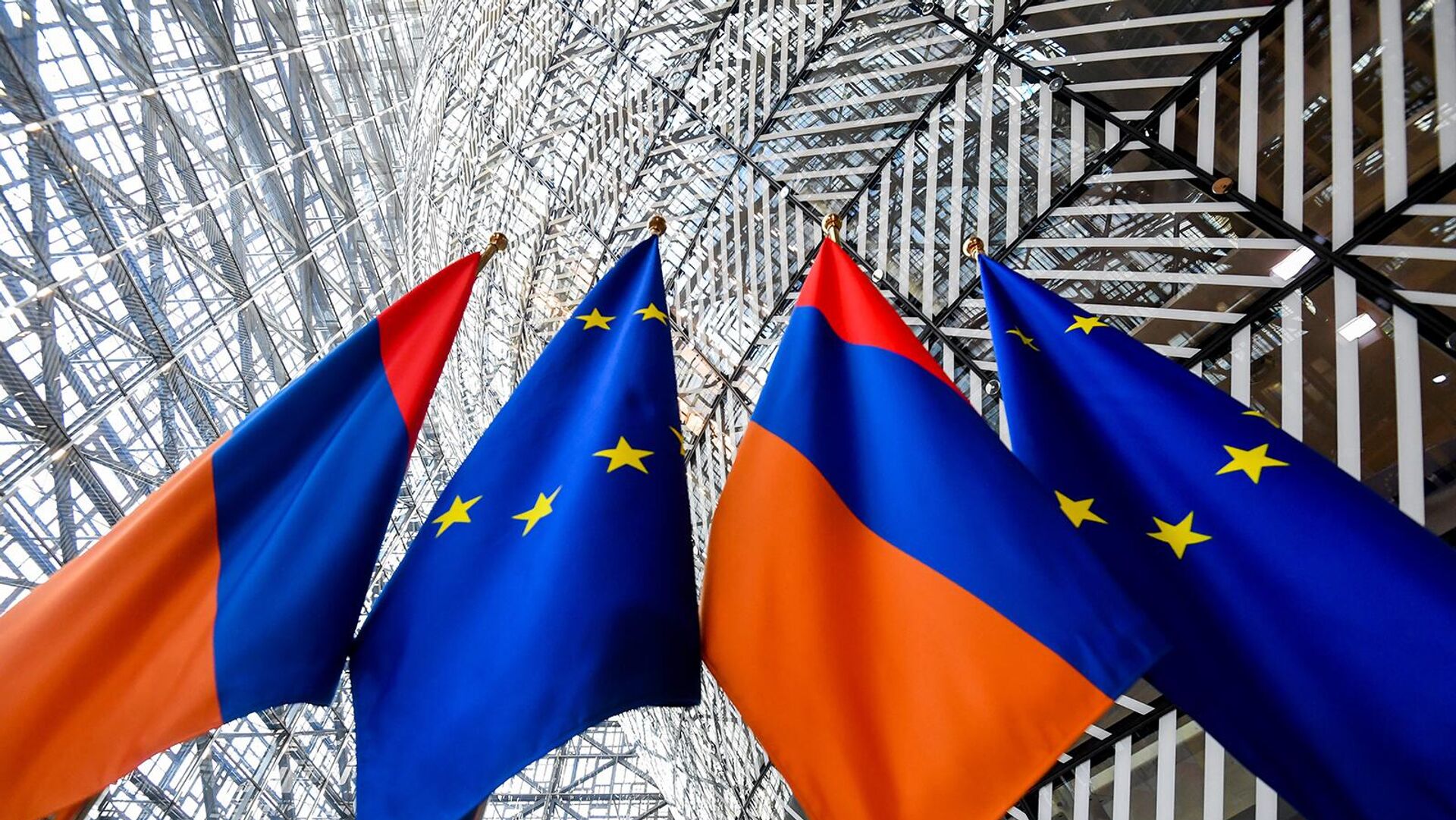
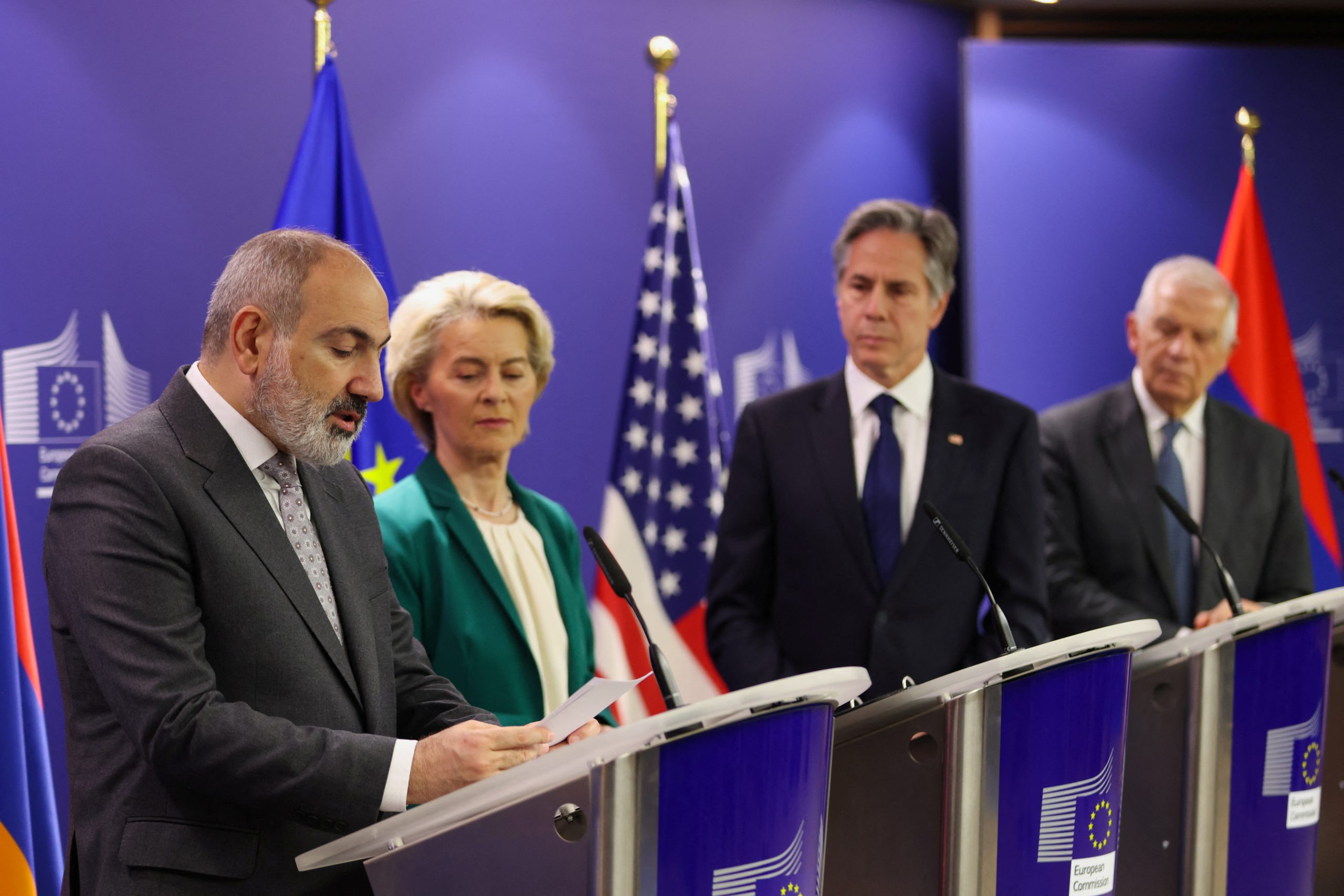
“This is just the beginning”: Armenia will receive 10 million euros from the European Peace Facility


European peace fund to support Armenia

“Armenia will receive support from the European Peace Facility (EPF). Hungary has lifted its veto,” reports the radio station Azatutyun (Liberty), citing its diplomatic sources in the EU. The country has been expecting this EU aid since 2023.

“The 10 million euros from the fund will be used to create a modular field camp for one battalion, which will also include a medical clinic,” stated a source from the radio station.

In April this year, Hungary demanded that Azerbaijan also receive support from the European Peace Facility. This proposal was rejected. However, it was decided to allocate aid to Baku under a different provision – for demining operations.

Political scientist Areg Kochinyan does not believe that Hungary lifted its veto because Azerbaijan was promised demining support.

“I don’t rule out that the Hungarians received additional bonuses on some other intra-European issue,” the political scientist told JAMnews.


Borrell announced possible aid in 2023

EU high representative for foreign affairs Josep Borrell spoke about “possible support for Armenia under the European Peace Facility” as early as November 2023.

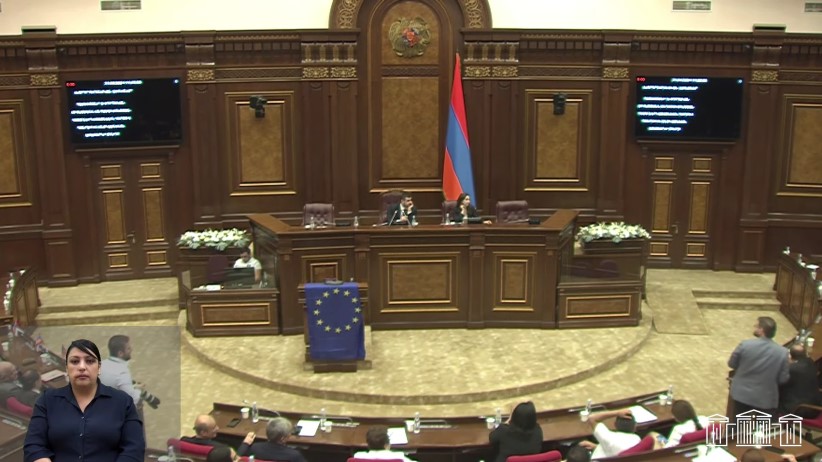
Then, in March 2024, the European Parliament adopted a resolution on closer ties between the EU and Armenia. European deputies called on EU leadership to “support Armenia’s aspiration to expand cooperation with the EU not only in economic partnership but also in political dialogue, as well as in ensuring security and countering hybrid threats.”

In April, EU spokesperson for international relations Peter Stano stated:

“Discussions on assistance under the European Peace Facility are ongoing, and a decision will be made at some point. However, processes in the EU take time, considering that there must be consensus among all 27 member states.“

Decision not yet finalized

Currently, it is only known that Budapest has lifted its veto, but the decision has not yet been finalized.

“All EU member states are ready to give the green light to this decision. It is expected that the project will be approved first on July 17, at a meeting of member state ambassadors, and then on July 22, at a meeting of foreign ministers,” reports Azatutyun.

According to diplomatic documents obtained by the radio station, the fund’s aim is to assist the Armenian Armed Forces “in enhancing their resilience and capacity to establish stability, thereby better protecting civilians during crises and emergencies.”

About the European Peace Facility

Established in 2021, it is a tool through which Brussels provides funds to non-EU countries to enhance their defense capabilities, prevent conflicts, and strengthen peace.

Through this mechanism, the EU has previously supported Ukraine, Georgia, and Moldova in their efforts to join the European Union. The fund has also provided assistance to a dozen African countries.

Commentary

Political scientist Areg Kochinyan considers it significant that Armenia will receive support from the fund to ensure its security:

“For a long time, it was believed that this was simply unattainable. It was thought that Armenia could not receive EU assistance while being a member of the CSTO [a military bloc led by Russia]. But it seems that this is already happening.”

Commenting on Hungary’s change in position, the political scientist noted that Budapest often holds views different from those of other EU countries, particularly on issues concerning Georgia and Ukraine. Kochinyan believes that Hungarians always try to gain something in return for agreeing not to disrupt the European consensus, and only then do they align with the common position.

According to the political scientist, decisions regarding Armenia are usually hindered by three countries: Hungary, Italy, and Slovakia. In his view, the reason is not only their cooperation with Azerbaijan but also specific reservations they have about the development of Armenia-EU relations.

“It is unlikely that Hungary, having lifted its veto, will create further problems for the decision. The most challenging issues always involve Hungary. I think the matters with Slovakia and Italy can be resolved,” he said.

Areg Kochinyan believes that the fund’s support will initially be “moderate and modest both in terms of the provided funds and content.” However, he is convinced that this is only the beginning of the process.

He recalls that many were skeptical about the possibility of deploying an EU monitoring mission on the Armenian border. But European observers arrived and began monitoring the border with Azerbaijan. Moreover, the mission gradually expanded and now comprises 200 people. The analyst predicts that a similar development can be expected with the fund.

European peace fund to support Armenia


Categories
Audio Review - South Caucasus News

New Abkhazian banknotes mainly attract numismatists


New Abkhazian Apsar

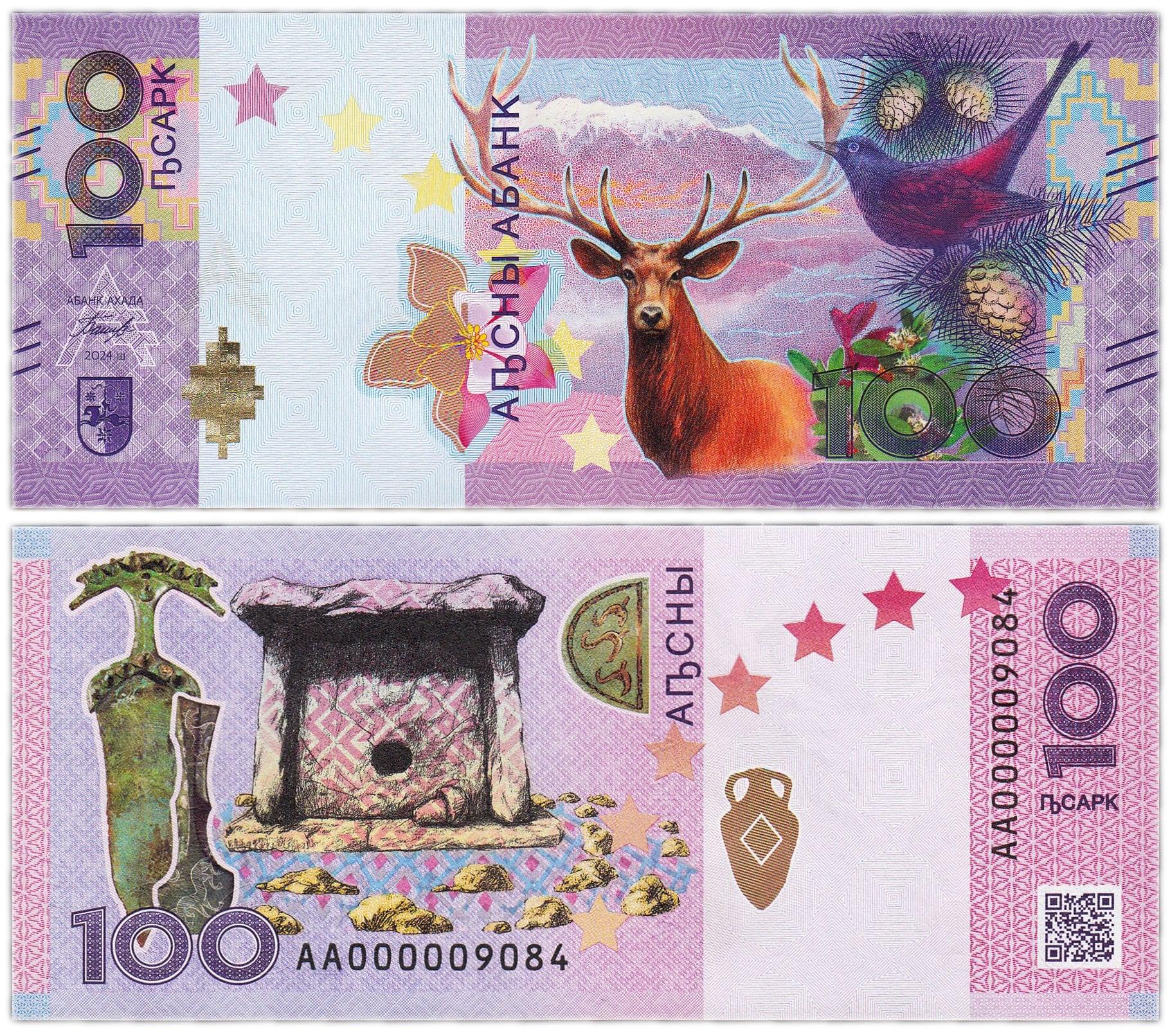
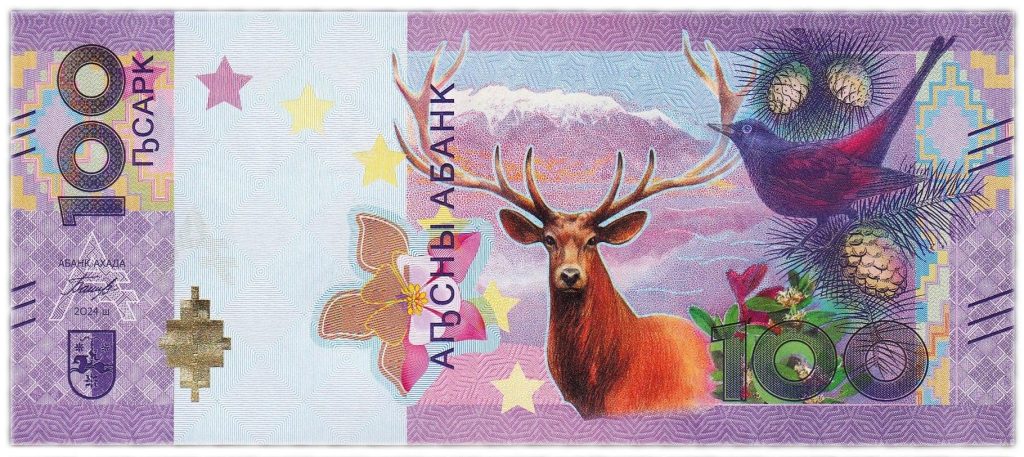
New 10 and 100 Apsar banknotes have been issued in Abkhazia. However, the main currency in the republic remains the Russian ruble. The Abkhazian Apsar is mostly bought by numismatists and tourists as a souvenir.

By law, the Apsar is recognized as legal tender throughout the territory of the Republic of Abkhazia at face value but cannot be used as a means of payment in retail transactions.

The primary reason for the limited popularity of the Abkhazian currency for direct use is its high cost. According to the established, unchanged exchange rate set by the Bank of Abkhazia, 1 Apsar equals 10 Russian rubles ($0.11 USD). However, the real value of commemorative coins and banknotes is determined by demand in investment and numismatic markets, and it consistently exceeds the official exchange rate.

For example, a 500 Apsar banknote featuring the first President of Abkhazia, Vladislav Ardzinba, is officially valued at five thousand rubles (approximately $56.5 USD), but it sells online for at least fifteen thousand rubles (about $170 USD).

The 10 Apsar banknote features a leopard, while the 100 Apsar banknote features a deer. They were unveiled at the end of June at the largest numismatic exhibition in Asia, held in Hong Kong.

The 100 Apsar banknote

According to the Chairman of the Bank of Abkhazia, Beslan Baratelia, after the exhibition, collectors began sending their dealers who purchased whole boxes of the new banknotes. Within two weeks, they were bought up for 30 million rubles (approximately $339,000 USD). As a result, a significant portion of the circulation of the new banknotes has already been sold.


Toponyms, terminology, views and opinions expressed by the author are theirs alone and do not necessarily reflect the views and opinions of JAMnews or any employees thereof. JAMnews reserves the right to delete comments it considers to be offensive, inflammatory, threatening or otherwise unacceptable.