Day: November 13, 2026
Azerbaijan and Ukraine: drone cooperation
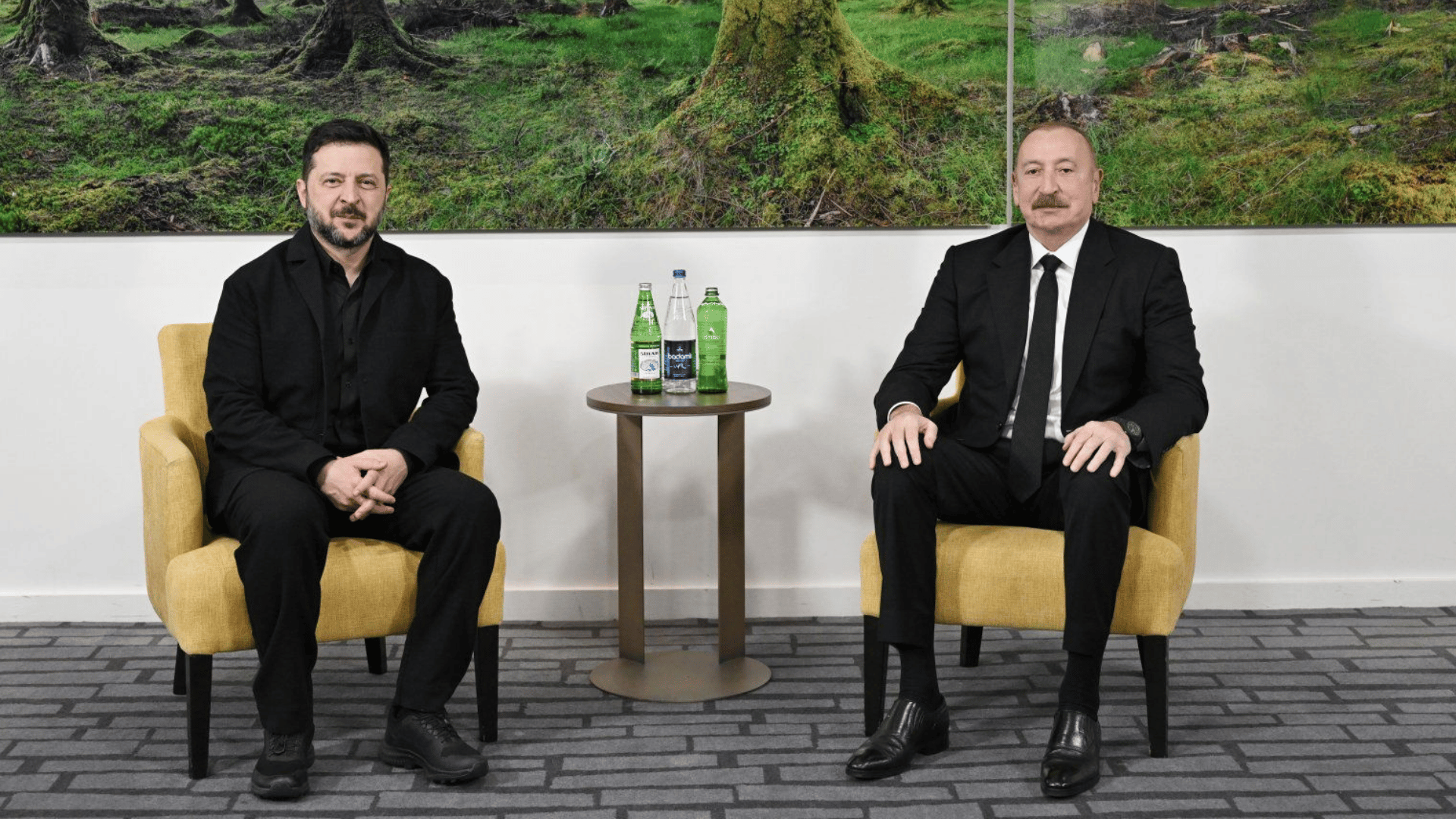
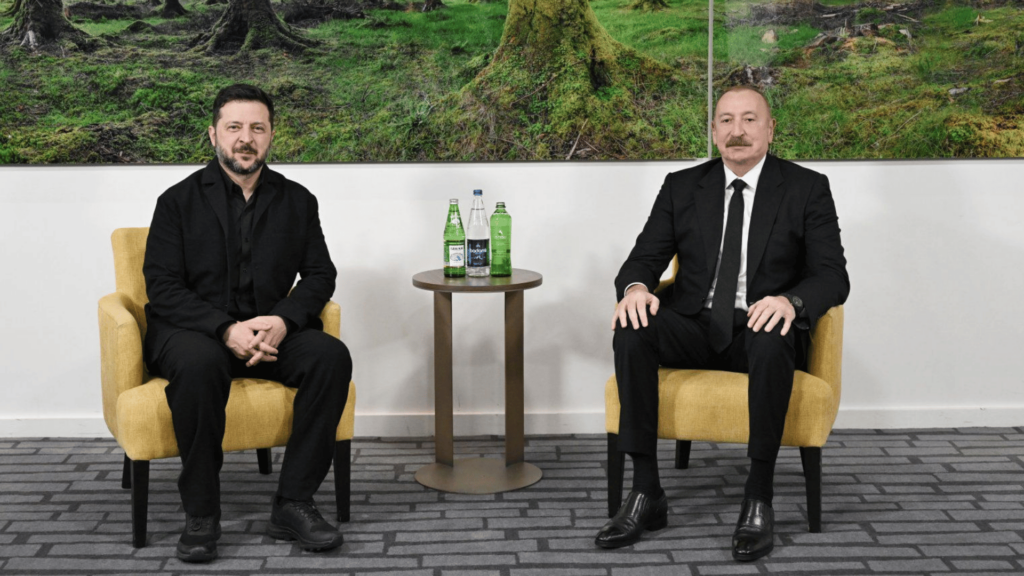
Ukrainian President Volodymyr Zelensky met Azerbaijani President Ilham Aliyev in Dublin on November 12, on the sidelines of the ninth European Political Community summit.
Aliyev attended the summit at the invitation of Irish Prime Minister Micheál Martin and European Council President António Costa.
Zelensky said on Telegram that his first engagement at the summit was a meeting with Aliyev.
He also noted that relations between the two countries were developing. According to the Ukrainian president, the main topic of their talks was cooperation under Ukraine’s drone production programme.
“First and foremost, the Drone Deal. Contracts have already been signed, and we are working to expand orders,” Zelensky said.
However, Azerbaijan’s official statement on the meeting made no mention of drones, defence or military cooperation. It focused on economic and trade ties, exchanges of delegations and Zelensky’s gratitude for electrical equipment supplied by Azerbaijan.
Azerbaijani media also reported on the drone contracts, citing the Ukrainian president’s statement.
In April, we reported on Zelensky’s visit to Gabala.
What role does Azerbaijan play in Ukraine’s drone production programme, and why does Baku prefer not to discuss it publicly?
What is the Drone Deal?
The Drone Deal is a framework of intergovernmental agreements developed by Ukraine to share military technologies with partner countries, primarily drones and counter-drone systems. In addition to arms supplies, the agreements provide for joint production, technology transfers and the sharing of Ukraine’s battlefield experience.
For Ukraine, the initiative offers a way to secure long-term foreign orders and funding for its defence industry during the war. Partner countries, in turn, gain access to technologies tested in combat.
Since spring this year, Kyiv has been signing similar agreements with countries in the Gulf, particularly those facing attacks by Iranian drones.
In July, the Ukrainian government cut the approval period for transferring technologies and weapons under the programme to 30 days. Under the rules, the purchasing country must provide state guarantees.
Technologies are transferred for use only, while intellectual property rights remain with Ukraine. If products made using Ukrainian technologies are sold to a third country, 20% of their value is transferred to Ukraine’s state budget.
Organisations under sanctions or controlled by an “aggressor state” are not eligible to take part. According to a list published by Ukrainian media, countries that have signed Drone Deal agreements include Lithuania, Latvia, Estonia, the Netherlands, Denmark, Saudi Arabia, the UAE, Qatar and Azerbaijan.
At the Dublin meeting, Zelensky did not specify the types or number of drones covered by the contracts, their value or which companies would be responsible for fulfilling them.
From Gabala to Dublin
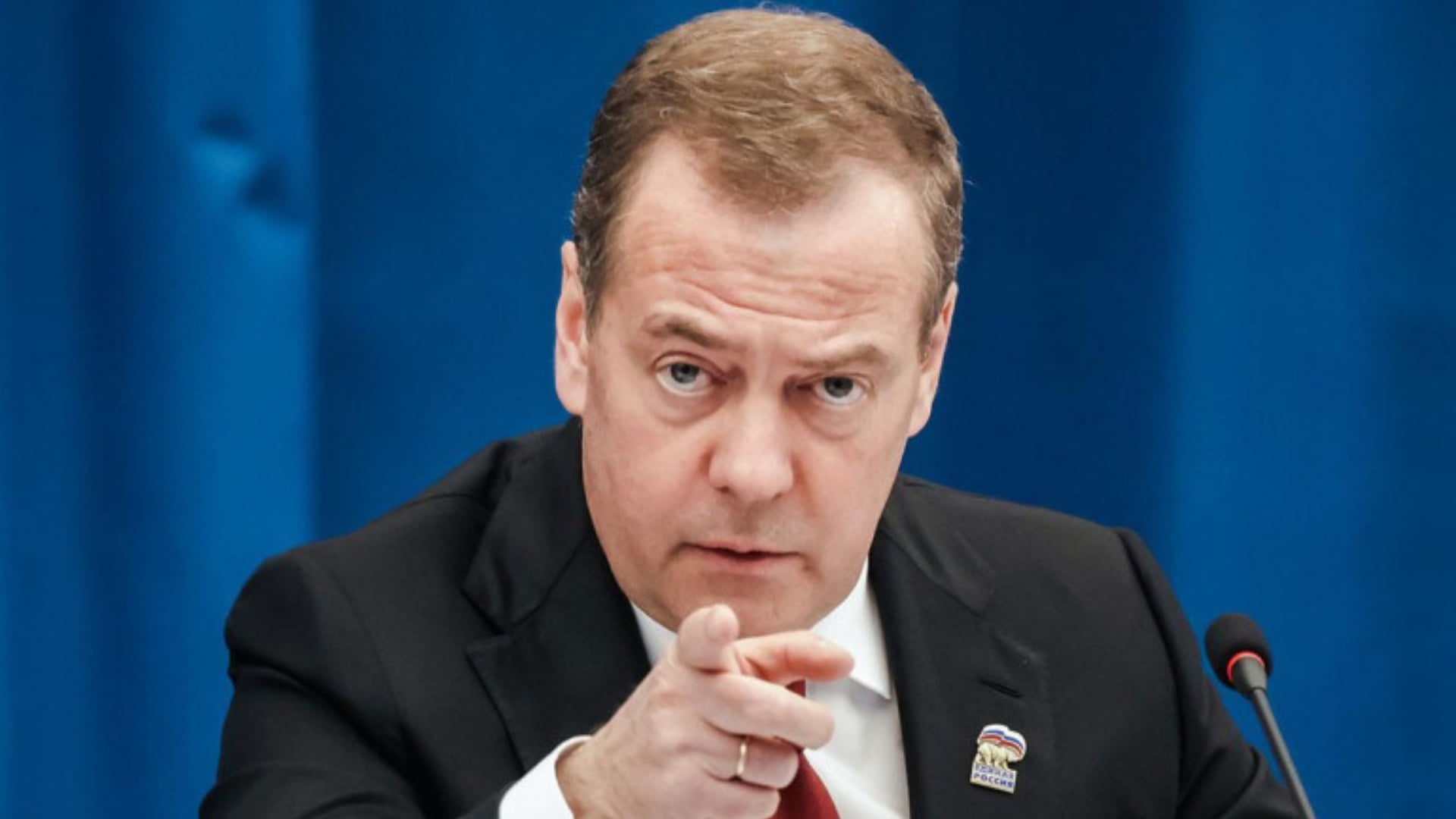
Military cooperation between Baku and Kyiv first came to light in April. On April 25, the presidents of the two countries signed six documents in Gabala. Their full contents were not made public.
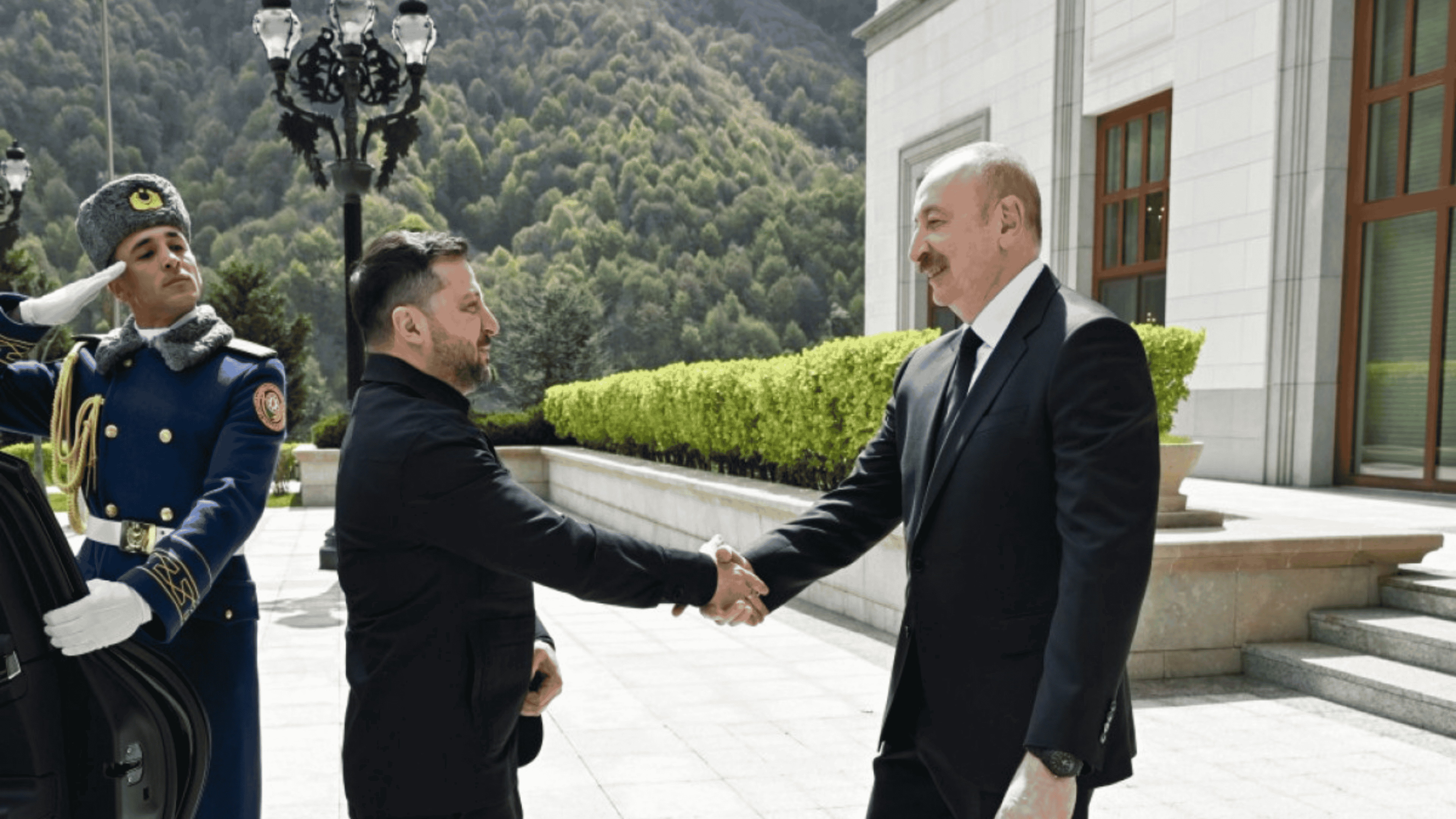
Zelensky described security as the main area of cooperation and called the signing of documents on joint defence production “a very serious step”. He also said Ukrainian drone specialists were already working in Azerbaijan.
During the same visit, Zelensky proposed holding talks with Russia in Azerbaijan, with the participation of the United States. In response, Russian Federation Council member Vladimir Dzhabarov described Azerbaijan as a “normal place” for such a meeting.
Aliyev, in turn, confirmed that military cooperation had been discussed and said there were “excellent opportunities” for joint production.
He also noted that trade between the two countries had exceeded $500 million.
A month earlier, in March, Azerbaijan’s Nakhchivan exclave came under a drone attack. Aliyev blamed Iran, but Tehran rejected the accusation. The incident heightened interest in Ukraine’s experience in countering drones.
In August, Azerbaijani Foreign Minister Jeyhun Bayramov became the first head of the country’s foreign ministry to visit Kyiv since 2022. During the visit, he met Zelensky, presidential chief of staff Kyrylo Budanov and National Security and Defence Council Secretary Ihor Klymenko.
According to Interfax-Ukraine, Bayramov and Zelensky also discussed defence cooperation and implementation of the Drone Deal. Bayramov raised the issue of gas supplies to Ukraine:
“If necessary, we will be ready to supply gas to friendly Ukraine as well.”
Why does Baku prefer to remain silent?
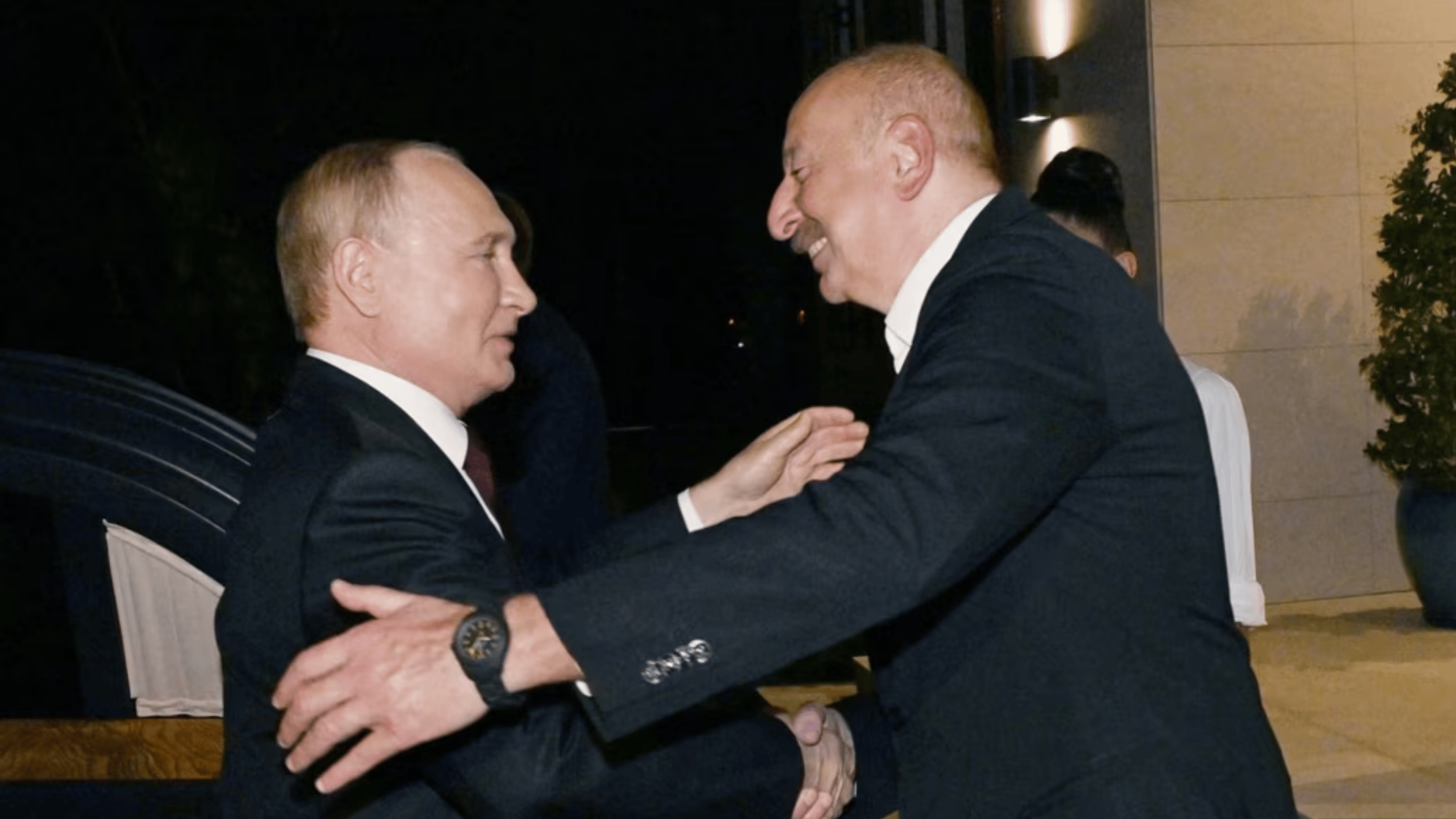
Baku’s caution is likely shaped by its relations with Russia.
The crash of an Azerbaijani AZAL passenger plane in December 2024, after it was hit by Russian air defences, killing 38 people, caused tensions between the two countries.
In April this year, the leaders acknowledged in a joint statement that the aircraft had been unintentionally shot down by a Russian air defence system. In July, following a meeting with Russian Foreign Minister Sergei Lavrov in Moscow, Bayramov said the “difficult period” in bilateral relations was over.
Thus, Baku has only recently begun to repair relations with Moscow.
Political analyst Elkhan Shahinoglu said during Bayramov’s visit to Kyiv that the Kremlin would be closely watching the trip.
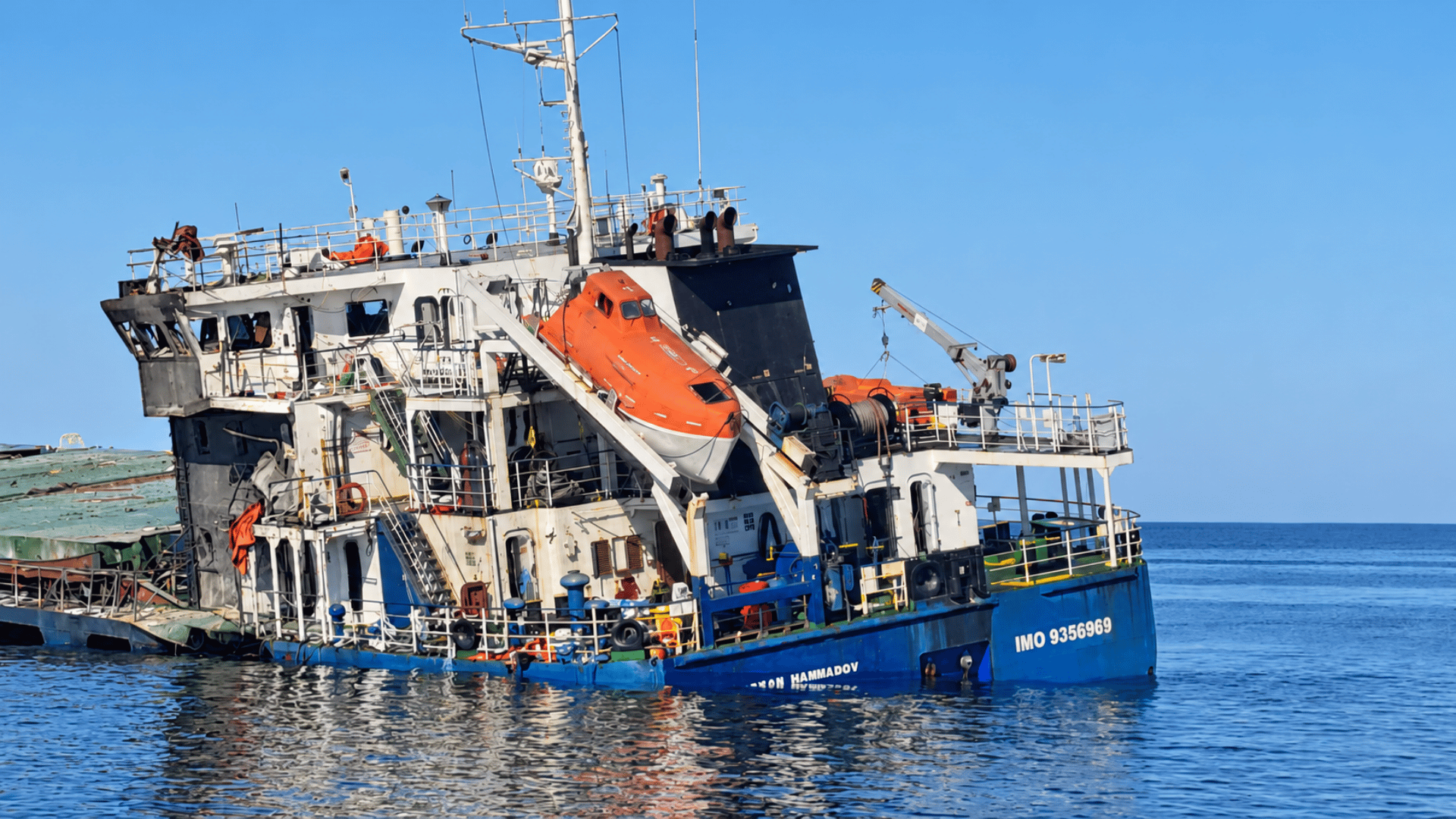
Baku’s cautious approach was also evident in another incident. On June 5, two cargo ships bound for the Russian port of Rostov were hit by drones in the Sea of Azov. According to updated figures from Azerbaijan’s foreign ministry, four Azerbaijani citizens aboard the vessels were killed.
Russia’s foreign ministry said Ukraine was responsible for the attack, but Baku did not publicly identify the party responsible.
Russia has so far made no official comment on the meeting between the Azerbaijani and Ukrainian presidents in Dublin.
What does Ukraine expect from Azerbaijan?
Alongside drone cooperation, Zelensky made another request concerning energy supplies. After meeting Aliyev, he wrote:
“We would be grateful if Azerbaijan could also find a way to support Ukraine’s critical infrastructure and logistics now, ahead of winter.”
Speaking at the summit the same day, Zelensky described energy support as one of Ukraine’s three main priorities:
“We need it now, in November, and throughout the winter.”
Zelensky also thanked Azerbaijani companies for continuing to operate in Ukraine despite Russian attacks. Azerbaijan has previously donated five electric buses to the city of Irpin and helped rebuild a school and a hospital.
During Bayramov’s visit in August, it was reported that Azerbaijan’s total humanitarian assistance to Ukraine had exceeded $50 million.
How long can Azerbaijan maintain this balance?
Following the meeting in Gabala, analysts described Azerbaijan’s foreign policy as “balanced” and “multi-vector”. Baku is signing defence agreements with Kyiv while simultaneously restoring relations with Moscow.
The Dublin meeting illustrates how this approach works: Kyiv speaks openly about military cooperation, while Baku’s official statements focus on economic ties and humanitarian assistance.
But as the scale of the contracts grows, maintaining this balance may become increasingly difficult.
News in Azerbaijan