
Day: October 26, 2026
🏫Капитального ремонта в школе не было много лет, из-за чего часть здания пришла в негодность. Разрушенные стены классов, вышедшие из строя полы и другие проблемы еще сильнее ухудшили общее состояние учебного заведения.
Ariel Sharon was furious at the U.S. in 2000 – 2001 –
In late 2001, tensions flared in the relationship between Israeli Prime Minister Ariel Sharon and the United States over fears that the U.S. was compromising Israel’s security to appease Arab nations. [1, 2]
The October 2001 Speech: Sharon publicly warned the Bush administration not to “appease the Arabs at our expense,” comparing the situation to Western appeasement of Nazi Germany in the 1930s regarding Czechoslovakia.
The White House Reaction: The George W. Bush administration and Secretary of State Colin Powell strongly rejected the remarks, calling them unacceptable.
The Resolution: Sharon quickly walked back and apologized for the misunderstanding a few days later, reaffirming the alliance and communication with Washington.
Earlier 2001 Friction: Sharon had also lashed out earlier that year in March 2001 against a U.S.-backed international fact-finding mission (the Mitchell Commission) investigating West Bank and Gaza violence. [1, 2, 3, 4, 5]
Google Search google.com/search?q=Ariel+Sh…
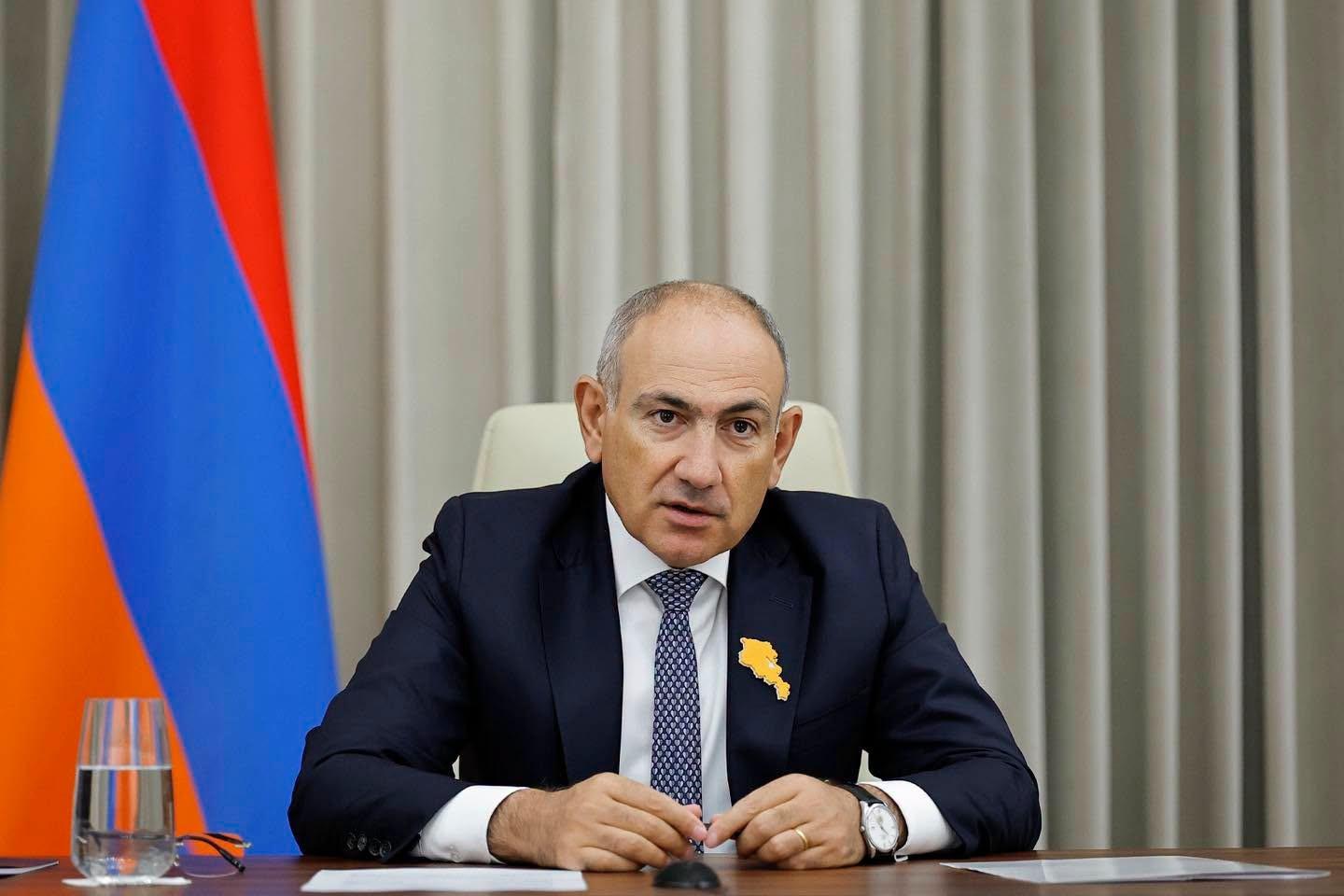
Pashinyan on Armenia’s 2026 local elections
“The ruling Civil Contract party, along with candidates and teams affiliated with it, secured a convincing victory in the local elections,” Armenian Prime Minister Nikol Pashinyan said during a live broadcast on his Facebook page.
On 25 October, Armenia held local elections in 21 communities. Voters used a proportional representation system in 19 communities and a majoritarian system in the other two.
In five communities — Armavir, Vardenis, Garni, Akhuryan and Vayk — the ruling Civil Contract party ran unopposed.
In other words, no other political forces chose to contest the elections or take part in governing these communities.
According to preliminary results from the Central Electoral Commission, Civil Contract won in 16 communities. The Amerashkhut’yun (Solidarity) bloc secured the most votes in two others. In Stepanavan, the Gortsarar (Entrepreneur) party took the lead. Its list was headed by incumbent community leader Armen Grigoryan, who won the post in 2021 on the Civil Contract party list.
Pashinyan congratulated the candidates for community leadership positions and the ruling party’s teams as a whole on their victory. He stressed that Armenian citizens had helped deliver election results that led to the “destruction of spy opposition forces”. At the same time, he expressed concern about the outcome.
“As someone who became prime minister after the Velvet Revolution, I am far from pleased when a party wins more than 90%, 80% or 70% of the vote in some communities. However appealing such figures may seem at first glance, they evoke certain associations. They also raise questions about the opposition in Armenia. We need to assess this situation correctly. On the one hand, we must completely eradicate the spy opposition in Armenia that takes orders from abroad. On the other hand, Armenia needs an opposition that puts the interests of the state first,” the prime minister said.
- Pashinyan’s salary to nearly double as Armenian civil servants set for pay rises from 2027
- ‘From crisis management to stability’: Pashinyan unveils new government programme
- Armenia approves new government as Pashinyan promises appointments based on merit
Stepanavan records the highest voter turnout
Armenia’s Central Electoral Commission has released the final voter turnout figures. The Lori region community of Stepanavan recorded the highest turnout, at 68.83%.
Other communities also reported high turnout:
Yeghegnadzor (Vayots Dzor region) — 62.56%,
Tsaghkadzor (Kotayk region) — 61.78%,
Meghri (Syunik region) — 57.97%.
The lowest turnout among the 21 communities came in Fioletovo, in the Lori region, at 25.39%.
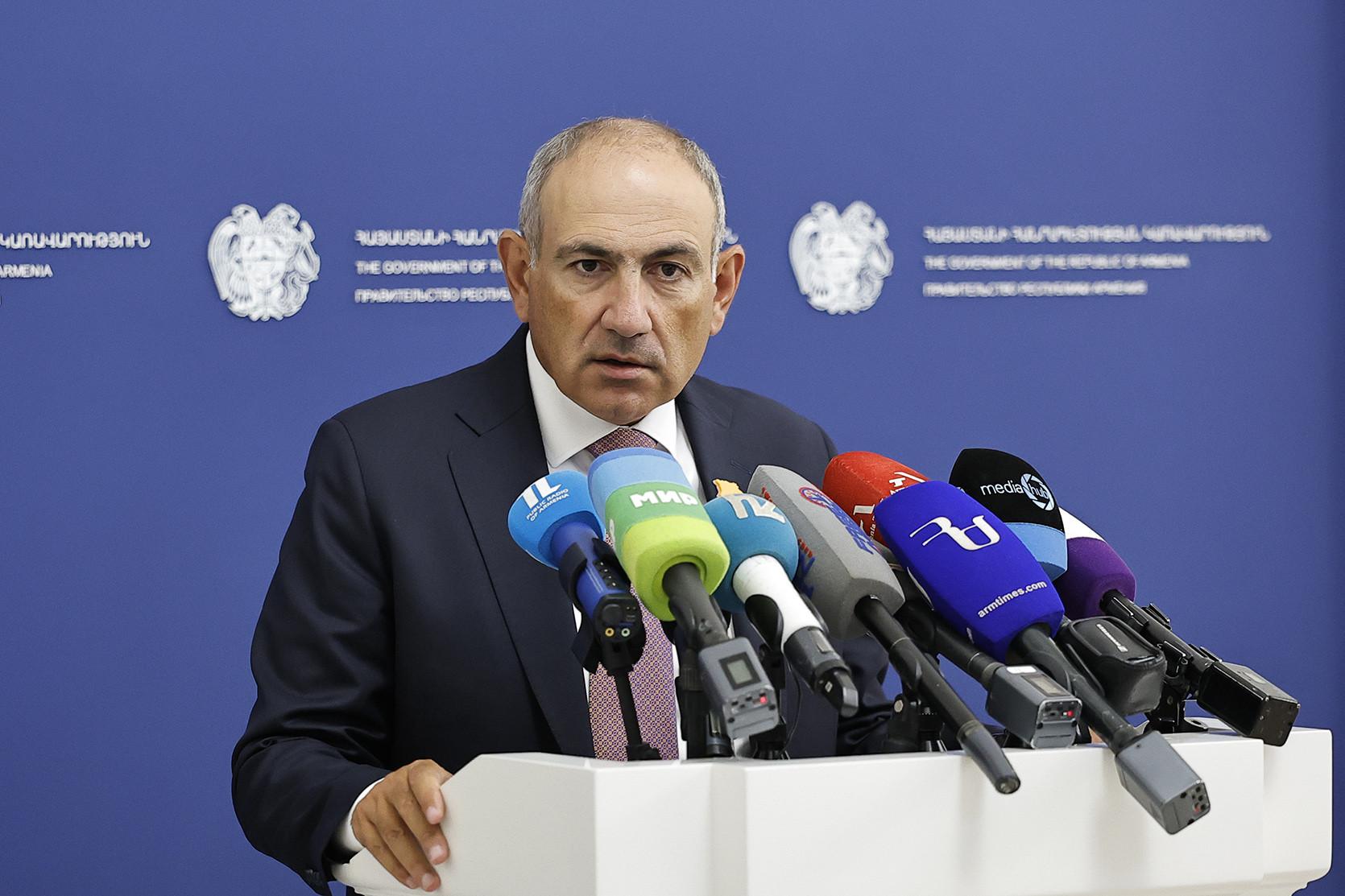
54 reports of possible violations
During the elections, the Interior Ministry’s 112 Operations Management Centre received 54 reports of possible violations. Investigators have received evidence relating to 10 incidents for preliminary investigation. These include:
- one case of breaching ballot secrecy;
- one case of obstructing people involved in the elections from exercising their rights or performing their duties;
- seven cases of repeat voting or voting on behalf of another person;
- one case of voter bribery.
Election observers also reported irregularities. The Akanates (Eyewitness) observation mission recorded 217 potential violations of the electoral process at 137 of the 407 polling stations it visited.
The observers noted crowds gathering at polling stations, risks to ballot secrecy and cases of “family voting”, in which several people enter a voting booth at the same time.
On 24 October, the day before the elections, Armenian media reported the arrests of opposition candidates and their supporters in three of the 21 communities. The Anti-Corruption Committee confirmed the arrests but did not disclose the identities of those detained, citing the interests of the preliminary investigation.
“As part of criminal proceedings launched by the Anti-Corruption Committee over alleged corruption offences linked to the electoral process, investigators are carrying out investigative and other procedural measures in several communities across Armenia,” the committee said.
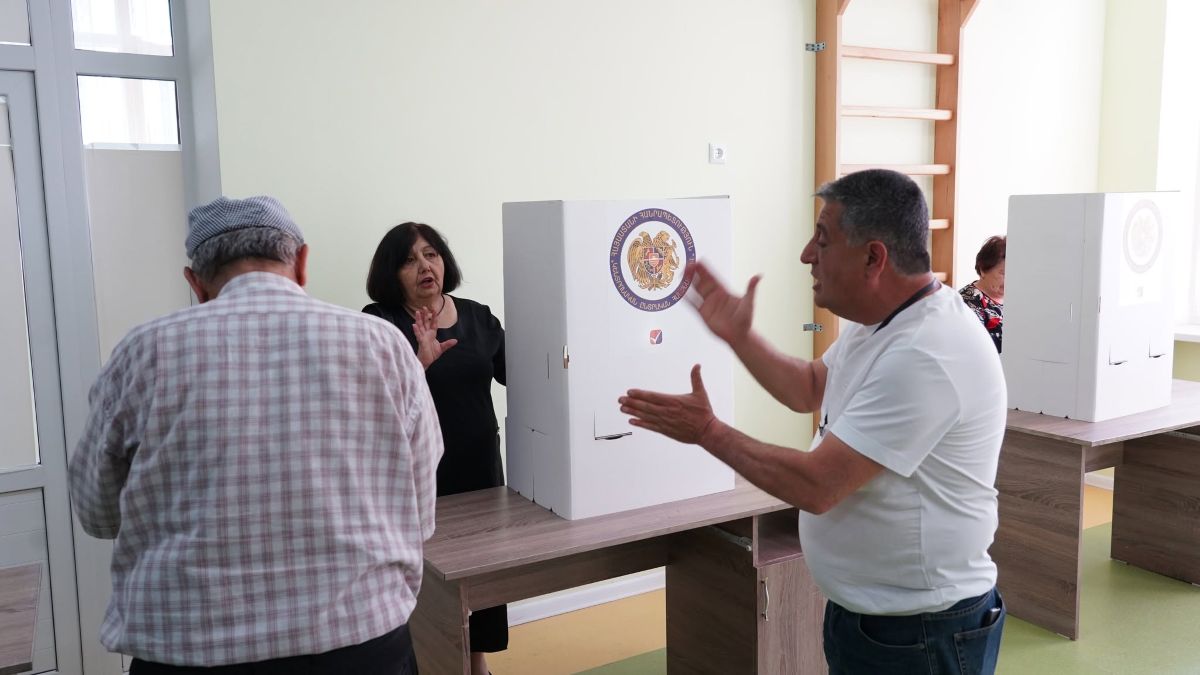
“We solved one problem, but two or three new ones emerged” — prime minister’s assessment
Continuing his argument that Armenia must “eradicate” an opposition network he describes as a foreign-controlled spy network, the prime minister said: “These local elections have resolved the issue to some extent, but three new challenges have now emerged.”
He was referring in particular to the following questions:
- “How can we prevent election results from creating the impression of authoritarianism or dictatorship?
- How can we introduce an objective mechanism for public oversight in communities where we have secured a high level of trust?
- How can we build an opposition in Armenia that puts the interests of the state first — young, intellectually capable, objective and honest — and answers solely to the will of its voters and citizens?”
Pashinyan stressed that the government must not take part in creating a new opposition, as this would lead to the emergence of a “controlled, fake opposition”.
The prime minister said independent political forces needed to become more active. He added that the government would neither help nor hinder their emergence.
“We want to see a genuine opposition emerge in Armenia — one that acts in the interests of Armenia and its people and is guided by democratic values and principles. We do not want an opposition that bribes voters or channels stolen and misappropriated funds into politics to turn the political sphere into a tool for protecting assets acquired dishonestly.”
In his view, an opposition that puts the interests of the state first could also provide “genuine and constructive oversight” of the government’s actions.
“I want to point out that in communities where the elections did not produce a strong opposition, public oversight remains an open question. I hope that civic groups and representatives of civil society will take on this role.”
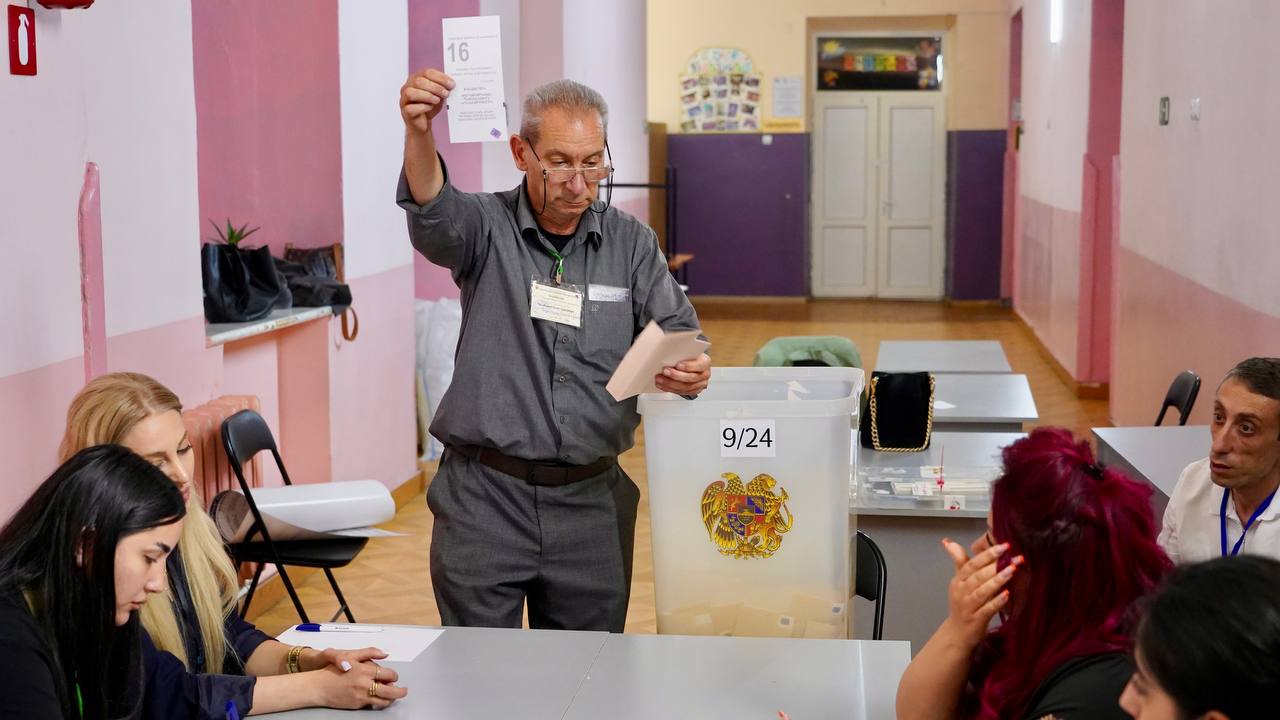
Pashinyan on Armenia’s 2026 local elections