
Day: October 12, 2026

Russia bans imports from Georgia
Russia has banned imports of alcoholic and non-alcoholic drinks produced by several Georgian companies. The banned products include wine, brandy and beer from certain brands, Coca-Cola produced in Georgia, and Nabeghlavi mineral water.
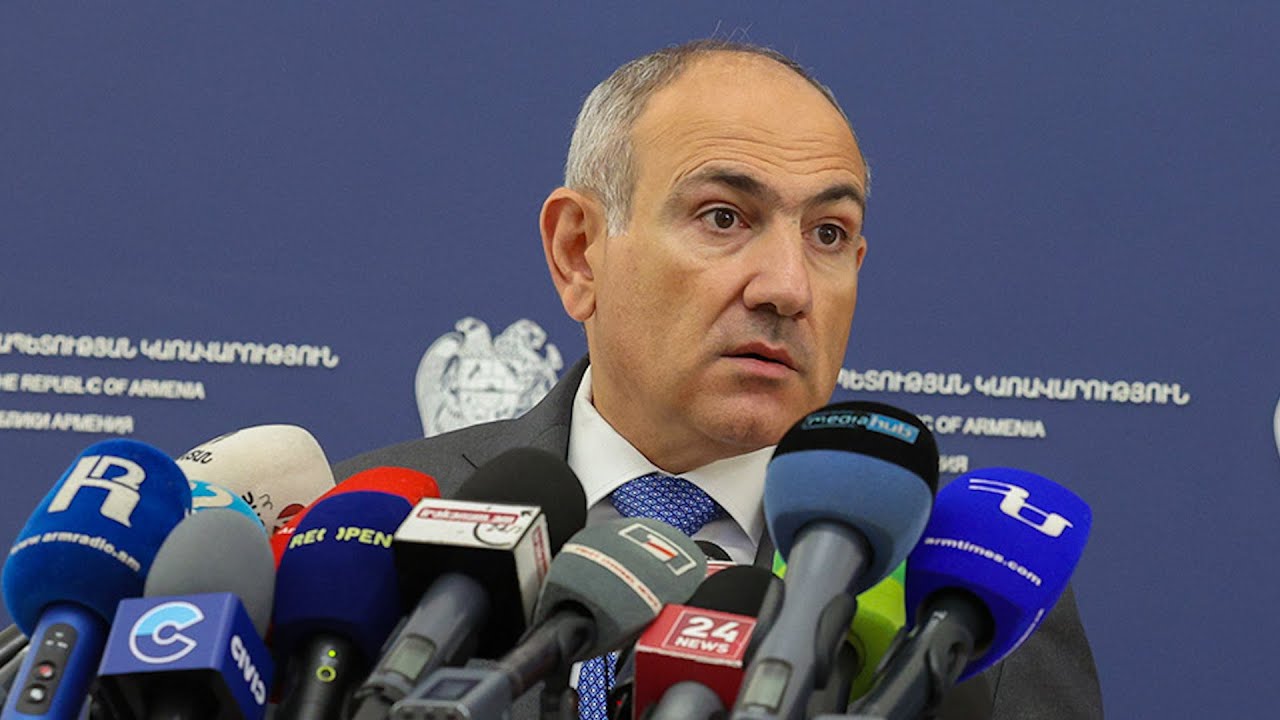
According to Mamuka Pipia, leader of the openly pro-Russian party Solidarity for Peace, the ban on certain Georgian drinks entering Russia is “only the first wave”. He says further restrictions will affect other companies and products.
“This is a regrettable development, and this is only the first wave; two or three more will follow. The sanctions affect more than 40 companies and currently apply only to mineral water, beer and other alcoholic drinks. However, the process will eventually extend to agricultural products,” Pipia wrote.
According to Russian media reports, the decision followed a resolution by the Council of the Eurasian Economic Commission. Russia’s consumer watchdog, Rospotrebnadzor, introduced temporary sanitary measures banning the import and sale in Russia of products that fail to meet the country’s requirements.
A document published by the agency states that authorities must withdraw food products from circulation if they violate the Customs Union’s technical regulations or other applicable requirements. Businesses can withdraw such products voluntarily or comply with an order from an authorised body of a Customs Union member state.
According to Russian media reports, the ban will affect products from the following Georgian companies and brands:
- Wine produced by JSC Teliani Valley;
- Wine produced by JSC Tbilvino;
- Wine and brandy produced by LLC Askaneli Brothers;
- Wine produced by LLC Wineman;
- Beer produced by JSC Georgian Beer Company;
- Coca-Cola, a highly carbonated non-alcoholic drink produced in Georgia;
- Nabeghlavi mineral water, produced by Healthy Water.
Russia bans imports from Georgia
1,700 years of Christianity in Georgia
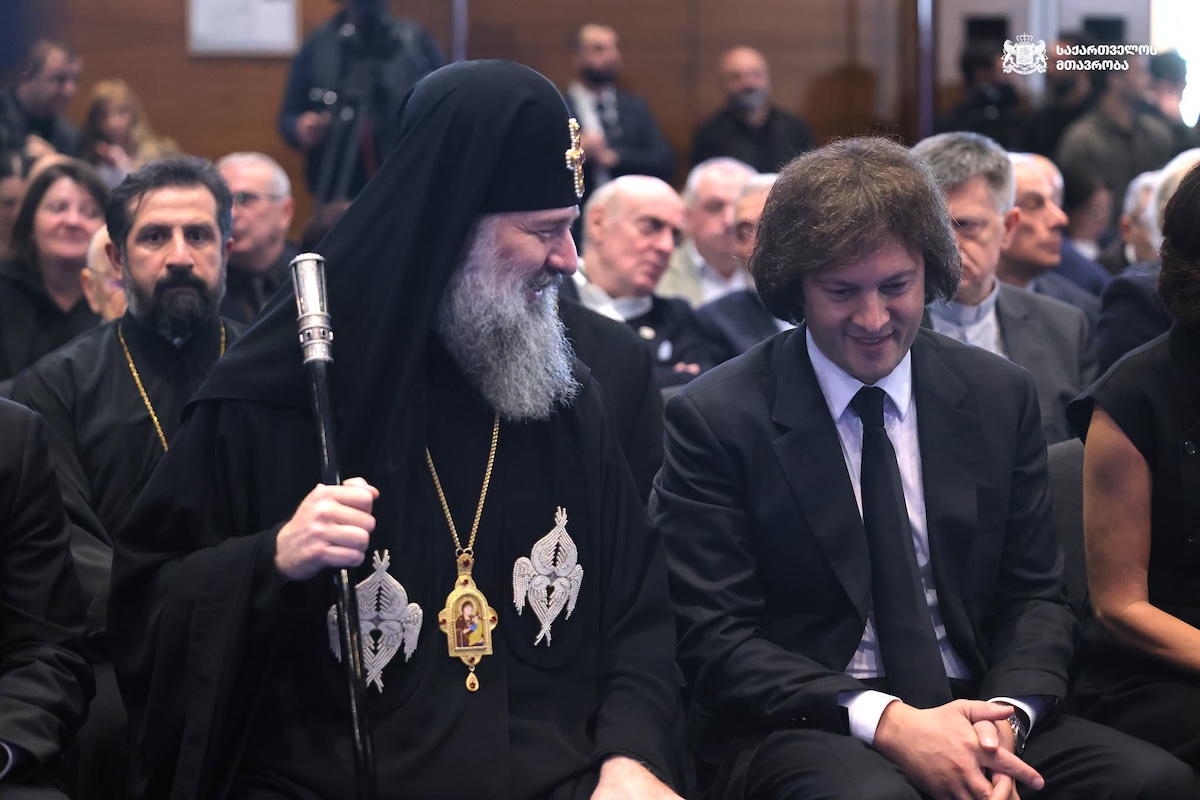
An international academic symposium titled “God, Homeland, Human” took place at the Radisson hotel in Tbilisi to mark 1,700 years since Georgia declared Christianity its state religion.
The event was attended by Georgian Patriarch Shio III, Prime Minister Irakli Kobakhidze, Parliament Speaker Shalva Papuashvili and President Mikheil Kavelashvili.
The main political message of their speeches was that Christianity, national identity and traditional values should form the foundation of the Georgian state and society. They presented the preservation of these values as a response to the challenges of the modern world.
Key points from the speeches
● Cooperation between the state and the Church: Irakli Kobakhidze said that the government would continue to protect Georgia’s Christian heritage and national values in close cooperation with the Church.
“The state pays particular attention to these enduring values. In close cooperation with the Church, we will firmly defend the heritage on which our national unity and development rest.”
● National identity and statehood: According to Shalva Papuashvili said, a state may temporarily lose its independence, but preserving its national identity leaves open the possibility of restoring it.
“The world has once again entered an era of great change. Technology, economic relations and the international order are changing rapidly. However, as history has taught us time and again, societies that preserve their identity stand firmest during periods of change,” Papuashvili said.
- Georgia’s 26 May: From civic independence to ‘Christian state’ symbolism
- Who is Shio Mujiri, new head of Georgian Orthodox Church? | VIDEO
- ‘Myth Detector’: How pro-government forces used Georgian Patriarch’s name to discredit opponents
● Seven eternal values: Mikheil Kavelashvili identified God, the Homeland, the Individual, the Native Land, Language, Faith and Family as the foundations of thinking rooted in Georgian statehood. In his view, these values help preserve national identity in the age of globalisation and artificial intelligence.
“Today, as the modern world faces a crisis of values and geopolitical upheaval, we have a duty to ask a fundamental question: what should form the foundations of the Georgian state, society and individual?
These seven symbols form the basis of our identity. Even today, as the age of globalisation and artificial intelligence seeks to devalue human identity, these eternal values serve as our main existential shield,” Kavelashvili said.
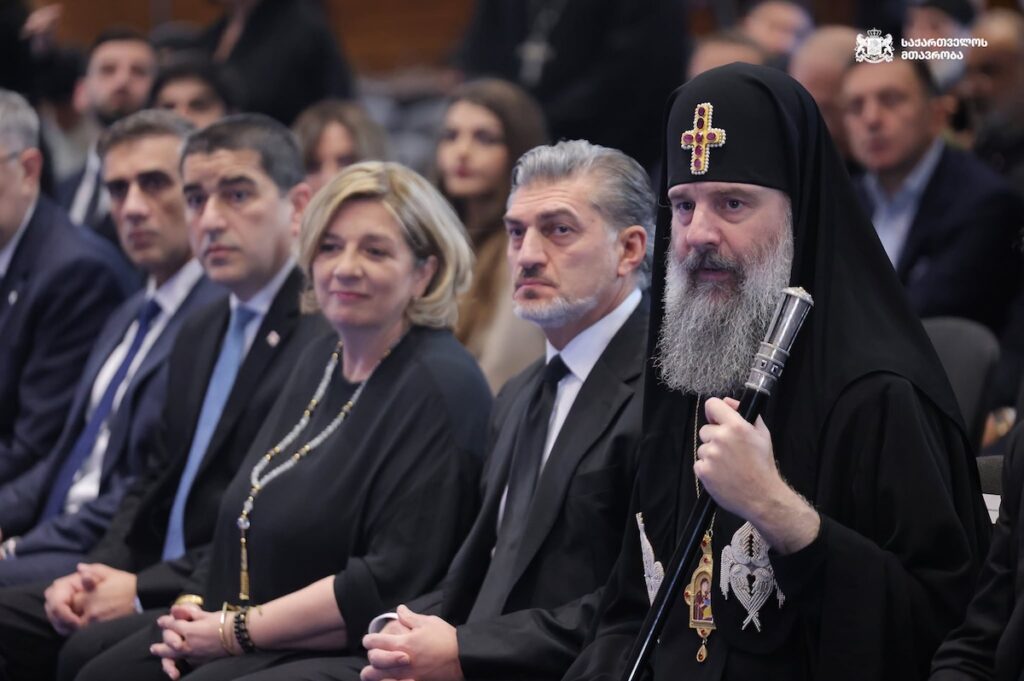
● Technology and spirituality: Patriarch Shio said that technological progress should serve humanity and that the growth of knowledge should not distance society from faith and spiritual values.
“Technology should serve humanity, not humanity technology. Knowledge should not distance us from faith, and progress should not make us forget spirituality,” Shio III said.
● Abkhazia and the Tskhinvali region: The Patriarch addressed the residents of these regions and expressed hope that peace, unity and brotherly relations between Georgia’s historic regions would be restored.
“We must continue to live peacefully alongside our homeland,” the Patriarch said, expressing hope that “brotherly unity and love will be restored between us”.
● Ties with emigrants: Shio III addressed Georgians living abroad, saying that the Church prays for them and awaits their return to their homeland.
1,700 years of Christianity in Georgia
Russian-backed businesses accounted for the largest number of foreign-invested company registrations, with 7,025 entities. They were followed by Ukrainian-invested companies with 2,128, Belarusian-invested companies with 1,283, Turkish-invested companies with 684, and Indian-invested companies with 565.