
В Курской области с 24 июня топливо на заправках будут отпускать только в баки автомобилей, заявил врио губернатора Александр Хинштейн. Он, как и остальные представители власти, связал это с ажиотажем. smarturl.click/7BzYv
Day: June 23, 2026
Summary
Escalating geopolitical tensions in the Caucasus are reshaping regional dynamics, with Ukraine intensifying strikes on Crimea and Azerbaijan asserting influence through diplomacy and legal maneuvers. Armenia faces internal and external pressures as it navigates relations with neighbors and the West, while broader energy and climate initiatives signal shifting alliances. The war in Ukraine continues to reverberate, straining resources and exposing vulnerabilities in Russian-occupied territories.
Key Stories
Ukraine isolates Crimea with strikes as Russia struggles with fuel shortages — Ukrainian drone attacks on infrastructure in Crimea have disrupted fuel distribution and transport, exacerbating a crisis in the Russian-occupied peninsula. Putin downplayed the impact, but shortages and power cuts suggest Ukraine’s strategy is eroding Russia’s hold on the region.
Azerbaijan gains UN influence while Armenia’s detained figures reject charges — Azerbaijan secured its first seat on the UN Committee on the Rights of the Child, marking a diplomatic victory. Meanwhile, Armenian officials detained in Baku denied guilt during appeal hearings, highlighting ongoing legal and political disputes between the two nations.
EU and Armenia deepen ties as regional connectivity initiatives advance — The EU launched a new platform to strengthen transport links in the Black Sea and South Caucasus, with Armenia’s deputy foreign minister participating. A high-level EU visit to Armenia next week may signal further support for Yerevan amid its strained relations with Azerbaijan and Russia.
Azerbaijan and Commonwealth launch climate fund for vulnerable states — Azerbaijan’s COP29 presidency partnered with the Commonwealth to create a $200,000 grant fund for Small Island Developing States, aiming to bolster climate resilience and sustainable energy. The initiative underscores Baku’s expanding role in global climate diplomacy.
Georgia targets foreign gamblers with new online licensing plan — Georgia announced plans to introduce a gambling license exclusively for operators serving foreign users, reflecting efforts to regulate the industry while avoiding domestic social costs. The move may attract international platforms but raises questions about enforcement and oversight.
Georgia ombudsman on arrests and restrictions
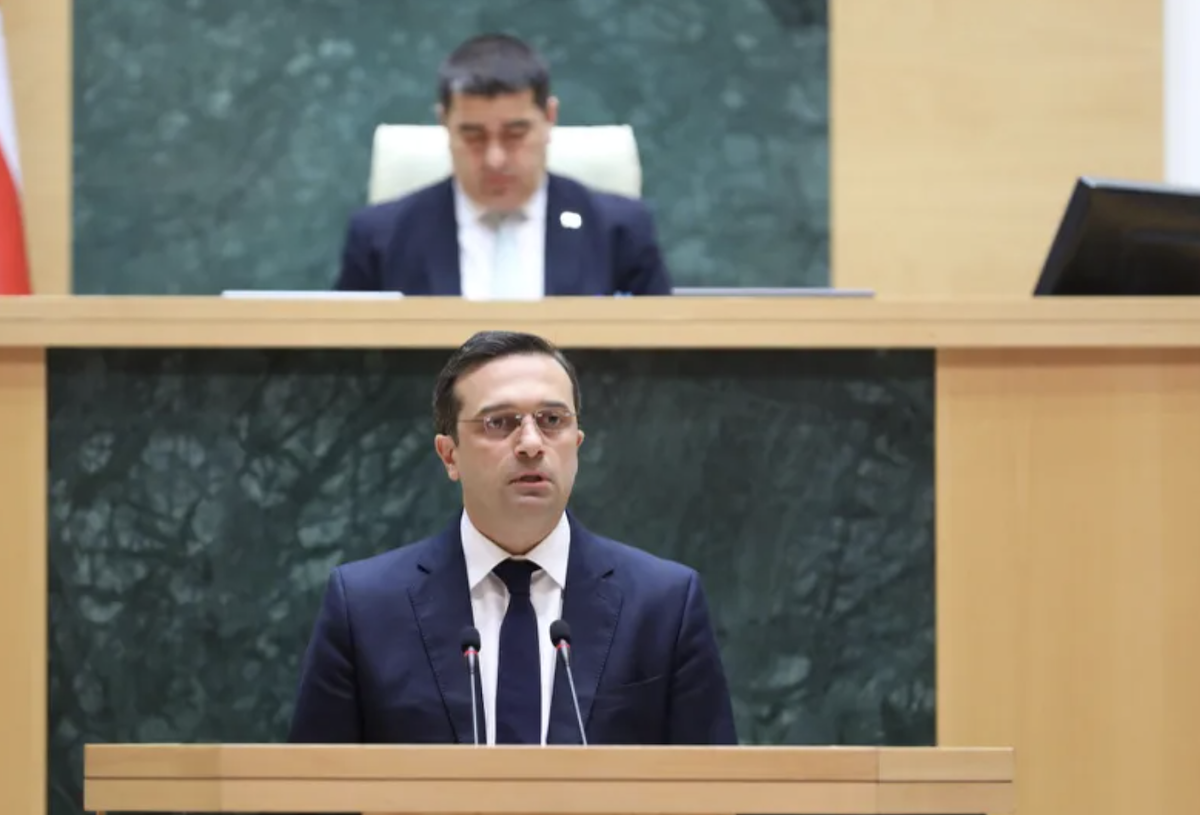
On June 23, Georgia’s Public Defender Levan Ioseliani presented his annual report to parliament.
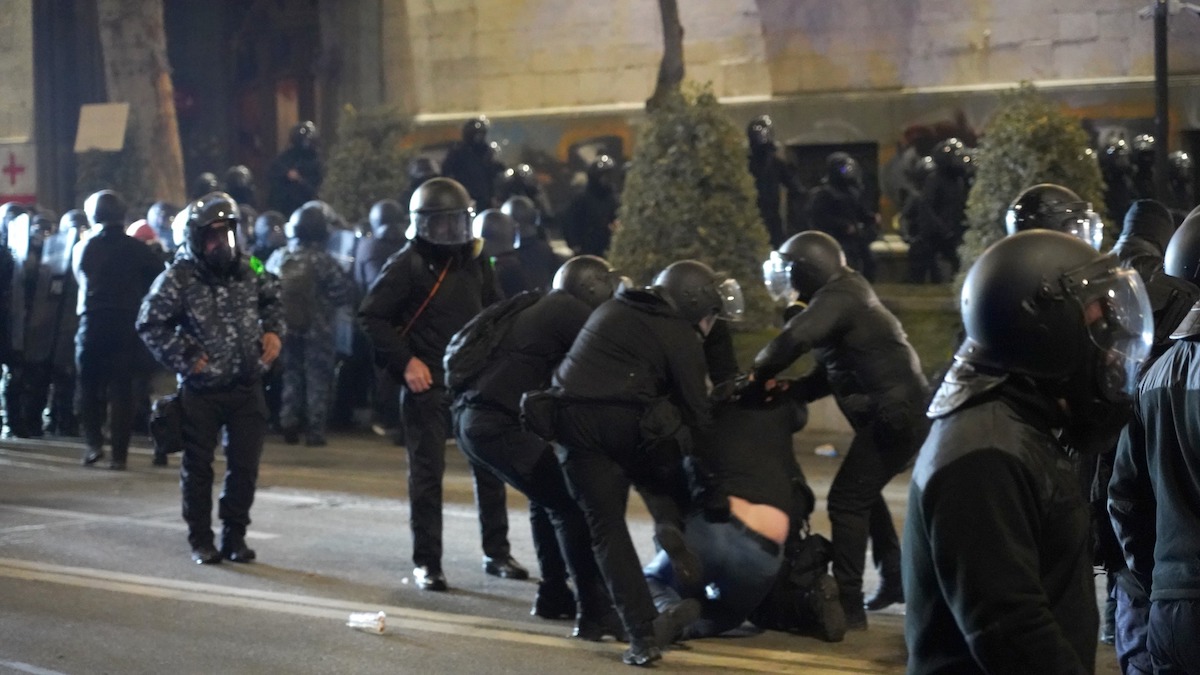
He said that monitoring of hundreds of cases of detainees from ongoing pro-European protests – lasting for more than a year and a half – again revealed concerns about alleged police ill-treatment.
He also noted that legislation on freedom of assembly and expression has been further tightened over the past year.
Ioseliani reported that between March 1, 2025 and February 20, 2026, his office visited 573 people detained during protests in places of detention or arrest, including 49 women and two minors.
Of those, 302 reported ill-treatment, and injuries were documented in 194 cases.
Detentions and alleged ill-treatment
According to the Public Defender, the number of arrests of activists and reported cases of ill-treatment during protests in 2025 decreased compared to 2024.
However, he said this trend is largely linked to a reduction in the scale of the protests.
Ioseliani also noted that many detainees continued to report ill-treatment, including humiliating treatment.
Problems with investigations into 2024 protest cases
Levan Ioseliani told MPs about the investigation process into alleged ill-treatment of protest participants.
He said that in cases related to the 2024 protests, no criminal proceedings were opened against law enforcement officers until May 8, 2026. Only then, according to the Prosecutor’s Office, charges were brought against four riot police officers and one security police officer for violence against Zviad Maisashvili, Levan Khabeishvili, and Guram Rogava during the 2024 protests.
The ombudsman welcomed this development. He stressed the importance of continuing this approach and ensuring that investigations are carried out in line with legal standards, with accountability established for both law enforcement officers and private individuals where criminal conduct is identified.
New restrictions on freedom of assembly
A large part of the ombudsman’s report focused on the tightening of civil and political rights legislation.
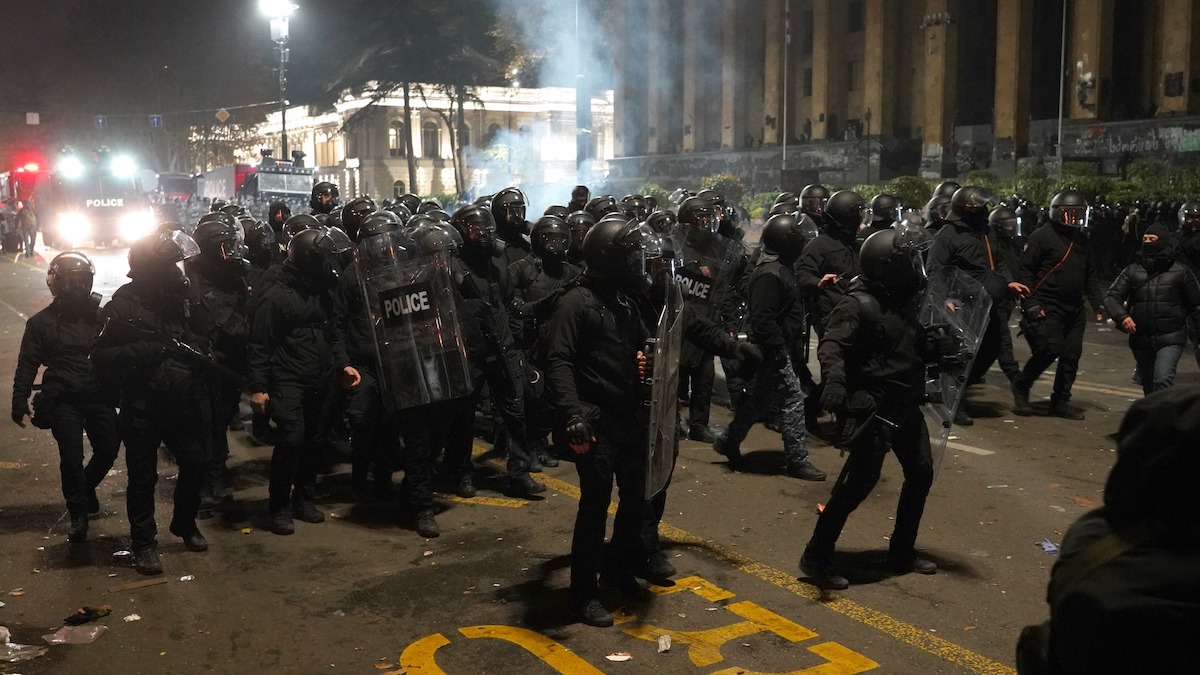
He said new restrictions on freedom of assembly and expression have been introduced, including additional limits on where and how public gatherings can be held.
Ioseliani noted that legal protections for rights have been weakened, while disproportionate penalties have been introduced for violations related to the exercise of the right to protest.
He said it is particularly concerning that participants in some peaceful protests have been subjected to administrative detention. Criminal liability has also been introduced for repeated offences of this kind.
The ombudsman pointed out that the obligation to give prior notification of a gathering has been extended to situations where people are in ordinary public spaces and are charged with “obstructing the movement of others.”
He said he has appealed several of these legal provisions to the Constitutional Court.
According to Ioseliani, the new legal amendments restricting freedom of assembly were actively enforced during the reporting period.
As an example, he cited Article 174¹ of the Code of Administrative Offences, under which 8,200 violations were recorded between November 1, 2024 and October 31, 2025.
Dismissals of public servants
The ombudsman also highlighted the dismissal of public servants from their positions in 2025, allegedly due to their publicly expressed civic views, as one of the most serious concerns.
He said such actions are unacceptable and unlawful, stressing that freedom of expression also applies in the workplace.

Restrictions on court reporting
The Public Defender highlighted changes in the judicial system that, he said, have negatively affected the full exercise of freedom of expression.
He referred to amendments to the Law on Common Courts, which limited the principle of public hearings and reduced the previous level of transparency in the justice system.
Under the changes, photo, video, and audio recording and broadcasting are prohibited inside court buildings and their courtyards, except when carried out by the court itself or by a person authorized by the court.
News in Georgia
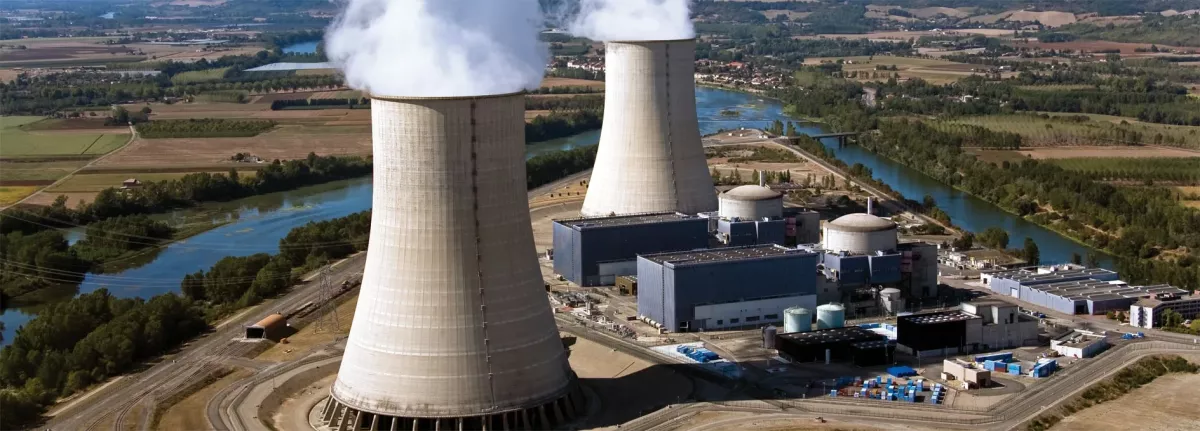
The United States Department of Energy will provide $17.5 billion worth of low-interest loans to utility companies seeking to order a Westinghouse nuclear reactor, the Wall Street Journal reported on Tuesday. The funds will support five projects, each yielding two reactors, the department said, adding that seven utilities have signed formal letters of intent, AzerNEWS reports.
#CIA #DIA #Mossad
REPUBLIC OF CRIMEA
x.com/mikenov/status/2069493…Michael Novakhov (@mikenov) #Trump #Putin #Zelenskyy
Solution for the Crimean Question (GS) and Russia – Ukraine War (GS):
1. The Joint Four Parts: Russia, Ukraine, EU, US – Consensus Government and Sovereignty Model (GS) for the presently disputed territories.
Call it the Republic of Crimea, Tavria, Pont, or the Trumpland(ia); it is the secondary matter.
2. Establish the $300 Billion Fund for the post war restoration and development, like the one for Gaza.
3. Etc.: Start solving other problems, e.g., NATO – Russia conflict.— https://x.com/mikenov/status/2069493731401556063
REPUBLIC OF CRIMEA
x.com/mikenov/status/2069493…Michael Novakhov (@mikenov) #Trump #Putin #Zelenskyy
Solution for the Crimean Question (GS) and Russia – Ukraine War (GS):
1. The Joint Four Parts: Russia, Ukraine, EU, US – Consensus Government and Sovereignty Model (GS) for the presently disputed territories.
Call it the Republic of Crimea, Tavria, Pont, or the Trumpland(ia); it is the secondary matter.
2. Establish the $300 Billion Fund for the post war restoration and development, like the one for Gaza.
3. Etc.: Start solving other problems, e.g., NATO – Russia conflict.— https://x.com/mikenov/status/2069493731401556063
#Trump #Putin #Zelenskyy
Solution for the Crimean Question (GS) and Russia – Ukraine War (GS):
1. The Joint Four Parts: Russia, Ukraine, EU, US – Consensus Government and Sovereignty Model (GS) for the presently disputed territories.
Call it the Republic of Crimea, Tavria, Pont, or the Trumpland(ia); it is the secondary matter.
2. Establish the $300 Billion Fund for the post war restoration and development, like the one for Gaza.
3. Etc.: Start solving other problems, e.g., NATO – Russia conflict.
Solution for the Crimean Question (GS) and Russia – Ukraine War (GS):
1. The Joint Four Parts: Russia, Ukraine, EU, US – Consensus Government and Sovereignty Model (GS) for the presently disputed territories.
Call it the Republic of Crimea, Tavria, Pont, or the Trumpland(ia); it is the secondary matter.
2. Establish the $300 Billion Fund for the post war restoration and development, like the one for Gaza.
3. Etc.: Start solving other problems, e.g., NATO – Russia conflict.