
- Israel reportedly deployed elite forces in Azerbaijan, operated Somaliland base, during Iran war The Times of Israel
- Reports claim Israel Air Force strikes targets in Iran via Azerbaijan route The Jerusalem Post
- Exclusive: Israel sent troops to Azerbaijan during Iran war as part of secret network across region, sources say CNN
Day: June 5, 2026
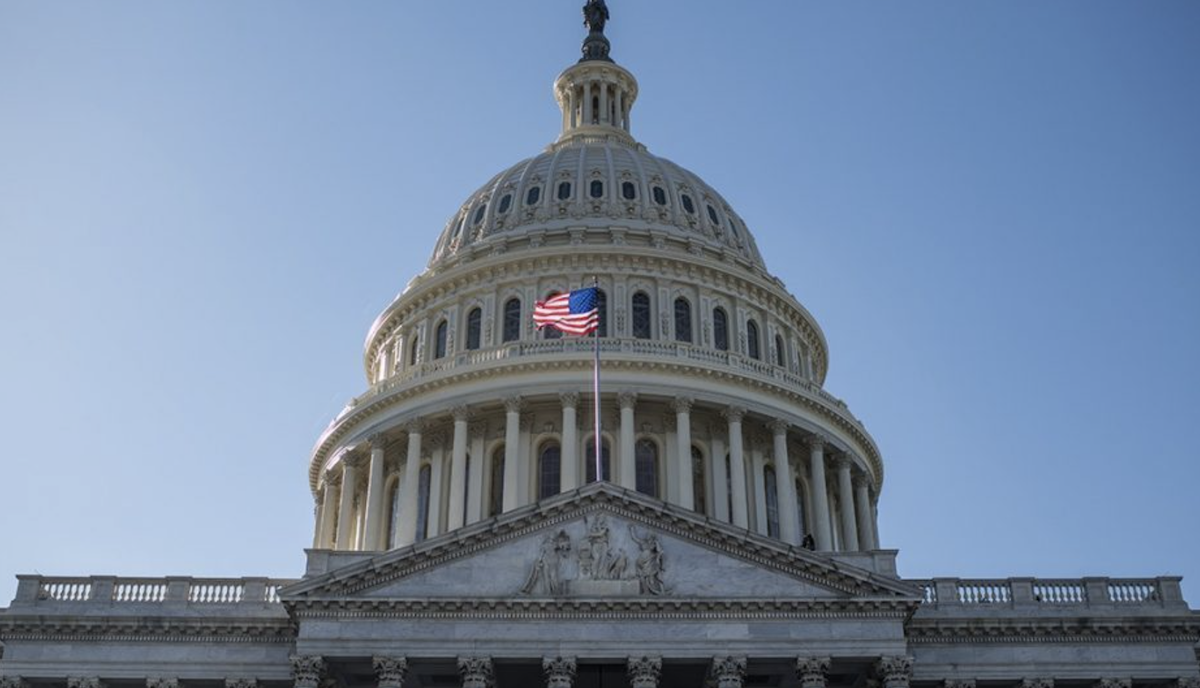
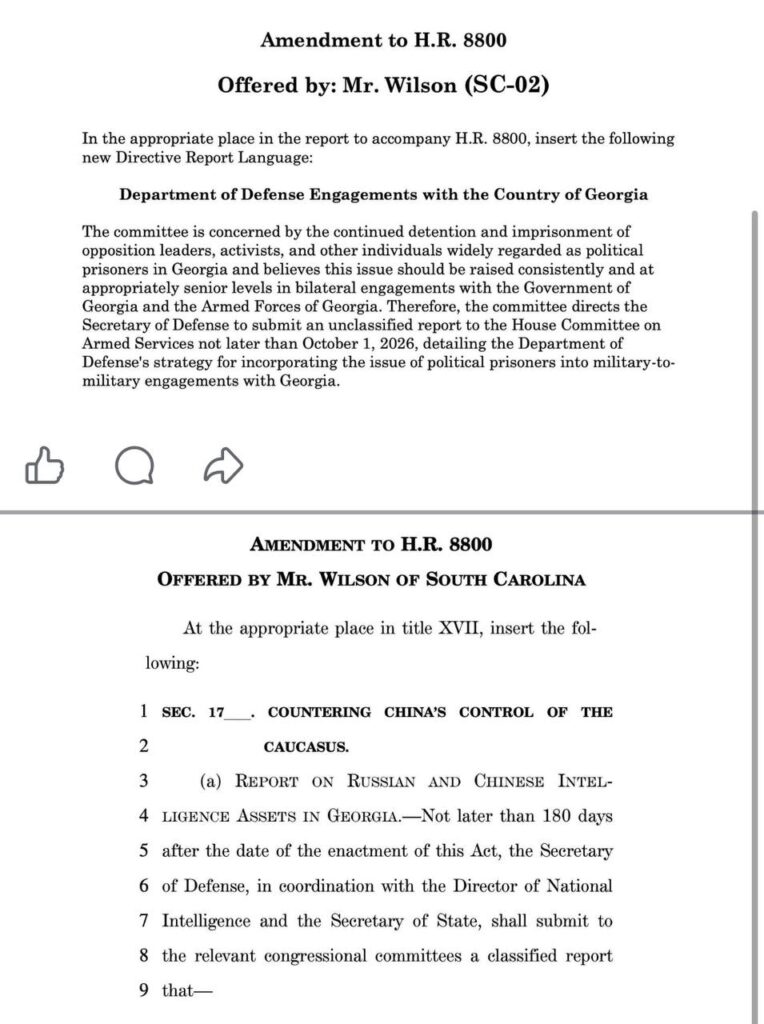
The new draft of the National Defense Authorization Act (NDAA), introduced in the US House of Representatives, calls for the United States to produce a classified assessment of Russian and Chinese intelligence networks operating in Georgia.
The bill’s authors also point to the arrests of opposition leaders, activists and other individuals in Georgia. They argue that human rights concerns are becoming an increasingly important part of the US security cooperation agenda.
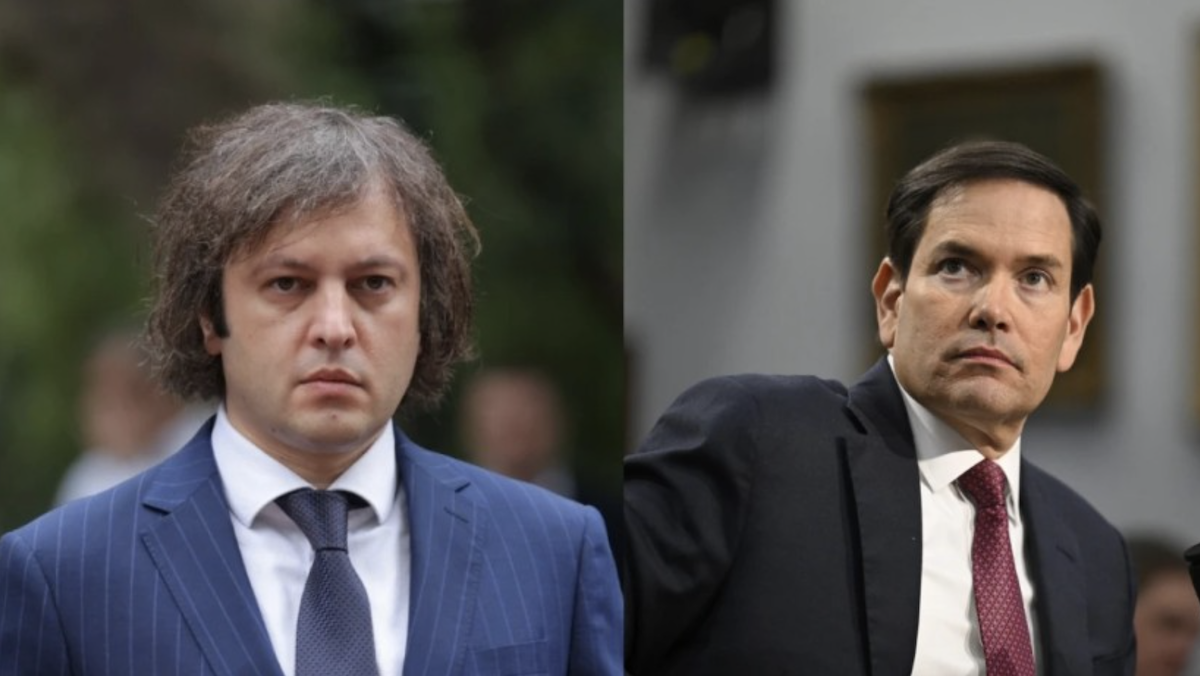
The bill would also require the Pentagon to prepare a report on how the United States should raise the issue of political prisoners in Georgia during military and defence contacts.
The legislation would instruct the State Department to develop a five-year strategy assessing the future of US-Georgia relations, the scope of potential US assistance and Georgia’s commitment to closer economic integration with the West.
According to analysts, the bill reflects growing interest in Congress both in Georgia’s political trajectory and in China’s expanding influence in the Caucasus.
Comment
According to international relations expert Eka Akobia, the temporary delay surrounding the MEGOBARI Act has prompted US lawmakers to pursue an alternative legislative route by incorporating some security-related assessments into the annual National Defense Authorization Act (NDAA).
Akobia argues that, amid a temporary pause in efforts to advance high-profile independent sanctions mechanisms against the ruling Georgian Dream party, Congress has shifted towards a framework that embeds assessments of Georgia’s security environment and political situation directly into the NDAA.
According to her, lawmakers view this approach as a more stable process and one that is less vulnerable to political obstruction.
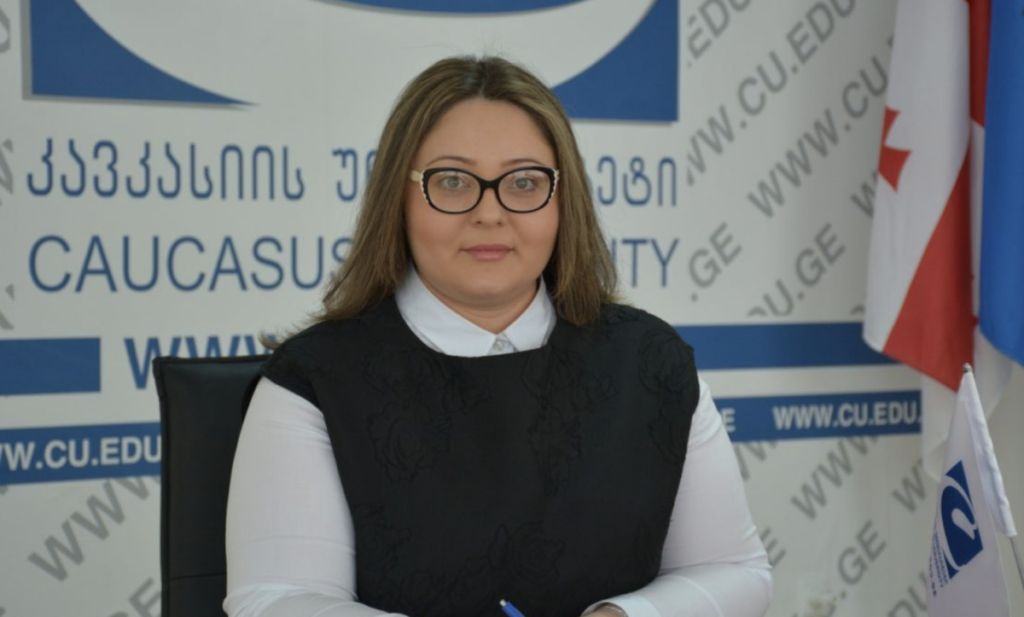
International relations expert Eka Akobia argues that recent developments suggest US lawmakers have shifted part of the agenda previously associated with the MEGOBARI Act into the National Defense Authorization Act (NDAA).
“This development has several implications.
First, it requires the Director of National Intelligence and the Pentagon to assess how deeply Russian and Chinese intelligence networks have penetrated Georgia’s defence and security institutions. The original NDAA amendment for 2026 used stronger language. The current version is somewhat softer, which increases its chances of final adoption.
The independent bill stalled in the Senate because of opposition from two senators and corporate lobbyists. By inserting this provision into the NDAA, lawmakers are effectively forcing the White House and the Pentagon to maintain active oversight of developments in Georgia without the risk of an individual Senate blockade.
The amendment also introduces a degree of conditionality into future US military assistance to Georgia by linking security cooperation to human rights concerns. Until now, Washington’s response to democratic backsliding in Georgia largely consisted of statements from the State Department. Through the NDAA mechanism, Congress is now signalling that future military cooperation, joint exercises and US defence assistance will become legally linked to how Tbilisi treats political prisoners and to its relations with America’s principal geopolitical rivals.
The markup stage represents final approval by the House Armed Services Committee, of which Congressman Joe Wilson is an influential member. At committee level, the text has already been approved and is no longer subject to amendment, removal or replacement.
The directive requires the State Department to submit a public report and strategy outlining the conditions that will govern future bilateral military cooperation. As the text explicitly states, the issue of political prisoners will form part of those conditions. The committee has requested the strategy by 1 October 2026, the first day of the 2027 fiscal year. This means that, once NDAA 2027 is approved, the Department of Defense and the State Department will begin gathering information and conducting assessments well before October 2026. That process will form the basis of the future Georgia strategy.
These developments demonstrate how short-sighted and inappropriate it was for Georgian Dream to mock Joe Wilson.
They also confirm what I have repeatedly said in television interviews: once a process of this scale begins in relation to Georgia, such as the MEGOBARI Act, the process itself means that the country has attracted attention — and not in a positive way. It cannot overcome that reality without self-reflection, self-criticism and a departure from confrontational policies.
Although Georgian Dream portrayed the blockage of the MEGOBARI Act in the Senate as a success, that move triggered a response and led lawmakers, under Wilson’s leadership, to initiate mechanisms that could prove even more consequential.
The bill still faces a long path before becoming law. Lobbying efforts and business interests could produce the same outcome as last year’s NDAA. However, the risks are lower because the provision is narrower in scope. It does not demand immediate action. It only requires information gathering and an intelligence assessment.
Given the current geopolitical environment, it is clear that the United States remains interested in cooperating with Georgia in certain areas, particularly defence. At the same time, that cooperation should not overshadow concerns about human rights violations and governance failures in the country. In this sense, Joe Wilson’s latest initiative serves as a lifeline for those whose rights have been violated, especially political prisoners who have spent nearly two years in detention without obtaining justice.
The bill must still pass the House of Representatives, go through the Senate version and then enter the conference process, where lawmakers reconcile the two texts. The language could change at that stage. However, a powerful political signal has already been sent. Any rational observer should recognise that.”
Background
On 6 May 2025, the US House of Representatives passed the MEGOBARI Act, a bill that would require the US president to impose sanctions on individuals deemed responsible for undermining Georgia’s security and stability. The measures include visa restrictions and asset freezes.
On 6 September, The Hill reported that Senator Markwayne Mullin had persuaded Senate Majority Leader John Thune to remove the MEGOBARI Act from the National Defense Authorization Act (NDAA) package. Earlier in the year, Mullin had also blocked an effort to fast-track the bill through the Senate.
Mullin is no longer serving in the Senate. President Donald Trump has nominated him to serve as Secretary of Homeland Security.
What the new NDAA bill says about Georgia

Russian authorities have put an Abkhaz citizen on trial. Prosecutors are trying Irakli Bzhinava, a legal scholar and specialist in constitutional law, over comments he posted on social media.
Russian security officers detained Bzhinava on 5 February 2026. He has remained in pre-trial detention ever since.
According to the case materials, prosecutors based the charges on a post that Bzhinava published on 23 December 2022. In that post, he commented on an agreement to transfer a well-known state-owned residence in Abkhazia to the Russian side.
Bzhinava criticised the agreement, arguing that it violated Abkhaz legislation.
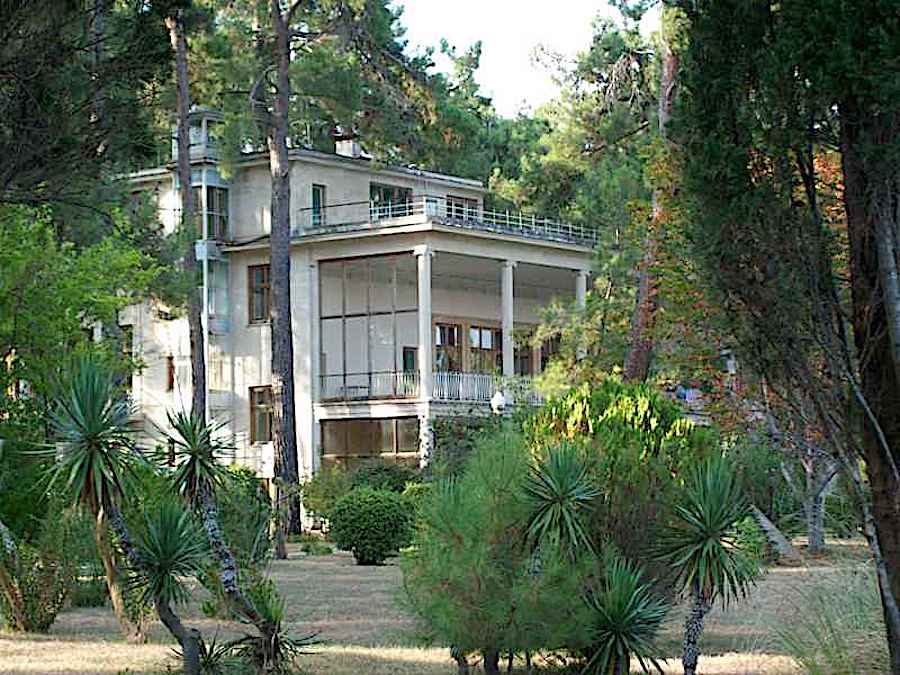
Officially, prosecutors accuse Irakli Bzhinava of having a “criminal intent to make public calls for activities directed against the security of the Russian Federation”. The charge carries a maximum prison sentence of three years.
Some time after Bzhinava’s arrest, Abkhaz President Badra Gunba told the media project Khara that he was keeping the situation “under his personal control” and remained in contact with the Russian authorities.
According to Gunba, the case is complicated by the fact that Bzhinava holds both Abkhaz and Russian citizenship and lives and works in Russia. As a result, Russian law enforcement agencies have jurisdiction over the investigation.
“In this regard, we cannot say that Mr Bzhinava’s constitutional rights have been violated until we receive the results of the investigation. Our colleagues have promised to provide a full picture and all the necessary information once the investigative measures are completed. After the investigation concludes, our society will undoubtedly learn the reasons for this citizen’s detention,” Gunba said.
Toponyms, terminology, views and opinions expressed by the author are theirs alone and do not necessarily reflect the views and opinions of JAMnews or any employees thereof. JAMnews reserves the right to delete comments it considers to be offensive, inflammatory, threatening or otherwise unacceptable.
Abkhaz citizen goes on trial in Russia
The bloody Russia-Ukraine war, now compounding its horrors into its fourth devastating year, continues to claim innocent lives with unapologetic brutality. As the geopolitical friction intensifies, it has become an undeniable and tragic reality that this conflict has long breached the borders of the combatant nations.

Armenia’s 2026 parliamentary elections
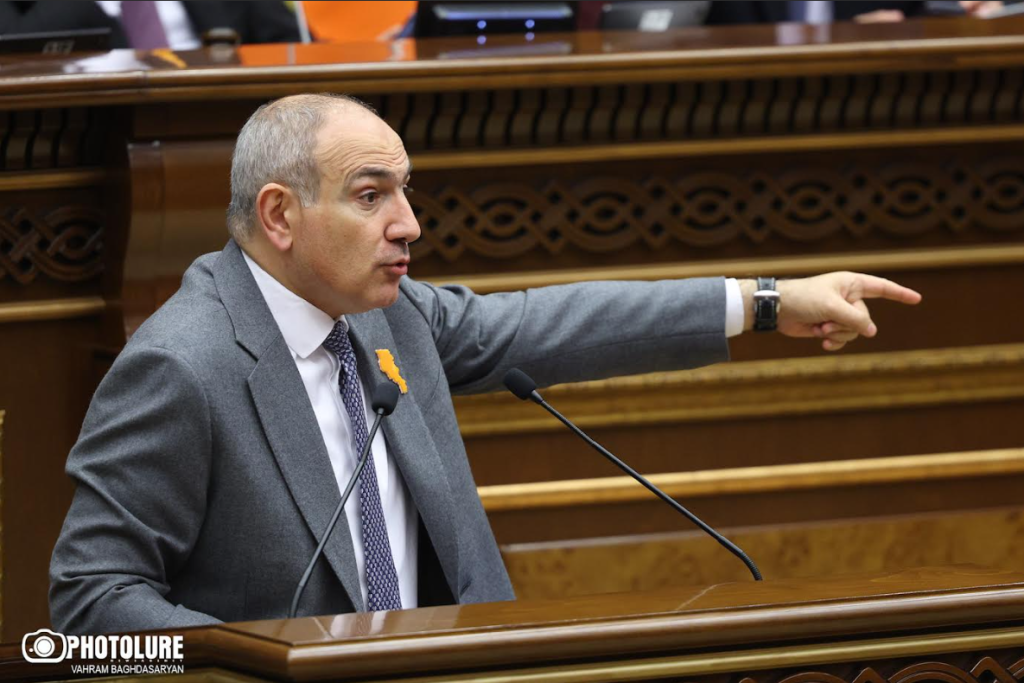
Armenians will go to the polls on 7 June to elect a new parliament. During the campaign, 18 political forces have vigorously argued that voters should entrust them with shaping the country’s future for the next five years.
Yet the main contenders and frontrunners were already clear long before the official campaign began. That has not changed. What has changed is the intensity of the race, which has exceeded expectations.
Political rivals have crossed virtually every red line. Even family matters, which politicians largely kept out of political battles in the past, have become a prominent feature of this campaign.
- ‘Sensational but false’: scrutiny of election promises made by some political forces in Armenia
- Pashinyan comments on gas prices, recent assault and exposing agents as key election looms
- Fake news in Armenia claims ‘Curtain’ programme can manipulate election results
An election campaign marked by insults
Prime Minister Nikol Pashinyan said:
“Who are these people? The pseudo-elites of Karabakh, get out of here. Artur Osipyan, bang your head against the wall. You should have gone and died instead of our children. Robbers, scum. You held the people of Karabakh hostage. Why are you even alive to talk about 5,000 victims? You bastard.”
Samvel Karapetyan said:
“They call me ‘Tashir Samo’ — and I take that as a sign of respect. My friends used to call me ‘Kaluga Samo’. They did not call me ‘Nikol the loser’.”
Former president Robert Kocharyan said:
“Hey, big man [addressing the prime minister], what makes you keep hurting the people?”
These are direct quotations from the leading contenders in Armenia’s parliamentary elections.
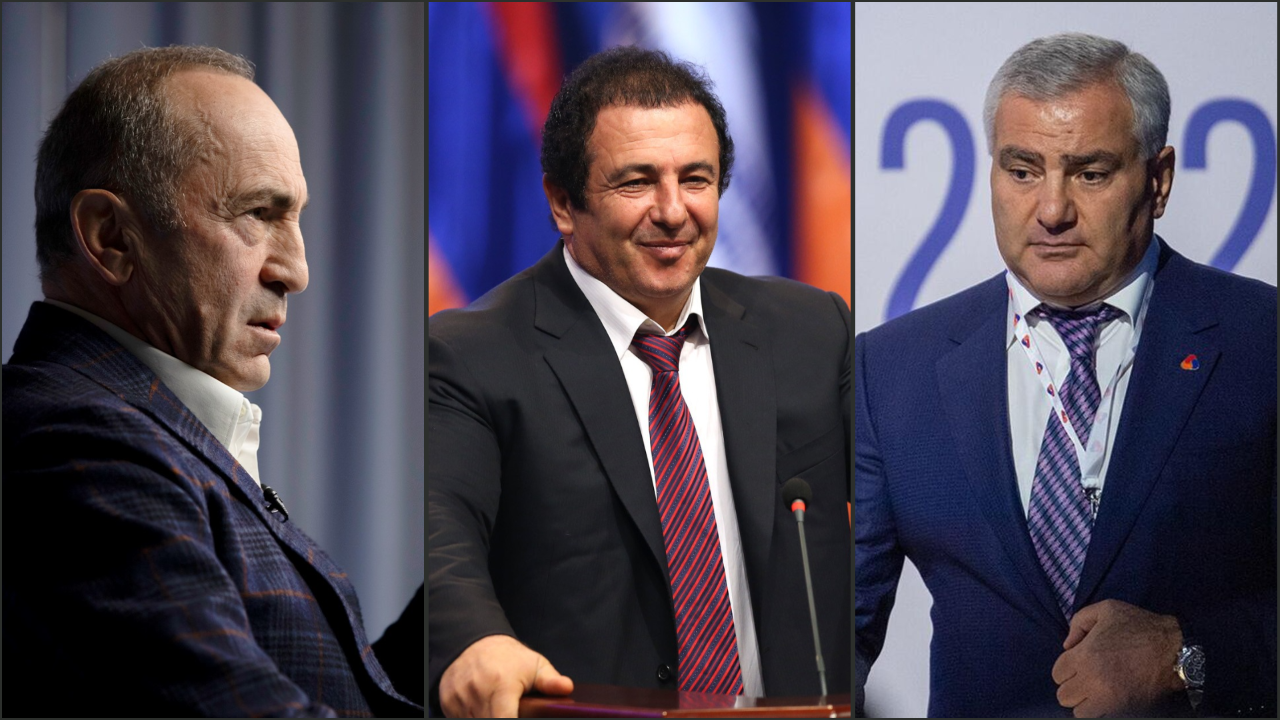
Observers generally regard four political forces as the main contenders in Armenia’s parliamentary elections:
- the Civil Contract party, led by incumbent Prime Minister Nikol Pashinyan;
- the Armenia Alliance bloc, headed by former president Robert Kocharyan;
- the recently established Strong Armenia party, led by Russian-Armenian businessman Samvel Karapetyan;
- the Prosperous Armenia party of businessman Gagik Tsarukyan.
Beyond terms such as “loser”, “big man” and “scum”, Armenian politicians have added expressions like “street thugs”, “agents”, “revanchists and corrupt figures”, and “bastards” to their political vocabulary.
Politicians now say to each other at campaign events what social media users have been writing about them online for years.
Few people still care who started it or when it began. The cycle has taken on a life of its own. Politicians have largely ignored calls from Armenia’s human rights defender and civil society groups to observe basic standards of political ethics.
Here is what Prime Minister Nikol Pashinyan said about the son of one of the country’s wealthiest businessmen, Gagik Tsarukyan, leader of the Prosperous Armenia party:
“Gagik Tsarukyan, has your tongue grown longer? I’m telling you, we will drag your puppy back from Belarus by the scruff of the neck and hold him accountable. You won’t be able to run anywhere, puppy. Your father won’t save you.”
The businessman’s son, Nver Tsarukyan, is on an international wanted list following an incident at a casino in the resort town of Tsakhkadzor. A confrontation reportedly broke out between him, his security guards and casino staff. The incident involved gunfire.
Nver Tsarukyan later left the country. Authorities have linked him to a criminal case involving alleged hooliganism and robbery.
Many Armenians believe that, regardless of those allegations, such language was inappropriate for the country’s leader because it involved a politician’s family.
In Tsarukyan’s case, however, Pashinyan went even further. The dispute expanded beyond rhetoric and into threats affecting business assets. The prime minister announced the start of a process to nationalise the Ararat cement plant, which belongs to Tsarukyan.
Pashinyan also said:
“We will begin returning Gagik Tsarukyan’s houses to the people. And I am telling you this: by 2031, Tsarukyan’s mansion on the hill must become a care centre for the elderly.”

Smear campaigns and revelations from international media
As it later turned out, candidates for parliamentary seats were only warming up. The campaign soon moved beyond inflammatory rhetoric to include compromising material and high-profile revelations.
Whether those claims are true or false has, in many ways, become secondary. Law enforcement agencies continue to examine some of the allegations and reports of possible crimes. At the same time, most observers recognise that Armenia is going through a major political contest, one that inevitably produces sensational accusations.
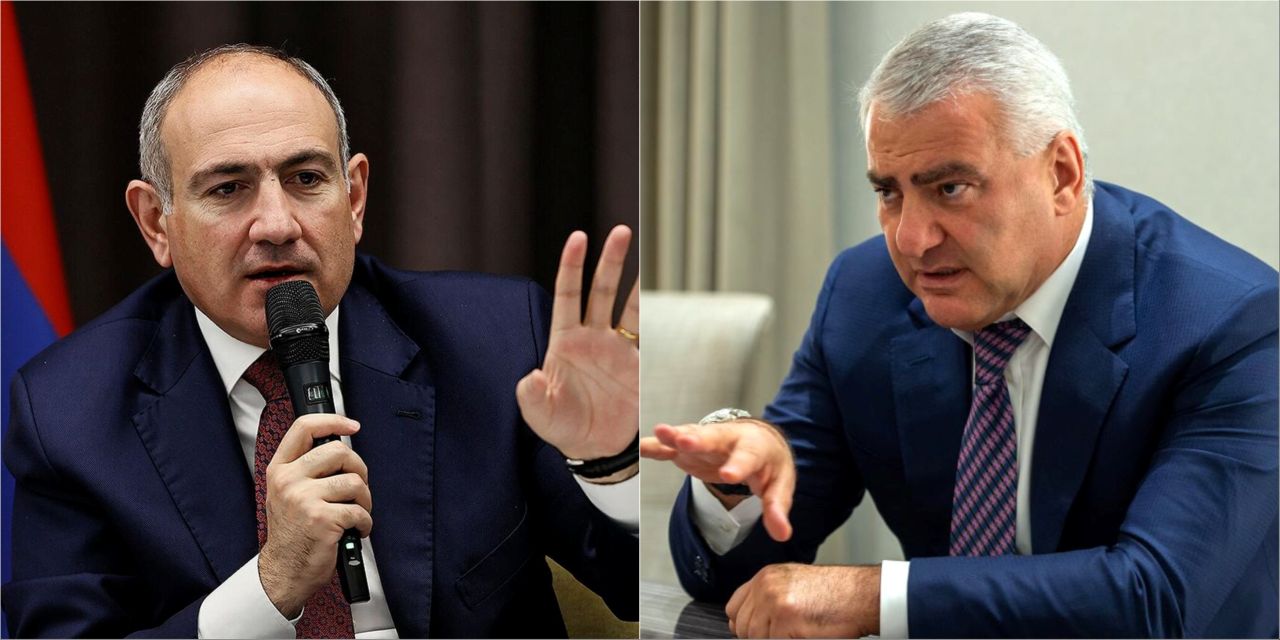
Among other “bombshell revelations”, Samvel Karapetyan claimed that Prime Minister Nikol Pashinyan owns property in Canada.
“Pashinyan will enjoy his house in Canada after bringing so much misery to Armenia.”
In response, the prime minister filed a second lawsuit against the leader of the Strong Armenia party. The first concerned Karapetyan’s claim that Pashinyan uses hallucinogenic mushrooms before public appearances.
The campaign has produced no shortage of scandals.
The publication The Insider released an investigation into what it described as Kremlin efforts to influence the outcome of Armenia’s parliamentary elections and remove Pashinyan from power.
Among other claims, the investigation alleged that Karapetyan had previously worked for Russia’s Federal Security Service (FSB).
Armenian officials quickly circulated the report and again accused Karapetyan of acting on Moscow’s behalf and serving Russian interests.
Before Armenian society had time to absorb that revelation, another controversy emerged. Reports claimed that Narek Karapetyan, the top candidate on Strong Armenia’s electoral list, holds Russian citizenship.
The Investigative Committee later said that the parliamentary candidate had concealed information about his foreign citizenship. Investigators subsequently opened a criminal case under the relevant article of the law.
The courts are unlikely to consider the case before election day. As a result, many observers see the affair primarily through the lens of Armenia’s election campaign.
The issue of peace and war
Unsurprisingly, the candidates failed to establish a constructive dialogue. Yet politicians remained true to form and focused on their strongest arguments. Another defining feature of this election is that the main campaign messages and political selling points were clear from the outset.
The campaign slogan of Prime Minister Civil Contract is: “Stand for Peace.”
The prime minister describes his opponents as a “three-headed war party”, referring to the political forces led by Samvel Karapetyan, Robert Kocharyan and Gagik Tsarukyan.
Pashinyan has even named a specific timeframe for a possible new war if he loses office — the autumn of this year.
The ruling party presents the initialling of a peace agreement with Azerbaijan as one of its key achievements. Its argument is straightforward: the opposition does not intend to continue Pashinyan’s policy towards Azerbaijan.
According to the prime minister, all three opposition forces advocate a “revision of the peace” established with Azerbaijan.
In practical terms, he says, this would mean refusing to sign a peace treaty, halting the border delimitation and demarcation process, and rejecting constitutional changes. It would also involve bringing the Karabakh issue back to the forefront.
Pashinyan’s party argues that such a course could trigger a new war, one that might ultimately cost Armenia its sovereignty and territorial integrity.
The opposition, however, rejects claims that its policies would lead to conflict.
Former president Robert Kocharyan has argued that Pashinyan, who led Armenia during a war that ended in defeat, has no right to frighten the public with warnings of another war.
Kocharyan contends that, if the current prime minister remains in power, he will continue making concessions to Azerbaijan on every major disputed issue.
Among those issues, Kocharyan cites proposed constitutional changes and the question of enclaves.

The leader of the Strong Armenia party, Samvel Karapetyan, has gone even further. He claims that another term for Prime Minister Nikol Pashinyan would result in the resettlement of 300,000 Azerbaijanis in Armenia.
“If we fail to stop the influx of 300,000 Azerbaijanis into Armenia, which Nikol Pashinyan and Ilham Aliyev have planned, none of our economic programmes will be achievable. The main jobs will go to Azerbaijanis. That is why, at the first meeting of our government, we will adopt the most important law for our country. It will prohibit Azerbaijanis from buying our land, buying our homes or receiving land as a gift.”
At the same time, Armenia’s current constitution already prohibits all foreign citizens — not only Azerbaijanis — from purchasing land in the country.
Karapetyan does not mention that fact. However, representatives of the ruling party have repeatedly highlighted it in response to his claims.
Russian agents and a possible shift in foreign policy
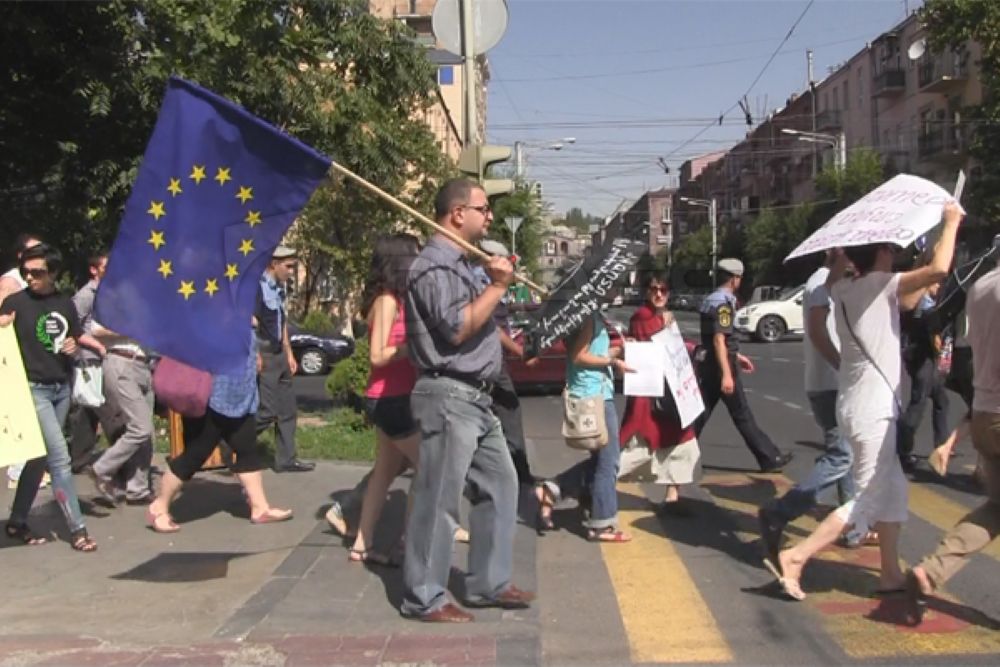
Among other things, Armenia’s current parliamentary elections stand out because the leading candidates are offering voters distinct foreign policy visions in the event of victory. In previous elections, few politicians openly discussed European integration. Even fewer spoke about what they saw as Moscow’s attempts to interfere directly in Armenia’s internal affairs. This time, however, those themes have become central to the campaign. The ruling party has been the main force promoting them.
- ‘Russia trying to send tens of thousands of voters to Armenia’s elections’: debate in Yerevan
- Pressure from Russia on Armenia ahead of elections: economy as tool of influence
- Leak reveals secret documents on Russia’s hybrid attacks against Armenia
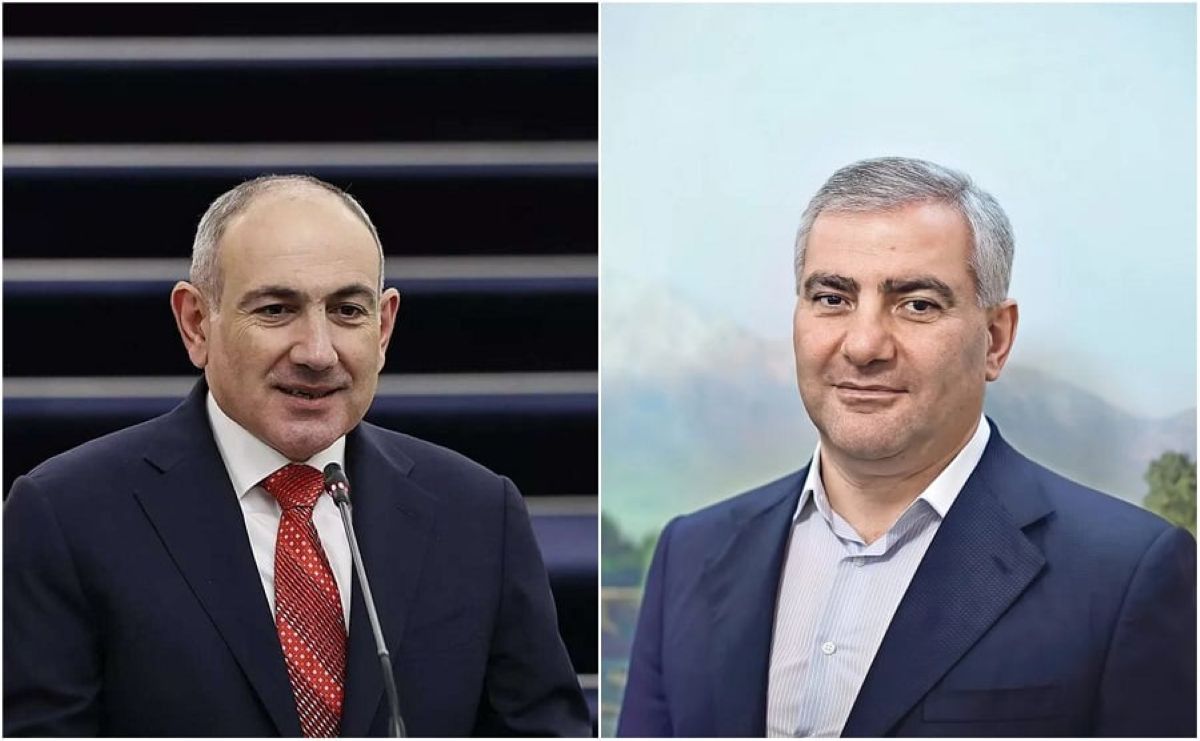
Prime Minister Nikol Pashinyan and his team routinely describe Samvel Karapetyan, Robert Kocharyan and Gagik Tsarukyan as Kremlin-backed candidates and agents of Russian influence.
Government representatives openly argue that a change of power would place Armenia under much stronger Russian influence and reverse the country’s achievements in building closer ties with the West.
The opposition, for its part, does not deny that its victory would bring noticeable changes to Armenia’s foreign policy. In this context, opposition leaders identify the restoration of relations with Moscow as a key priority.
According to opposition politicians, if Armenia fails to rebuild those ties, the country could become heavily dependent on Azerbaijan and Turkey.
They argue that Ankara has yet to agree to fully open the border with Armenia. They also contend that, if economic relations with Russia deteriorate further, Armenia would have to reorient its economy towards Western markets. The shortest route to Europe, however, runs through neighbouring Turkey.
The opposition claims that, in pursuit of this strategy, Pashinyan is prepared not only to abandon Karabakh but also to compromise elements of Armenian national identity.
Among the issues they cite are the symbolic role of Mount Ararat and the place of the Armenian Genocide in the country’s historical memory and public discourse.
A pivotal election for Armenia
Both camps argue that the outcome of this election could determine Armenia’s future. Where they differ is in their assessment of the main threat facing the country.
For the government, the greatest danger is a new war, further territorial losses and Armenia’s eventual return to a state of complete dependence on Russia.
Prime Minister Nikol Pashinyan and his team argue that only the current course — signing a peace agreement with Azerbaijan, demarcating borders and normalising relations with neighbouring states — can preserve Armenia’s statehood and sovereignty.
According to the authorities, any attempt to reverse these processes would trigger a new escalation. They warn that such a scenario would force Armenia to seek protection under Russia’s military and political umbrella once again and would effectively deprive the country of an independent foreign policy.
The opposition presents the exact opposite argument.
Its leaders contend that Pashinyan’s policies are leading not to peace but to a gradual loss of Armenia’s agency in favour of Azerbaijan and Turkey.
They argue that continued concessions to Baku, the abandonment of previous “red lines” and efforts to open a “peace era” at any cost will ultimately leave Armenia economically, politically and even demographically dependent on its neighbours.
In this view, Armenia risks becoming a weak state that must take the interests of Ankara and Baku into account on virtually every major issue.
Political analyst Robert Ghevondyan summarised the competing narratives:
“For the past five or six years, the ruling party has argued that a change of power would lead to war in Armenia or the wider region. They link this message to the peace agenda they introduced and present their policies as a guarantee of peace.
The main opposition, by contrast, argues that Armenia’s statehood will come under threat if the current government remains in power. The authorities naturally respond with the opposite claim. The opposition says statehood is at risk, while the government says the opposition is leading the country towards war.”
Does an opposition victory mean Armenia would return to Russia’s sphere of influence?
Ghevondyan has little doubt.
He notes that the leading opposition figures have long expressed openly pro-Russian views. Samvel Karapetyan also holds Russian citizenship. For that reason, his name does not appear on his party’s electoral list.
“If pro-Russian forces come to power — and I primarily mean Samvel Karapetyan and Robert Kocharyan — Armenia’s foreign policy will undergo a 180-degree shift. Armenia will deepen its relations with Russia and freeze its relations with the West. There is really nothing to debate here. These political forces and their associates openly say they are ready to cooperate with Russia. They believe Armenia should not pursue foreign policy steps that contradict Russian interests.
On the other hand, I am not convinced that, if the current authorities win re-election — which remains the most likely scenario — Armenia will move directly towards Europe. Armenia has already crossed lines in its relationship with Russia that make a safe return to Russia’s sphere of influence unlikely. I do not see such a possibility. But I also cannot guarantee that Pashinyan’s Civil Contract party will move towards the European Union quickly and without hesitation,” the analyst said.
What voter surveys suggest
Despite the unprecedented intensity of the campaign and the barrage of accusations exchanged by rival camps, opinion polls indicate that a large share of Armenian society remains either undecided or deeply disillusioned with politics.
According to the latest survey by International Republican Institute, 40% of respondents do not trust any political leader. Another 13% either declined to answer or said they did not know whom they trusted.
At the same time, Prime Minister Civil Contract retains a clear lead in voter preferences.
The poll gives Civil Contract 32% support, compared with 6% for Strong Armenia, led by Samvel Karapetyan, 4% for the Armenia Alliance bloc of Robert Kocharyan, and 3% for Gagik Tsarukyan’s Prosperous Armenia.
However, almost a quarter of respondents (23%) remain undecided, while more than 20% declined to reveal their voting intentions.
The figures suggest that, despite the ruling party’s strong lead in the polls, a significant portion of the electorate remains politically disengaged or is still weighing its options.
As a result, the outcome of the election may ultimately depend on which political force succeeds in winning over these undecided voters.
Armenia’s 2026 parliamentary elections