
Brazil and South Africa have signed a defense cooperation agreement following an official visit by South African President Cyril Ramaphosa to Brazil, AzerNEWS reports, citing foreign media.
Month: March 2026
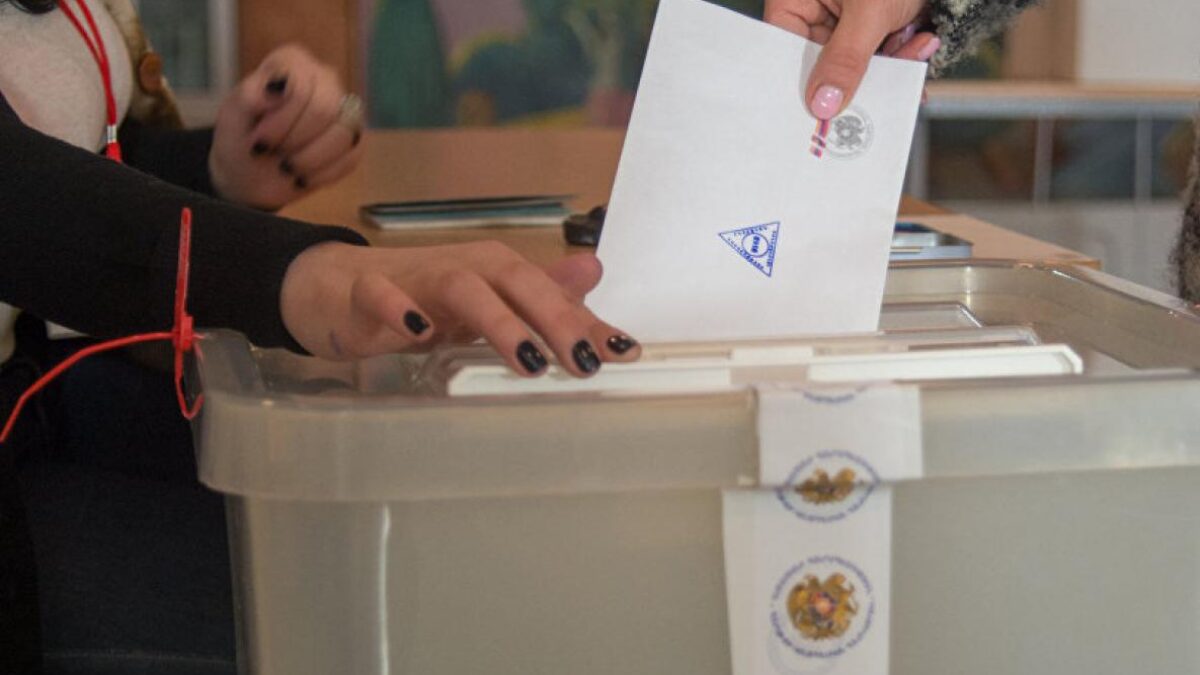
Russia tries to send voters to Armenia
In Armenia, officials and analysts discuss a statement from the Foreign Intelligence Service about attempts by the intelligence services of another country to influence the parliamentary elections scheduled for June. According to the SVR statement, those services pressure people of Armenian origin and Armenian citizens who live in that country. They allegedly urge them to travel to Armenia and vote “in the required way.” Organisers promise payment and compensation for travel expenses.
The Foreign Intelligence Service did not name the country involved. During a weekly briefing, journalists asked Prime Minister Nikol Pashinyan why the authorities had not disclosed where Armenian citizens face pressure.
“This is a question of the scope and expediency of information. I think more detailed explanations will be provided later — if necessary,” he replied.
Pashinyan said these actions require a legal assessment. At the same time, he expressed confidence that the plan would not work as its organisers expect.
“I have already said that I have no doubt that if such a situation arises [he meant the participation of Armenians living outside the country in the elections], in theory the majority of our compatriots, our citizens living in Russia, will vote for us [his party],” the prime minister said, indicating that the SVR statement referred to Russia.
Representatives of civil society also believe that pressure on Armenian voters comes from Moscow.
Daniel Ioannisyan, a member of the Independent Observer bloc, told Radio Azatutyun (Radio Liberty) that the group knew about the process organised in Russia even before the SVR announcement. After receiving the information, the bloc began collecting evidence. It spoke publicly about the issue only after the topic entered public debate.
According to Ioannisyan, organisers plan to bring about 80,000 voters from Russia to Armenia. Each voter was promised what he described as “an electoral bribe of 100,000 roubles.”
The SVR and law enforcement agencies have not said which political force the organisers want these voters to support. However, representatives of Armenia’s ruling party point to the Strong Armenia party. Russian citizen and dollar billionaire Samvel Karapetyan leads that party. Authorities currently hold the businessman under house arrest in Armenia after he called for the seizure of power. He has announced his candidacy for prime minister, although the constitution does not allow him to hold the post because he holds citizenship of Armenia, Russia and Cyprus.
Here is what is known so far, along with a political analyst’s comment.
- ‘Goal is to turn Armenia into a Russian outpost’: Samvel Karapetyan named as prime ministerial candidate
- Awaiting end of war in Ukraine: Russia’s intentions in South Caucasus
- Opinion: ‘Everything must be done to ensure Russian Railways leaves Armenia’
Statement by the Foreign Intelligence Service
“The Foreign Intelligence Service has received intelligence indicating that in several countries various actors, acting on behalf of the host country’s intelligence services, are trying to pressure people of Armenian origin and citizens of the Republic of Armenia who conduct economic activity in those countries.
Through such pressure, they push them to take actions in support of certain political forces that have applied to participate in the upcoming parliamentary elections in Armenia. These actions may include, but are not limited to, financial and organisational support provided by the above-mentioned businessmen to those political forces,” the intelligence service said on 10 March.
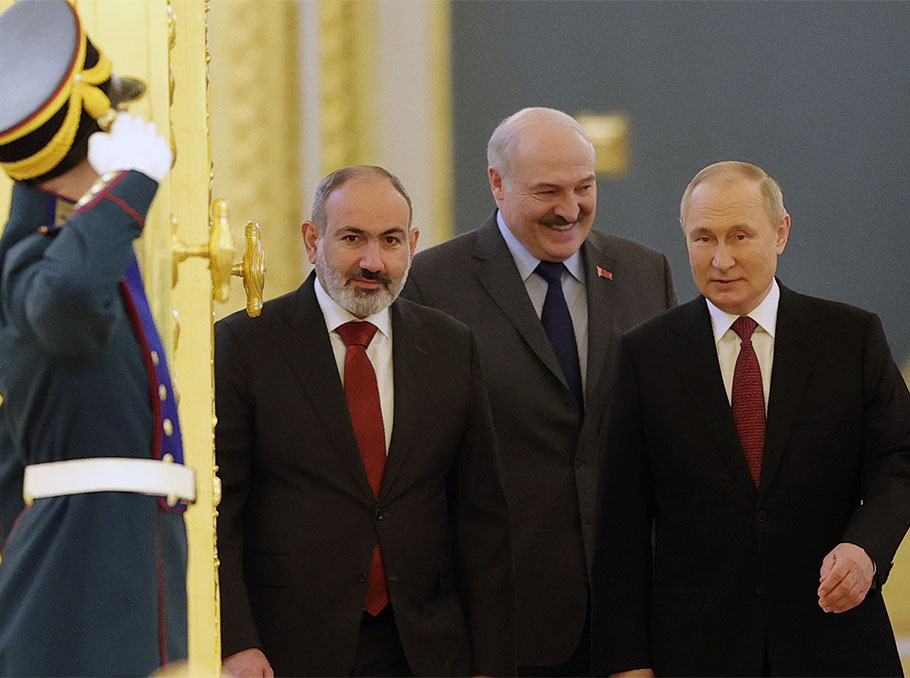
“Possible criminal activity will be neutralised”: response from law enforcement
“Any unlawful influence or interference in the electoral process requires a legal assessment. We urge you to remain vigilant. If you have information about such cases, contact the police immediately,” the Interior Ministry said shortly after the Foreign Intelligence Service released its statement.
Police officers carried out “control measures” and then passed information about the alleged crime to the Investigative Committee. The case concerns obstruction of the free exercise of voting rights. It also involves coercion to participate in elections through material or other forms of dependence.
The Investigative Committee said it already has information about “obstruction of individuals’ free exercise of electoral rights by offering material incentives.” Leaders and responsible figures from several Armenian parties carried out these actions.
The Investigative Committee also said:
“Acting on behalf of the intelligence services of another country, various actors — including major businessmen from that country, leaders of Armenian communities and criminal authorities — are putting pressure on people of Armenian origin and citizens of the Republic of Armenia who conduct economic activity in another country. They urge them to take actions in support of parties that have applied to participate in the upcoming parliamentary elections in Armenia.”
In return, the message says, organisers promise to “arrange travel from another country to Armenia, reimburse transport costs and cover accommodation expenses in Armenia.”
Authorities have opened a criminal case. The Investigative Committee says it will take all necessary measures to “neutralise possible criminal activity.”
‘Russia’s FSB is putting pressure on Armenian businessmen‘
Daniel Ioannisyan, a member of the Independent Observer bloc, said the NGO had submitted a report to Armenia’s Prosecutor General about actions by Russia’s Federal Security Service (FSB).
He claims that the FSB is pressuring Armenian businessmen. They are being forced to finance “the mobilisation and transport to Armenia of voters who live in Russia but hold Armenian citizenship.”
According to Ioannisyan, the aim is to change the government in Armenia after the elections scheduled for 7 June:
“According to the information we have, they are working to ensure that a particular political force wins the election. We will definitely publish evidence as soon as we obtain it.”
He said organisers plan to bring about 80,000 people from Russia alone.
They will not rely only on air travel. Organisers plan to transport some citizens to Armenia by land. According to Ioannisyan, several companies have already booked buses for late May and early June.
At the same time, Daniel Ioannisyan says pressure is also being applied to Armenians living in Georgia who hold dual citizenship.
He said Georgian authorities are not involved in this process, unlike in Russia. “Criminal elements” are putting pressure on Armenians in Georgia. He also says there is “a Russian trace” in this case. Many Armenians travel from Georgia to Russia for work. People warn them that they will lose their income if “they do not comply with the demands.”
Commentary
Political analyst Ruben Meghrabyan said:
“Intelligence services usually act on decisions taken by political authorities. Without their approval, there would have been no public statement.
This statement means that Russia has declared war on Armenia as a sovereign state and a democracy.
In essence, Russia is trying to use thousands of Armenians as a tool against the Republic of Armenia.
All this requires a tough response from the state. The state must accept this challenge. A warning alone is not enough. In this war we must destroy these attempts at the very beginning. Otherwise they will destroy our state.
And those unfortunate businessmen who, in the fifth year of the Russia–Ukraine war, believe that their life and work in Russia offer a solution are mistaken. It is a problem. My appeal is: kill Russia within yourselves and return to Armenia. Russia is over for you if it uses you against your own state.”
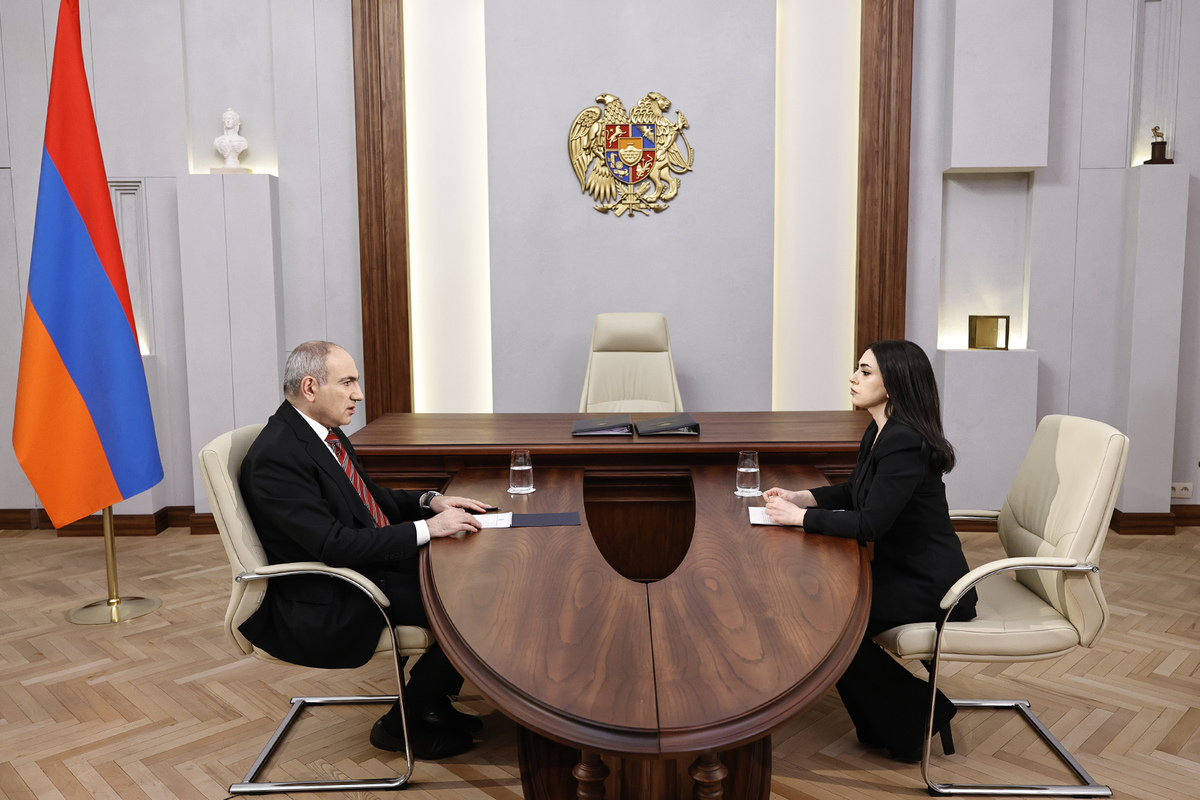
Russia tries to send voters to Armenia

According to Georgia’s Prime Minister Irakli Kobakhidze, instead of banning the import of cars older than six years, the government will significantly increase the tariff for their customs clearance. The authorities say the decision is linked to environmental goals. However, experts argue that in practice it will simply make importing older vehicles much more expensive.
Higher tariff instead of a ban
Kobakhidze said that under the new regulation, the excise tax for cars older than six years will be set at 4.5 lari (about $1.66) per cubic centimetre of engine capacity. This means that importing older vehicles will not be prohibited, but the cost of clearing them through customs will rise sharply.
According to the government’s explanation, the change is aimed at protecting the environment and improving air quality. Kobakhidze said the adjustment to the regulation was made taking into account the interests of the private sector and citizens.
“This decision is important for environmental protection — safeguarding the environment and ensuring clean air is our main motivation,” he said.
Under the new rules, the excise tax on cars older than six years will rise sharply. Previously, the excise duty for vehicles aged between six and nine years started at around 0.80 lari ($0.29) per cubic centimetre of engine capacity and increased as the vehicle aged, reaching a maximum of 2.4 lari ($0.88). Under the new regulation, the rate jumps to 4.5 lari, representing an increase of roughly 200–500%.
The price will depend directly on engine capacity. For example, importing a 2017 hybrid car with a two-litre engine previously cost about 1,800 lari ($663) in excise tax. Under the new rules, the tax would rise to around 9,000 lari ($3,315).
For right-hand drive cars, the excise rate will continue to be three times higher.
Revision of the initial decision
Initially, the government planned much stricter measures. On 12 February, Kobakhidze said that from 1 April Georgia would completely ban the import of cars older than six years, with the exception of electric vehicles.
At the time, the authorities also justified the move as an environmental measure, saying the regulation would not affect re-exports or citizens who already own older vehicles.
However, the initiative soon faced criticism both from business groups and in political circles. Even Dimitri Khundadze, a representative of the ruling party’s satellite group People’s Power, said the decision should be reconsidered.
In the end, the authorities opted to introduce a financial barrier instead of a full ban. The step formally leaves the import of older cars possible, but makes it significantly more expensive.
According to economist Roman Gotsiridze, the import of cars older than six years is effectively banned — simply through very high duties.
“This makes importing used cars essentially pointless,” the economist said.
Import of cars over six years old into Georgia