
Kazakhstan approves intelligence cooperation deal with Armenia
qazinform.com/news/kazakhsta…
#SDGAi #kazakhstan #armenia #asia #southcaucasus #intelligence #cooperatiom #resolution— SDGAi (@SdgAi63797) Mar 30, 2026
Day: March 30, 2026
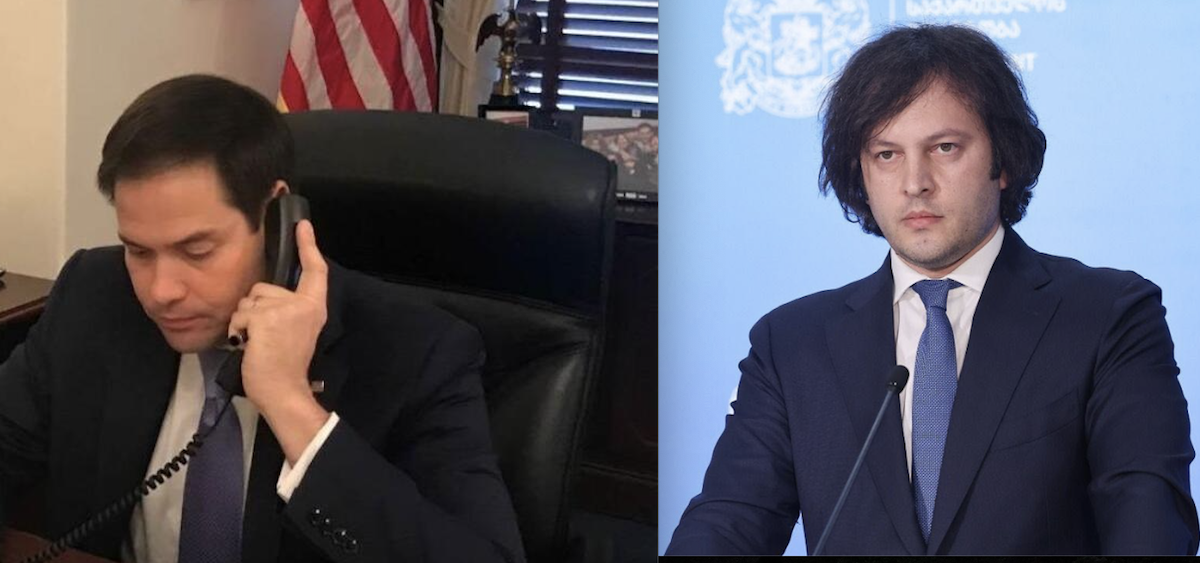
Rubio spoke with Kobakhidze
U.S. Secretary of State Marco Rubio held talks with Georgian Prime Minister Irakli Kobakhidze. The U.S. State Department released the information. According to the statement, they discussed areas of mutual interest including security in the Caucasus and Black Sea region.
Irakli Kobakhidze, in turn, says he held a productive phone call with Marco Rubio, during which they discussed a “reset of the partnership” and Georgia’s role in the Caucasus region.
“I had a productive phone conversation with Secretary of State Marco Rubio. We discussed the importance of resetting our partnership and strengthening Georgia’s role as a strong partner in the South Caucasus.
We are committed to deepening ties between Georgia and the United States, promoting regional stability, and enhancing connectivity,” Kobakhidze said.
News in Georgia
There are many unforgettable days in the history of Azerbaijan—moments that are forever engraved in memory and cannot be erased from the pages of history. Unfortunately, alongside many glorious chapters, there are also pages filled with tragedies and acts of genocide. Throughout all stages of its history, our people have endured suffering in order to protect their land, state, and statehood. One of these horrific events was the mass massacres committed with particular cruelty in March–April 1918 by armed Dashnak-Bolshevik groups operating under the mandate of the Baku Soviet.
Categories
LoLdle — Privacy Policy
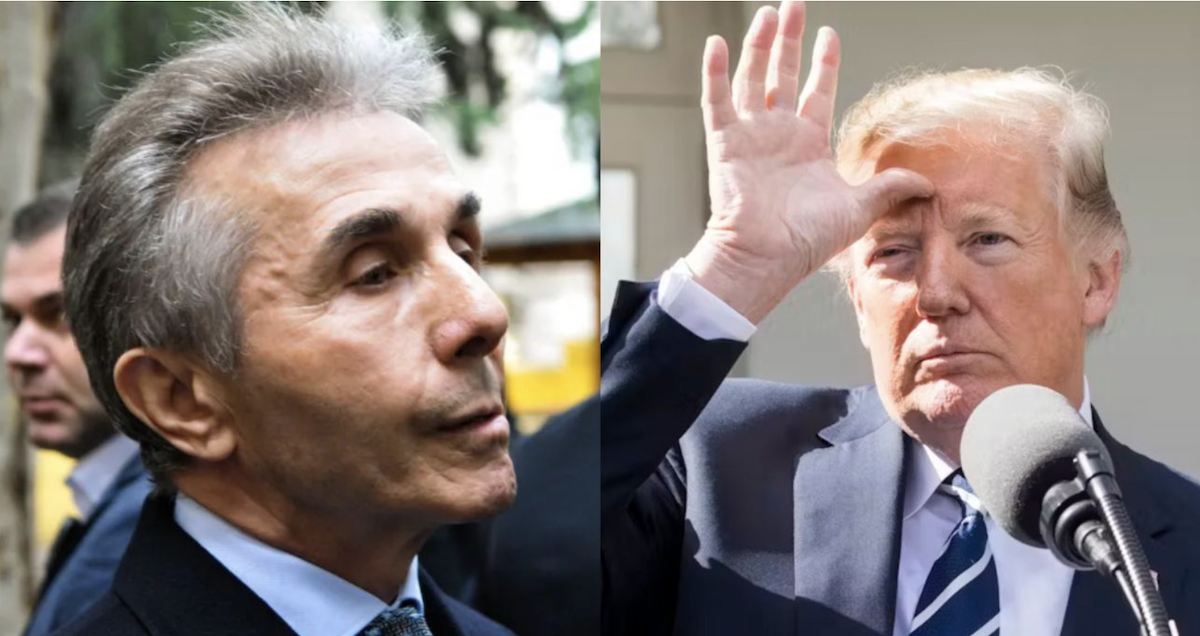
U.S. sanctions against Ivanishvili
U.S. President Donald Trump has extended the sanctions against Russia introduced by the previous administration of Joe Biden. These sanctions also include Georgia’s informal ruler and founder of the ruling Georgian Dream party, Bidzina Ivanishvili.
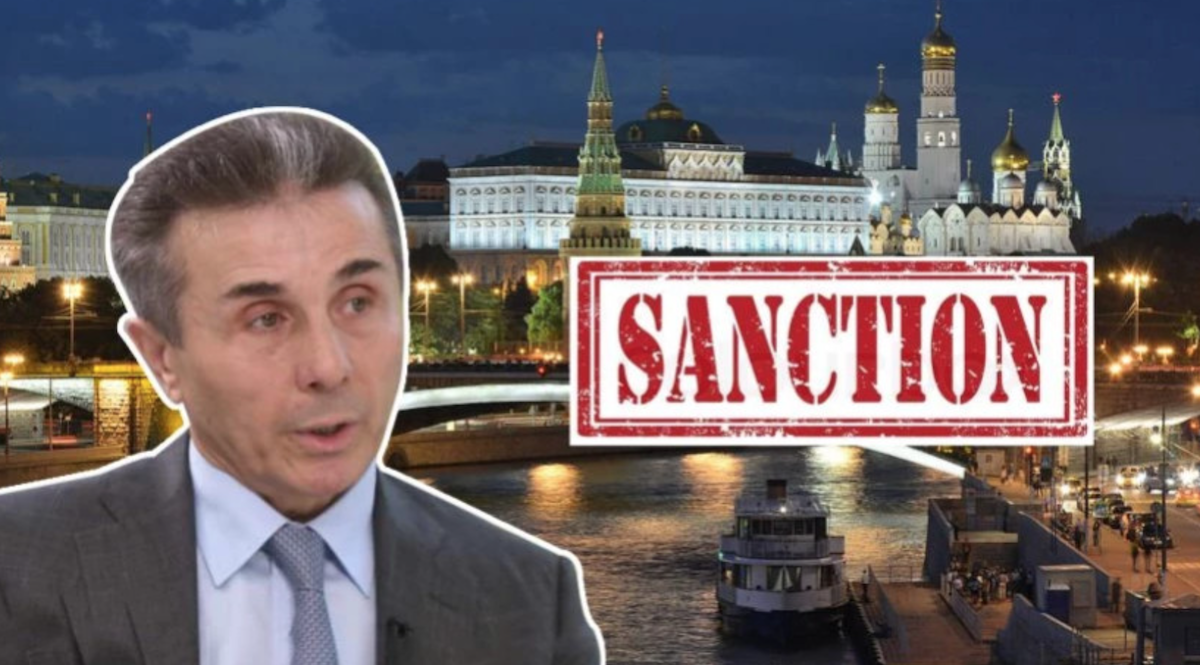
What is Executive Order 14024?
Executive Order 14024 is the primary legal instrument under which the United States imposed some of its toughest economic sanctions on Russia. Issued on April 15, 2021, by the Joe Biden administration, it was designed to respond to threats posed by Russia.
The order targets actions by Russia considered significant to U.S. national security.
It is also under this order that financial sanctions were imposed on Bidzina Ivanishvili on December 27, 2024. A formal notification from the U.S. president, along with a report, was submitted to the Senate Committee on Banking, Housing, and Urban Affairs.
What Trump says in his message to Congress
In his official message to Congress, Donald Trump states:
Specified harmful foreign activities of the Government of the Russian Federation – in particular, efforts to undermine the conduct of free and fair democratic elections and democratic institutions in the United States and its allies and partners; to engage in and facilitate malicious cyber-enabled activities against the United States and its allies and partners; to foster and use transnational corruption to influence foreign governments; to pursue extraterritorial activities targeting dissidents or journalists; to undermine security in countries and regions important to United States national security; and to violate well-established principles of international law, including respect for the territorial integrity of states—continue to pose an unusual and extraordinary threat to the national security, foreign policy, and economy of the United States.
For this reason, the national emergency declared in Executive Order 14024, which was expanded in scope in Executive Order 14066, and with respect to which additional steps were taken in Executive Orders 14039, 14068, 14071, 14114, 14329, and 14384, must continue in effect beyond April 15, 2026.
Therefore, in accordance with section 202(d) of the National Emergencies Act (50 U.S.C. 1622(d)), I am continuing for 1 year the national emergency declared in Executive Order 14024.
What sanctions against Bidzina Ivanishvili imply
1. Asset freeze (blocking of property)
- All property and property interests of the sanctioned individual within U.S. jurisdiction are fully frozen.
- Any transfer, withdrawal, use, access, or financial transactions involving these assets are prohibited.
For individuals on the Specially Designated Nationals (SDN) list, this is the strictest sanctions regime.
2. Transaction ban
- U.S. citizens and companies are prohibited from conducting transactions with the sanctioned individual or providing services.
3. Risk of secondary sanctions
- Foreign companies that engage with SDN-listed individuals risk facing secondary sanctions themselves and losing access to the U.S. market.
4. Financial isolation
- The sanctioned individual may lose access to U.S. financial institutions and the dollar-based financial system.
- Foreign banks (including Georgian banks) that conduct significant transactions for such individuals risk losing access to U.S. correspondent banking services, effectively cutting them off from the global financial system.
5. Visa and travel restrictions
- The sanctioned individual is typically banned from entering the United States. Similar restrictions may also be imposed by U.S. allies.
6. Reputational damage
- Sanctions severely damage reputation, making any business dealings with the individual a major reputational risk internationally, including in Europe and other jurisdictions that support U.S. sanctions.
News in Georgia