
Armenia, Greece to elevate ties to strategic level armenpress.am
Day: March 25, 2026
Azerbaijan’s fertilizer exports declined significantly in the first two months of 2026, reflecting shifting dynamics in the country’s agricultural input market.As reported by AzerNEWS, citing data from the State Customs Committee of Azerbaijan, the country exported 70,200 tons of fertilizers worth $22.05 million in January–February.
This represents a year-on-year decrease of…
Azerbaijan recorded a rise in exports of ferrous metals and related products in the first two months of 2026, while imports in the same category declined slightly, AzerNEWS reports. According to data from the State Customs Committee of Azerbaijan, Azerbaijan exported 11,700 tons of ferrous metals and products made from them, valued at…
The “Supreme Court” of the Russian-occupied Ukrainian region of Donetsk sentenced Georgian national Shmagi Dighmelashvili in absentia to 14 years in a “maximum-security penal colony” for fighting on Ukraine’s side “as a mercenary.” He has been placed on an international wanted list.
The Donetsk de facto prosecutor’s office said in a March 23 statement that Dighmelashvili, 42, joined the Georgian National Legion in March 2022. The Georgian National Legion is a prominent unit of mostly Georgian fighters who have been fighting in Ukraine since 2014. In 2024, Russia designated it as a terrorist organization in Russia.
The de facto prosecutor’s office said that Dighmelashvili underwent military training at a Ukrainian Armed Forces training base and fought against Russian troops through 2025. It further claimed that he received 3.5 million rubles as a “reward.”
Also Read:
- 07/03/2026 – De Facto Donetsk Court Sentences Georgian Lawyer Beka Basilaia to 14 Years in Absentia
- 11/02/2026 – Donetsk Court Sentences Georgian Fighter in Ukraine to Life in Prison
- 03/02/2026 – Donetsk Court Sentences Georgian Opposition Politician to 6.5 Years for Fighting in Ukraine
- 26/12/2025 – Russia-Backed Court Sentences Georgian Medic to 15 Years in Absentia
The world woke up in February 2026 to a nightmare scenario that many geopolitical analysts had warned about for decades, yet few were truly prepared to withstand. As the conflict between Israel, the United States, and Iran escalated from shadow boxing to direct, high-intensity kinetic warfare, the front lines quickly moved beyond the borders of the Middle East. Today, the battlefield is not just the deserts of the Levant or the facilities in Isfahan; it is the gas pump in Berlin, the pharmacy in Lagos, and the grain silos in Jakarta.
“Moscow Mechanism” and Georgia
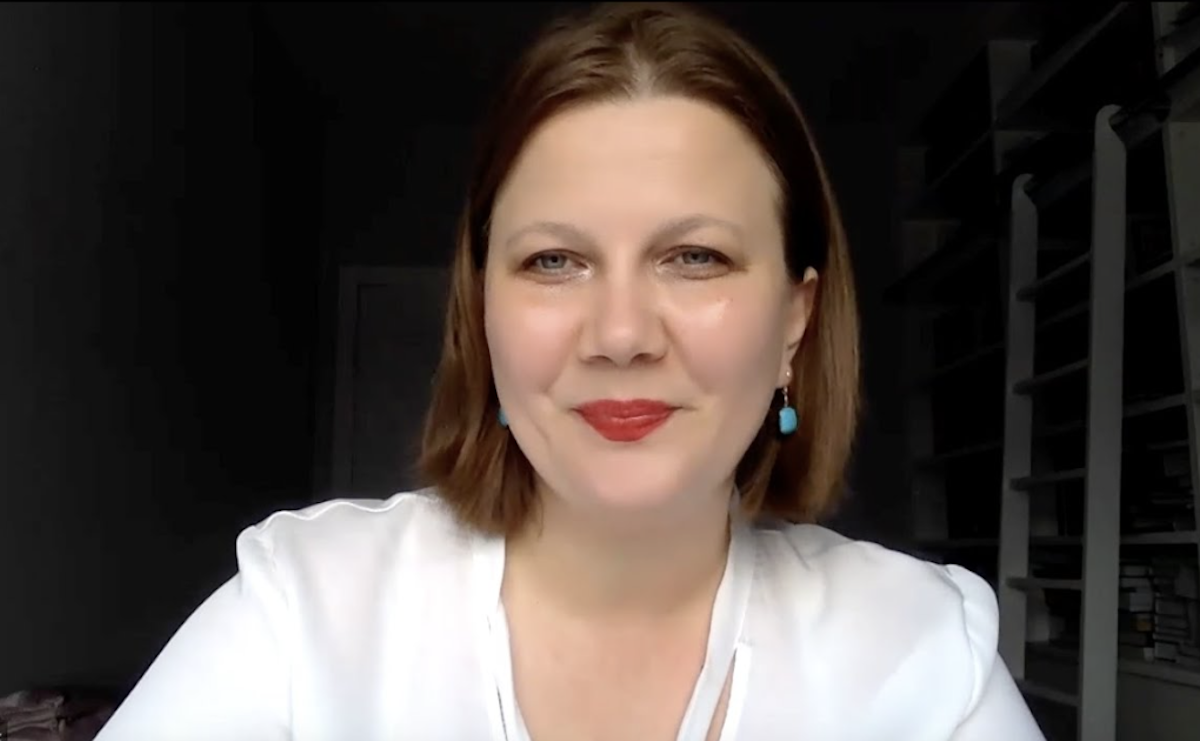
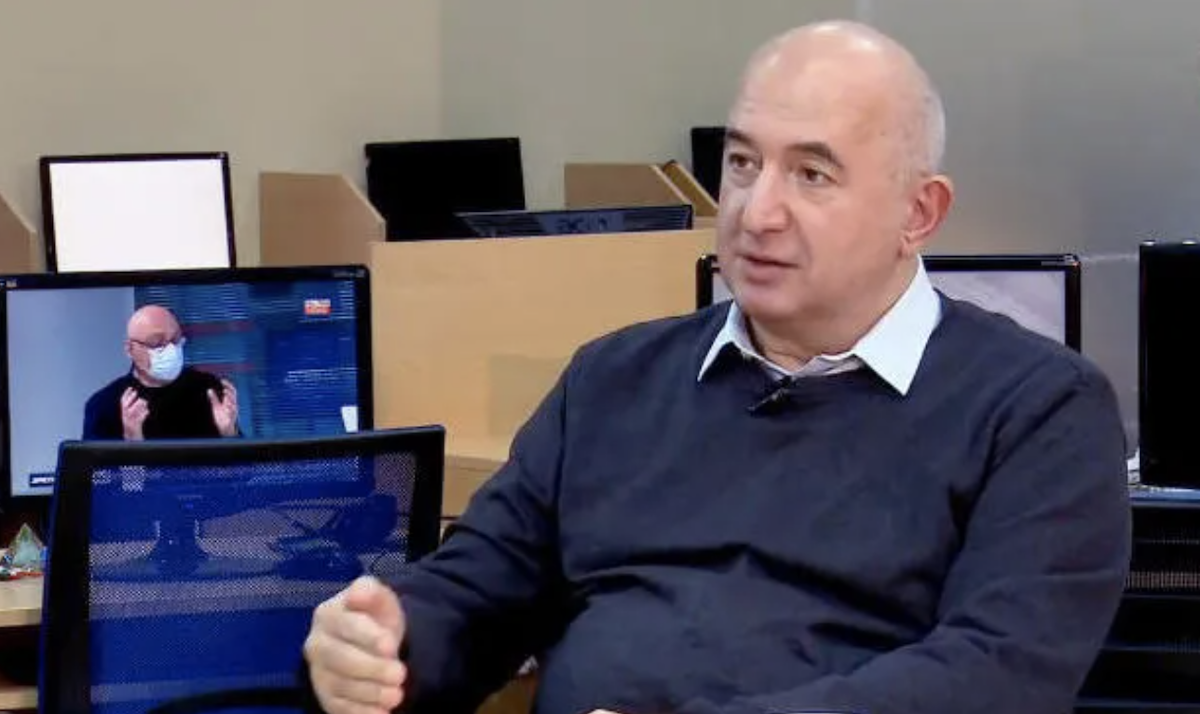
Patrycja Grzebyk, author of the Georgia report prepared under the OSCE’s “Moscow Mechanism”, has given an interview to the Georgian TV channel Formula.
Grzebyk called on the ruling Georgian Dream party to repeal what she described as repressive laws and to release those detained on political grounds “immediately and unconditionally”.
She also noted that the “Moscow Mechanism” report examines possible international legal responses, including the potential role of the International Criminal Court.
Systematic violence
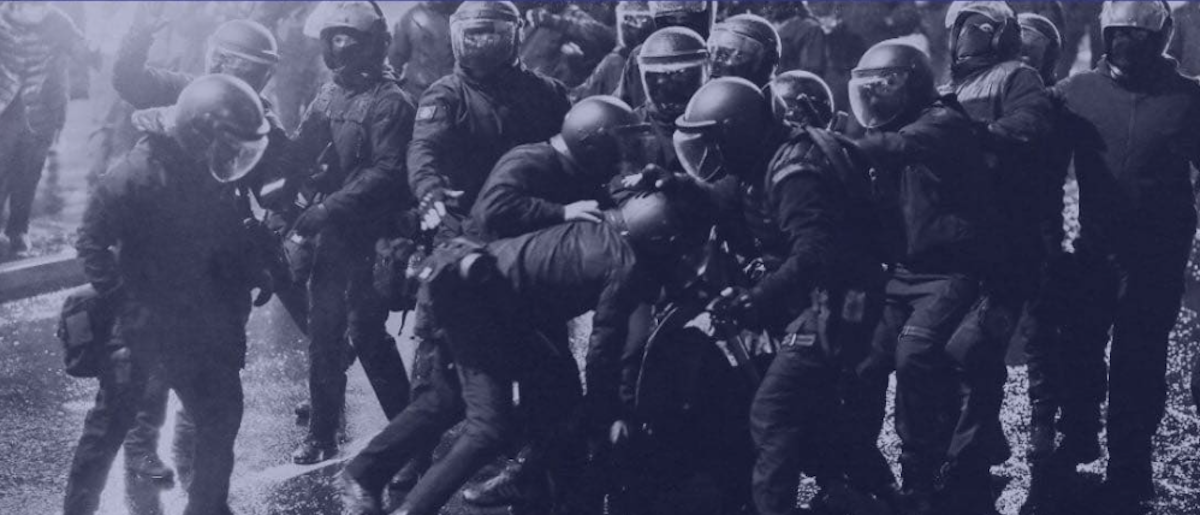
According to Grzebyk, the report identifies a clear pattern: violence against protesters, journalists, and opposition figures is not a series of isolated incidents, but a recurring practice.
She added that an analysis of documents, witness testimonies, and interviews confirmed that some victims showed signs consistent with ill-treatment and torture. In her view, this is particularly concerning, as the scale of abuse goes beyond individual cases and points to a systemic problem.
Repressive laws and restrictions on rights
The report also places particular emphasis on legislative changes adopted in recent years. According to Grzebyk, these measures significantly restrict the rights to freedom of assembly, expression, and association, while also infringing on the right to privacy.
She highlighted in particular the expansion of “foreign agents” legislation, which she said creates conditions for shrinking civic space and makes critics of the authorities more vulnerable to persecution.
The expert also referred to the coordinated use of criminal prosecution against opposition figures under both criminal and constitutional law. She added that the lack of accountability for acts of violence reinforces a culture of impunity.
Fair trial concerns
Grzebyk said her discussions with lawyers revealed systemic shortcomings in judicial proceedings: both ordinary protesters and opposition leaders are denied fundamental guarantees of a fair trial.
In her view, this points to a broader trend — the erosion of democratic standards and a weakening of political pluralism.
Journalists as a target
The report also highlights the difficult situation faced by representatives of Georgia’s independent media. According to Grzebyk, attacks on journalists during demonstrations were often carried out specifically because of their professional work, which can be seen as direct pressure on media freedom.
Prospects for international justice
Grzebyk emphasised that the report explores the possible use of international legal mechanisms, including the role of the International Criminal Court (ICC).
According to her, the violations described in the report — including persecution and ill-treatment — could, under certain conditions, be classified as crimes against humanity. However, she stressed that she is not calling on specific institutions to launch investigations, but rather pointing to the existence of such mechanisms.
In her view, states may consider both the application of universal jurisdiction and referrals to international courts, particularly if the issue of accountability is not addressed at the national level.
Response to government criticism
Addressing attempts by the ruling Georgian Dream party to portray the report as politically motivated, Grzebyk rejected this claim, stating that her work is based on properly documented facts and verified sources.
She said she had acted as an independent expert and that all conclusions presented in the report were prepared in line with professional standards.
Responsibility of states
Grzebyk emphasised that her mission is now complete and that responsibility lies with states and international organisations.
Whether they act on the report’s recommendations will depend on political will and the international response.
Context
On 12 March 2026, an OSCE “Moscow Mechanism” report was published, pointing to a deterioration in human rights and fundamental freedoms in Georgia. The nearly 217-page document provides a detailed account of developments in the country since early 2024, including democratic backsliding, human rights violations, pressure on the media, the prosecution of protesters and opposition figures, and the adoption of repressive laws.
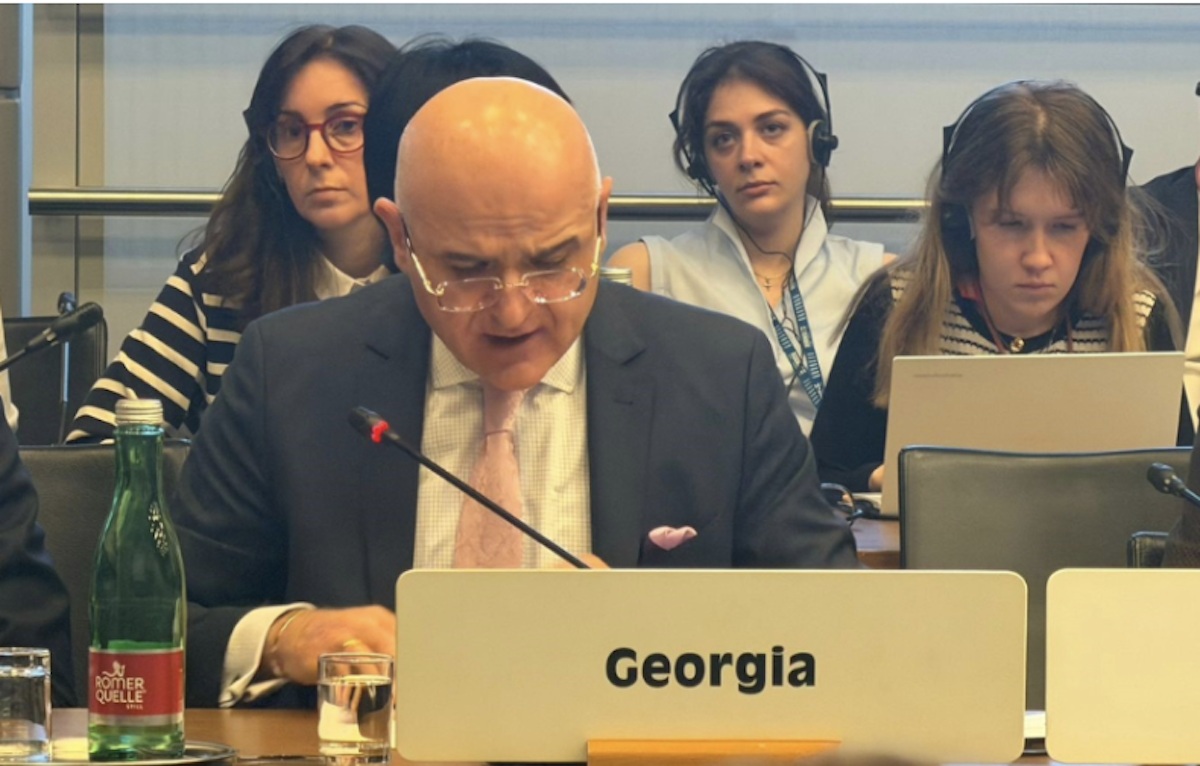
The Georgian government criticised the report, saying it does not reflect the full political and legal reality in the country. According to Georgia’s permanent representative to the OSCE, Alexandre Maisuradze, the document contains factual inaccuracies, selective interpretations, and politically biased conclusions, which, he argued, call its credibility into question.
“Moscow Mechanism” and Georgia
Georgian state universities will accept twice as many students for bachelor’s and master’s programs in 2028-2029, as more applicants are expected amid education reforms, which will reduce both school and bachelor’s program lengths.
In particular, for 2028-29 enrollment, student quotas for bachelor’s programs at state universities will double “since school students in 11th and 12th grades will graduate at the same time,” the Education Ministry said on March 25, adding that quotas will also double for master’s programs “because most bachelor’s programs have switched to a three-year model” and that students enrolling in bachelor’s programs in 2024 and 2025 will also graduate together.
Under Georgian Dream’s controversial education reforms, the 12th grade at school will become optional from the 2028–2029 academic year. Students who wish will still be able to enrol, but enrolment will no longer be compulsory. Meanwhile, a “repetitorium” will be offered to 11th-grade students to help them prepare for the Unified National Examinations. At universities, most bachelor’s programs that currently follow a four-year model will shift to a three-year program.
The broader university overhaul envisions decentralizing higher education from the capital, introducing a “one city – one faculty” principle, and shifting from the current 4+2 bachelor’s and master’s model to a 3+1 system. Changes at the school level include state-approved unified textbooks for public schools, mandatory uniforms for grades 1–6, a ban on mobile phones during class hours, and a reduction in schooling from 12 to 11 years, among other measures.
Critics have raised concerns about potential purges in state universities and risks to international study opportunities for Georgian students.
In February’s major decision, Georgian Dream assigned faculties and disciplines to specific universities under its one city – one faculty principle, eliminating them at others. The move particularly hit Ilia State University, one of Georgia’s most reputable and government-critical institutions, which had 92% of its programs cut and was left with only pedagogy and select STEM disciplines. The announcement sparked protests from students and staff.
Georgian Dream had also planned to merge the country’s two major historic public universities, Georgian Technical University (GTU) and Ivane Javakhishvili Tbilisi State University (TSU), but dropped the plan after resistance from students and parts of the academic community.
Also Read: