
Xiaomi Corp. reported a strong finish to 2025, announcing in its fourth-quarter earnings that revenue rose 7.3% year-on-year to 117 billion yuan ($17 billion), surpassing market expectations and marking the fifth consecutive quarter above the 100 billion yuan threshold. However, profit fell 24.7% to 6.5 billion yuan ($950 million), reflecting rising costs and investments in technology and expansion, AzerNEWS reports, citing foreign media.
Day: March 24, 2026
Moscow’s Tagansky District Court has sentenced Valeria Kichigina, a journalist at the independent Russian-language TV channel Dozhd, to ten years in prison in absentia, over her social media post on the August 2008 war, in which she wrote that “20% of Georgia is occupied by Russia.”
According to the channel, Kichigina was convicted under Russia’s 2022 law criminalizing the spread of “fake news” about the military, in what it says is the first known application of the law to content unrelated to the war in Ukraine. Kichigina was banned from posting materials online for five years.
Kichigina was charged over two social media posts in January: the 2023 Instagram story about the 2008 war and a repost of reporting on killings in the Ukrainian town of Bucha following Russia’s full-scale invasion in 2022.
The journalist says she is being persecuted due to her professional work and her coverage of the “Baymak case,” prosecutions linked to the mass protests in Russia’s Bashkortostan region in early 2024, widely seen as among the largest in recent years.
Also Read:
Categories
Google Earth – Pomoc
Oficjalne centrum pomocy Google Earth, gdzie nauczysz się jak eksplorować świat w 3D i oglądać różne rodzaje map. Dowiedz się więcej o trójwymiarowych mapach i budynkach. Poczytaj o opcji odwiedzenia księżyca, Marsa i oglądania mapy nieba. Naucz się korzystać z Google Earth na urządzeniach przenośnych i telefonach. Odkryj zaawansowane funkcje i przydatne porady. Znajdź …
🇬🇪 The minister went on to say that #Georgian authorities will have to accept the fact that #Abkhazia is an important player in the #BlackSea region and the #SouthCaucasus and that #Sukhum will continue to play a geostrategic role in this area.
— Abkhazia Post (@AbkhaziaP) Mar 24, 2026

Study on pensions in Georgia
In 20 of 39 European countries, pensions do not cover basic living costs, with Georgia ranking at the bottom of the list — state pensions there cover just 22% of essential expenses.
These are the findings of a new study by the UK-based company Moorepay, which specialises in payroll and HR solutions. The results were published by Euronews.
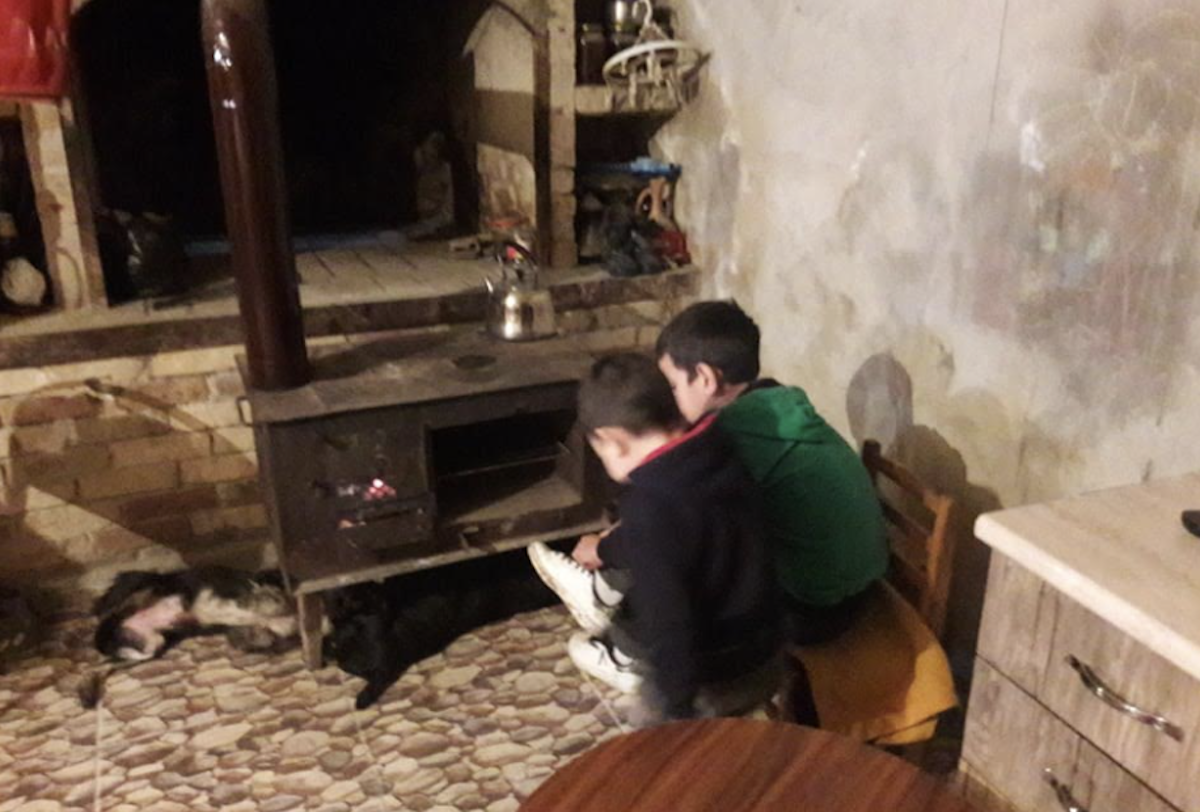
Pensions and real costs: what the study shows
The study is based on data available as of late October 2025 and assesses whether state pensions are sufficient to cover basic day-to-day expenses. It considers spending on food, transport, utilities and other essentials, but does not include rent.
Moorepay compiled data on average pension levels, while cost-of-living estimates were drawn from Numbeo, a database reflecting average prices across countries.
The findings highlight stark inequality: in 20 out of 39 European countries, pensions do not cover even minimum expenses.
Comfort in Western Europe
According to the study, the strongest social protection systems are found in Western and Northern Europe, where pensions not only cover basic needs but significantly exceed them.
Top-performing countries include:
- Luxembourg – 225%
- Italy – 210%
- Finland – 208%
- Spain – 199%
- Denmark – 189%
- Iceland – 179%
- Norway – 178%
- Germany – 176%
- Belgium – 170%
- Austria – 165%
- France – 160%
- Netherlands – 159%
- Sweden – 158%
- Switzerland – 131%
- Ireland – 126%
- United Kingdom – 120%
- Poland – 112%
- Czech Republic – 108%
- Greece – 103%
In these countries, pensioners can theoretically not only meet their basic needs but also maintain a financial buffer — a key indicator of social wellbeing.
The reality in Eastern Europe
The situation is markedly different in Eastern and South-Eastern Europe, where pensions often cover only part of basic expenses.
The figures for these countries are as follows:
- Slovenia – 95%
- Slovakia – 94%
- Estonia – 91%
- Portugal – 90%
- Montenegro – 89%
- Lithuania – 85%
- Croatia – 82%
- Hungary – 81%
- Bulgaria – 78%
- Romania – 73%
- Serbia – 68%
- Latvia – 65%
- Turkey – 64%
- North Macedonia – 61%
- Cyprus – 58%
- Bosnia and Herzegovina – 53%
- Moldova – 42%
- Ukraine – 29%
- Albania – 29%
- Georgia – 22%
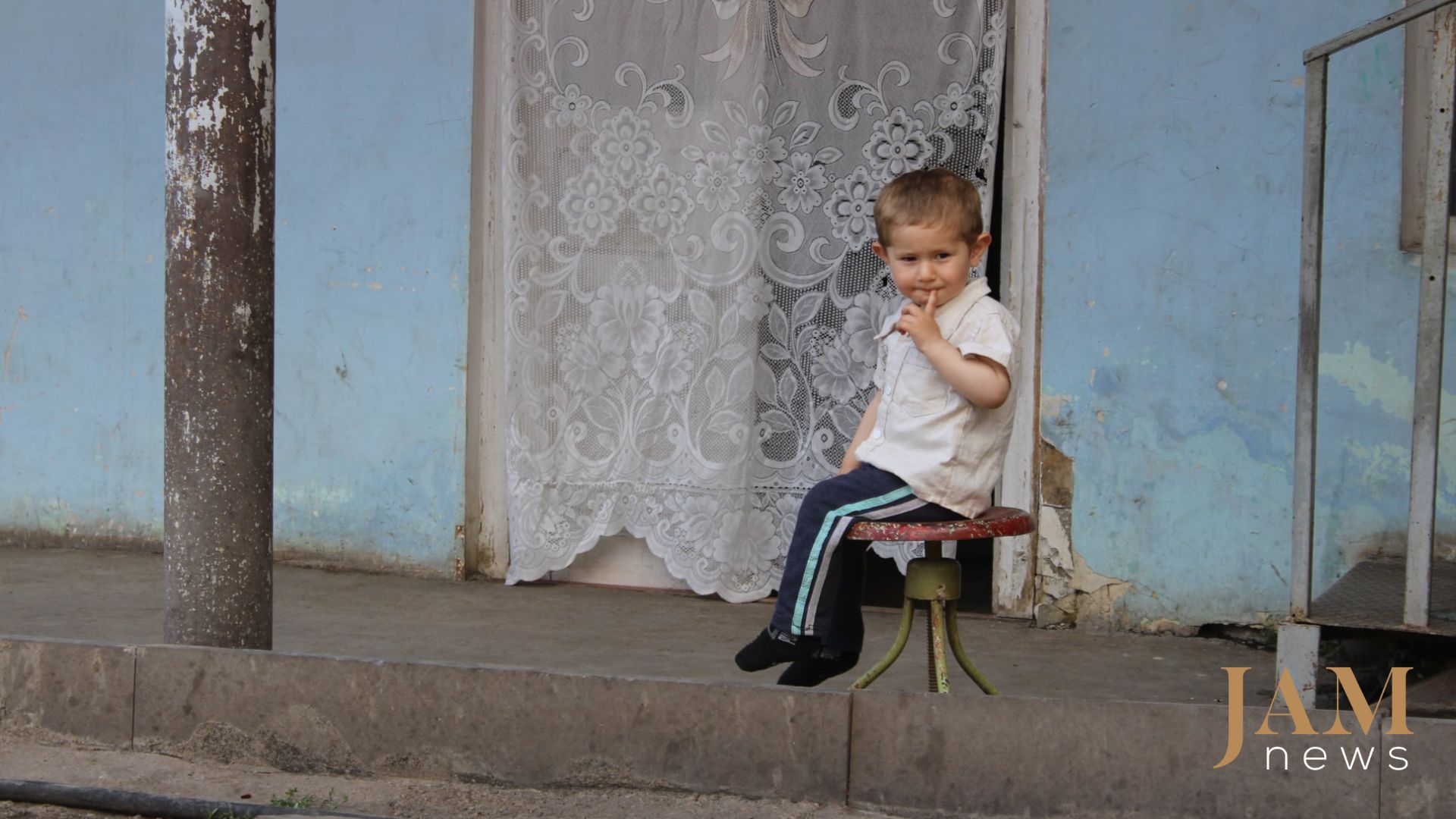
Georgia at the bottom of the list
According to the study, Georgia’s state pension covers just 22% of minimum living costs, although in reality the situation is more complex than the statistics suggest.
The country’s current old-age pension system is unified and fixed, meaning it is not linked to an individual’s work history or to actual inflation levels. As a result, pensions often lag behind rising prices.
This is particularly evident in categories essential for everyday life:
- food — especially due to rising prices of imported goods;
- medicines — given the high prevalence of chronic illnesses;
- utility bills — particularly during the heating season;
- transport.
Although the study does not include rental costs, in practice this is a decisive factor for many, especially those without their own housing.
One of the main survival mechanisms for pensioners in Georgia is family support. Many rely on financial assistance from children or other relatives, effectively creating an informal social safety net.
This trend is especially common in the regions, where job opportunities are limited and pensions are often the only stable source of income.

Study on pensions in Georgia