Categories
South Caucasus News

Irakli Kobakhidze Congratulates Mojtaba Khamenei on Election as Iran’s Supreme Leader


Georgian Dream Prime Minister Irakli Kobakhidze congratulated Ayatollah Mojtaba Khamenei on his election as Iran’s new Supreme Leader amid continued war in the Middle East.

“On behalf of the Government of Georgia, I congratulate you on your election as the Supreme Leader of the Islamic Republic of Iran. Georgia attaches great importance to the partnership between our two countries and peoples, founded on mutual respect,” Kobakhidze wrote in a message published by the government administration on March 10. “I wish the Iranian people peace and prosperity,” he added.

Mojtaba Khamenei, 56, was named successor to his father, Ayatollah Ali Khamenei, who was killed in U.S.-Israeli strikes on Iran. His election comes amid an ongoing regional war, as Iran has launched missiles and drones toward Gulf states and other targets in retaliation for U.S. and Israeli strikes.

U.S. President Donald Trump said he was “disappointed” and “not happy” with the selection of Mojtaba Khamenei. Israel’s Foreign Ministry called the new supreme leader “another tyrant,” saying on X that “Mojtaba Khamenei’s hands are already stained with the bloodshed that defined his father’s rule.”

Kobakhidze’s congratulatory message comes amid growing scrutiny of Tbilisi’s ties with Tehran and its stance on the ongoing war. The Georgian Dream government on March 2 extended condolences to both Iran and Israel, stating that “the ongoing hostilities have claimed the highest number of lives [in Iran], including the supreme leader, other political leaders, numerous innocent civilians, and dozens of children.”

On March 7, Georgia’s Foreign Ministry confirmed to local media outlets that a deputy foreign minister made an entry “analogous” to that government’s position in the book of condolences opened at the Iranian Embassy.

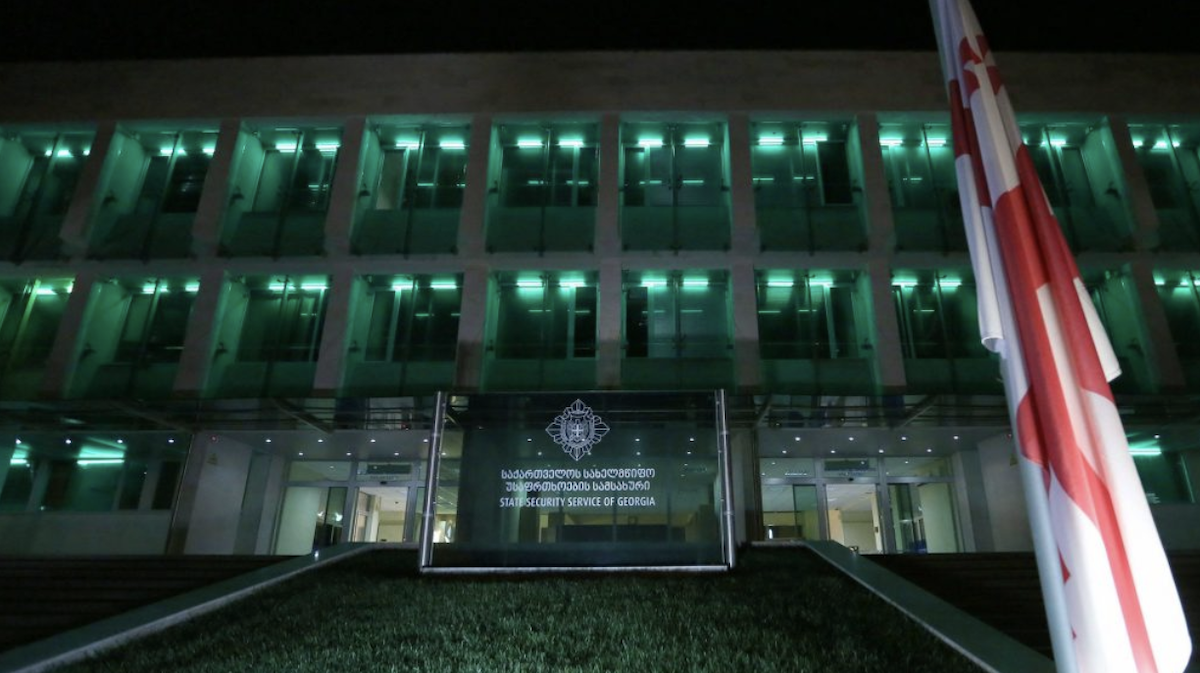
Meanwhile, Georgia’s State Security Service has opened a probe into public statements by experts, critics, and opposition figures about alleged recruitment practices by Iran in Georgia, saying it is examining the “contents” and “motives” of those allegations. The agency has summoned several pundits for questioning as part of the probe.

Also Read:

Categories
South Caucasus News

Average monthly salary in Baku increase nearly 9%


The average monthly nominal wage of employees in Baku reached 1,381 manat ($812) in 2025, AzerNEWS reports, citing the Baku City Statistics Department. According to the data, the figure represents an increase of 8.6% compared to 2024, when the average monthly salary in the capital stood at around…

Categories
South Caucasus News

Трамп назвал капманию в Иране “успешной”


Categories
South Caucasus News

President Ilham Aliyev approves amendments to Constitution of Nakhchivan Autonomous Republic


Changes to the Constitution of Azerbaijan’s Nakhchivan Autonomous Republic have been approved, AzerNEWS reports.

Categories
South Caucasus News

Türkiye deploys Patriot Air Defense Systems in Malatya


The Turkish Ministry of National Defence has announced the deployment of a Patriot missile system in Malatya, aimed at enhancing airspace protection, AzerNEWS reports.

Categories
South Caucasus News

Иран отказывается от переговоров с США


Categories
South Caucasus News

Wind Tuesday: Symbol of renewal and awakening


As March begins, Azerbaijan enters a time of eager anticipation, awaiting the arrival of spring, the rebirth of nature, and the beloved celebration of Novruz feast, AzerNEWS reports.

Categories
South Caucasus News

Hudson Institute president ‘concerned’ about investigation by Georgia’s state security service


Hudson Institute on Georgia security probe

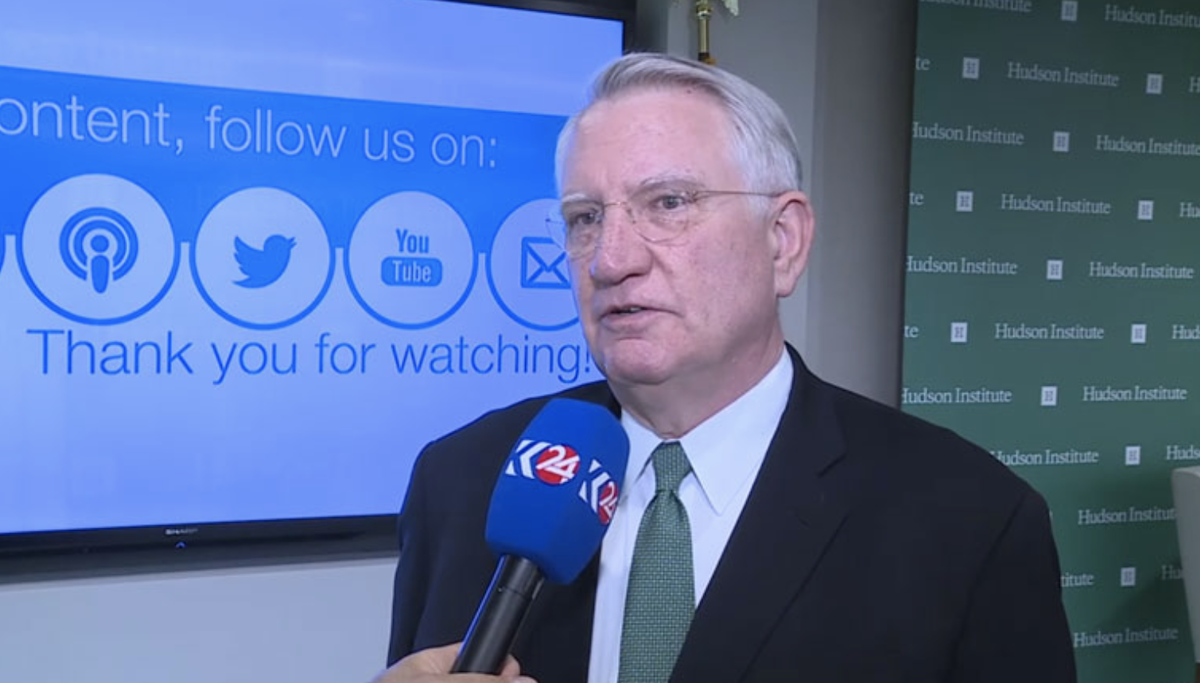
John Walters, president of the Washington-based conservative think tank the Hudson Institute, has expressed “serious concern” after Georgia’s State Security Service (SSG) launched an investigation linked to a report published by the institute on the growing influence of Iran in Georgia.

In a statement published on the social network X, Walters says the report relies on publicly available and verified information. He adds that the institute prepared the study fully in line with its standards.

He also argues that the report “should serve as a wake-up call,” given that many view Iran as a source of destabilisation in the region.

“Instead of investigating the authors of this report, the Georgian authorities should focus on its conclusions. They are based on publicly available information that the government should already have recognised,” Walters writes.

Background

The report titled “Georgia’s Turn Toward Iran: The Rapid Expansion of Tehran’s Influence in a Once Influential US Ally” was published on 3 March. Senior Hudson Institute fellow Luke Coffey and Giorgi Kandelaki, project manager at the Georgian Laboratory for Research of the Soviet Past (SovLab), wrote the study.

The authors argue that Iran’s political, religious, economic and cultural influence in Georgia has “sharply increased” in recent years. In some areas, they say, it has already taken on a “systemic” character.

The authors say this process forms part of a broader geopolitical realignment. They add that it also includes a rapprochement with Moscow.

According to their assessment, the trend also affects Georgia’s domestic political environment. It weakens democratic institutions, increases legal pressure on pro-Western media and NGOs, and undermines Georgia’s traditional partnership with the West.

A few days after the report appeared, on 7 March, Georgia’s State Security Service summoned several politicians and experts for questioning. They included opposition politician Gubaz Sanikidze, former defence minister Tina Khidasheli, report co-author Giorgi Kandelaki and former MP Givi Targamadze, among others.

Investigators appear to link the questioning both to the Hudson Institute report and to statements these individuals made in the media. Authorities disclosed the investigation later, and officials have not clarified its details at this stage.

Hudson Institute on Georgia security probe


Categories
South Caucasus News

Fitch: Iran conflict could boost Azerbaijan’s export and budget revenues


Rising energy prices triggered by escalating tensions around Iran could generate additional export and fiscal revenues for Azerbaijan, according to an assessment by Fitch Ratings. The agency emphasized that Azerbaijan has one of the highest shares of fossil fuel exports in GDP among selected developing economies. In particular, net fossil fuel exports account for…

Categories
South Caucasus News

Seventh U.S. Service Member to die in combat in Iran war returns to U.S. at Dover dignified transfer