
Day: February 25, 2026
According to him, Garabagh and East Zangazur have the potential to contribute at least 10 percent of added value to Azerbaijan’s gross domestic product in the future. This translates into approximately 15 billion manats of new economic value. Strategically, these regions organize gas exports and production, while also creating significant opportunities for expanding non-oil sector production and exports.This diversification is critical for reducing dependence on hydrocarbons and ensuring resilience against global energy market fluctuations.
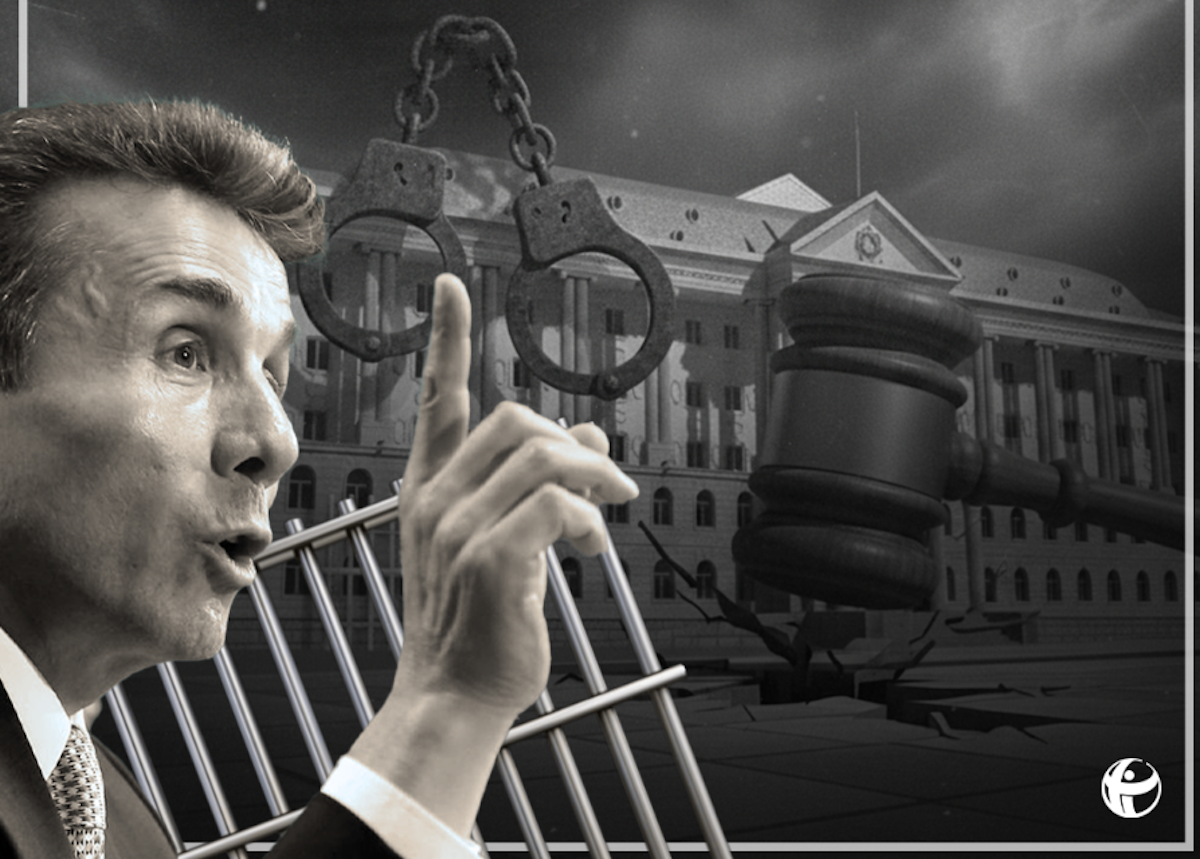
Transparency International Georgia (TI) says government-initiated amendments to the country’s Criminal Code, including a new offence titled “Extremism against Georgia’s constitutional order”, further criminalise the expression of critical opinions and risk turning journalists, activists and opposition politicians into potential offenders.
According to the organisation, the vague wording of the provisions gives the state broad scope to interfere with freedom of expression selectively and for political reasons.
On 18 February 2025, Georgia’s parliament passed in its second reading a legislative package introducing criminal liability for receiving funds from abroad without government approval if the money could be used to influence Georgia’s domestic or foreign policy. The new law provides for up to six years in prison, even where the payments relate to ordinary services permitted under existing legislation.
According to TI, new criminal provisions were added to the bill during its second reading in circumvention of the established procedural rules for initiating legislation, further expanding the scope of criminal liability.
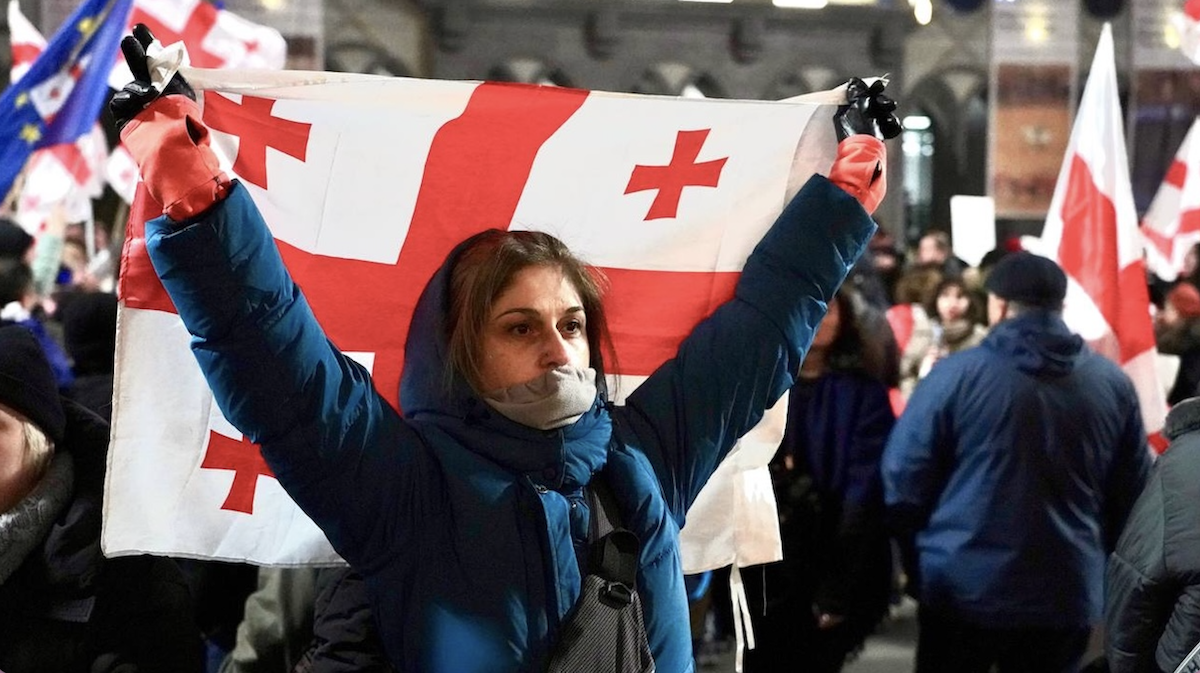
What the new article provides for
Article 316¹ — “Extremism against Georgia’s constitutional order” — is being added to the Criminal Code. It criminalises actions including:
- Systematic public calls to commit mass violations of Georgian law or to disobey state authorities;
- Systematic public calls to establish alternative governing bodies in Georgia;
- Unauthorised, public and systematic self-representation — or presenting another person — as a representative of Georgian state authorities;
- As well as “other systematic actions” aimed at promoting the perception that the constitutional order or state authorities are illegitimate, where such actions “harm Georgia’s interests or create a real threat”.
Penalties include a fine, community service or imprisonment for up to three years. Legal entities may face fines or liquidation.

Vague wording and the principle of legality
Transparency International Georgia (TI) says terms such as “other systematic actions”, “promoting a perception”, or a “real threat of harm to Georgia’s interests” are so broad that their interpretation is effectively unrestricted. The organisation notes that criminal law provisions must be clear and foreseeable — a standard protected by both Georgia’s Constitution and the European Convention on Human Rights.
In its statement, TI argues that it is virtually impossible to objectively measure a “perception”, meaning courts could rely on assumptions, which would contradict the evidentiary standard of proof “beyond reasonable doubt”.
TI also points to what it describes as an internal contradiction: under the principles of democratic constitutionalism, the interests of the state are not identical to the interests of a particular government. Therefore, arguments questioning the legitimacy of those in power cannot in themselves be regarded as harming state interests.
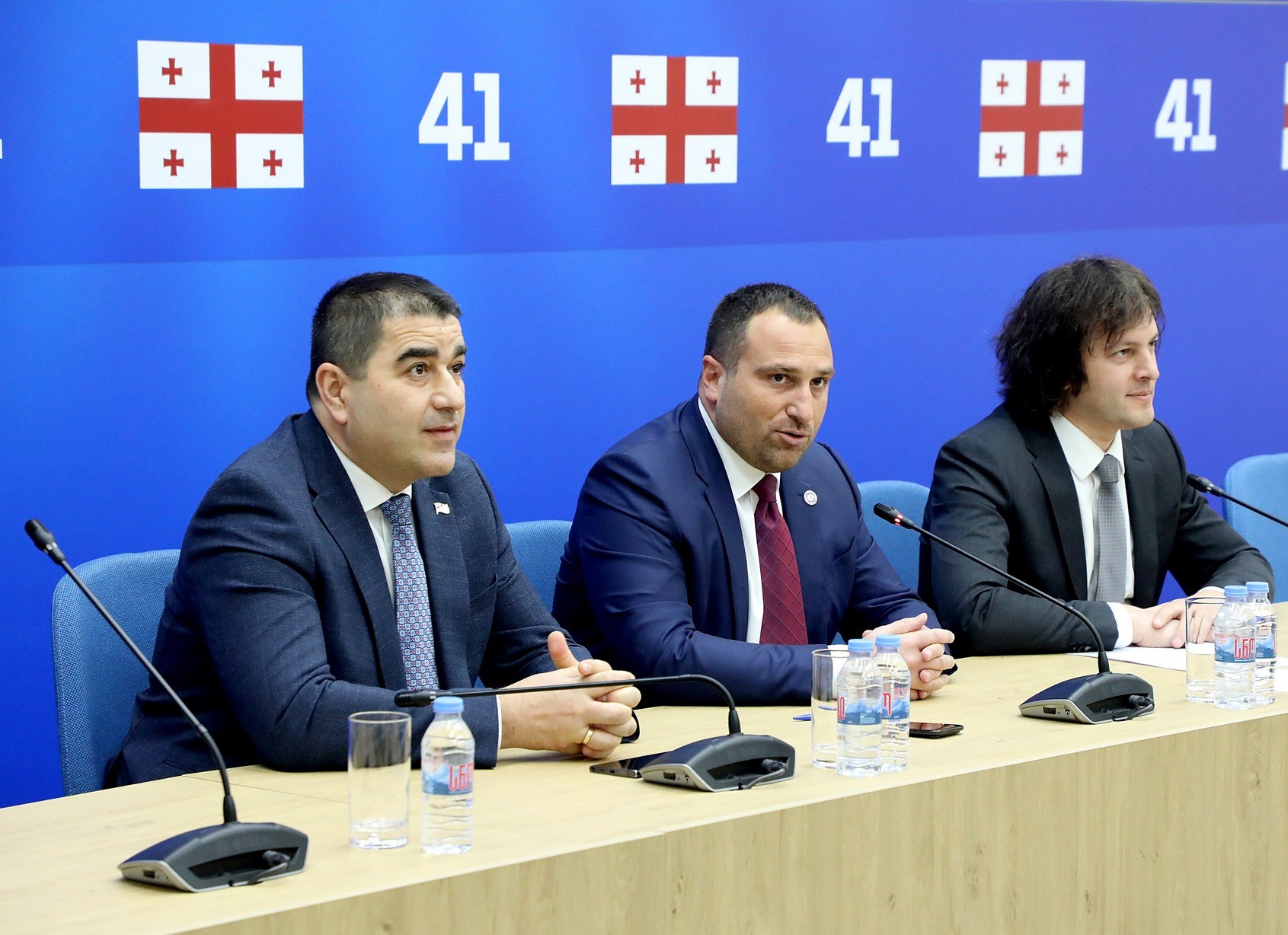
According to TI, the vague wording of the new law creates a risk of selective prosecution. The range of potential “offenders” is so broad that the legislation could be deliberately used against specific critical voices.
The amendments will also affect Article 53 of the Criminal Code, which sets out the general rules for sentencing. Under the new regulation, committing an offence “motivated by non-recognition of Georgia’s constitutional order or constitutional authorities” will be considered an aggravating circumstance. In such cases, the sentence must exceed the statutory minimum by at least one year.
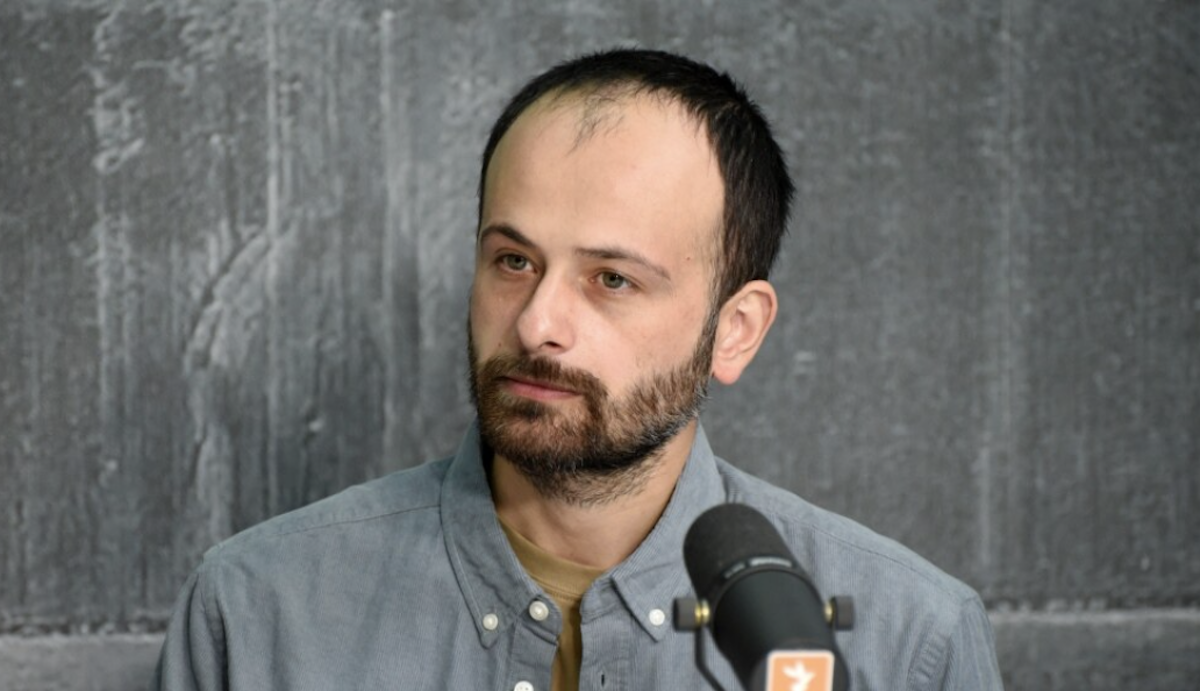
The same package of amendments to the Law on Grants includes an exemption for individuals employed by a foreign government, its representation, or an international organisation. They are released from the obligations established by the law and from the corresponding criminal liability.
TI on Georgia’s new extremism offence

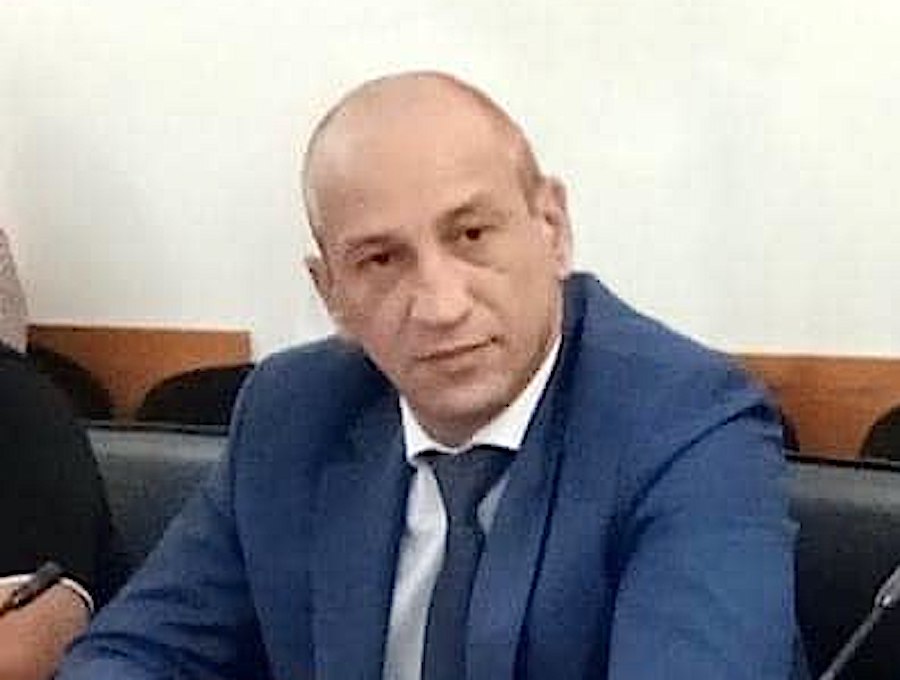
Abkhazia’s president, Badra Gunba, has yet to comment on opposition demands to dismiss the head of the presidential administration, Beslan Eshba, whose relatives allegedly attacked one of the government’s main critics, former deputy prosecutor general Eshsouom Kakalia, with firearms on 21 February.
The president’s silence has led the opposition to conclude that the authorities — if not fully intertwined with criminal groups — are at the very least highly selective in how they respond to certain crimes.
The Telegram channel Abkhaz Analytical Centre has examined the law-and-order situation in the context of the approaching first anniversary of Badra Gunba’s presidency.
The channel recalls that in late 2024, when Gunba was serving as acting president, a shooting took place inside parliament, leaving one MP dead.
Soon afterwards, another criminal incident involving officials occurred when an employee of Sukhum city hall shot and killed three people during a dispute at a café.
Later, after Gunba formally became president, two criminal clans opened fire during a funeral. According to the Abkhaz Analytical Centre, this suggests organised crime groups feel increasingly confident.
Now, it adds, there is the latest incident involving the former deputy prosecutor general.
“When gunfire is heard ever more often across the republic, when criminal groups openly demonstrate their strength, and law enforcement agencies appear primarily focused on political prosecutions, society inevitably begins to ask: what is the state actually doing?
Any use of weapons in Abkhazia rarely goes without consequences — it is almost always followed by retaliation and then a new spiral of violence. The task of state institutions should therefore be prevention and deterrence.
Instead, we are seeing growing inequality and a deepening social divide between the ‘team’ and those opposed to it, alongside attempts by security forces to show who is really in charge,” the channel’s authors wrote.
According to them, under President Badra Gunba and Interior Minister Robert Kiut, Abkhazia is increasingly beginning to resemble the Wild West, where “criminal score-settling takes place in public, police attack ordinary citizens, and security structures are preoccupied with political tasks and pursuing dissenters rather than dismantling criminal networks that undermine the foundations of the state.”
Terms, place names, opinions and ideas suggested by the author of the publication are her / his own and do not necessarily coincide with the opinions and ideas of JAMnews or its individual employees. JAMnews reserves the right to remove comments on posts that are deemed offensive, threatening, violent or otherwise ethically unacceptable.
Crime situation in Abkhazia